Bonding failure is one of the most common problems in corrugated packaging. Boxes open at seams, layers delaminate, or strength drops after transport. These issues usually come from using the wrong adhesive or incorrect gluing process.
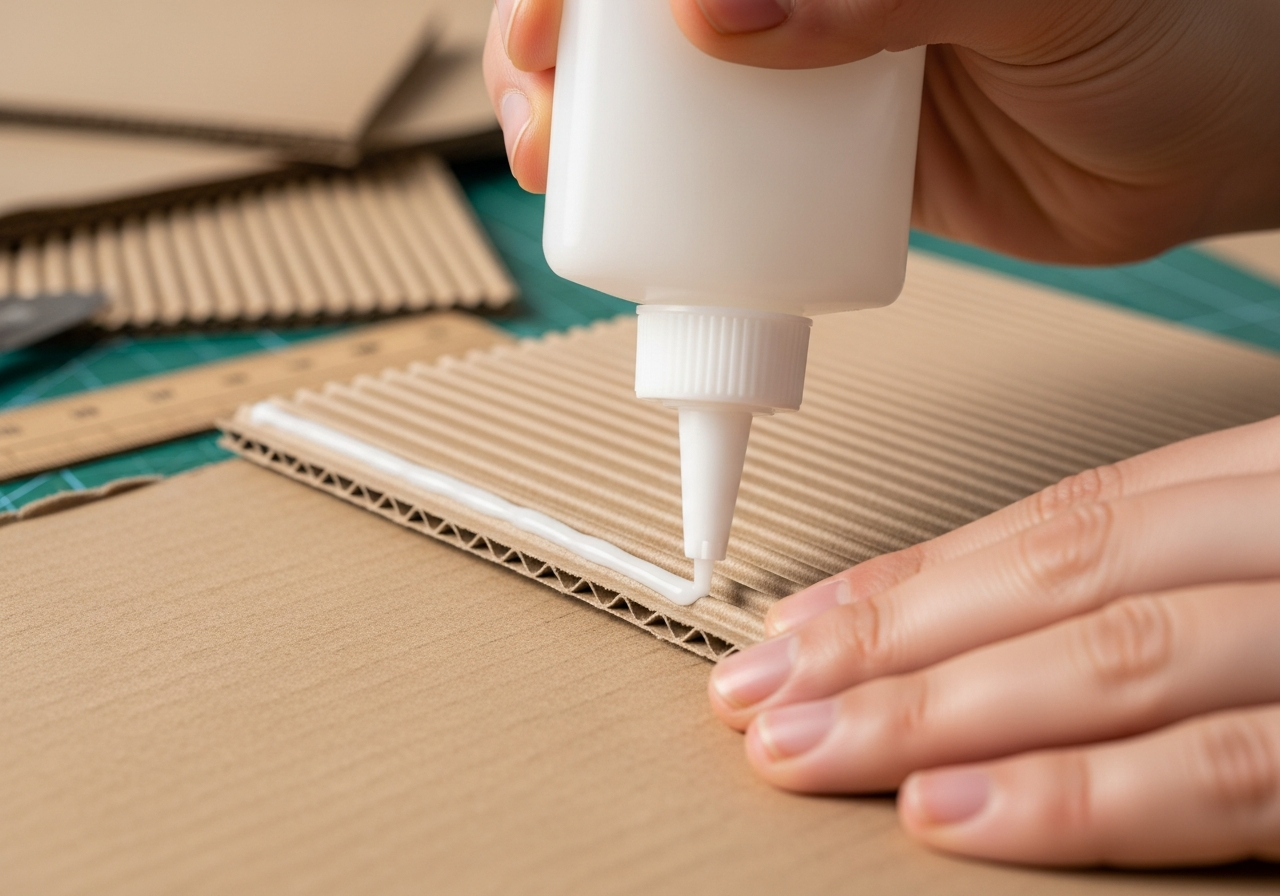
Corrugated cardboard can be glued effectively when the correct adhesive, surface preparation, and pressure control are applied. Glue performance depends on board structure, moisture balance, and production method.
From a manufacturing perspective, gluing is not a simple step. It is a controlled process that directly affects box strength and production stability.
What Adhesives Are Used for Corrugated Cardboard?
Adhesive choice is the foundation of successful bonding.
Water-based starch glue and PVA glue are the most commonly used adhesives for corrugated cardboard.
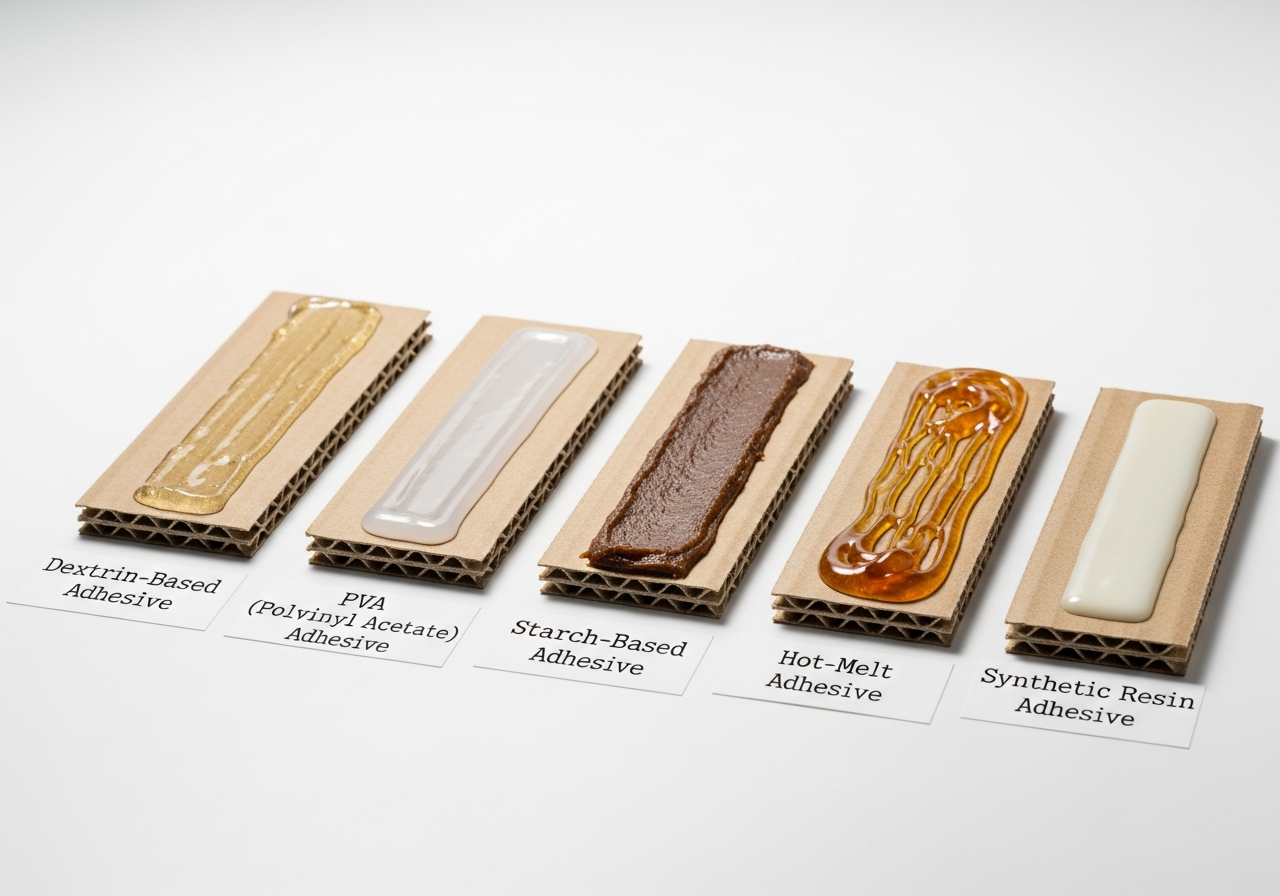
In factories, starch-based adhesives are standard for corrugated board production. They are cost-effective, recyclable, and compatible with paper fibers. These glues bond through penetration into the liner and flute tips.
PVA (white glue) is commonly used for manual gluing, small-batch production, and rigid box assembly. Hot melt adhesive is used for high-speed box sealing but is less suitable for structural lamination.
Manufacturing selection depends on speed, strength requirement, and recyclability goals. Using the wrong adhesive often causes weak bonding or warping.
How Should Corrugated Cardboard Surfaces Be Prepared?
Surface condition directly affects glue strength.
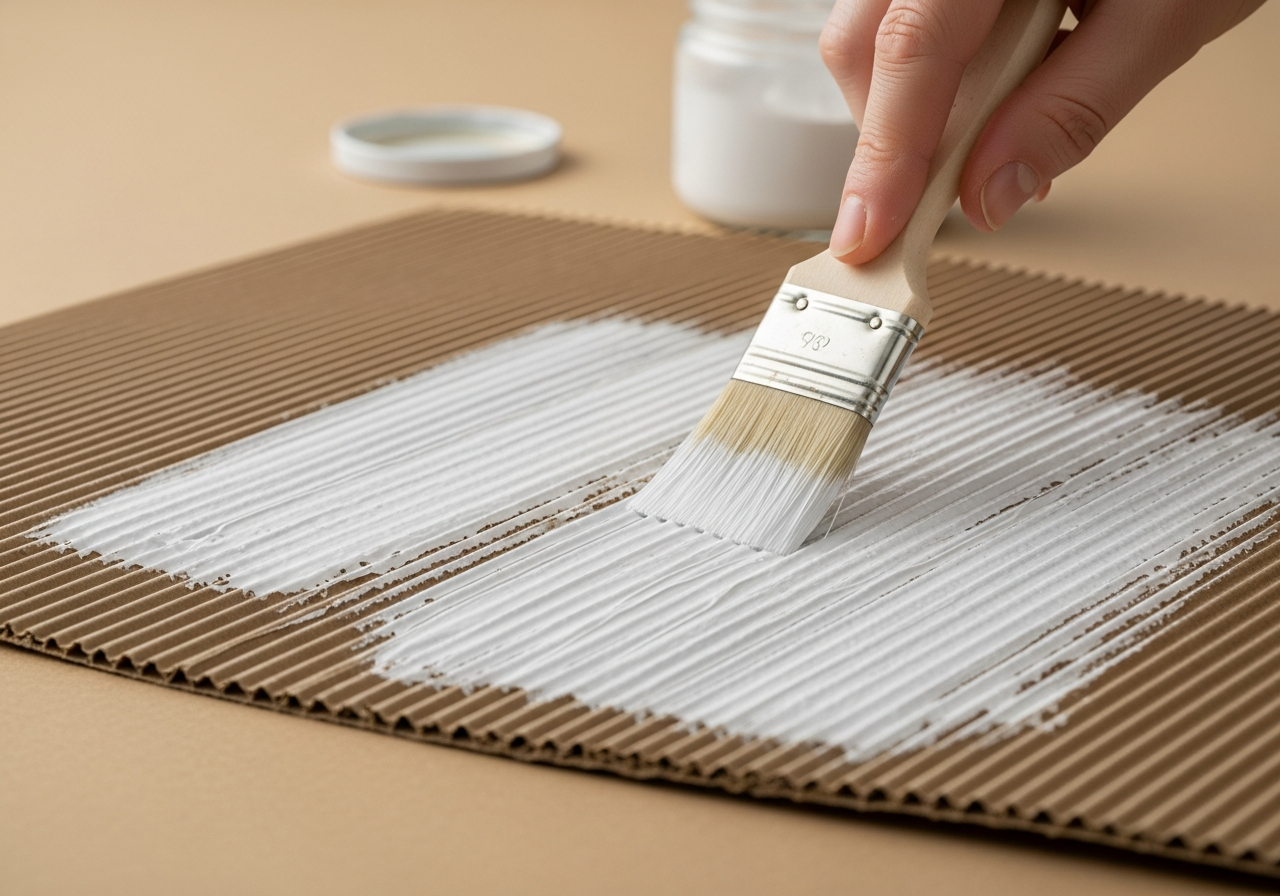
Corrugated cardboard must be clean, dry, and flat before gluing.
Dust, fiber debris, or excessive moisture reduce adhesive penetration. Crushed flutes prevent proper contact and lower bond strength.
In factory workshops, boards are conditioned to stable humidity before gluing. Excessively dry board absorbs glue too fast. Over-moist board delays curing and causes warp. Proper surface preparation ensures glue forms a strong fiber-to-fiber bond instead of sitting on the surface.
How Is Glue Applied Correctly?
Glue quantity and distribution matter more than glue type alone.
Glue should be applied evenly in a thin, continuous layer along bonding areas.
Excess glue weakens bonding by soaking the paper and causing deformation. Too little glue creates dry spots and delamination.
In corrugated box factories, glue wheels, rollers, or nozzles control application thickness precisely. Manual gluing uses brushes or rollers with consistent pressure. Even coverage ensures full contact between liners and flutes or between box seams.
How Much Pressure and Drying Time Are Needed?
Bonding happens under pressure, not instantly.
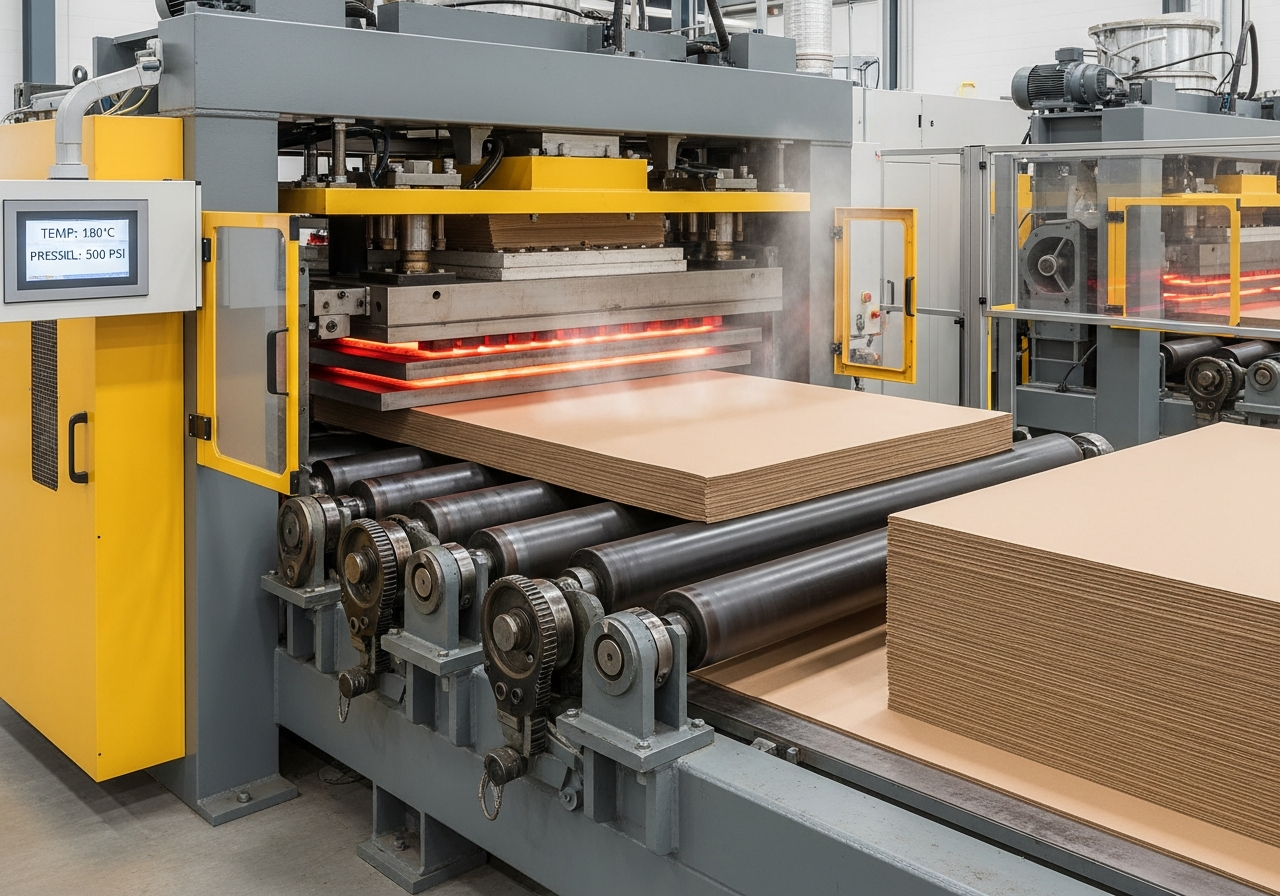
Corrugated cardboard requires consistent pressure and adequate curing time to achieve full bond strength.
After glue application, bonded areas must be pressed together. Pressure ensures adhesive spreads into fibers and expels trapped air.
In factory production, compression belts or press sections apply controlled pressure for several seconds. After bonding, boxes rest to allow moisture to equalize. Rushing this step leads to weak joints and post-production failure.
Manual assembly requires weighted pressing or clamping until the glue sets. Drying time varies based on adhesive type and ambient conditions.
How Does Factory Gluing Differ From Manual Gluing?
Production scale changes the gluing method.
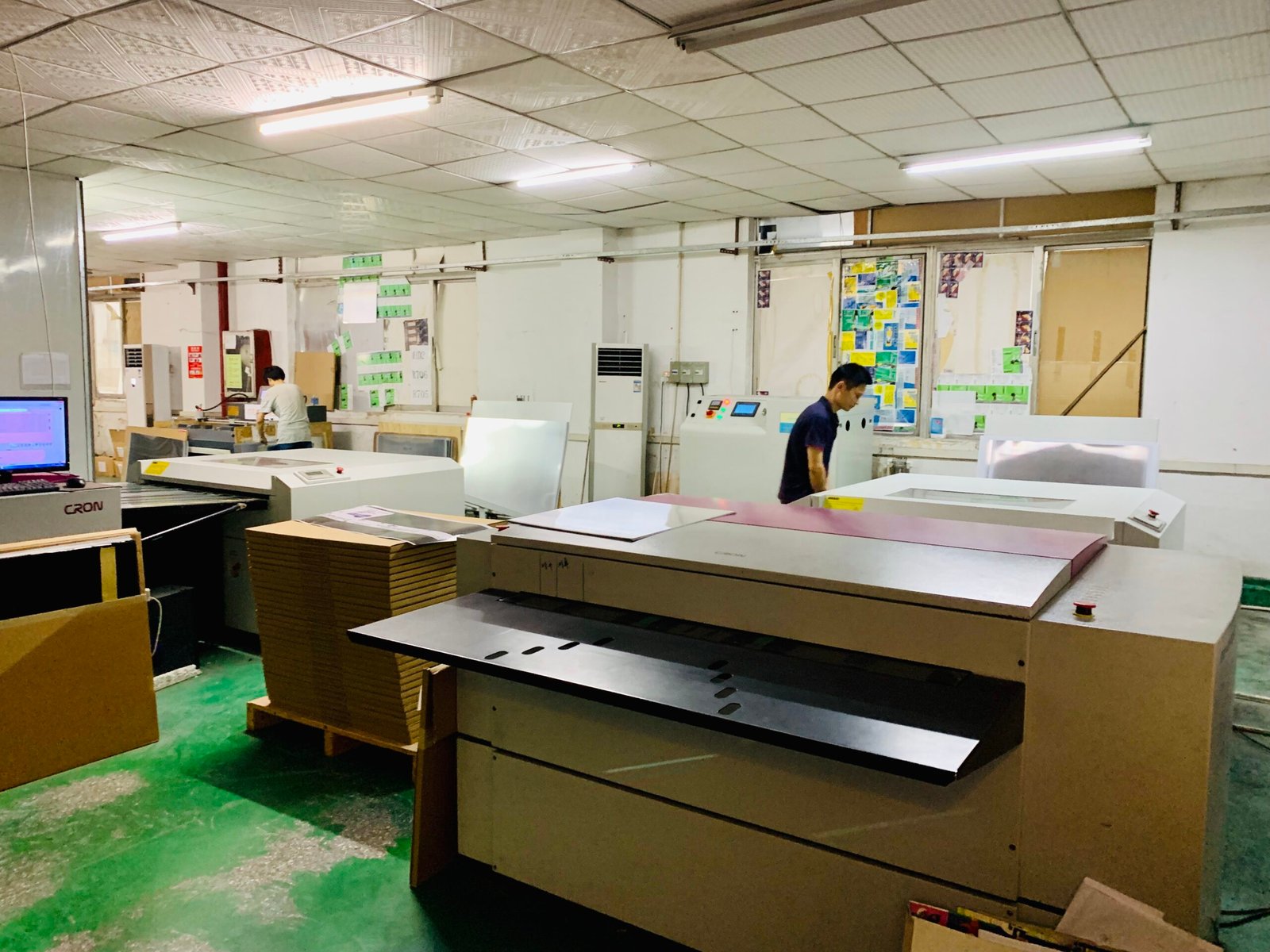
Factory gluing relies on automated systems, while manual gluing depends on operator control.
In corrugator and box plants, gluing is integrated into the production line. Adhesive viscosity, temperature, and application speed are monitored continuously. This ensures consistent bonding across thousands of boxes.
Manual gluing is suitable for prototypes, samples, and small orders. However, inconsistency in glue amount and pressure increases defect risk. Manufacturing-scale gluing prioritizes repeatability and strength verification.
Common Gluing Problems and How Manufacturers Avoid Them
Understanding failure points prevents defects.
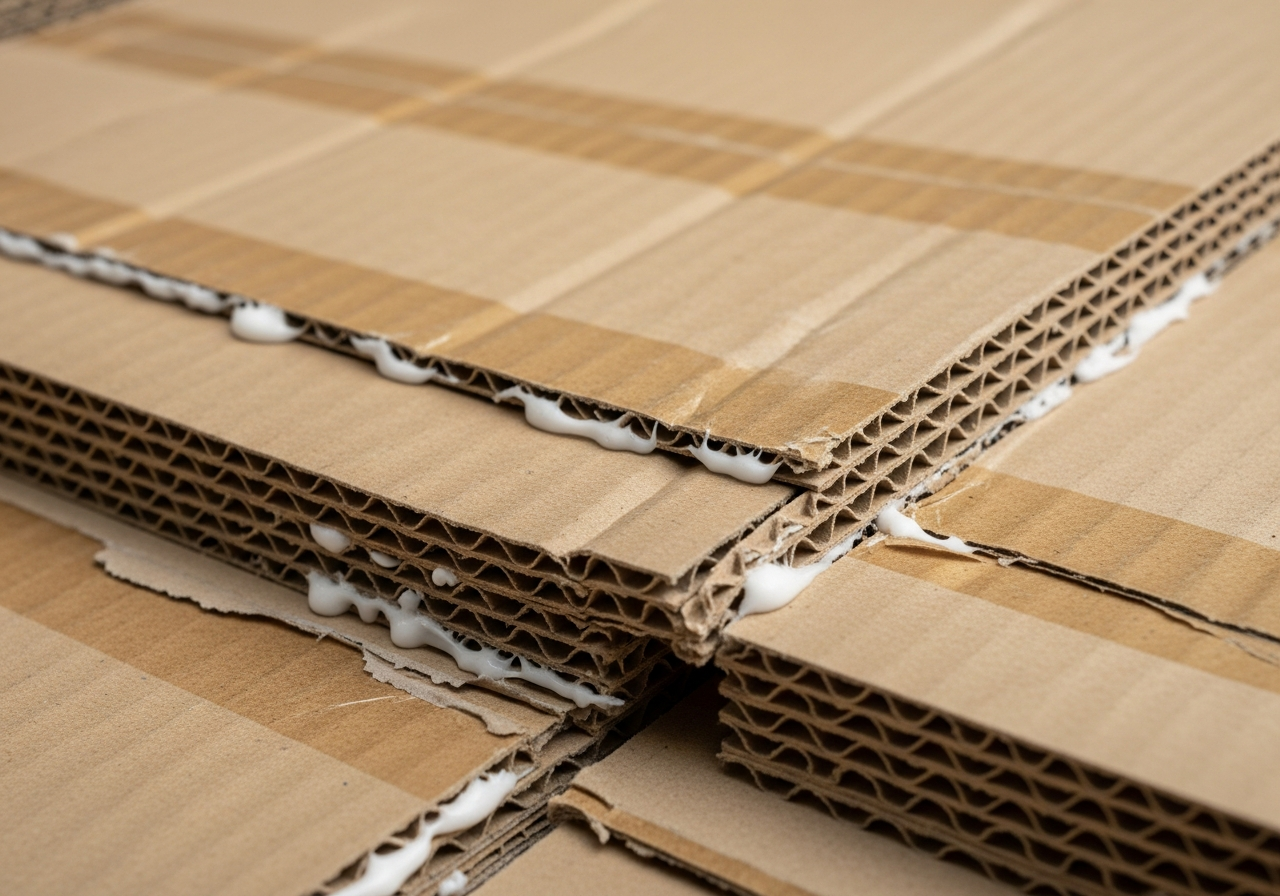
Most corrugated gluing problems come from moisture imbalance, incorrect adhesive, or insufficient pressure.
Warping occurs when glue adds uneven moisture. Delamination happens when glue penetration is insufficient. Weak seams appear when pressure or curing time is too short.
Factories prevent these issues through adhesive testing, humidity control, and routine bond strength checks. Sample boxes are pulled and tested to confirm seam integrity before mass production continues.
Conclusion
Gluing corrugated cardboard is a controlled technical process, not a simple assembly step. Correct adhesive selection, clean surfaces, even application, proper pressure, and adequate curing time are all required for reliable bonding.
From a manufacturing perspective, strong glue joints protect box structure, stacking strength, and transport safety. Whether in automated factory lines or manual assembly, disciplined gluing practices prevent delamination, reduce waste, and ensure corrugated packaging performs as designed from production to final delivery.