Many buyers assume all cardboard has the same strength. This misunderstanding often leads to damaged products and failed shipping tests.
Yes, corrugated cardboard is much stronger than regular cardboard because its fluted inner structure distributes pressure and absorbs impact.
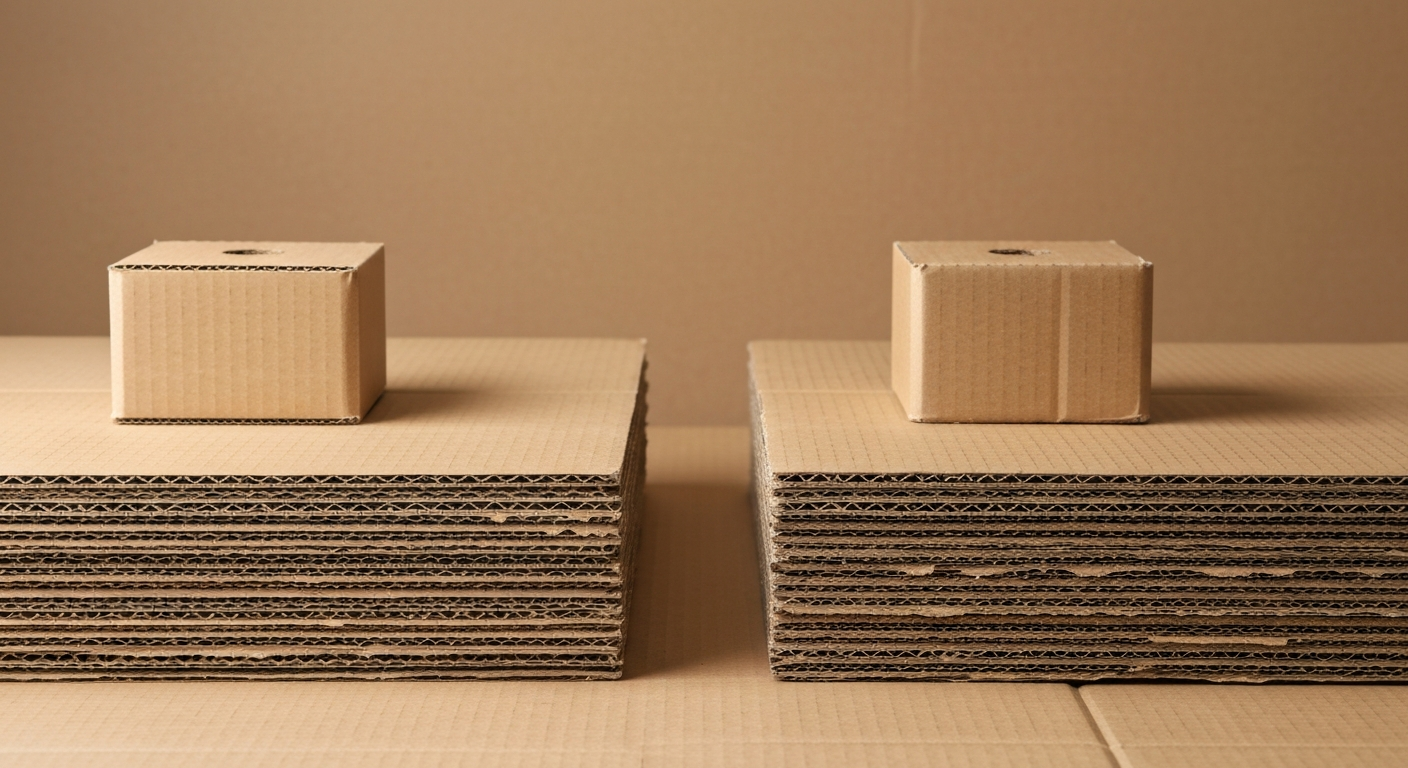
I often explain this to new clients. Two boxes may look similar, but their performance can be completely different once they enter real logistics.
What Is the Difference Between Corrugated and Regular Cardboard?
Many buyers use the word “cardboard” as a general term. In manufacturing, this creates confusion.
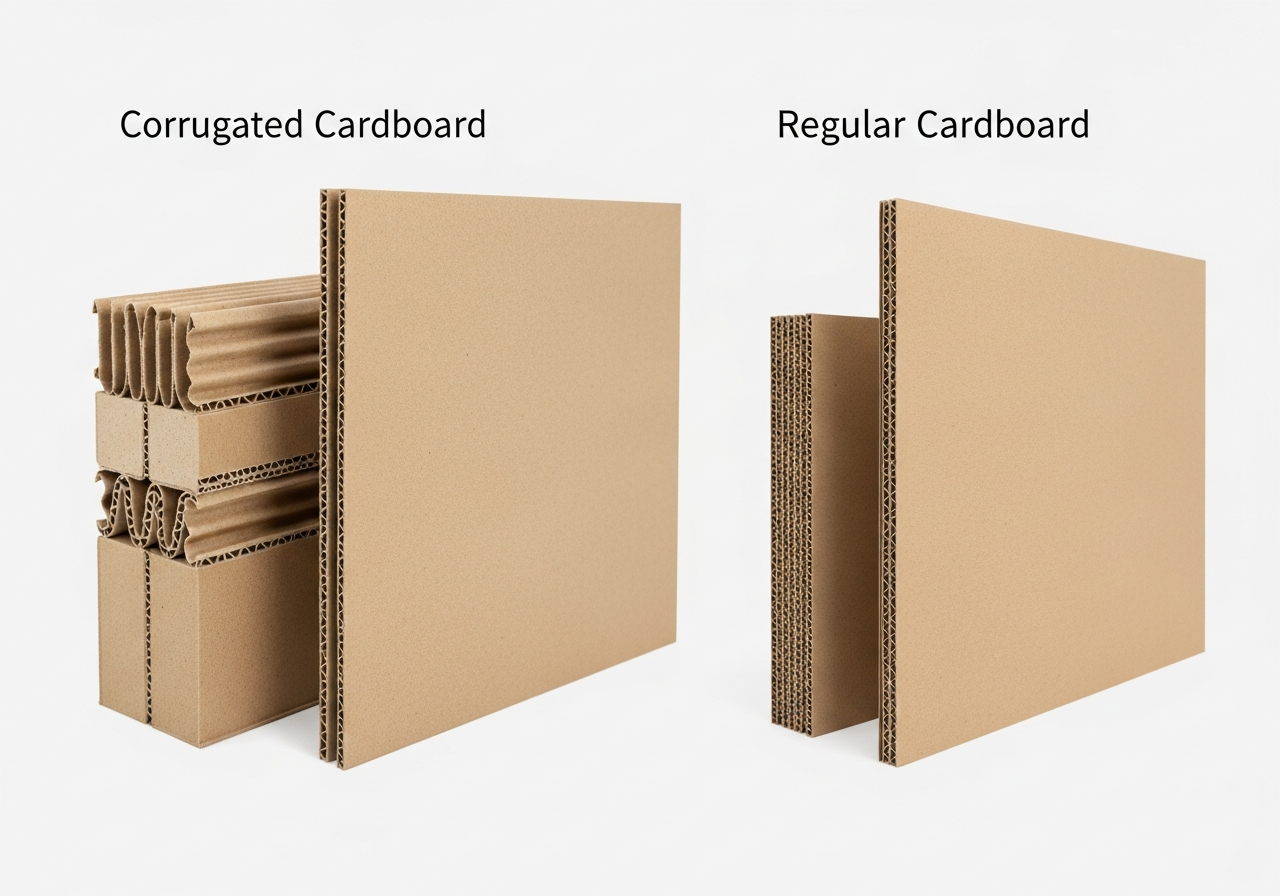
Regular cardboard usually means single-layer paperboard, while corrugated cardboard has a fluted medium sandwiched between linerboards.
From a factory view, structure is the key difference. Corrugated board is engineered. Regular cardboard is flat.
Structural comparison
| Material | Structure | Typical Use |
|---|---|---|
| Regular cardboard | Single-layer board | Retail boxes |
| Corrugated cardboard | Multi-layer with flutes | Shipping cartons |
This internal flute is the reason for strength, not thickness alone.
Why Is Corrugated Cardboard Stronger?
Many buyers think strength comes only from paper weight. This is incorrect.
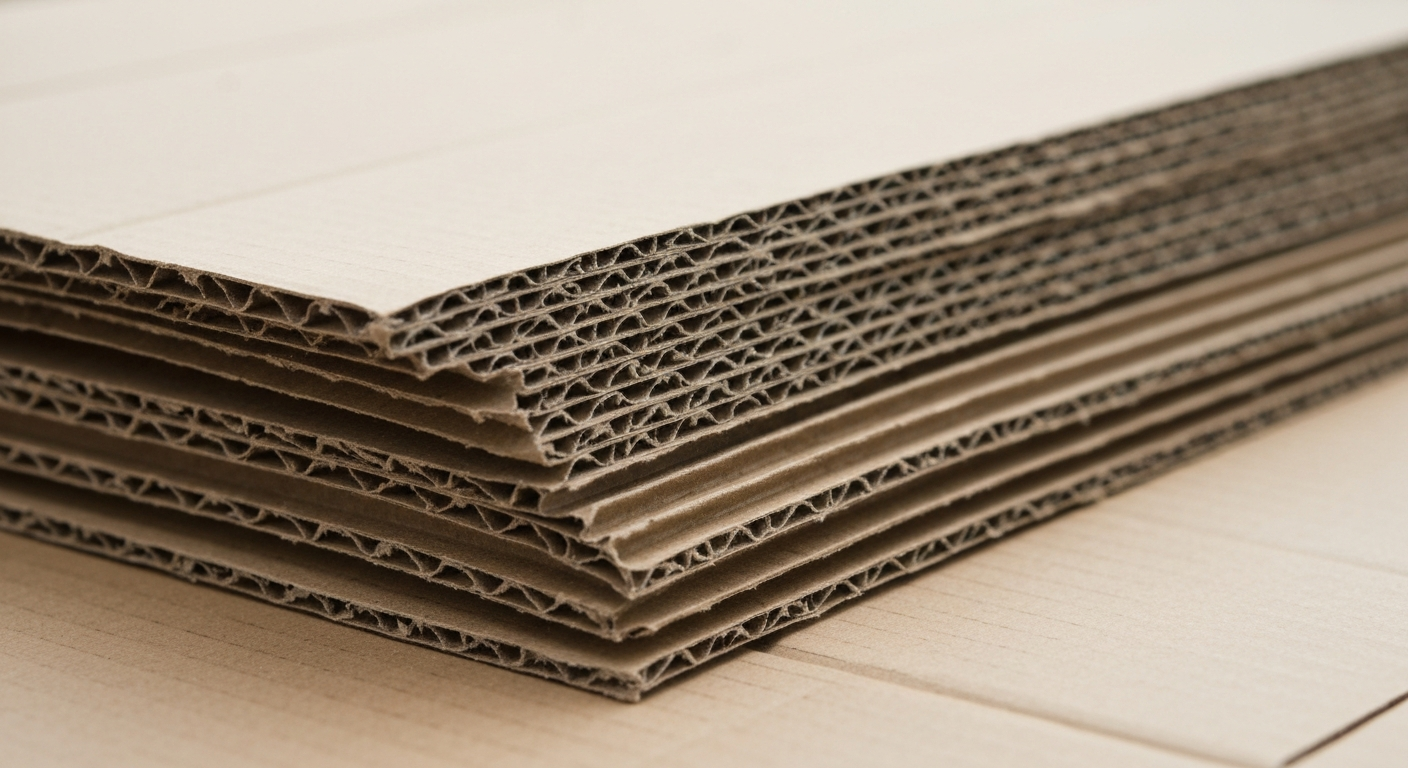
Corrugated cardboard is stronger because the fluted layer acts like a shock absorber and supports vertical loads.
From engineering tests, the flute structure works like an I-beam. It spreads force instead of concentrating it.
Strength advantages of corrugated board
| Feature | Benefit |
|---|---|
| Fluted medium | Shock absorption |
| Air gaps | Reduced impact |
| Multi-layer bonding | Higher rigidity |
In our factory tests, corrugated boxes pass compression and drop tests that regular cardboard boxes fail quickly.
How Do Strength Tests Compare in Real Production?
Some buyers rely on feel or thickness. This is risky.
Strength should be measured using industry tests, not by hand.
From a manufacturing standpoint, we rely on data.
Common strength tests
| Test | Corrugated | Regular Cardboard |
|---|---|---|
| Edge crush test | High | Very low |
| Box compression | Strong | Weak |
| Drop test | Pass | Often fail |
For shipping electronics and fragile items, we never rely on regular cardboard as outer packaging.
Does Thicker Cardboard Mean Stronger?
Many buyers assume thicker paper equals stronger packaging. This is only partly true.
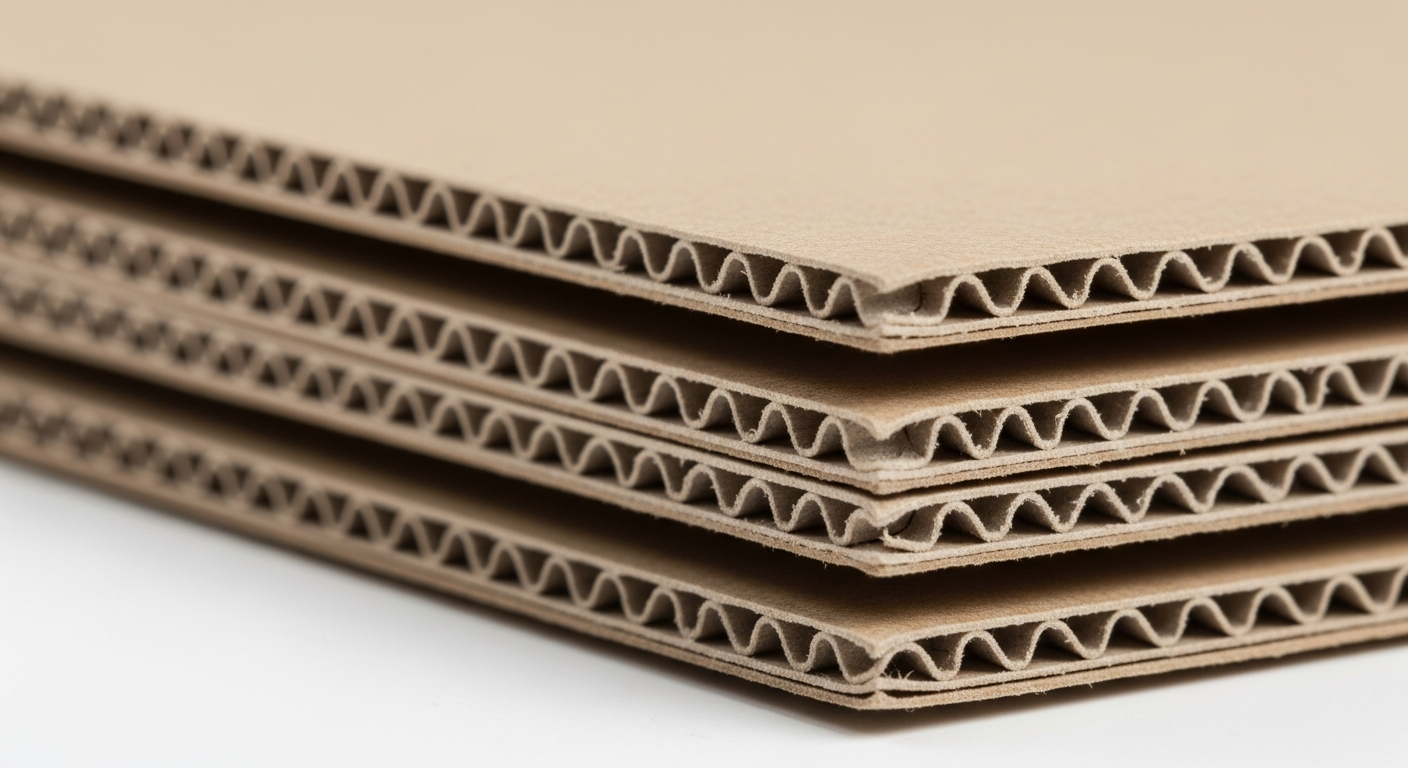
Thickness alone does not equal strength. Structure matters more.
A thick flat board can still bend easily. A thinner corrugated board can support more weight.
Thickness vs structure
| Factor | Impact on Strength |
|---|---|
| Flat thickness | Limited |
| Flute structure | High |
| Bonding quality | Critical |
In our designs, we often reduce paper weight but improve flute type. This controls cost while keeping strength.
When Is Regular Cardboard Strong Enough?
Corrugated is not always required.
Regular cardboard is suitable for light products, inner packaging, and retail display.
From real projects, cosmetics boxes and food cartons often use cardboard with inner protection.
Suitable uses for regular cardboard
| Use Case | Reason |
|---|---|
| Retail shelves | Appearance focus |
| Lightweight products | Low load |
| Inner boxes | Not load-bearing |
In these cases, corrugated would be unnecessary and increase cost and size.
When Should Corrugated Cardboard Be Used?
Some buyers underuse corrugated packaging.
Corrugated cardboard should be used when protection, stacking, and shipping strength are required.
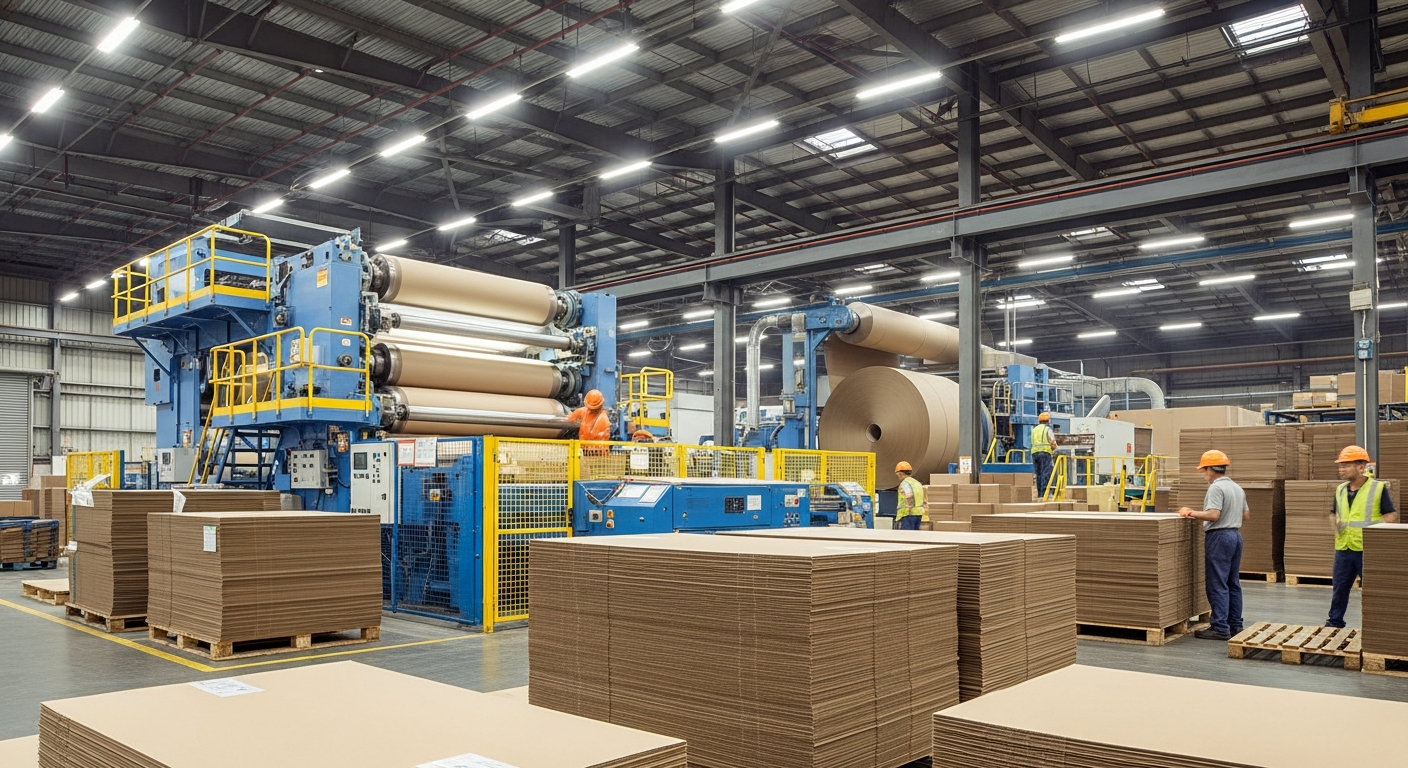
From factory experience, corrugated packaging is essential for long-distance and export shipping.
Typical corrugated applications
| Product | Reason |
|---|---|
| Electronics | Shock protection |
| Glass | Load and impact resistance |
| E-commerce | Drop resistance |
In many projects, we combine both. Cardboard for inner branding. Corrugated for outer protection.
How Do We Help Buyers Choose the Right Strength?
Choosing stronger packaging is not about overdesign.
The right strength depends on product weight, shipping method, and logistics environment.
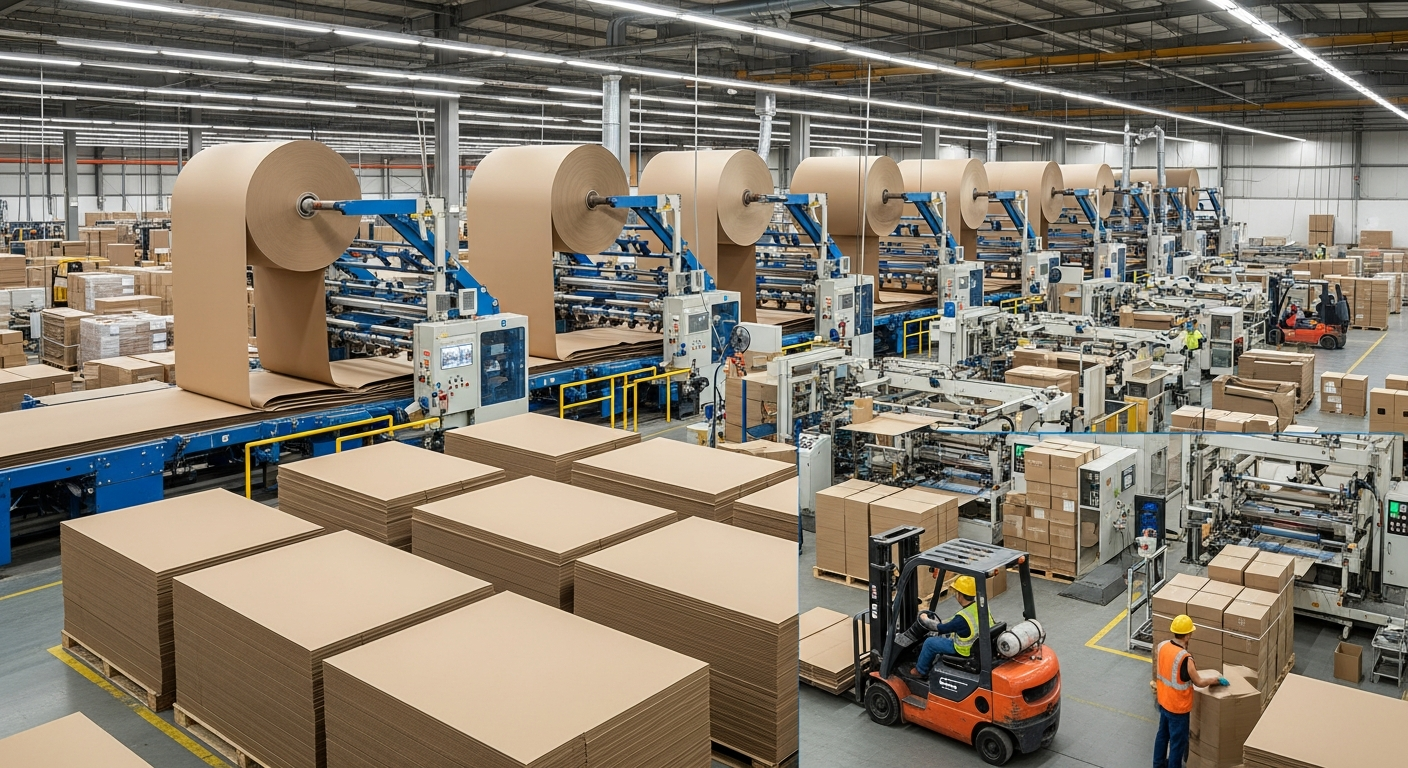
In our factory process, we review weight, stacking height, and shipping distance before recommending material.
Our strength selection process
- Evaluate product weight
- Define shipping route
- Select flute and liner
- Test compression and drop
This avoids both under-protection and wasted cost.
Conclusion
Corrugated cardboard is significantly stronger than regular cardboard because of its engineered fluted structure. Regular cardboard has its place, but it is not designed for heavy loads or shipping stress.
As a manufacturer, my role is to help buyers choose the correct material based on real use, not assumptions. When strength matches application, packaging becomes reliable, efficient, and cost-controlled.