Many people see brown paper bags as basic or low-value packaging. This thinking causes brands to miss a simple but powerful tool for cost control, sustainability, and brand trust.
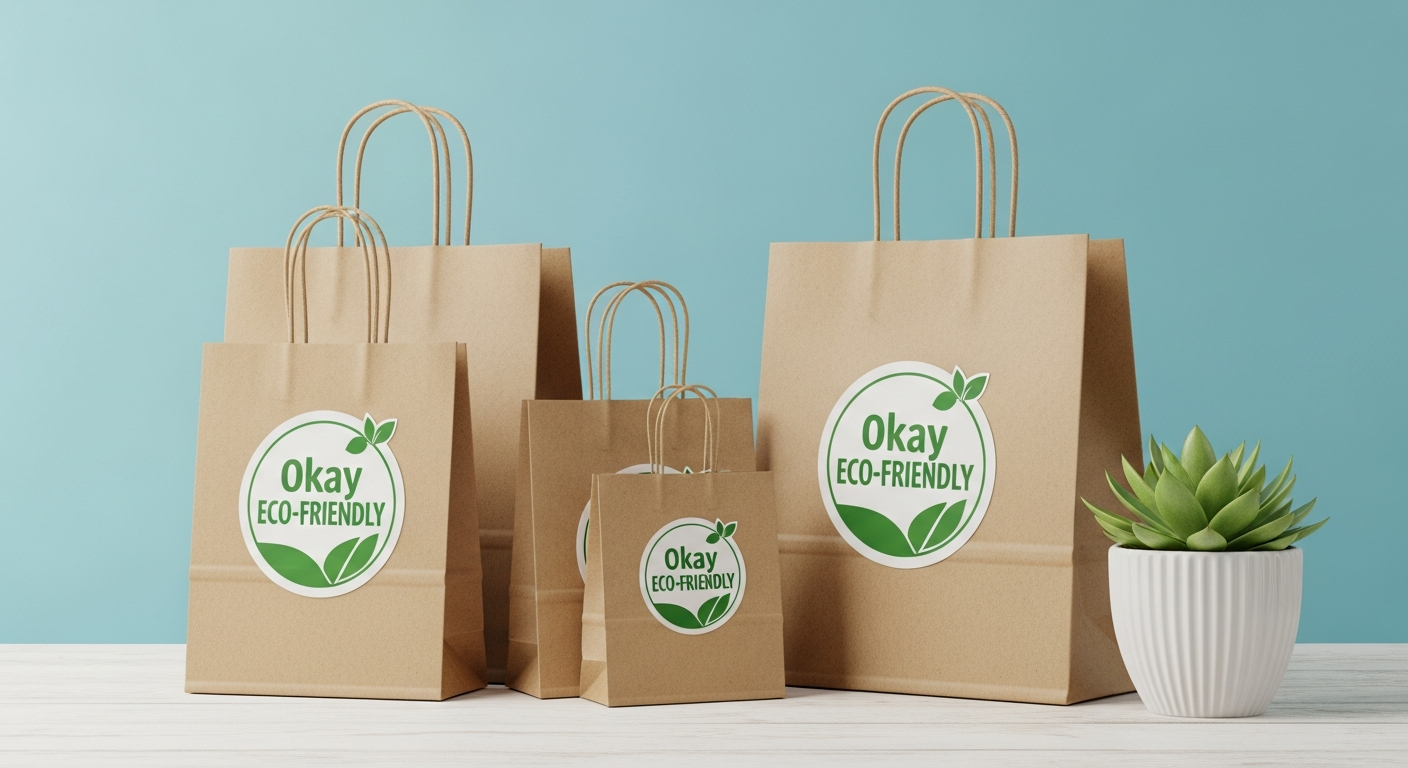
The purpose of a brown paper bag is to carry products safely, support eco-friendly packaging goals, and provide a cost-effective, recyclable solution for retail, food, and takeaway use.
From my factory experience, brown paper bags are not popular by accident. They exist because they solve real problems for brands and retailers.
What Is a Brown Paper Bag Made Of?
Many buyers think all brown paper bags use the same paper. That is not true.
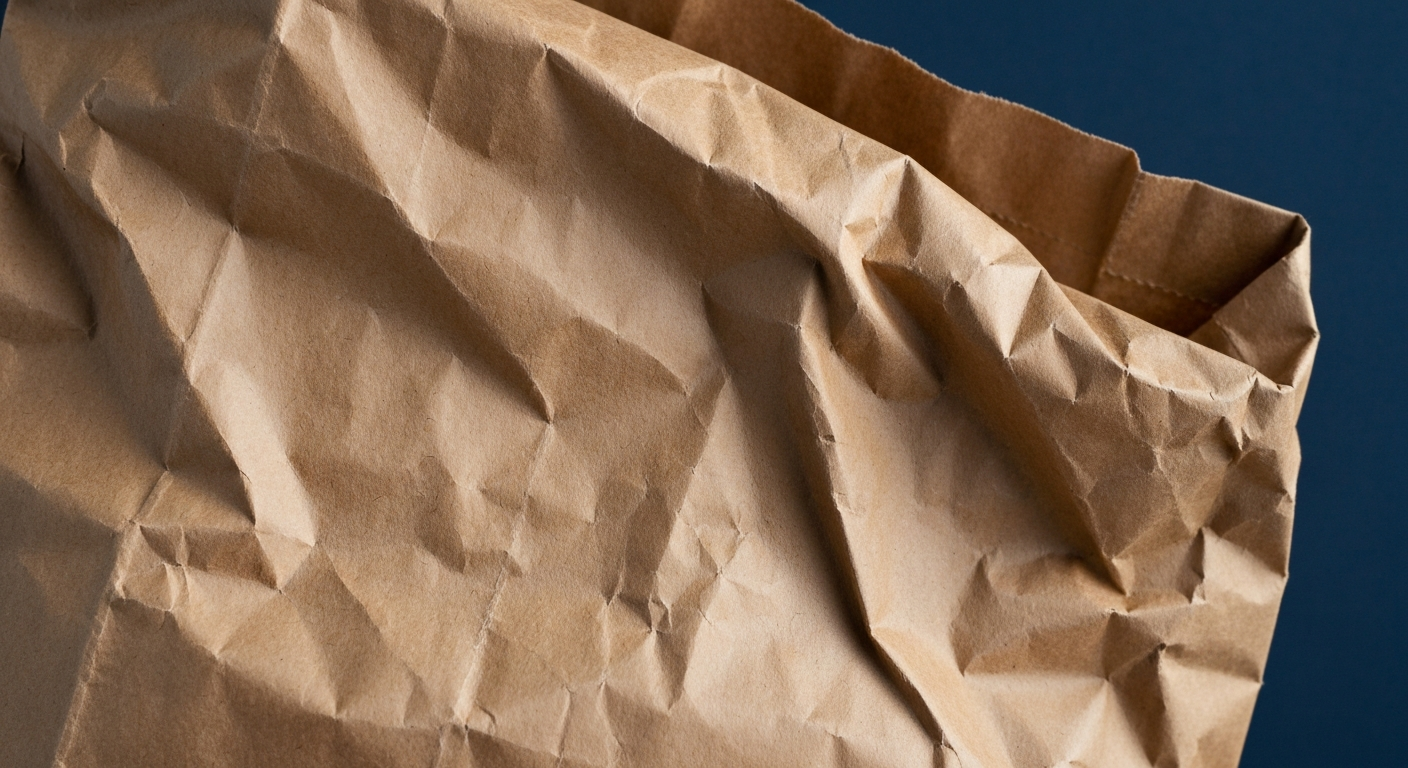
Most brown paper bags are made from unbleached kraft paper, which uses long wood fibers to provide strength and tear resistance.
From a manufacturing point of view, unbleached kraft paper keeps more natural fiber strength. It also avoids extra chemical bleaching, which reduces cost and improves sustainability.
Common materials used for brown paper bags
| Material Type | Purpose |
|---|---|
| Virgin brown kraft | High strength carrying |
| Recycled kraft | Cost control |
| Mixed fiber kraft | Balanced performance |
In our factory, paper selection depends on bag size, handle type, and expected load. A brown paper bag that looks the same can perform very differently.
Why Are Brown Paper Bags Used for Carrying Products?
Many buyers assume brown paper bags are weak. This is a misunderstanding.
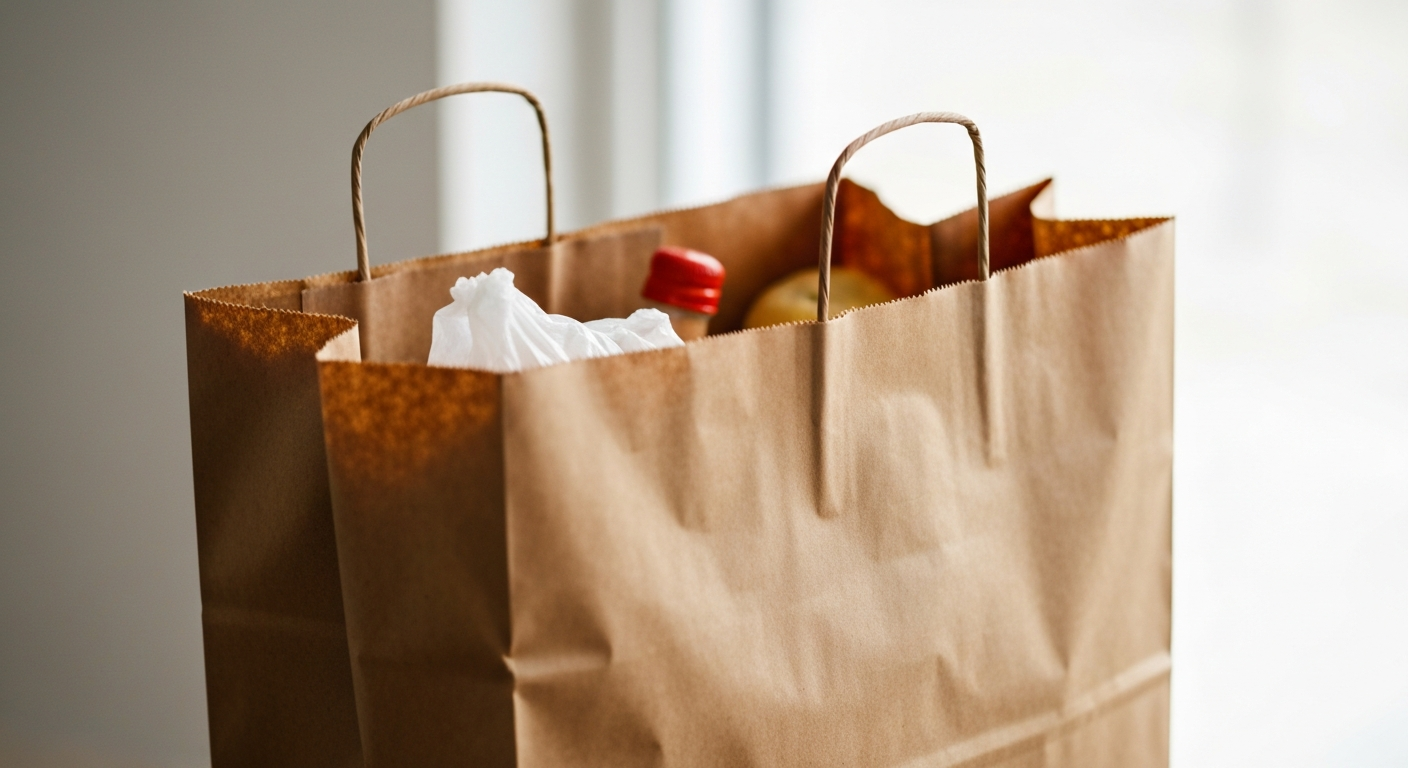
Brown paper bags are used because they can safely carry everyday products when made from proper kraft paper and structure.
Long fibers in kraft paper improve tear resistance, especially around handles and folds.
Typical carrying uses
| Use Case | Reason |
|---|---|
| Takeaway food | Breathable and grease-friendly |
| Grocery items | Load stability |
| Retail shopping | Easy handling |
| Gifts | Simple presentation |
In our production testing, well-designed brown paper bags can carry several kilograms without tearing.
Why Are Brown Paper Bags Considered Eco-Friendly?
This is one of the main reasons buyers choose them.
Brown paper bags are considered eco-friendly because they are recyclable, biodegradable, and often made from responsibly sourced wood pulp.
Unbleached kraft paper requires fewer chemicals. This reduces environmental impact.
Environmental benefits
| Benefit | Impact |
|---|---|
| Recyclable | Easy waste handling |
| Biodegradable | Reduced pollution |
| FSC options | Responsible forestry |
| Plastic-free | Compliance friendly |
In US and EU markets, brown paper bags help brands meet plastic reduction regulations.
Why Do Brands Choose Brown Paper Bags Instead of Plastic?
Many brands switch to brown paper bags for more than one reason.
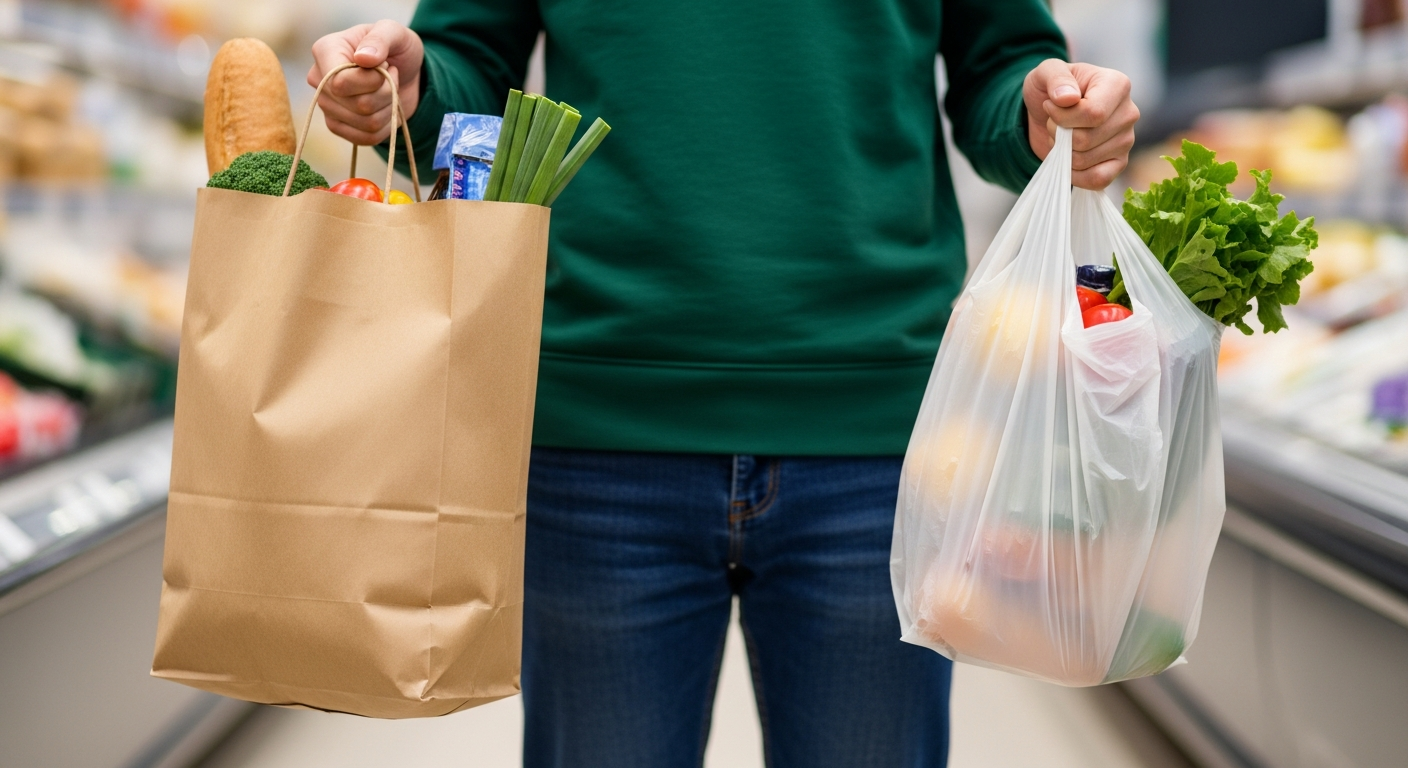
Brown paper bags help brands reduce plastic use, comply with regulations, and improve brand perception.
From brand feedback, customers trust paper bags more than plastic.
Comparison with plastic bags
| Factor | Brown Paper Bag | Plastic Bag |
|---|---|---|
| Sustainability | High | Low |
| Brand image | Natural | Disposable |
| Recycling | Easy | Difficult |
| Regulations | Accepted | Restricted |
This shift is driven by both policy and consumer behavior.
Do Brown Paper Bags Support Branding?
Some buyers think brown paper bags are plain and boring. This is incorrect.
Brown paper bags support branding through printing, logos, and natural brand storytelling.
The natural brown surface communicates simplicity and honesty.
Branding advantages
| Branding Element | Effect |
|---|---|
| Natural color | Eco-friendly image |
| Custom logo | Brand recognition |
| Minimal design | Premium simplicity |
| Reusability | Brand exposure |
In our factory, many premium brands intentionally choose brown kraft bags to signal sustainability and authenticity.
What Industries Commonly Use Brown Paper Bags?
Brown paper bags are widely used across industries.

They are commonly used in food service, retail, grocery, and promotional packaging.
Common industries
| Industry | Purpose |
|---|---|
| Food & bakery | Breathable packaging |
| Retail | Shopping bags |
| Grocery | Daily use |
| Events | Promotional giveaways |
| Electronics | Carry-out packaging |
Their versatility makes them a default choice for many businesses.
What Are the Limitations of Brown Paper Bags?
Brown paper bags are useful, but not perfect.
They have limits in moisture resistance and load capacity if poorly designed.
Common limitations
| Limitation | Risk |
|---|---|
| Moisture exposure | Strength loss |
| Overloading | Tearing |
| Long-term reuse | Fatigue |
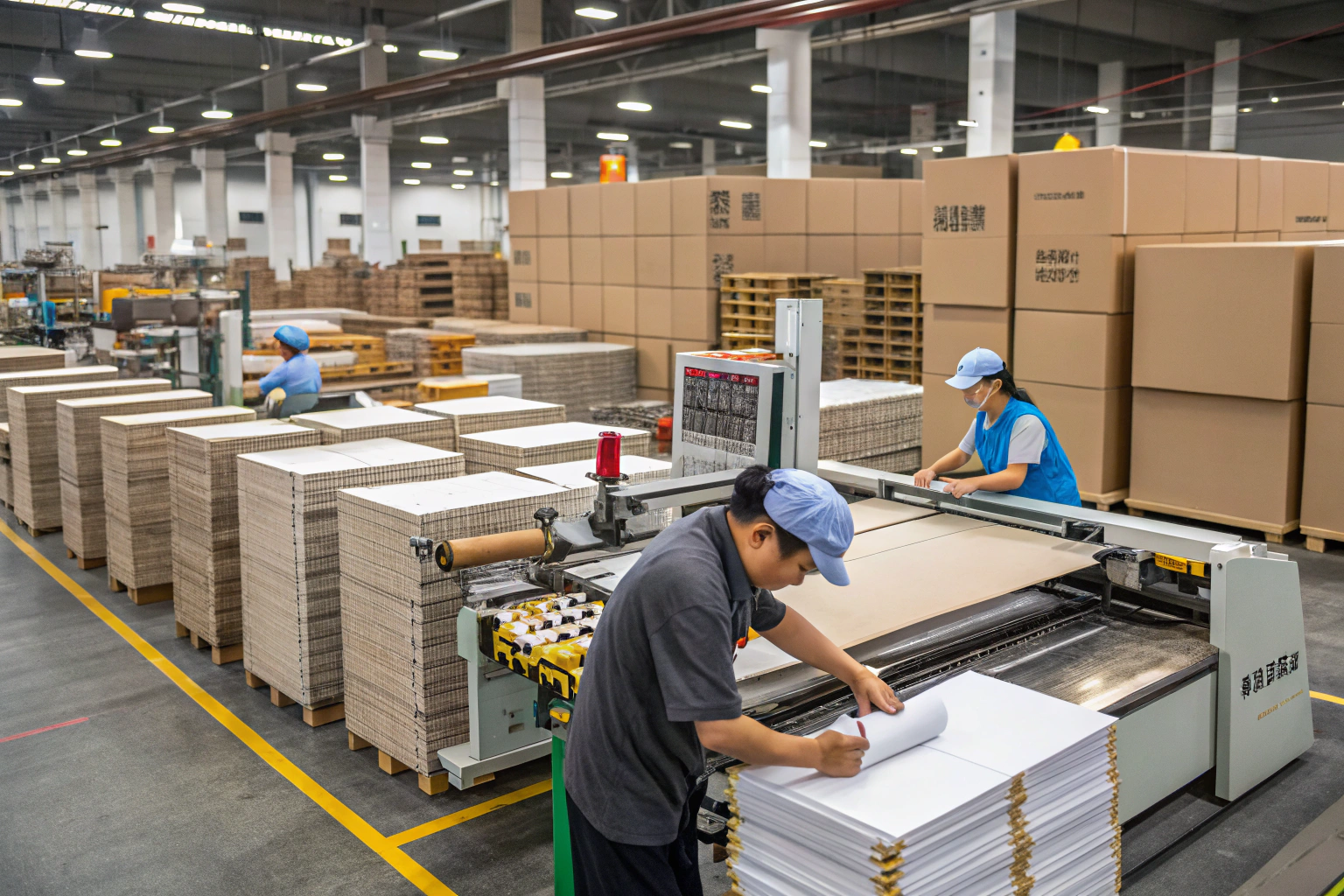
In our factory, we address these limits by adjusting paper GSM, handle type, or adding coatings when needed.
How Do We Manufacture Reliable Brown Paper Bags?
A good brown paper bag depends on factory control.
Reliable brown paper bags require correct paper choice, structure design, and load testing.
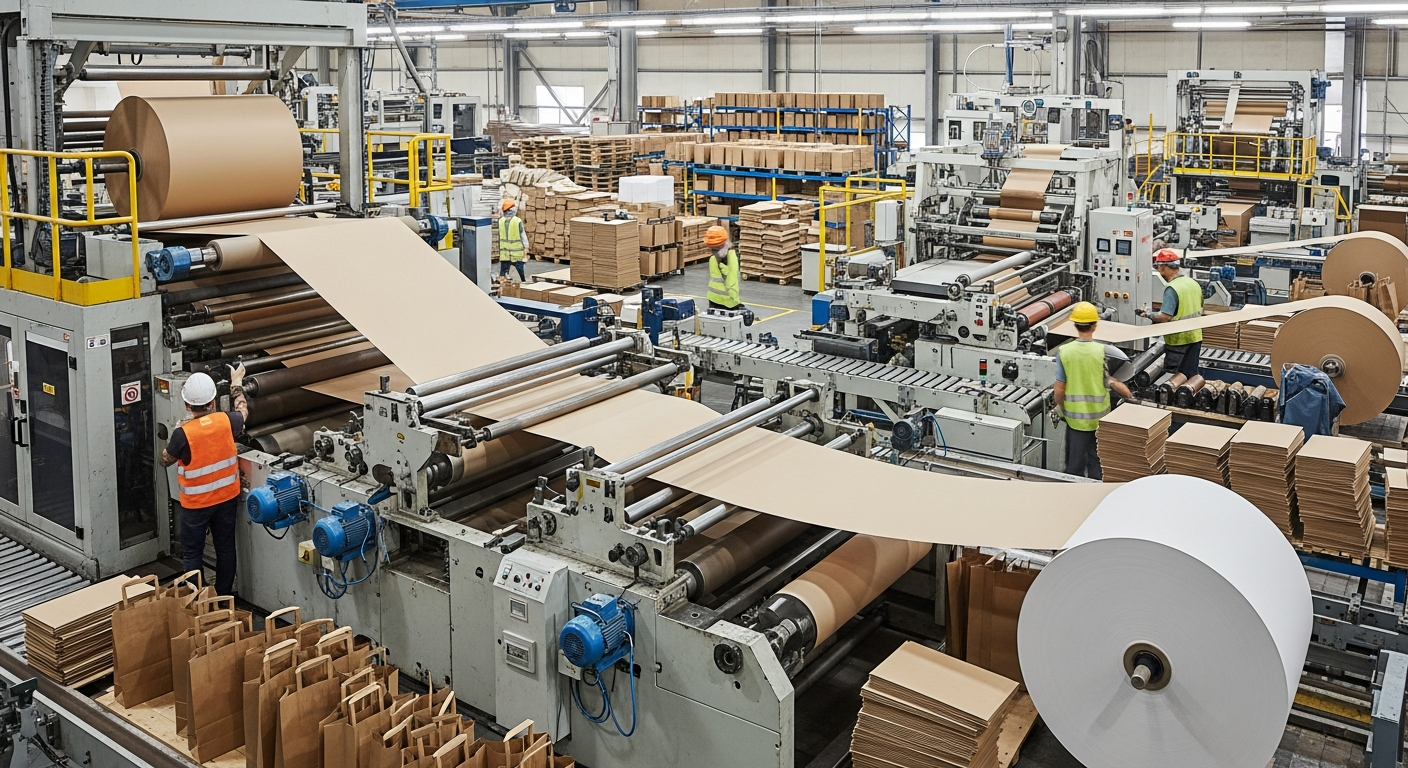
Our manufacturing process
- Select kraft paper grade
- Control paper moisture
- Print and cut accurately
- Attach handles securely
- Perform load testing
This ensures bags perform in real customer use, not just in appearance.
Conclusion
The purpose of a brown paper bag is to provide a strong, eco-friendly, and cost-effective way to carry products while supporting sustainability and brand image.
As a manufacturer, I see brown paper bags as practical tools, not simple packaging. When designed and produced correctly, they protect products, reduce plastic use, and quietly strengthen brand trust every time a customer carries one.