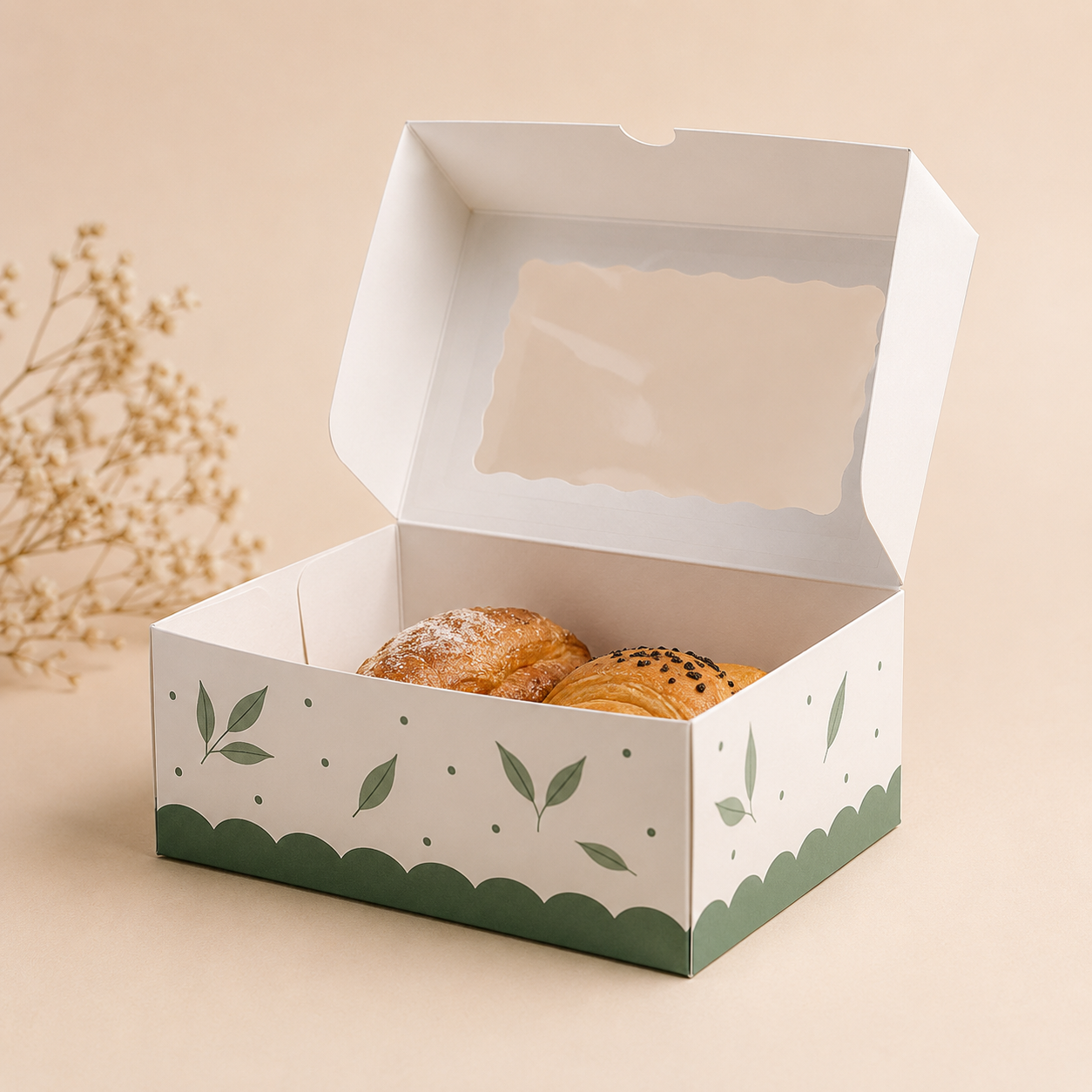
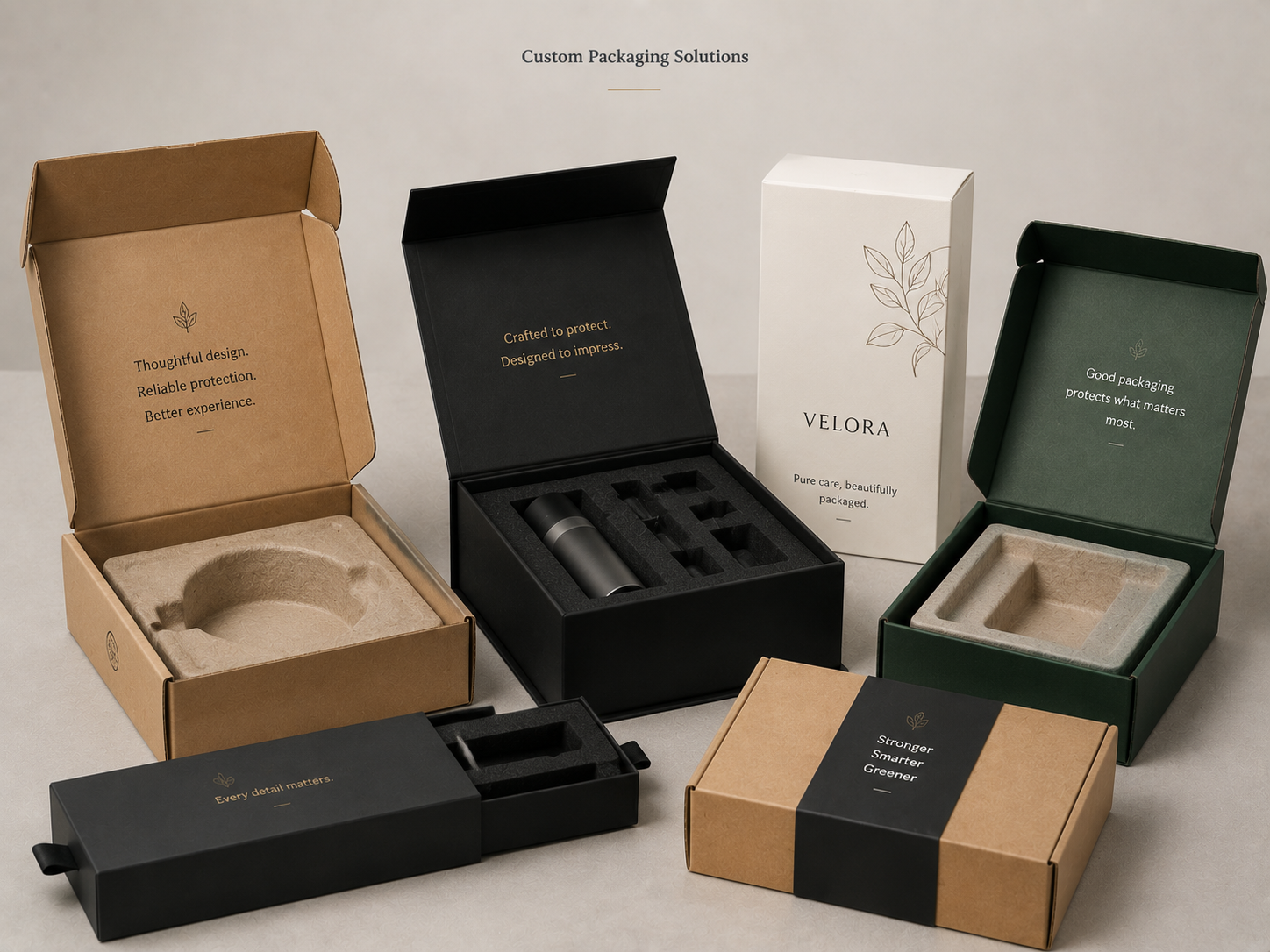
Many buyers think white kraft paper and brown kraft paper are the same material with different colors. This misunderstanding often leads to wrong cost expectations, strength issues, or printing problems.
The main difference between white kraft paper and brown kraft paper is the bleaching process, which affects strength, appearance, cost, and typical packaging use.
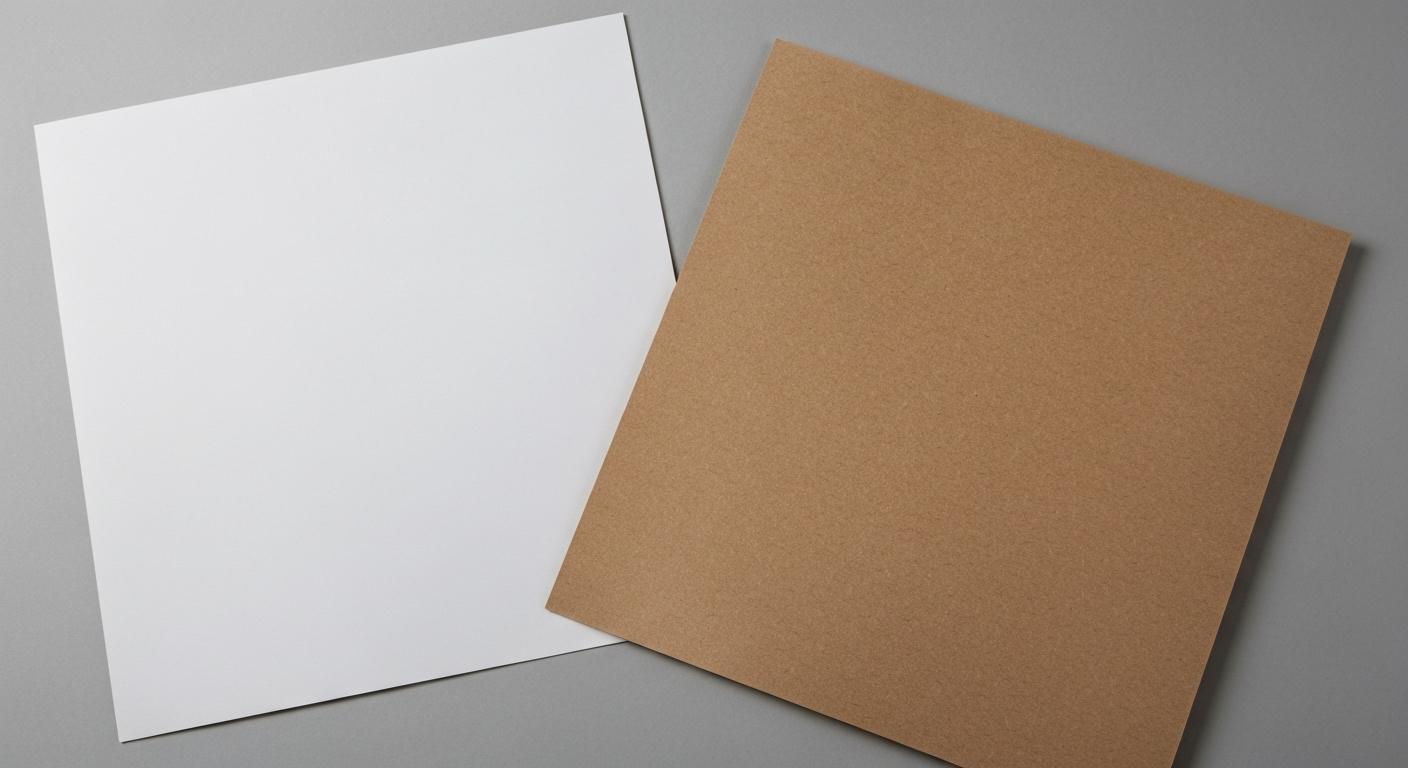
When I explain this to procurement managers, the decision usually becomes much easier. Once you understand how color is created, you also understand the performance trade-offs.
What Is Brown Kraft Paper?
Brown kraft paper is the most common kraft paper used in packaging.

Brown kraft paper is made from unbleached wood pulp, which keeps fibers stronger and more natural.
From a factory perspective, brown kraft paper is valued for performance first. It skips the bleaching step, which means fewer chemicals and less fiber damage.
Key features of brown kraft paper
| Feature | Result |
|---|---|
| Unbleached fibers | Higher strength |
| Natural brown color | Eco-friendly image |
| Lower processing | Lower cost |
| Rougher surface | Less print contrast |
In our production, brown kraft paper is widely used for corrugated liners, paper bags, shipping boxes, and inner packaging where strength matters more than appearance.
What Is White Kraft Paper?
White kraft paper is not a different raw material. It is a further processed version.

White kraft paper is kraft paper that has been bleached to achieve a white or light-colored surface for better visual appeal and printing.
From a manufacturing view, bleaching improves brightness but slightly reduces fiber strength. It also increases cost and processing time.
Key features of white kraft paper
| Feature | Result |
|---|---|
| Bleached fibers | Cleaner appearance |
| Smooth surface | Better printing |
| Higher brightness | Strong color contrast |
| Extra processing | Higher cost |
In our factory, white kraft paper is often chosen for retail packaging, premium paper bags, and display boxes where brand image is critical.
How Does Bleaching Affect Strength?
This is the most important technical difference.
Brown kraft paper is generally stronger than white kraft paper at the same GSM because bleaching shortens and weakens fibers.
From lab testing and real box performance, unbleached kraft paper consistently shows higher tear and burst strength.
Strength comparison
| Property | Brown Kraft | White Kraft |
|---|---|---|
| Tear resistance | Higher | Slightly lower |
| Tensile strength | Higher | Lower |
| Folding endurance | Better | Reduced |
This is why we usually recommend brown kraft paper for heavy-duty packaging and export cartons.
How Do They Differ in Printing and Appearance?
Some buyers focus only on strength and ignore brand impact.
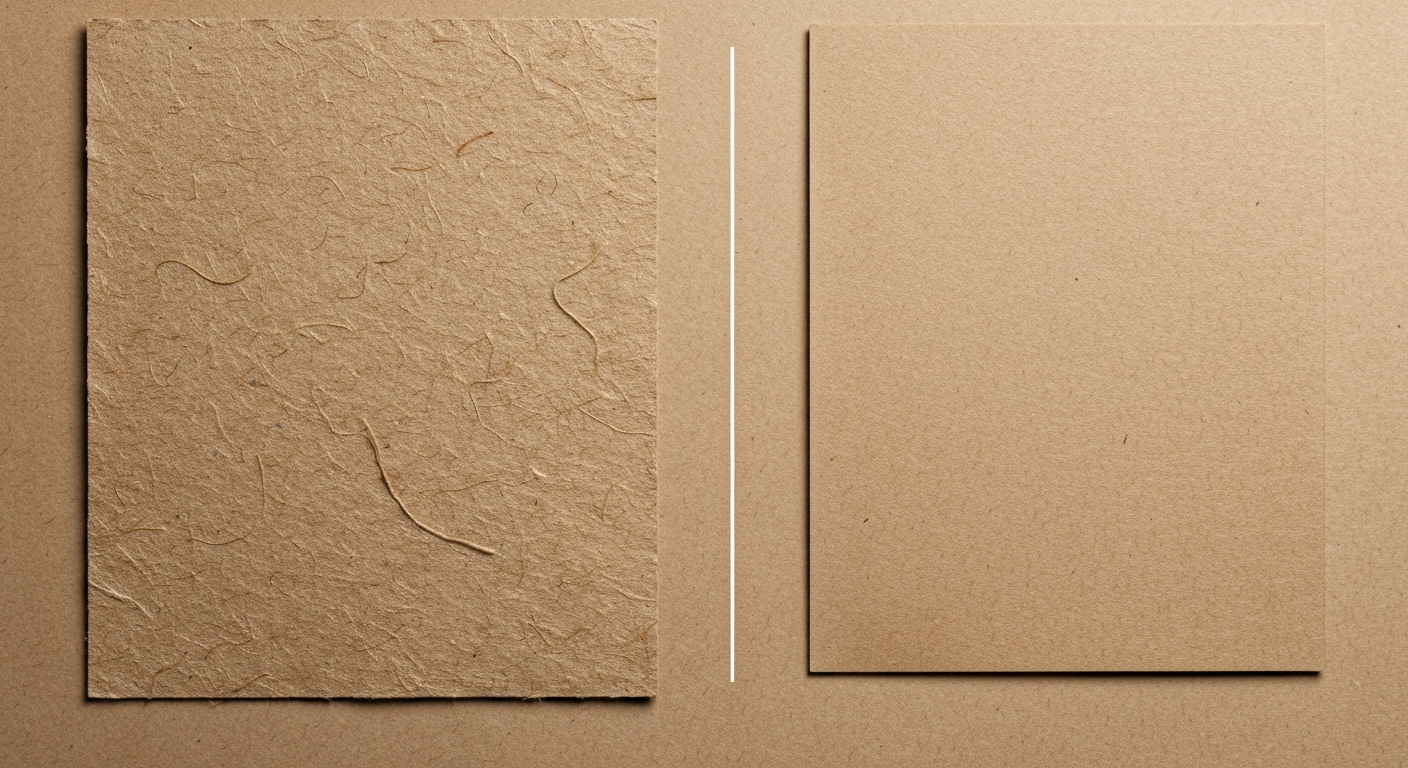
White kraft paper provides better print clarity, while brown kraft paper delivers a natural, rustic look.
White kraft paper reflects light better. Colors appear brighter and more accurate. Brown kraft paper absorbs more ink and softens colors.
Printing comparison
| Aspect | Brown Kraft | White Kraft |
|---|---|---|
| Color brightness | Muted | Sharp |
| Ink contrast | Lower | Higher |
| Design style | Natural | Premium |
| Printing cost | Lower | Higher |
In many projects, we advise clients to choose brown kraft for minimal designs and white kraft for detailed branding.
Cost Differences Between White and Brown Kraft Paper
Cost is often the deciding factor.
Brown kraft paper is usually more cost-effective than white kraft paper because it skips the bleaching process.
Bleaching adds chemicals, energy, and processing time.
Cost-related differences
| Factor | Brown Kraft | White Kraft |
|---|---|---|
| Raw processing | Simple | Complex |
| Unit cost | Lower | Higher |
| Waste impact | Lower | Higher |
In large-volume orders like corrugated boxes or shopping bags, this cost difference becomes significant.
Sustainability Differences
Many buyers assume white paper is less eco-friendly. This is not always black and white.

Brown kraft paper is generally seen as more eco-friendly due to fewer chemicals, but both can be sustainable if certified.
Sustainability comparison
| Factor | Brown Kraft | White Kraft |
|---|---|---|
| Chemical use | Lower | Higher |
| FSC availability | Yes | Yes |
| Recyclability | Excellent | Excellent |
| Brand perception | Eco-focused | Clean & premium |
From our factory experience, FSC certification matters more than color for compliance.
Typical Packaging Uses for Each Type
The right choice depends on how the packaging is used.
Brown kraft paper is chosen for strength and sustainability, while white kraft paper is chosen for appearance and branding.
Common applications
| Application | Recommended Type |
|---|---|
| Corrugated liners | Brown kraft |
| Shipping cartons | Brown kraft |
| Retail paper bags | White or brown |
| Gift boxes | White kraft |
| Display boxes | White kraft |
In many brand projects, we combine both. Brown kraft for outer strength. White kraft for inner presentation.
How Do We Help Buyers Choose the Right Kraft Paper?
Many buyers ask only for price. This often causes regret later.
Choosing between white and brown kraft paper should be based on weight, printing needs, and brand positioning.

Our selection approach
- Define product weight and use
- Confirm printing and design needs
- Evaluate cost target
- Test samples before mass production
This avoids overpaying for unnecessary appearance or under-designing strength.
Conclusion
The difference between white kraft paper and brown kraft paper comes down to bleaching. Brown kraft paper is stronger, more natural, and more cost-effective. White kraft paper offers better printing and a cleaner appearance at a higher cost.
As a manufacturer, I always recommend choosing kraft paper based on real use, not just color preference. When material choice matches function and brand goals, packaging becomes both reliable and effective.