Many buyers think corrugated boxes are made from one type of paper. This misunderstanding often leads to wrong specifications, weak cartons, or unnecessary cost.
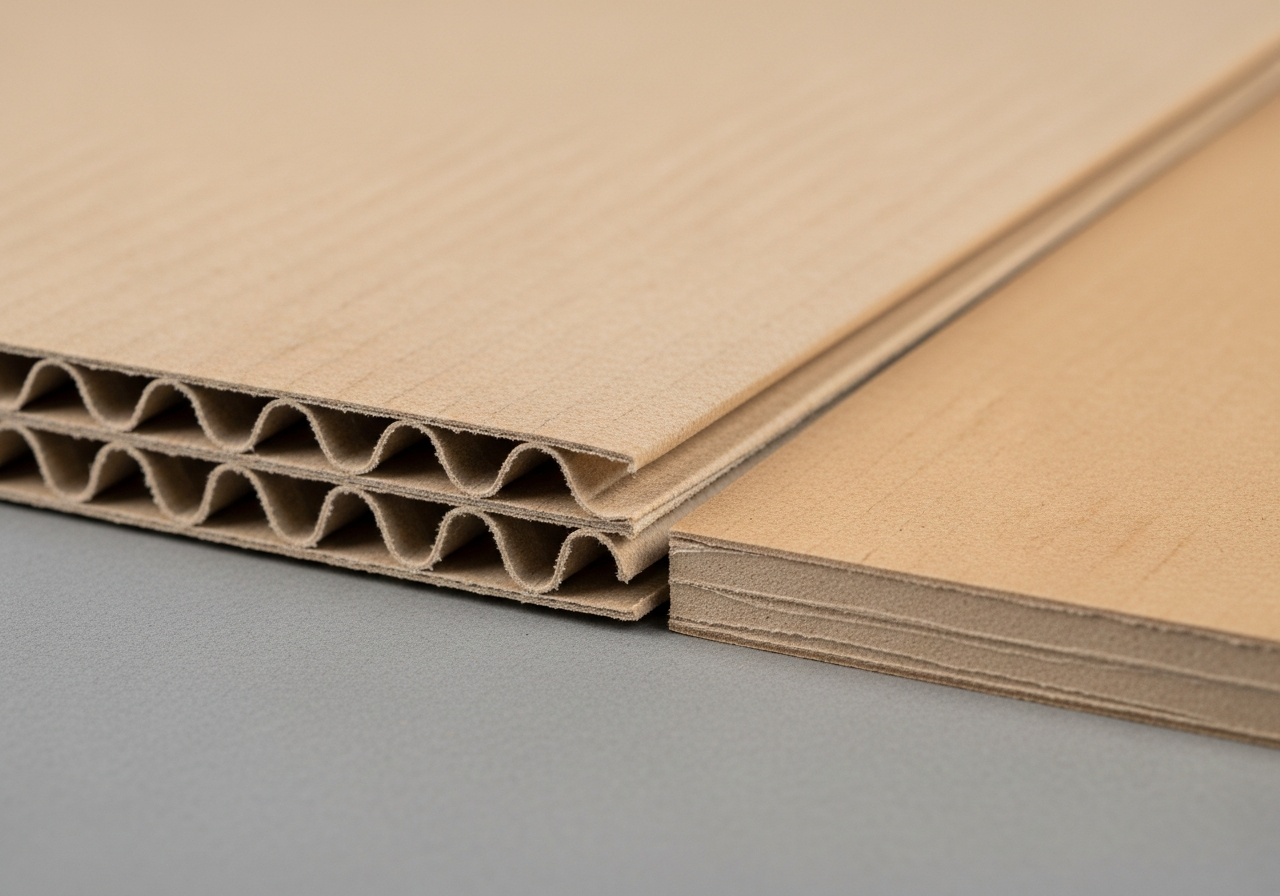
Corrugated boxes are made from linerboard and corrugated medium, which are paper materials engineered for strength, structure, and recyclability.
As a manufacturer, I always start with paper selection. Corrugated box performance depends more on paper choice than on box shape.
What Is Linerboard Paper?
Linerboard forms the outer and inner surfaces of corrugated boxes.

Linerboard is a flat paper layer used on the outside and inside of corrugated board to provide strength and a printable surface.
Linerboard protects the structure.
Linerboard is made from wood pulp. It can be virgin fiber, recycled fiber, or a mix of both. Virgin kraft linerboard offers higher strength, better tear resistance, and improved moisture performance. Recycled linerboard is more cost-effective and environmentally friendly.
From manufacturing experience, linerboard quality affects box compression strength, stacking performance, and print appearance. Outer linerboard is often higher grade than inner linerboard.
What Is Corrugated Medium Paper?
Corrugated medium creates the box’s internal strength.
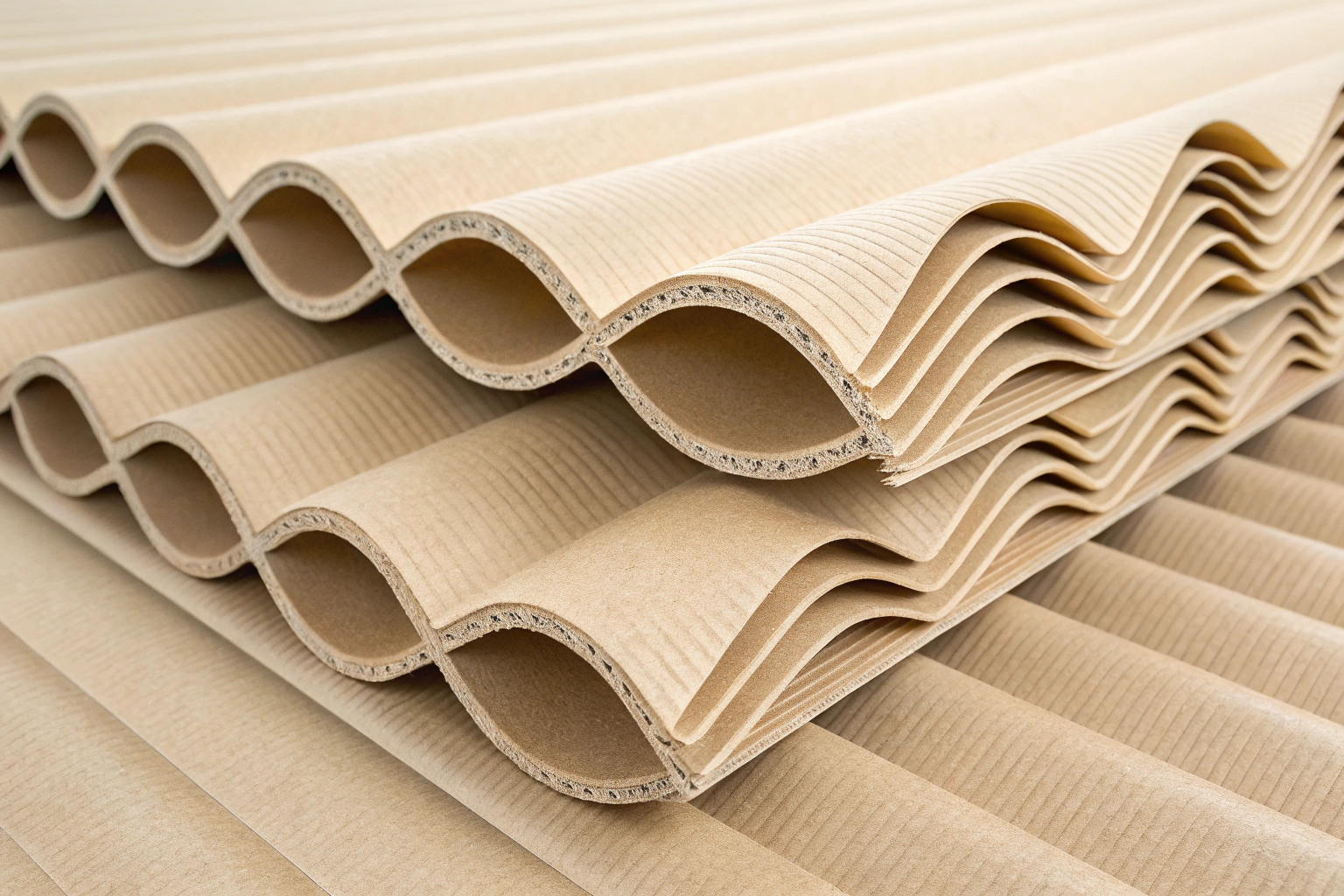
Corrugated medium is the fluted, wave-shaped paper layer inside a corrugated box.
This paper forms the flute structure.
Corrugated medium is usually made from recycled paper fibers. It is designed to hold a stable flute shape after being heated and pressed during corrugation. The flutes create air spaces that provide cushioning and rigidity.
From a factory view, medium quality is critical. Weak medium collapses easily, reducing stacking strength even if linerboard is strong.
What Is Kraft Paper in Corrugated Boxes?
Kraft paper is often mentioned in specifications.
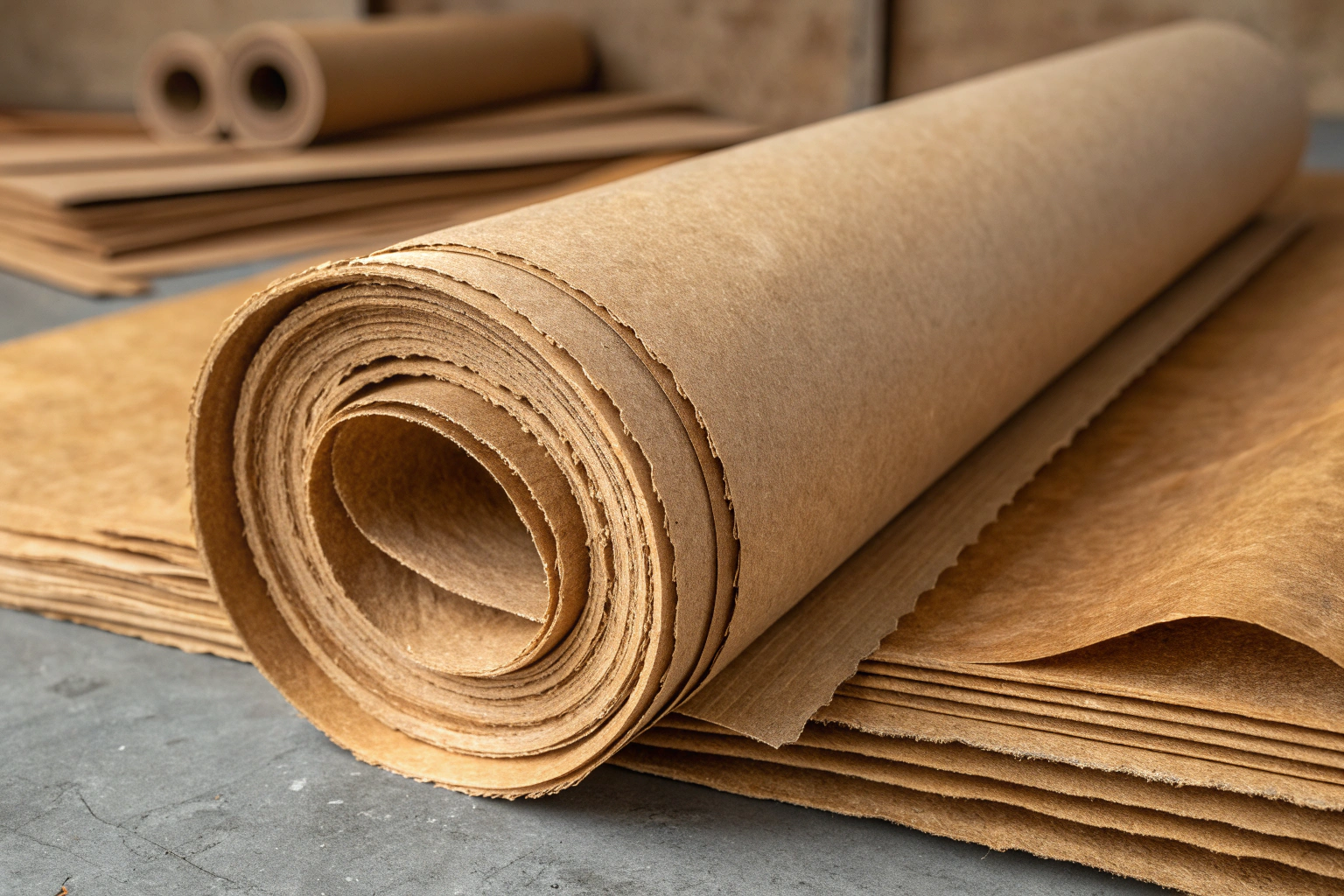
Kraft paper is a high-strength paper made from virgin wood pulp and commonly used as linerboard in corrugated boxes.
Kraft paper focuses on strength.
Virgin kraft linerboard offers high compression resistance and durability. It is often used for export cartons, heavy products, and long-distance shipping. Kraft paper usually has a brown appearance but can also be white.
From a manufacturing standpoint, kraft paper improves safety margins and consistency, especially in humid or demanding transport environments.
What Is Test Liner Paper?
Test liner is a widely used alternative.
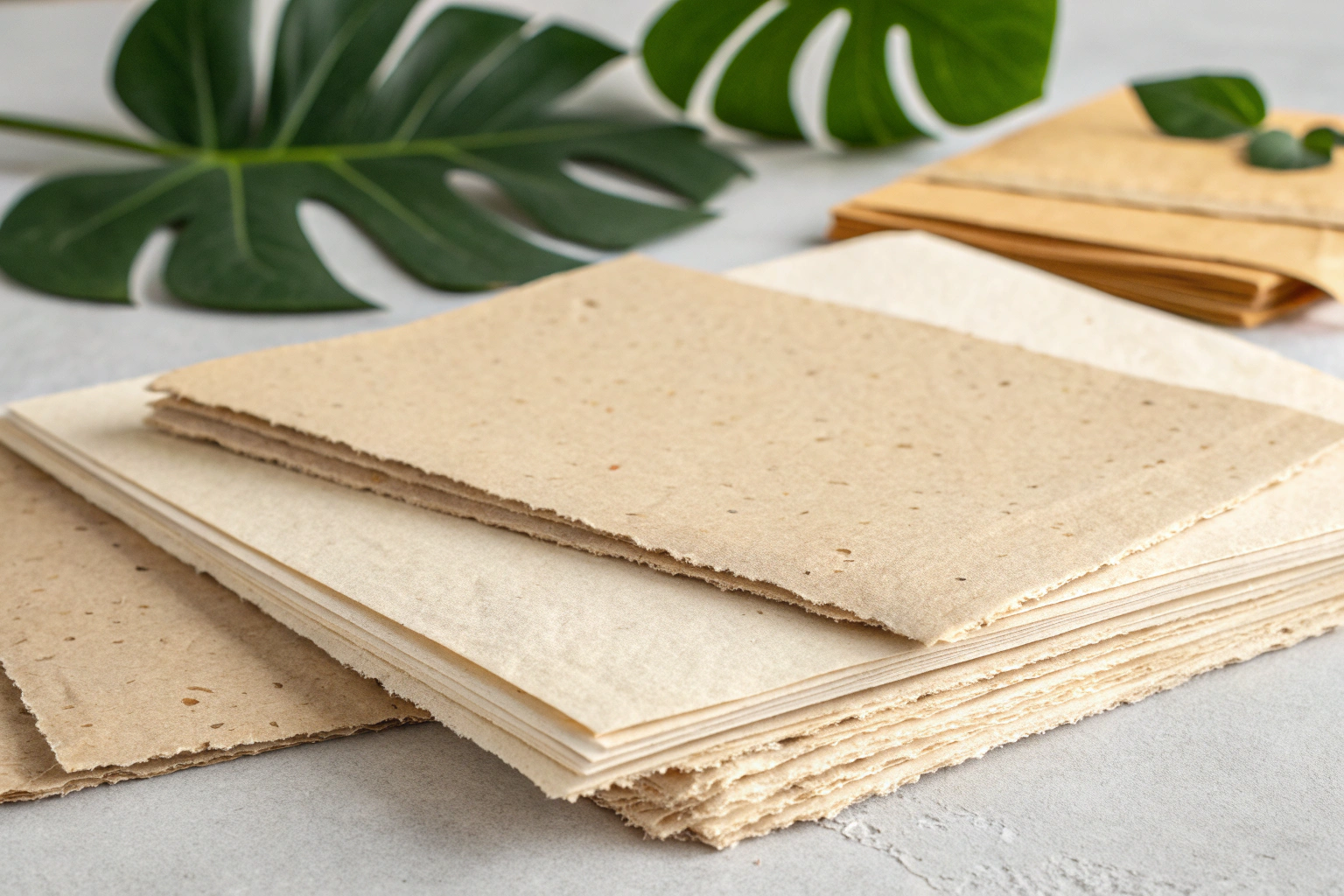
Test liner is linerboard made mainly from recycled paper fibers and used for cost-efficient corrugated boxes.
Test liner balances cost and performance.
It is commonly used as inner linerboard or even outer linerboard for light to medium duty cartons. Test liner has lower strength than virgin kraft linerboard but performs well when properly designed.
As a manufacturer, I often combine kraft outer liner with test liner inner layers to balance strength, appearance, and cost.
What Paper Grades Are Used Together in Corrugated Boxes?
Corrugated boxes use layered paper systems.
A corrugated box combines multiple paper grades to achieve required performance.
Each layer has a role.
A typical single wall corrugated board includes two linerboards and one corrugated medium. Double and triple wall boards add more linerboards and mediums. Each paper layer can have different GSM and fiber composition.
| Paper Type | Common Use |
|---|---|
| Kraft linerboard | Outer liner, heavy-duty cartons |
| Test liner | Inner or outer liner, standard cartons |
| Corrugated medium | Fluted core for structure |
From factory design, paper combinations are selected based on compression targets and shipping conditions.
Are Recycled Papers Used in Corrugated Boxes?
Recycling is central to corrugated packaging.
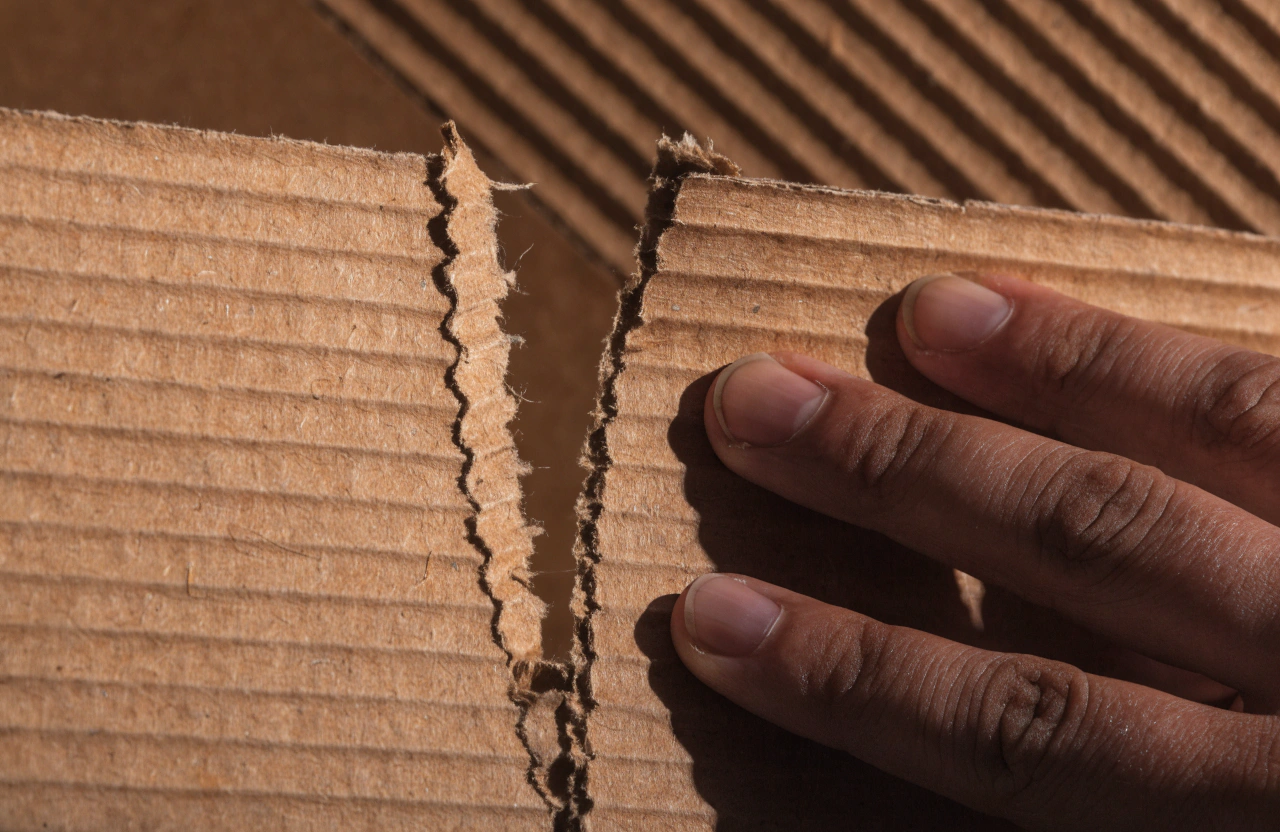
Most corrugated boxes are made partly or entirely from recycled paper fibers.
Corrugated packaging supports circular use.
Used boxes are collected, pulped, and reused to make new linerboard and medium. This reduces waste and supports sustainability goals. FSC-certified paper is often requested to meet brand and regulatory requirements.
From a manufacturing view, recycled content is controlled carefully to maintain strength consistency.
Are There Special Papers Used for Corrugated Boxes?
Standard paper does not fit all environments.
Special treated papers can be used for moisture resistance, strength improvement, or specific applications.
Special needs require adjustments.
Moisture-resistant liners, coated papers, and reinforced mediums are used for cold storage, high-humidity shipping, or heavy loads. These papers improve performance but increase cost.
As a manufacturer, I only recommend special papers when conditions require them. Over-specifying paper wastes budget without adding real value.
How Do Factory Processes Affect Paper Performance?
Paper performance depends on processing.
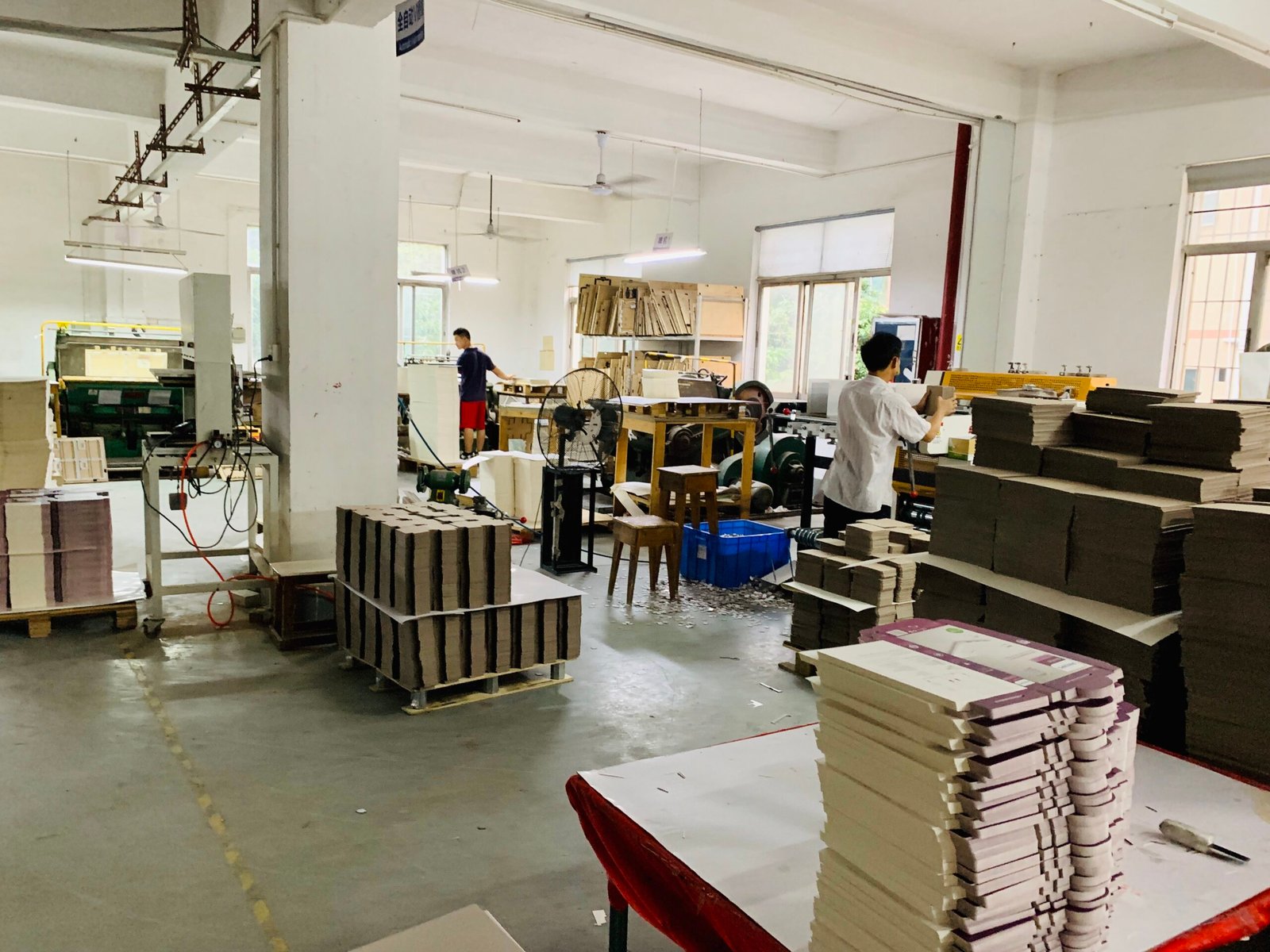
Paper quality, moisture control, flute forming, and glue bonding define how corrugated paper performs in real use.
The same paper can perform differently in different factories.
We control paper moisture before corrugation. Heat and pressure shape the flutes. Starch-based glue bonds layers together. Poor control weakens even high-grade paper.
This is why buyers prefer working directly with manufacturers instead of traders.
Conclusion
Corrugated boxes are made from linerboard and corrugated medium, using papers such as kraft liner, test liner, and recycled medium. Each paper type plays a specific role in strength, structure, and appearance. As a manufacturer, I focus on combining the right paper grades, GSM levels, and processing controls to match real shipping and storage conditions. When paper selection is done correctly, corrugated boxes deliver reliable protection, cost efficiency, and sustainability across the supply chain.