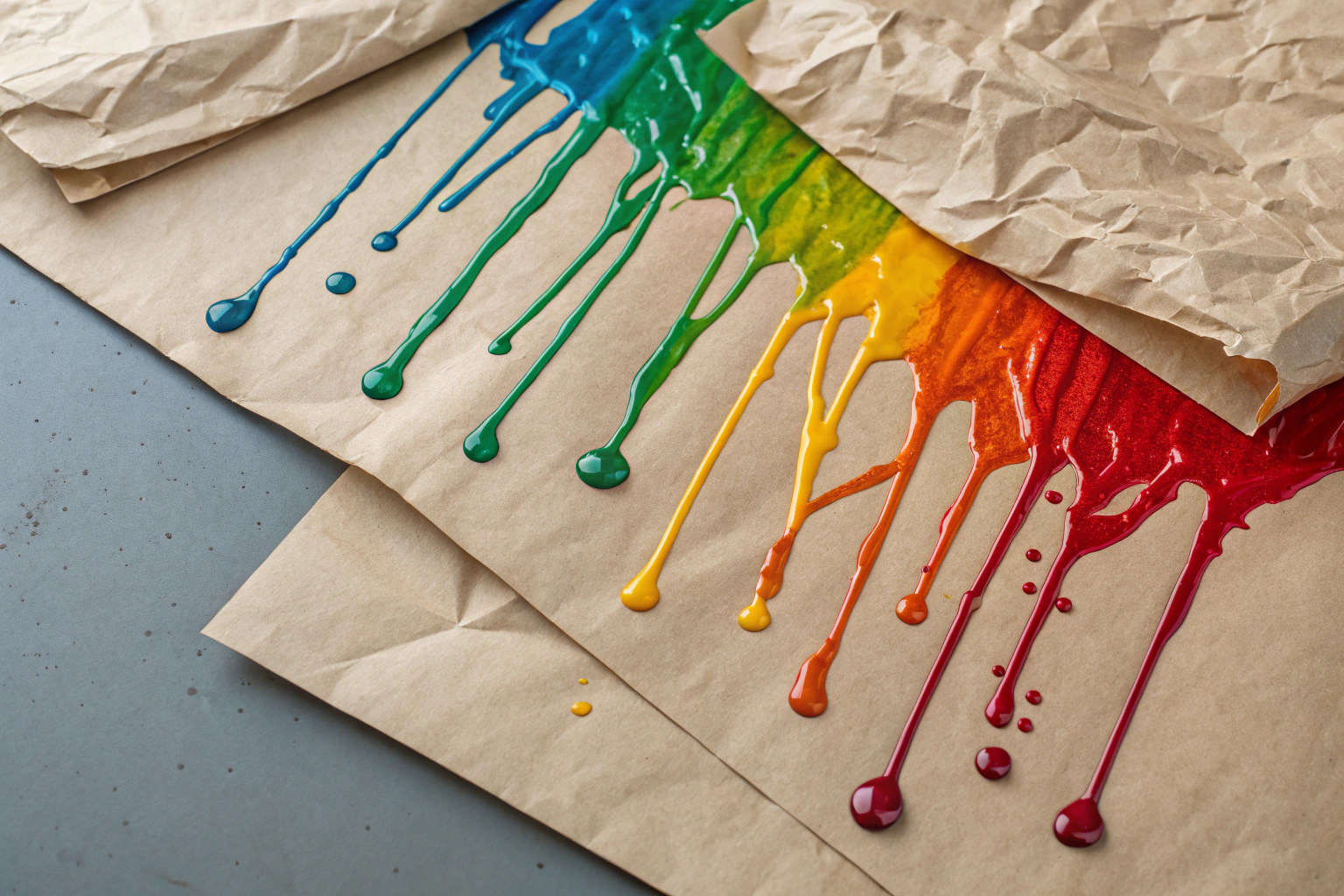
Many people expect kraft paper to handle paint because it feels thick and strong. In reality, paint bleed-through is very common if the paper and paint type are not matched.
Yes, paint can bleed through kraft paper, especially when using water-based or low-viscosity paints.
As a manufacturer, I see this issue often in packaging tests, prototyping, and DIY use. Kraft paper strength does not mean paint resistance.
Why Paint Bleeds Through Kraft Paper
The reason is in the fiber structure.
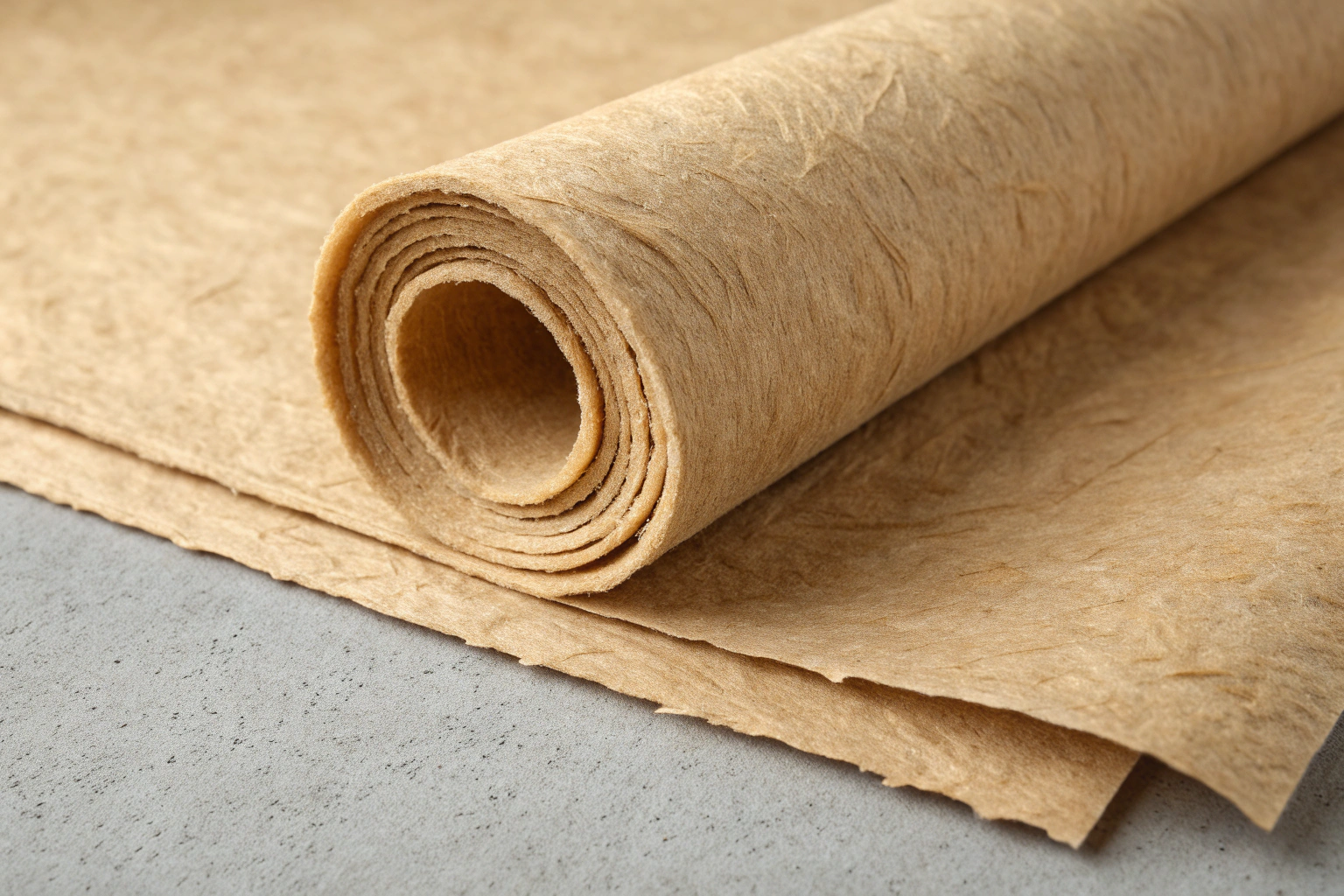
Kraft paper is porous and absorbent, allowing liquid paint to soak into and pass through the fibers.
Kraft paper is made from wood fibers with open pores between them. These pores absorb liquids quickly. When paint penetrates deeply enough, it reaches the opposite side and creates visible bleed-through.
Thicker kraft paper slows this process, but it does not stop it.
Which Types of Paint Bleed the Most?
Paint composition matters more than color.
Water-based paints bleed through kraft paper more easily than thick or oil-based paints.
High-risk paints include:
- Watercolor
- Acrylic paint (especially diluted)
- Ink washes
- Latex paint
These paints have low viscosity and high water content. They soak into kraft paper quickly.
Oil-based paints and very thick acrylics bleed less, but they can still stain through if applied heavily.
Does Kraft Paper Thickness Prevent Bleed-Through?
Thickness helps, but only to a point.
Higher GSM kraft paper reduces bleed-through but does not eliminate it.
Even heavy kraft paper can bleed if paint is wet enough or applied in multiple layers. The fiber structure remains absorbent regardless of GSM.
From manufacturing tests, GSM improves resistance but never creates a true paint barrier.
How Paint Application Affects Bleed-Through
Technique matters.
Heavy paint application increases the chance of bleed-through.
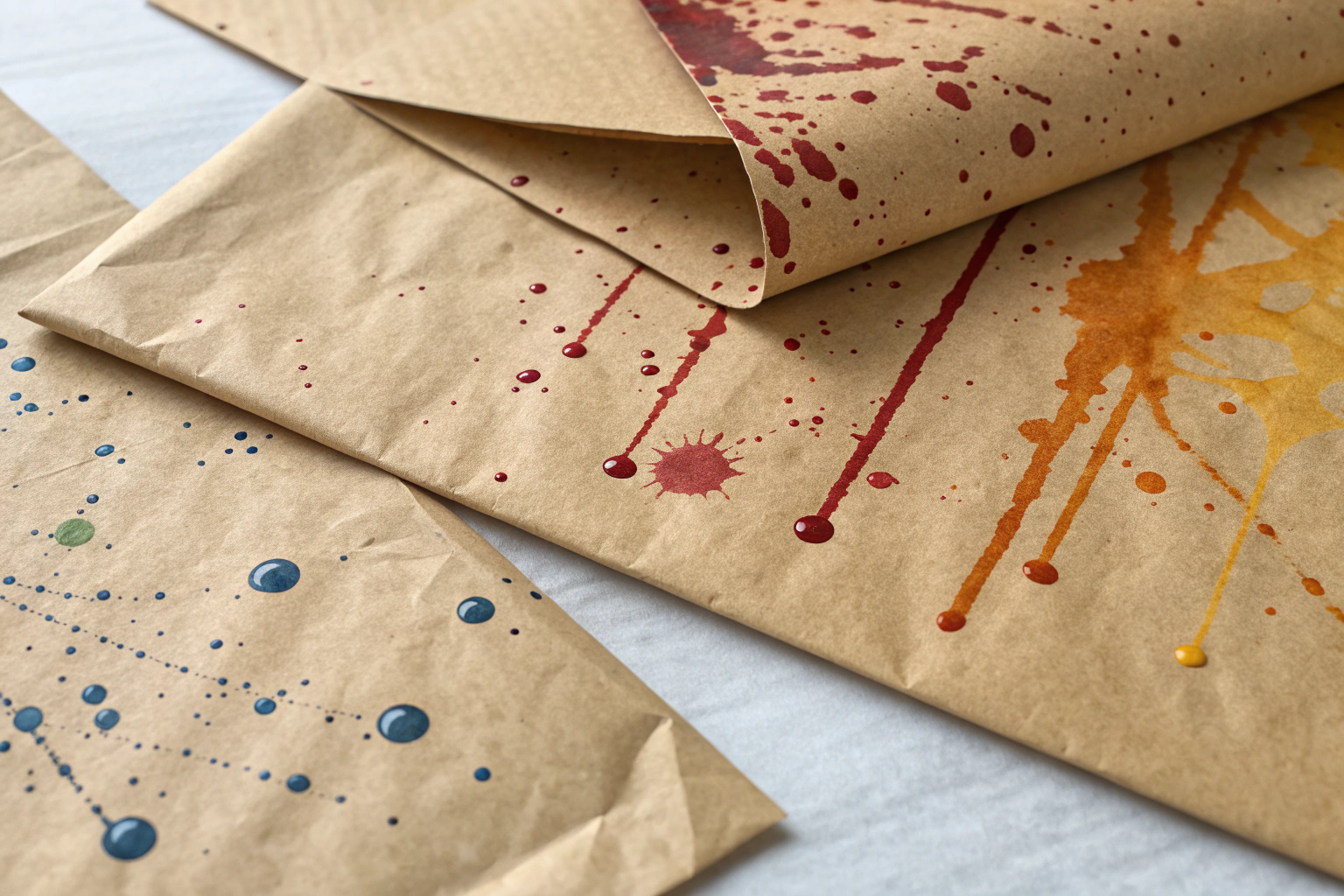
Factors that increase bleeding:
- Excess paint on brush or roller
- Repeated strokes over the same area
- Slow-drying wet layers
- Painting on unsealed kraft paper
Light, controlled application reduces bleed but does not fully prevent it.
Is Kraft Paper Designed for Painting?
Not in industrial use.
Standard kraft paper is not designed as a paint-holding or barrier surface.
In corrugated packaging, kraft paper is designed for strength, tear resistance, and bonding. It is not surface-treated to block liquid penetration like coated or art papers.
This is why printing on corrugated boxes uses fast-drying inks and controlled ink coverage.
How to Reduce Paint Bleed-Through on Kraft Paper
You can improve results with preparation.
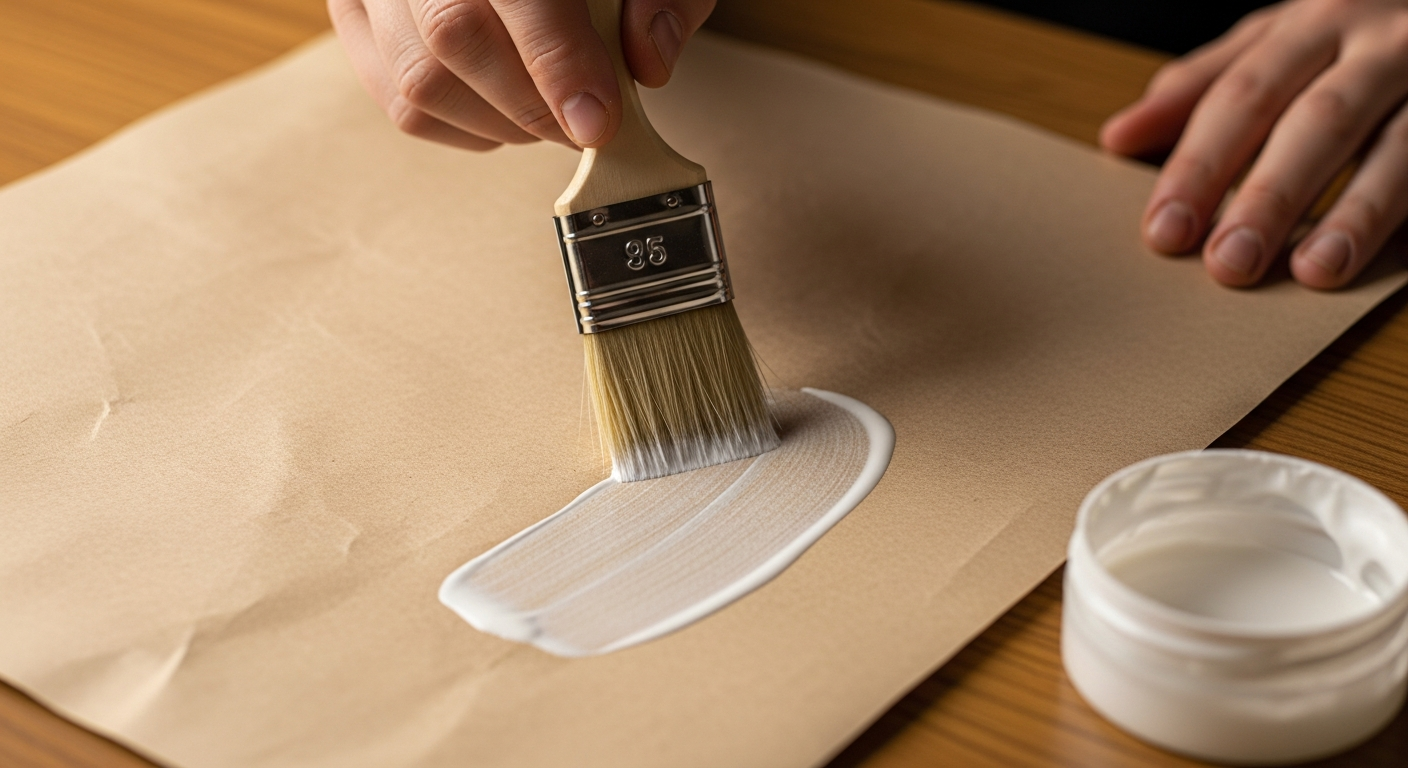
Sealing the surface is the most effective way to prevent paint bleed-through.
Common methods include:
- Applying a clear primer or gesso
- Using a thin acrylic seal coat
- Laminating or coating the surface
- Placing a backing sheet underneath
These methods reduce absorption by closing fiber pores.
How Manufacturers Handle Printing on Kraft Paper
Industrial printing uses control.
Factories prevent ink bleed by using controlled ink systems and fast-drying inks.
Flexographic inks used on corrugated boxes are designed to sit on the surface and dry quickly. Ink coverage is limited, and paper absorbency is carefully matched.
This is very different from hand painting or general-purpose paints.
Common Misconceptions About Kraft Paper and Paint
These mistakes happen often.
The biggest misconception is assuming thick kraft paper behaves like canvas or coated paper.

Kraft paper looks tough, but it is still absorbent paper. Without sealing, bleeding is normal, not a defect.
When Bleed-Through Is Acceptable
Sometimes it is part of the look.
In crafts and design, paint bleed-through is sometimes used intentionally for texture and effect.

For packaging, labeling, or professional presentation, bleed-through is usually unacceptable and must be controlled.
Conclusion
Yes, paint will bleed through kraft paper in most cases, especially with water-based or diluted paints. Kraft paper is porous and absorbent by design, and thickness alone does not prevent bleed-through. To reduce or prevent bleeding, the surface must be sealed or coated before painting. As a manufacturer, I treat kraft paper as a strength-focused material, not a paint barrier. Understanding this helps avoid surprises and ensures the right material is chosen for painting, printing, or packaging applications.