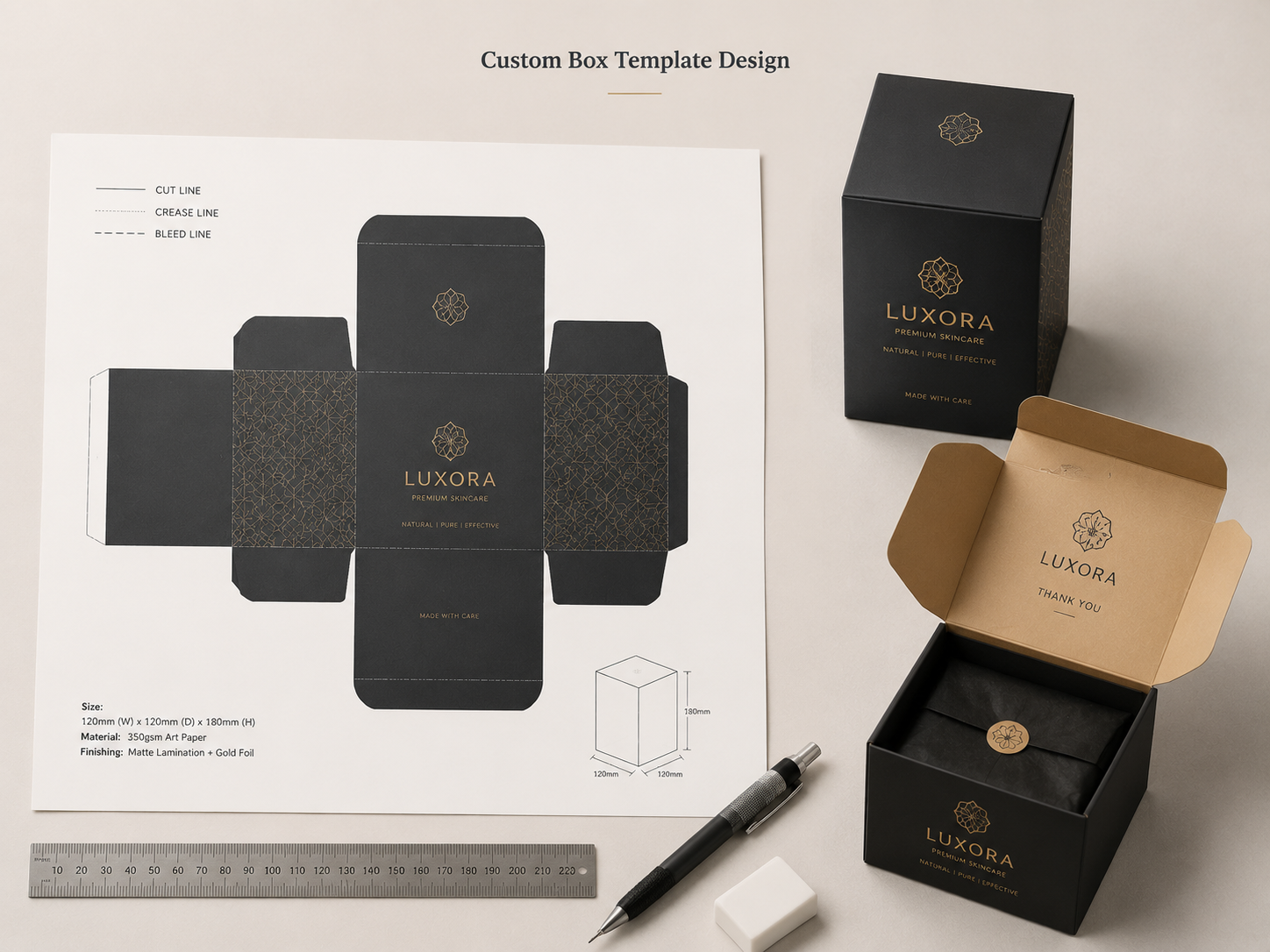
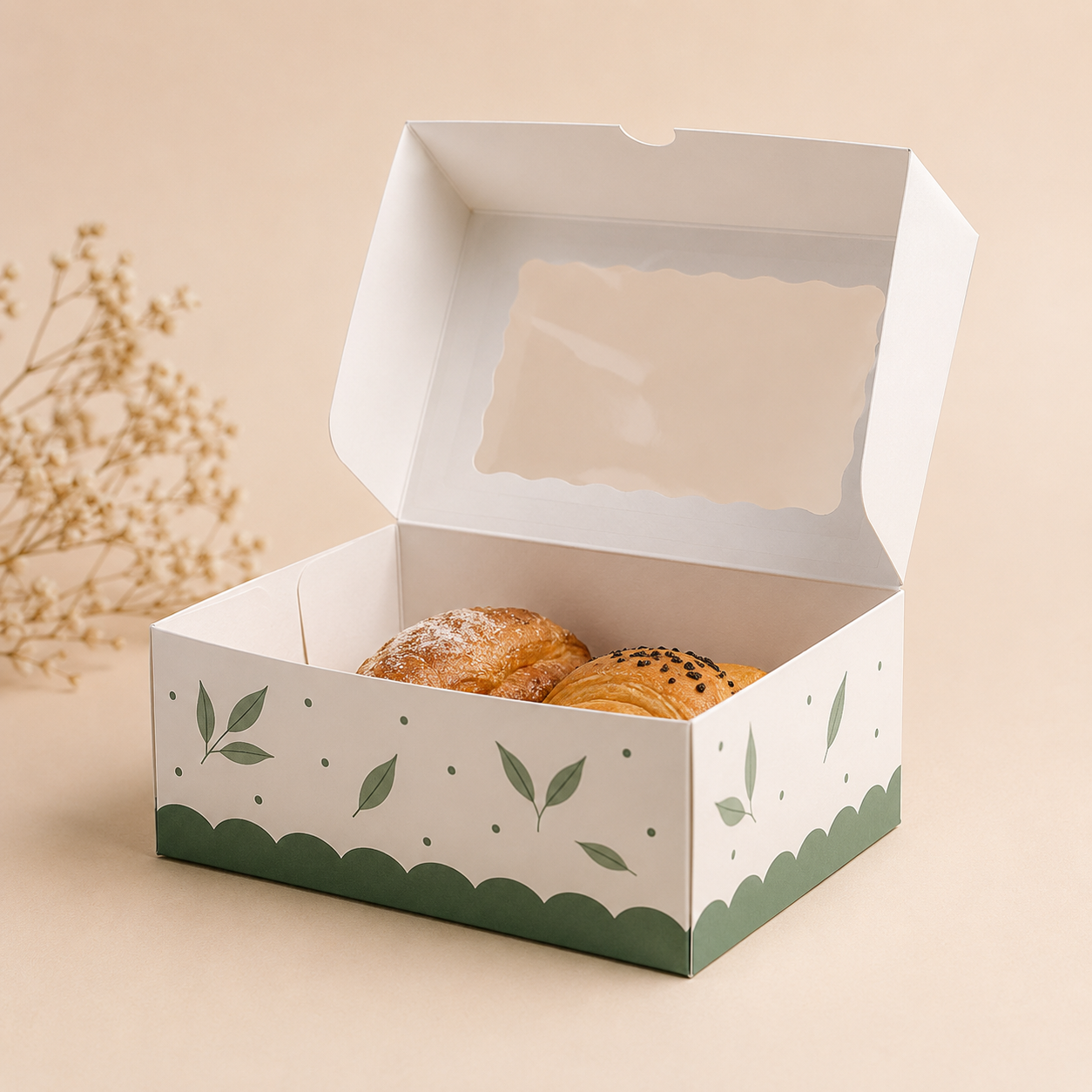
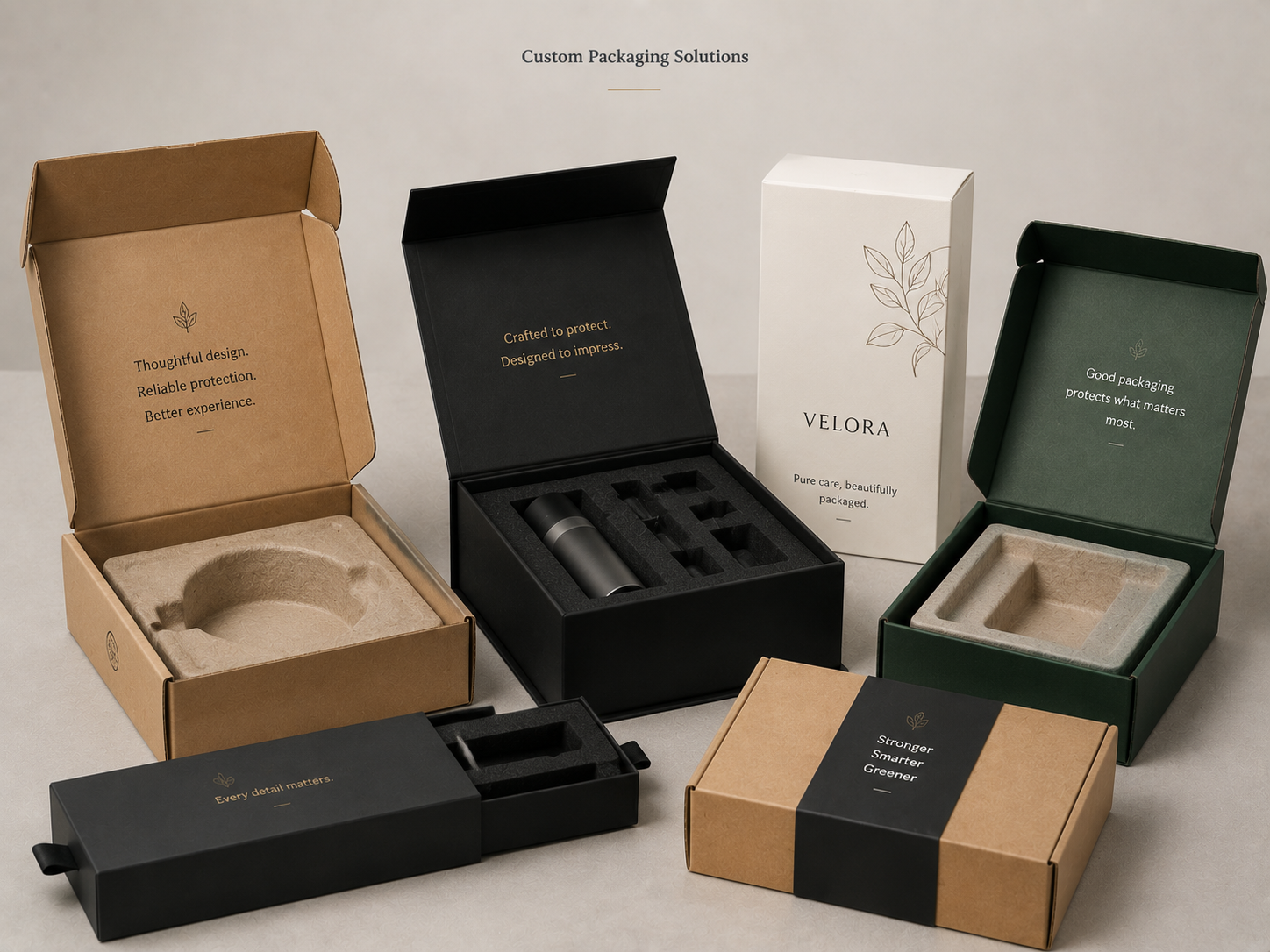
Many packaging projects look simple at the start, but problems appear after production begins. Boxes deform, printing looks dull, or structure feels weak. As a professional packaging manufacturer, I define kraft paper box packaging by performance, structure, and process control, not by appearance alone.
Kraft paper box packaging refers to boxes made primarily from kraft-based paper materials, engineered to provide structural strength, print compatibility, and a natural visual identity while meeting functional and sustainability requirements. It is a manufacturing solution, not just a material choice.
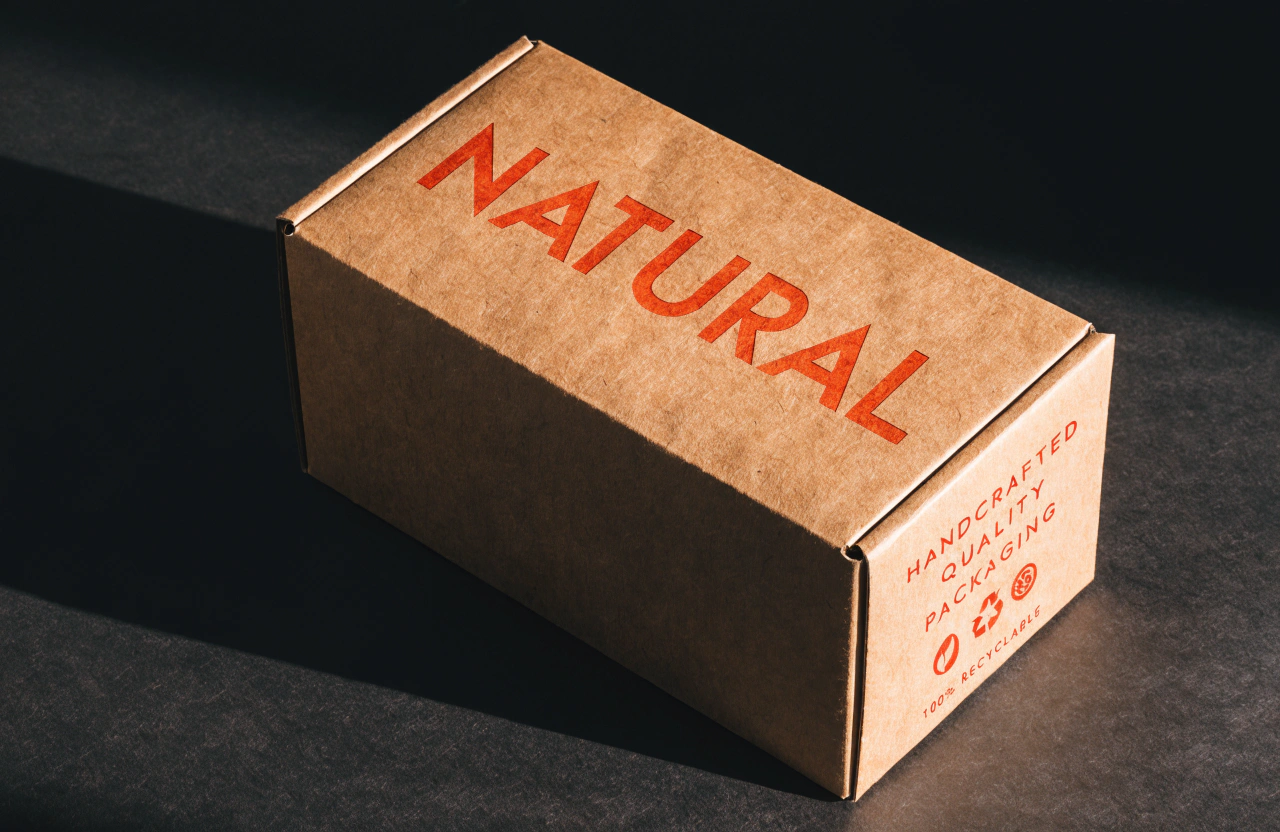
From material selection to finished box assembly, kraft paper box packaging must perform consistently across multiple production stages. Below, I explain this packaging type from a professional manufacturing perspective.
What materials are used in kraft paper box packaging?
Kraft paper box packaging is defined first by its paper structure, not by its color.
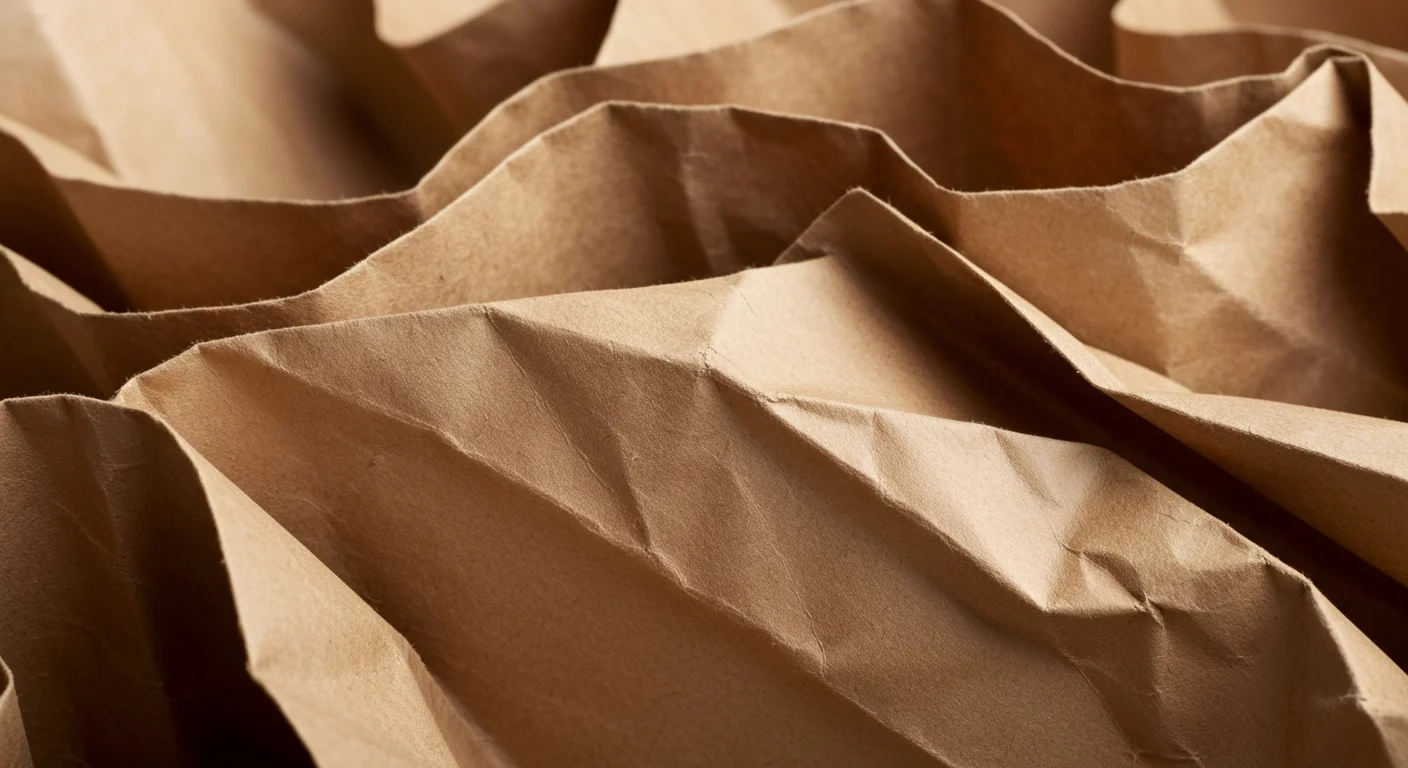
At the material level, kraft paper box packaging is built from kraft liner, kraft paperboard, or laminated kraft structures, selected based on strength and use scenario.
Kraft paper is produced using the kraft pulping process, which preserves longer fibers. These fibers provide higher tear resistance and compression strength. In box packaging, kraft paper may be used in several forms. Folding cartons often use kraft paperboard. Heavier-duty boxes may combine kraft liners with corrugated cores. Premium gift boxes may use laminated kraft paper over rigid board.
Material selection depends on product weight, stacking requirements, and display needs. Grammage, fiber ratio, and moisture control are adjusted to ensure dimensional stability. This is why kraft paper box packaging can range from lightweight retail boxes to reinforced protective structures.
| Kraft Material Type | Typical Use |
|---|---|
| Kraft paperboard | Folding cartons |
| Corrugated kraft | Shipping and protective boxes |
| Laminated kraft | Gift and premium boxes |
Material engineering determines how the box performs in real conditions.
What types of kraft paper boxes are commonly manufactured?
Kraft paper box packaging is not a single structure. It includes multiple box types designed for different functions.
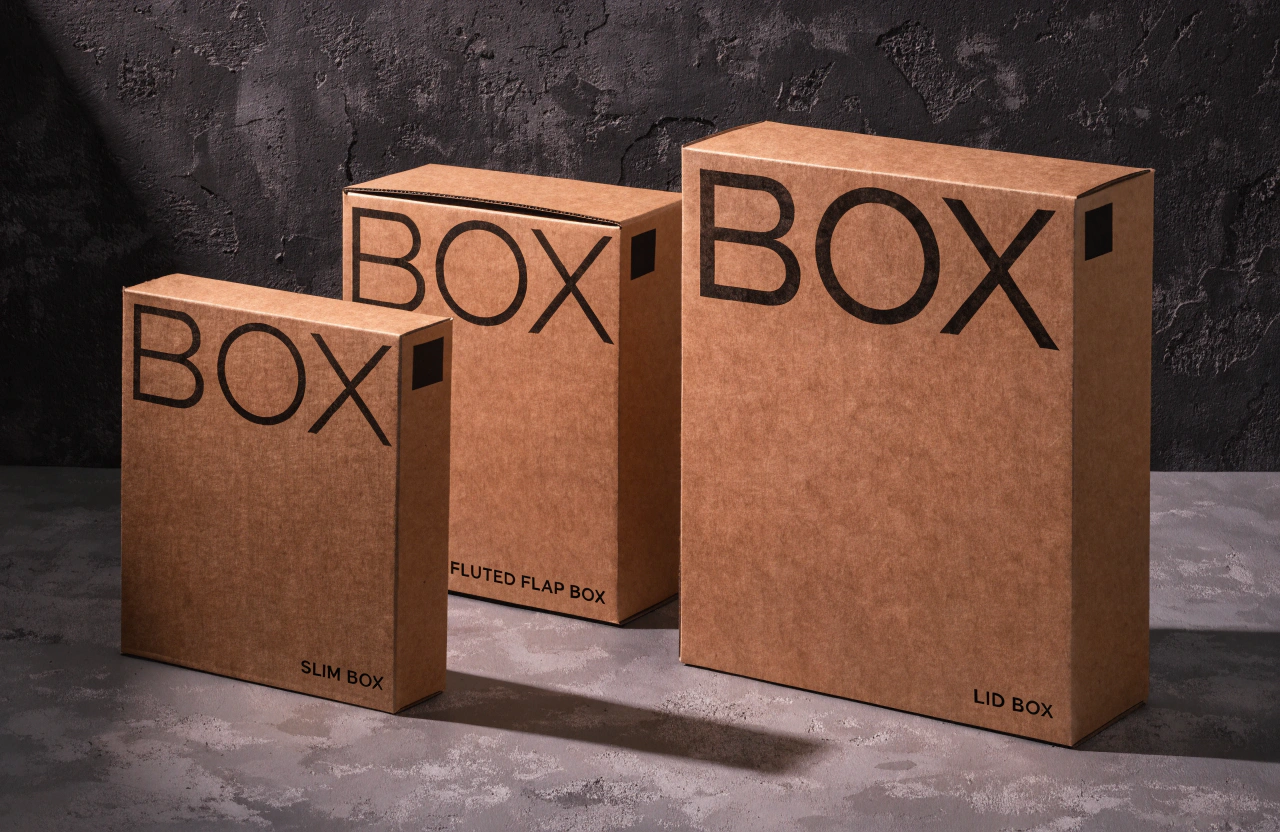
Kraft paper boxes are engineered into specific structures to balance protection, presentation, and efficiency.
Folding cartons are widely used for retail products. They are efficient, printable, and easy to assemble. Corrugated kraft boxes focus on protection and stacking strength. Rigid kraft boxes combine kraft paper with solid board to achieve a premium feel while keeping a natural surface.
Each structure places different stress on the paper. Crease performance, edge strength, and compression resistance must be considered during design. From a manufacturing view, structure design and paper selection must match precisely. Incorrect matching leads to cracking, deformation, or excessive material use.
How is kraft paper box packaging produced in a professional factory?
Production quality depends on process discipline. Kraft paper reacts strongly to moisture, pressure, and speed.
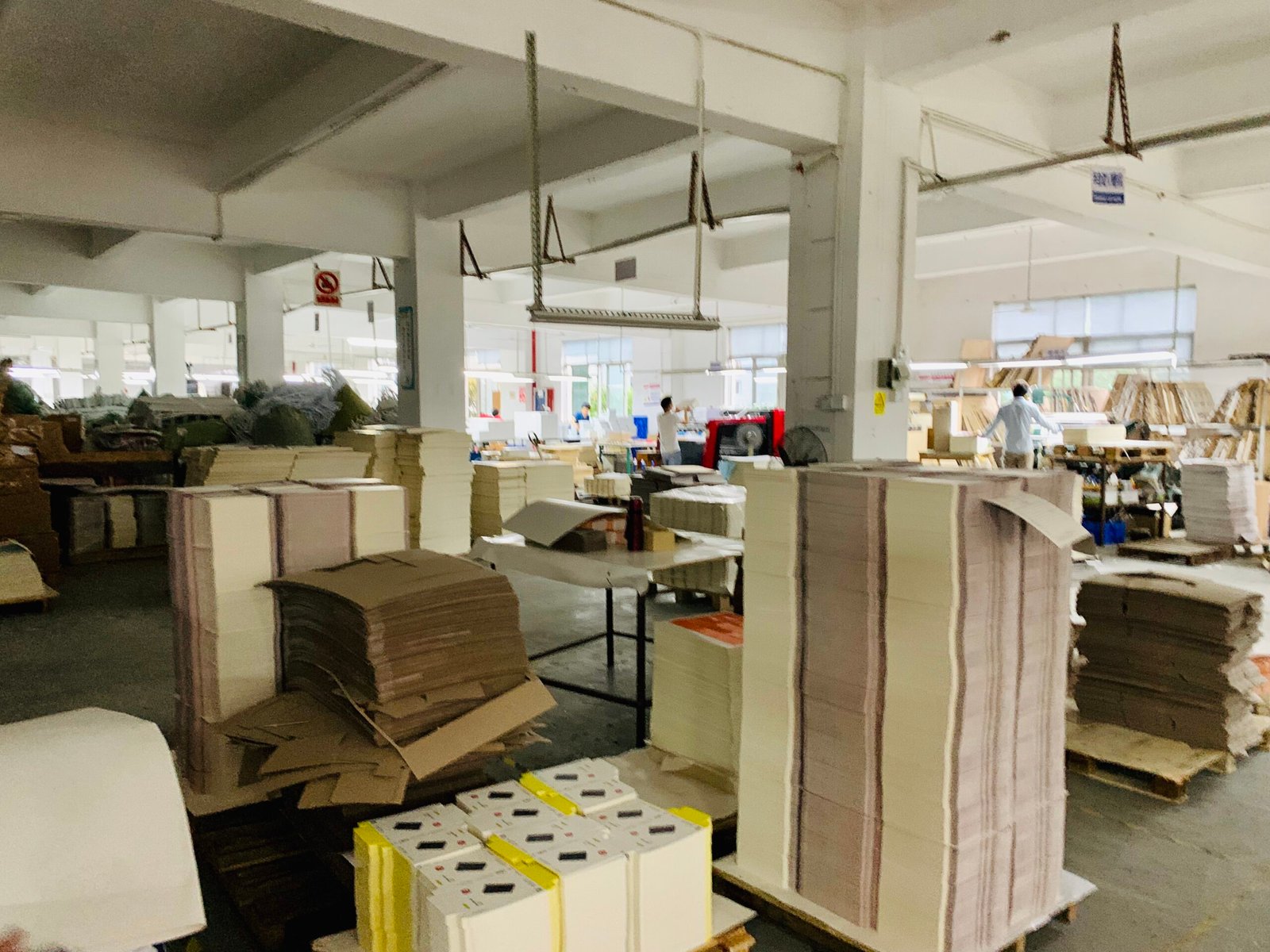
Kraft paper box packaging requires controlled manufacturing processes to ensure stability and consistency.
The process starts with incoming material inspection. Grammage, moisture, and surface behavior are checked. During printing, ink density and pressure are adjusted to suit kraft paper absorption. Proper control prevents color spread and maintains clarity.
Die cutting and creasing are critical stages. Kraft fibers must fold cleanly without breaking. Premium tooling and calibrated pressure ensure accurate crease lines. During gluing and forming, kraft paper must hold structure without warping. Controlled drying time prevents deformation.
| Production Step | Key Control Point |
|---|---|
| Printing | Ink absorption balance |
| Die cutting | Clean edges, low dust |
| Creasing | Accurate fold lines |
| Assembly | Shape stability |
This process control defines final box quality.
Why is kraft paper box packaging widely used across industries?
Kraft paper box packaging is chosen for both functional and visual reasons.
Kraft paper boxes combine strength, flexibility, and a natural appearance that supports modern brand positioning.
Structurally, kraft paper provides high strength-to-weight ratio. This allows efficient packaging without unnecessary bulk. Visually, the natural tone communicates simplicity and responsibility. From a manufacturing standpoint, kraft paper supports a wide range of finishes, including embossing, foil stamping, and selective coating.
Kraft paper box packaging also adapts well to customization. Box size, structure, and printing can be adjusted without changing the core material system. This flexibility makes it suitable for electronics, cosmetics, gifts, and daily-use products.
Is kraft paper box packaging sustainable and recyclable?
Sustainability must be evaluated through material origin and process control.
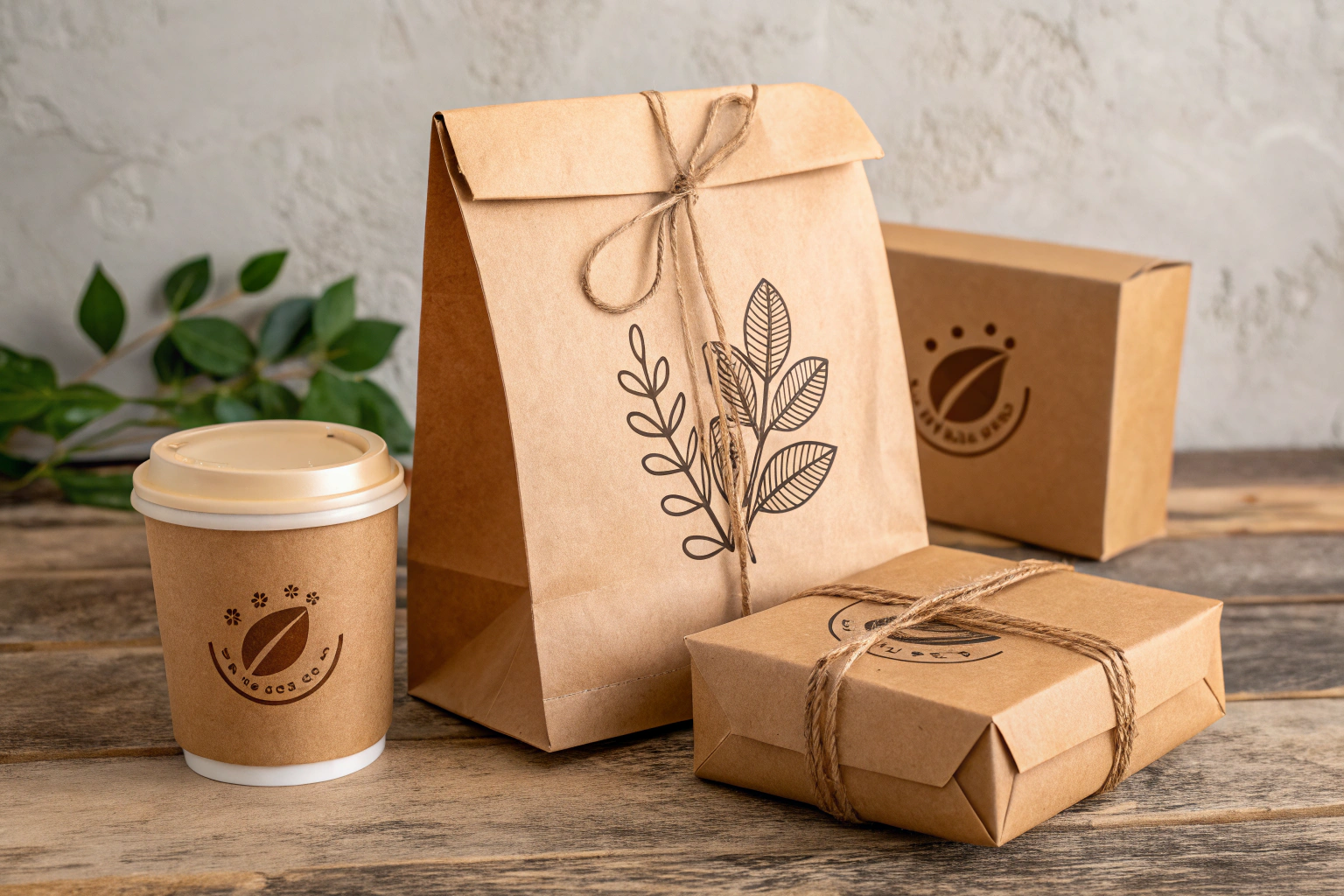
Kraft paper box packaging can meet high sustainability standards when responsibly sourced and properly processed.
Kraft paper is often produced from virgin pulp sourced from managed forests. When FSC-certified materials are used, traceability and compliance are ensured. Uncoated or lightly treated kraft boxes remain recyclable. Stable manufacturing reduces waste, which improves overall environmental performance.
From a professional manufacturing view, sustainability is achieved through controlled sourcing, efficient production, and reduced defect rates.
How should kraft paper box packaging be correctly designed and specified?
Performance issues usually start at the design stage.
Kraft paper box packaging must be designed as a system that integrates material, structure, and production process.
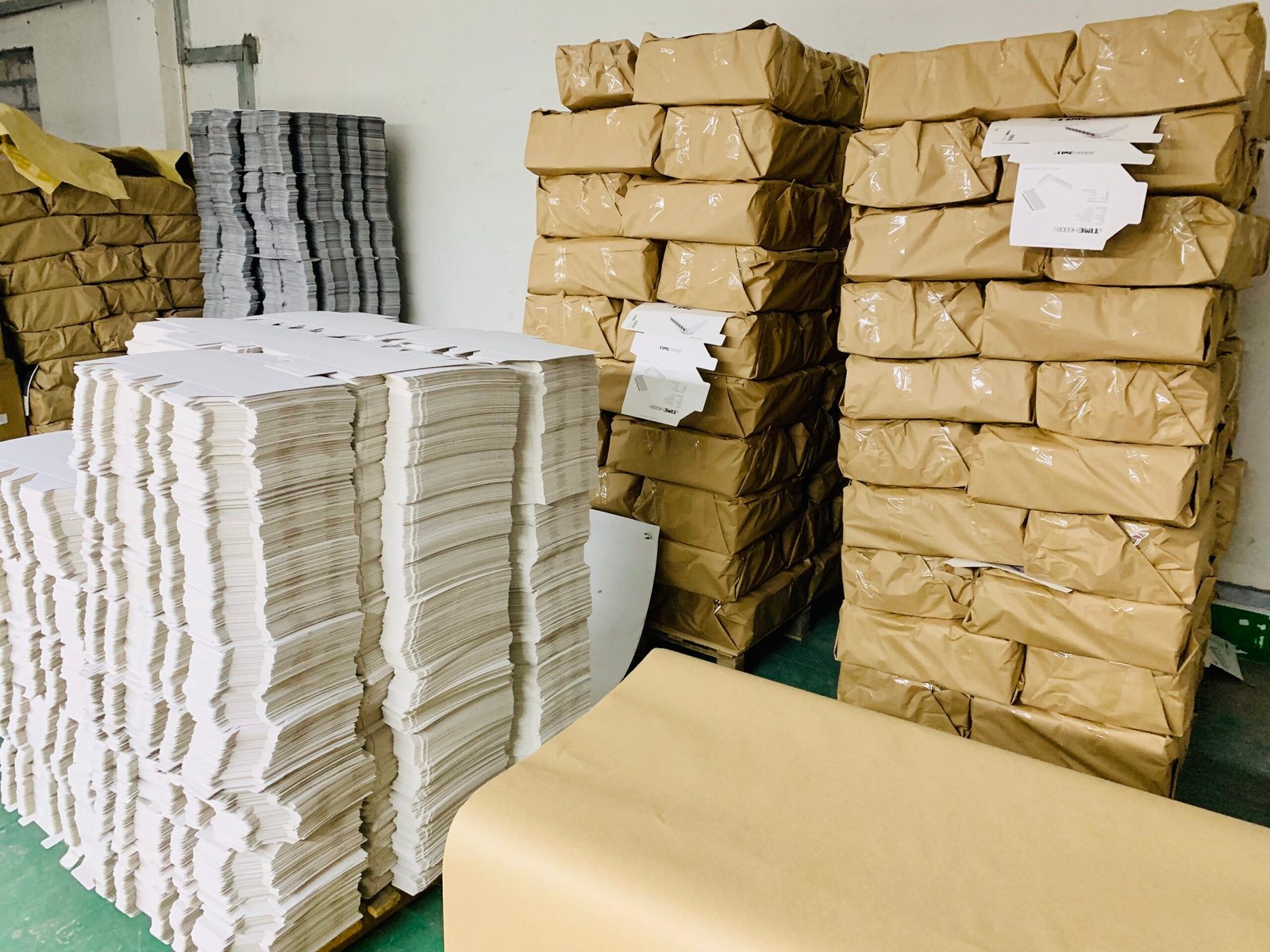
Paper strength must match product weight and stacking method. Structure design must support folding behavior. Printing and finishing must align with surface properties. Prototypes are essential to validate real performance before full production.
When specified correctly, kraft paper box packaging improves production efficiency and reduces long-term cost by minimizing rework and instability.
Conclusion
Kraft paper box packaging is a structured packaging solution built on fiber strength, material control, and manufacturing discipline. As a professional manufacturer, I view it as a balance of protection, presentation, and process stability.
When designed and produced correctly, kraft paper box packaging delivers reliable structure, consistent appearance, and sustainable value. It is not a trend-driven choice, but a proven packaging standard grounded in material science and controlled production.