Many packaging issues begin with unclear material understanding. Paper tears, bags fail, or packaging looks weak. These problems often happen when kraft paper is treated as an ordinary paper instead of a functional industrial material.
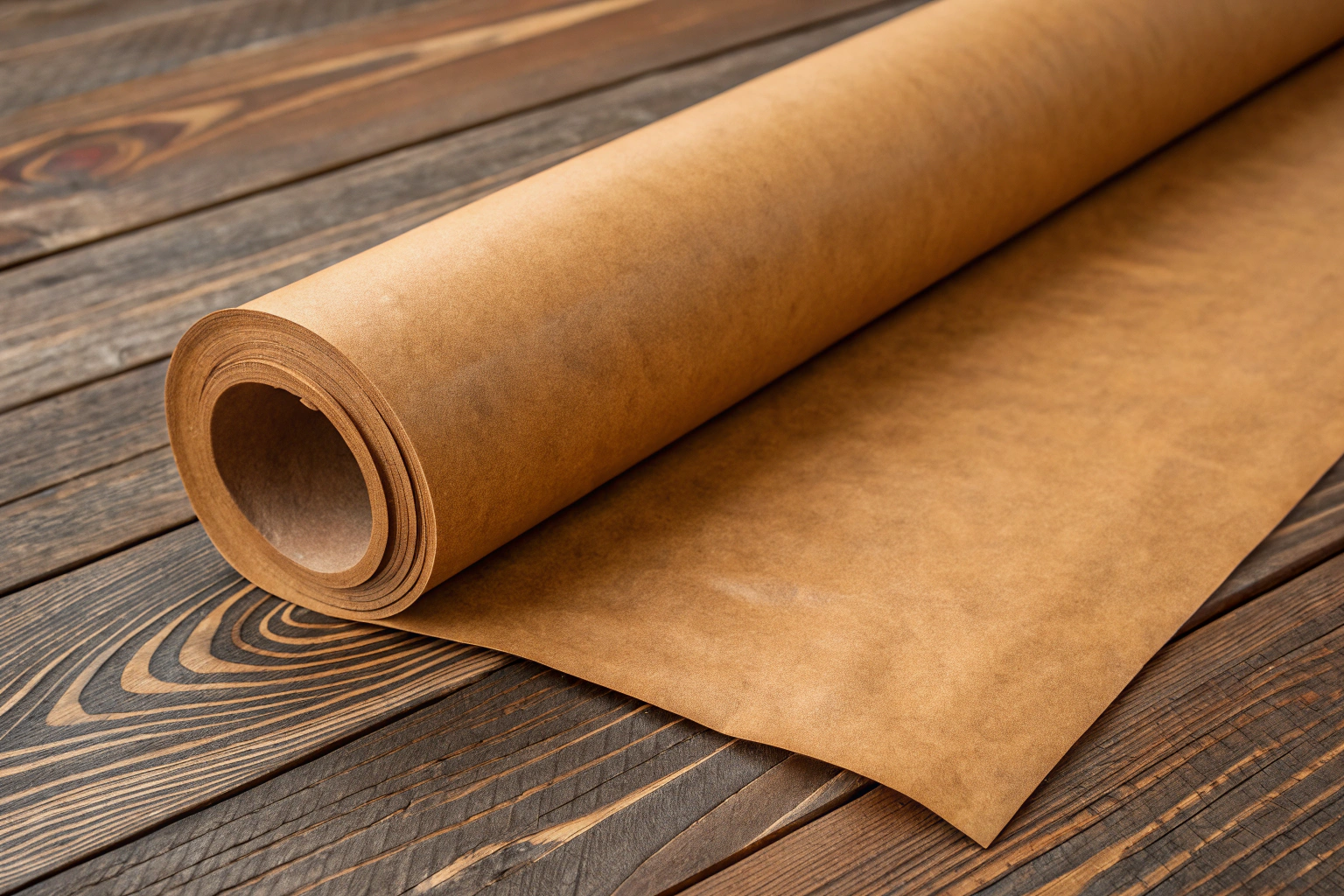
Kraft paper is a strong paper material made from wood pulp through the kraft pulping process, designed for durability, flexibility, and reliable performance in packaging and industrial use.
Kraft paper is not defined by color alone. Its value comes from fiber structure, production method, and controlled factory processing.
What Is Kraft Paper Made Of?
The foundation of kraft paper is its raw material.
Kraft paper is made primarily from wood pulp, using long fibers that create high strength.
Softwood fibers such as pine and spruce are commonly used. These fibers are long and flexible, allowing them to bond tightly during papermaking. Hardwood fibers may be added in controlled ratios to improve surface smoothness and printability.
In manufacturing, fiber selection is critical. Poor fiber quality leads to weak paper and unstable converting performance. Stable pulp sourcing ensures consistent strength across production batches.
How Is Kraft Paper Produced?
Kraft paper gets its name from the production process.
Kraft paper is produced through chemical pulping that removes lignin while preserving fiber strength.
Wood chips are cooked in a chemical solution that separates fibers without cutting them short. This process keeps fibers strong and flexible. After pulping, fibers are refined, formed into sheets, pressed, and dried.
In factory workshops, moisture control and drying balance are carefully managed. Over-drying causes brittleness. Under-drying reduces stiffness. Proper process control turns strong fibers into usable paper.
What Are the Key Characteristics of Kraft Paper?
Kraft paper is used because of its functional properties.
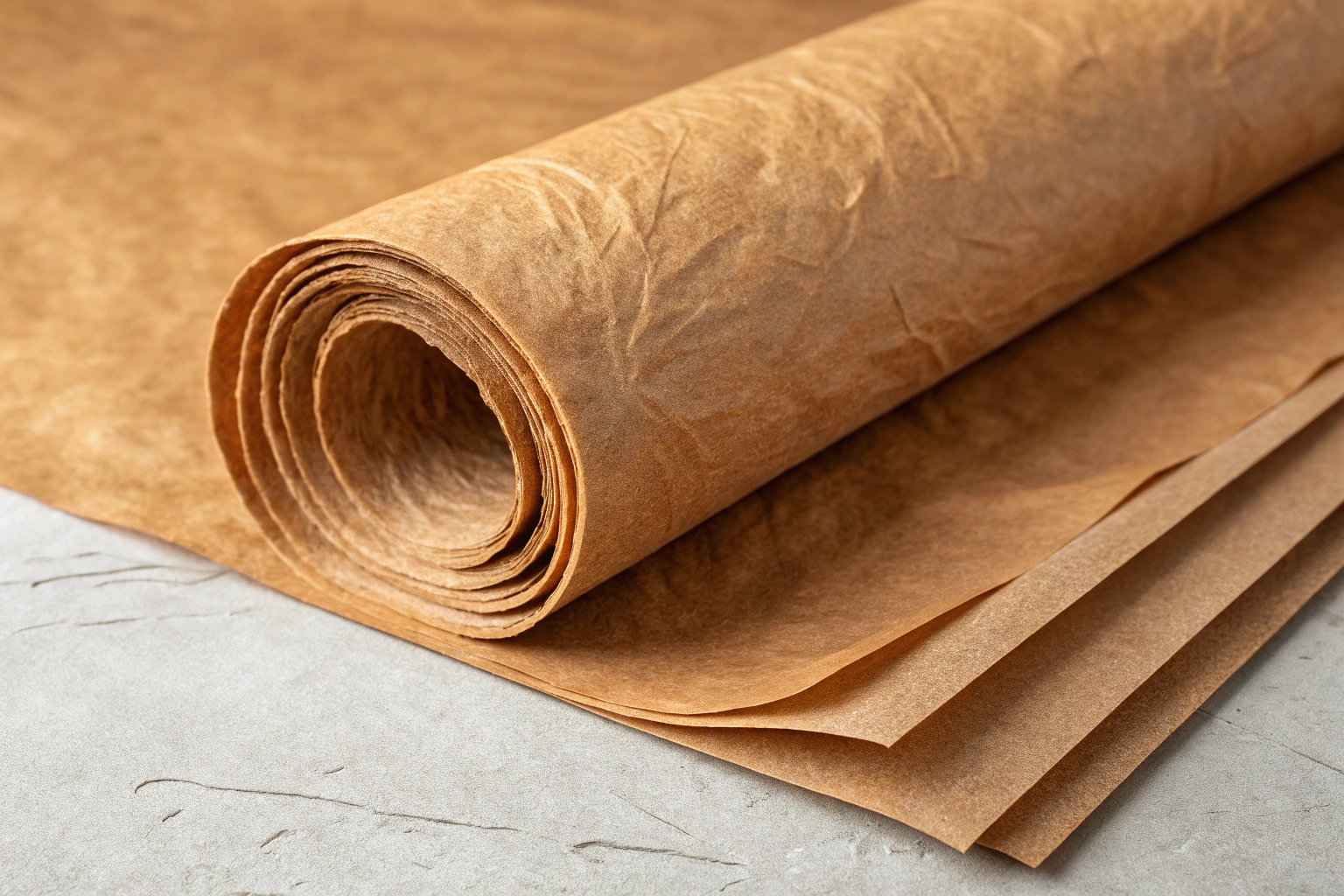
Kraft paper is known for high tear strength, good tensile strength, flexibility, and natural appearance.
It resists tearing during pulling and folding. It bends without cracking. The surface has a natural fiber texture that supports simple printing and labeling.
In manufacturing environments, these characteristics allow kraft paper to run smoothly on bag machines, wrapping lines, and packing stations. Stable performance reduces downtime and waste.
What Types of Kraft Paper Exist?
Kraft paper is not a single product.
Kraft paper is available in multiple grades, weights, and surface treatments.
Unbleached kraft paper keeps its natural brown color and maximum strength. Bleached kraft paper offers a lighter appearance with slightly reduced strength. Sack kraft paper is designed for heavy loads. Liner kraft paper is used in corrugated board production.
In factories, each grade follows a defined pulp recipe and production setting. This allows kraft paper to meet different performance needs without changing its core structure.
How Is Kraft Paper Used in Packaging?
Kraft paper plays many roles in packaging systems.
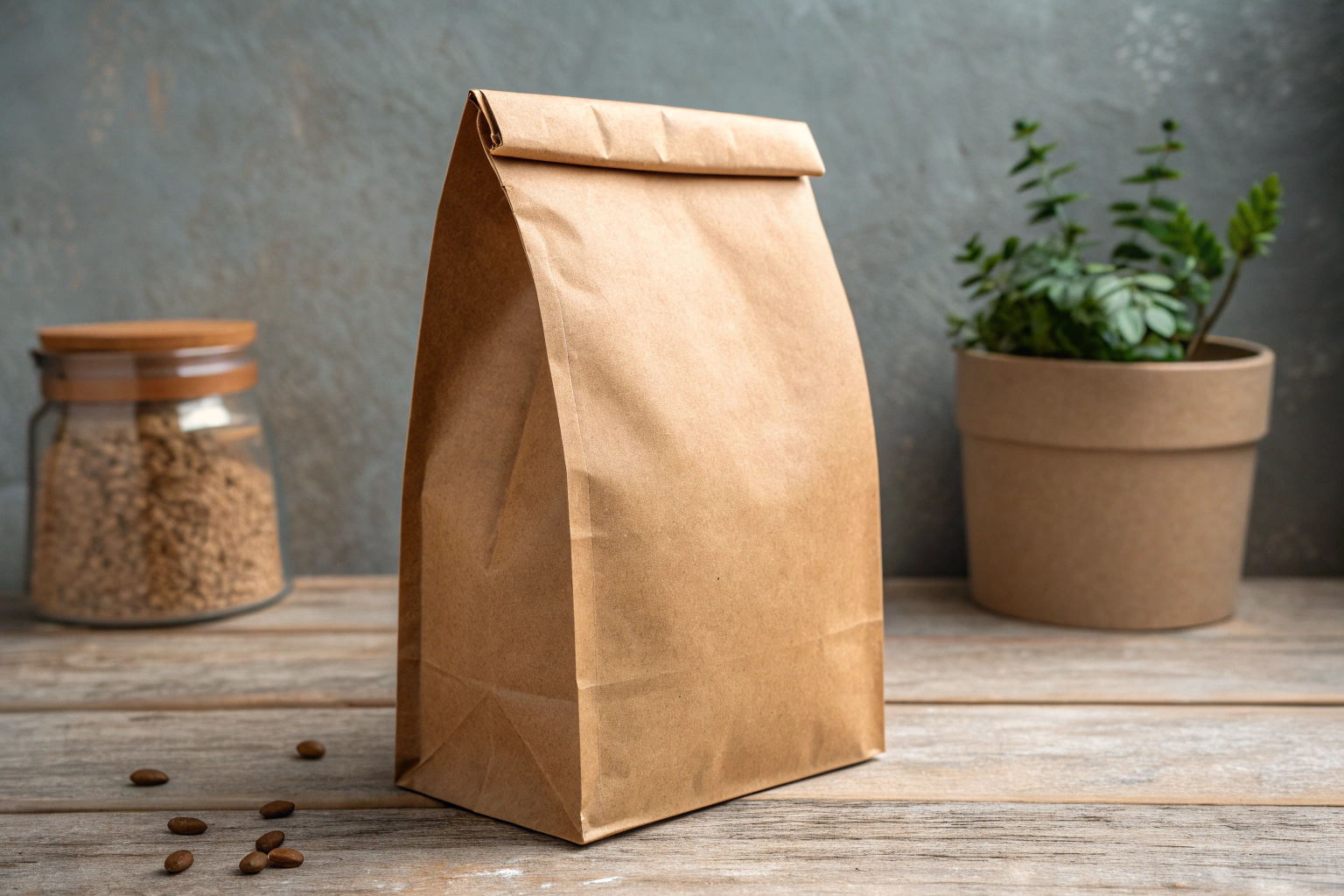
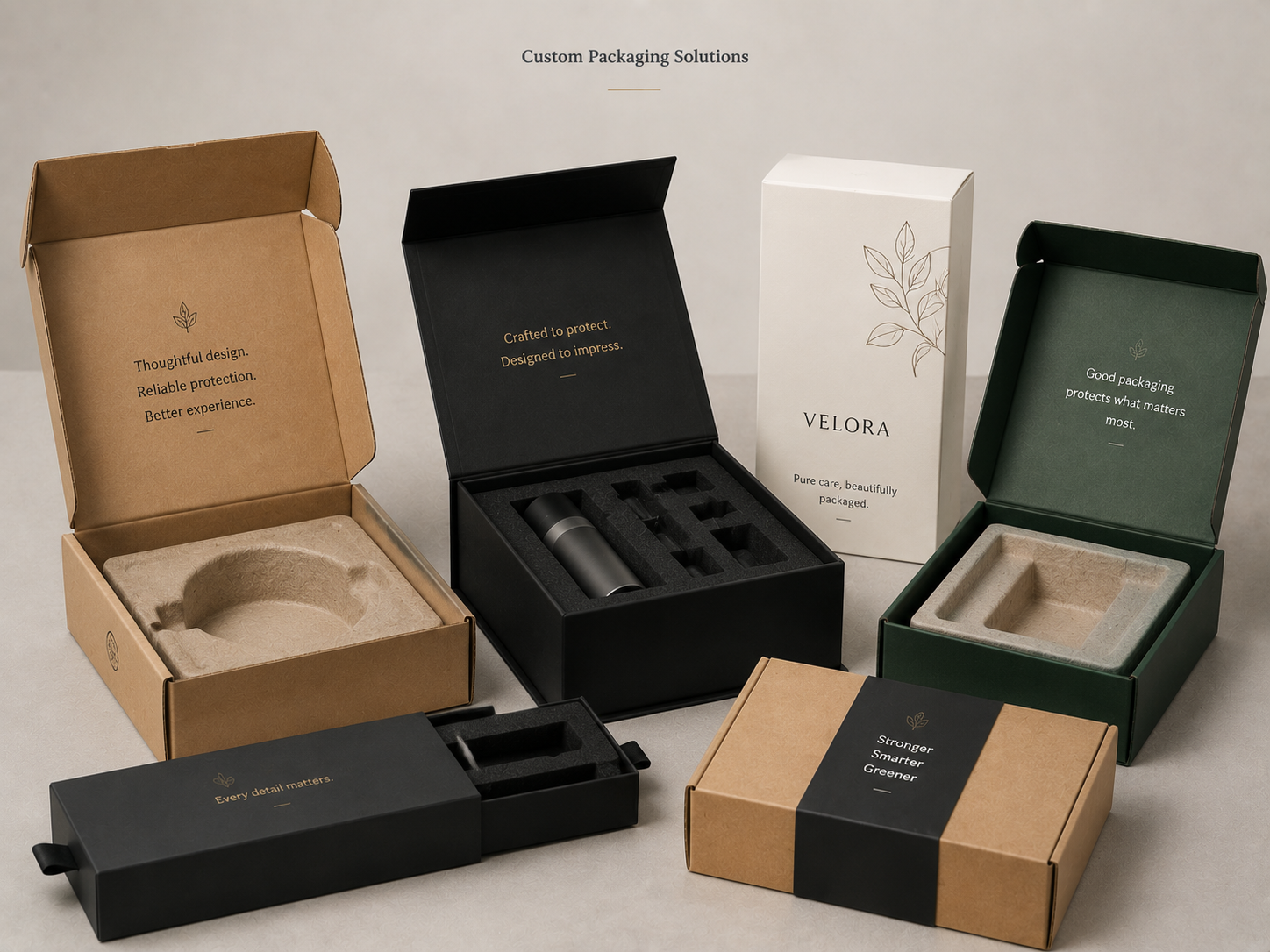
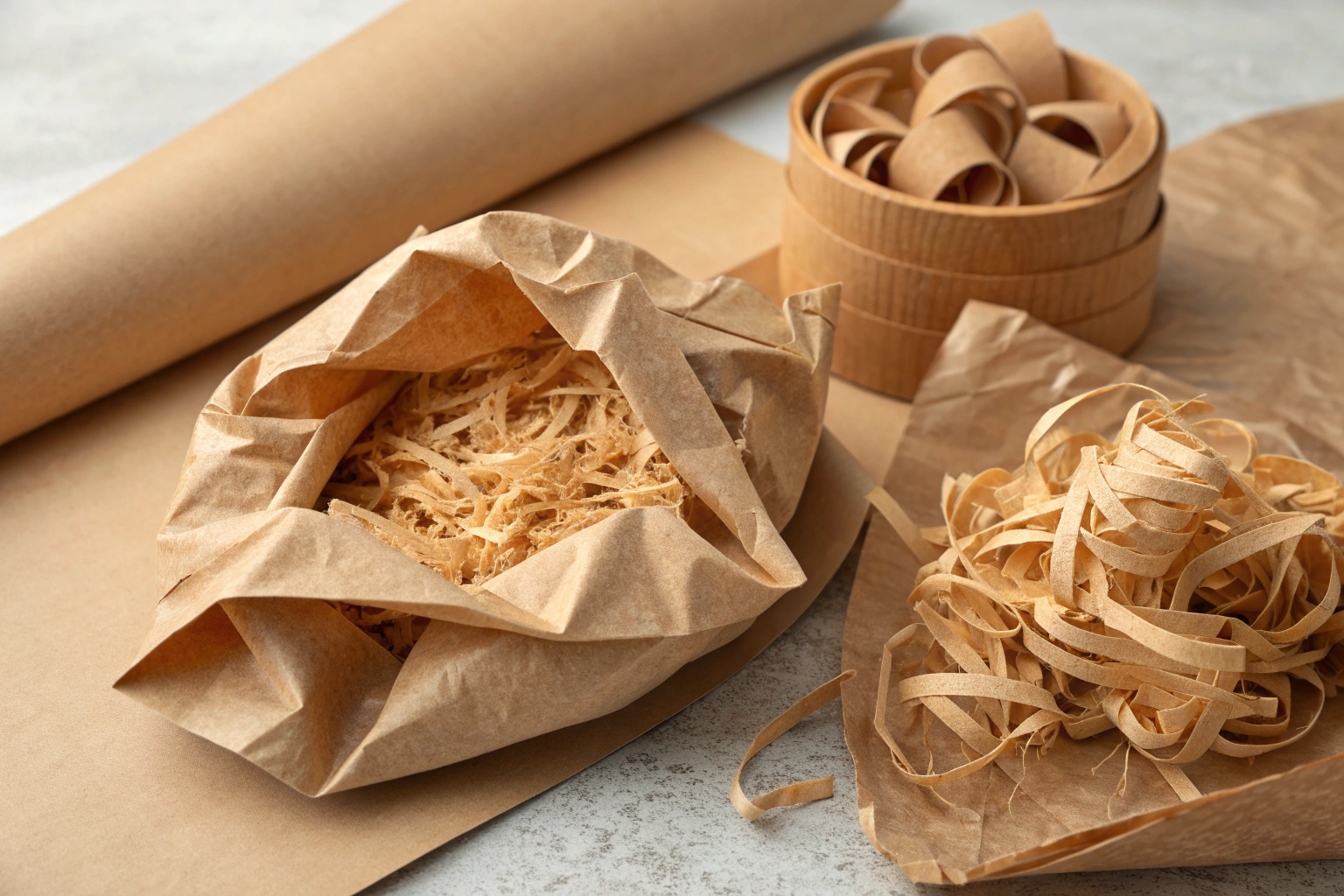
Kraft paper is used for wrapping, bags, inner liners, void fill, and corrugated liners.
It protects surfaces, separates products, and fills empty space inside cartons. It is often combined with corrugated boxes to form a complete packaging solution.
In packing workshops, kraft paper handles manual and automated processes well. Its flexibility and strength make it suitable for fast-paced production environments where consistency matters.
How Does Factory Quality Control Affect Kraft Paper?
Paper quality depends on manufacturing discipline.
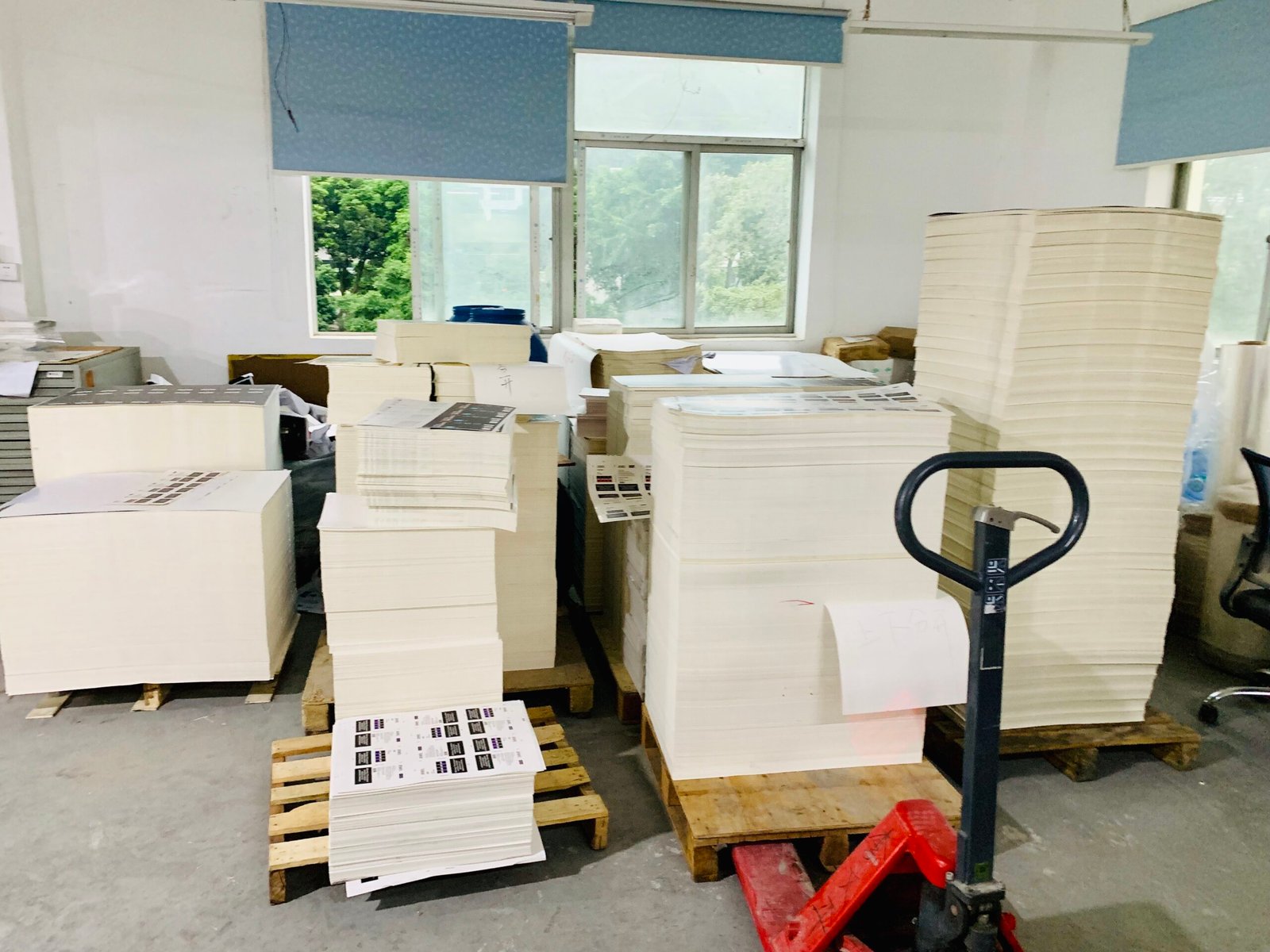
Consistent kraft paper performance comes from controlled fiber selection, refining, and moisture management.
Factories test grammage, tensile strength, tear resistance, and moisture content. Variations lead to tearing, dusting, or unstable packing behavior.
Process control ensures kraft paper behaves the same from roll to roll. This stability is essential for downstream converting and packing operations.
Why Is Kraft Paper Considered Practical and Sustainable?
Kraft paper fits modern packaging needs.
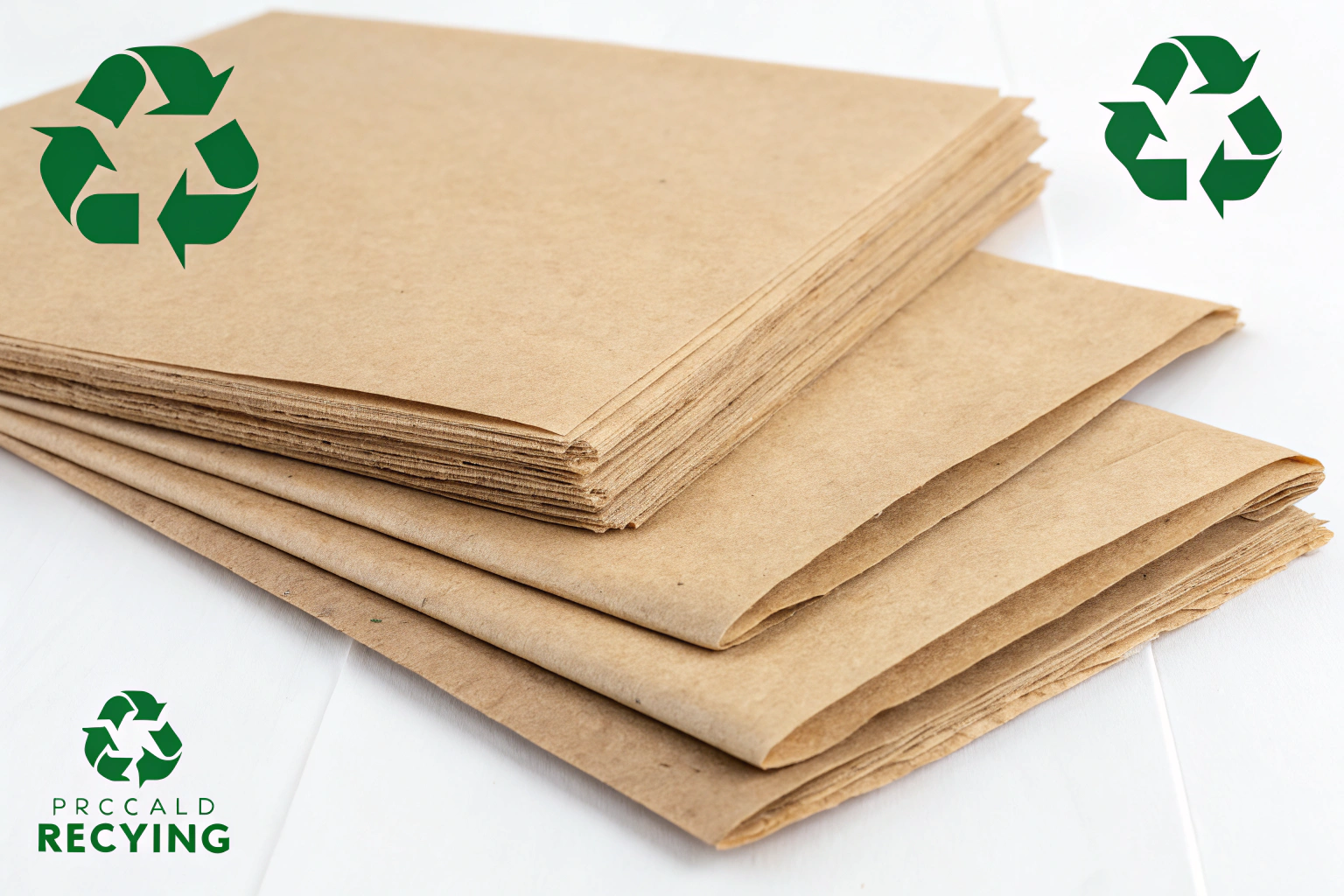
Kraft paper is recyclable, biodegradable, and compatible with fiber-based recycling systems.
It uses renewable raw materials and avoids complex composite structures. Trim waste from converting can be recycled back into the paper stream.
In manufacturing operations, kraft paper supports efficient material use and low waste rates. Sustainability is achieved through both material choice and process efficiency.
Conclusion
Kraft paper is a strong, fiber-based paper material produced through the kraft pulping process. Its long wood fibers deliver tear resistance and flexibility. Its simple structure supports efficient manufacturing and packing operations.
From raw material selection to factory process control, kraft paper is engineered for consistent performance. It is widely used in packaging because it balances strength, cost efficiency, and environmental compatibility. When produced and applied correctly, kraft paper remains one of the most reliable materials in modern packaging systems.