Packaging failures often start with material misunderstanding. Kraft paper is widely used, yet many brands do not know its origin or value. This leads to wrong choices, weak packaging, and missed brand potential.
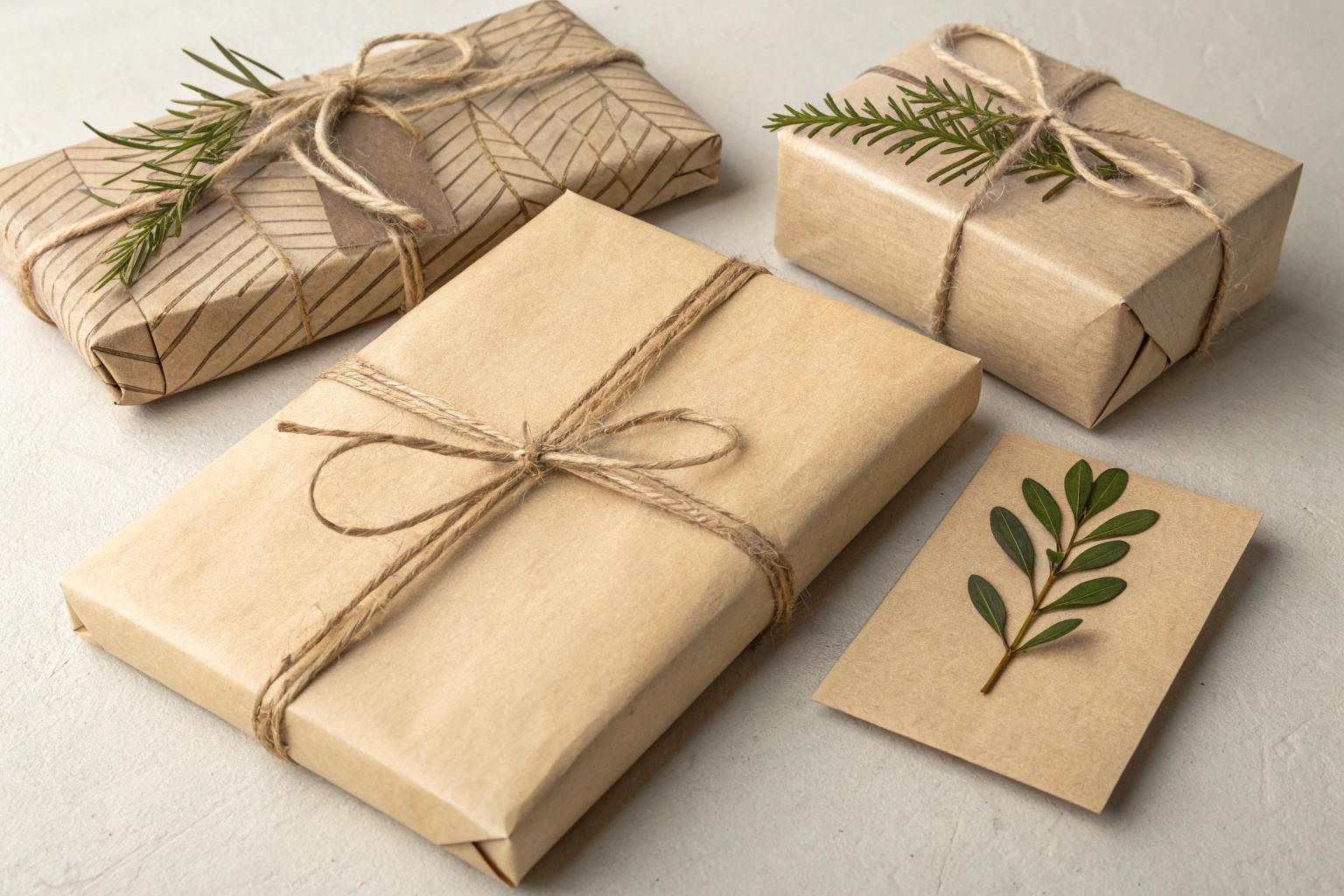
Kraft paper is named after the German word “Kraft,” meaning strength. It refers to paper made with a process that keeps fiber strength high, making it ideal for durable, sustainable packaging used across many industries.
The name is only the beginning. To truly understand why kraft paper is trusted by global brands, it is necessary to look at its history, material science, manufacturing process, and how it performs inside real production workshops.
Why Does the Word “Kraft” Mean Strength?
Kraft paper gained its name from a direct connection to performance. The German word “Kraft” translates to strength, and this was not a marketing term. It was a technical description of how the paper behaved under stress.
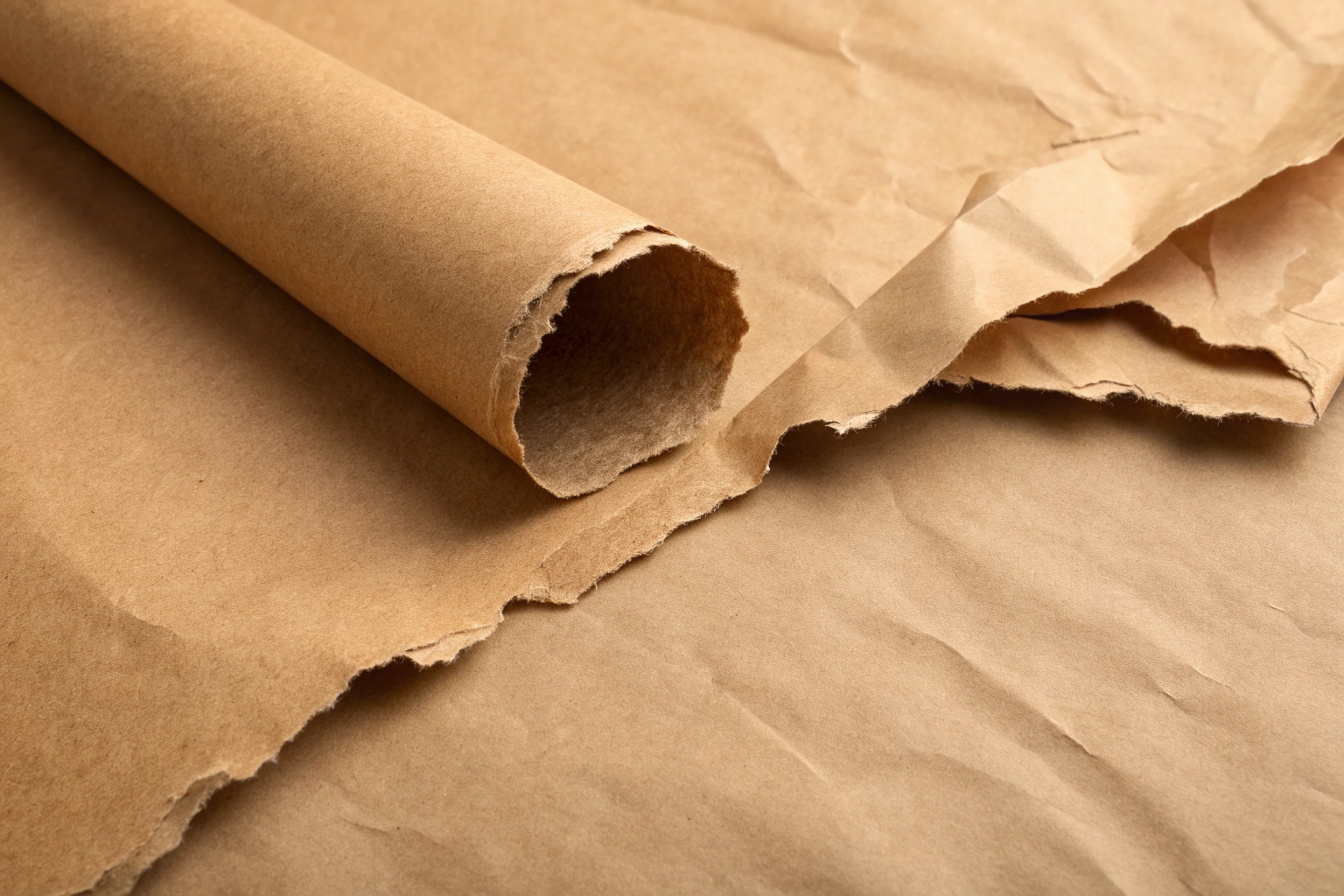
Kraft paper is called “kraft” because its fibers remain long and strong during pulping, giving the paper higher tear resistance and load capacity than many other papers.
The kraft pulping method removes lignin while protecting cellulose fibers. This creates paper that bends instead of breaking. In packaging use, this matters. Boxes survive stacking. Paper bags carry weight. Gift boxes keep their shape during shipping. In manufacturing, this strength reduces damage rates and improves packing efficiency.
In production environments, kraft paper sheets show consistent fiber distribution. This helps machines run smoothly. Fewer breaks occur during die cutting or folding. That stability is one reason kraft paper remains a core material in packaging factories worldwide.
How Was Kraft Paper Invented?
Kraft paper has an industrial origin, not a decorative one. It was invented in the late 19th century when industries needed stronger paper for wrapping and transport.
Kraft paper was developed through a chemical pulping process that improved fiber strength compared to earlier paper-making methods.
Before the kraft process, paper was weaker and less reliable. Mechanical pulping damaged fibers. Packaging failure was common. The kraft method used chemical treatment to separate fibers cleanly. This allowed paper to handle pressure, moisture changes, and repeated handling.
In modern factories, this historical advantage still shows. Kraft paper performs well during high-speed printing, automatic gluing, and long transport cycles. It adapts to both simple shipping cartons and high-end retail packaging without losing structural value.
What Makes Kraft Paper Different From Other Paper Types?
Kraft paper stands apart because of structure, not appearance. While it is often brown, color is not its defining trait.
Kraft paper differs from other paper because of longer fibers, higher tensile strength, and better resistance to tearing and compression.
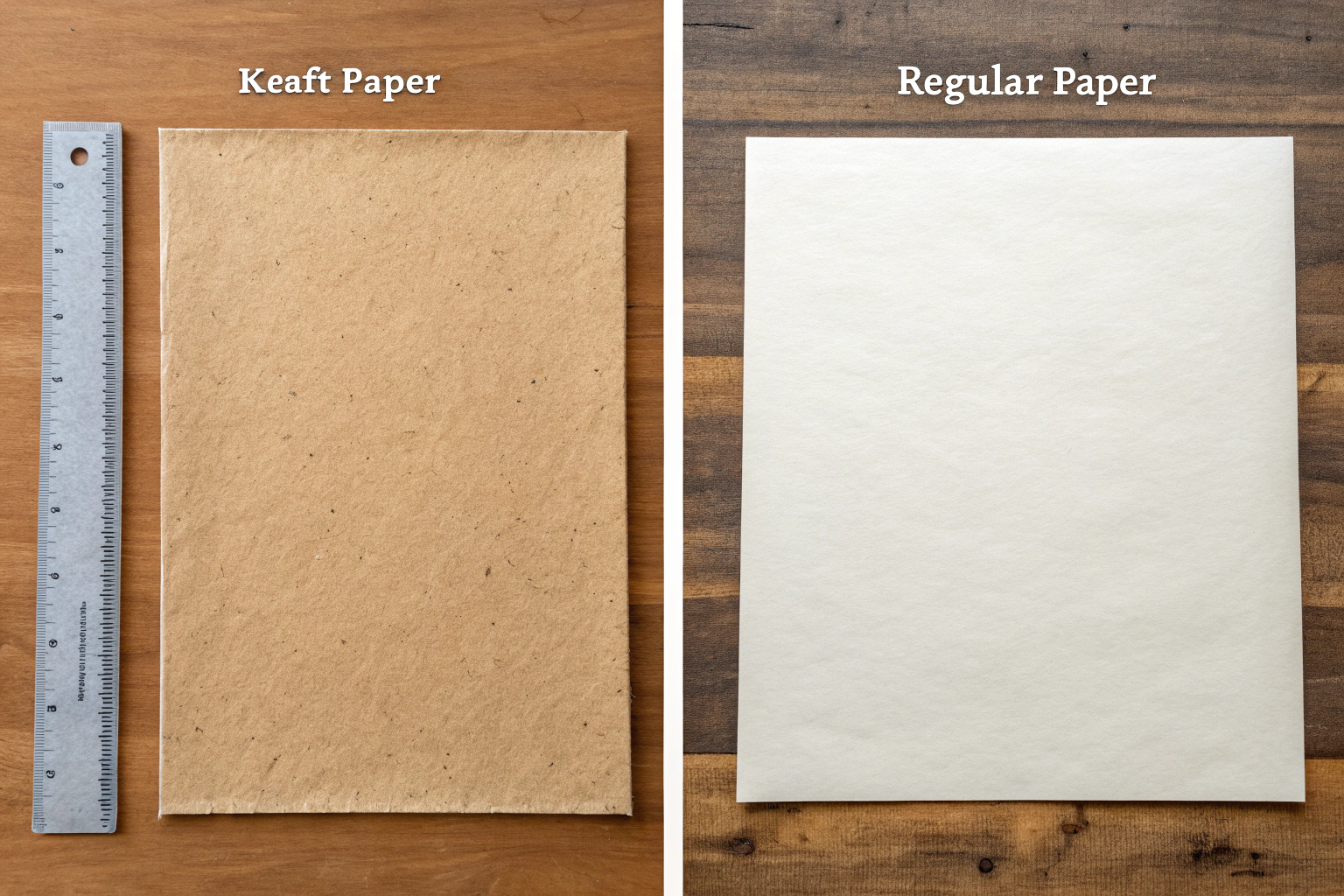
In production testing, kraft paper handles folding lines without cracking. It accepts ink evenly. It holds lamination and coating layers well. These properties matter during box forming and finishing.
Below is a simple comparison used during material selection:
| Property | Kraft Paper | Regular White Paper |
|---|---|---|
| Fiber Length | Long | Short |
| Tear Resistance | High | Low |
| Load Capacity | Strong | Limited |
| Sustainability | High | Medium |
| Packaging Use | Structural | Decorative |
Because of this balance, kraft paper supports both protection and branding. It works for inner trays, outer cartons, paper bags, and premium rigid boxes when combined with smart structure design.
How Is Kraft Paper Processed Inside a Packaging Factory?
Kraft paper shows its value most clearly on the factory floor. From raw rolls to finished packaging, each step relies on material stability.
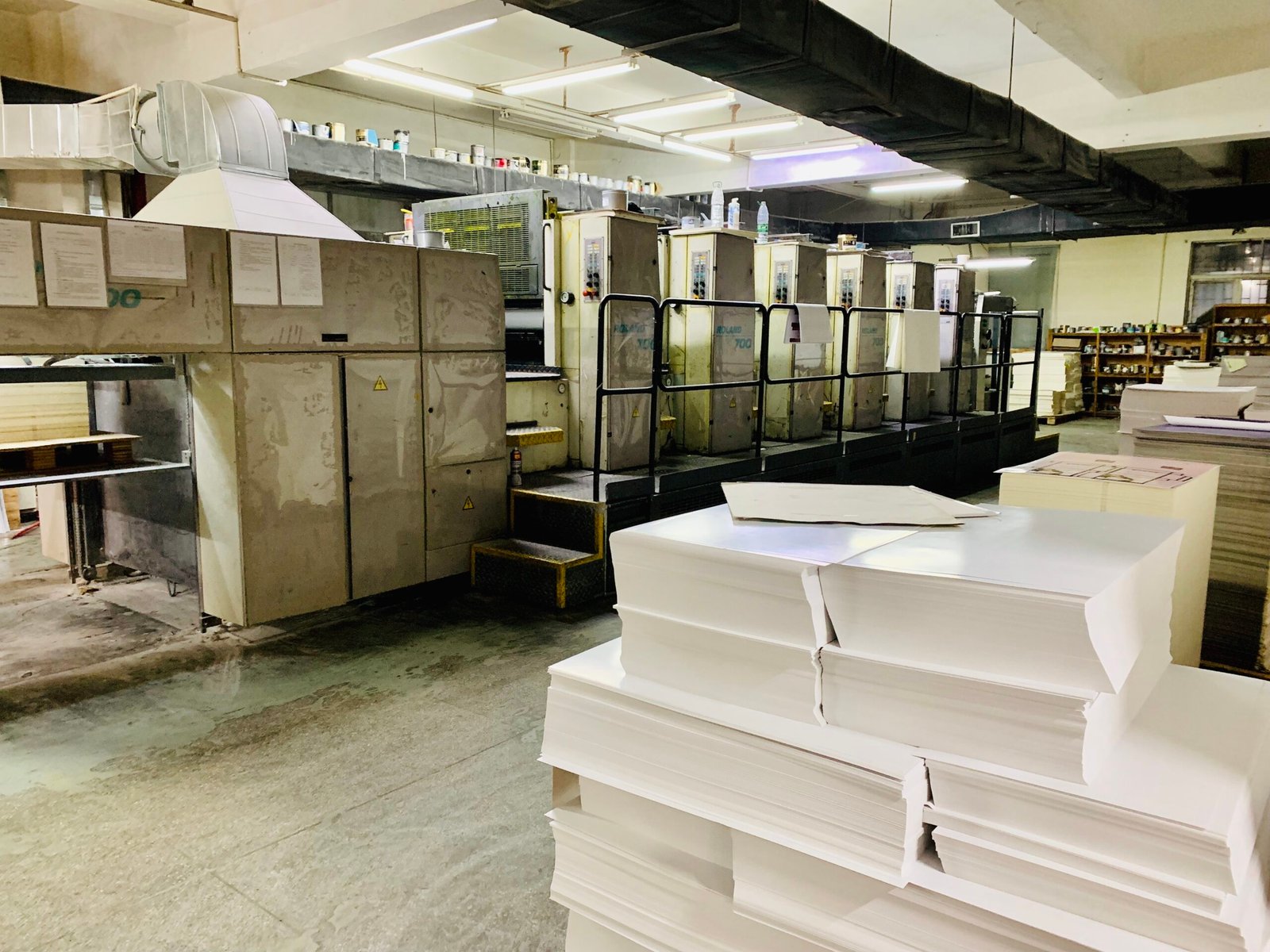
Inside a packaging workshop, kraft paper is processed through printing, die cutting, folding, and gluing with high consistency and low waste.
Large paper rolls are first inspected for thickness and moisture. Stable moisture content prevents warping. During offset or flexo printing, kraft paper absorbs ink evenly. This ensures clean logos and clear text without bleeding.
Next comes die cutting. Kraft paper holds sharp edges well. This is critical for boxes with locking tabs or complex structures. During folding and gluing, the paper maintains crease memory. Boxes form cleanly and stay square.
In workshops that run multiple shifts, this reliability reduces downtime. Machines stay calibrated. Workers spend less time adjusting settings. This directly improves delivery stability for large-volume orders.
Why Is Kraft Paper Considered Sustainable?
Sustainability is not only about recycling. It also depends on how materials are sourced, processed, and reused.
Kraft paper is considered sustainable because it uses renewable fibers, supports recycling, and often meets certified forestry standards.
In manufacturing, kraft paper often comes from responsibly managed forests. The kraft pulping process allows chemical recovery, which reduces waste. Finished packaging is easy to recycle and biodegrades naturally.
From a production view, kraft paper also reduces material overuse. Stronger paper allows thinner grammage while keeping performance. This lowers total material consumption per box. Over large production runs, this creates real environmental and cost benefits.
For brands that care about environmental responsibility, kraft paper supports both compliance and messaging without sacrificing strength or appearance.
How Does Kraft Paper Support Modern Packaging Design?
Modern packaging must balance protection, appearance, and efficiency. Kraft paper supports all three when used correctly.
Kraft paper supports modern packaging design by offering strength, print compatibility, and a natural look that aligns with premium and eco-focused branding.

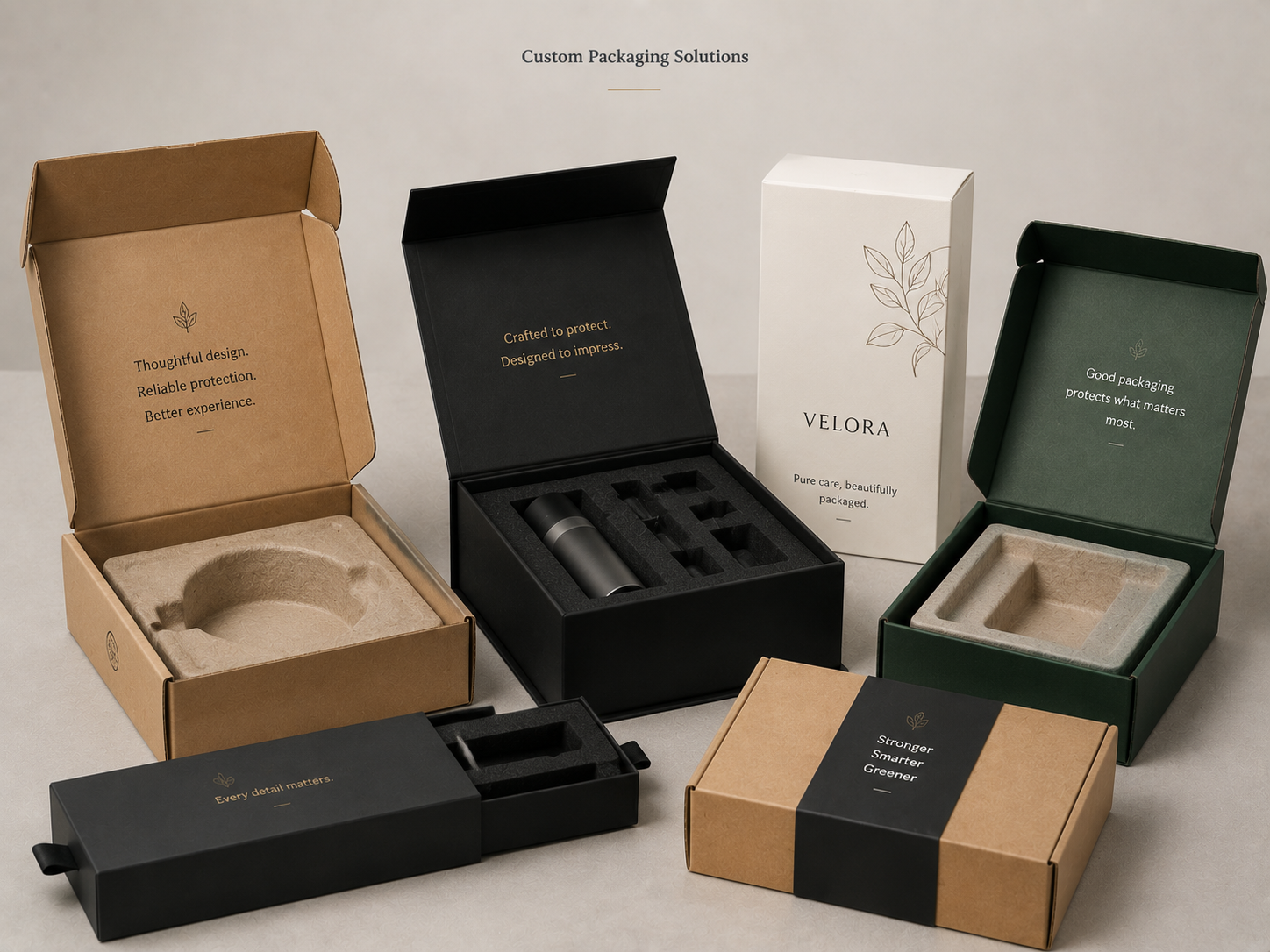
In design stages, kraft paper allows flexible structures. It supports tuck-end boxes, mailer boxes, folding cartons, and paper bags. It pairs well with spot UV, embossing, debossing, and foil stamping.
From a manufacturing view, kraft paper also supports fast sampling. Prototypes match mass production results closely. This reduces risk during new product launches. For packaging lines with many SKUs, this consistency matters.
In workshops, kraft-based packaging often shows fewer quality issues during final inspection. Edges stay neat. Colors stay stable. Finished goods stack well and ship safely.
Conclusion
Kraft paper is more than just a name; it represents strength, reliability, and efficiency in packaging manufacturing. Its superior tear resistance, load-bearing capacity, and stable performance on production lines make it a preferred choice for factories worldwide. From pulping to printing and die cutting, kraft paper consistently delivers high-quality results with minimal defects.
In addition to its functional advantages, kraft paper is a sustainable material. It comes from renewable sources, supports recycling, and reduces material waste, aligning with modern environmental goals. Its strength also means less material is required to achieve the same level of protection, offering both environmental and cost benefits.
For manufacturers and brands, kraft paper remains a key material due to its proven durability, versatility, and eco-friendly properties. Its enduring value comes not only from its technical performance but also from its ability to meet the demands of modern, sustainable packaging solutions.