Packaging failures often begin with the wrong paper choice. Materials tear during packing, bags collapse under weight, or costs rise without improving performance. These problems usually come from not understanding why kraft paper is widely used in packaging and industrial applications.
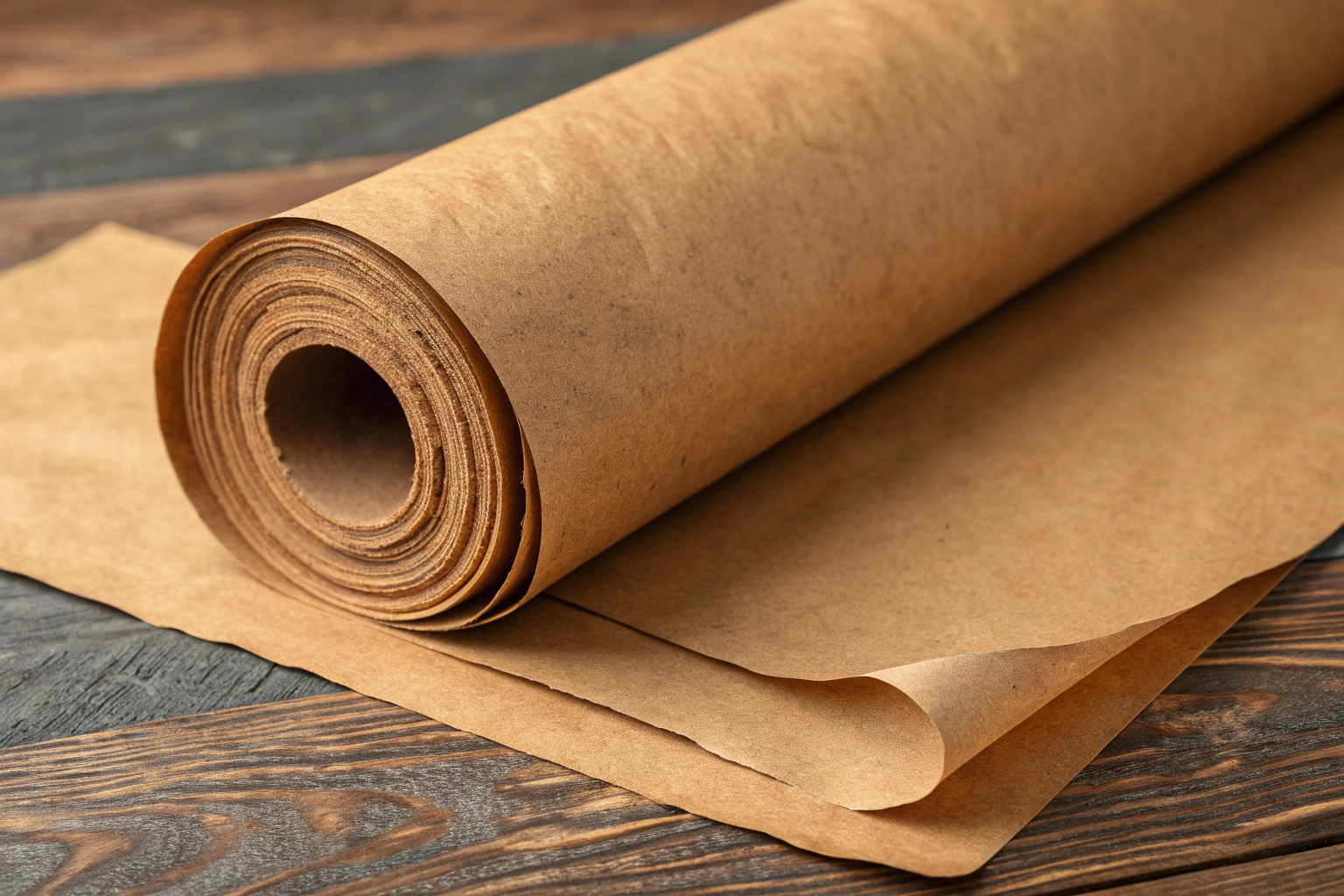
Kraft paper is used because it delivers strong tear resistance, stable processing performance, and reliable functionality with simple fiber-based structure. Its value comes from both material properties and manufacturing efficiency.
Kraft paper is not selected for appearance alone. It is chosen because it performs consistently across production, packing, storage, and transport.
High Strength From Fiber Structure
One of the main reasons kraft paper is used is its strength.
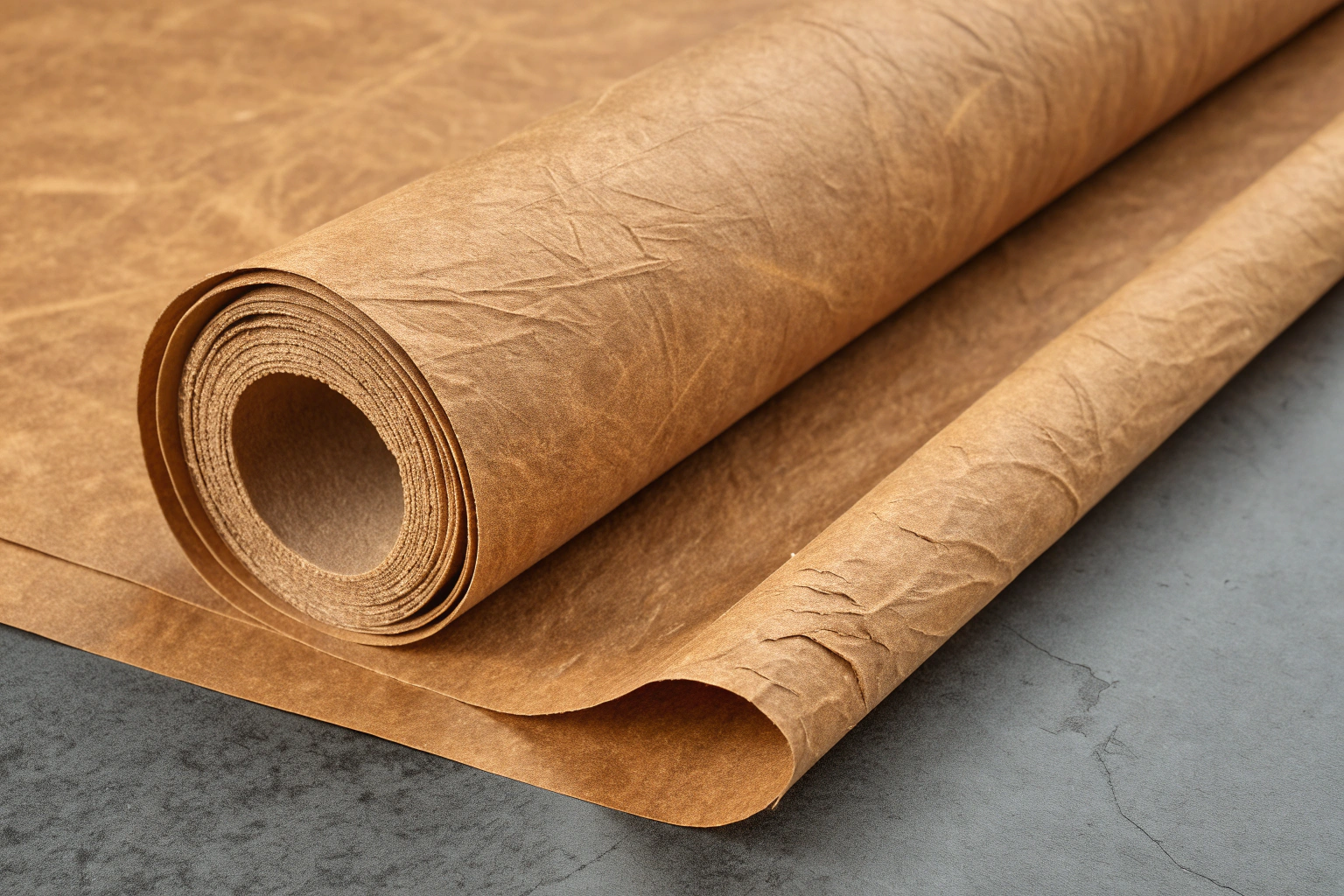
Kraft paper offers high tensile and tear strength due to long wood fibers and strong fiber bonding.
The kraft pulping process preserves fiber length. Long fibers interlock tightly during papermaking, creating resistance to tearing and pulling forces. This allows kraft paper to handle tension during bag making, wrapping, and packing.
In factory production, strength stability is critical. Kraft paper maintains performance across different machine speeds and forming methods. This reduces breakage, downtime, and material waste during converting.
Reliable Performance in Packing and Handling
Kraft paper is widely used because it performs well in real packing environments.
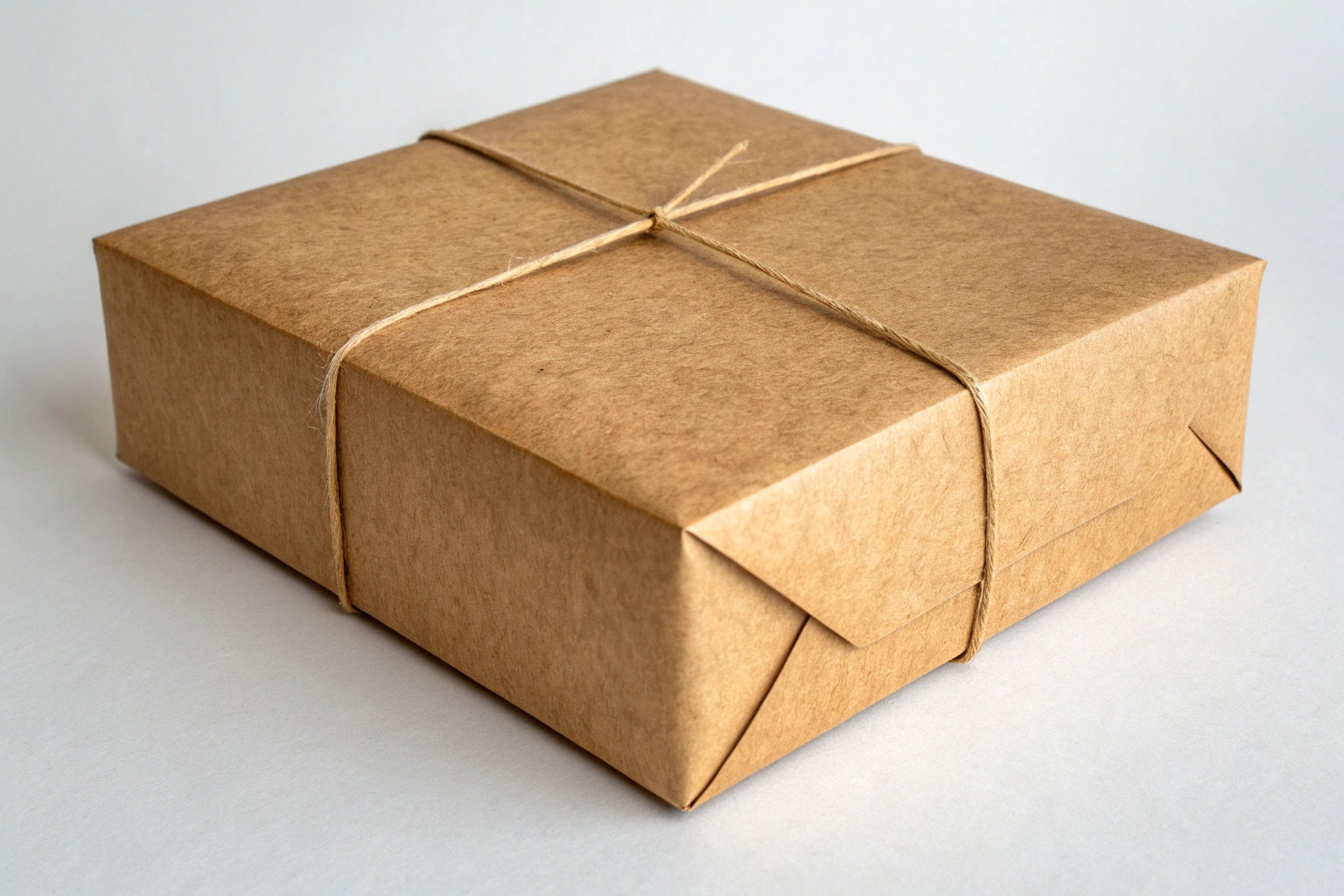
Kraft paper handles folding, wrapping, and crumpling without cracking or sudden failure.
In packing workshops, kraft paper is used for wrapping products, filling empty space in cartons, and separating layers. It conforms to product shapes and provides surface protection without complex structure.
Its flexibility allows both manual and automated packing. Rolls and sheets feed smoothly through packing lines. This reliability makes kraft paper a practical choice for high-volume operations where efficiency matters.
Manufacturing Efficiency and Process Stability
Another key reason kraft paper is used is manufacturing efficiency.
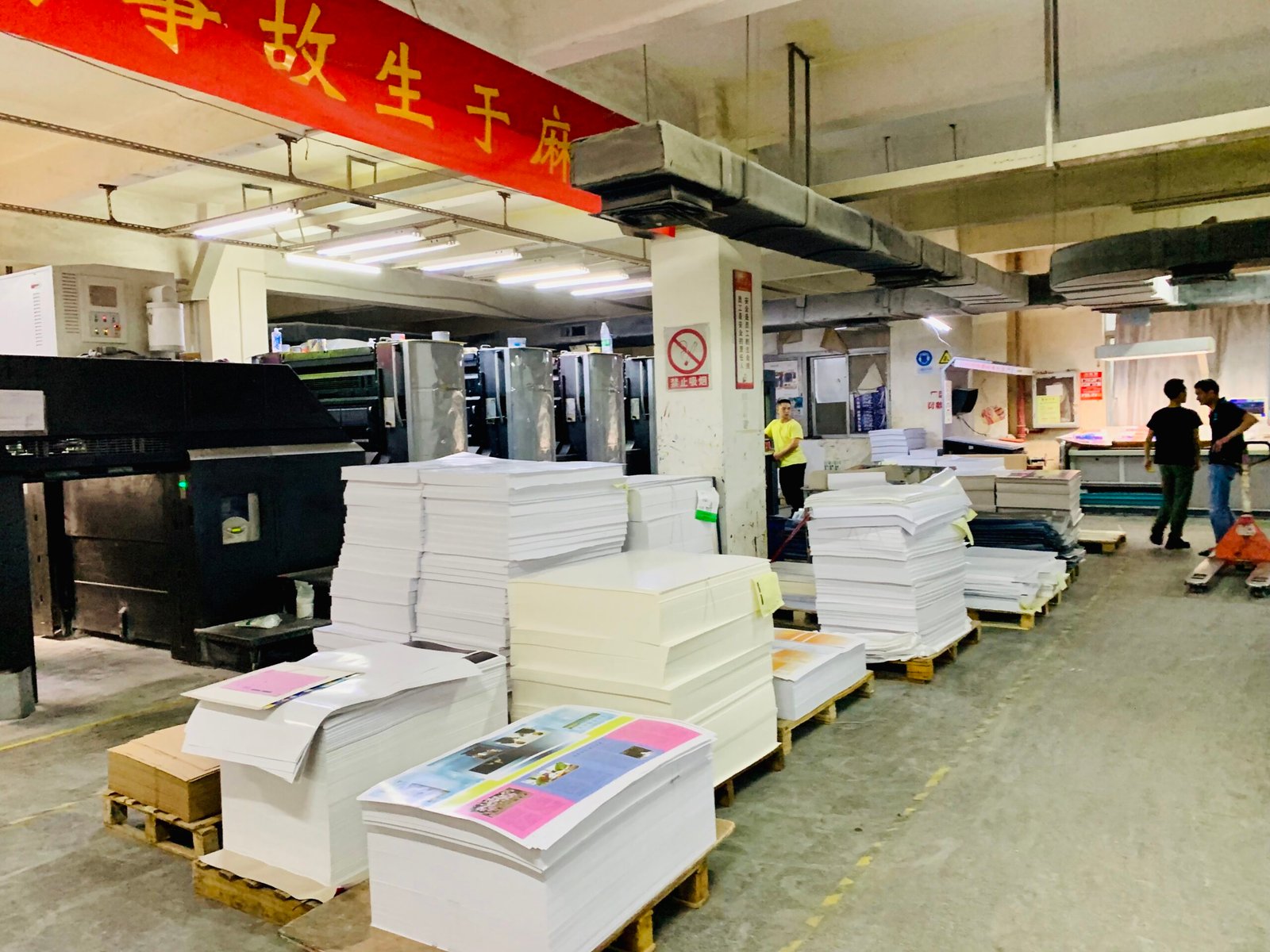
Kraft paper runs stably on industrial machines with low process sensitivity.
In paper mills, kraft paper production focuses on fiber refining, sheet forming, pressing, and drying. The process is mature and highly controllable. This results in consistent grammage, moisture, and strength.
In downstream factories, kraft paper tolerates variations in speed, tension, and folding better than many coated or specialty papers. Stable machine performance lowers production risk and supports large-scale manufacturing.
Cost-Effective Strength Without Complex Structure
Kraft paper provides strength without heavy structure.
Kraft paper delivers functional strength using a single-layer sheet rather than multi-layer construction.
Compared with cardboard or laminated materials, kraft paper uses less material and fewer processing steps. This keeps cost under control while still meeting basic performance needs.
In manufacturing planning, kraft paper is often selected when structural rigidity is not required. It provides enough protection for inner packing and surface protection while avoiding overdesign. This balance of performance and cost is a key reason for its continued use.
Wide Range of Applications and Grades
Kraft paper is used because it adapts to many applications.
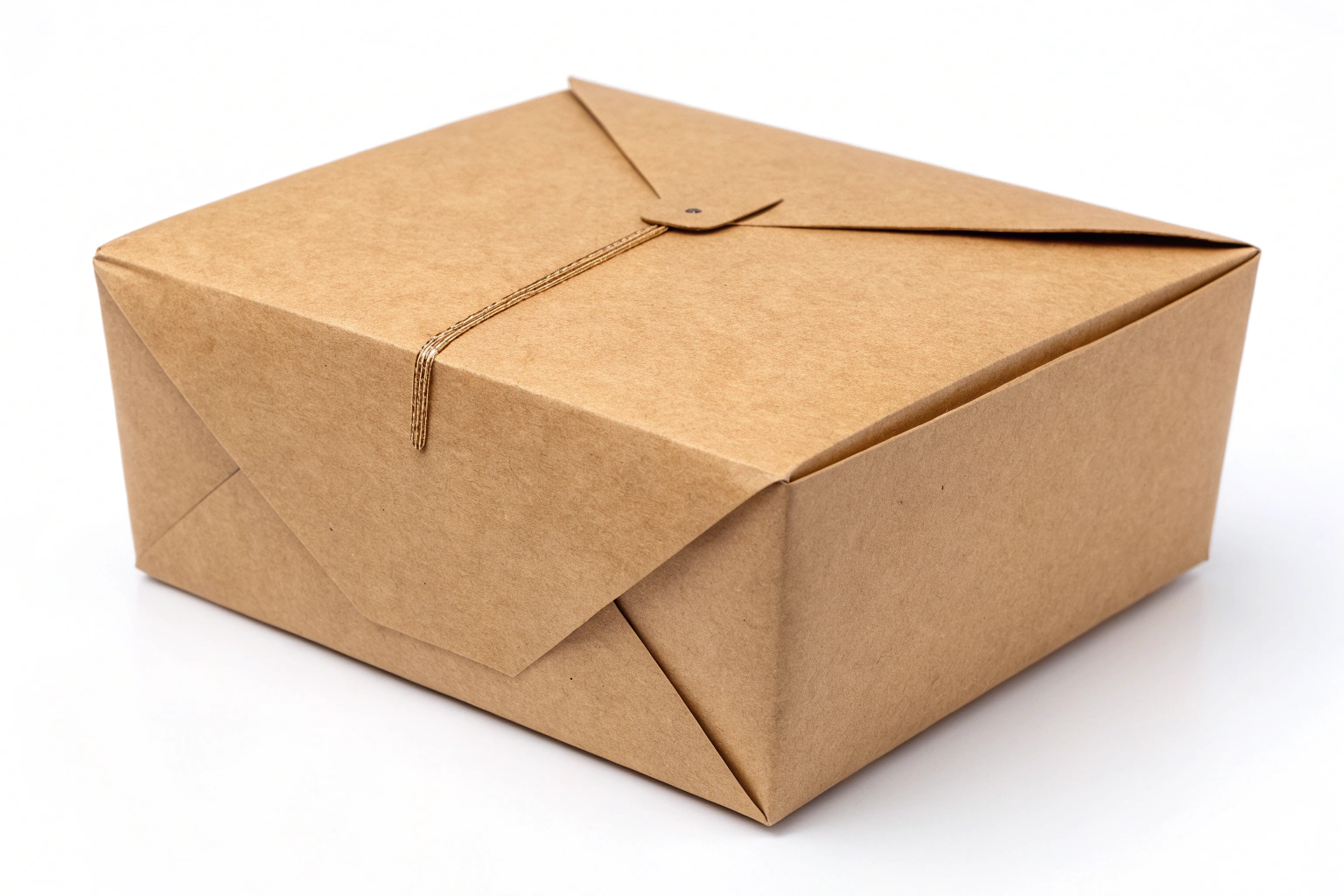
Kraft paper is produced in a wide range of weights, strengths, and surface treatments.
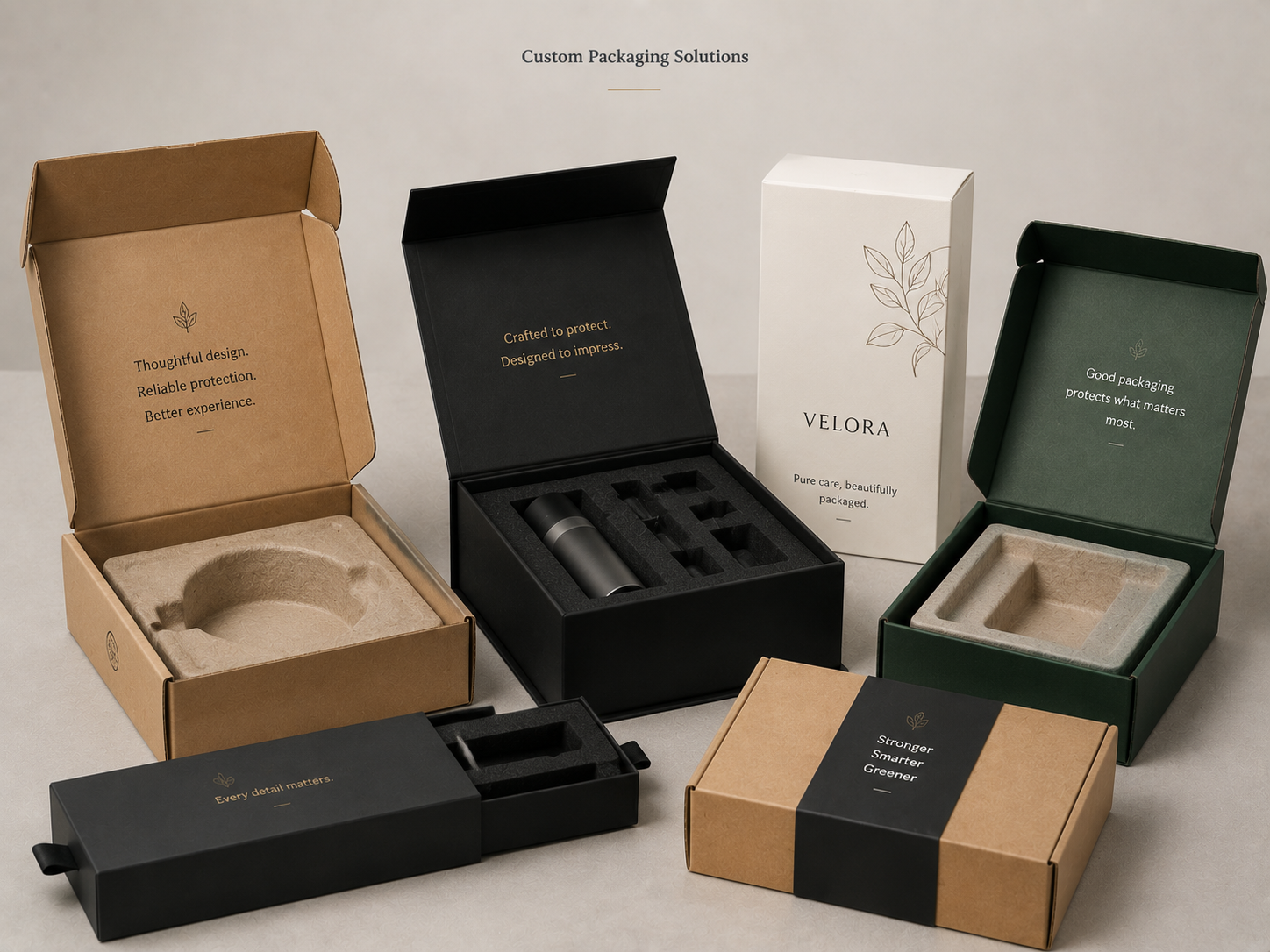
Lightweight grades are used for wrapping and void fill. Medium grades are used for shopping bags and inner liners. Heavy-duty grades are used for sacks and corrugated liners.
In factories, pulp mix and refining levels are adjusted to meet different requirements. This flexibility allows kraft paper to serve food, industrial, logistics, and consumer packaging without changing the core material system.
Environmental Compatibility and Recycling
Environmental performance is another reason kraft paper is widely used.
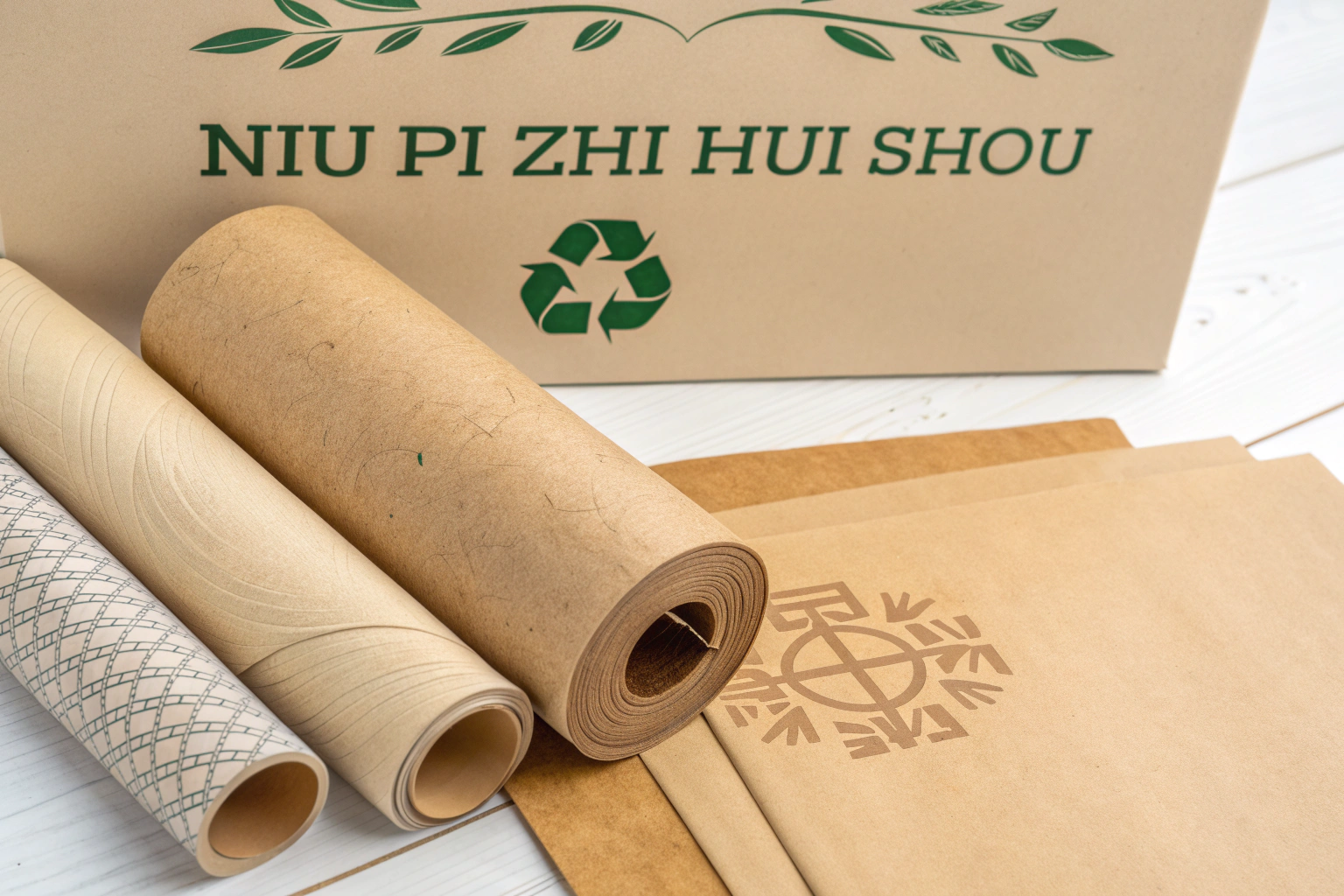
Kraft paper is recyclable, biodegradable, and compatible with fiber-based recycling systems.
Made primarily from wood fibers, kraft paper fits into existing recycling streams. Unbleached kraft paper avoids heavy chemical processing and supports material recovery.
In manufacturing operations, trim waste from kraft paper converting is easily recycled. This reduces overall waste and improves material utilization. Sustainable performance combined with functional strength increases long-term adoption.
Why Factories Continue to Rely on Kraft Paper
From a factory perspective, kraft paper offers predictability.
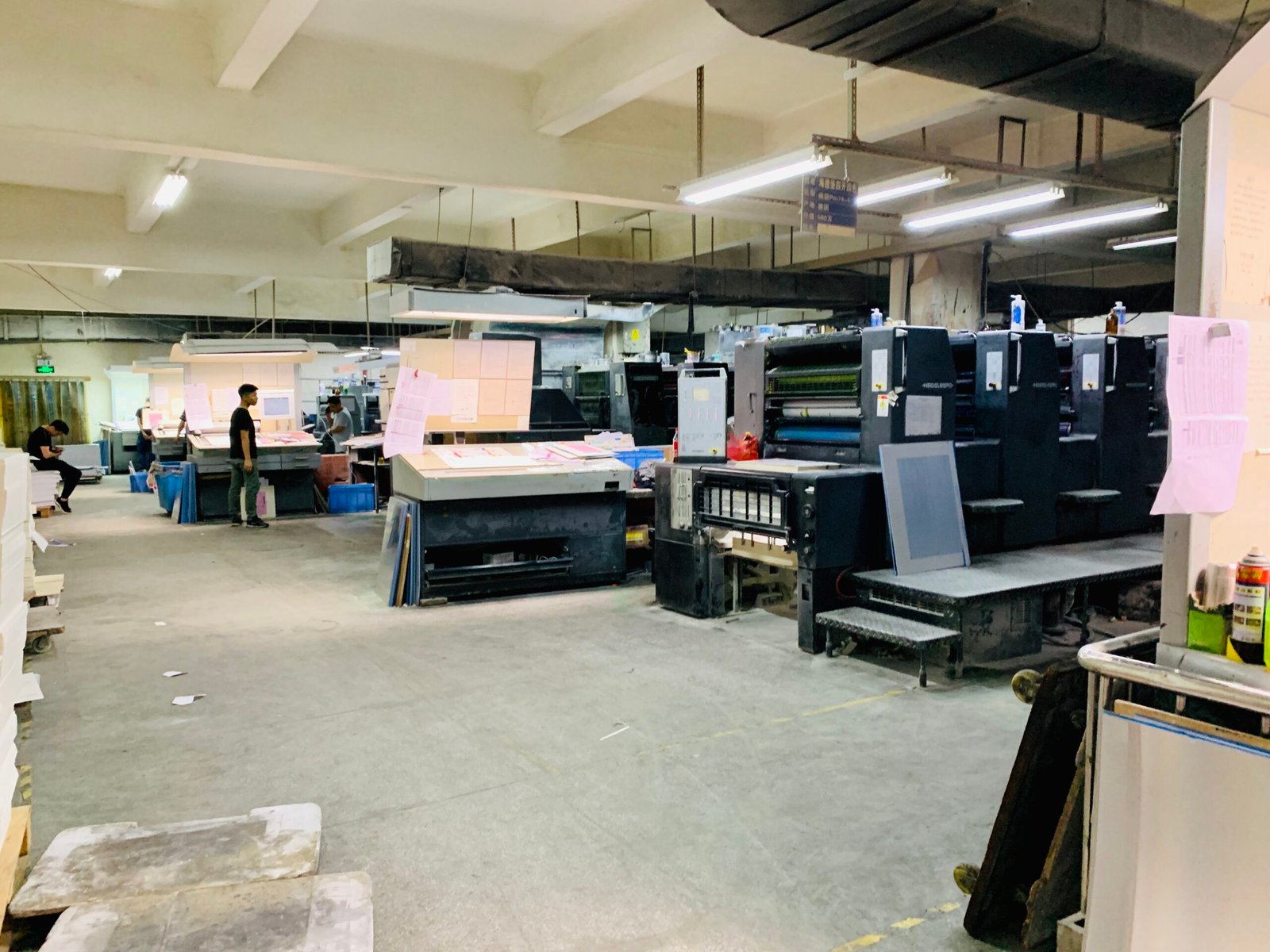
Kraft paper delivers consistent quality, stable supply, and proven performance across production cycles.
Production workshops rely on materials that behave the same every day. Kraft paper meets this requirement through controlled fiber sourcing, standardized production, and clear quality benchmarks.
Quality control focuses on moisture balance, grammage tolerance, and strength testing. When these parameters are stable, downstream packing and converting remain efficient. This reliability is a major reason kraft paper remains a core packaging material.
Conclusion
Kraft paper is used because it combines strength, flexibility, manufacturing stability, cost efficiency, and environmental compatibility in a single material. Its long fiber structure delivers tear resistance. Its simple sheet form supports efficient production. Its wide range of grades adapts to many applications.
From paper mills to factory packing lines, kraft paper supports consistent performance without unnecessary complexity. It is not chosen by habit, but by proven results in real production and packing environments. When used within its performance limits, kraft paper remains one of the most practical and dependable materials in packaging and industrial use.