Many people assume that all paper bags are made from kraft paper. This assumption causes confusion during packaging planning and material selection. As a professional packaging manufacturer, I answer this question based on material structure and manufacturing standards, not common usage.
Not all paper bags are made from kraft paper, but kraft paper is the most commonly used and most suitable material for paper bag manufacturing due to its strength and reliability. The term “paper bag” describes a product form, while “kraft paper” describes a material.
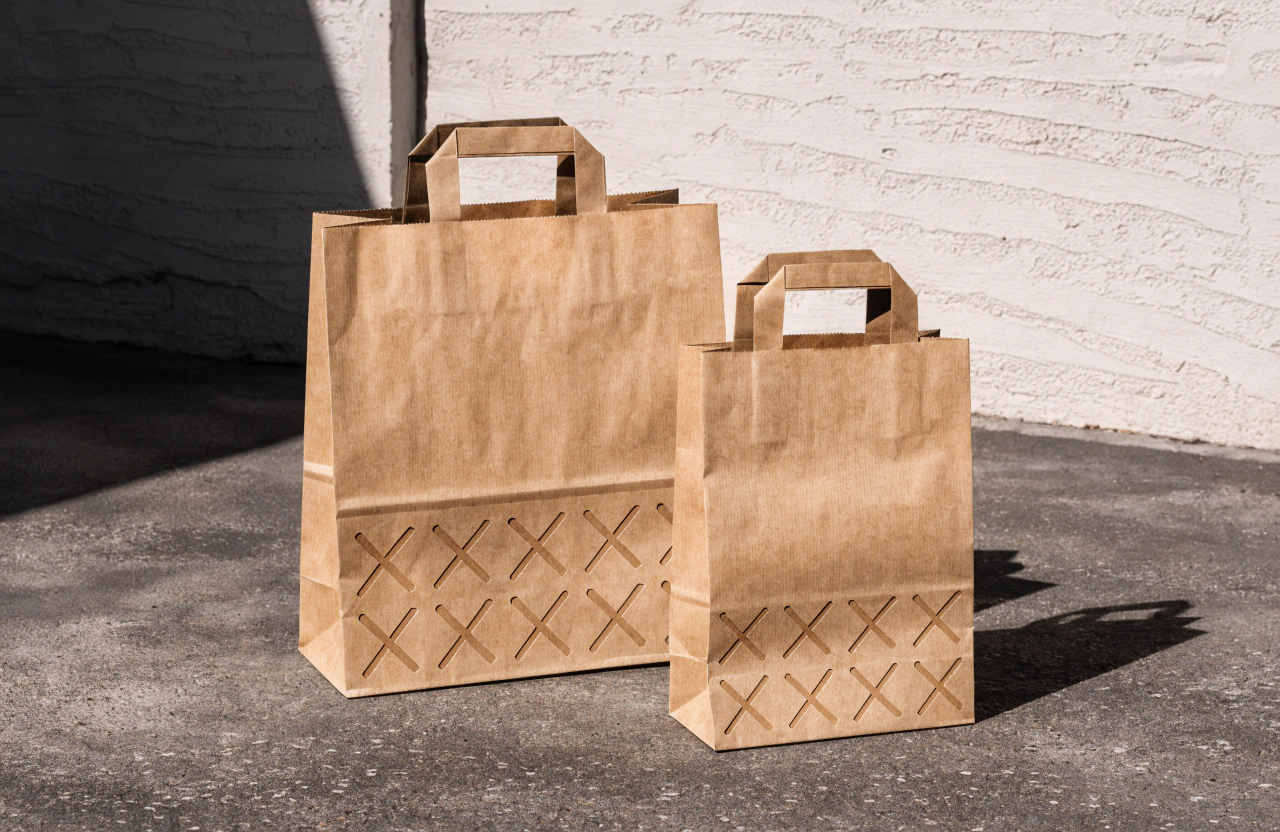
Understanding this difference is important when evaluating bag strength, durability, and performance.
What materials are paper bags actually made from?
Paper bags can be produced from several types of paper, not only kraft.
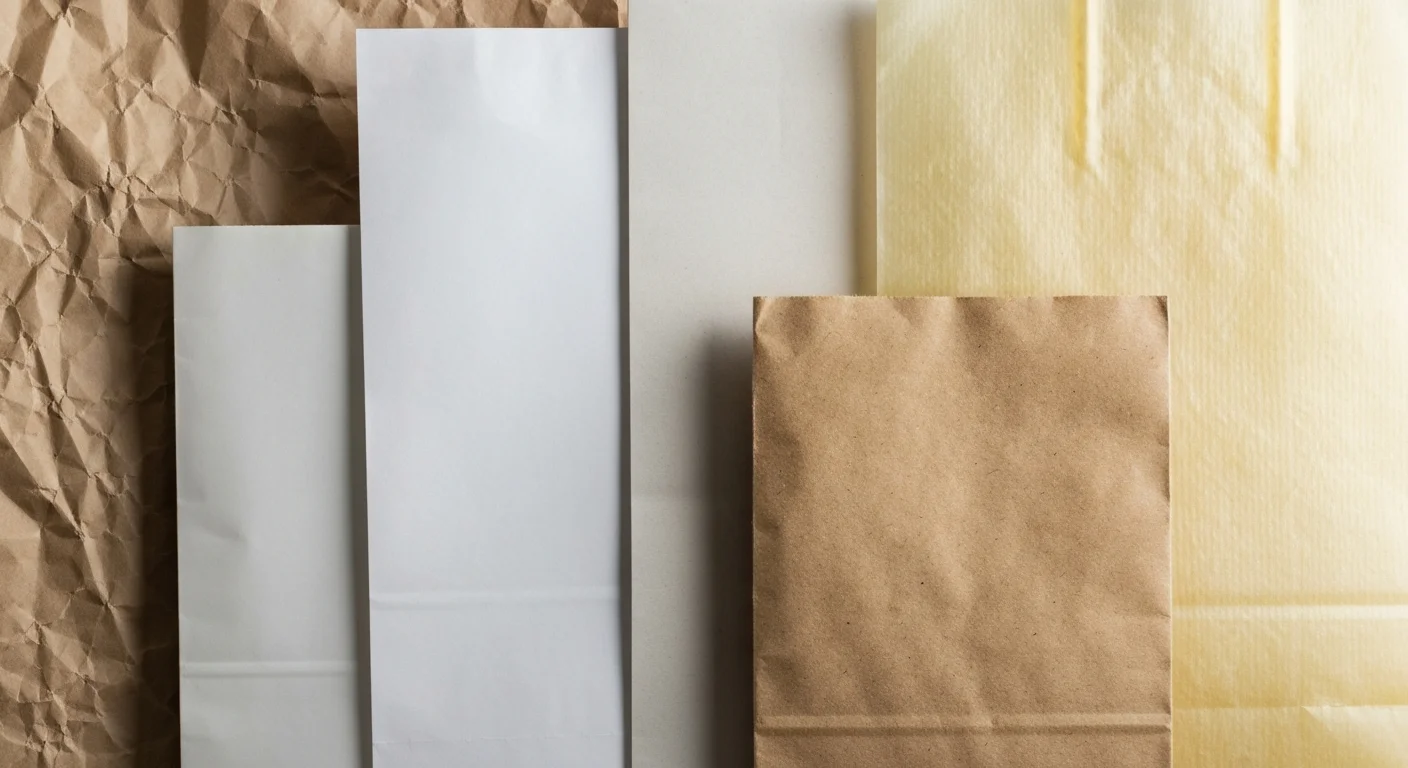
Paper bags are defined by structure, while the paper material can vary depending on use requirements.
Common materials include kraft paper, recycled paper, coated paper, and specialty papers. Among these, kraft paper is preferred for functional bags because of its long-fiber strength.
Recycled paper bags often use shorter fibers. They are suitable for light-duty use but have lower tear resistance. Coated paper bags focus more on appearance. Their surface looks smooth, but the fiber core is usually weaker. Kraft paper bags prioritize performance. Their strength comes from fiber structure, not surface treatment.
| Paper Material | Typical Bag Performance |
|---|---|
| Kraft paper | High strength and durability |
| Recycled paper | Light-duty use |
| Coated paper | Visual focus, lower strength |
| Specialty paper | Specific design needs |
Material choice defines how the bag performs in real use.
Why is kraft paper most commonly used for paper bags?
Paper bags must carry weight and resist tearing.
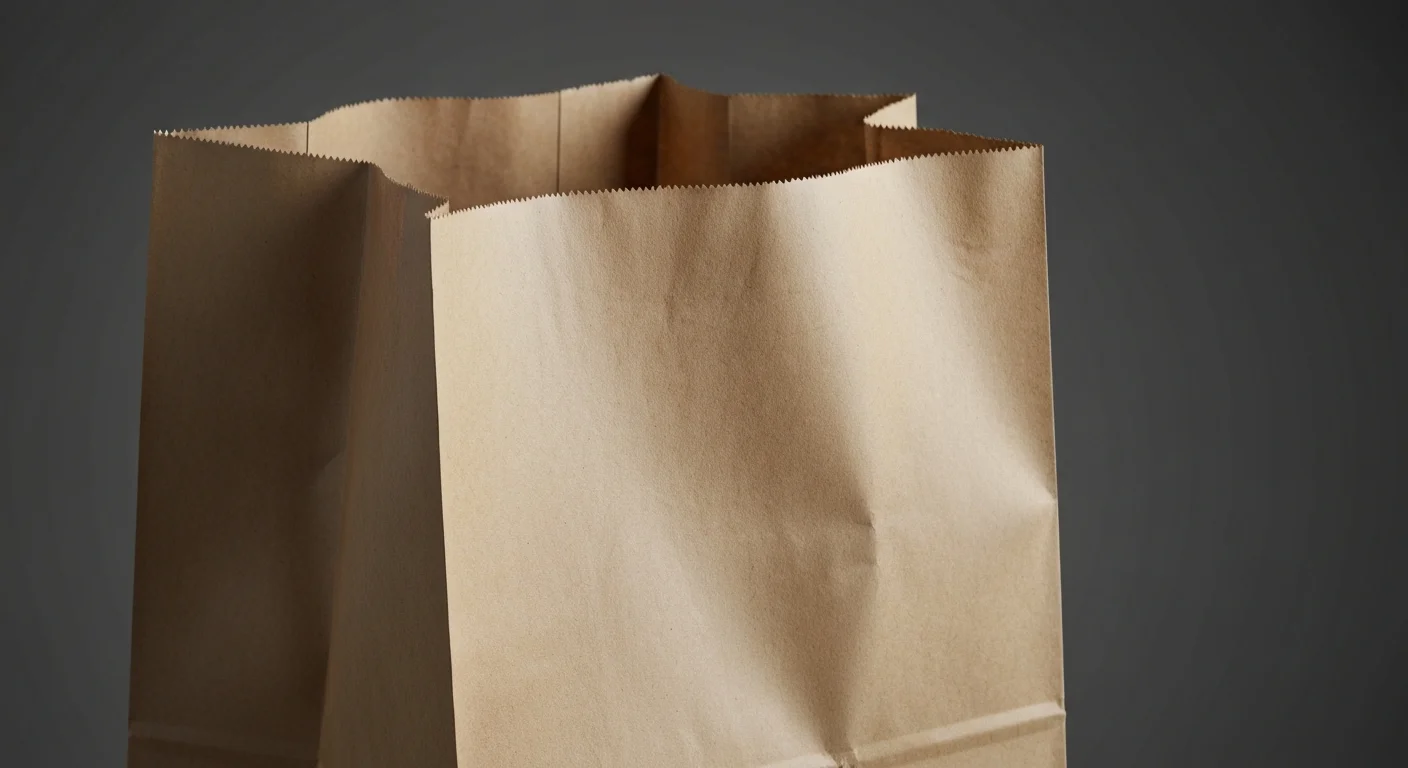
Kraft paper is widely used for paper bags because its long fibers provide high tensile strength and tear resistance.
Kraft paper is produced using the kraft pulping process, which preserves fiber length. These long fibers interlock tightly and create strong bonding. This allows kraft paper bags to hold heavier products without failing at handles or fold lines.
From a manufacturing standpoint, kraft paper also behaves consistently during cutting, folding, and gluing. Handles bond securely. Side gussets hold shape. Bottom structures remain stable. This production reliability is a key reason kraft paper dominates paper bag manufacturing.
Are brown paper bags always kraft paper?
Color often leads to misunderstanding.
Brown paper bags are often made from unbleached kraft paper, but brown color alone does not guarantee the paper is kraft.
Some brown paper bags use recycled paper that is dyed or naturally dark. These bags may look similar but perform differently. True kraft paper bags feel stronger, resist tearing better, and hold shape under load.
Bleached kraft paper bags also exist. They appear white but are still kraft paper because they are produced using the kraft process. This confirms that kraft refers to the process and strength, not color.
How does kraft paper affect paper bag strength?
Bag strength depends on both material and structure.
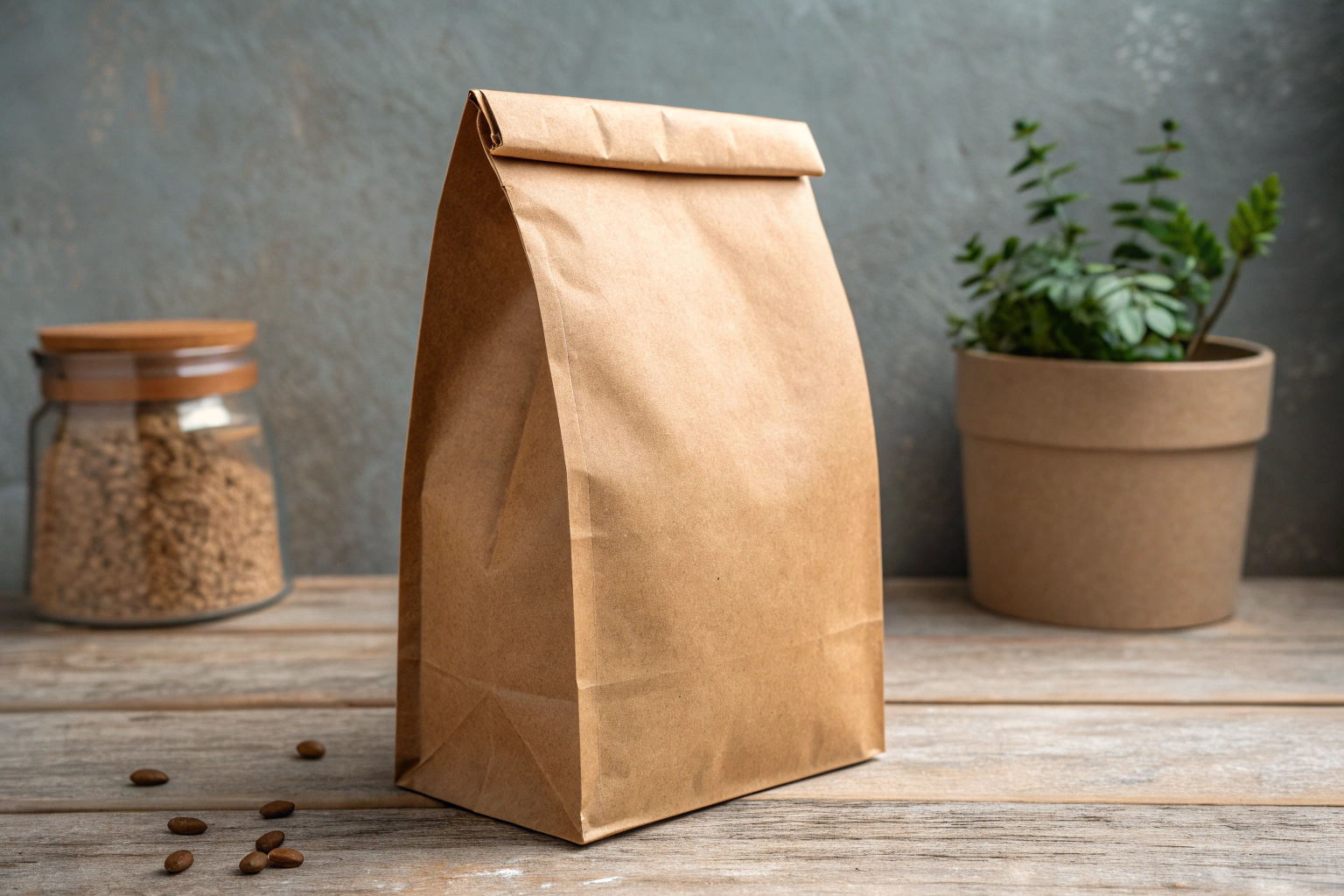
Kraft paper improves paper bag strength by providing higher tensile, tear, and fold durability.
In paper bag manufacturing, stress concentrates at handles, bottom folds, and side seams. Kraft paper’s long fibers resist tearing at these points. This reduces bag failure during carrying and transport.
For heavier loads, higher-grammage kraft paper or reinforced structures are used. From a manufacturing perspective, kraft paper allows precise strength engineering without excessive material waste.
Are all kraft paper bags the same quality?
Kraft paper itself has grades.
Not all kraft paper bags are the same, because kraft paper quality varies by fiber ratio, grammage, and process control.
Higher-quality kraft paper has tighter grammage tolerance and better moisture control. This improves bag consistency and strength. Lower-grade kraft paper may still qualify as kraft, but performance will differ.
As a manufacturer, selecting the correct kraft paper grade is essential. Bag size, handle type, and load requirements all influence material specification.
When are paper bags not made from kraft paper?
Kraft paper is not always necessary.
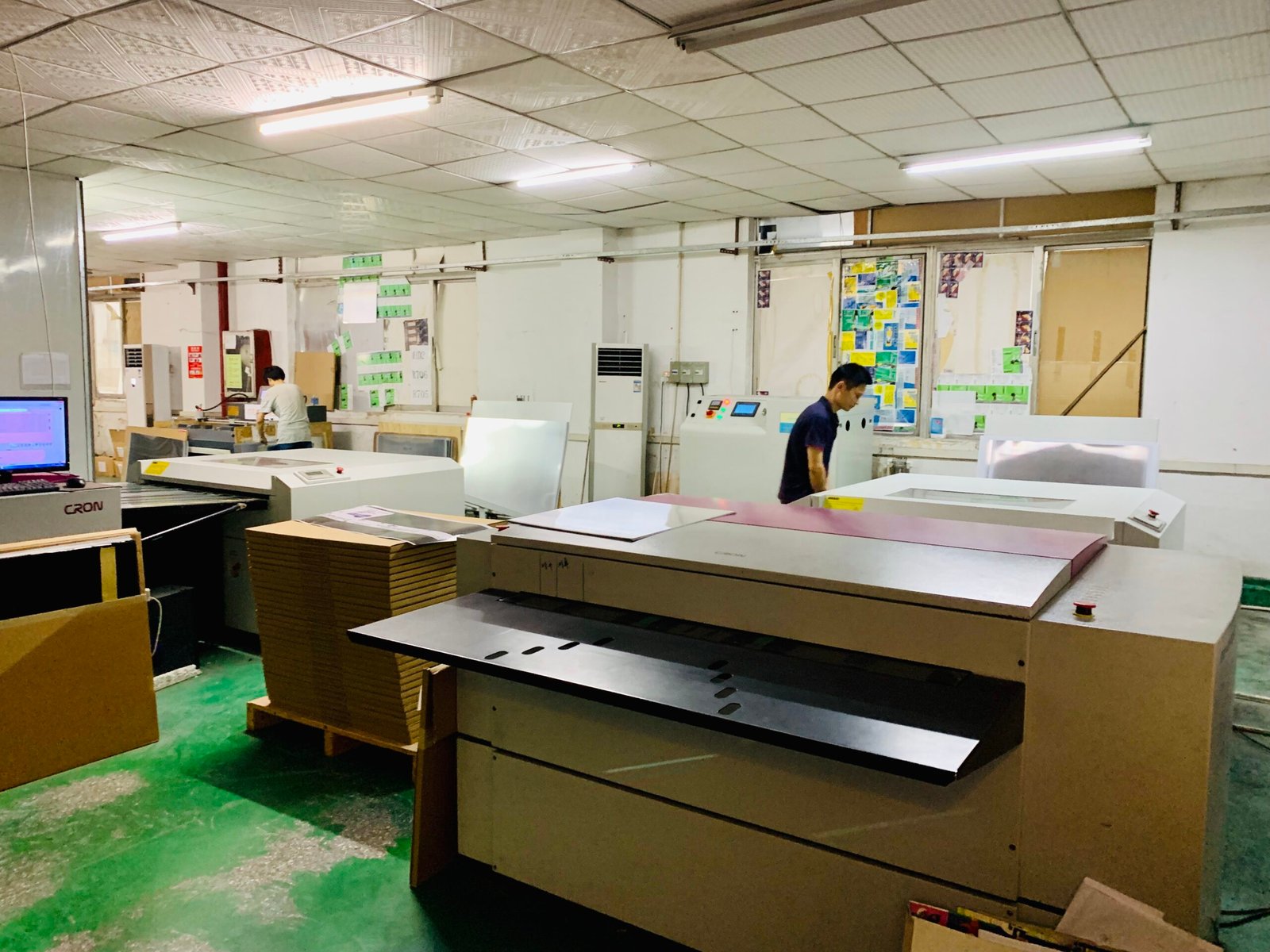
Paper bags may use non-kraft paper when load requirements are low or appearance is prioritized over strength.
Luxury shopping bags sometimes use coated paper with lamination for visual impact. These bags rely on thicker paper and surface treatments rather than fiber strength. They look premium but often carry lighter products.
For functional carrying bags, kraft paper remains the preferred choice.
Conclusion
Not all paper bags are made from kraft paper, but most functional and durable paper bags use kraft paper as their core material. Kraft paper provides the strength, tear resistance, and production stability required for reliable bag performance.
As a professional manufacturer, I view kraft paper bags as a material-driven solution. When strength, consistency, and reliability matter, kraft paper is the material that defines whether a paper bag truly performs.