Corrugated boxes are used across many industries, yet their role is often underestimated. When packaging fails in transport, storage, or display, the root cause is usually not the box itself, but a misunderstanding of who relies on corrugated packaging and why.
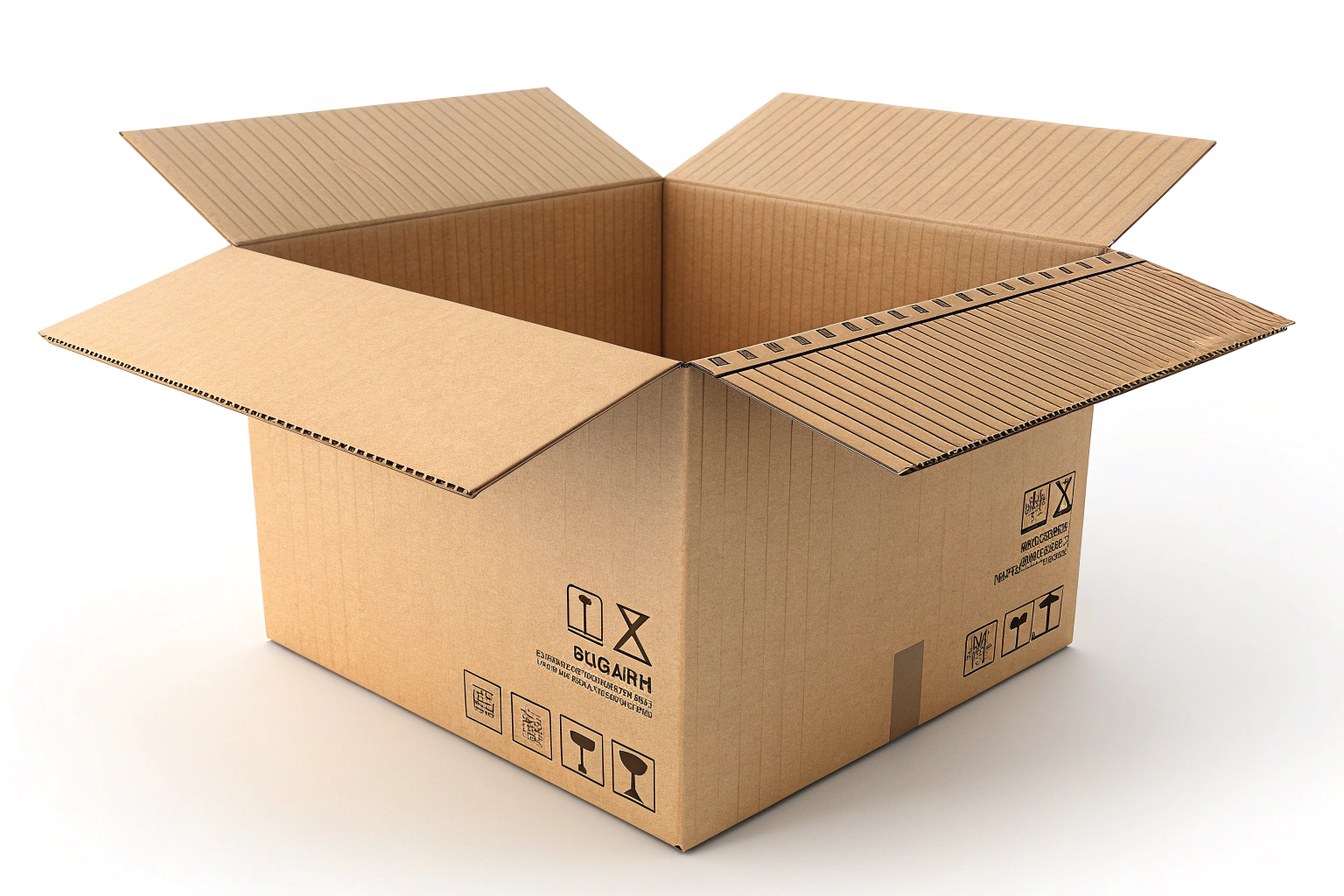
Corrugated boxes are used by manufacturers, brand owners, logistics operators, and retailers that require protection, stacking strength, and efficient transport. Their use is driven by performance, not appearance alone.
From a manufacturing perspective, corrugated boxes are functional tools built to support real-world handling, storage, and distribution conditions.
Why Do Manufacturers Use Corrugated Boxes?
Manufacturers are one of the primary users of corrugated boxes.
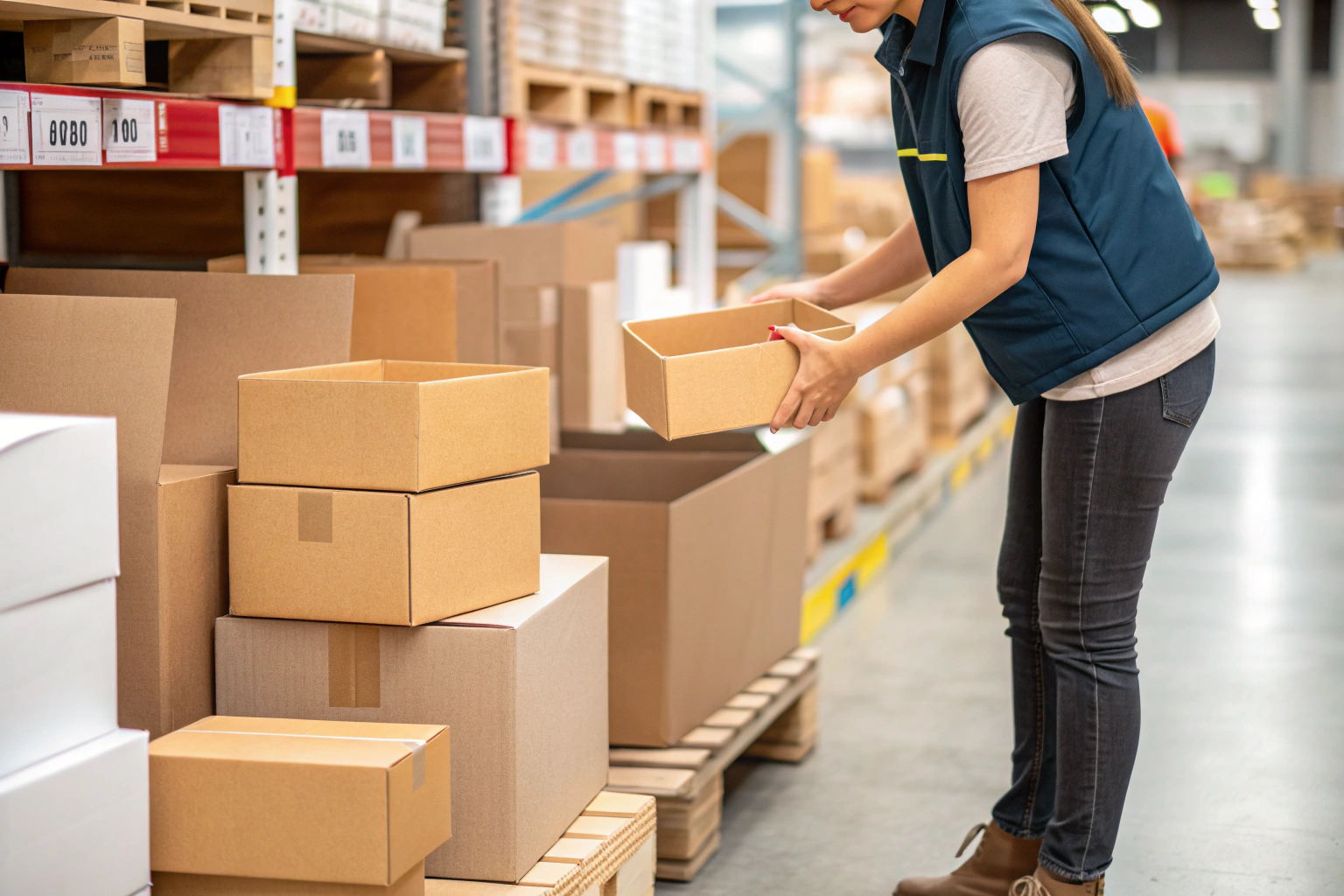
Corrugated boxes are used in factories to protect products during storage, internal movement, and outbound shipment.
In production workshops, finished goods must be packed quickly and safely. Corrugated boxes provide predictable strength and easy handling. They protect products from impact, dust, and compression during pallet stacking.
Manufacturers rely on corrugated boxes because sizes, structures, and board grades can be adjusted to match product weight and shape. This flexibility supports efficient packing lines and reduces damage rates. For many factories, corrugated packaging is a core part of production flow, not an afterthought.
How Do Consumer Goods Brands Use Corrugated Boxes?
Consumer goods brands use corrugated boxes throughout their supply chains.
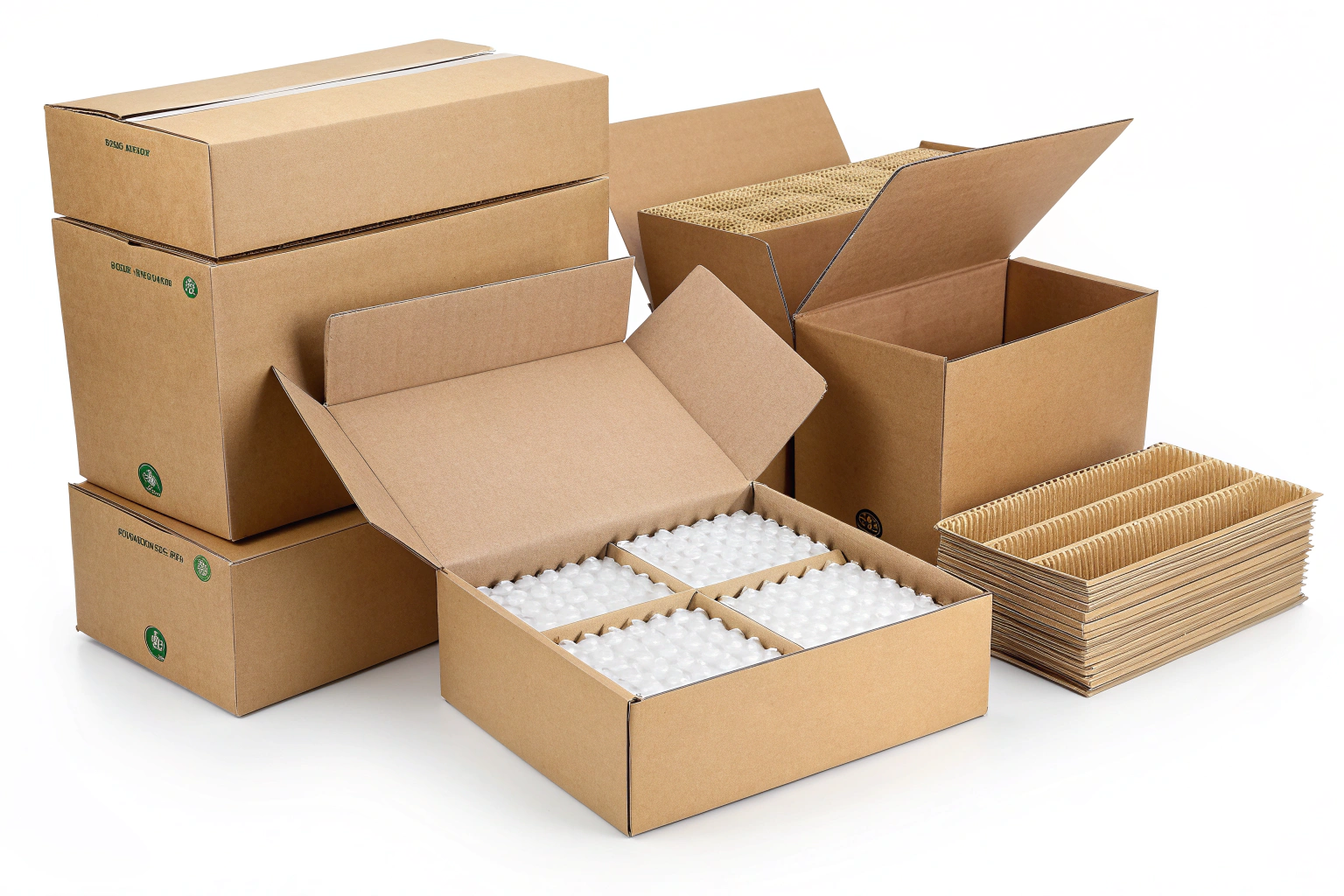
Corrugated boxes are used for both outer transport packaging and inner product presentation.
In brand operations, corrugated boxes protect products moving from factories to distribution centers and retail locations. They support stacking in warehouses and withstand repeated handling.
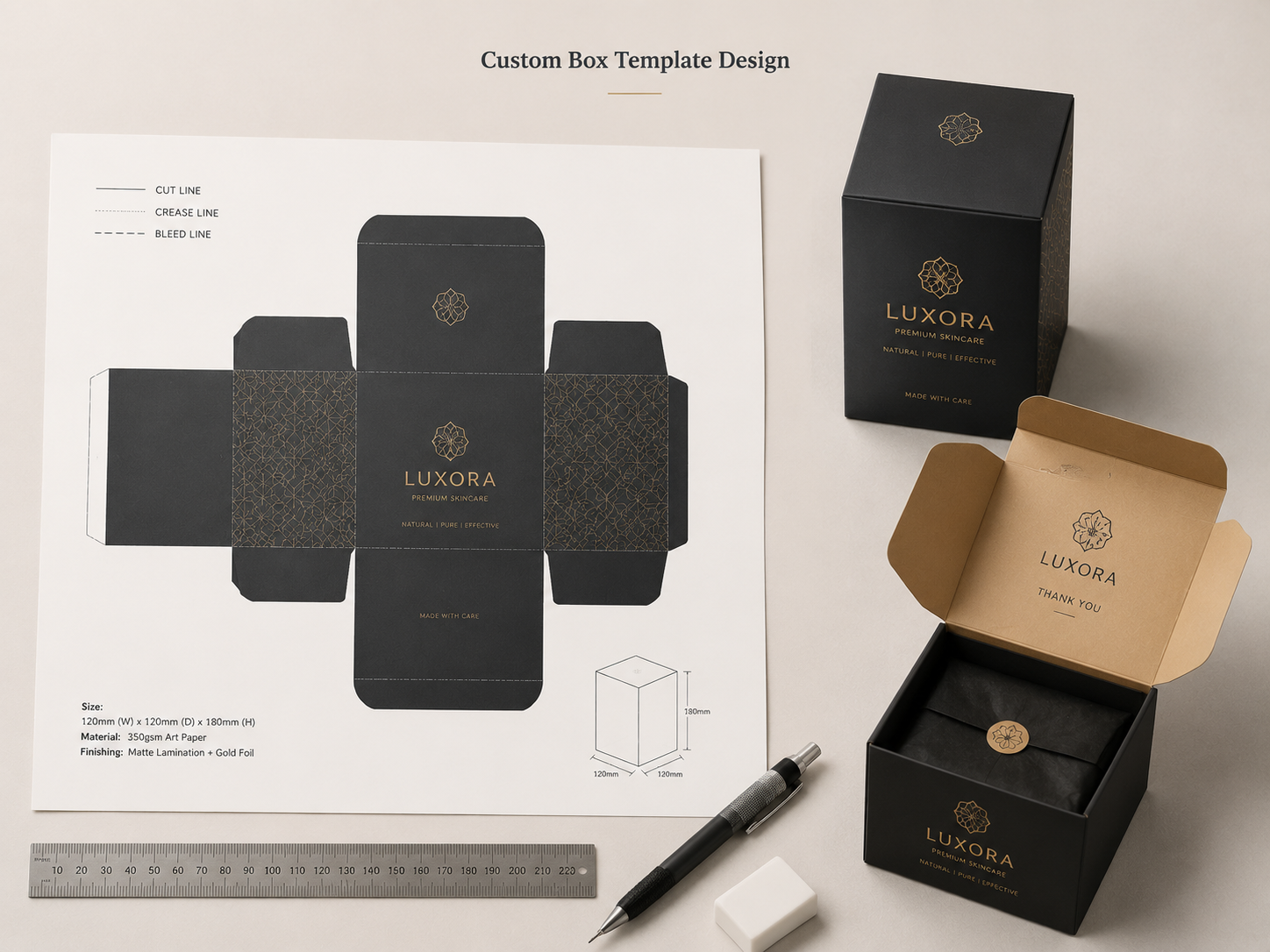
Many brands also use printed corrugated boxes for retail-ready packaging and displays. These boxes combine protection with branding while maintaining structural performance. From a manufacturing view, this requires controlled printing pressure and board selection to avoid strength loss.
Why Are Corrugated Boxes Essential in Logistics and Warehousing?
Logistics operations depend heavily on corrugated packaging.
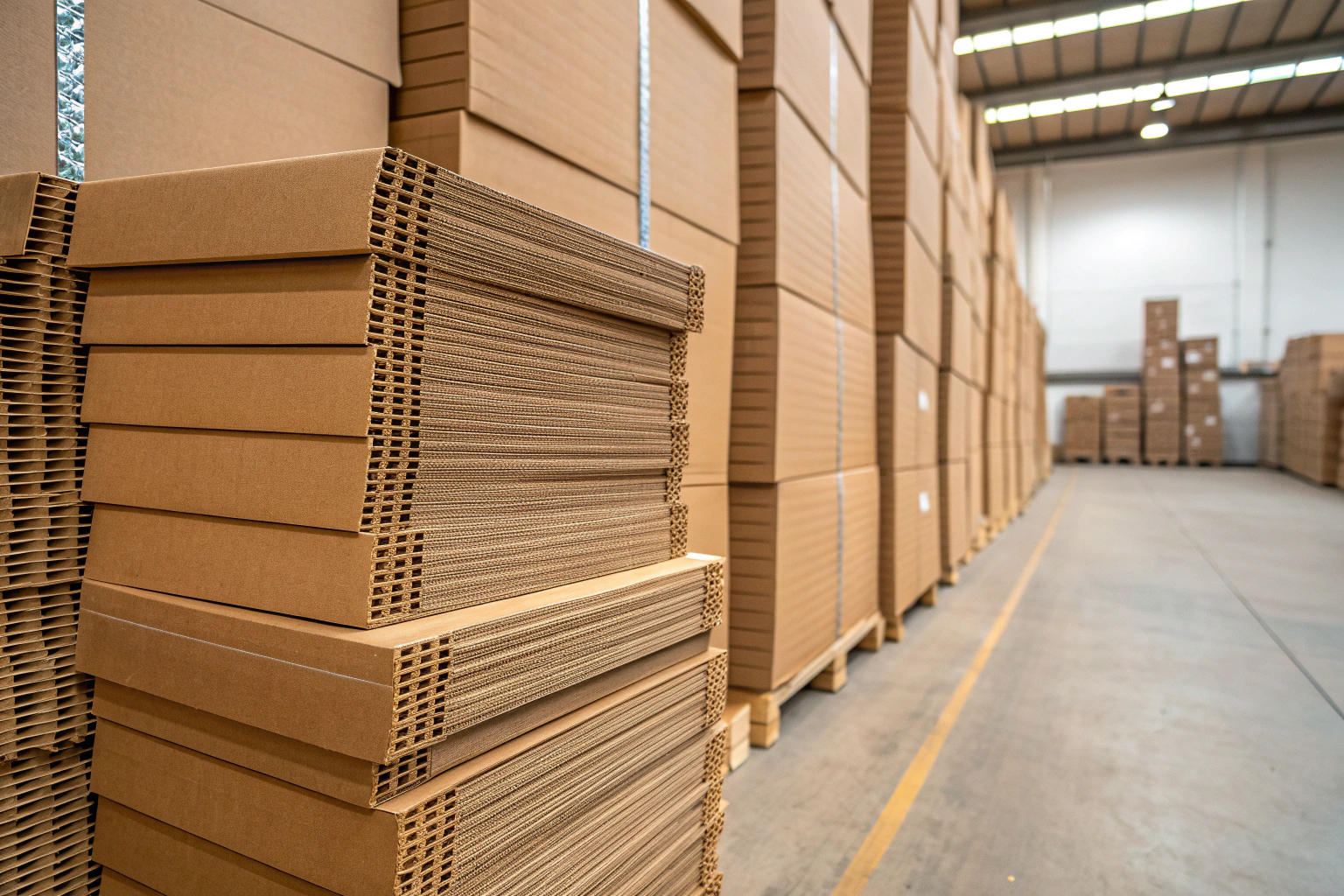
Corrugated boxes are used in logistics because they provide stacking strength, uniform sizing, and compatibility with pallets and automation.
Warehouses stack cartons for long periods. Boxes must resist compression without collapsing. Corrugated board is engineered for this purpose through flute structure and liner strength.
In logistics centers, standard box footprints improve space utilization and handling efficiency. Corrugated boxes also absorb vibration during transport. From a factory standpoint, board grade and box design are selected based on stacking height and storage duration to ensure stability.
How Do E-commerce and Fulfillment Operations Use Corrugated Boxes?
E-commerce has increased demand for corrugated boxes.
Corrugated boxes are used to protect individual orders through complex delivery networks.
In fulfillment operations, boxes must handle drops, sorting, and vehicle loading. Corrugated packaging provides cushioning and structural protection while remaining lightweight.
Factories supplying e-commerce packaging focus on right-sized boxes to reduce void space. Smaller boxes reduce shipping volume and material use. Consistent box quality is critical because fulfillment lines operate at high speed and tolerate little variation.
Why Do Industrial and Heavy Product Sectors Use Corrugated Boxes?
Industrial sectors also rely on corrugated boxes.
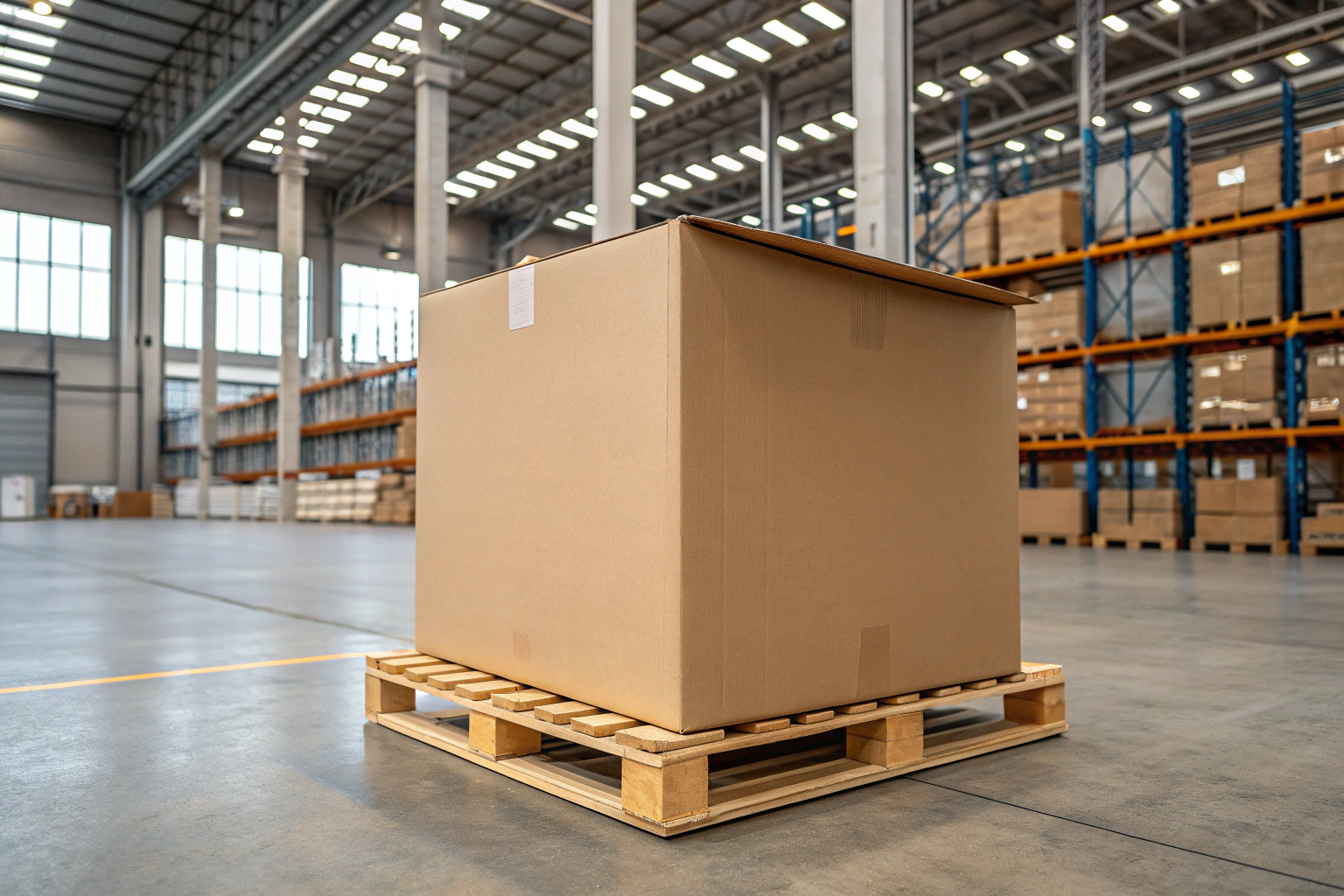
Corrugated boxes are used for industrial parts, tools, and components that require protection without excessive weight.
Heavy-duty corrugated boxes replace wooden crates in many applications. Double wall and triple wall boards provide high compression strength while remaining easier to handle.
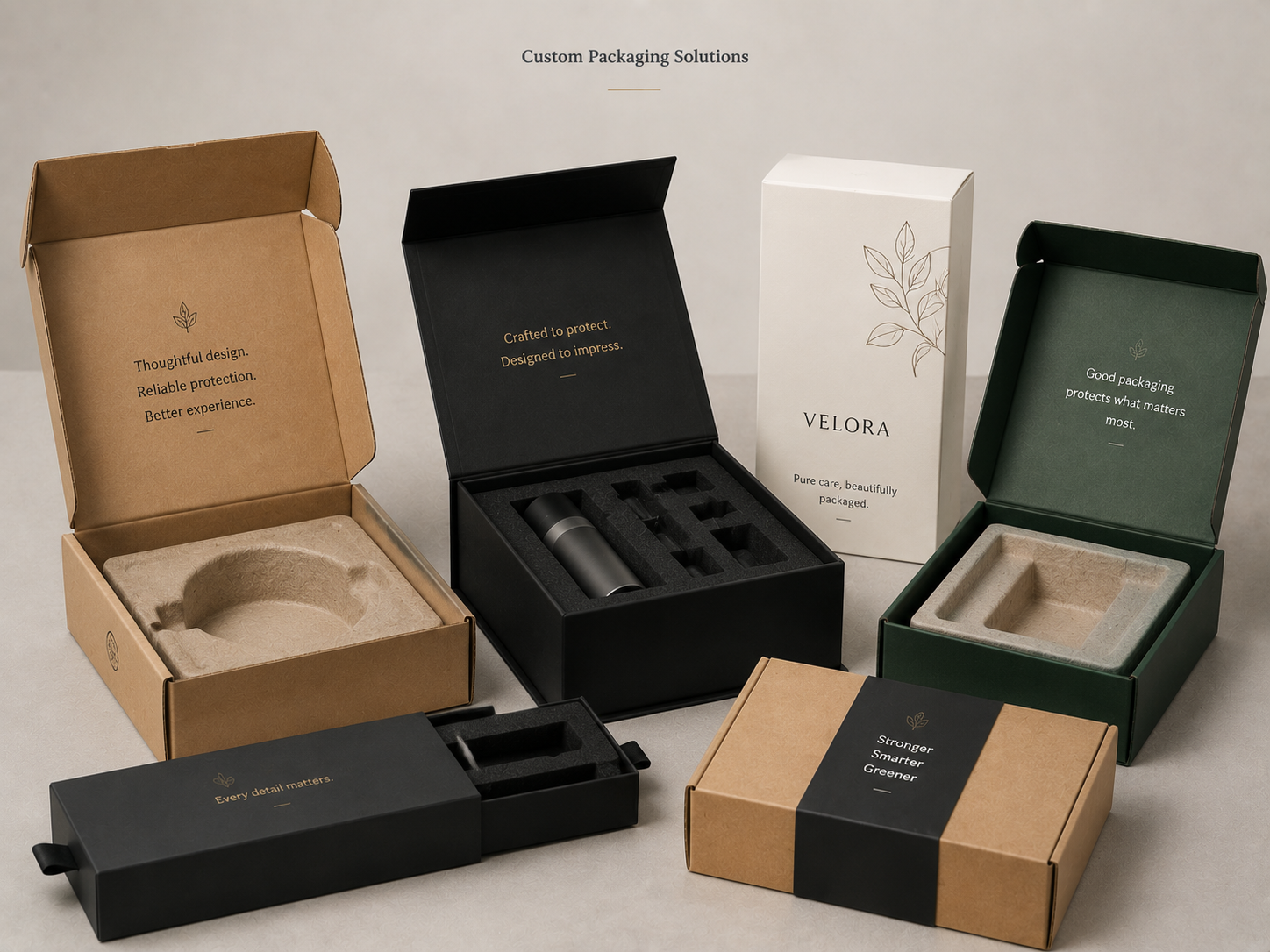
In factory workshops, industrial packaging is designed with reinforced panels, inserts, and partitions. Corrugated board allows customization without complex tooling. This makes it suitable for both small batches and large production runs.
How Do Retailers Use Corrugated Boxes Beyond Transport?
Retailers use corrugated boxes for more than shipping.
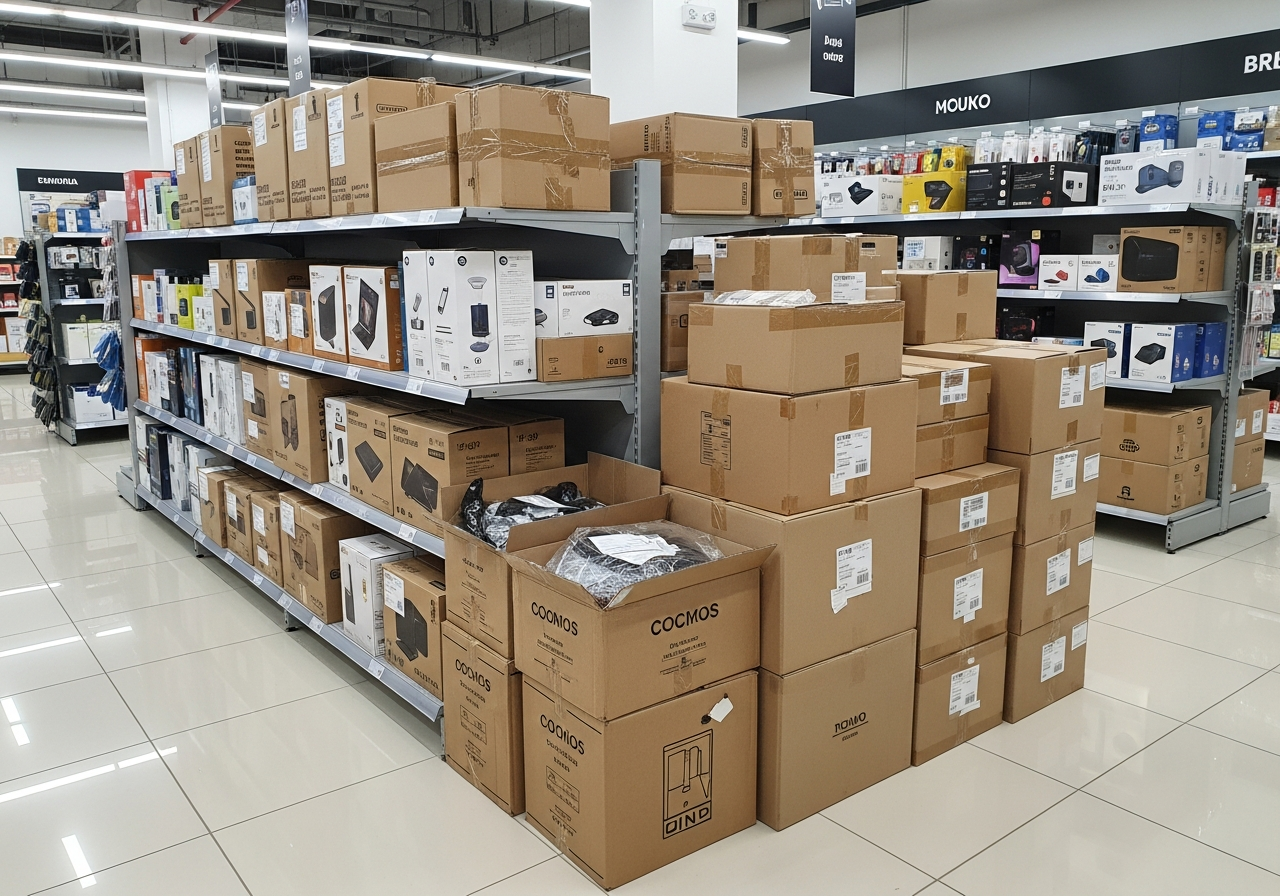
Corrugated boxes are used in retail for storage, shelf replenishment, and point-of-sale displays.
Retail-ready packaging allows cartons to move directly from pallet to shelf. This reduces labor and handling time. Corrugated displays support product weight while offering printable surfaces for branding.
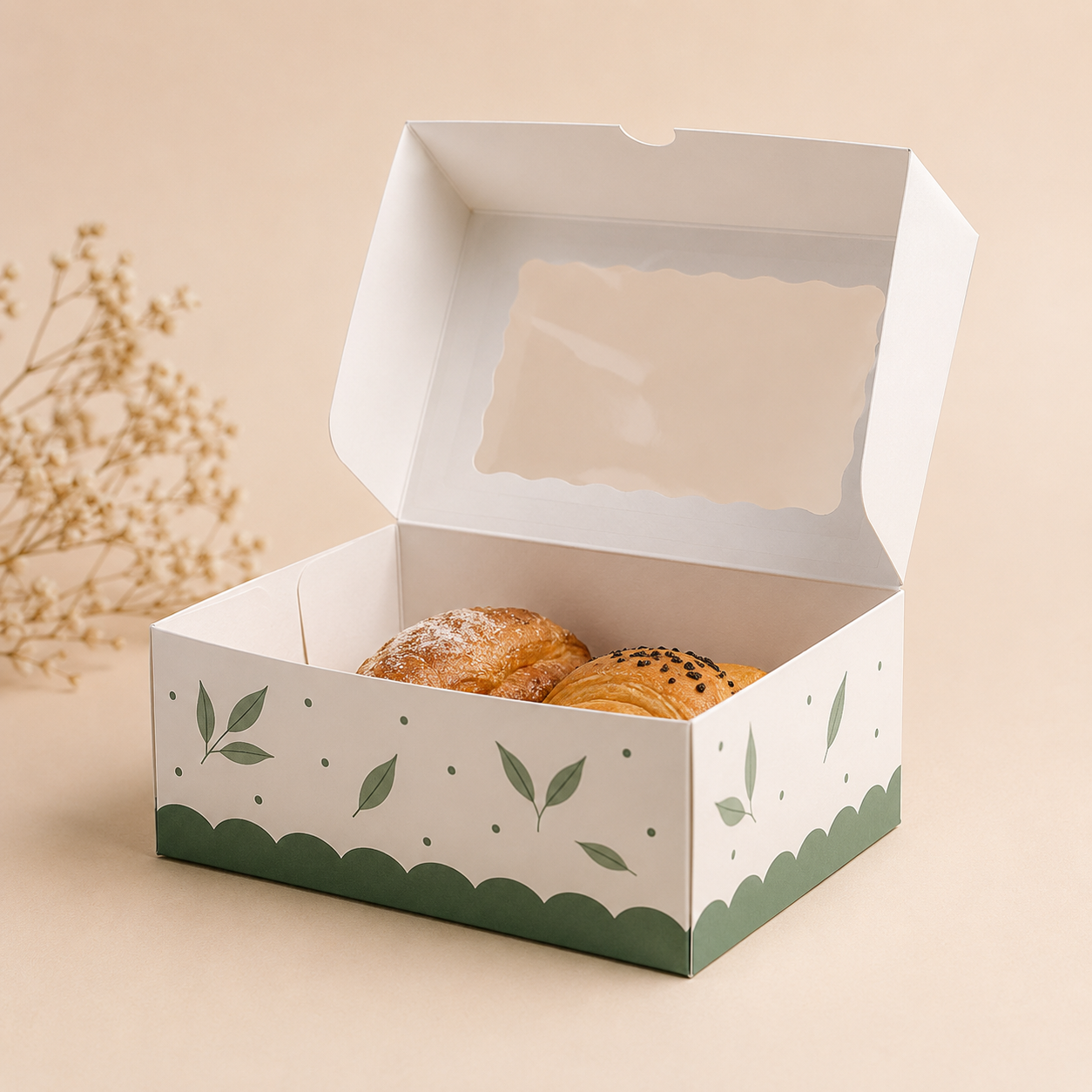
From a manufacturing view, these boxes require precise die cutting and folding accuracy. Strength must be maintained even with display openings. Corrugated board supports this balance between structure and visibility.
How Do Factory Capabilities Support All These Users?
Different users require different box performance levels.
Corrugated box factories adjust materials, structure, and process control to meet diverse application needs.
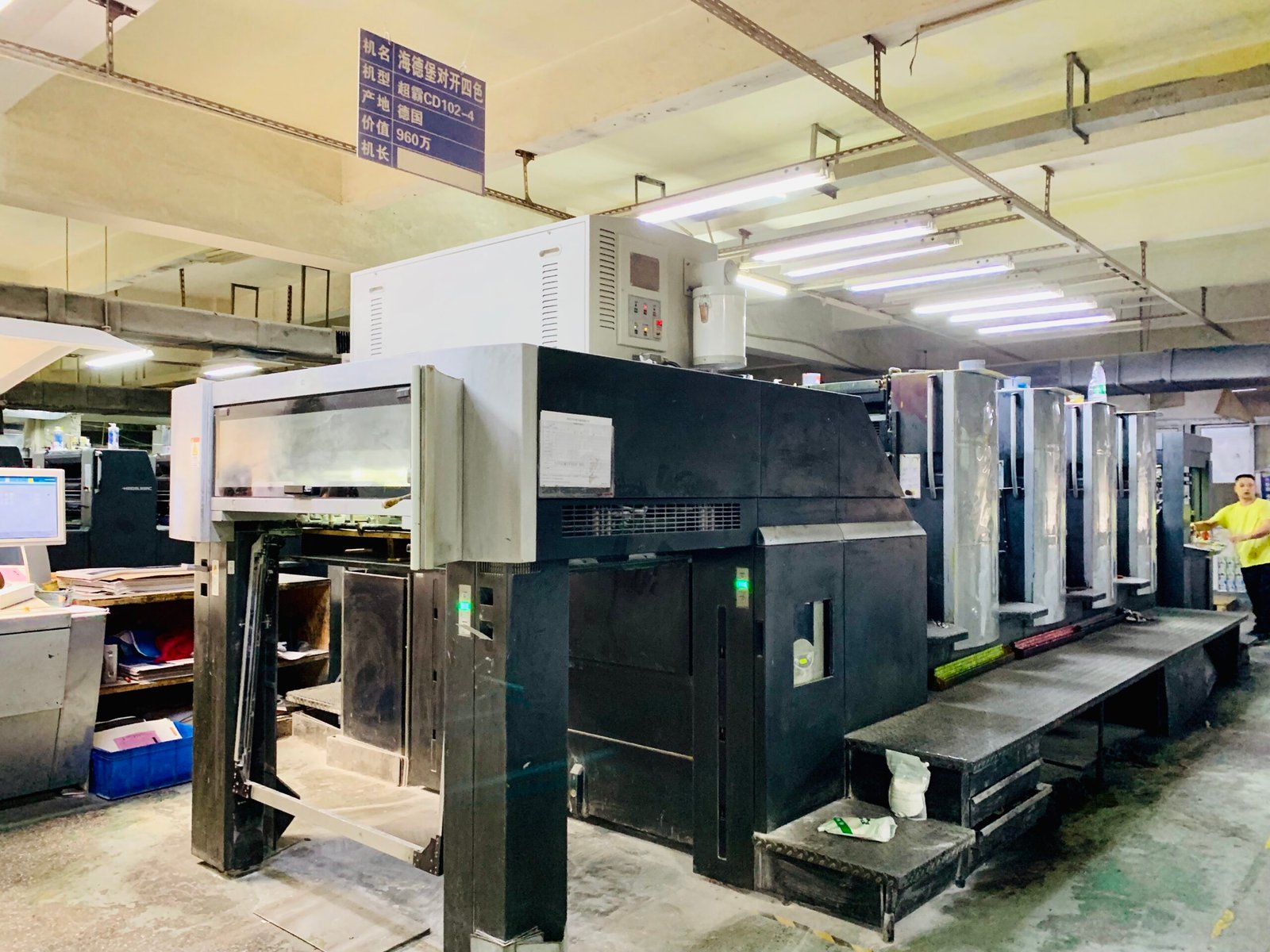
In corrugated workshops, paper grade selection, flute type, adhesive control, and moisture balance are adjusted based on end use. Light-duty boxes focus on efficiency. Heavy-duty boxes focus on compression strength.
Quality control includes edge crush testing, box compression testing, and fit verification. Stable production ensures boxes perform consistently across industries. This adaptability is why corrugated boxes serve such a wide range of users.
Conclusion
Corrugated boxes are used by manufacturers, consumer goods brands, logistics operators, fulfillment centers, industrial sectors, and retailers. Each group relies on corrugated packaging for protection, stacking strength, and efficient handling.
From factory production to final delivery, corrugated boxes support real-world packaging demands through engineered structure and controlled manufacturing. Their widespread use is not accidental. It is the result of proven performance, flexibility, and reliability across many industries and use conditions.