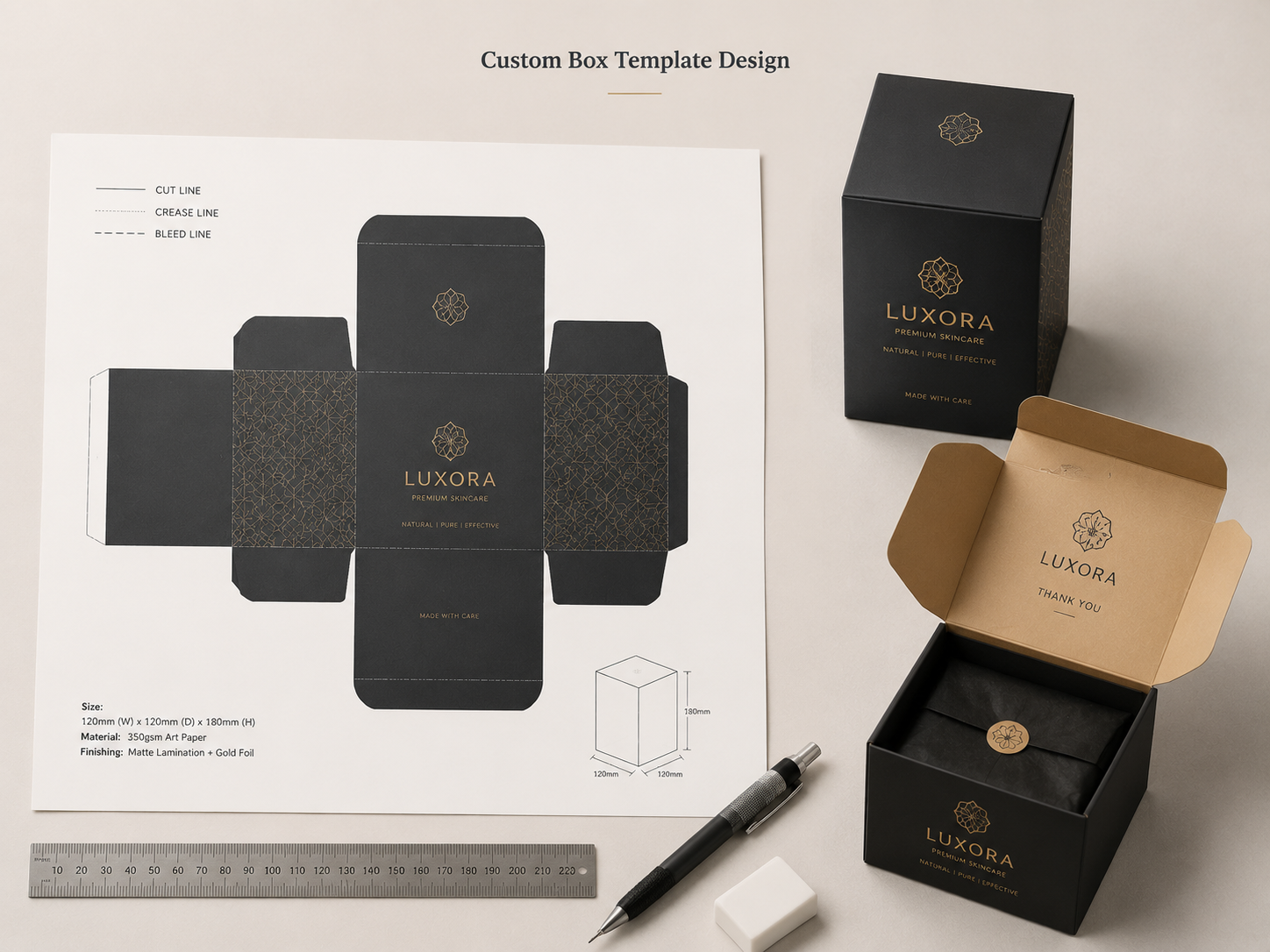
Confusion between fiberboard and corrugated materials often leads to incorrect packaging decisions. This results in insufficient protection, unstable stacking, or unnecessary cost increases. These issues usually come from misunderstanding how these materials are defined and manufactured.

Fiberboard is a general category of paper-based boards, while corrugated board is a specific type of fiberboard with a fluted internal structure designed for strength and cushioning. They are related but not identical.
From a manufacturing perspective, the difference affects material selection, production processes, equipment use, and final packaging performance.
What Does Fiberboard Mean in Manufacturing Terms?
Fiberboard is a broad technical term used in the packaging and paper industry.
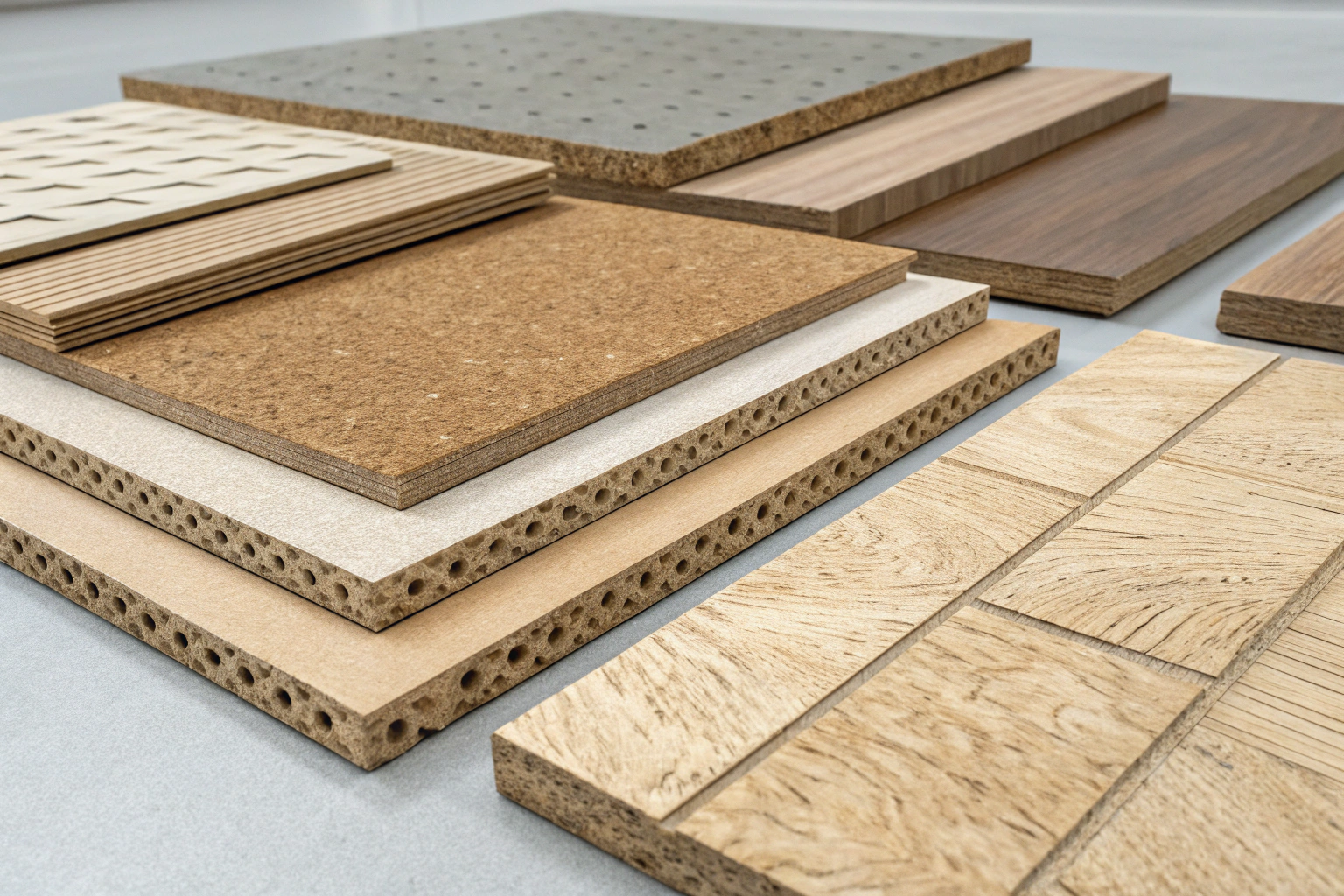
Fiberboard refers to any board made from compressed or bonded paper fibers, including solid board and corrugated board.
In factory classification systems, fiberboard is used to separate paper-based boards from plastic, foam, or wood materials. It does not describe internal structure, strength level, or application by itself.
Solid fiberboard is produced by laminating or pressing multiple paper layers together. It creates a dense, flat board with uniform thickness. Corrugated board also belongs to the fiberboard family, but it uses a completely different internal structure and production process. Understanding this distinction is essential before selecting materials for packaging projects.
What Makes Corrugated Board Different From Other Fiberboards?
Corrugated board is a specific engineered form of fiberboard.
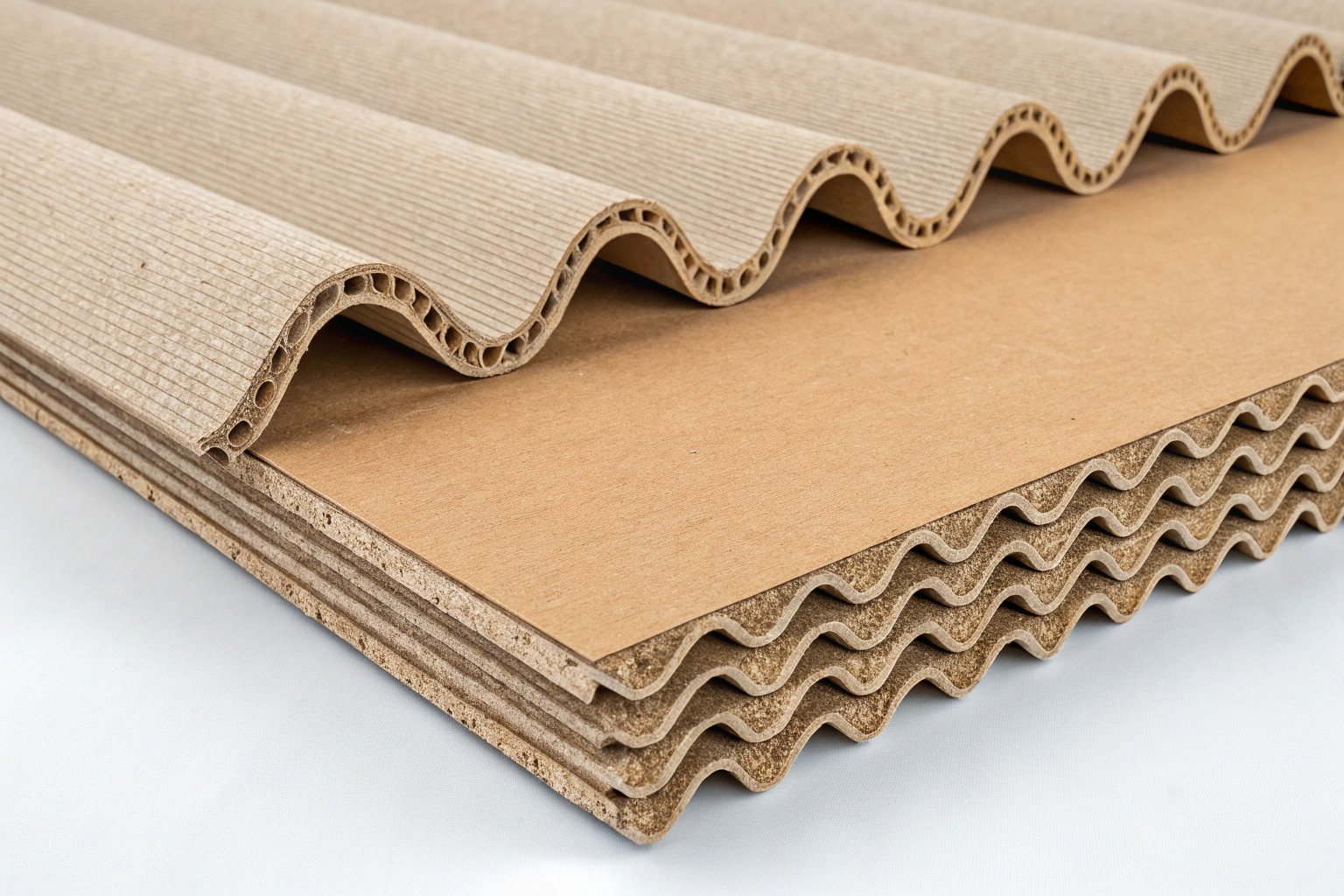
Corrugated board contains a wave-shaped fluted medium bonded between flat liner papers, creating strength through structure rather than density.
The fluted medium acts like a series of vertical columns. This structure resists compression, absorbs impact, and distributes load evenly. Solid fiberboard lacks this internal geometry and relies only on thickness for stiffness.
In packaging applications that involve shipping, stacking, or long-distance transport, this structural difference becomes critical. Corrugated board delivers higher performance with less material weight, which is why it dominates transport packaging.
How Do Factory Production Processes Differ?
Manufacturing process is one of the clearest differences between fiberboard types.
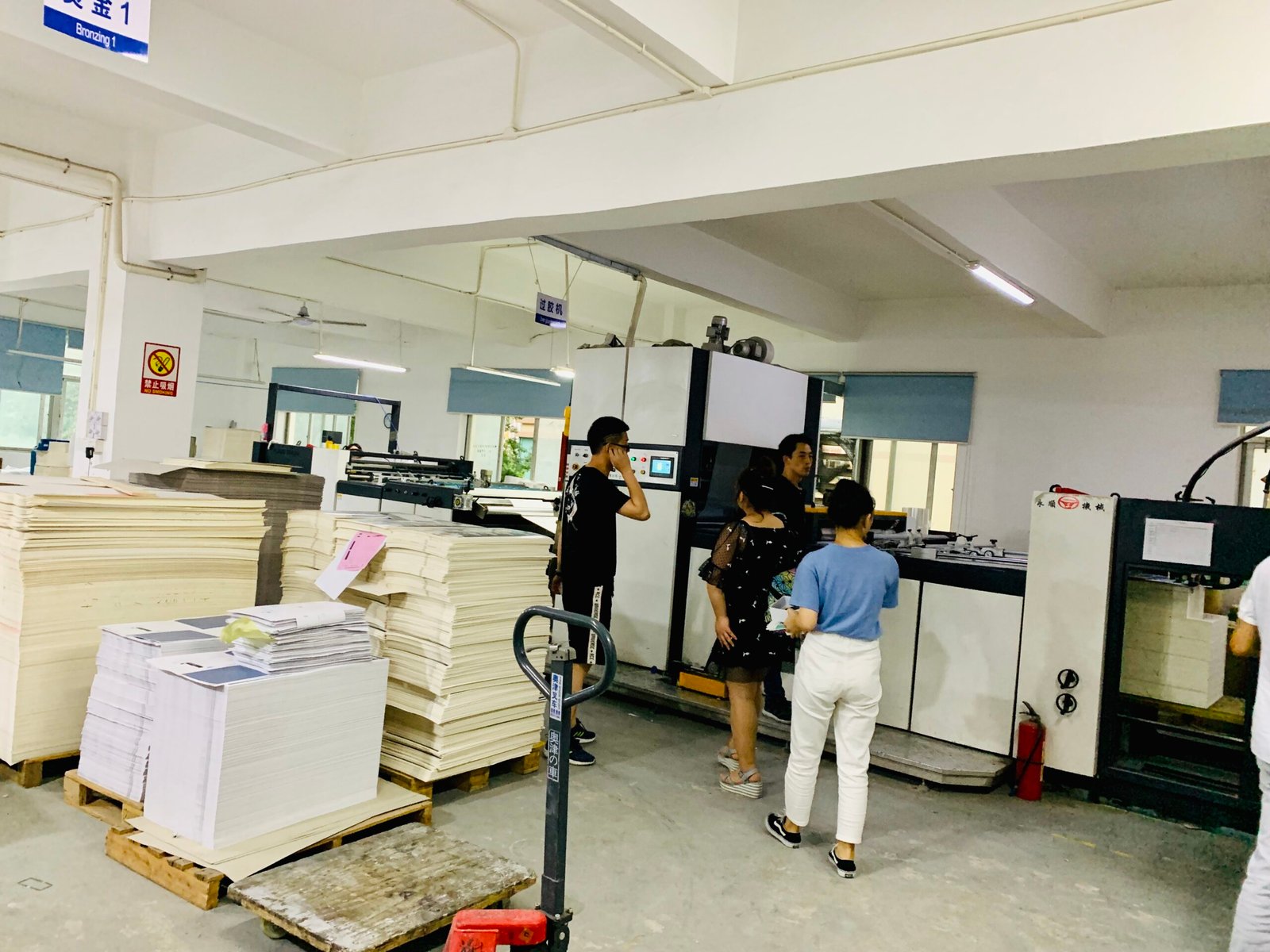
Solid fiberboard and corrugated board are produced on entirely different production lines with different technical controls.
Solid fiberboard production focuses on sheet forming, pressing, drying, and surface finishing. Strength is increased by adding layers or density. Surface smoothness and thickness consistency are key control points.
Corrugated board is produced on a corrugator. Medium paper is heated, formed into flutes, and bonded to liner papers using starch-based adhesive. Temperature, pressure, adhesive viscosity, and moisture balance are tightly controlled. These variables directly affect board strength, flatness, and bonding quality.
From a factory workshop perspective, corrugated production requires larger equipment, higher energy input, and more complex process control than solid fiberboard production.
How Do Strength and Performance Compare?
Performance differences explain why these materials are not interchangeable.
Solid fiberboard provides rigidity and flatness, while corrugated board provides compression strength, cushioning, and stacking resistance.
Solid fiberboard performs well in bending resistance and surface stability. It is suitable for rigid boxes, book covers, display backings, and presentation packaging. However, it lacks shock absorption and collapses under vertical load.
Corrugated board is designed for real logistics stress. It withstands vertical stacking pressure, absorbs vibration, and protects products during handling and transport. In factory testing, corrugated board is evaluated by edge crush and box compression tests, while solid fiberboard follows bending and stiffness standards.
How Do Applications Clarify the Difference?
End-use scenarios clearly separate fiberboard types.
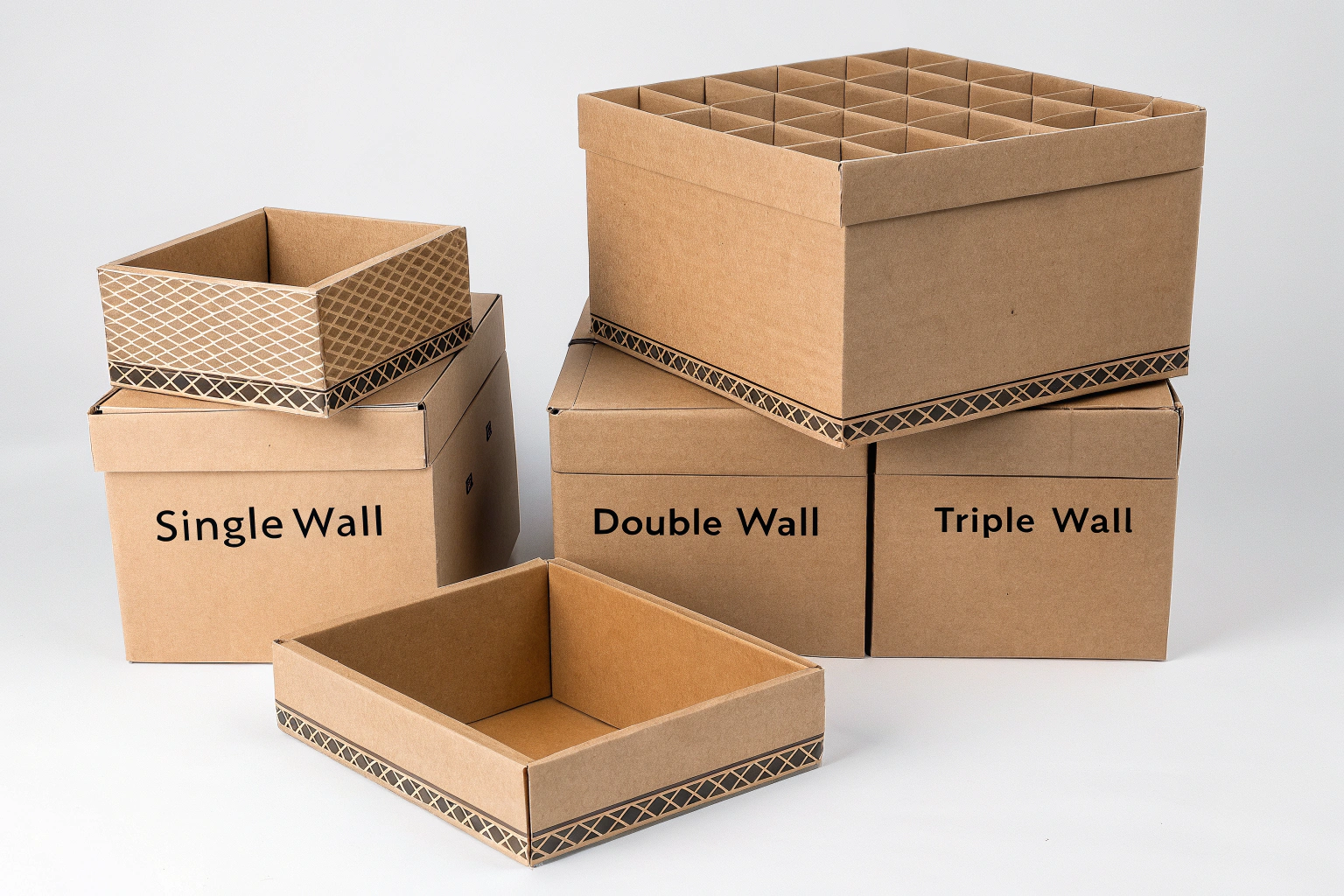
Transport and shipping packaging rely on corrugated board, while presentation and rigid packaging rely on solid fiberboard.
Corrugated board is used for shipping cartons, master cartons, protective inserts, and palletized packaging. Solid fiberboard is used for gift boxes, cosmetic boxes, folders, and premium displays.
In manufacturing planning, selecting solid fiberboard for transport packaging leads to failure. Selecting corrugated board for rigid presentation packaging leads to overdesign and unnecessary cost. Correct classification ensures material performance matches real-world demands.
Why Does This Difference Matter for Factory Quality Control?
Clear material definition is critical in factory operations.
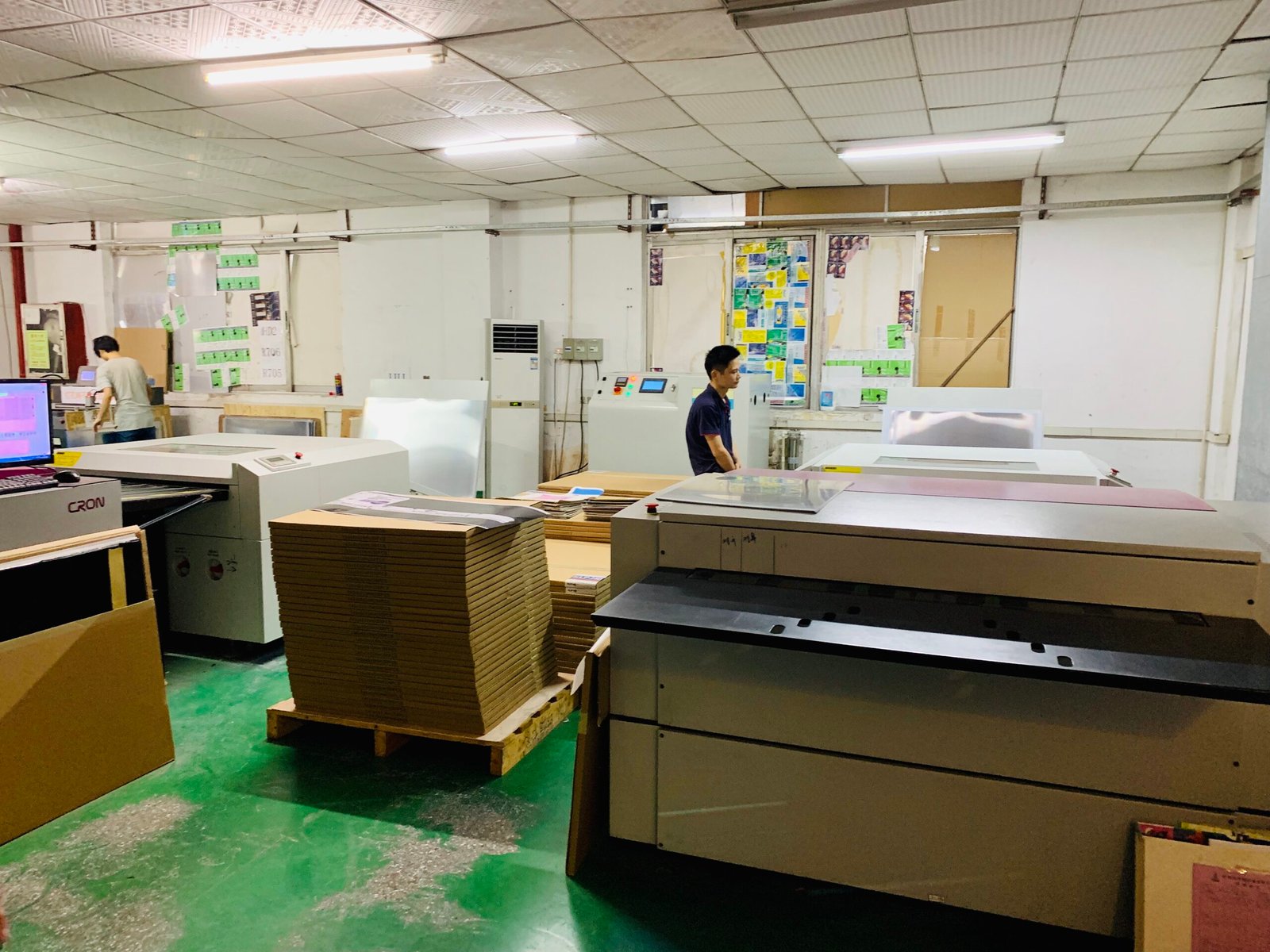
Fiberboard and corrugated board require different quality standards, testing methods, and workshop controls.
In corrugated workshops, operators monitor flute height, glue bonding, liner moisture, and board flatness. Improper control leads to warp, delamination, or strength loss. Solid fiberboard workshops focus on thickness tolerance, density, and surface smoothness.
Mixing material definitions creates production risk. Machines, tooling, and converting processes are optimized for specific board structures. Correct classification protects production efficiency and final packaging quality.
Conclusion
Fiberboard and corrugated board are closely related but fundamentally different. Fiberboard is a broad category covering many paper-based boards. Corrugated board is a specific type of fiberboard defined by its fluted internal structure and engineered strength.
From raw material selection to factory production, process control, and final application, these materials follow different technical paths. Solid fiberboard relies on density and thickness for rigidity and appearance. Corrugated board relies on structure for compression strength and protection.
For manufacturers, understanding this difference is not theoretical. It affects equipment choice, workshop process control, testing standards, and packaging performance in real logistics conditions. Clear material definition ensures packaging delivers protection, efficiency, and stability from production line to final delivery.