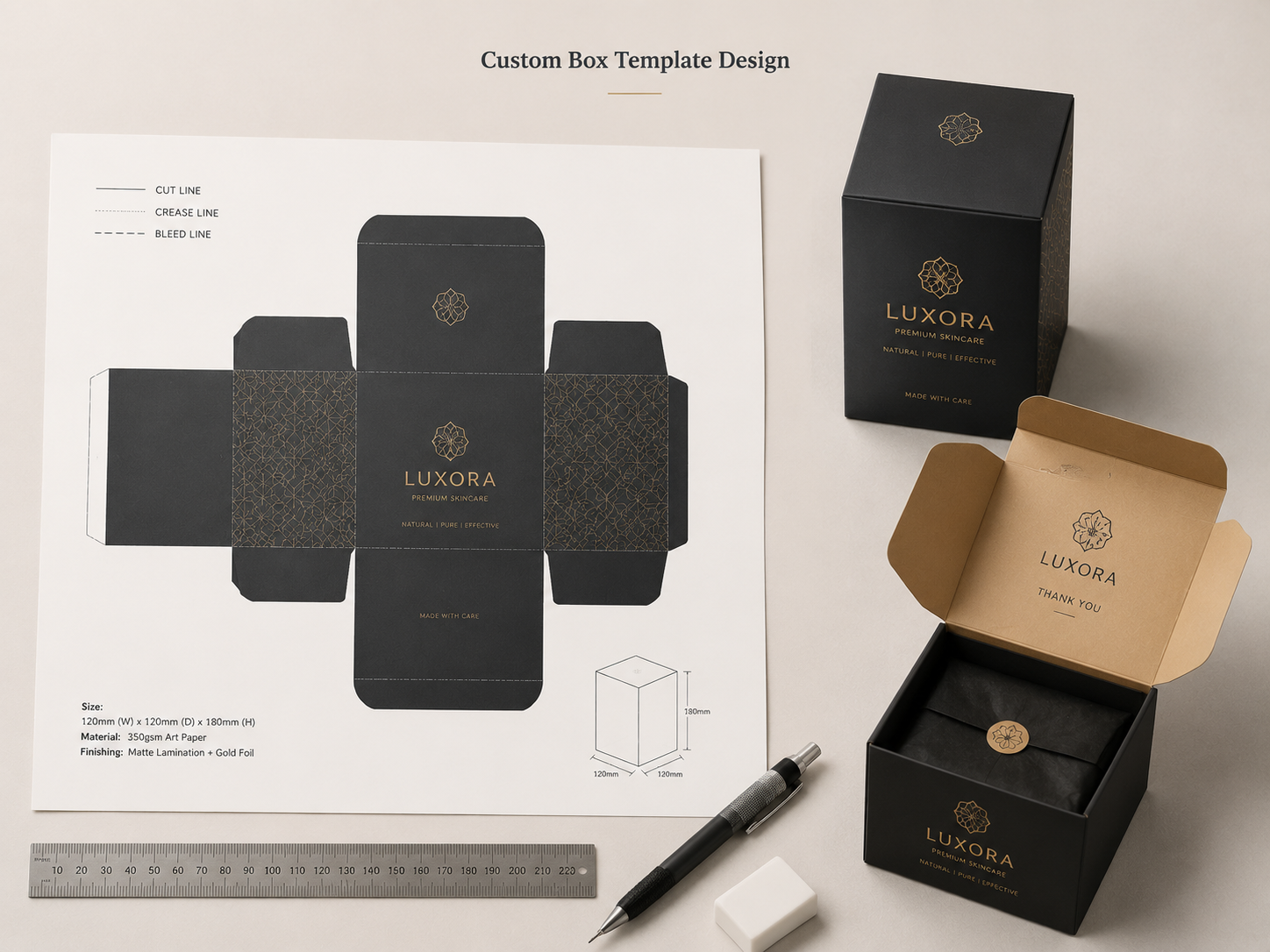
Packaging problems often start with incorrect box sizing. Products move inside cartons, stacking becomes unstable, or shipping costs increase. These issues usually come from misunderstanding how corrugated box sizes are defined and produced.

Corrugated box sizes are defined by internal dimensions, wall structure, and flute type, and they can be fully customized to match product size, weight, and logistics needs. There is no single standard size that fits all uses.
From a manufacturing perspective, box size is not just a number. It is a result of structural design, material selection, and production capability.
How Are Corrugated Box Sizes Measured?
Corrugated box sizes follow a clear industry measurement rule.
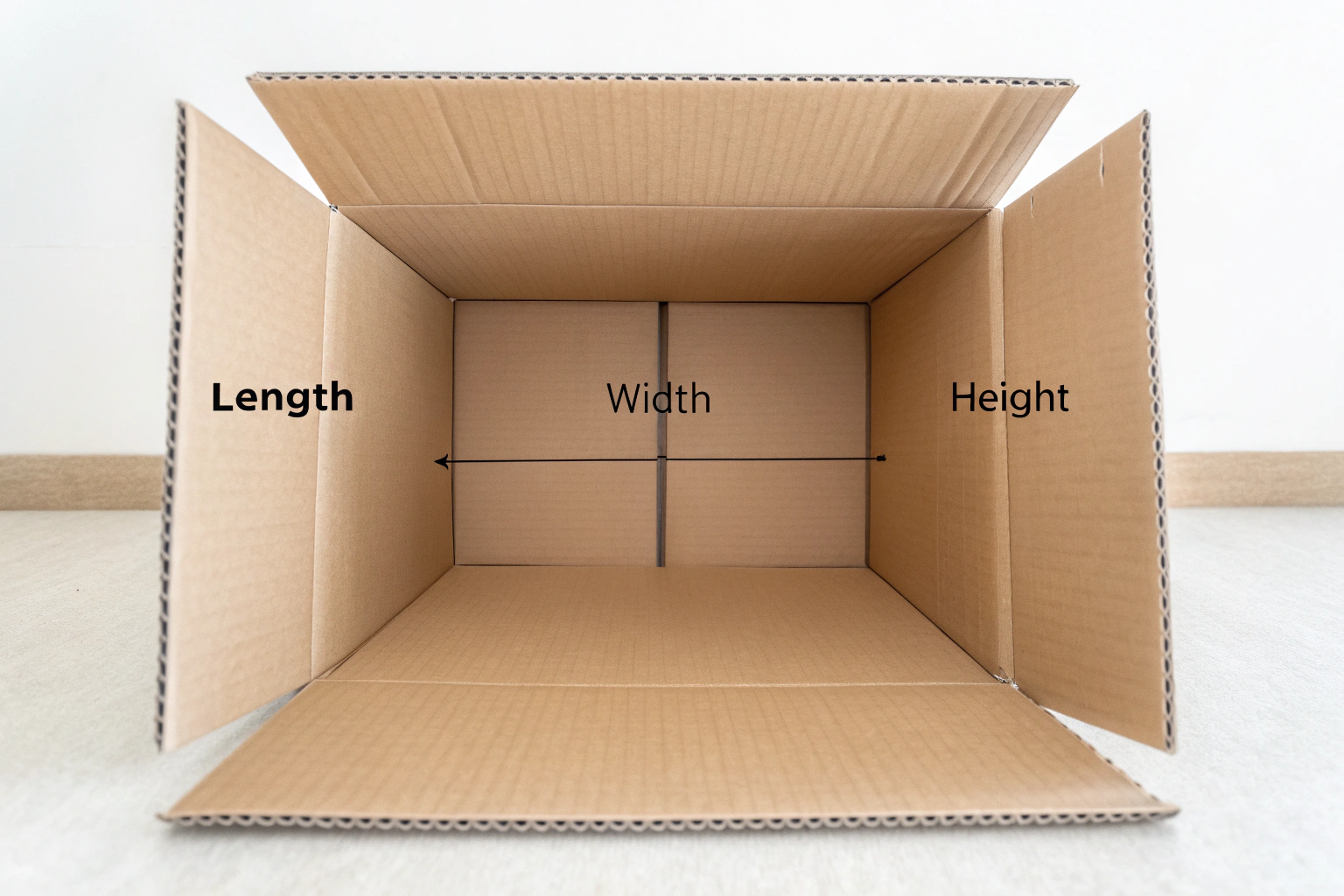
Corrugated boxes are measured by internal length × width × height, usually in millimeters or inches.
Internal dimensions refer to the usable space inside the box. This ensures the product fits correctly after folding and assembly. External dimensions are larger due to board thickness and are mainly used for pallet planning and container loading.
In factory design departments, internal size is always confirmed first. Board thickness changes with flute type and wall structure. Ignoring this leads to boxes that look correct on paper but fail in real packing operations.
What Are Common Standard Corrugated Box Sizes?
Although customization is common, some sizes are frequently used across industries.
Standard corrugated box sizes are based on common product categories and pallet efficiency.
Small boxes are often used for electronics accessories, cosmetics, and spare parts. Medium boxes are used for home goods and bundled products. Large boxes are used for bulk items and outer cartons.
Factories keep cutting dies for frequently requested sizes to reduce lead time. However, these sizes are starting points, not limits. When product shape or protection requirements change, custom sizing becomes necessary to maintain performance and cost control.
How Does Flute Type Affect Box Size?
Flute structure directly influences final box dimensions.
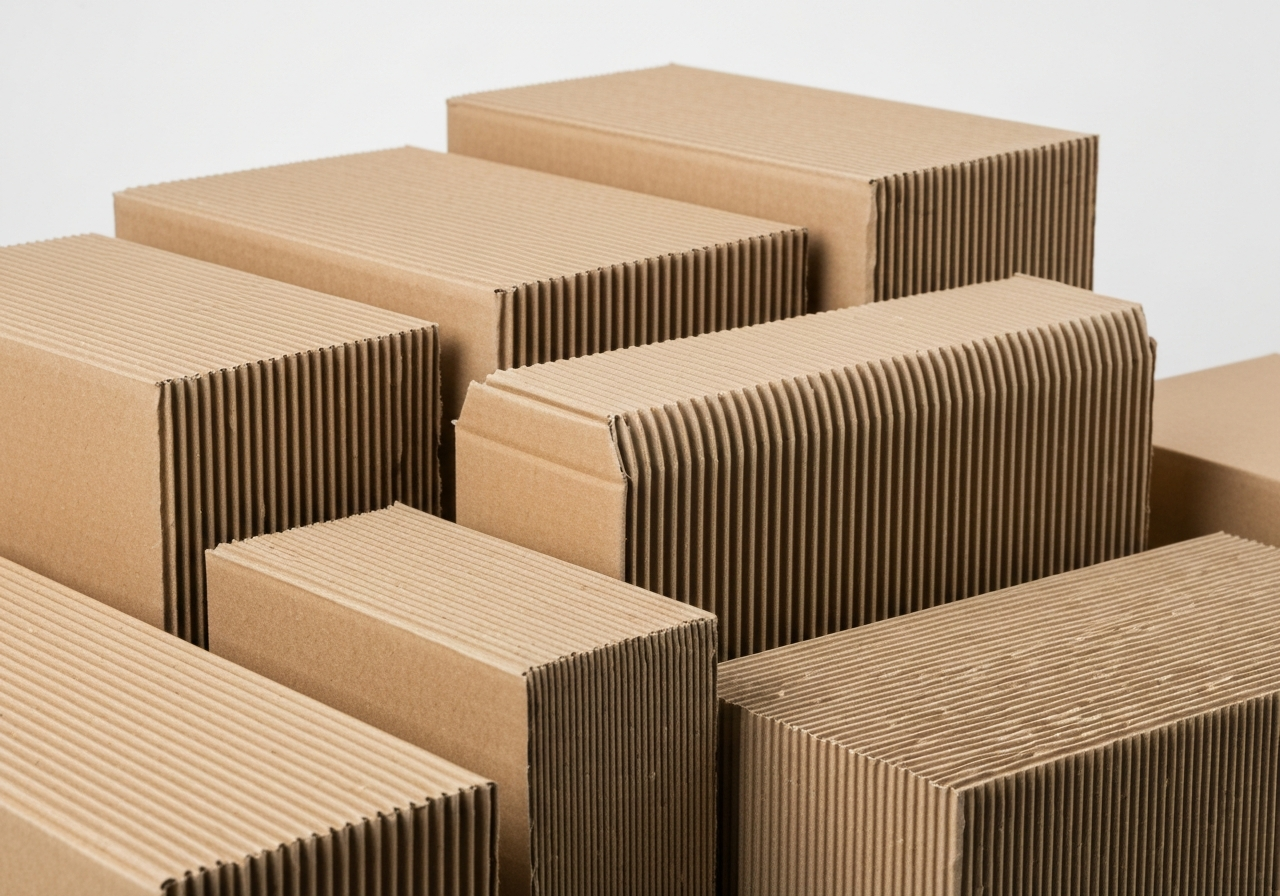
Different flute types change board thickness, which affects both internal and external box size.
A flute and C flute have larger thickness. E flute and F flute are thinner. Double wall boards combine two flute layers and increase thickness further.
In manufacturing, box design accounts for flute thickness during die-line creation. Switching flute type without resizing causes tight packing or wasted space. Engineers adjust slot depth, score position, and panel size to maintain correct internal volume.
How Are Custom Corrugated Box Sizes Developed?
Most corrugated boxes are produced to custom size.
Custom box sizes are developed based on product dimensions, protection needs, and logistics conditions.
The process starts with product measurement. Allowances are added for clearance, inserts, and tolerance. Structural design follows, selecting box style and flute type. Finally, a die-line is created for production.
In factory workshops, trial samples are cut and assembled. Fit tests and compression tests confirm performance. Only after validation does mass production begin. This process ensures the box fits the product and survives transport stress.
How Do Factory Capabilities Limit or Expand Box Sizes?
Not all box sizes are limited by design. Some are limited by equipment.
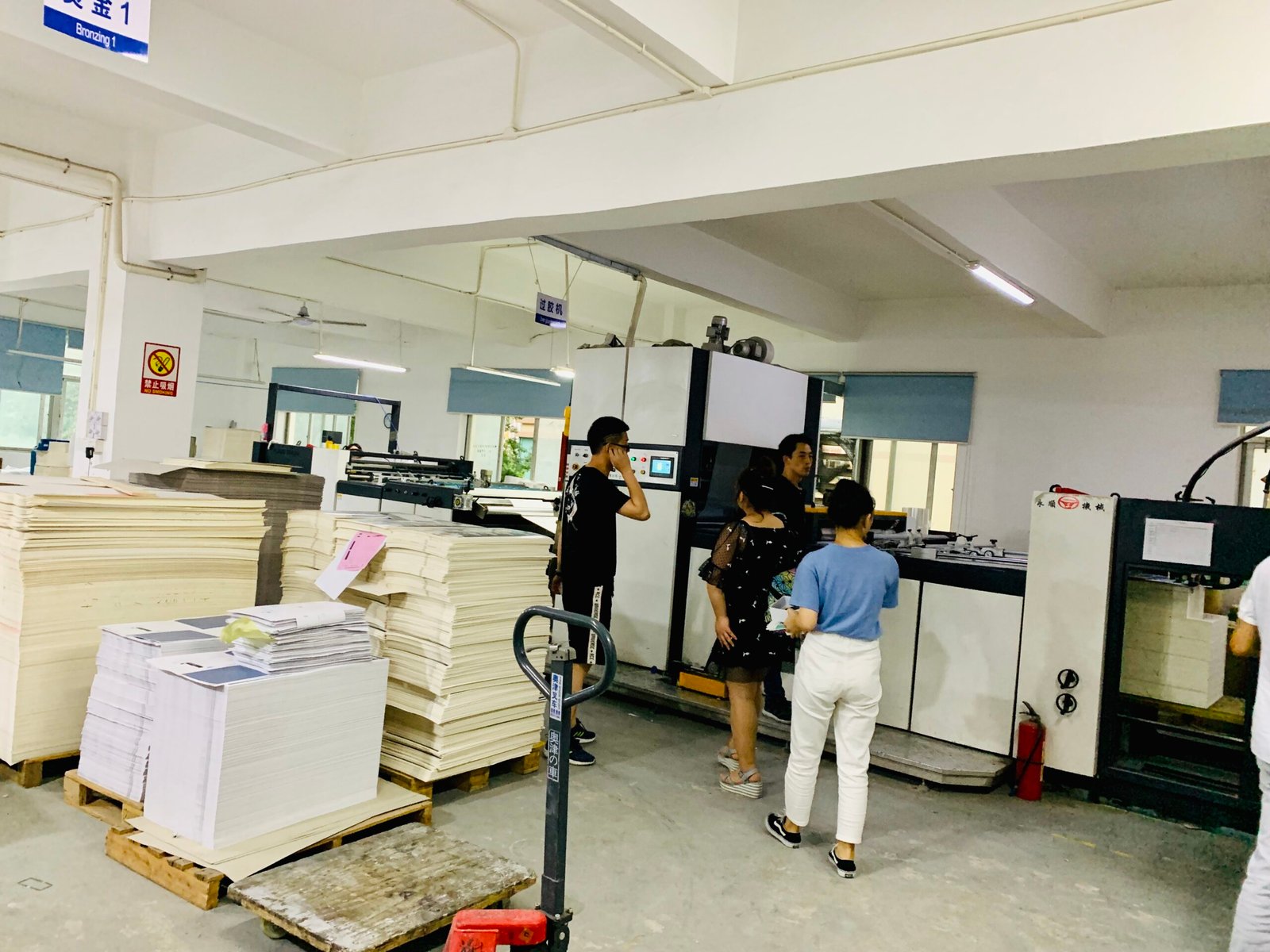
Corrugated box size range depends on corrugator width, die-cutting capacity, and converting machines.
Corrugators have maximum paper width limits. Die cutters have size constraints. Folder-gluers require minimum and maximum panel sizes for stable folding.
Manufacturing workshops plan box sizes within these limits to ensure efficiency and accuracy. Oversized boxes may require manual processing. Very small boxes may need special tooling. Understanding factory capability avoids production delays and quality issues.
How Do Box Sizes Affect Cost and Performance?
Box size directly impacts material use and logistics efficiency.

Oversized boxes increase material cost and shipping volume, while undersized boxes risk product damage.
In production planning, right-sizing reduces paper consumption and improves pallet density. It also improves stacking strength because load distribution is optimized.
Factories evaluate box size together with board grade and structure. A well-sized box often requires less material to achieve the same performance. This balance is key to cost control and stable quality.
Conclusion
Corrugated box sizes are defined by internal dimensions, flute structure, and wall configuration. While standard sizes exist, most effective packaging solutions rely on custom sizing based on real product and logistics conditions.
From design to factory production, box sizing affects material use, machine compatibility, stacking strength, and transport efficiency. Accurate measurement, correct flute selection, and alignment with workshop capabilities ensure boxes perform as intended.
Well-designed box sizes reduce waste, protect products, and improve supply chain stability. In manufacturing, size is not a simple parameter. It is a technical decision that connects design intent, production control, and real-world packaging performance.