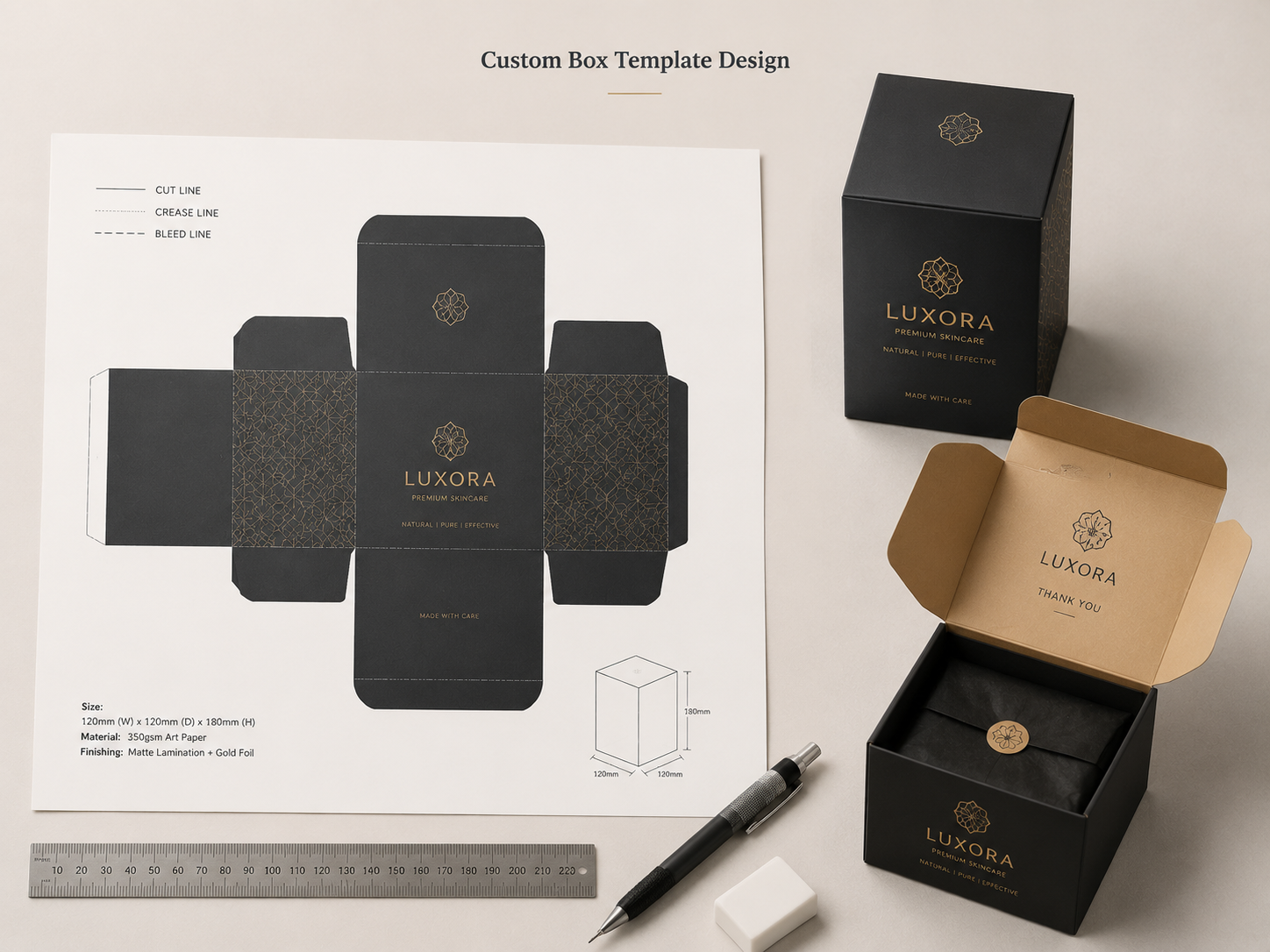
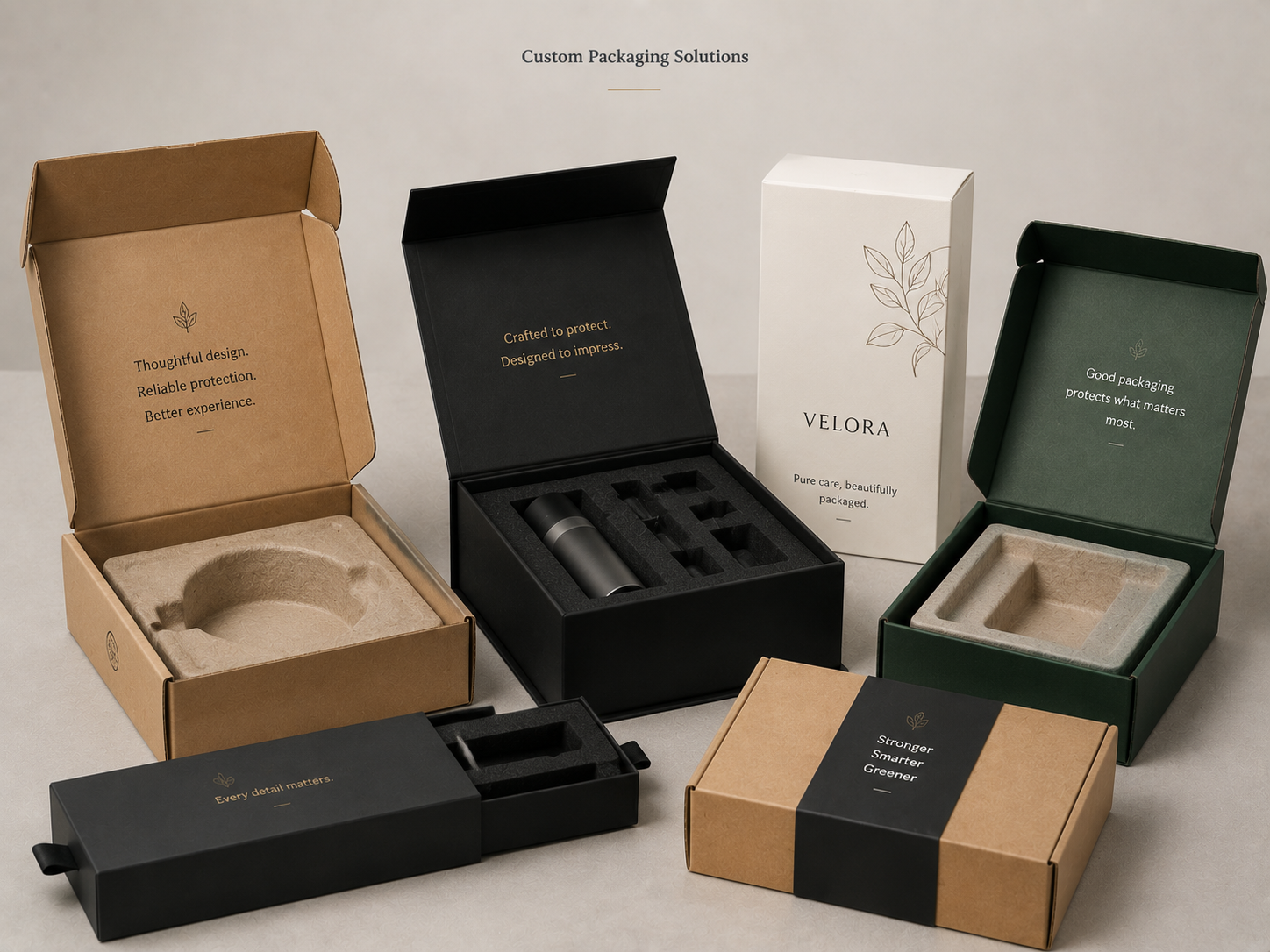
Many packaging problems start with material confusion. Folding cartons and corrugated boxes may look similar when assembled, but they are designed for very different purposes and perform very differently in real use.
**A folding carton is not the same as a corrugated box. Folding cartons are made from solid paperboard for retail display, while corrugated boxes are made with fluted layers for shipping
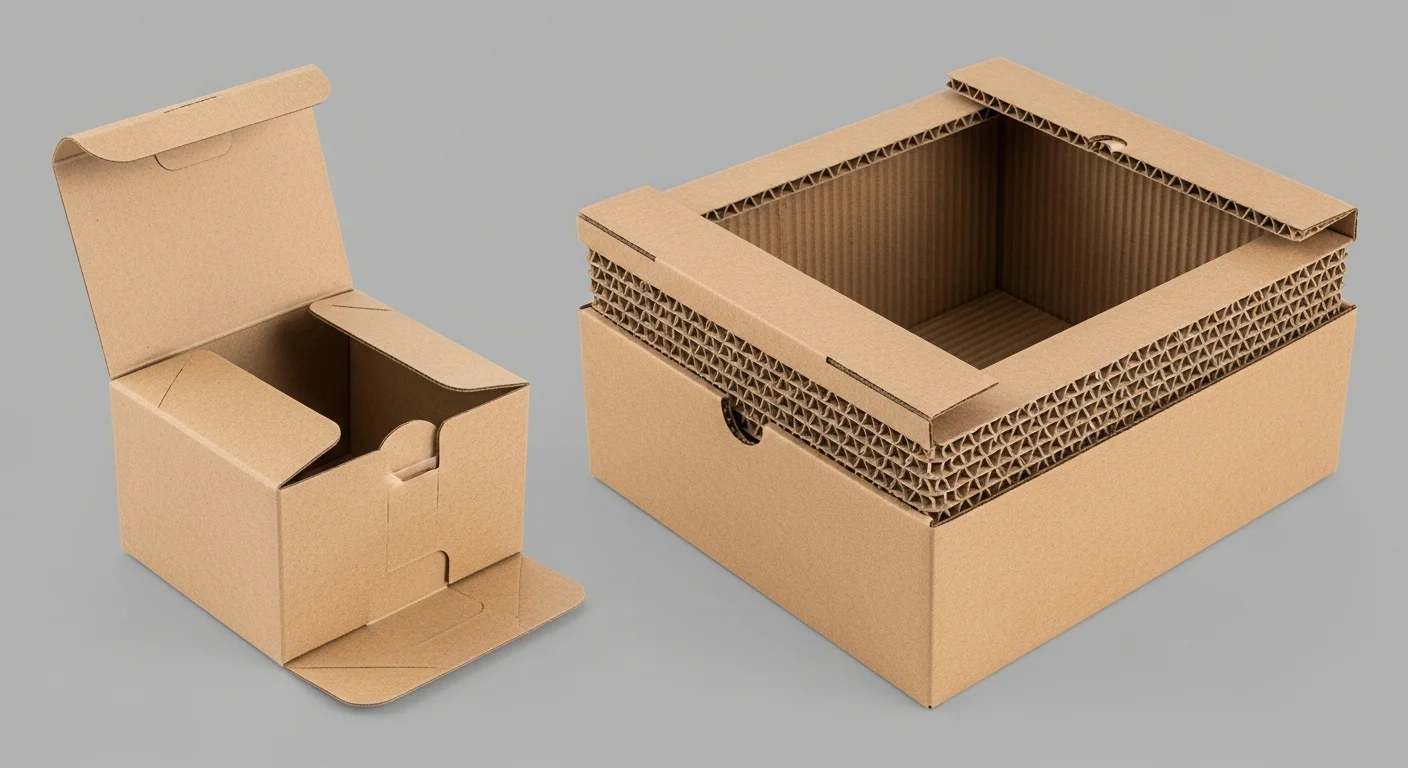
In packaging manufacturing, these two box types are never interchangeable. Each one is built around a specific function, production process, and performance requirement.
What Is a Folding Carton Used For?
A folding carton is primarily designed for retail presentation.
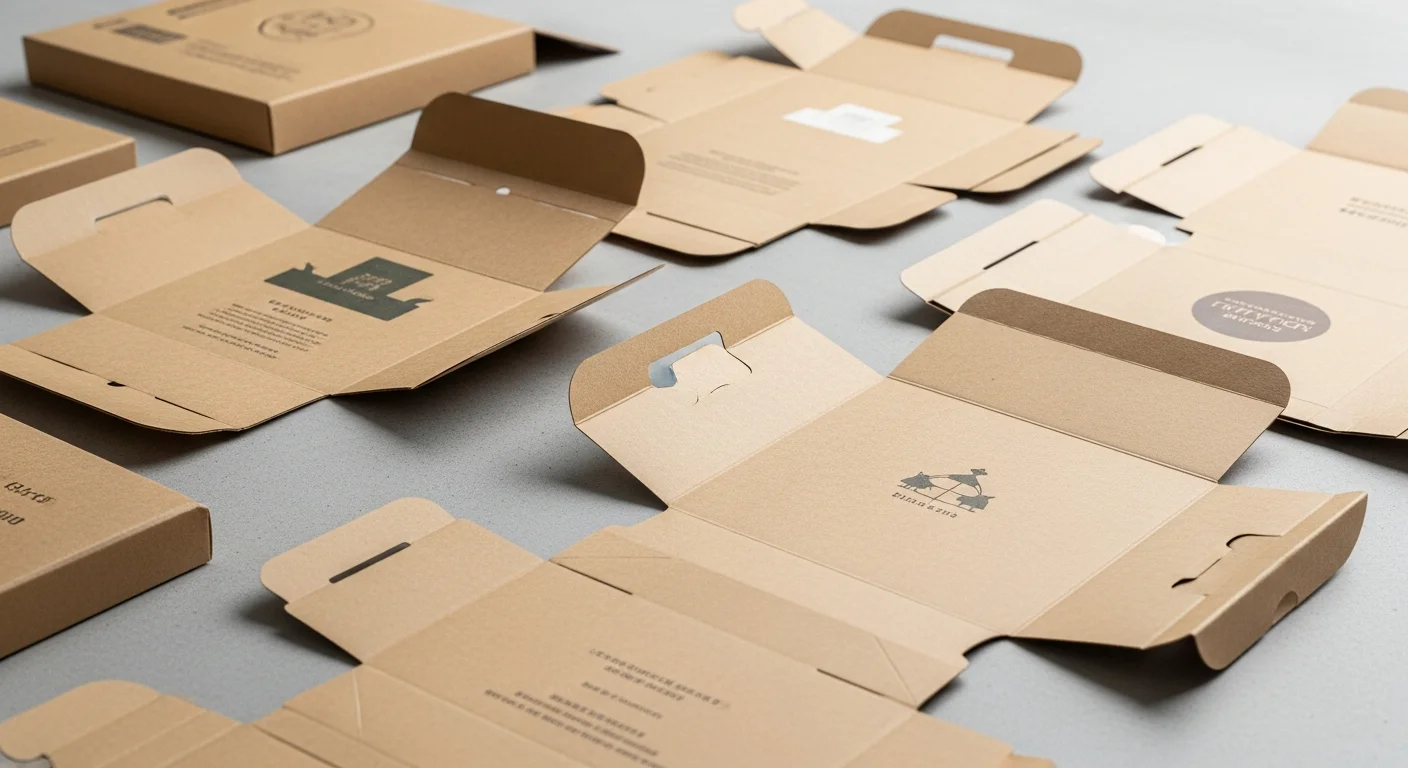
Folding cartons are made from solid paperboard, such as coated paperboard or cardstock. The material is flat, smooth, and uniform, which makes it ideal for high-quality printing and branding.
Common uses of folding cartons include:
- Food packaging
- Cosmetics boxes
- Pharmaceutical cartons
- Consumer electronics inner packaging
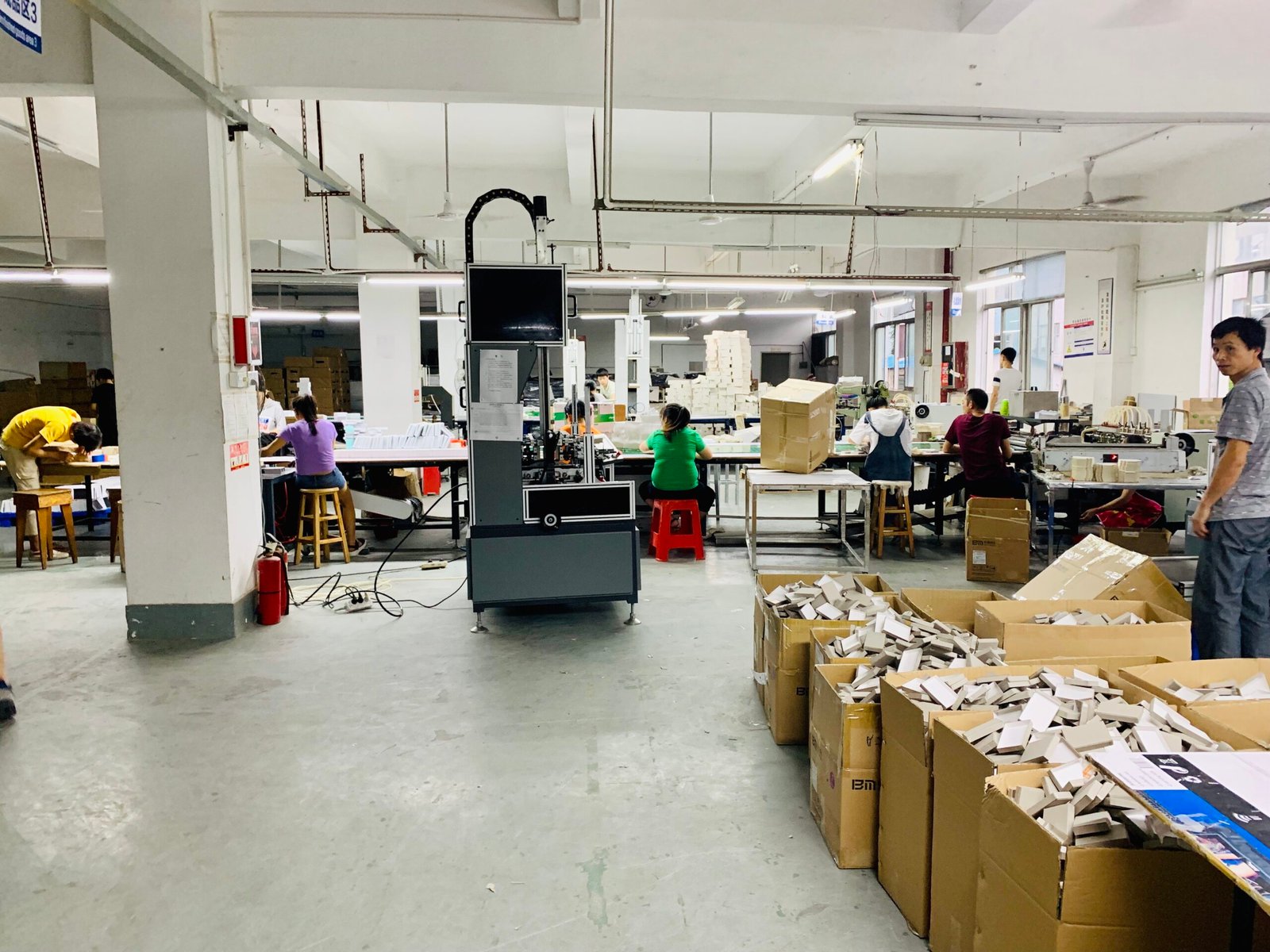
In factory production, folding cartons are printed, die-cut, folded, and glued on high-speed automated lines. The focus is on visual consistency, clean folds, and precise graphics.
Folding cartons are lightweight and space-efficient. They ship flat and are assembled during product packing. However, they offer limited structural strength and are not designed to handle heavy loads or rough transport conditions.
Their main role is presentation and information, not protection.
What Is a Corrugated Box Used For?
A corrugated box is designed for transport and protection.
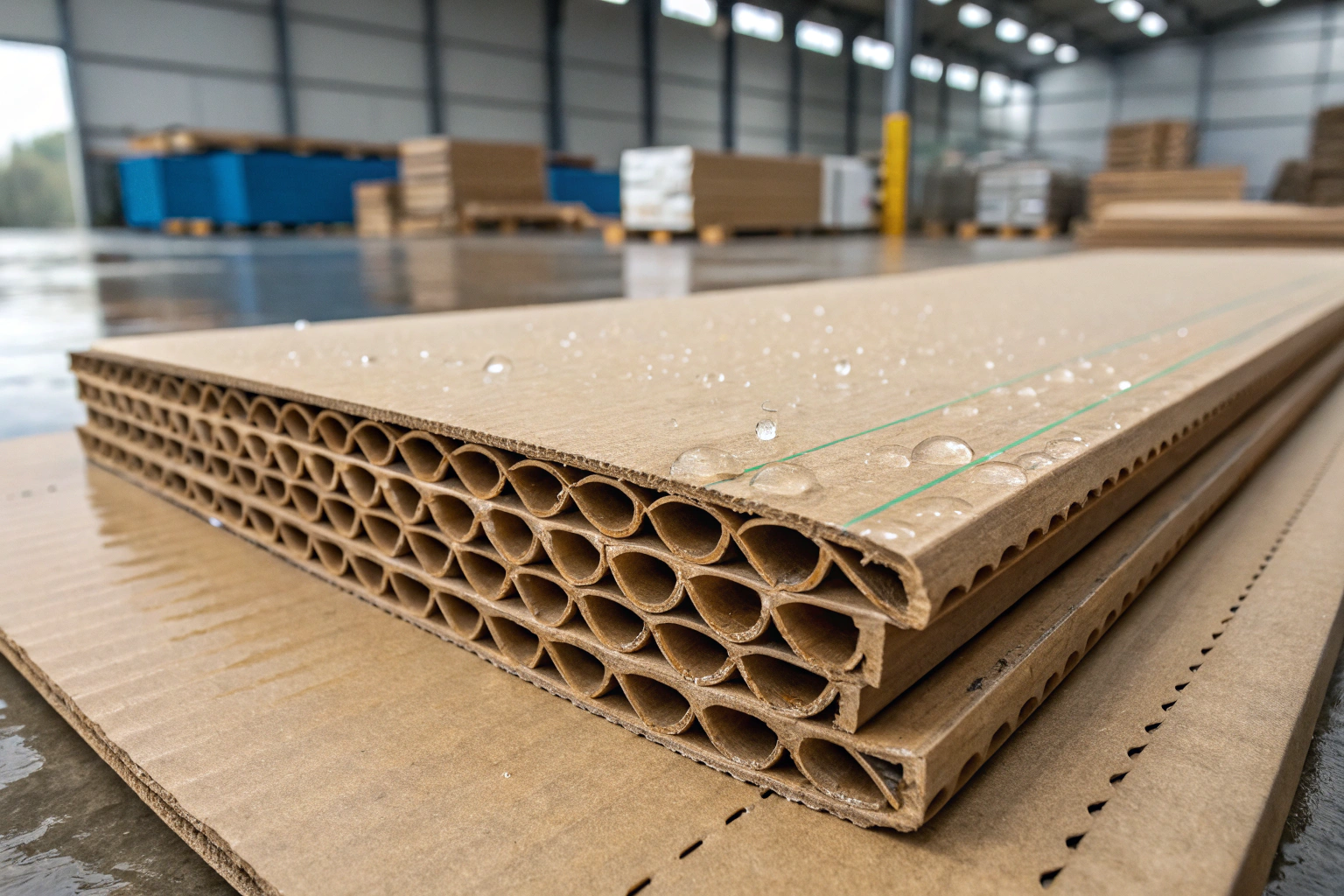
Corrugated boxes are made from corrugated board, which includes a fluted inner layer sandwiched between liner papers. This structure creates air spaces that absorb impact and distribute pressure.
Corrugated boxes are commonly used for:
- Shipping cartons
- E-commerce packaging
- Warehouse storage
- Bulk transport
In manufacturing workshops, corrugated boxes are produced on corrugating and converting lines. Strength, compression resistance, and bonding quality are key inspection points.
Corrugated boxes are thicker and stronger than folding cartons. They are designed to stack, carry weight, and protect products through handling, transport, and storage.
Appearance is secondary to performance in corrugated packaging.
How Do Material Structures Differ?
Material structure is the core difference.
Folding cartons use solid paperboard. The material is dense and flat from edge to edge. There are no internal air spaces.
Corrugated boxes use layered construction:
- One or more fluted mediums
- Flat linerboards on the outside
This layered structure gives corrugated boxes superior cushioning and load resistance. Folding cartons cannot replicate this performance, regardless of thickness.
In factory testing, solid paperboard bends smoothly under pressure. Corrugated board resists compression and absorbs shock due to its internal geometry.
Material structure defines function.
How Do Strength and Protection Compare?
Strength requirements separate these box types clearly.
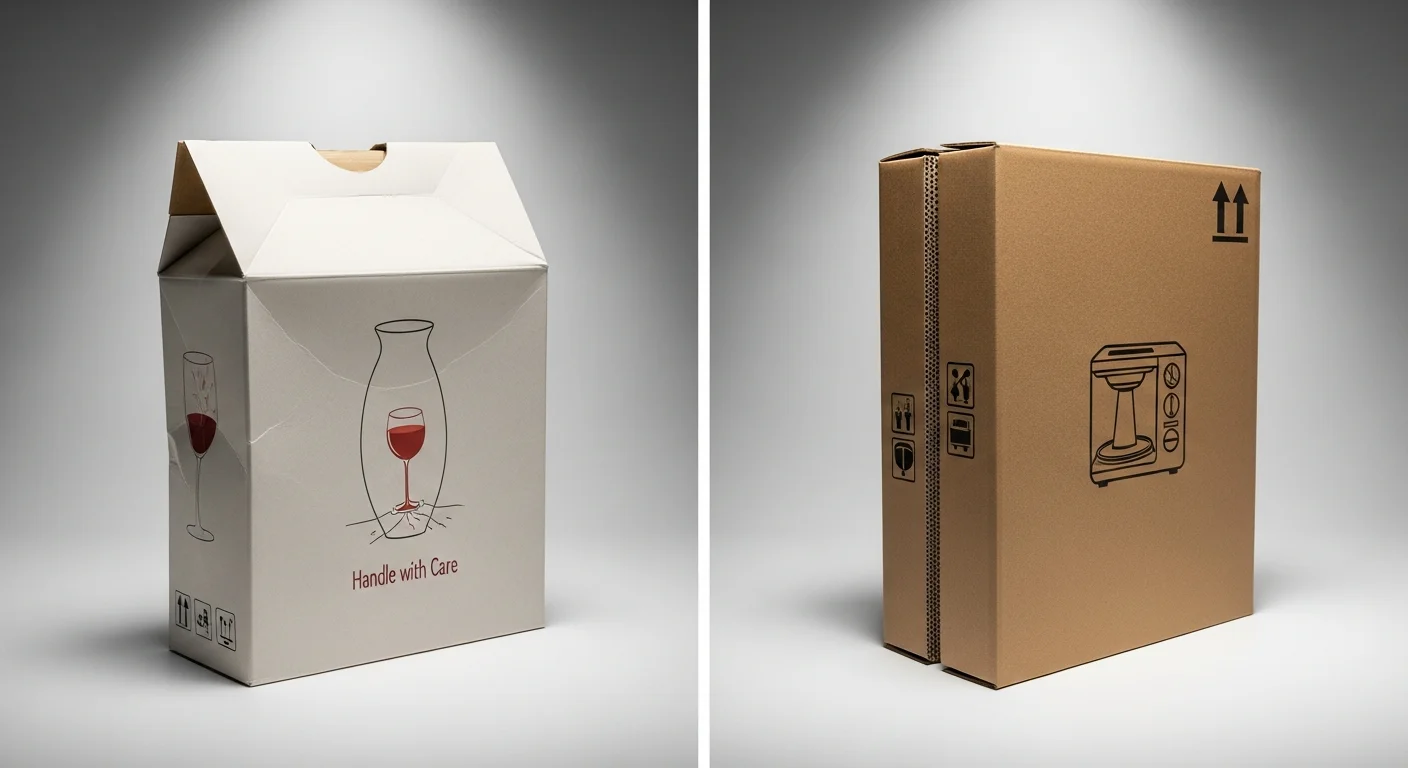
Folding cartons:
- Support lightweight products
- Perform well on retail shelves
- Deform easily under stacking load
Corrugated boxes:
- Support medium to heavy products
- Resist crushing during stacking
- Protect contents during drops and vibration
Using a folding carton for shipping often leads to crushed boxes and damaged products. Using a corrugated box for retail display may increase cost and reduce visual appeal.
Factories specify these materials based on load conditions and handling risk, not appearance.
How Do Printing and Finishing Differ?
Printing capability is another major difference.
Folding cartons are designed for high-resolution printing. Coated surfaces support bright colors, fine text, and complex graphics. Finishes such as foil stamping, embossing, and UV coating are common.
Corrugated boxes support simpler printing. Flexographic printing is commonly used for logos, handling symbols, and basic branding. High-end finishes are limited.
From a manufacturing view, folding cartons prioritize visual precision. Corrugated boxes prioritize production efficiency and durability.
Each material supports different branding goals.
How Do Factories Choose Between Folding Cartons and Corrugated Boxes?
The choice is based on function, not preference.
Factories evaluate:
- Product weight
- Transport distance
- Sales channel
- Display requirements
Folding cartons are selected when:
- Products are lightweight
- Retail presentation matters
- Packaging is customer-facing
Corrugated boxes are selected when:
- Products require protection
- Shipping and storage are involved
- Stacking strength is critical
In many packaging systems, both are used together. The folding carton holds the product. The corrugated box protects it during transport.
This layered approach balances presentation and protection.
Conclusion
A folding carton and a corrugated box are not the same and are not interchangeable. Folding cartons are designed for retail display, branding, and information delivery. Corrugated boxes are designed for strength, protection, and logistics. Understanding this difference ensures correct material selection, reduces damage risk, and creates a packaging system that performs reliably from factory to final destination.