Many people judge durability by how hard a material feels in hand. That often leads to wrong conclusions about corrugated cardboard. In real packaging use, durability is not about hardness. It is about how long a material maintains performance under real handling, storage, and transport conditions.
Corrugated cardboard is highly durable for its intended use. When properly designed and manufactured, it maintains strength, shape, and protection through repeated handling, stacking, and transport cycles.
As a professional packaging manufacturer, I define durability based on real-world performance, not short-term appearance. Below, I explain how durable corrugated cardboard actually is, what affects its lifespan, and how factories ensure durability during production.
To understand durability, we must first understand what corrugated cardboard is designed to endure.
What durability means for corrugated cardboard
Durability is functional, not permanent.
For corrugated cardboard, durability means the ability to retain structural strength and protection throughout its designed lifecycle.
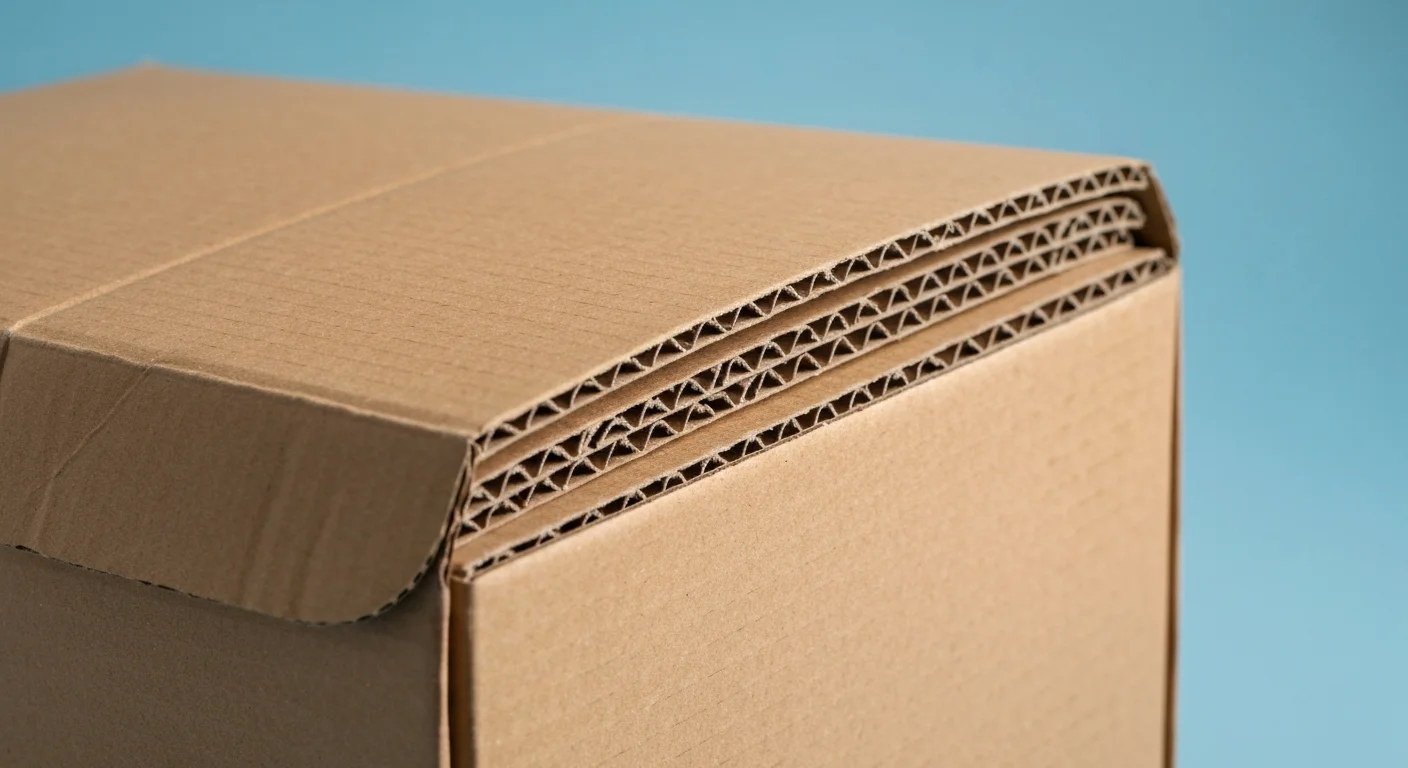
Corrugated cardboard is designed for:
- Repeated handling
- Vertical stacking
- Transport vibration
- Short- to medium-term storage
It is not designed to last forever. It is designed to perform reliably until the product reaches its destination or point of use.
From a manufacturing perspective, durability is measured by performance consistency, not by how long the material exists.
How the corrugated structure improves durability
Structure is the foundation of durability.
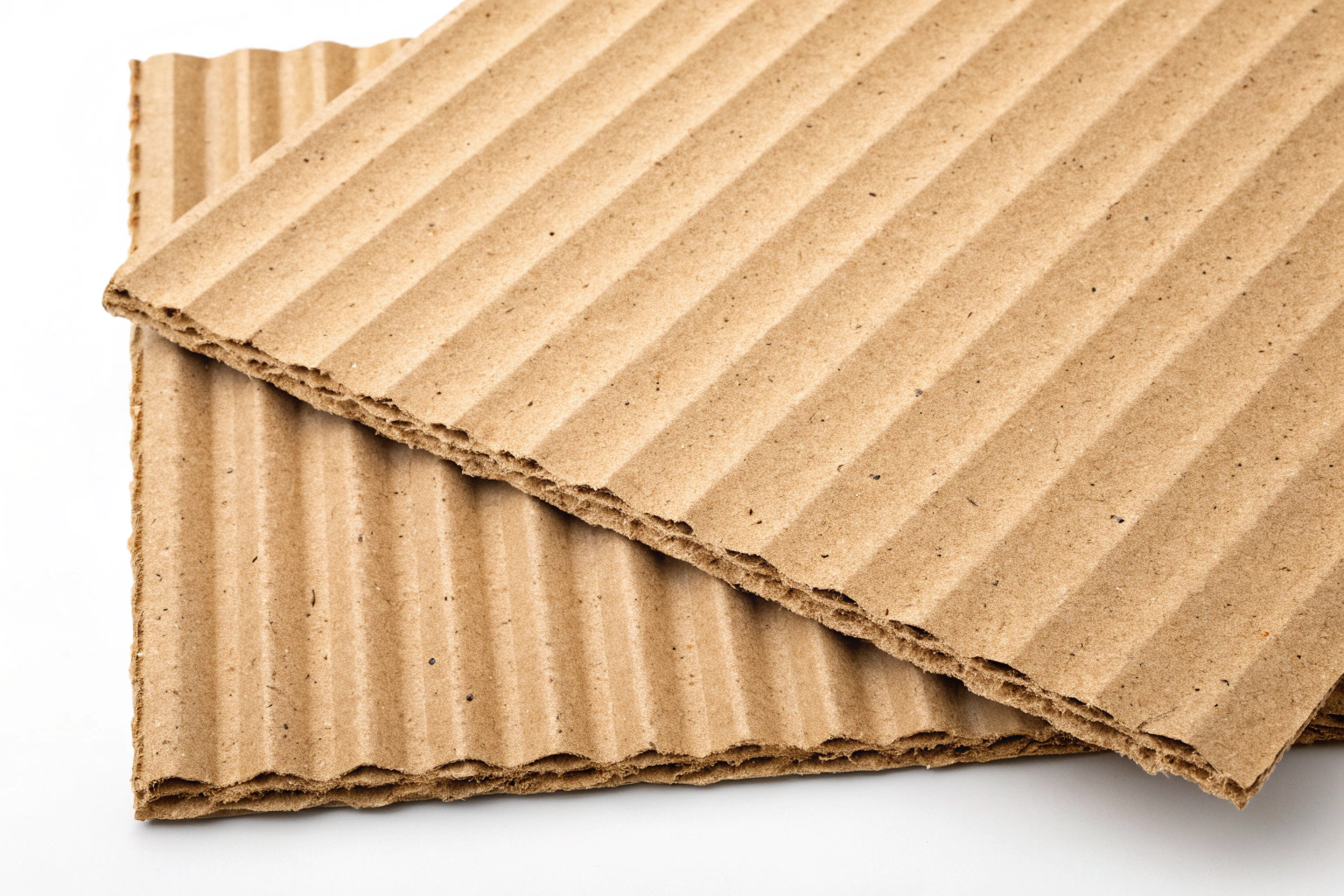
The fluted core gives corrugated cardboard its durability by absorbing stress instead of resisting it rigidly.
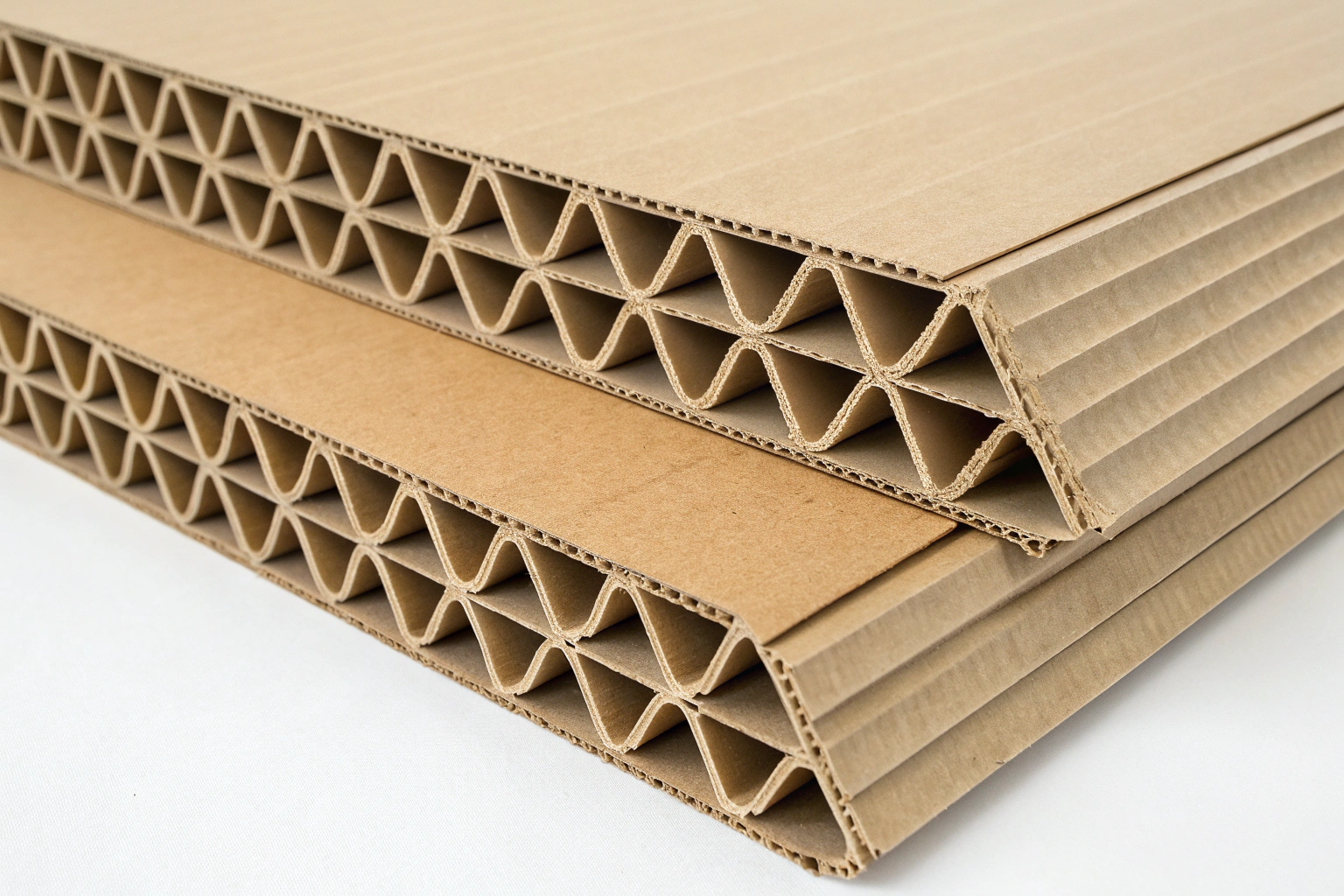
The wave-shaped flutes act like shock absorbers. They compress slightly under load and return to shape. This allows the board to survive drops, vibration, and stacking pressure better than solid paperboard of similar weight.
The liner papers protect the flutes and carry tension forces. Together, this structure creates a durable system that handles real logistics stress.
From factory experience, this flexibility is why corrugated cardboard survives transport better than many rigid materials.
Durability during handling and transport
Handling causes most damage.
Corrugated cardboard is durable enough to withstand repeated lifting, sliding, and movement during transport.
During transport, boxes are:
- Loaded and unloaded
- Shifted on pallets
- Exposed to vibration
- Occasionally impacted
Corrugated cardboard absorbs these forces rather than cracking. Minor surface dents usually do not affect structural integrity.
From a manufacturing standpoint, durability during handling is one of the main reasons corrugated cardboard is used globally for shipping.
Durability under stacking and compression
Stacking strength is a key durability factor.
Corrugated cardboard maintains durability under vertical load when board grade and box design are correct.
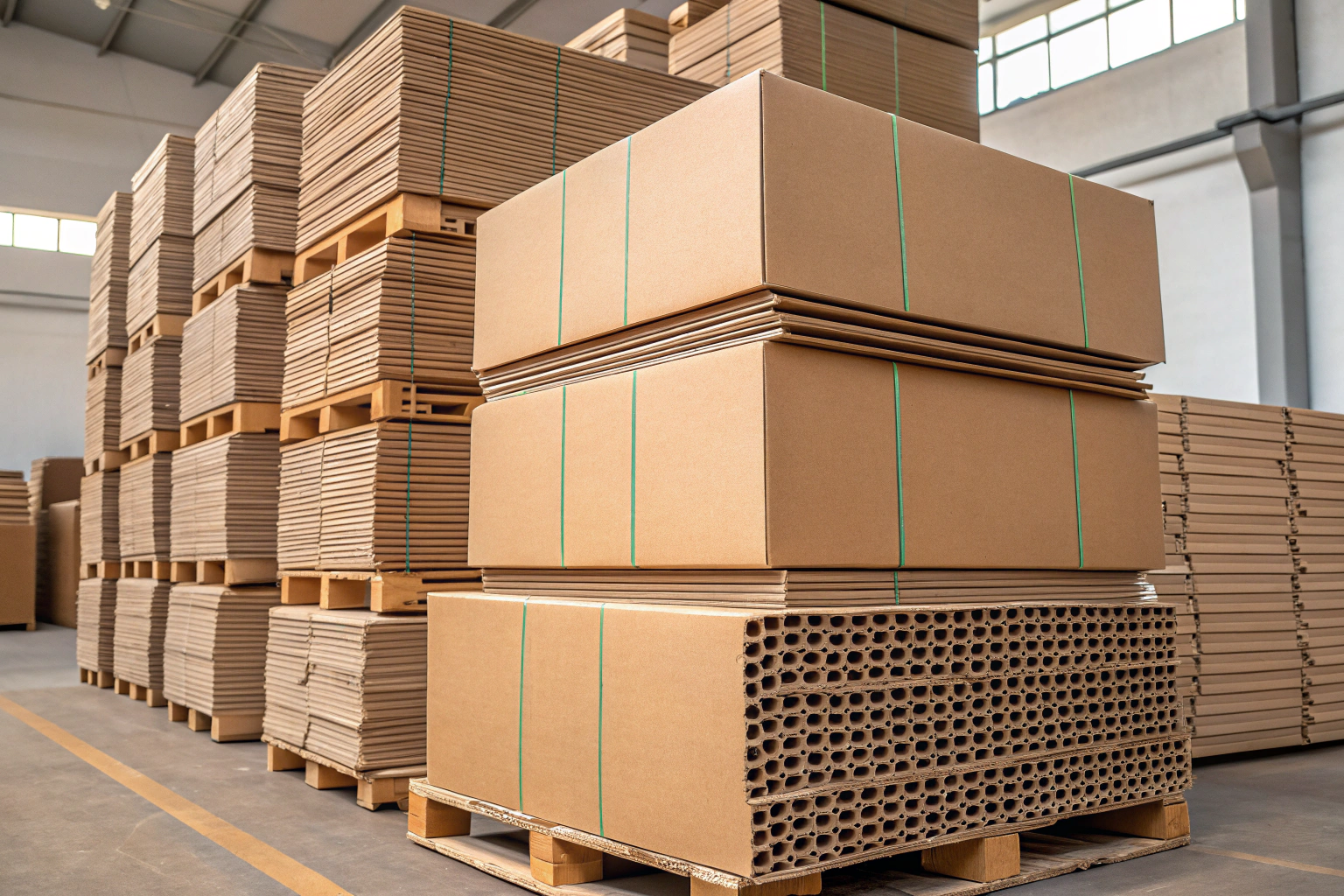
Boxes are designed to carry weight from above through their edges and corners. The flutes channel force downward. When board grade matches stacking height and product weight, boxes remain stable for weeks or months in storage.
Single wall, double wall, and triple wall structures offer different durability levels. Choosing the correct structure is part of durability design.
From a professional manufacturer’s view, most stacking failures come from under-specification, not material weakness.
How long corrugated cardboard stays durable
Time matters, but conditions matter more.
Corrugated cardboard remains durable as long as it is kept dry and within normal environmental conditions.
In controlled indoor environments:
- Boxes can remain usable for long storage periods
- Structural strength remains stable
- Warping and softening are minimal
In high humidity or wet conditions, durability drops faster. Paper fibers absorb moisture, reducing stiffness and compression strength.
From factory experience, durability loss is environmental, not sudden or random.
The impact of moisture on durability
Moisture is the main durability limit.
Corrugated cardboard loses durability when exposed to high humidity or direct water contact.
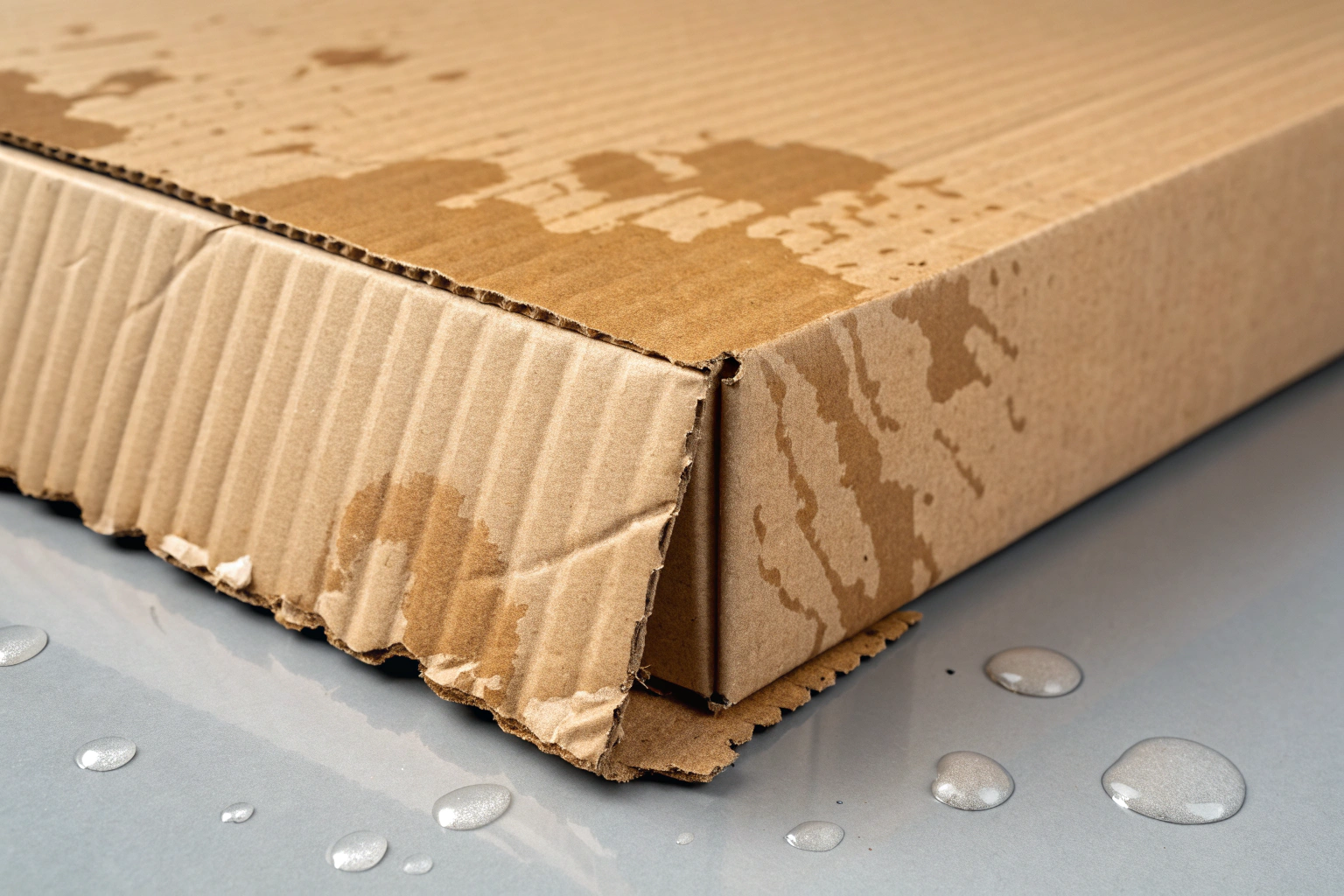
Moisture causes:
- Softening of fibers
- Reduced stacking strength
- Increased deformation risk
This does not mean corrugated cardboard is fragile. It means it must be used within its design environment.
Professional manufacturers manage this by:
- Selecting appropriate paper grades
- Controlling board moisture
- Recommending proper storage
Durability depends on correct use as much as correct production.
Factory processes that ensure corrugated cardboard durability
Durability starts in the workshop.
As a professional manufacturer, I ensure durability through material control, process stability, and testing.
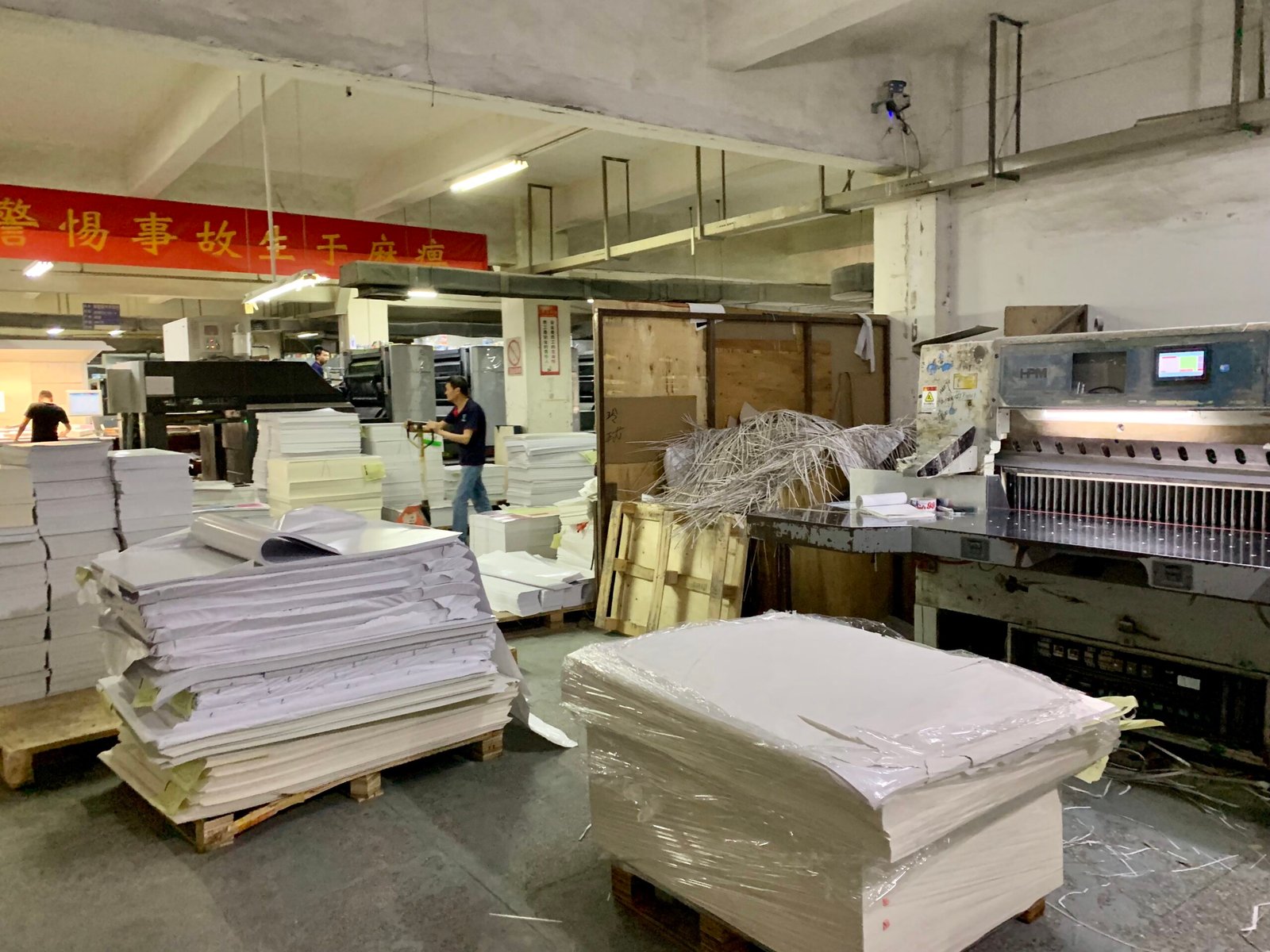
Inside the factory:
- Paper moisture is controlled before production
- Flutes are formed with stable pressure and heat
- Adhesive bonding is uniform
- Boards are conditioned before conversion
- Compression and stacking tests verify durability
Poor bonding or moisture imbalance reduces durability even in thick boards. That is why durability is treated as a production outcome, not a material assumption.
Durability compared to other packaging materials
Durability must be evaluated in context.
Corrugated cardboard is more durable than solid paperboard for transport, but less durable than plastic in wet environments.
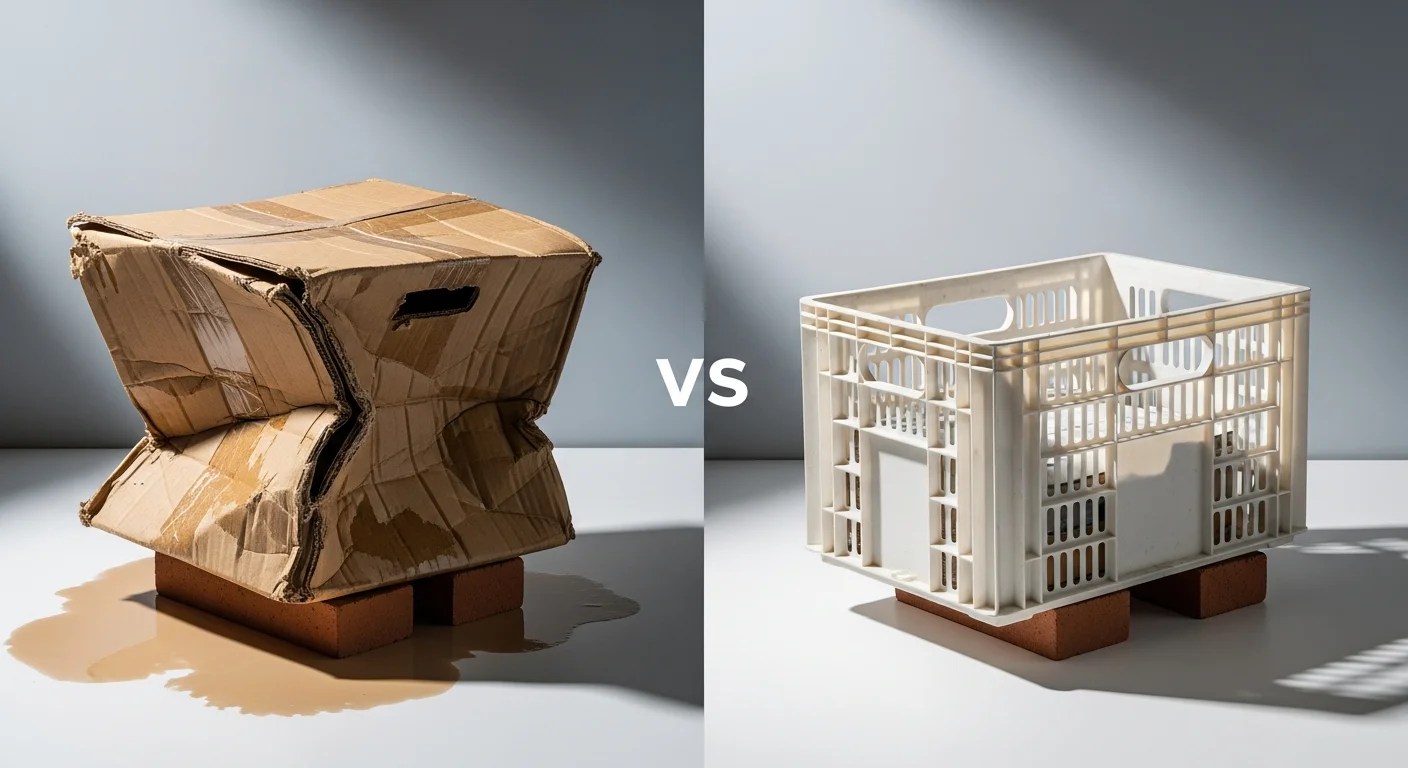
Compared with plastic:
- Corrugated performs better in shock absorption
- Plastic performs better in water resistance
Compared with wood:
- Corrugated is lighter and easier to handle
- Wood is more rigid but less forgiving
From a manufacturing perspective, corrugated cardboard offers the best durability-to-weight balance for most packaging needs.
When corrugated cardboard is not durable enough
Knowing limits avoids failure.
Corrugated cardboard is not durable for permanent outdoor use or constant moisture exposure.
It is also not designed for long-term reuse over many cycles without reinforcement. Using it outside its intended lifecycle reduces durability quickly.
Durability works best when expectations match design purpose.
Conclusion
Corrugated cardboard is highly durable for packaging, transport, and storage when used correctly. Its fluted structure allows it to absorb impact, support stacking, and survive repeated handling. Durability depends on structure choice, paper quality, factory process control, and environmental conditions.
As a professional packaging manufacturer, I see corrugated cardboard as a durable, engineered material, not a disposable weak option. When its design limits are respected, it delivers reliable performance throughout its intended lifecycle with excellent efficiency and consistency.