Many packaging problems start with one simple misunderstanding. People use the word “cardboard” for everything. In manufacturing, that word is too vague and often leads to wrong strength expectations.
The difference between cardboard and corrugated cardboard is structure.
Cardboard is a general term for paper-based boards, while corrugated cardboard is a specific material with a fluted inner layer designed for strength and protection.
As a professional packaging manufacturer, I never treat these two as the same. Below, I explain the difference clearly from structure, performance, and factory production experience.
Understanding this difference helps avoid packaging failure and unnecessary cost.
What “cardboard” actually means in packaging
Cardboard is a broad term.
Cardboard refers to solid paper-based boards made by compressing paper fibers into flat sheets.
In professional manufacturing, cardboard usually means:
- Paperboard
- Chipboard
- Solid board
- Folding carton board
These materials are flat and dense. They do not contain air gaps or internal structures. Their strength comes from fiber density, not geometry.
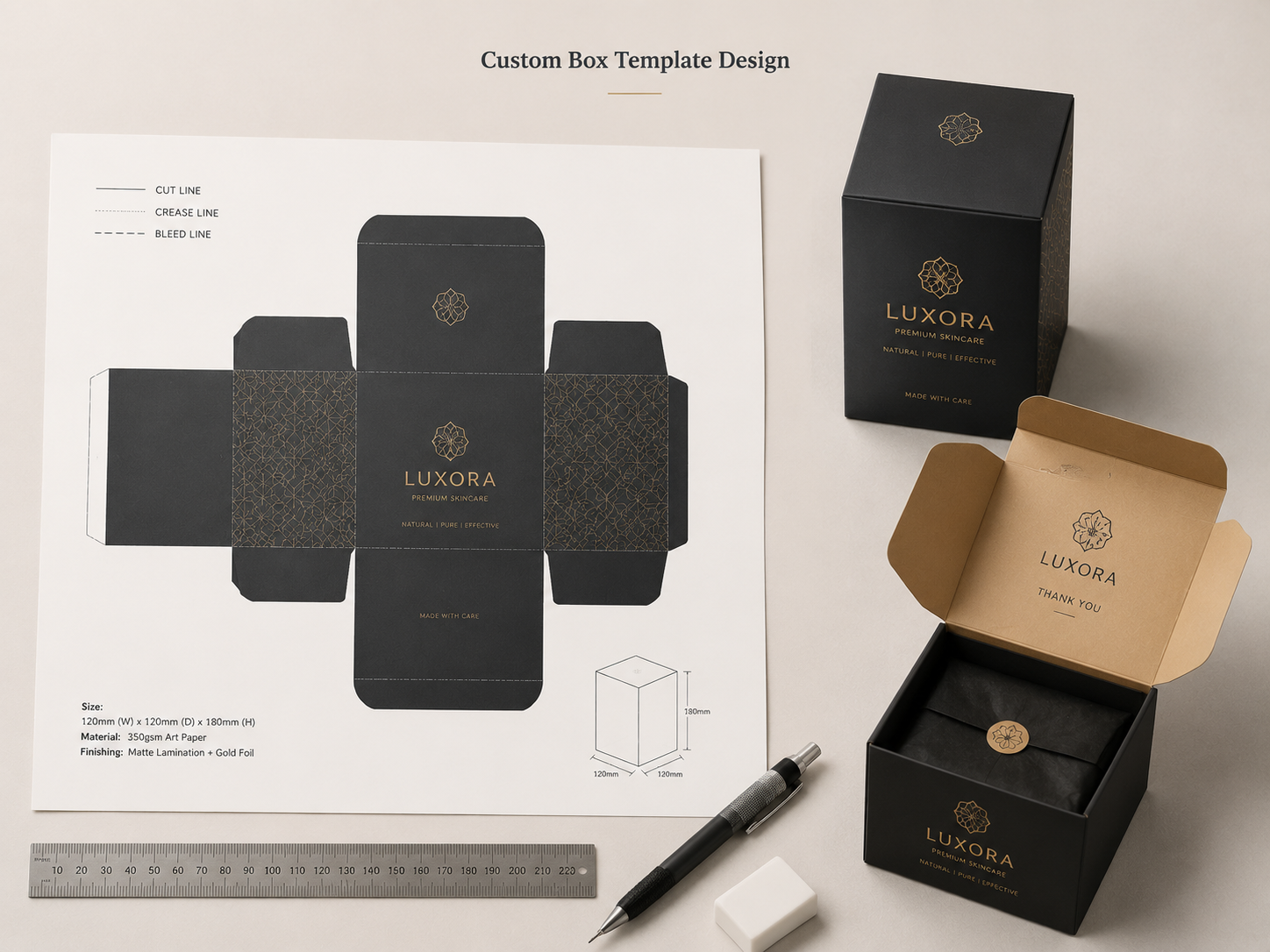
From a manufacturing standpoint, cardboard is chosen for appearance, printing quality, and precision folding. It is not designed to carry heavy loads or support stacking.
What corrugated cardboard means in real production
Corrugated cardboard is structural.
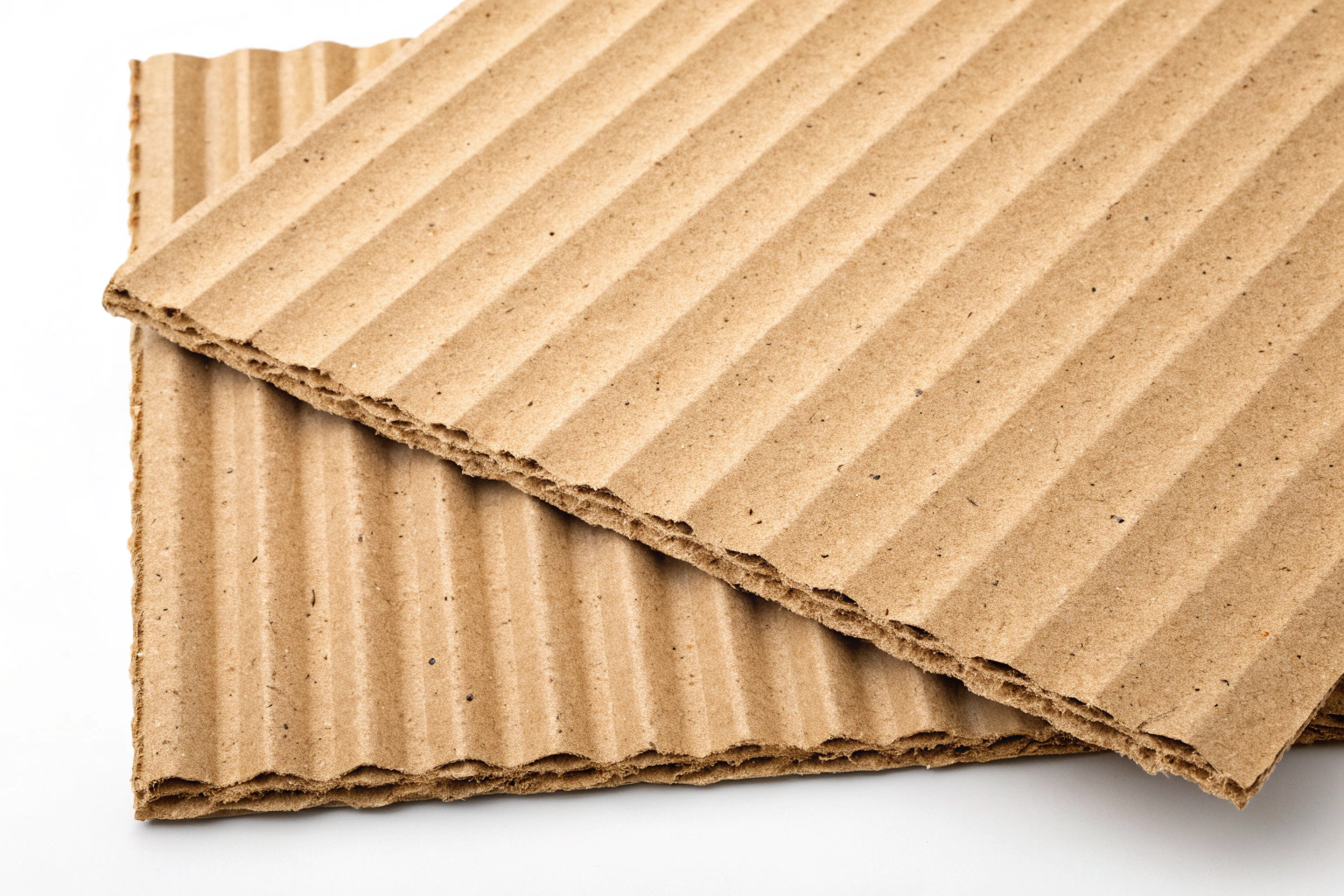
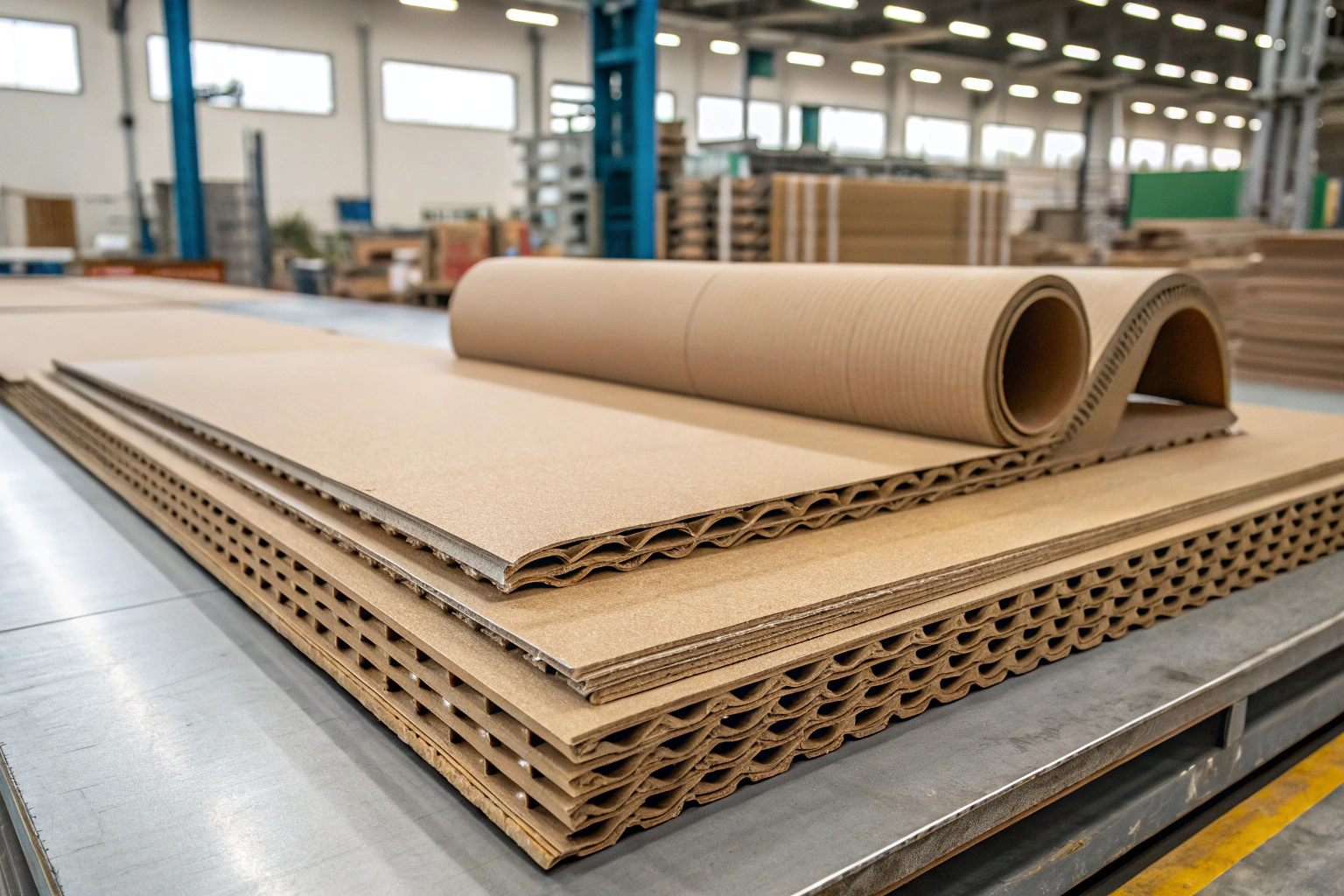
Corrugated cardboard is made with a wave-shaped fluted paper layer sandwiched between flat liner papers.
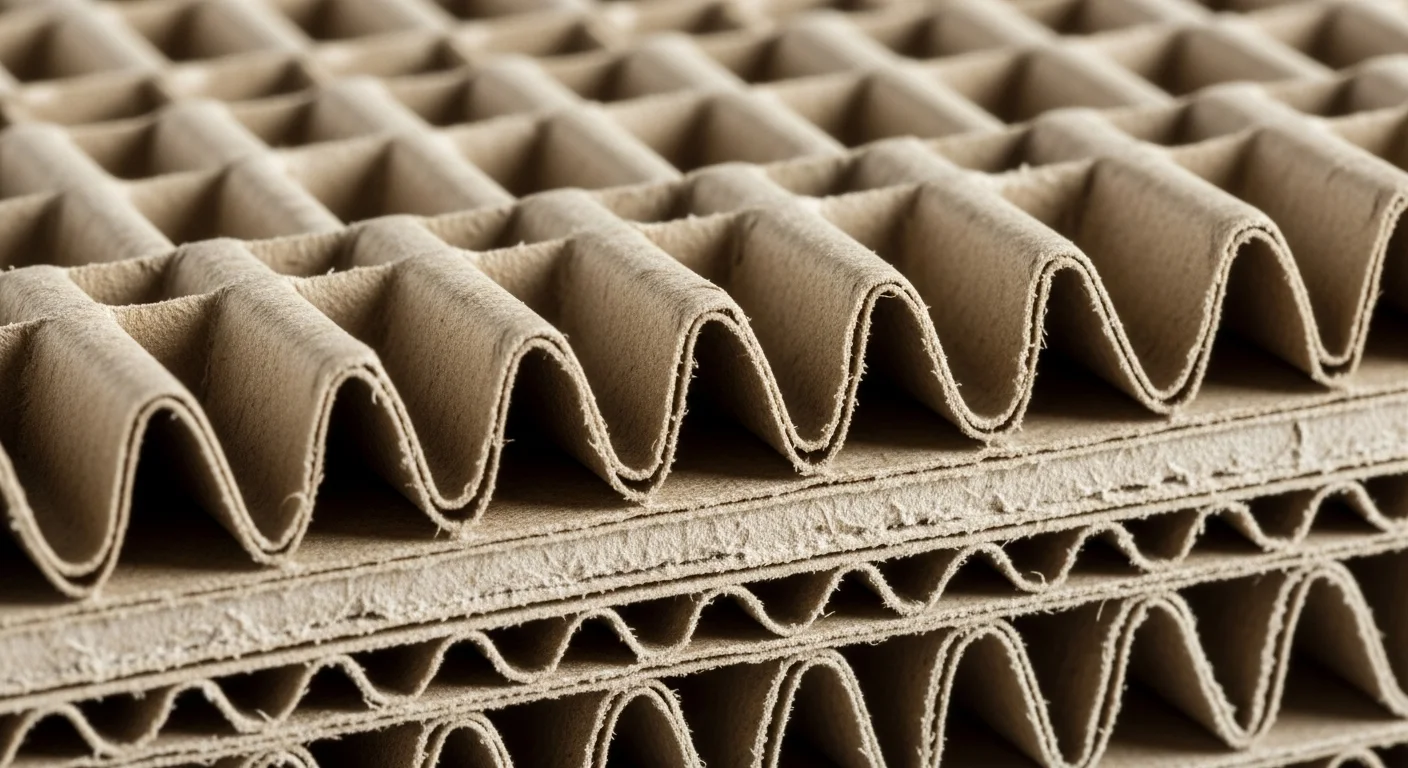
This fluted layer creates air space and vertical strength. It allows the board to resist compression, absorb impact, and support stacking.
In the factory, corrugated cardboard is produced on a corrugator machine. Medium paper is heated, formed into flutes, glued to liner papers, and dried under controlled conditions.
From a professional manufacturer’s view, if there are no flutes, it is not corrugated.
Key structural difference at a glance
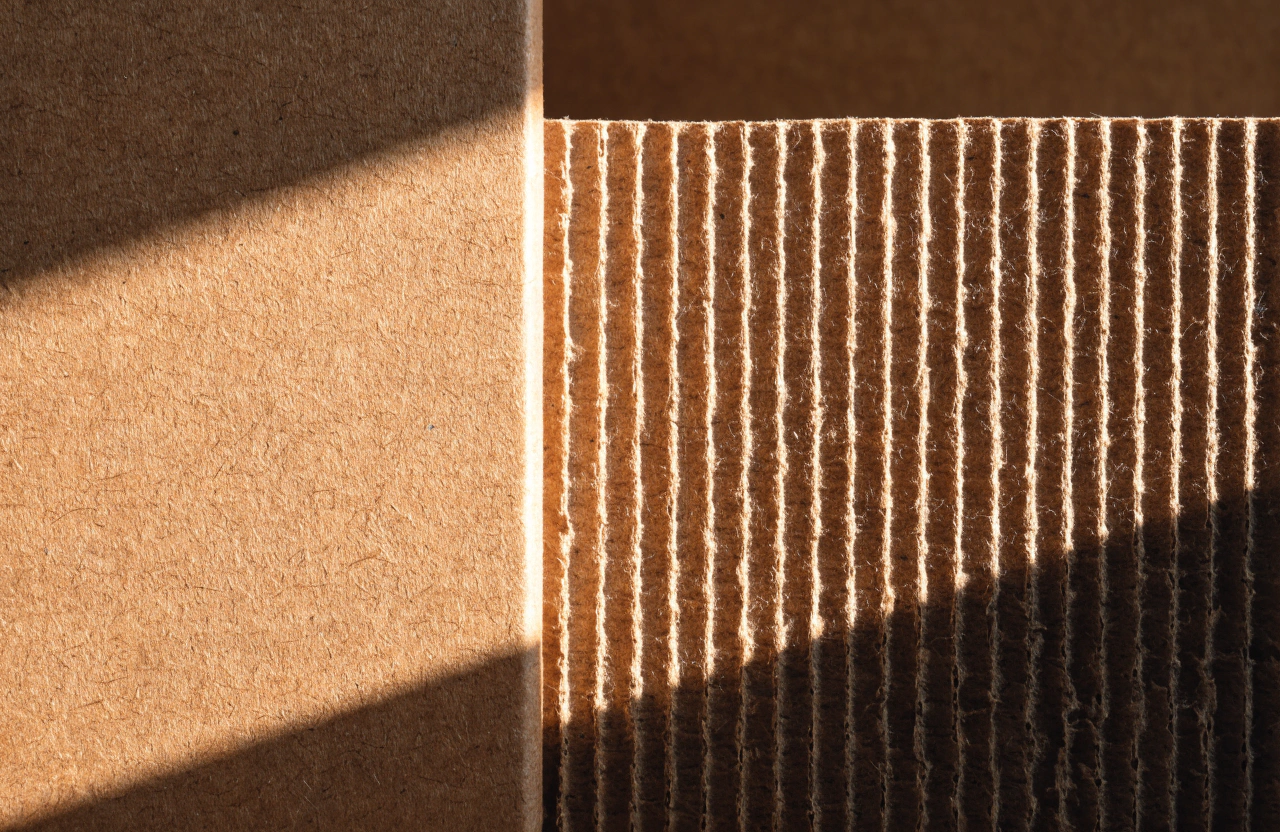
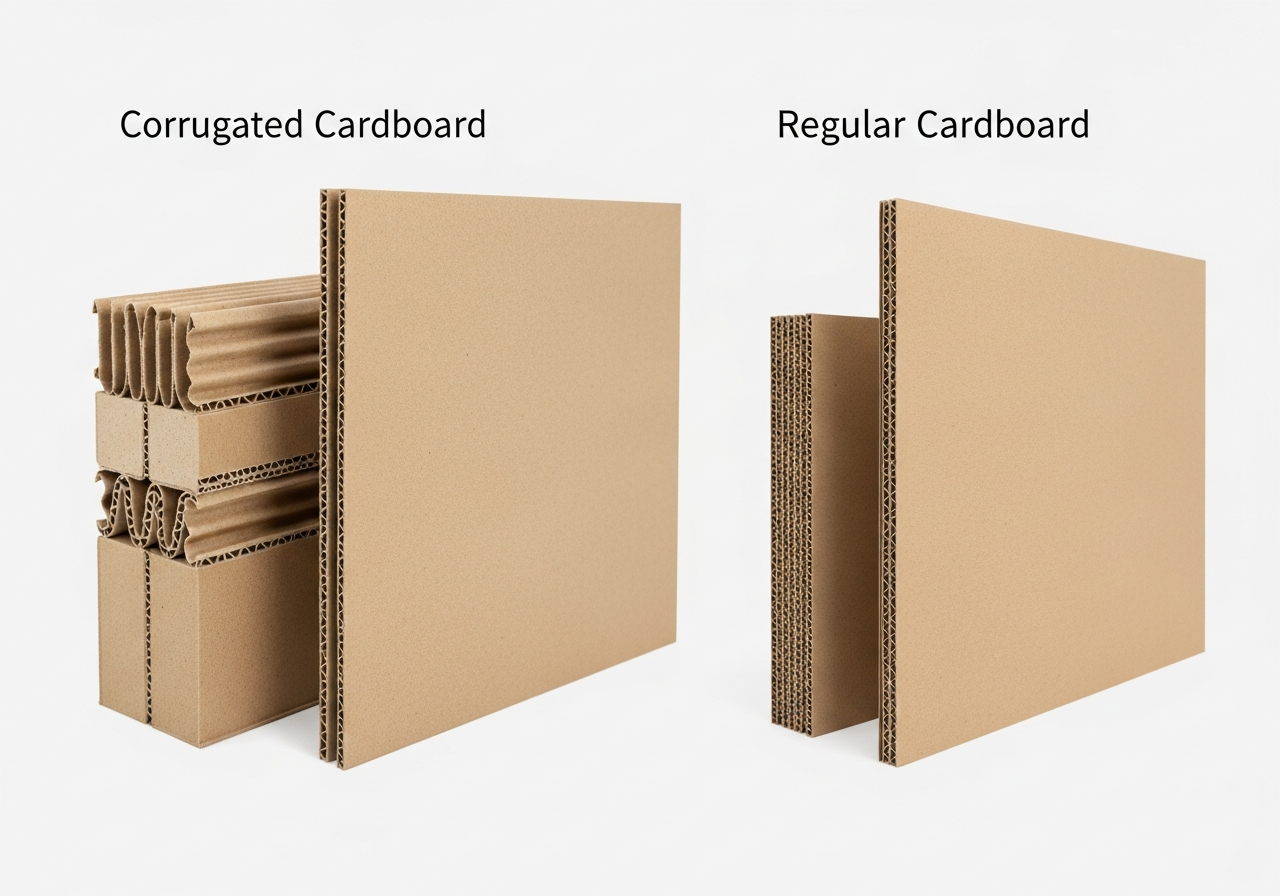
The difference is visible at the edge.
Cardboard has a solid cross-section, while corrugated cardboard shows a wave-shaped inner layer.
| Feature | Cardboard | Corrugated Cardboard |
|---|---|---|
| Internal structure | Solid | Fluted core |
| Air space | None | Yes |
| Strength source | Fiber density | Structural geometry |
| Cushioning | Low | High |
This internal structure is the single biggest difference.
Difference in strength and load performance
Strength behavior is very different.
Corrugated cardboard is much stronger than cardboard when it comes to stacking and load-bearing.
Cardboard bends and collapses under vertical load. Corrugated cardboard channels force through its flutes and box edges.
From factory testing:
- Cardboard is suitable for light products
- Corrugated cardboard supports heavy stacking
This is why shipping boxes are corrugated, not cardboard folding cartons.
Difference in packaging applications
They serve different roles.
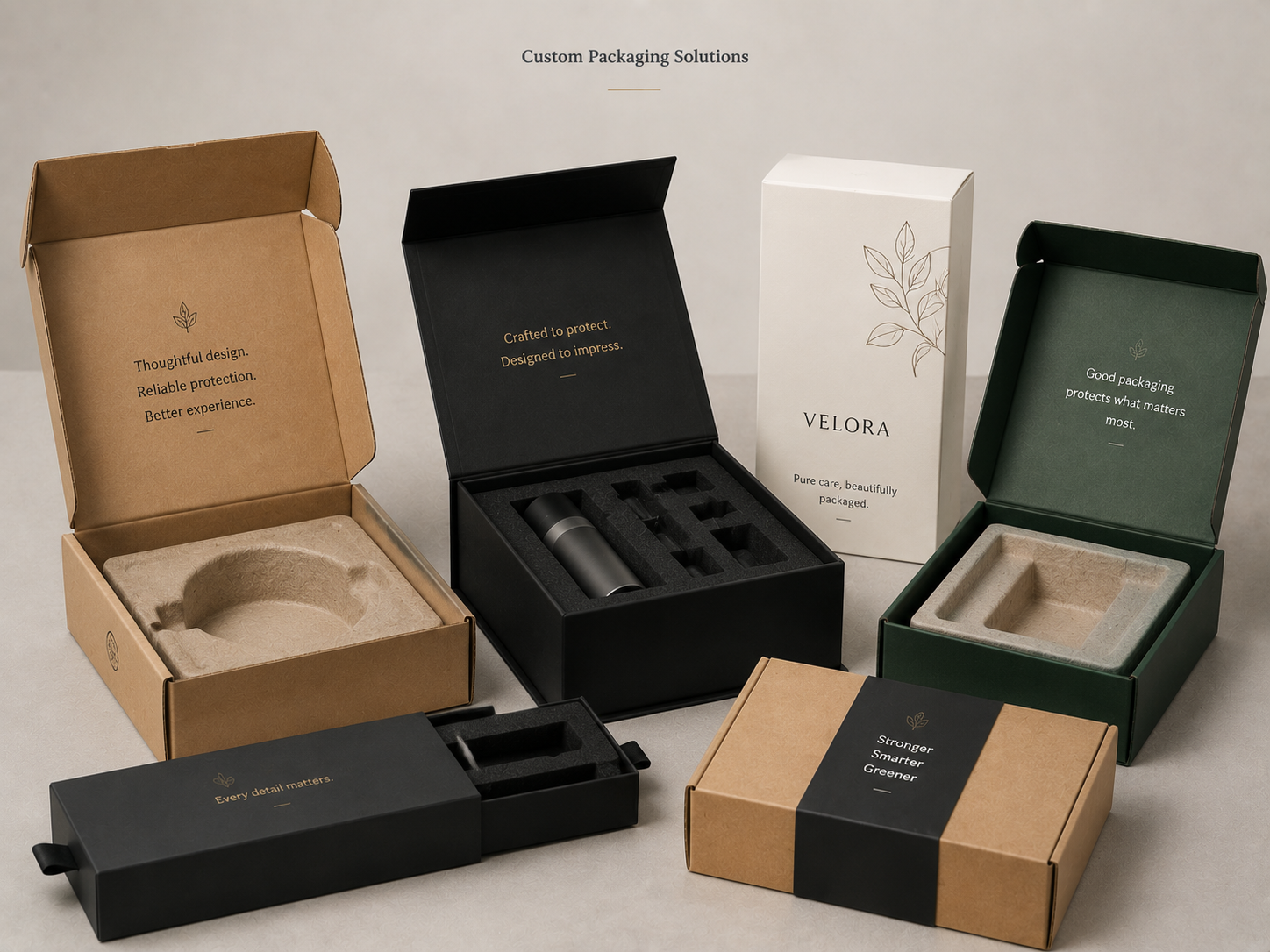
Cardboard is mainly used for retail and presentation packaging, while corrugated cardboard is used for transport and protection.
Cardboard is commonly used for:
- Folding cartons
- Cosmetic boxes
- Food packaging cartons
- Gift boxes
Corrugated cardboard is used for:
- Shipping cartons
- Moving boxes
- Warehouse storage boxes
- Industrial packaging
From a manufacturing perspective, these materials are not interchangeable.
Difference in factory production and processes
They are made differently.
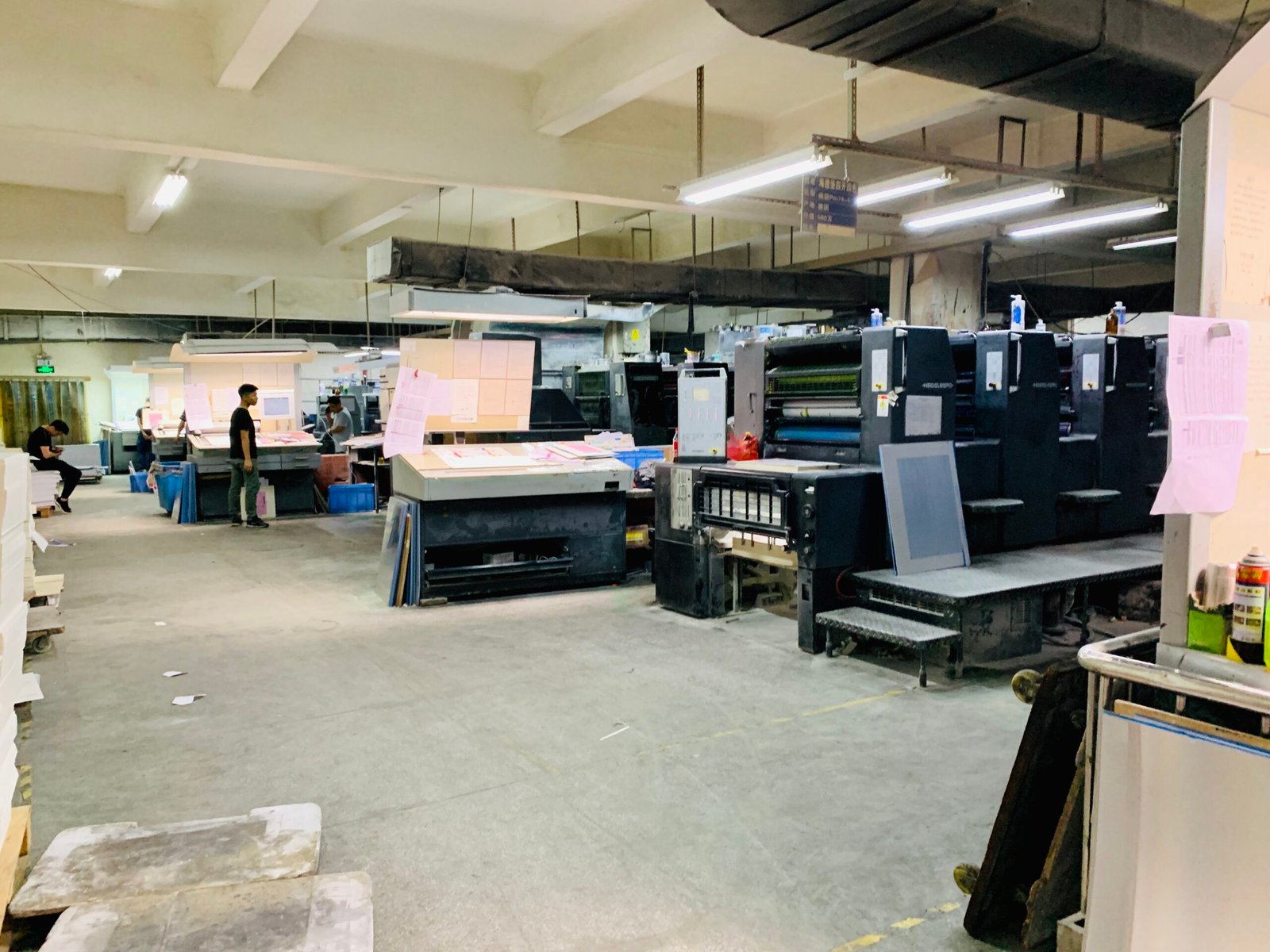
Cardboard and corrugated cardboard require different machines, workflows, and controls.
Cardboard production focuses on:
- Printing quality
- Die-cut precision
- Surface finishing
Corrugated cardboard production focuses on:
- Flute formation
- Adhesive bonding
- Moisture control
- Compression strength
From a professional manufacturer’s view, these are two separate production systems.
Difference in weight efficiency
Efficiency matters in logistics.
Corrugated cardboard achieves higher strength with less weight than solid cardboard.
Because corrugated cardboard contains air in its flutes, it is thick without being heavy. Cardboard must rely on dense fibers to increase thickness.
This is why corrugated packaging reduces transport weight while maintaining protection.
Difference in durability during transport
Handling stress separates them.
Corrugated cardboard survives drops, vibration, and stacking better than cardboard.
Cardboard tears or creases easily under repeated handling. Corrugated cardboard absorbs stress and maintains structure longer.
From factory and logistics experience, corrugated cardboard dramatically reduces damage during transport.
Difference in environmental behavior
Both are paper-based, but use differs.
Both cardboard and corrugated cardboard are recyclable, but corrugated cardboard reduces waste by preventing product damage.
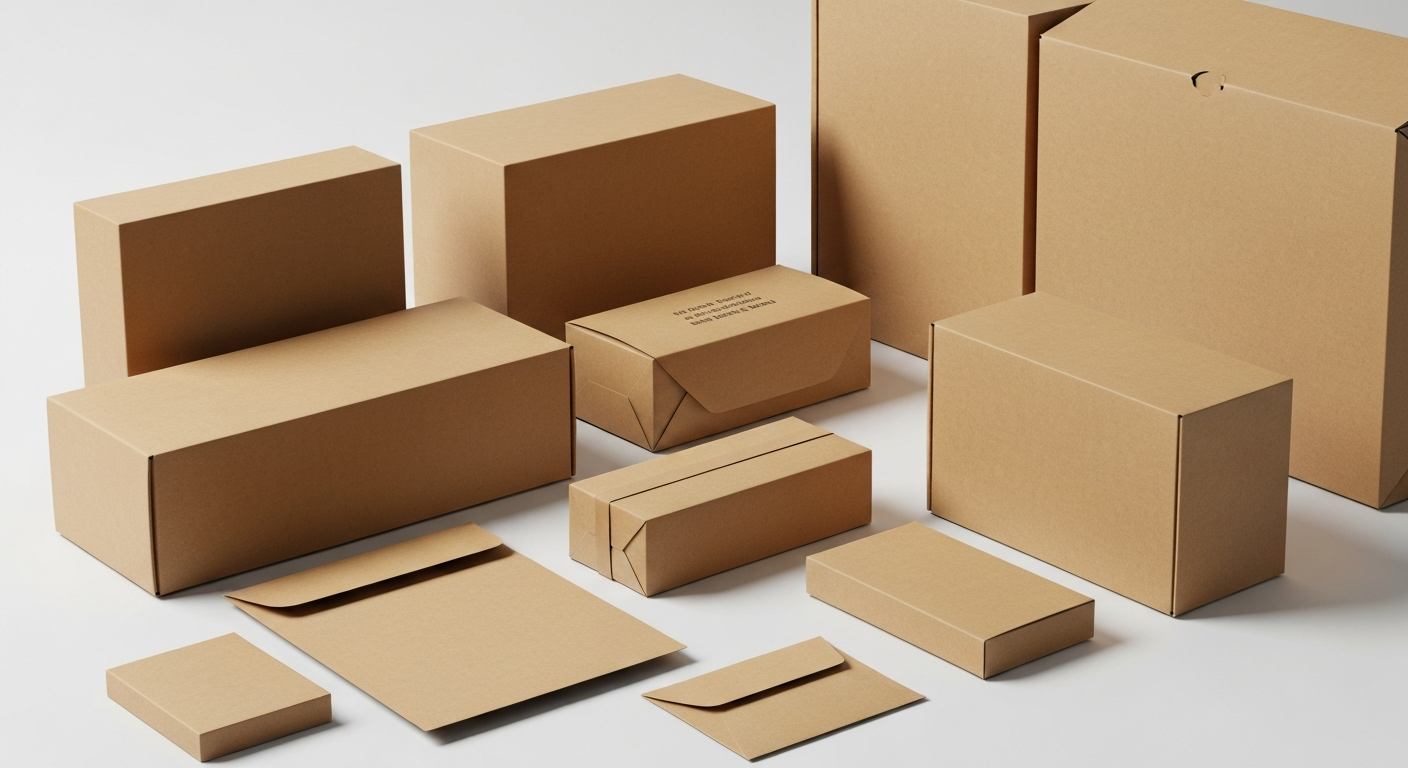
From a manufacturing perspective, preventing product damage is one of the biggest sustainability advantages. Corrugated cardboard excels here due to its protective structure.
Common misunderstanding that causes packaging failure
This happens often.
Calling everything “cardboard” hides important strength differences.
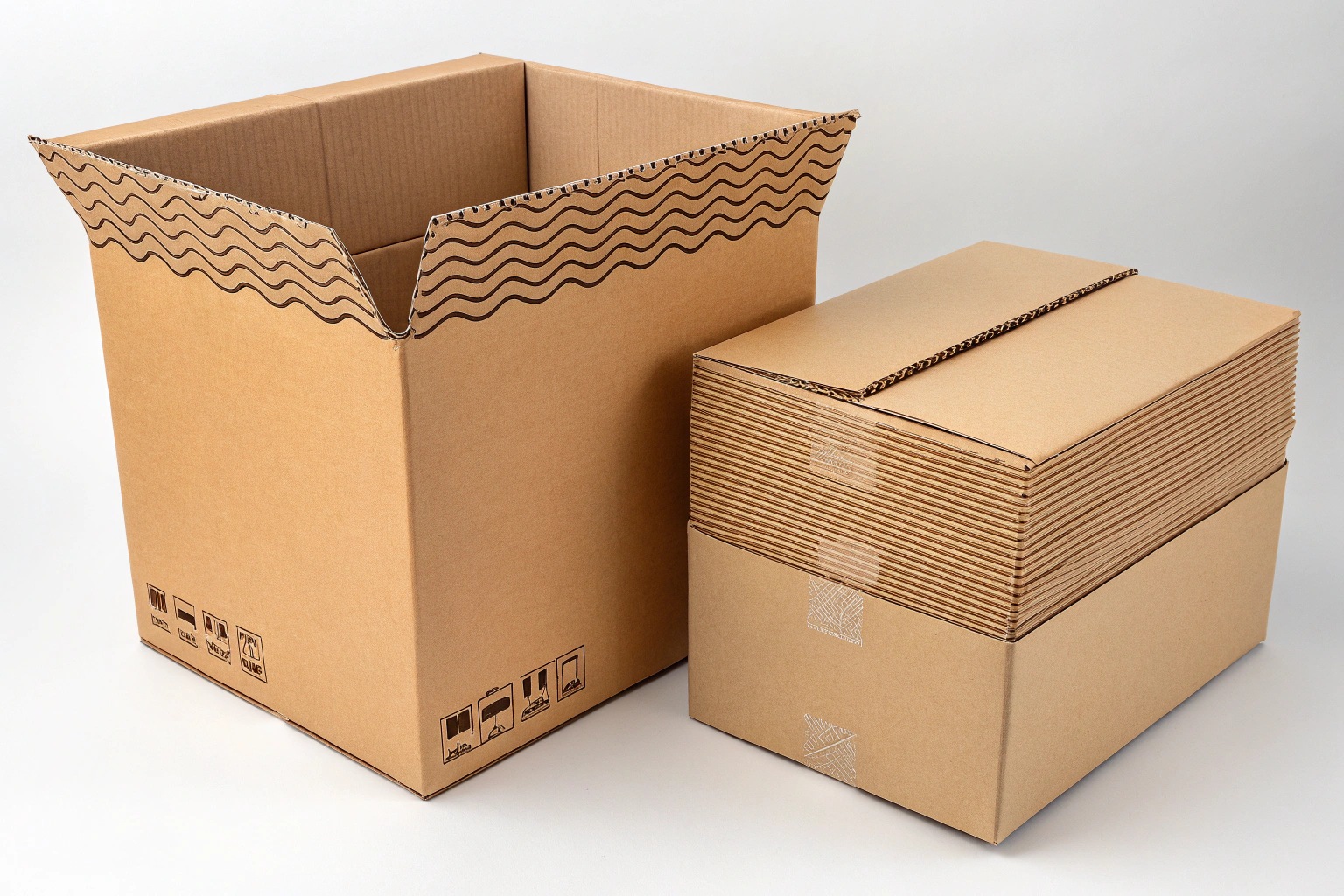
Many failures happen when solid cardboard is used where corrugated cardboard is required. The box looks fine but collapses under real conditions.
Professional packaging always specifies structure, not vague names.
How manufacturers choose between cardboard and corrugated cardboard
The choice is functional.
As a professional manufacturer, I choose cardboard for appearance and corrugated cardboard for protection.
Sometimes both are used together. A product sits in a cardboard folding carton, which is then placed inside a corrugated shipping box. This system balances branding and safety.
Correct use creates reliable packaging.
Conclusion
The difference between cardboard and corrugated cardboard lies in structure and performance. Cardboard is a solid paper-based board used for retail and presentation. Corrugated cardboard contains a fluted inner layer that provides strength, cushioning, and stacking ability for transport and storage.
As a professional packaging manufacturer, I treat these materials as different tools with different jobs. When the right material is used in the right place, packaging performs reliably, costs stay controlled, and products arrive safely.