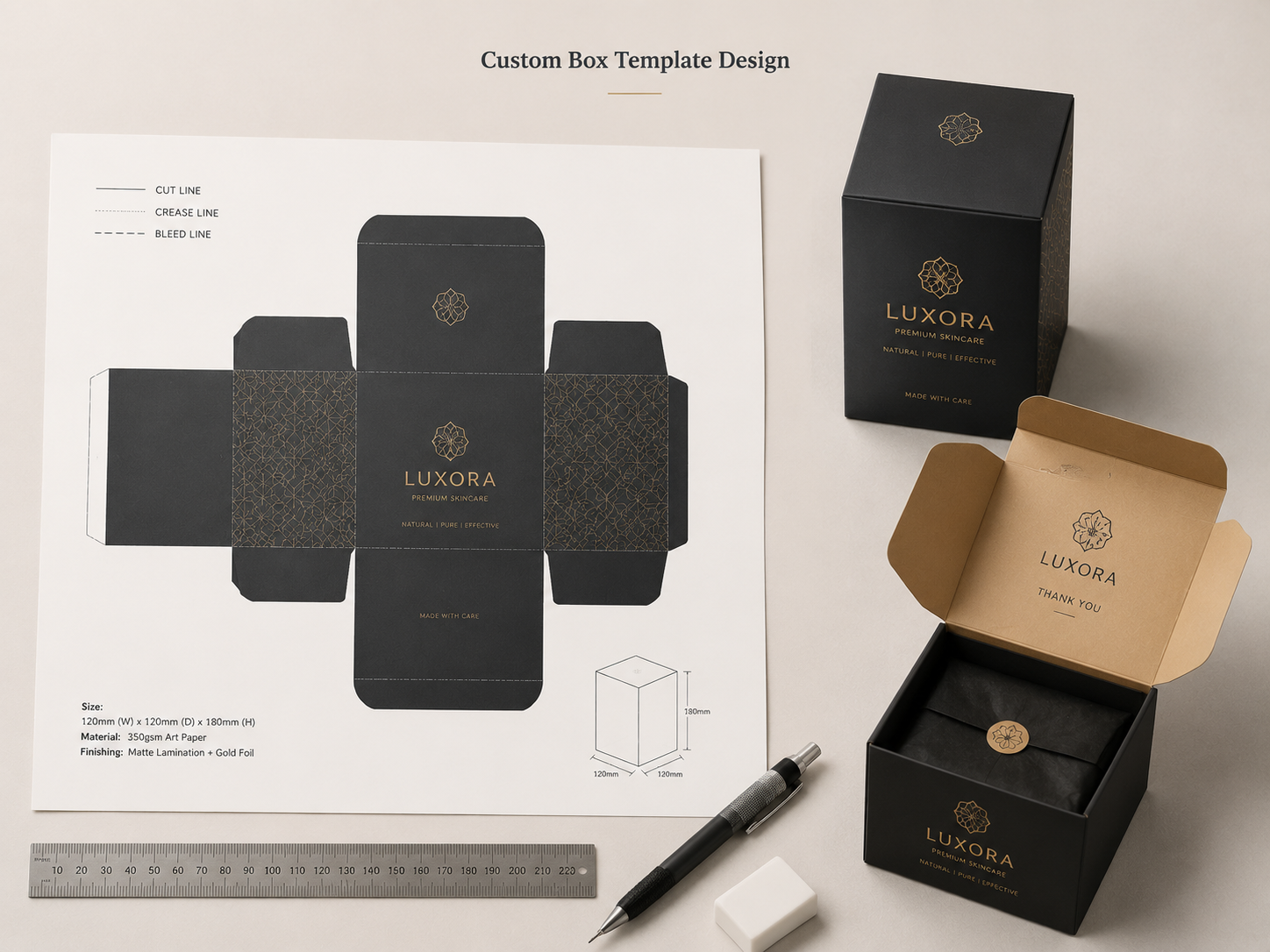
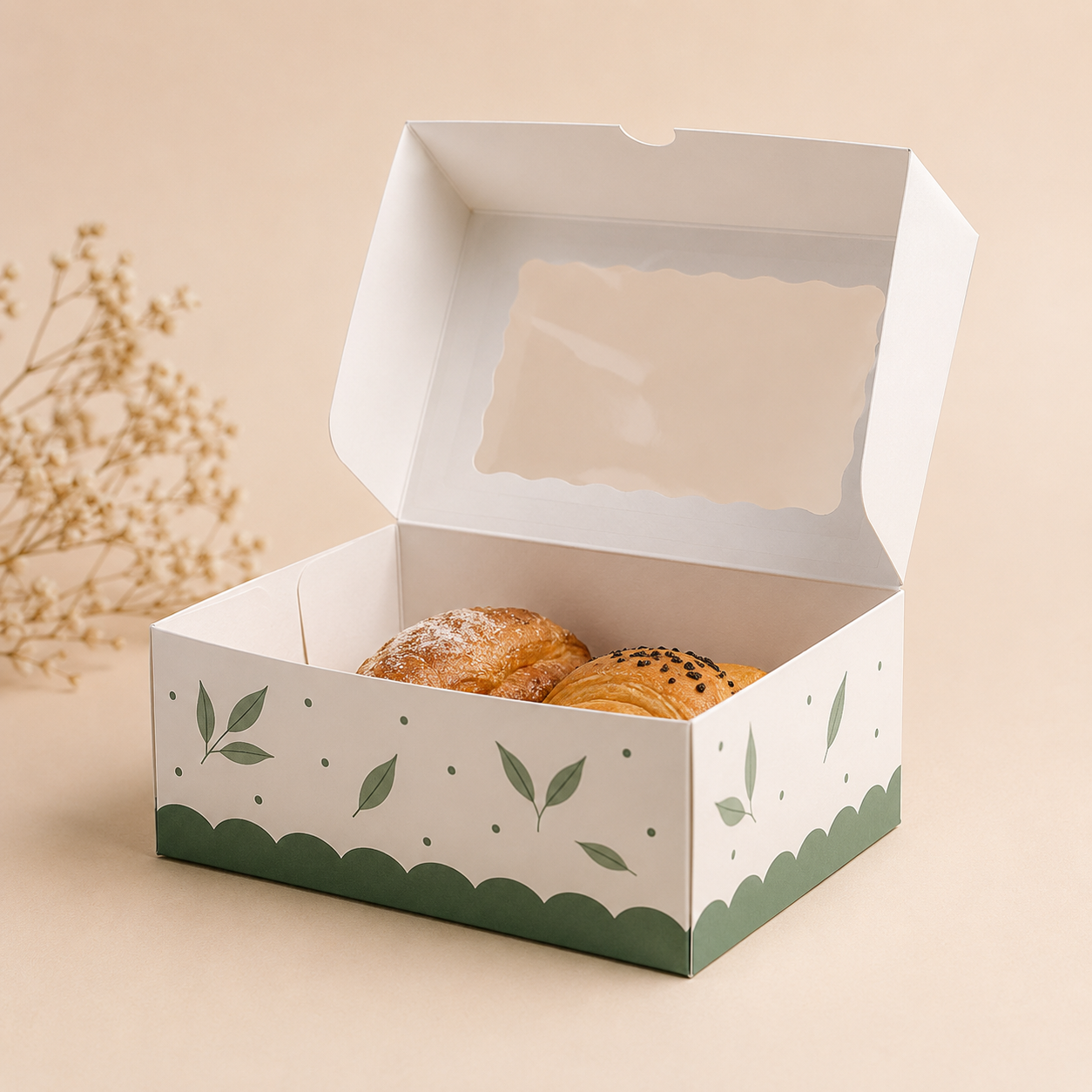
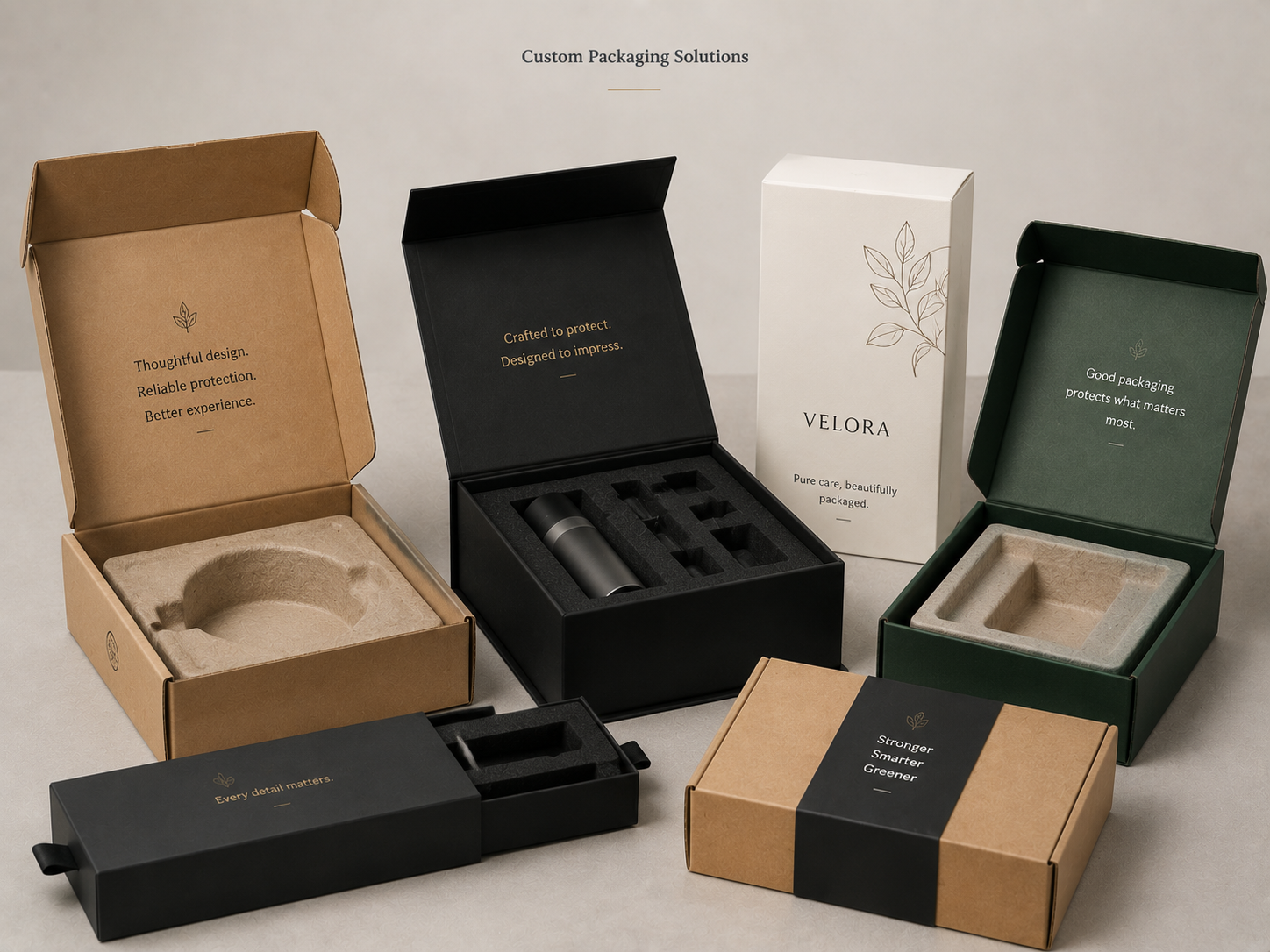
Many packaging projects fail at the material stage. The wrong board leads to weak structure, poor finishing, or rising costs. Chipboard and grey board look similar, but they behave very differently in manufacturing.
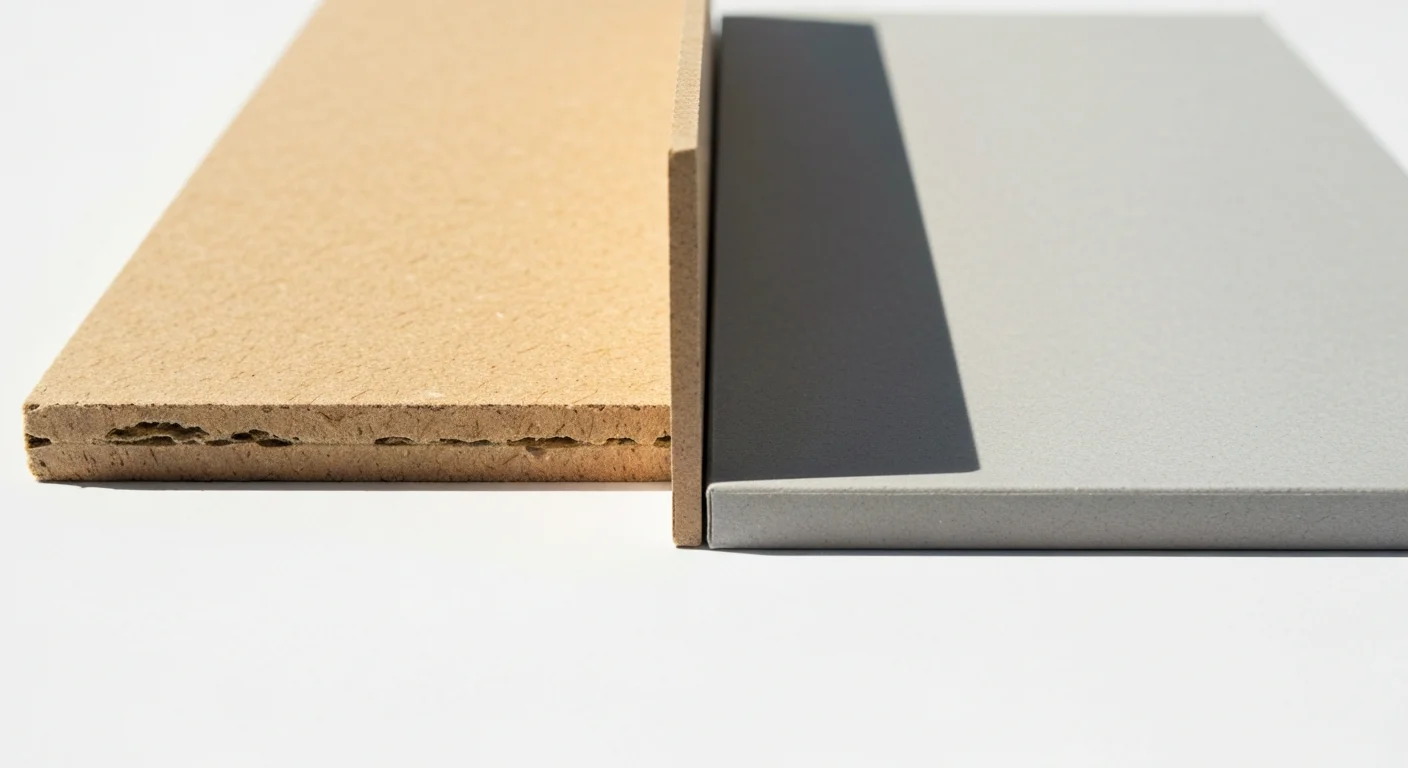
Chipboard focuses on cost efficiency and printing, while grey board focuses on structural strength and rigidity. The right choice depends on packaging purpose, not appearance.
In packaging manufacturing, these two boards are often confused. In factory production, the difference becomes very clear once printing, die-cutting, and box forming begin. Understanding this difference avoids design mistakes and production delays.
What Is Chipboard Used for in Packaging Manufacturing?
Chipboard is widely used in lightweight packaging where printing quality and cost control matter more than structure.
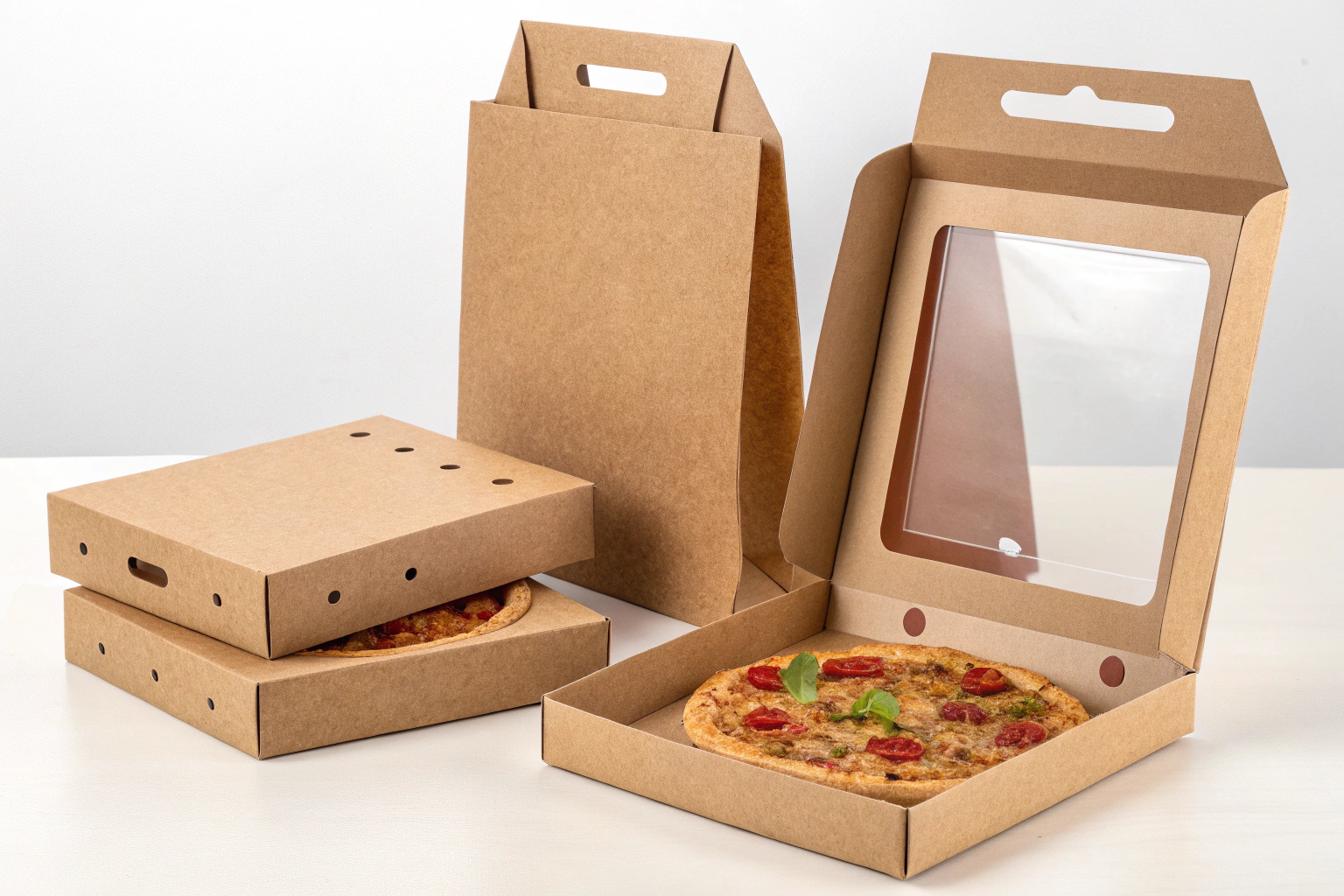
Chipboard is made from recycled paper pulp pressed into thin sheets. The surface is relatively smooth and uniform. This makes it suitable for offset printing and simple finishing processes. In factory workshops, chipboard feeds smoothly through printing machines and cutting equipment.
Typical chipboard applications include:
- Folding cartons
- Retail display boxes
- Inner packaging layers
- Paper sleeves
From a manufacturing point of view, chipboard performs well in high-speed production. Sheets are flexible and easy to crease. Die lines remain clean. Printing ink absorption is predictable.
However, chipboard lacks internal density. Once thickness increases, stability does not improve proportionally. When pressure is applied, bending occurs quickly. For this reason, chipboard is rarely used for rigid box structures.
In production testing, chipboard boxes show clear deformation under stacking load. This limits use in premium packaging or long-distance transport.
What Is Grey Board and Why Is It Structurally Stronger?
Grey board is designed for strength first, not appearance.
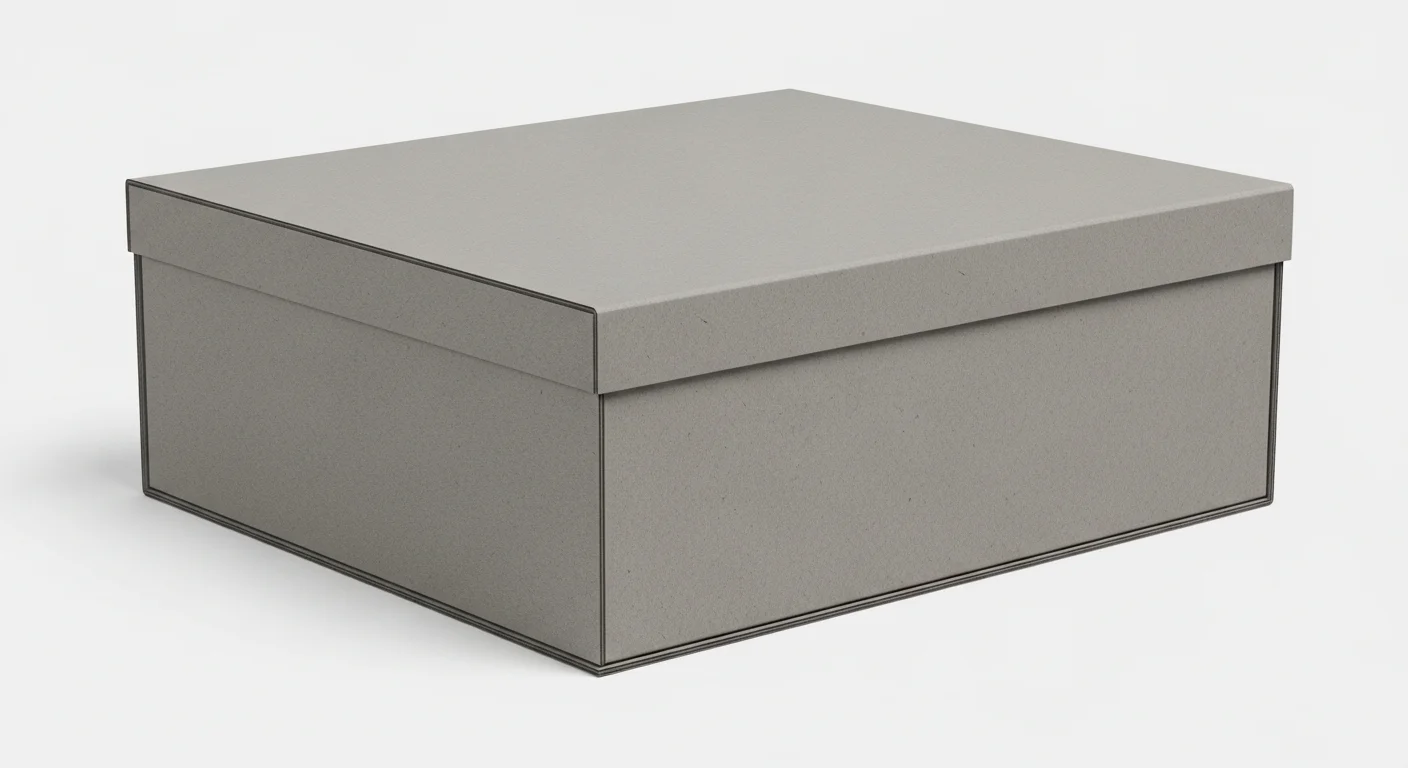
Grey board is produced by laminating multiple layers of recycled paper pulp under high pressure. This process creates a dense, rigid sheet with strong internal bonding. The surface remains rough and porous, but the core provides excellent compression resistance.
In factory settings, grey board is handled differently:
- Manual or semi-automatic forming
- Slower cutting speeds
- Higher blade pressure during die-cutting
Grey board is commonly used for:
- Rigid gift boxes
- Luxury packaging
- Book covers
- Presentation boxes
When tested in the workshop, grey board maintains shape even under high load. Corners stay square. Panels remain flat. This stability makes it ideal for premium boxes that must protect products and hold visual form.
Grey board does not perform well in direct printing. Surface roughness causes ink spread and color inconsistency. For this reason, printed paper is usually laminated onto grey board during box assembly.
How Do Chipboard and Grey Board Differ in Printing and Finishing?
Printing behavior is one of the clearest differences between these two materials.
Chipboard accepts direct printing. Offset and flexo printing can be applied directly to the surface. Color control is easier. Registration stays stable. This supports cost-effective mass production.
Grey board does not support direct printing for high-quality graphics. Ink penetration is uneven. Surface dust affects adhesion. As a result, factories avoid direct printing on grey board.
Instead, grey board packaging uses a laminated structure:
- Artwork is printed on coated paper
- The printed sheet is laminated onto grey board
- The combined sheet is die-cut and formed
This process adds steps, time, and cost. However, it allows premium finishes:
- Foil stamping
- Spot UV
- Embossing
- Soft-touch lamination
From a manufacturing control perspective, lamination also seals the grey board surface. This reduces fiber shedding and improves visual consistency.
Chipboard skips this step. That saves cost but limits premium finishing options.
What Are the Structural and Performance Differences in Real Use?
Material behavior changes once packaging leaves the factory.
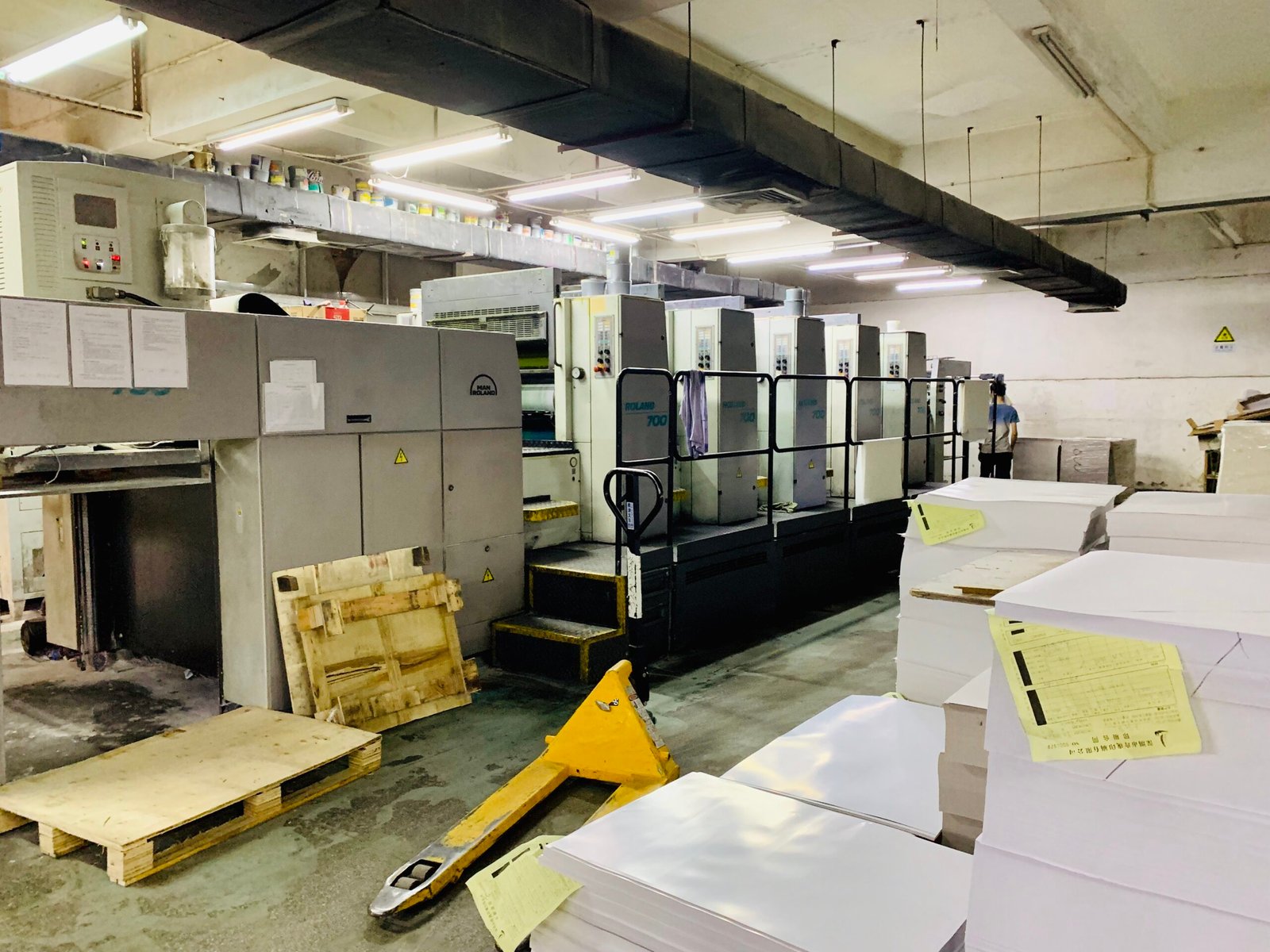
Chipboard boxes perform well in controlled environments. For lightweight products, short supply chains, and retail shelves, chipboard offers acceptable performance.
However, chipboard reacts quickly to:
- Humidity
- Compression
- Edge impact
In warehouse simulations, chipboard boxes lose stiffness when exposed to moisture. Corners soften. Panels bow. This limits use for long-term storage or export shipments.
Grey board performs better in harsh conditions. Density resists bending. Laminated surfaces protect the core from humidity. Structural integrity remains stable during stacking and transport.
From quality inspection records, rigid boxes made with grey board show lower rejection rates. Deformation issues are rare. Customer complaints related to box collapse are minimal.
This difference explains why premium brands consistently choose grey board despite higher material and labor costs.
How Do Factories Choose Between Chipboard and Grey Board?
Material selection begins at the factory, not at the design stage alone.
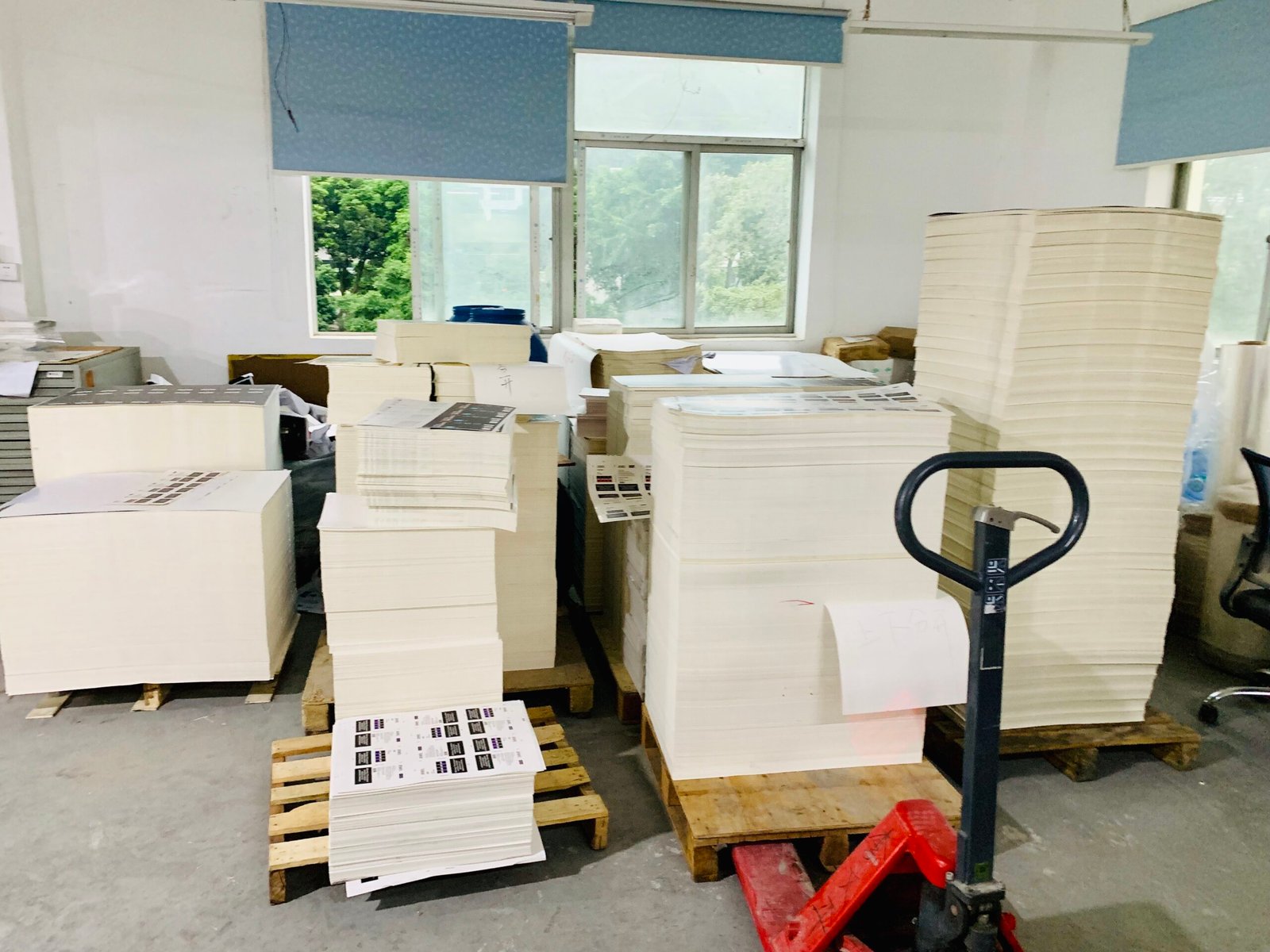
When evaluating a project, production teams review:
- Product weight
- Box size
- Shipping distance
- Display requirements
- Target price range
Chipboard is selected when:
- Speed matters
- Cost control is strict
- Printing dominates visual value
Grey board is selected when:
- Structure defines quality
- Long-term shape retention matters
- Premium perception is required
Factory workshops adjust equipment and labor based on this choice. Grey board projects involve more handwork. Corner wrapping, edge folding, and alignment checks increase labor time.
Quality control checkpoints differ as well. Chipboard focuses on print accuracy and cutting tolerance. Grey board focuses on squareness, edge tightness, and lamination adhesion.
These production realities explain price differences between folding cartons and rigid boxes.
How Does Material Choice Affect Sustainability and Compliance?
Both chipboard and grey board are commonly made from recycled paper. Sustainability performance depends more on structure and finishing than on core material.
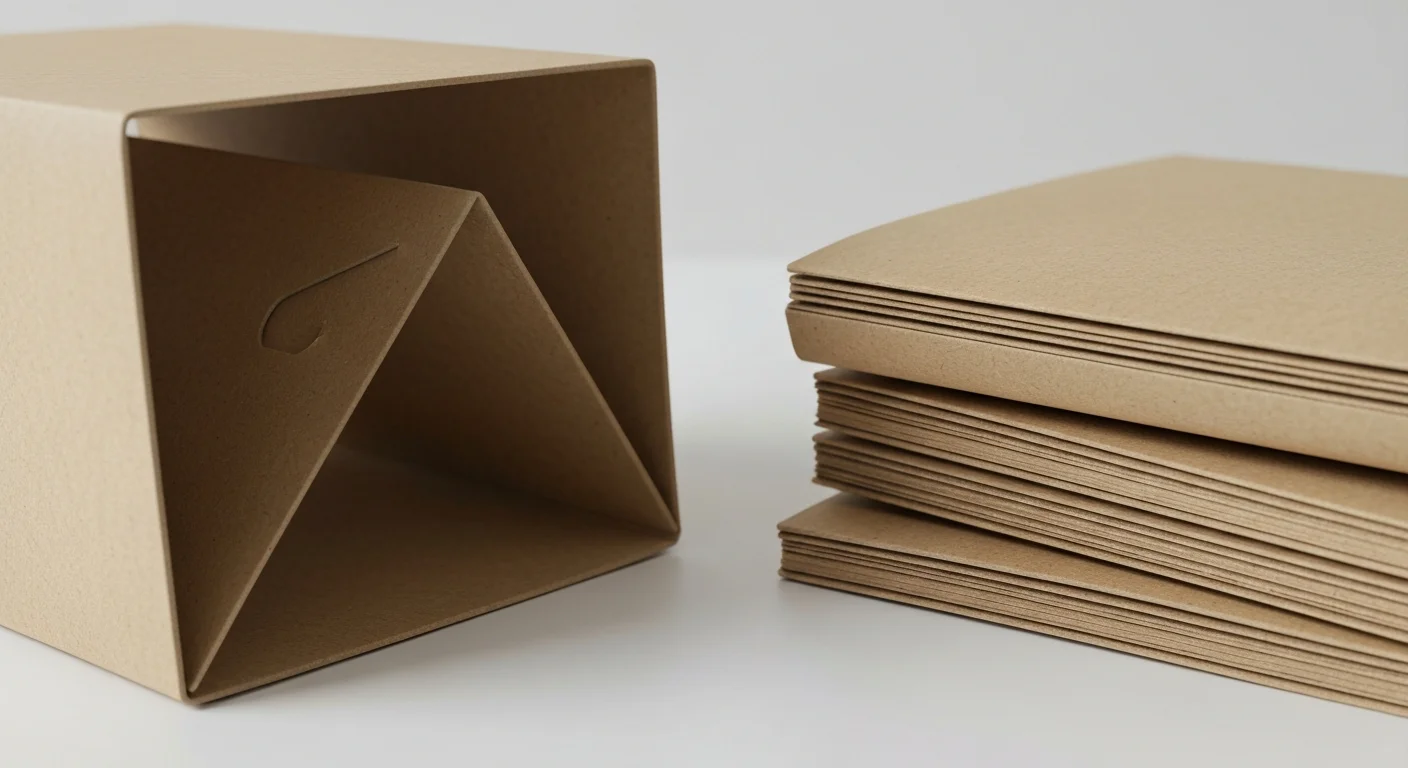
Chipboard uses less material per unit. This reduces raw material consumption. However, shorter lifespan often leads to faster disposal.
Grey board uses more material and energy during production. But longer durability supports reuse and premium product cycles.
From factory audits, sustainability evaluation includes:
- FSC-certified paper sources
- Adhesive types
- Lamination materials
- Waste recovery systems
Grey board packaging often integrates FSC-certified paper wraps. Chipboard can also meet FSC standards when sourced correctly.
Material choice alone does not determine environmental impact. Design efficiency and production control matter just as much.
Conclusion
Chipboard and grey board serve very different roles in packaging manufacturing. Chipboard supports cost-efficient printing and fast production. Grey board delivers structural strength and premium presentation. Choosing correctly aligns material behavior with product value, logistics demands, and long-term brand perception.