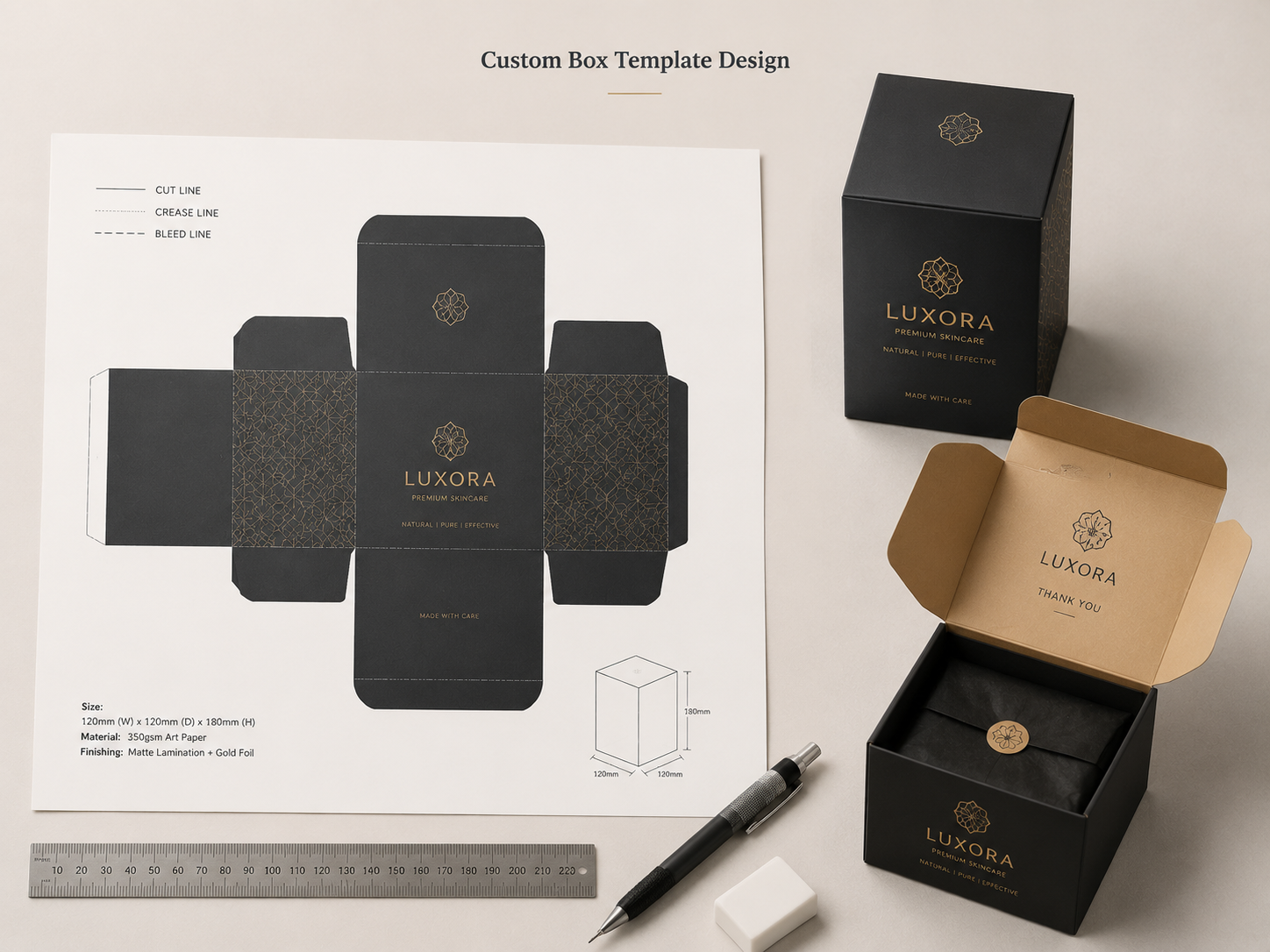
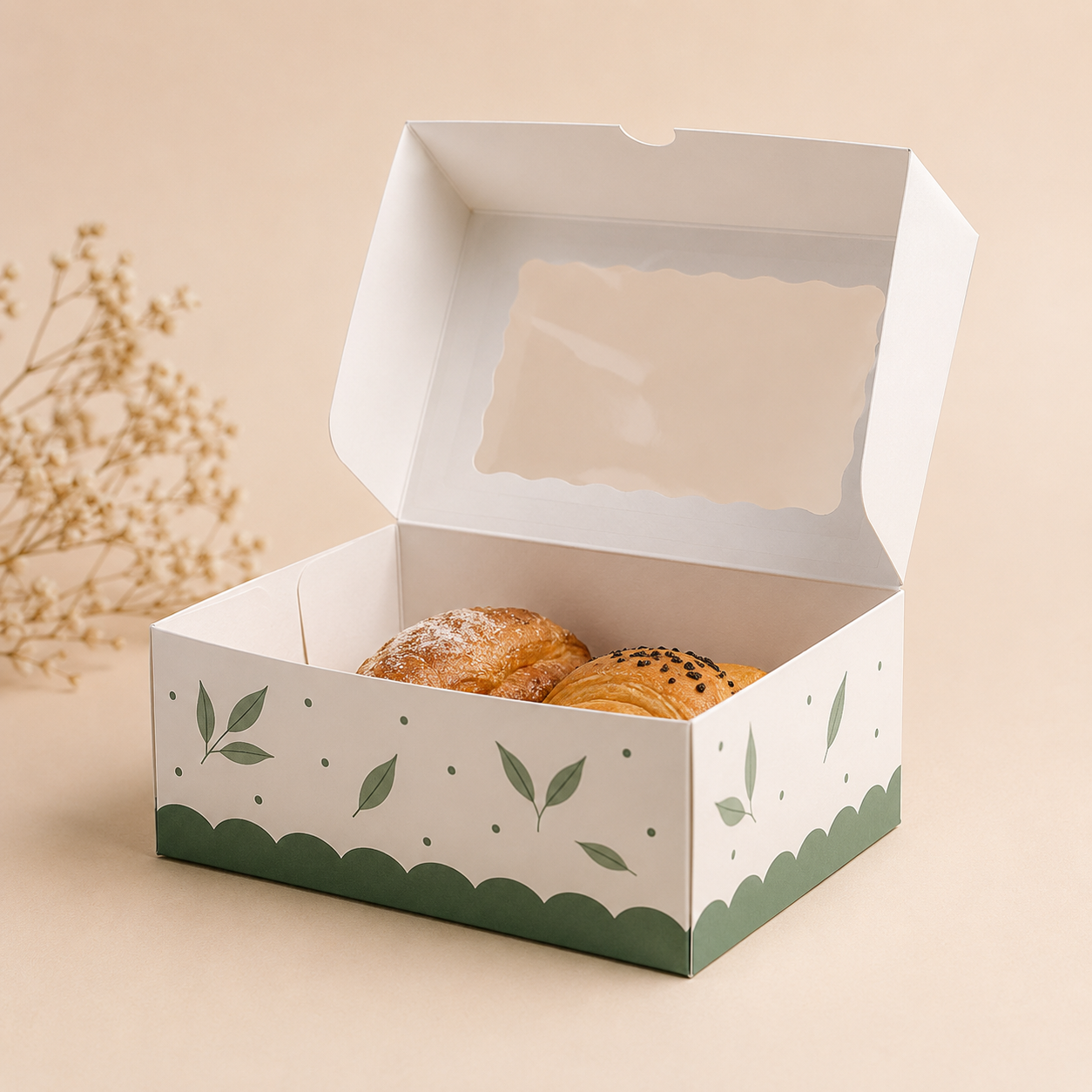
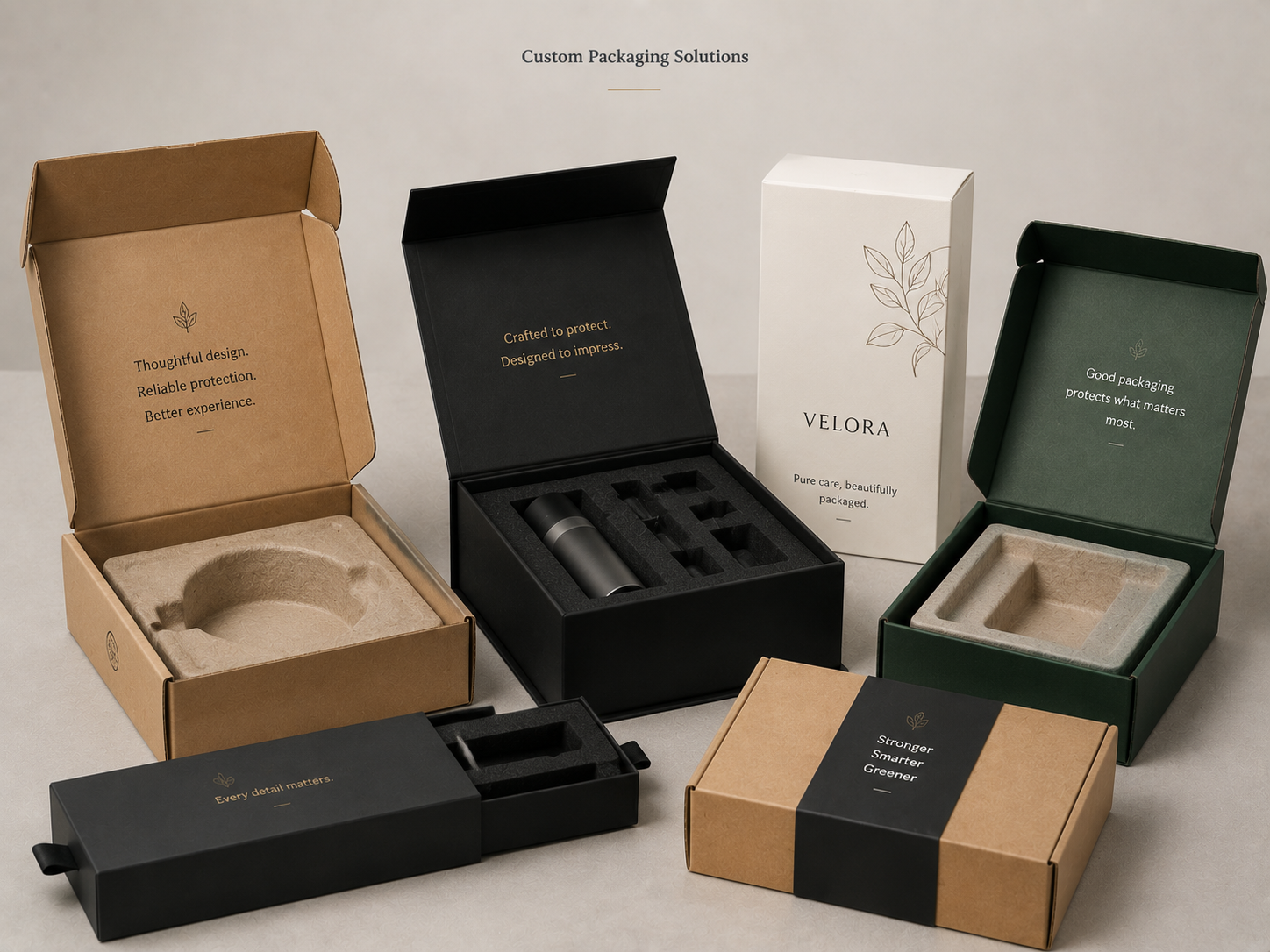
Many packaging projects run into problems because similar paper terms are treated as the same material. Kraft board and cardstock look comparable on the surface, but they perform very differently in production.
Kraft board and cardstock are not the same. Kraft board focuses on strength and fiber length, while cardstock focuses on smoothness, print quality, and flexibility.
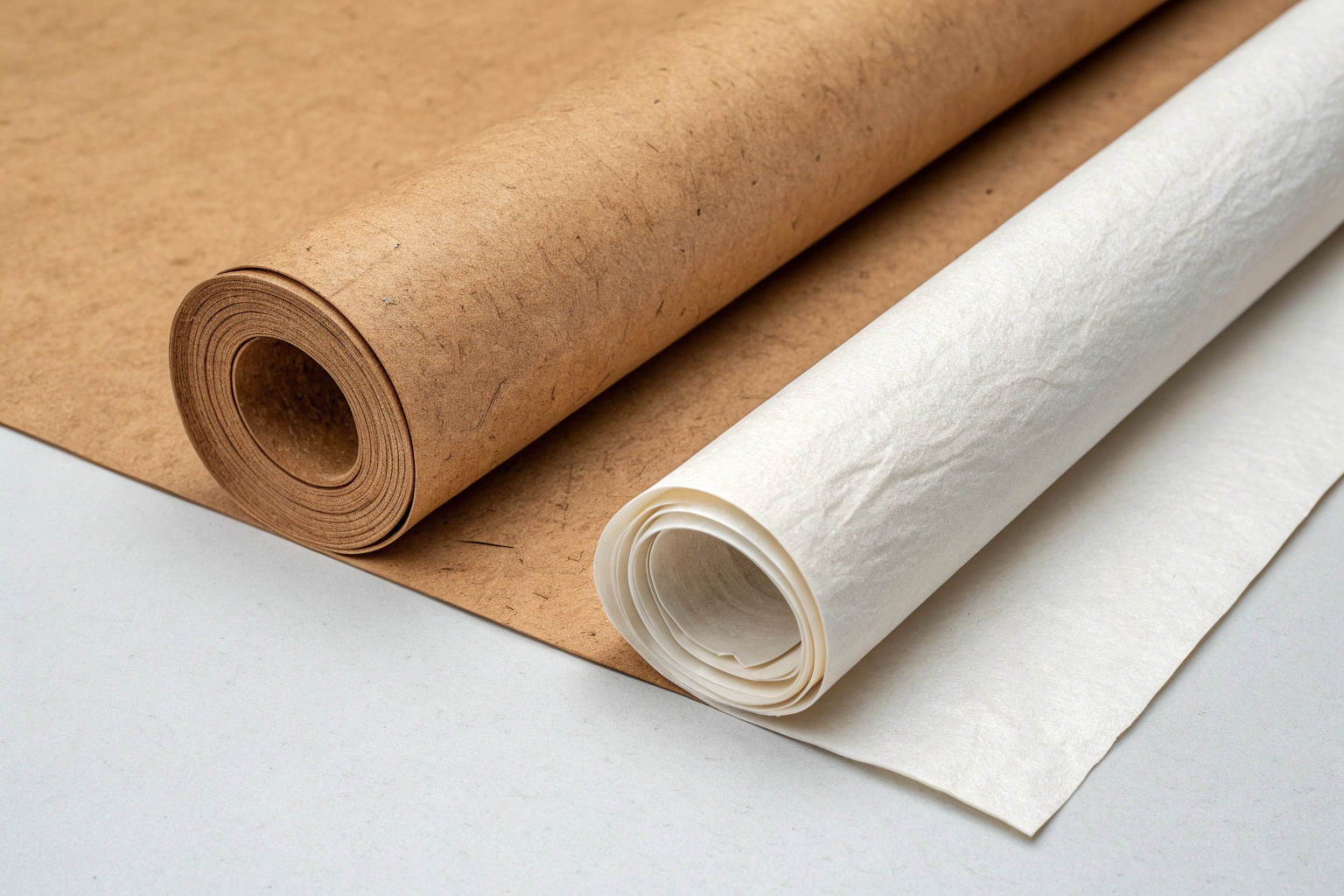
In packaging manufacturing, confusing these two materials often leads to weak structure, unstable printing, or higher defect rates. Understanding the difference helps ensure packaging performs correctly from factory floor to final delivery.
What Is Cardstock in Packaging Manufacturing?
Cardstock is a general term for thick paper used mainly for printing and light packaging.
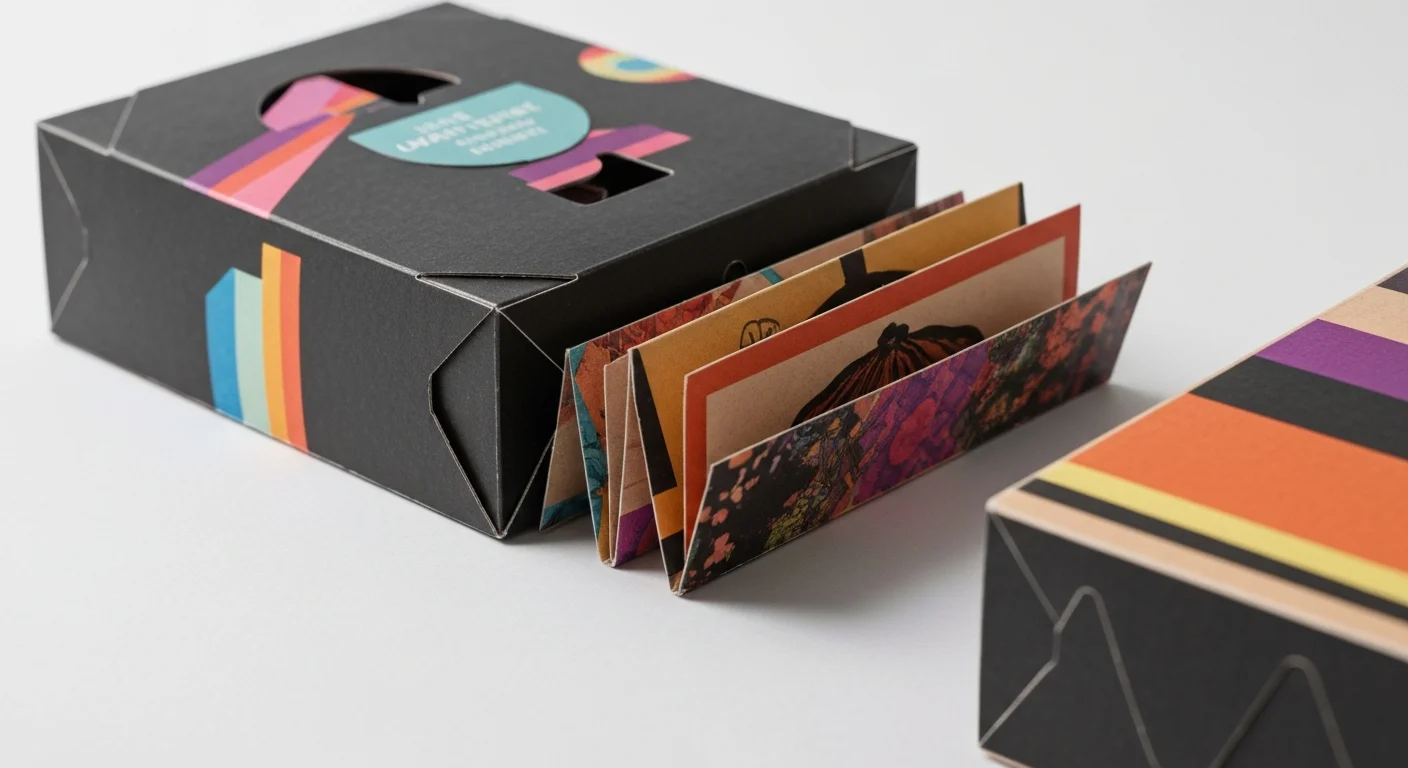
Cardstock is typically made from processed paper pulp with shorter fibers. The surface is smooth and uniform. This makes it suitable for high-quality printing and detailed graphics. In factory printing lines, cardstock runs cleanly through offset presses with stable color reproduction.
Common uses of cardstock include:
- Folding cartons
- Product sleeves
- Inserts and instruction cards
- Promotional packaging
From a production point of view, cardstock is easy to crease and fold. Die-cut edges stay clean. Glue adhesion is predictable. These features support high-speed automated production.
However, cardstock offers limited structural strength. Increasing thickness improves stiffness only to a point. Under pressure, bending and panel deformation occur quickly. For this reason, cardstock is not used for heavy products or premium rigid packaging.
In factory load tests, cardstock cartons show early failure when stacking height increases.
What Is Kraft Board and How Is It Different?
Kraft board is produced using the kraft pulping process, which preserves long paper fibers.
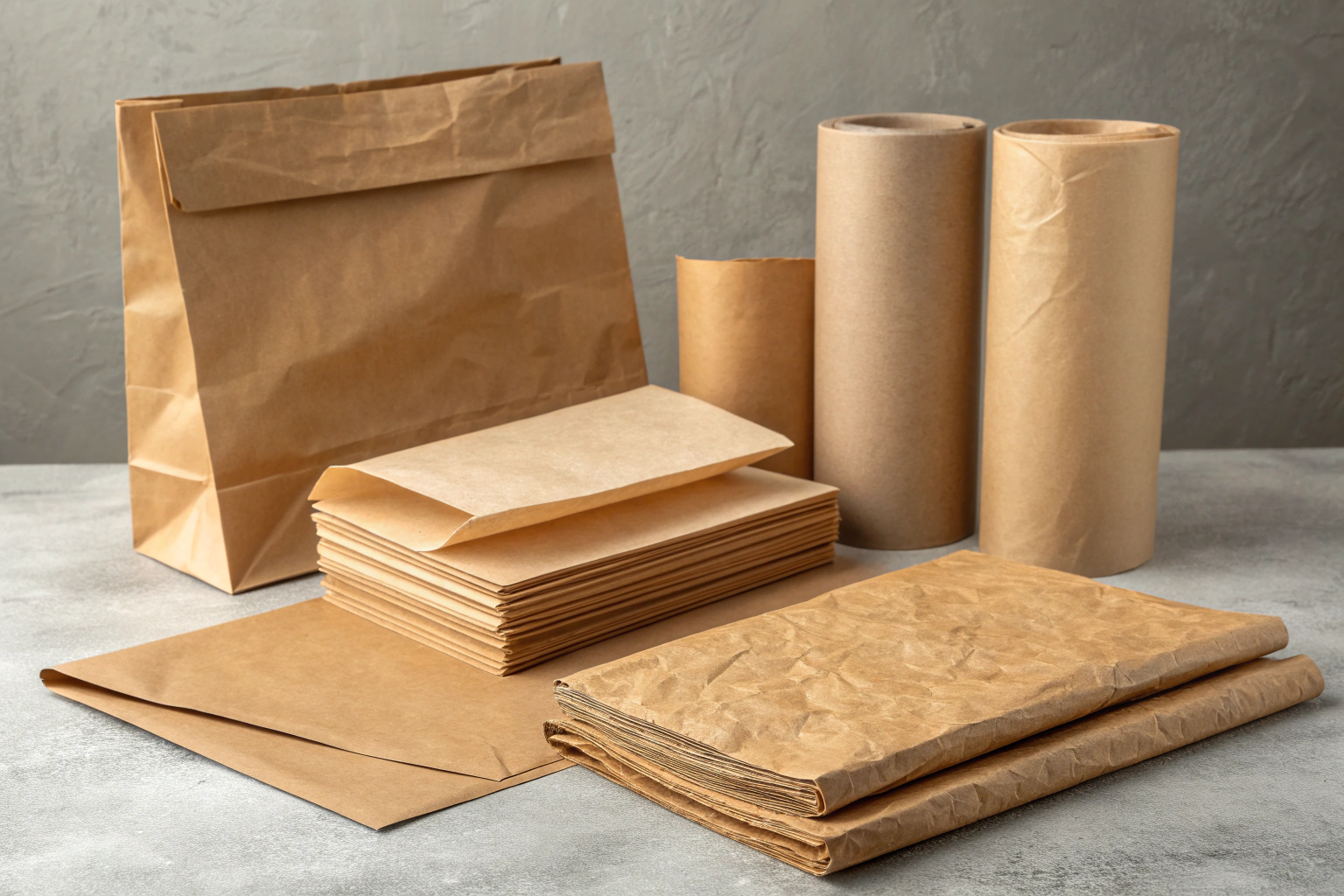
These long fibers create higher tensile strength and tear resistance. Kraft board feels tougher and more elastic compared to standard cardstock. Even at similar thickness, kraft board resists tearing and edge damage more effectively.
In manufacturing workshops, kraft board behaves differently:
- Higher resistance during die-cutting
- Stronger creases that hold shape
- Better performance under compression
Kraft board is commonly used for:
- Kraft folding boxes
- Mailer boxes
- Corrugated liners
- Heavy-duty cartons
The surface of kraft board is less smooth than cardstock. Ink absorption is higher. Colors appear darker and more muted. This limits fine-detail printing but supports a natural, functional appearance.
From factory experience, kraft board handles transport stress better than cardstock. This makes it suitable for shipping-focused packaging rather than display-focused packaging.
How Do Kraft Board and Cardstock Compare in Strength?
Strength difference is one of the most important distinctions.
Cardstock strength depends mainly on thickness. Once thickness increases beyond a certain point, flexibility decreases but internal bonding remains limited.
Kraft board strength comes from fiber length and bonding. Even thinner kraft board can outperform thicker cardstock in tear and edge resistance.
In compression testing:
- Cardstock panels bend under load
- Kraft board panels resist deformation longer
In drop testing:
- Cardstock corners collapse easily
- Kraft board corners recover shape
This difference directly affects packaging reliability during storage and shipping. Factories often reject cardstock for packaging that must survive long-distance transport or stacking.
Kraft board provides a safety margin that cardstock cannot offer.
How Do Printing and Finishing Differ Between the Two?
Printing performance separates these materials clearly.
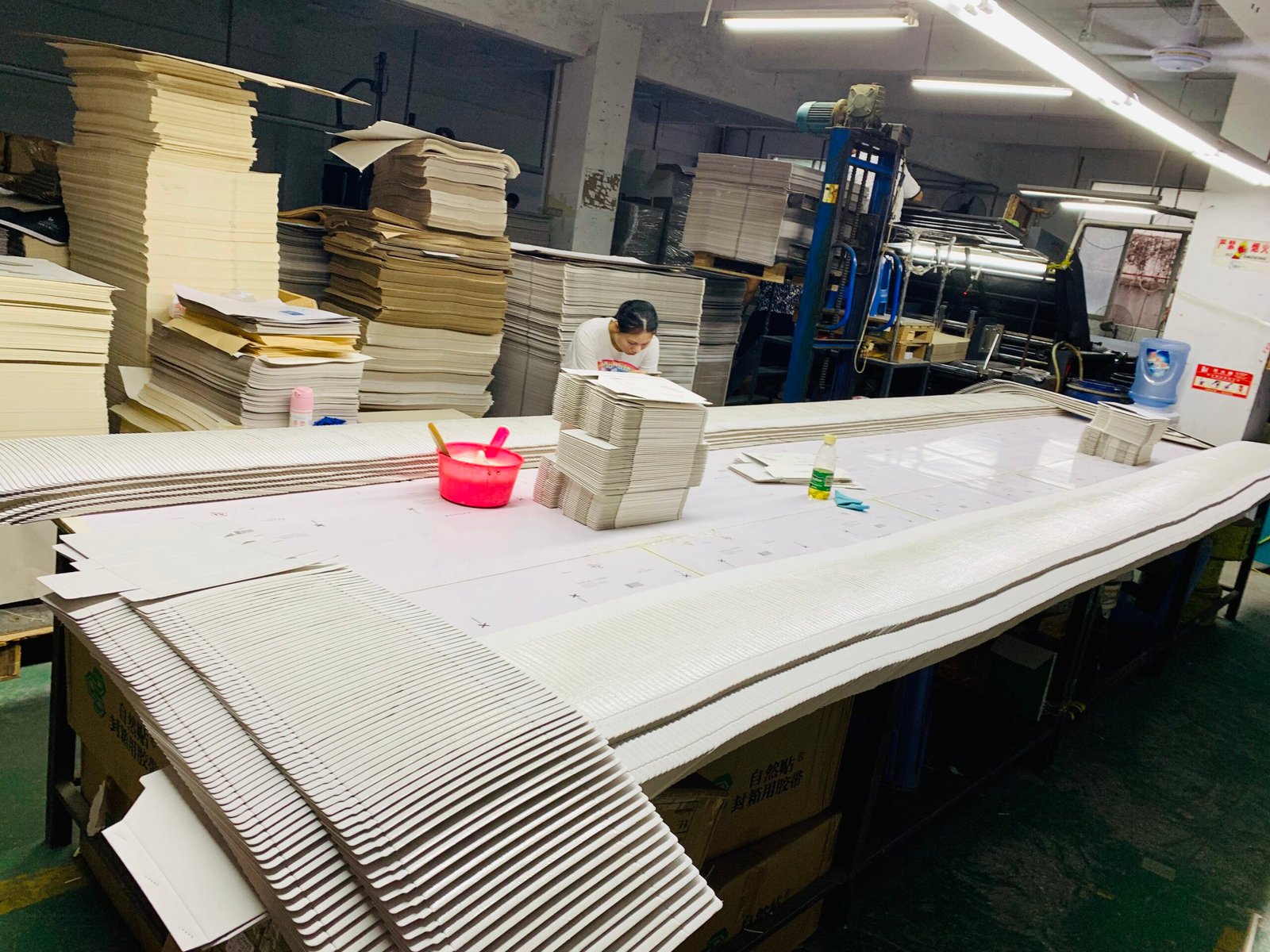
Cardstock supports:
- High-resolution offset printing
- Bright color reproduction
- Fine text and small graphics
Kraft board absorbs ink unevenly. Light colors lose contrast. Detailed images soften. Printing must be simplified.
In factory production, finishing options differ as well:
- Cardstock works well with UV, embossing, and lamination
- Kraft board works best with simple printing, foil stamping, and blind embossing
When premium appearance is required, kraft board is often laminated with printed paper. This adds cost and process steps but improves visual control.
Cardstock usually skips lamination, keeping production fast and economical.
Printing and finishing decisions must match material behavior to avoid quality issues.
How Do Factories Choose Between Kraft Board and Cardstock?
Material selection begins with product requirements, not appearance.
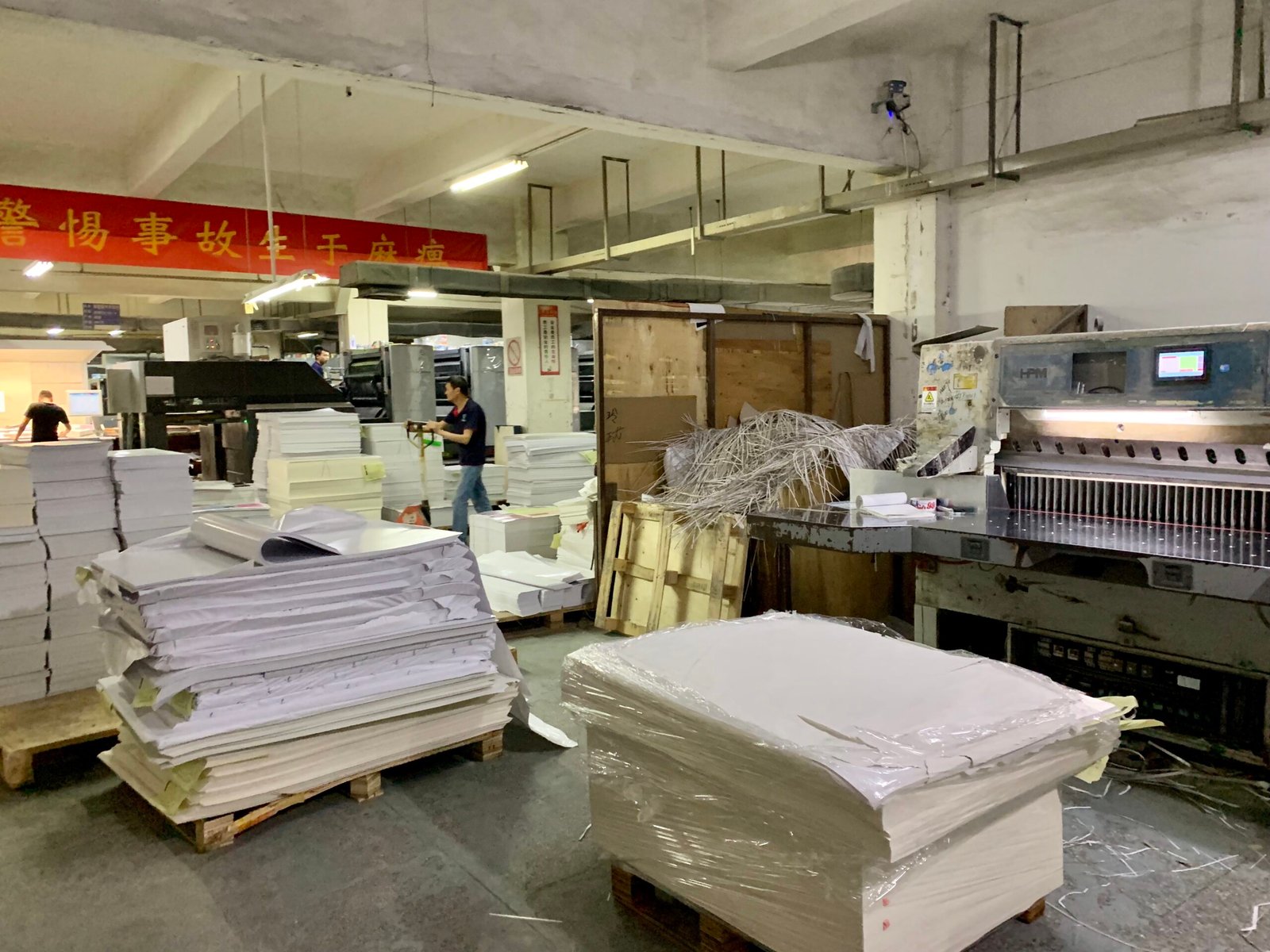
Factories evaluate:
- Product weight
- Shipping distance
- Box size
- Required shelf appearance
- Budget limits
Cardstock is chosen when:
- Printing quality is the top priority
- Products are lightweight
- Production speed matters
Kraft board is chosen when:
- Strength and durability matter
- Packaging faces shipping stress
- A natural or sustainable image is desired
Factory workflows differ as well. Kraft board projects may require slower cutting speeds and stronger creasing rules. Cardstock projects focus more on print accuracy and registration.
Choosing the wrong material increases defect rates and rework cost.
How Do Sustainability and Compliance Compare?
Both materials can support sustainability goals when sourced correctly.

Cardstock often uses recycled pulp and coated surfaces. Some coatings affect recyclability. Compliance depends on coating type and adhesive choice.
Kraft board is usually uncoated or lightly coated. This improves recyclability and reduces chemical processing. FSC-certified kraft board is widely available.
From factory audits, kraft board performs well in environmental evaluations due to simpler material composition.
Sustainability performance depends on system control, not just material name. Certified sourcing and efficient production matter more than terminology.
Conclusion
Kraft board and cardstock may appear similar at first glance, but they serve very different roles once packaging enters real production and real use. Cardstock is built for visual performance. It supports clean printing, fast converting, and efficient mass production. It works best for lightweight products, retail display, and packaging where appearance matters more than load-bearing strength. When used within its limits, cardstock delivers stable quality and predictable cost.
Kraft board is built for physical performance. Long fibers, higher tear resistance, and better edge strength allow it to survive handling, stacking, and transport stress. It is chosen not because it looks refined, but because it performs reliably. In manufacturing, kraft board tolerates pressure, folding, and compression far better than cardstock. This makes it suitable for shipping boxes, mailer boxes, and packaging that must protect products beyond the retail shelf.
From a factory perspective, the difference is not theoretical. It shows up in cutting resistance, crease behavior, defect rates, and customer feedback after delivery. Choosing the wrong material often leads to deformation, damage complaints, or repeated redesigns. Choosing the right material creates stable production, predictable quality, and long-term consistency.
Material selection should always start from product weight, logistics conditions, and expected lifecycle. Visual design can be adjusted later. Structural failure cannot. Understanding the real difference between kraft board and cardstock helps packaging projects move from short-term solutions to long-term, reliable systems that support product value, supply stability, and consistent manufacturing results.