Kraft paper looks simple. Many assume it is all the same. In real production, different kraft papers behave very differently in strength, cost, and printing.
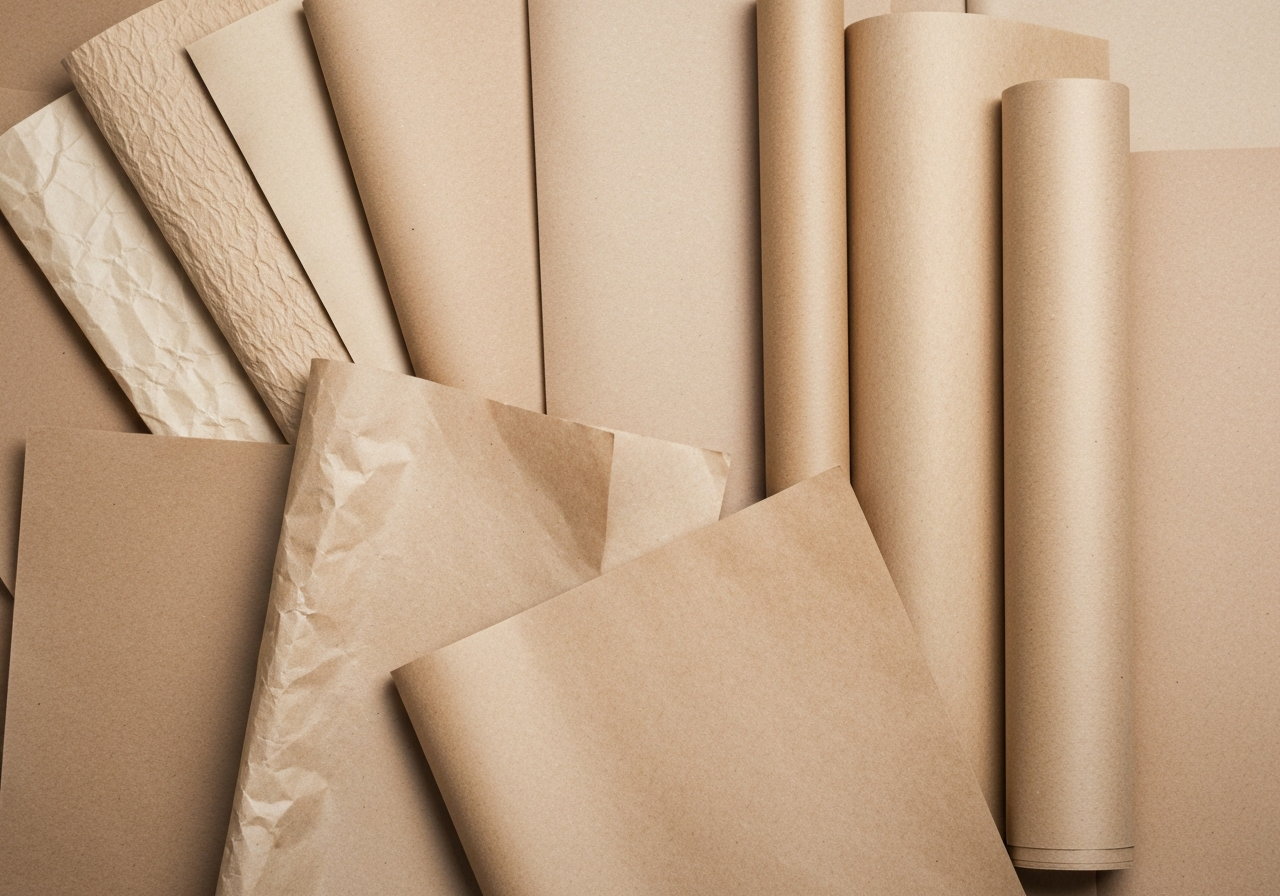
Kraft paper includes several types such as virgin kraft, recycled kraft, white kraft, testliner, and specialty kraft, each designed for different strength, appearance, and cost needs in packaging.
In packaging manufacturing, kraft paper is not chosen by color alone. Fiber source, processing method, and surface treatment all affect how a box performs. Understanding these differences helps explain why some boxes stack well, print cleanly, and ship safely, while others fail early.
Is Virgin Kraft Paper the Strongest Option?
Virgin kraft paper is often linked with high strength and stability.
Virgin kraft paper is made from fresh wood pulp and offers high tear resistance, compression strength, and fiber consistency.
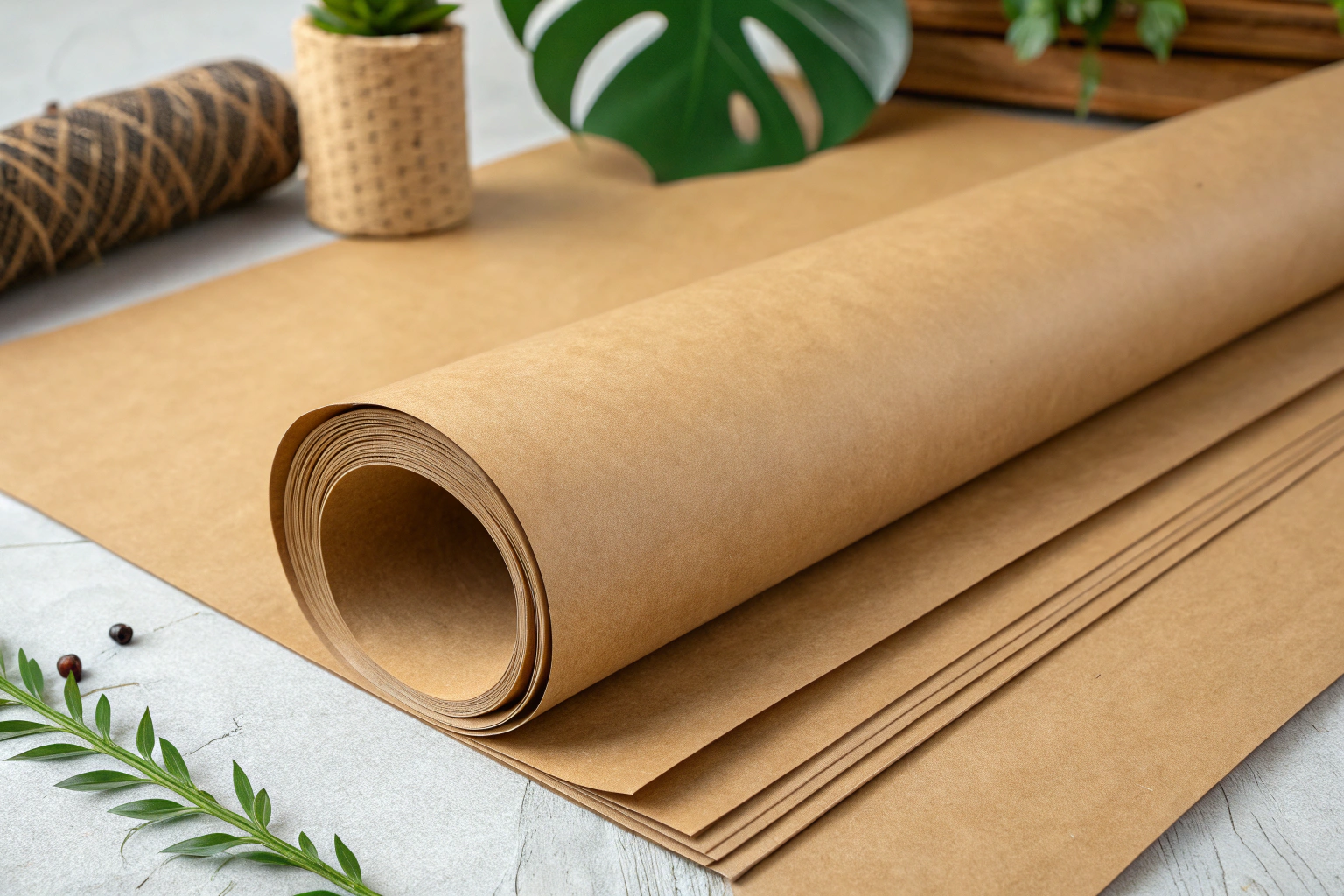
Virgin kraft paper uses long wood fibers that have not been recycled. These fibers bond tightly and recover well after stress. In corrugated packaging, virgin kraft is commonly used as the outer liner when strength and appearance matter.
In the factory, virgin kraft performs well on high-speed corrugators. Fiber consistency reduces paper breaks and improves run stability. This directly lowers waste and improves output efficiency.
Virgin kraft also handles moisture better than recycled paper. This makes it suitable for export packaging, long-distance shipping, and humid environments. Printing quality is stable, with fewer ink absorption issues.
The trade-off is cost. Virgin kraft is more expensive due to raw pulp pricing. For this reason, it is often used selectively, such as only on the outer liner, while inner layers use recycled materials to balance performance and cost.
How Does Recycled Kraft Paper Differ?
Recycled kraft paper focuses on sustainability and cost control.
Recycled kraft paper is made from recovered paper fibers and is widely used for transport and industrial packaging.
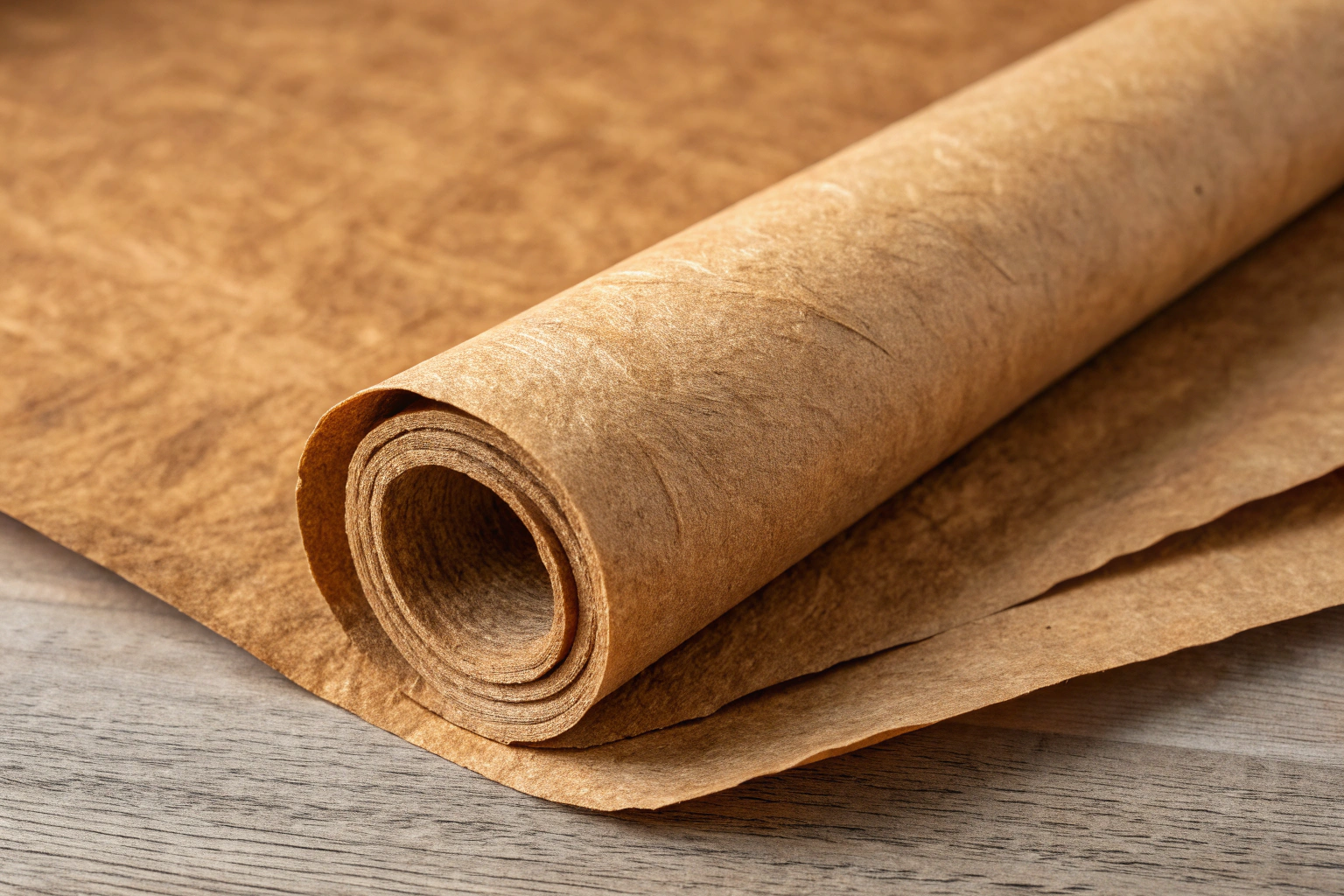
Recycled kraft paper uses fibers collected from used cartons and paper waste. These fibers are cleaned, pulped, and reprocessed. Over time, fibers shorten, which reduces strength compared to virgin kraft.
In manufacturing, recycled kraft works well when properly engineered. It performs reliably for shipping cartons, pallet boxes, and inner liners. Compression strength depends heavily on paper formulation and flute design.
Recycled kraft supports environmental goals and reduces material cost. Many packaging projects use recycled kraft for inner liners while keeping virgin kraft outside for appearance and protection.
Quality control is critical. Moisture content and fiber mix must stay stable. Inconsistent recycled paper leads to warping, weak bonding, and printing defects. Strong supplier control and in-house testing help maintain performance.
What Is White Kraft Paper Used For?
White kraft paper focuses on appearance and branding.
White kraft paper is bleached or coated kraft paper designed for clean printing and premium visual presentation.
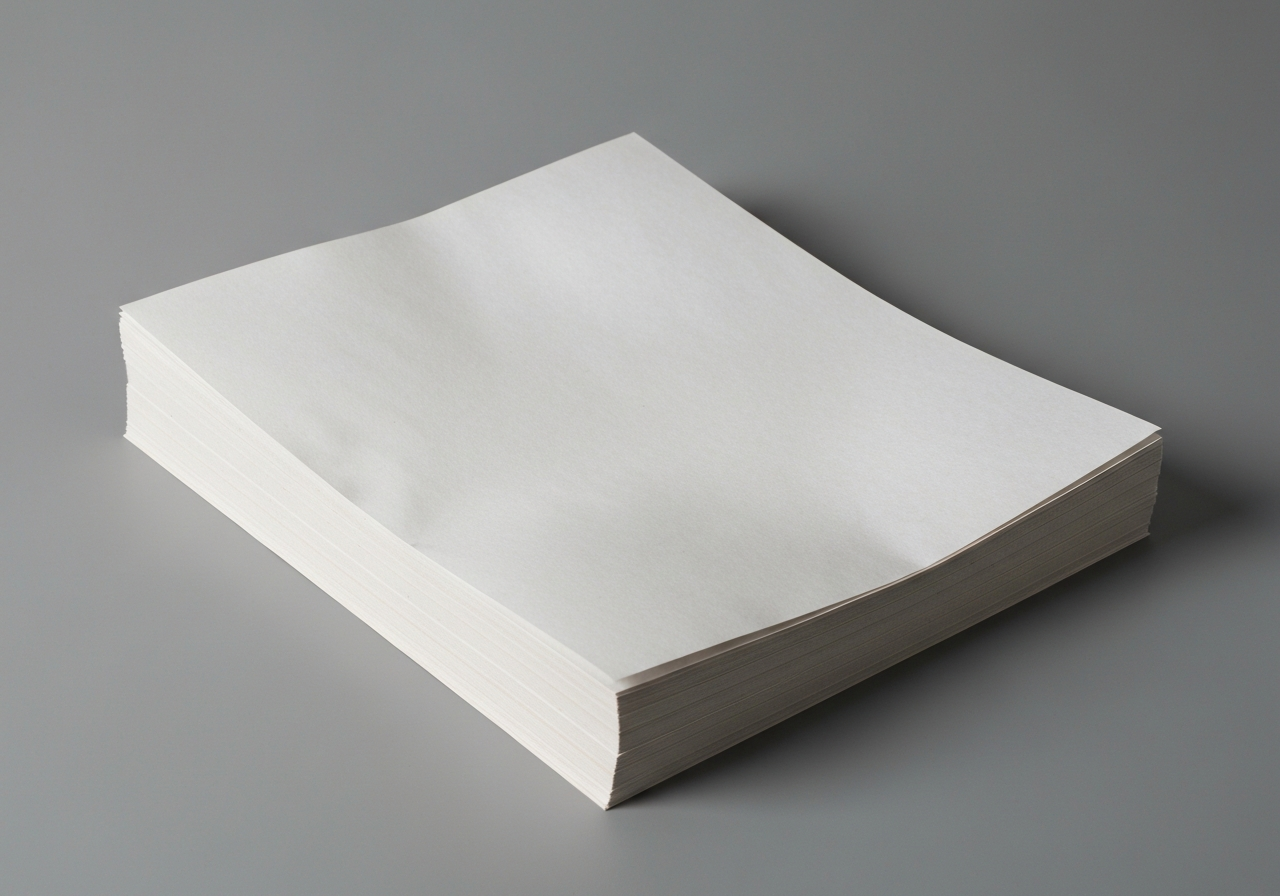
White kraft starts with virgin pulp. It is bleached to achieve a bright surface. Some grades also receive surface sizing or coating to improve ink holdout.
This paper is often used in retail packaging, cosmetics, electronics, and gift boxes. Clean backgrounds make logos and colors stand out. Printing results are more consistent compared to brown kraft.
From a production view, white kraft requires tighter process control. Bleached fibers can be slightly weaker than unbleached kraft. Board design must compensate through flute choice or liner weight.
White kraft also shows defects more clearly. Dust, ink splashes, and scratches are visible. Workshop cleanliness and handling standards must be higher. When managed well, white kraft delivers strong brand impact without excessive material use.
Is Testliner a Type of Kraft Paper?
Testliner is often confused with kraft paper.
Testliner is a recycled linerboard used in corrugated packaging, designed for cost efficiency rather than premium appearance.
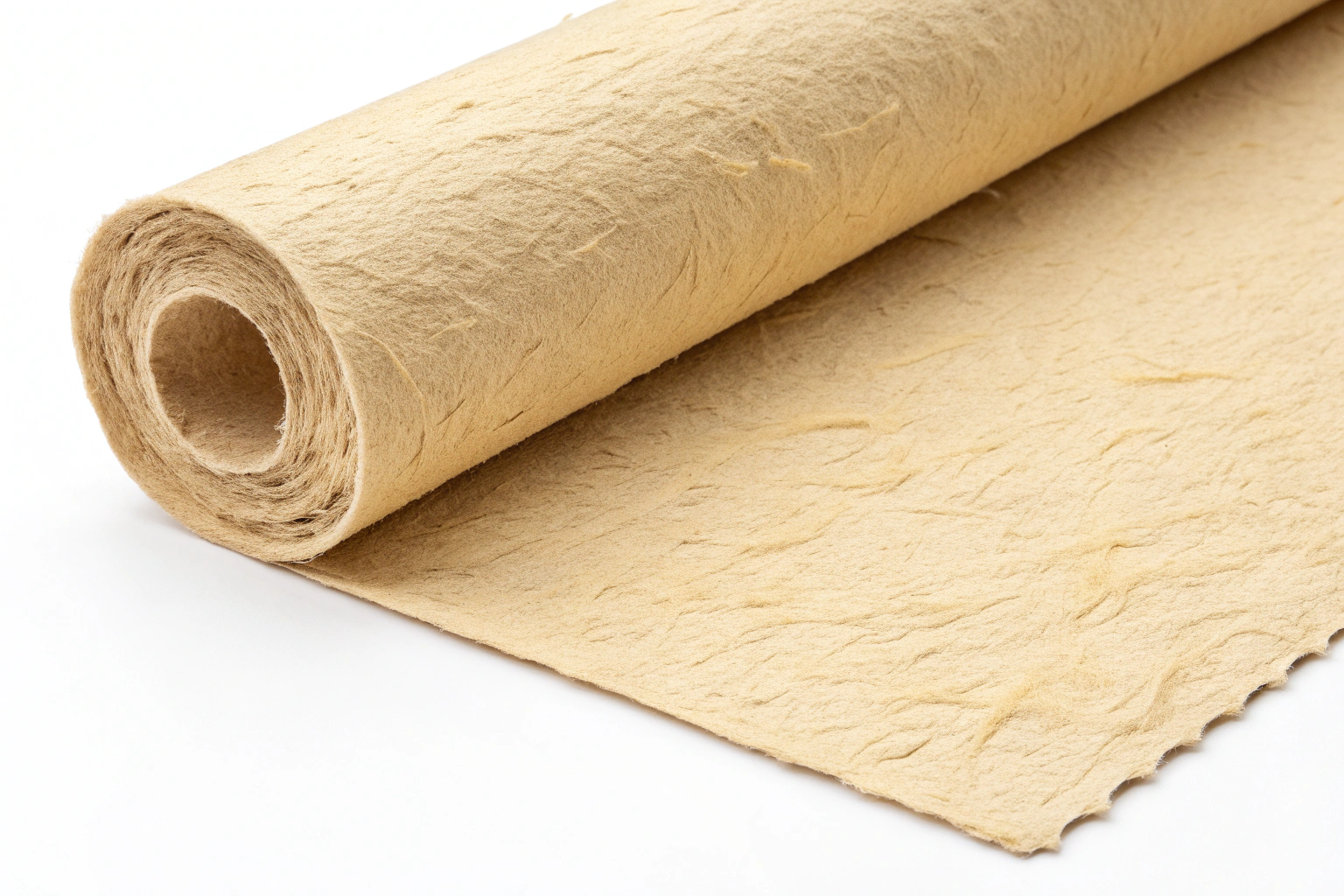
Testliner is made mostly from recycled fibers. It looks similar to kraft but has lower fiber strength and less uniform color. It is widely used as an inner or outer liner for transport cartons.
In manufacturing, testliner runs smoothly when specifications are matched correctly. It provides adequate compression strength for many applications, especially when paired with strong medium paper.
Testliner is sensitive to moisture and printing load. Heavy ink coverage can weaken the surface. For this reason, printing is usually limited to simple graphics or handling marks.
The main advantage of testliner is cost stability. It allows packaging to meet functional needs at a lower material price. With proper design and testing, testliner supports many high-volume packaging applications.
What Are Specialty Kraft Papers?
Specialty kraft papers serve specific performance needs.
Specialty kraft papers include moisture-resistant, grease-resistant, and coated kraft designed for special environments and products.
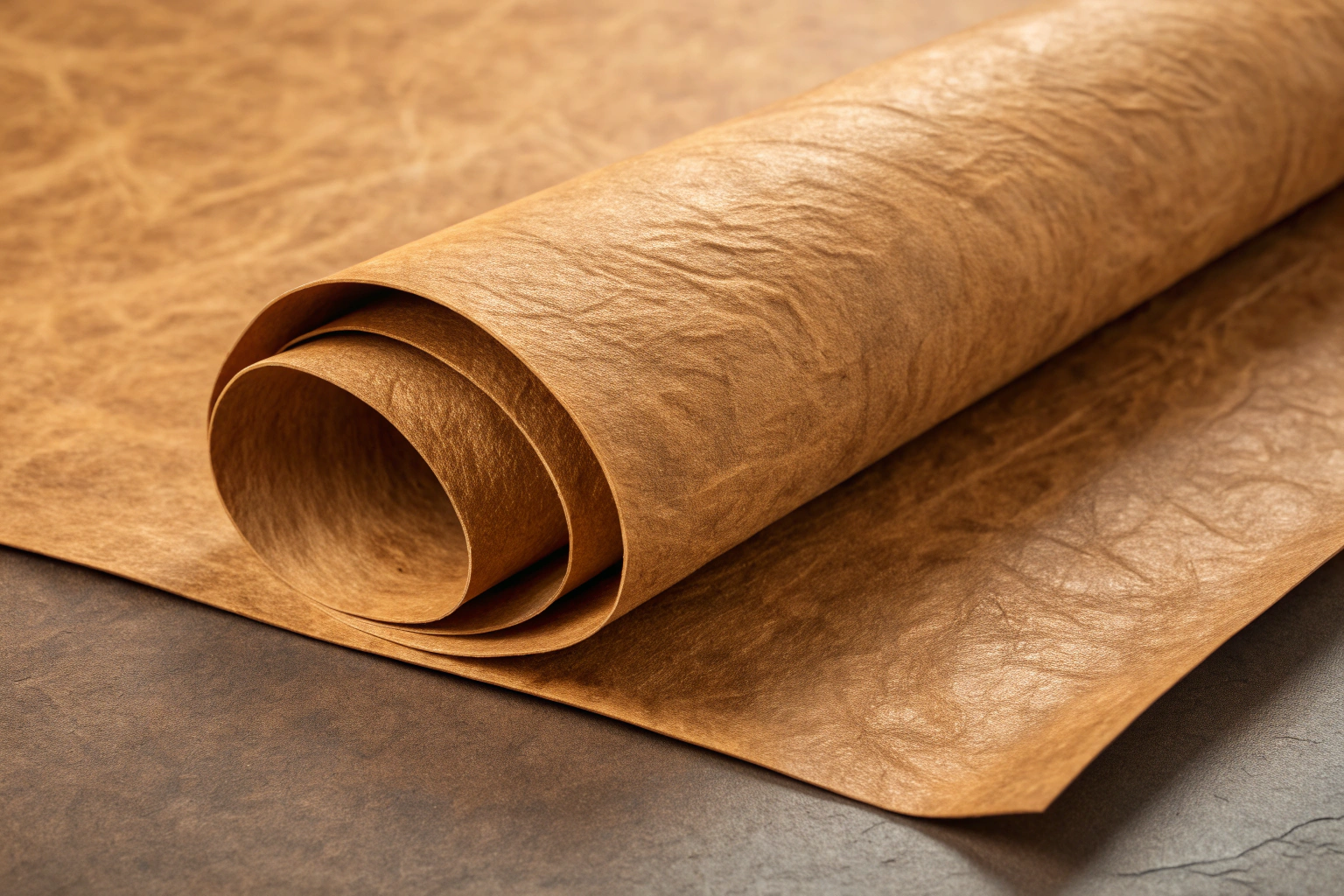
Some packaging faces humidity, oil, or abrasion. Standard kraft may fail in these conditions. Specialty kraft papers solve these problems through treatments or coatings.
Moisture-resistant kraft uses additives that slow water absorption. This improves box strength in damp storage or sea transport. Grease-resistant kraft is used for food and industrial products.
Coated kraft improves surface smoothness and printing sharpness. It also adds scuff resistance. These papers cost more and require adjusted production settings.
In the workshop, specialty kraft needs careful handling. Coatings affect glue absorption and drying speed. Adhesive formulas are adjusted to maintain bonding strength.
Specialty kraft is not used everywhere. It is applied only where functional need justifies the added cost.
How Does Kraft Paper Choice Affect Manufacturing?
Paper choice affects more than box strength.
Different kraft paper types influence corrugator speed, waste rate, printing quality, and overall production efficiency.
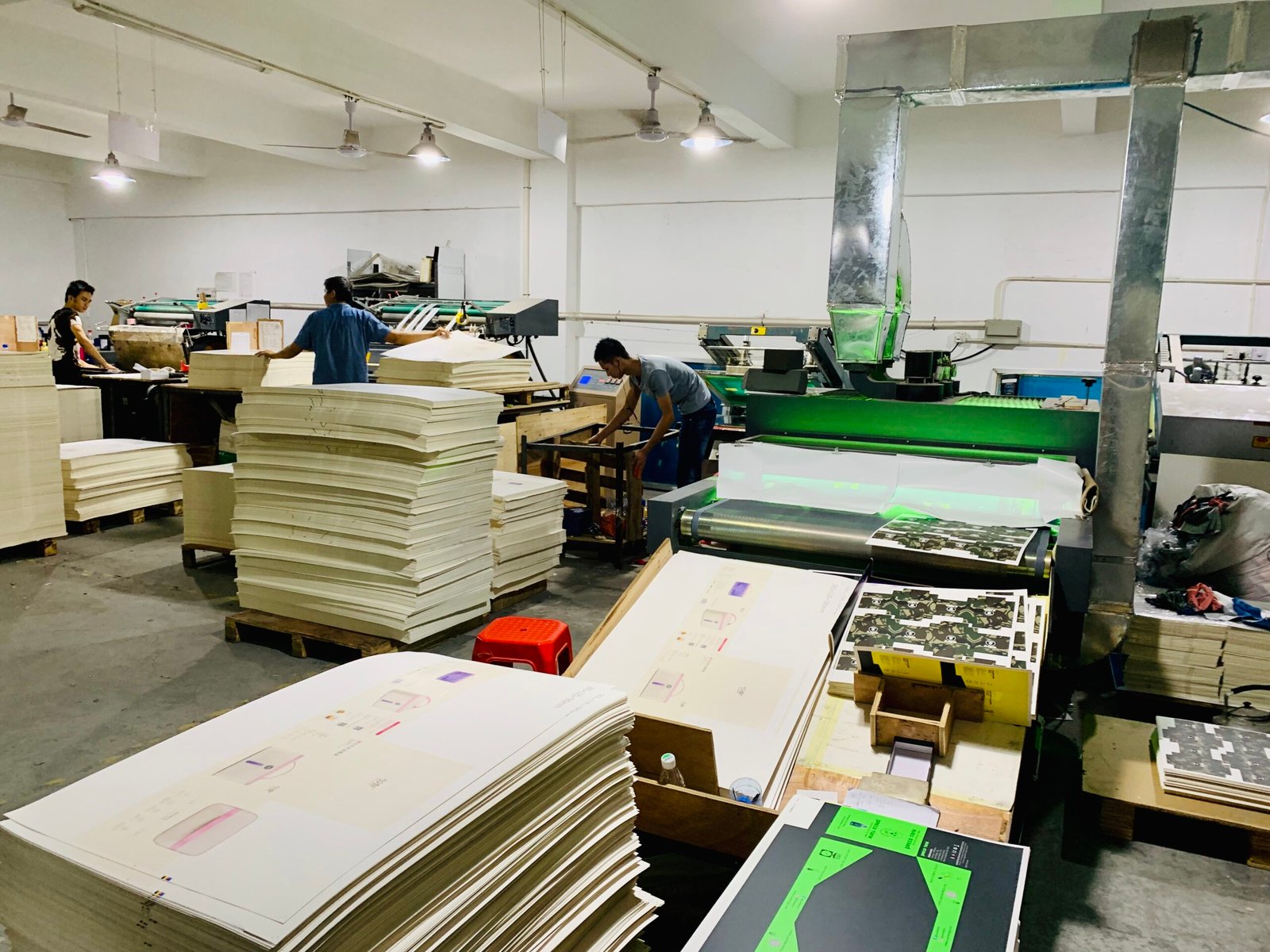
Virgin kraft runs faster with fewer breaks. Recycled kraft requires tighter moisture control. White kraft demands cleaner handling. Testliner needs controlled ink usage.
In the factory, paper selection affects scheduling and setup. Mixing too many paper types increases changeover time. Standardization improves efficiency and lowers unit cost.
Paper choice also affects adhesive consumption. Absorbent papers need more glue. Dense papers need higher bonding pressure. These factors are planned during production setup.
Experienced manufacturing teams balance material choice with machine capability. This alignment reduces waste, stabilizes quality, and keeps cost predictable.
Conclusion
Kraft paper is not a single material. Virgin kraft, recycled kraft, white kraft, testliner, and specialty kraft each serve different packaging needs. The right choice depends on strength, appearance, environment, and production control. When kraft paper selection aligns with manufacturing processes, packaging performance improves while cost and risk stay under control over the long term.