Many packages look natural but still create environmental burden after use. Boxes labeled as “eco” sometimes contain hidden coatings or mixed materials. These problems usually come from judging sustainability by appearance instead of material structure and manufacturing process.
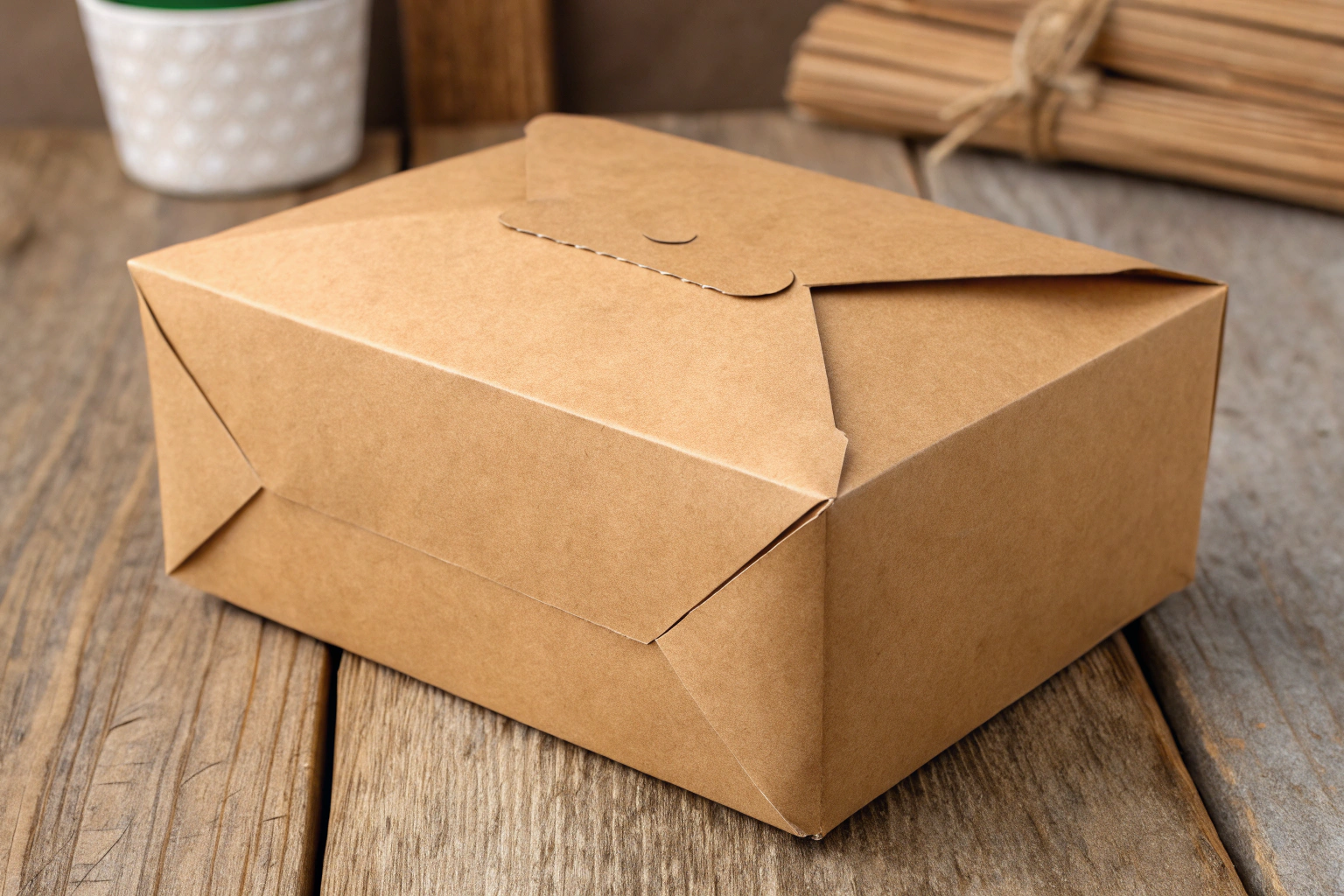
Kraft boxes are eco-friendly when they are made from fiber-based materials, designed for recyclability, and produced under controlled manufacturing processes. Their environmental value depends on how they are made and used.
From a manufacturing perspective, eco-friendliness is not a label. It is the result of material choice, structural design, and factory-level process control.
Made From Renewable Wood Fiber
The core reason kraft boxes are considered eco-friendly is their raw material.
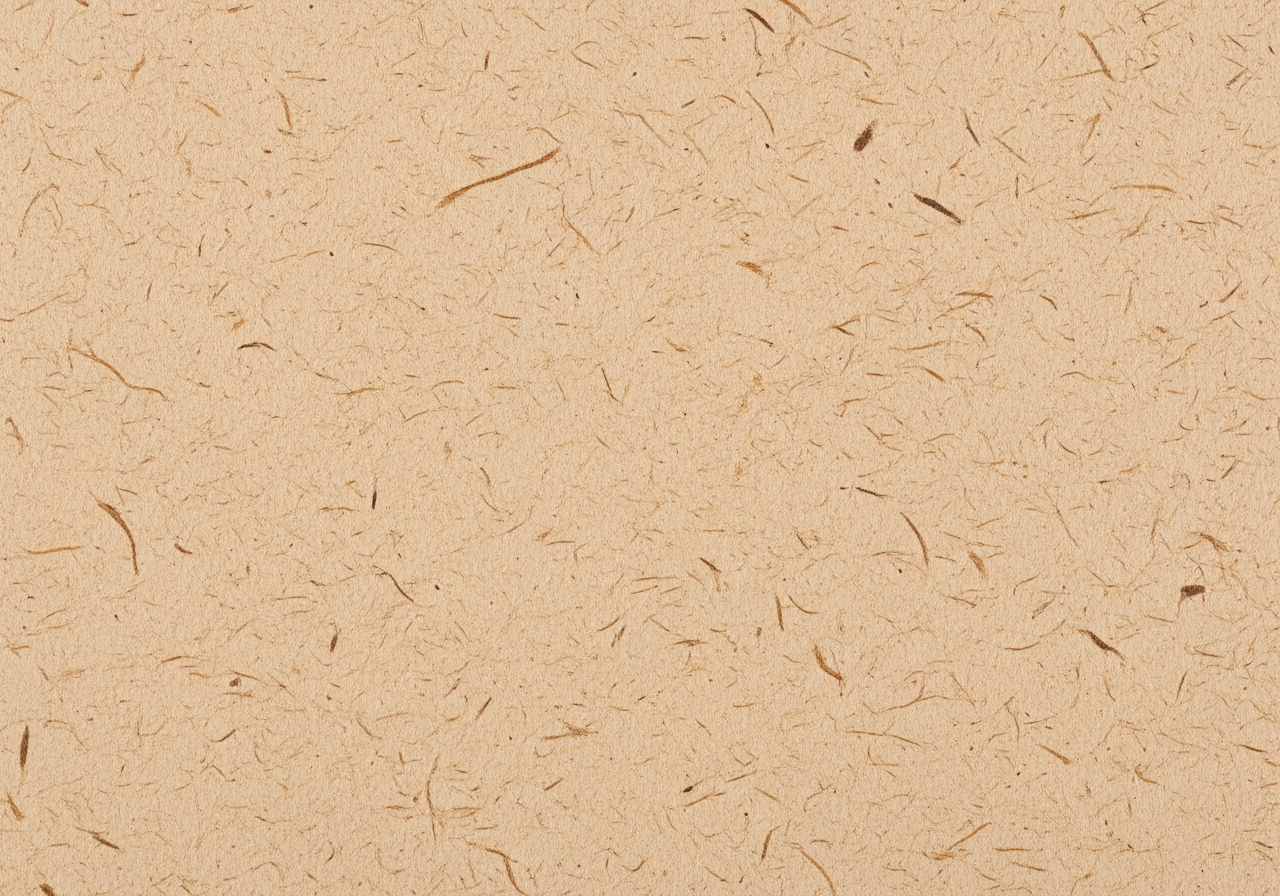
Kraft boxes are made primarily from wood fibers, which are renewable and biodegradable.
Kraft paper and kraft board are produced from pulp sourced from managed forests or recycled paper streams. Wood fiber naturally breaks down and returns to the environment without leaving microplastic residue.
In factory sourcing, fiber quality and origin are monitored to ensure stable strength and responsible material use. Compared with petroleum-based packaging, kraft boxes rely on a renewable material base that supports long-term sustainability.
Fully Recyclable in Most Systems
Recyclability is a key eco-friendly factor.
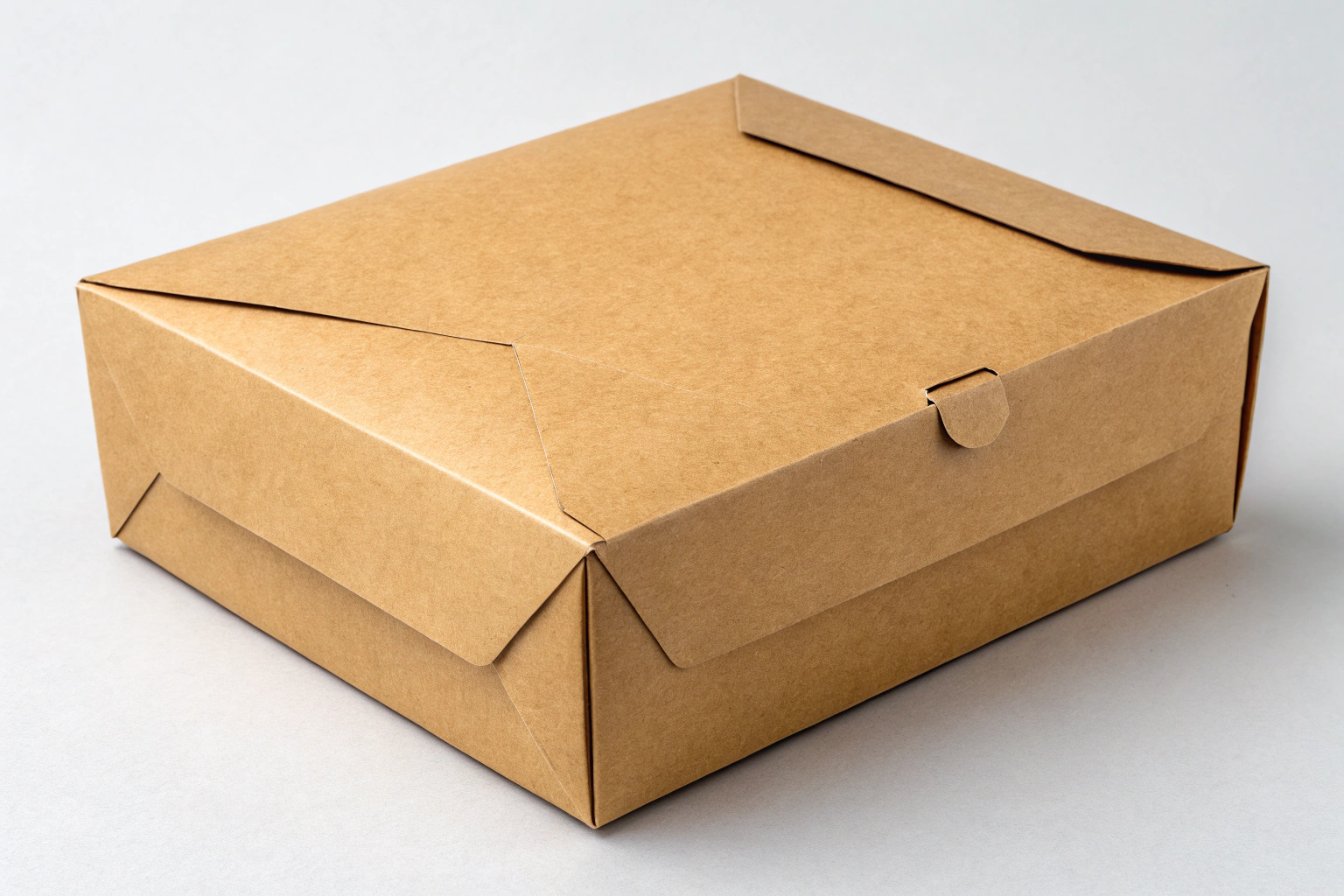
Most kraft boxes are recyclable through standard paper recycling systems.
Corrugated kraft boxes and solid kraft boxes can be collected, pulped, and reused to make new paper products. This reduces landfill waste and lowers demand for virgin fiber.
In manufacturing workshops, trim waste and off-cuts are recycled back into the paper stream. This closed-loop approach improves material efficiency and reduces overall environmental impact across production cycles.
Compostable Under the Right Conditions
Eco-friendliness also includes end-of-life behavior.
Kraft boxes are compostable when they contain no plastic coatings, laminations, or synthetic barriers.
Uncoated kraft boxes break down naturally through microbial activity. Starch-based adhesives used in corrugated boxes do not prevent decomposition.
From a manufacturing view, compostable kraft boxes require careful material control. Avoiding PE films, wax coatings, and foil finishes is essential. When designed correctly, kraft boxes support both composting and recycling pathways.
Lower Carbon Footprint Through Efficient Structure
Structure affects environmental impact.
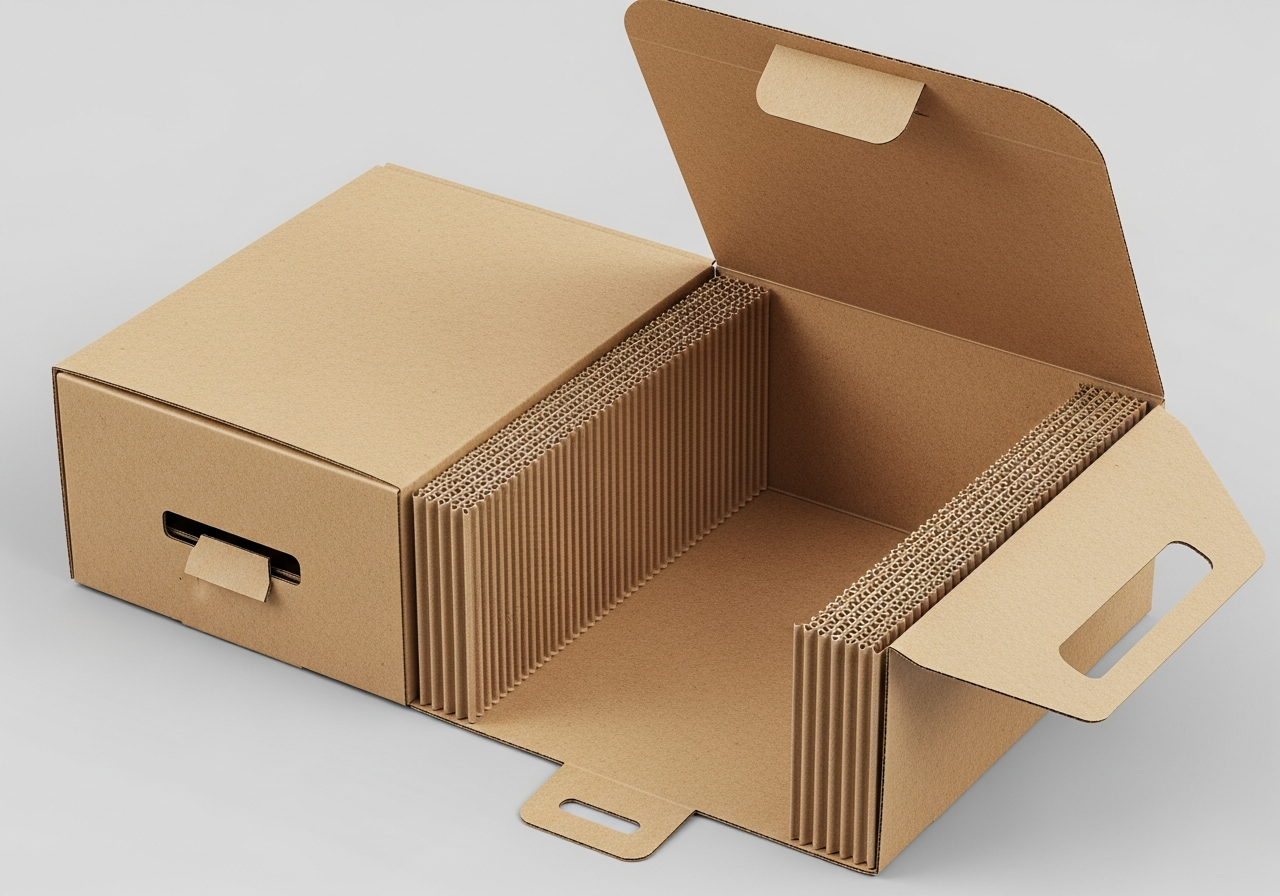
Kraft boxes reduce material usage by achieving strength through structure rather than mass.
Corrugated kraft boxes use fluted cores to provide compression strength with less fiber. This reduces raw material consumption and lowers transportation weight.
In factory design departments, box dimensions and board grades are optimized to avoid overdesign. Right-sized kraft boxes improve pallet efficiency and reduce shipping emissions. Structural efficiency directly contributes to eco-friendly performance.
Manufacturing Process Supports Sustainability
Eco-friendliness depends on how boxes are produced.
Kraft box production uses water-based adhesives and inks with lower environmental impact.
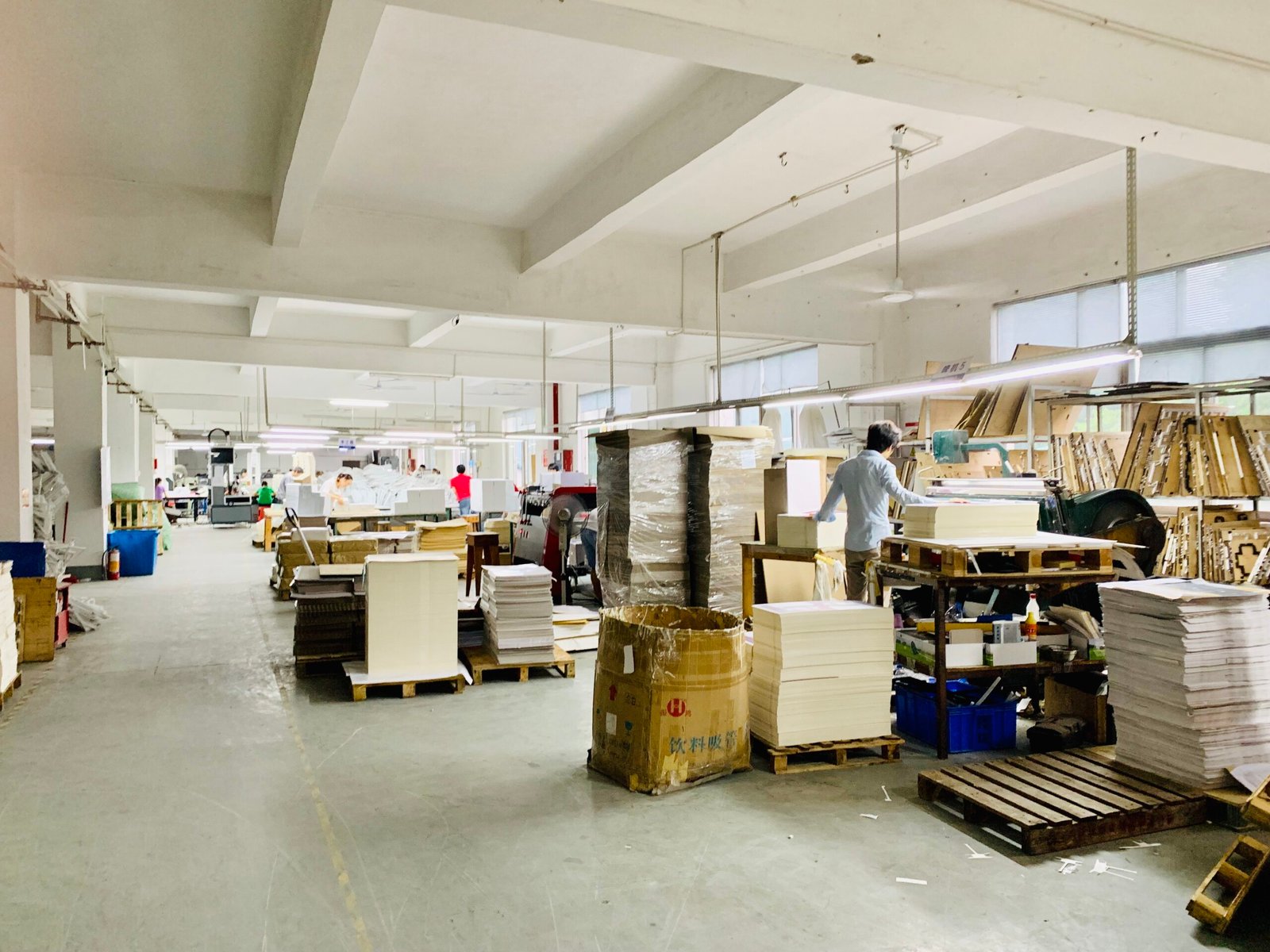
Corrugated production relies on starch adhesives rather than synthetic glues. Printing commonly uses water-based inks instead of solvent-based systems.
Factory workshops focus on energy efficiency, waste reduction, and process stability. Consistent production reduces scrap and rework, which lowers overall resource consumption. Sustainable outcomes depend on disciplined manufacturing, not just material type.
Limitations That Affect Eco-Friendly Claims
Not every kraft box is automatically eco-friendly.
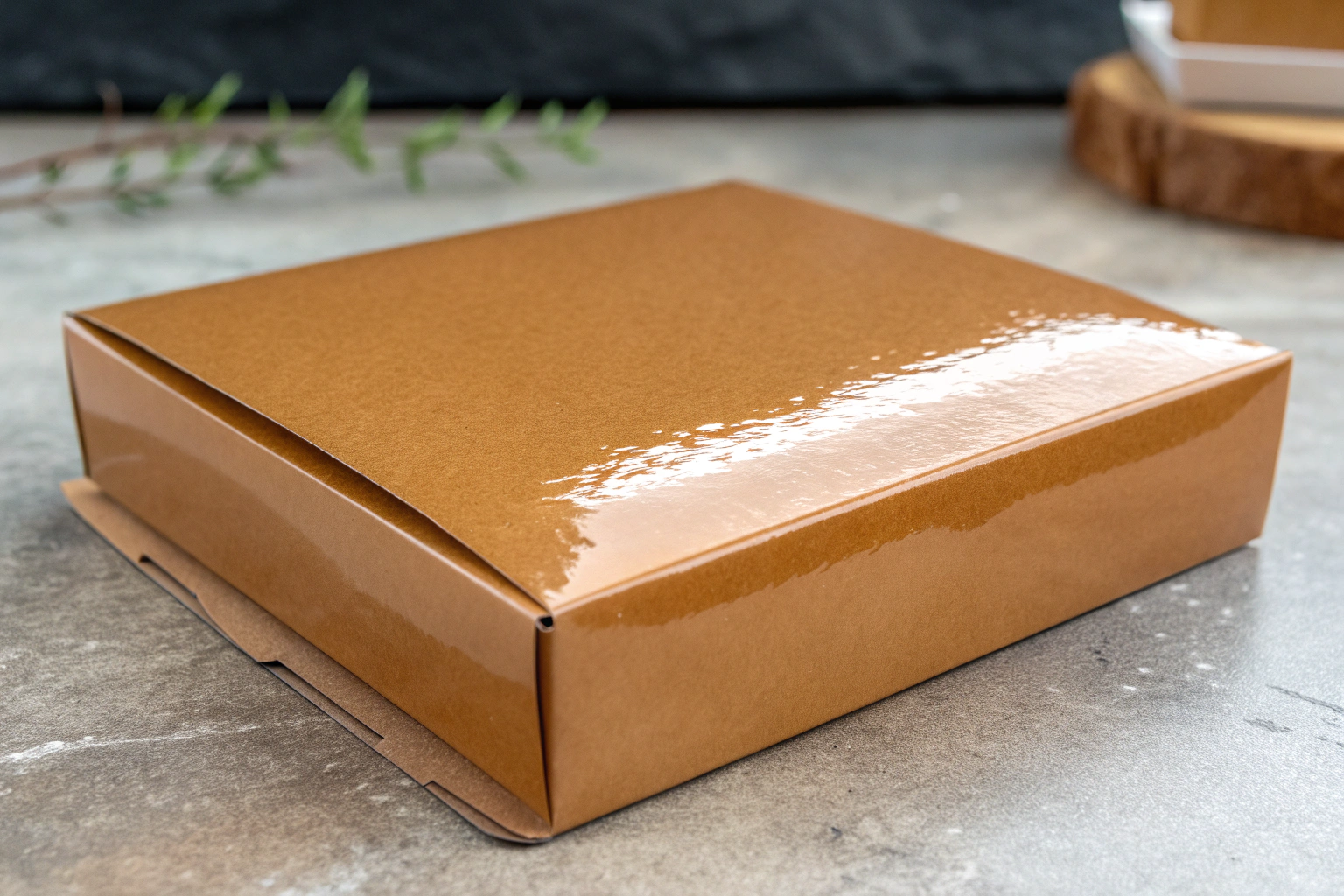
Kraft boxes lose eco advantages when mixed with plastic films, heavy coatings, or complex laminations.
Water-resistant treatments, glossy laminations, and composite layers improve performance but reduce recyclability and compostability. These additions complicate waste sorting and recovery.
In manufacturing decisions, performance needs must be balanced with environmental goals. Clear definition of use conditions helps avoid unnecessary treatments that weaken sustainability benefits.
Conclusion
Kraft boxes are eco-friendly when they are made from fiber-based materials, designed for recycling and composting, and produced under responsible manufacturing processes. Their renewable raw materials, recyclability, and structural efficiency give them a strong environmental advantage over many alternative packaging materials.
From a manufacturing perspective, eco-friendliness is achieved through disciplined material selection, efficient structural design, and controlled factory operations. Kraft boxes are not eco-friendly by default, but when designed and produced correctly, they offer a practical, scalable, and environmentally responsible packaging solution across many industries.