Packaging costs keep rising. Material prices fluctuate. Freight and labor add pressure. Corrugated boxes seem simple, yet small decisions can quietly increase total cost.

The most effective way to reduce corrugated box cost is to optimize structure, materials, printing, and production processes together, instead of cutting corners on quality or protection.
Cost control in packaging is not about choosing the cheapest box. It is about designing a box that does its job with no waste. The following sections break down how manufacturers reduce cost while keeping performance stable.
Is Box Structure Optimization the First Cost Lever?
Unoptimized structures waste paper. Oversized boxes increase material, freight, and storage costs. This problem appears often when box size is chosen without testing.
Box structure optimization reduces cost by minimizing paper usage while keeping stacking strength and protection at required levels.

In the factory, structural design starts with product dimensions and weight. Engineers calculate internal clearance, compression strength, and drop risk. Instead of default RSC designs, custom die-cut structures are used when suitable. These structures reduce board area and improve strength distribution.
Wall thickness is another key factor. Many boxes use double wall board when single wall is enough. Through compression testing and pallet stacking simulation, board grades are adjusted. This change alone often reduces paper cost by 10–20%.
Slot depth, flap length, and overlap also affect paper consumption. Shorter flaps reduce material. Correct slot width improves folding efficiency on automatic machines. These changes improve both cost and production speed.
From a manufacturing view, structural optimization also reduces machine stops and waste during die cutting and folding. Fewer rejects mean lower unit cost across large volumes.
Does Paper Material Choice Impact Cost More Than Expected?
Paper accounts for the largest share of box cost. Many buyers focus only on thickness, not performance.
Selecting the right paper grade reduces cost by matching strength performance instead of over-specifying materials.
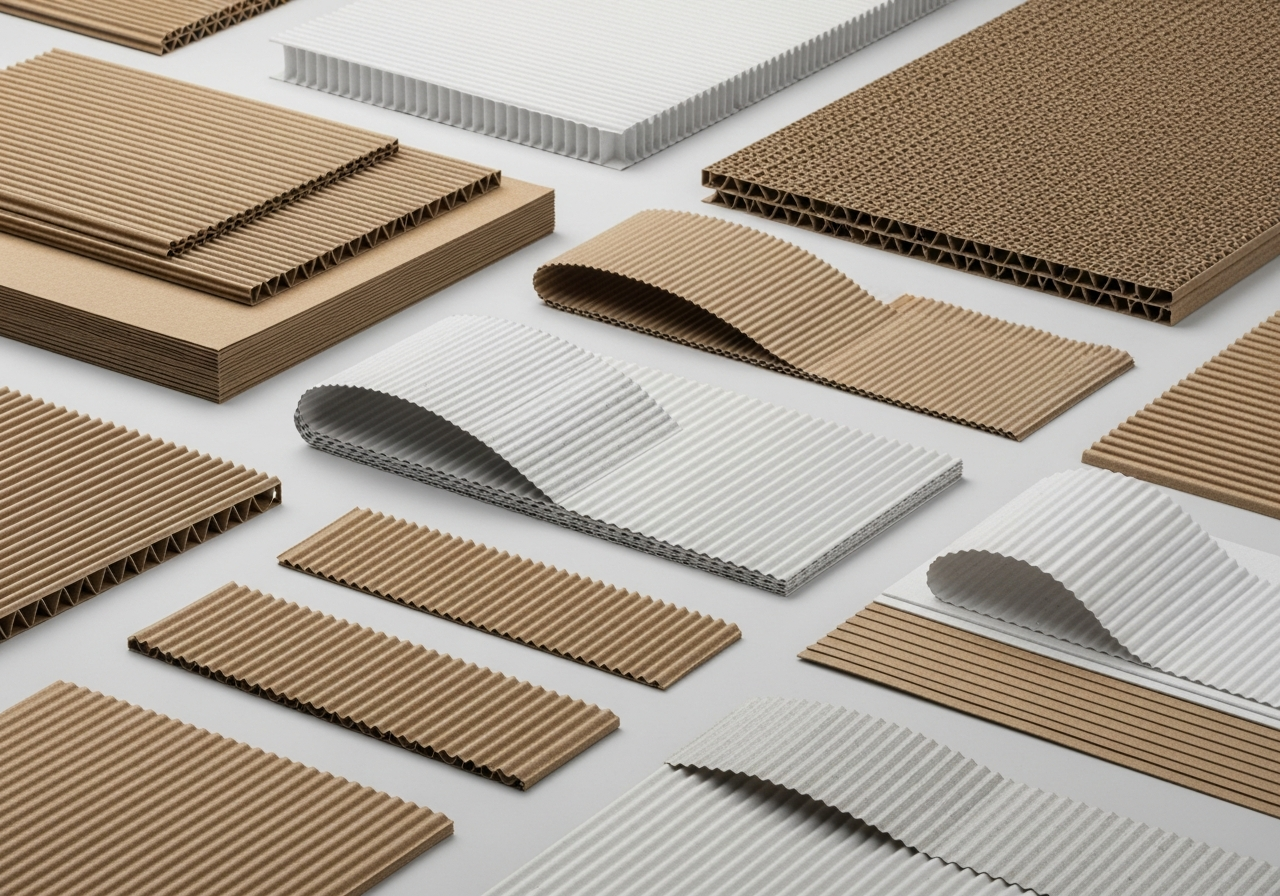
Corrugated board performance depends on liner strength, medium quality, and flute profile. High GSM does not always mean high strength. In production, paper suppliers provide test data such as burst, ring crush, and Cobb values. These numbers matter more than weight alone.
Recycled liners often perform well for outer packaging. Virgin liners are reserved for retail display or high humidity environments. Mixing recycled and virgin layers allows cost control without sacrificing appearance.
Flute type also affects cost. B flute uses less paper than C flute but offers good stacking strength for lighter products. E flute works well for small electronics and cosmetics. Choosing the correct flute avoids unnecessary material use.
In the workshop, paper roll width planning matters. Standardizing box sizes around paper roll widths reduces trim waste. Less waste means lower cost per box and better material efficiency.
Can Printing Decisions Lower Corrugated Box Cost?
Printing adds value, but it also adds cost. Overprinting is a common problem.
Reducing print complexity lowers cost by cutting ink usage, setup time, and production waste.
Many boxes do not need full-color printing. One or two spot colors often meet branding needs. Flexographic printing is efficient for corrugated boxes, but every extra color increases plate cost and setup time.
Large solid ink areas increase drying time and risk smudging. In production, this slows line speed and increases rejects. Reducing ink coverage improves run speed and lowers scrap rates.
Plate layout optimization also matters. Multiple box designs can share one printing plate with smart layout planning. This reduces plate cost across different SKUs.
From a factory perspective, stable print designs improve color consistency between batches. This reduces customer complaints and rework, which indirectly lowers overall cost.
How Does Manufacturing Process Efficiency Reduce Cost?
Production efficiency directly affects unit cost. Slow processes and frequent adjustments increase waste.
Efficient manufacturing reduces corrugated box cost through higher output, lower scrap, and stable quality.
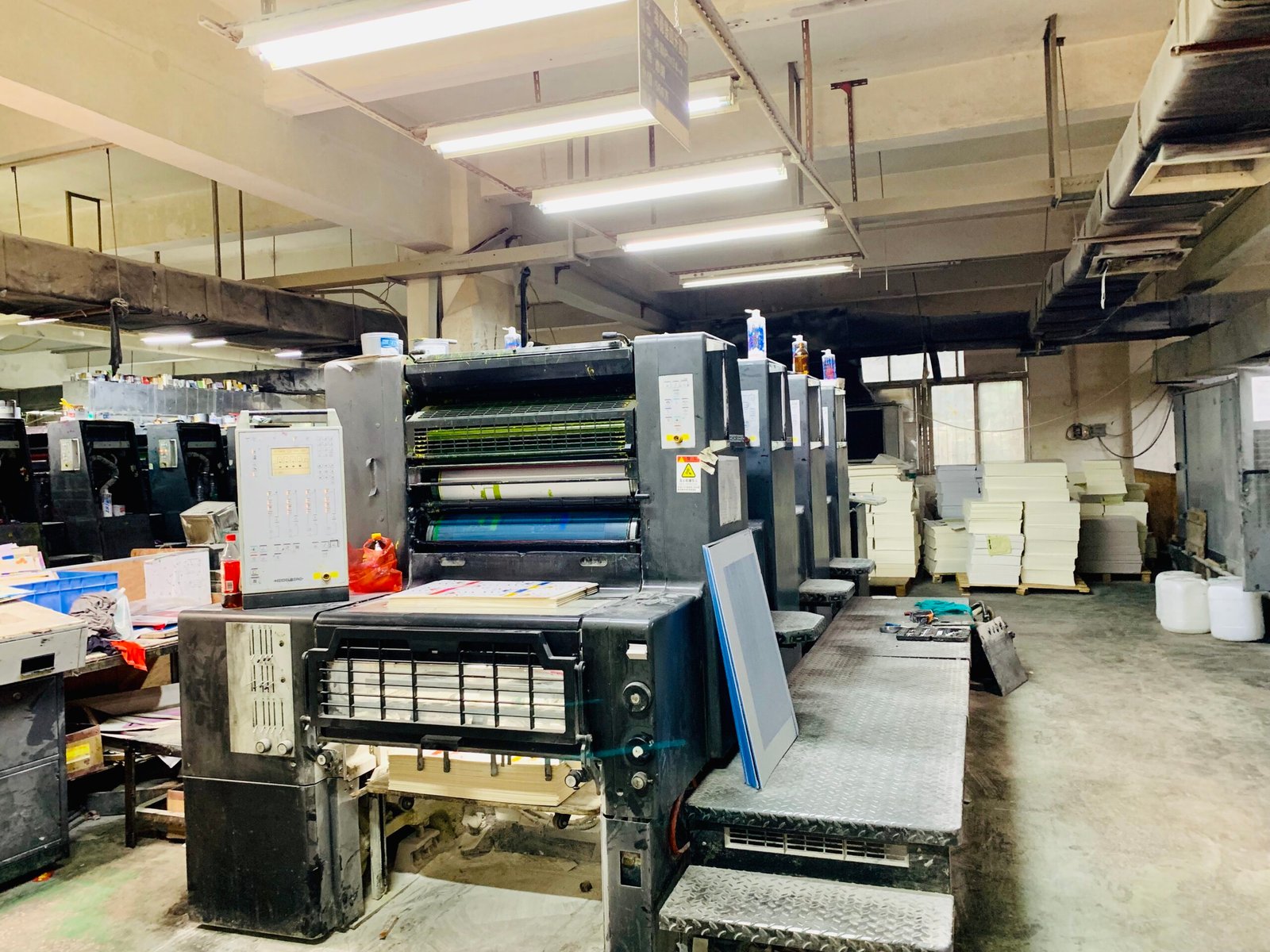
In the workshop, corrugators run best with stable orders and optimized schedules. Frequent paper changes increase downtime. Grouping orders by board type improves machine efficiency.
Die cutting and folding machines are calibrated to match board thickness. Incorrect setup causes cracking and misalignment. This leads to scrap. Skilled operators and standard setup procedures reduce these issues.
Quality control is built into the process, not added at the end. Inline inspections catch problems early. This prevents large batches of defective boxes.
Automation also plays a role. Automatic folder-gluers reduce labor cost and improve consistency. For medium to large volumes, automation lowers unit cost significantly over time.
Does Packaging Testing Help Reduce Long-Term Cost?
Skipping testing often leads to hidden cost later.
Proper testing reduces long-term cost by preventing overdesign and reducing failure risk.
In-house testing labs check compression strength, burst strength, and drop resistance. These tests confirm whether a box design meets real-world needs.
Without testing, boxes are often overbuilt to avoid risk. This increases material cost. Testing allows confidence in lighter designs that still perform well.
Transport simulation tests help adjust box strength based on shipping method. Palletized sea freight needs different strength than parcel delivery. Matching design to transport mode avoids unnecessary reinforcement.
From a manufacturing view, test data also supports consistent production. Clear specifications reduce variation between batches and lower the chance of costly returns.
Can Supplier Engineering Support Reduce Overall Cost?
Cost reduction works best when design and production work together.
Engineering support reduces cost by aligning box design with manufacturing capability from the start.
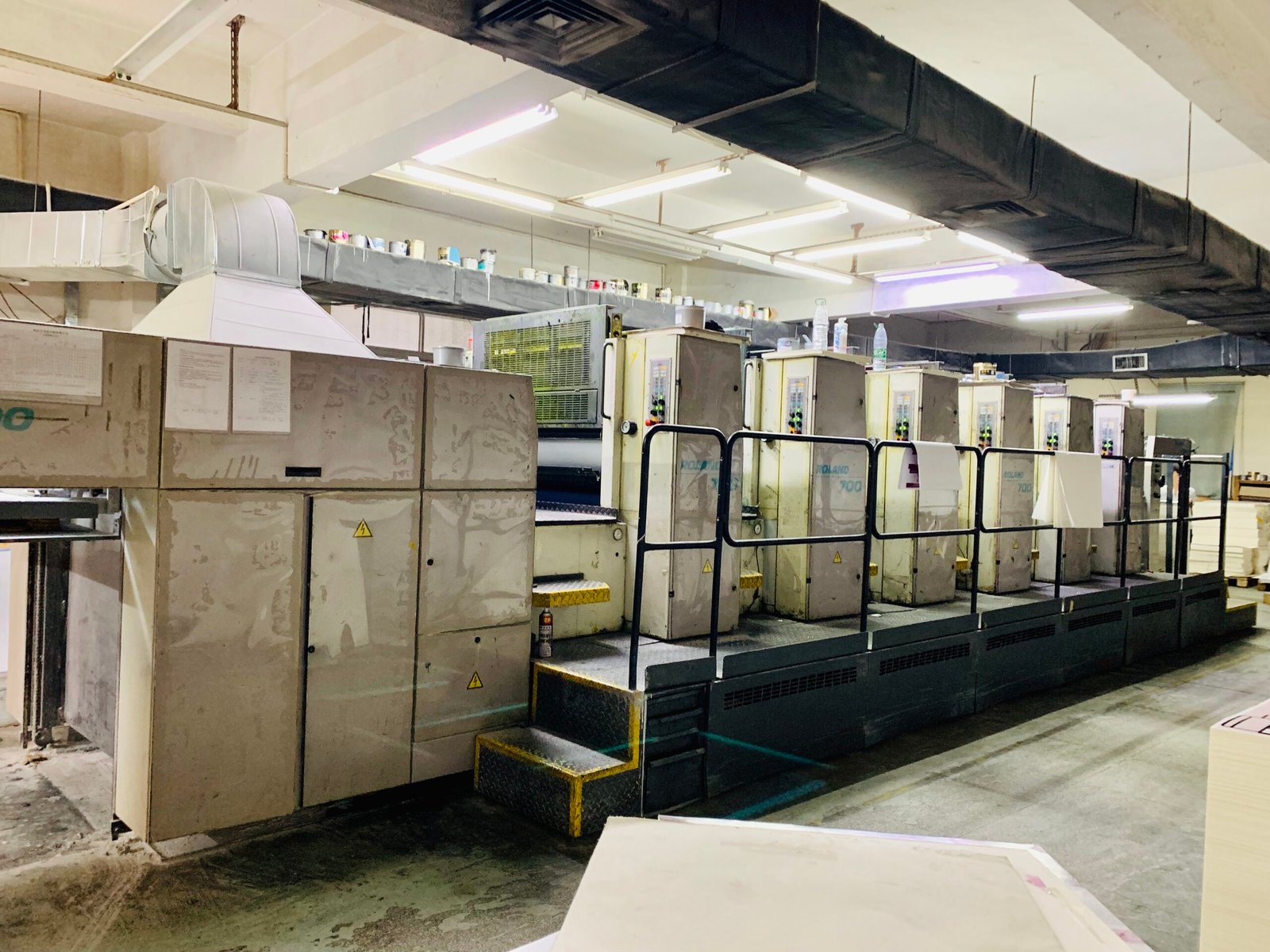
When packaging is designed without factory input, problems appear during production. Designs may require special tooling or slow processes. This increases cost.
Manufacturing engineers review designs for machine compatibility. They suggest changes that keep the same function but improve efficiency. These adjustments often go unnoticed by end users but save cost at scale.
Material sourcing is also managed at factory level. Long-term paper supply contracts stabilize pricing. Bulk purchasing reduces material volatility.
Consistent communication between design, production, and quality teams ensures that cost control measures do not harm performance. This balance is critical for long-term packaging stability.
Conclusion
Reducing corrugated box cost is a systematic process. It starts with structure, material, and printing choices. It continues through efficient manufacturing and testing. When design decisions align with factory processes, cost drops naturally without sacrificing strength, protection, or appearance.