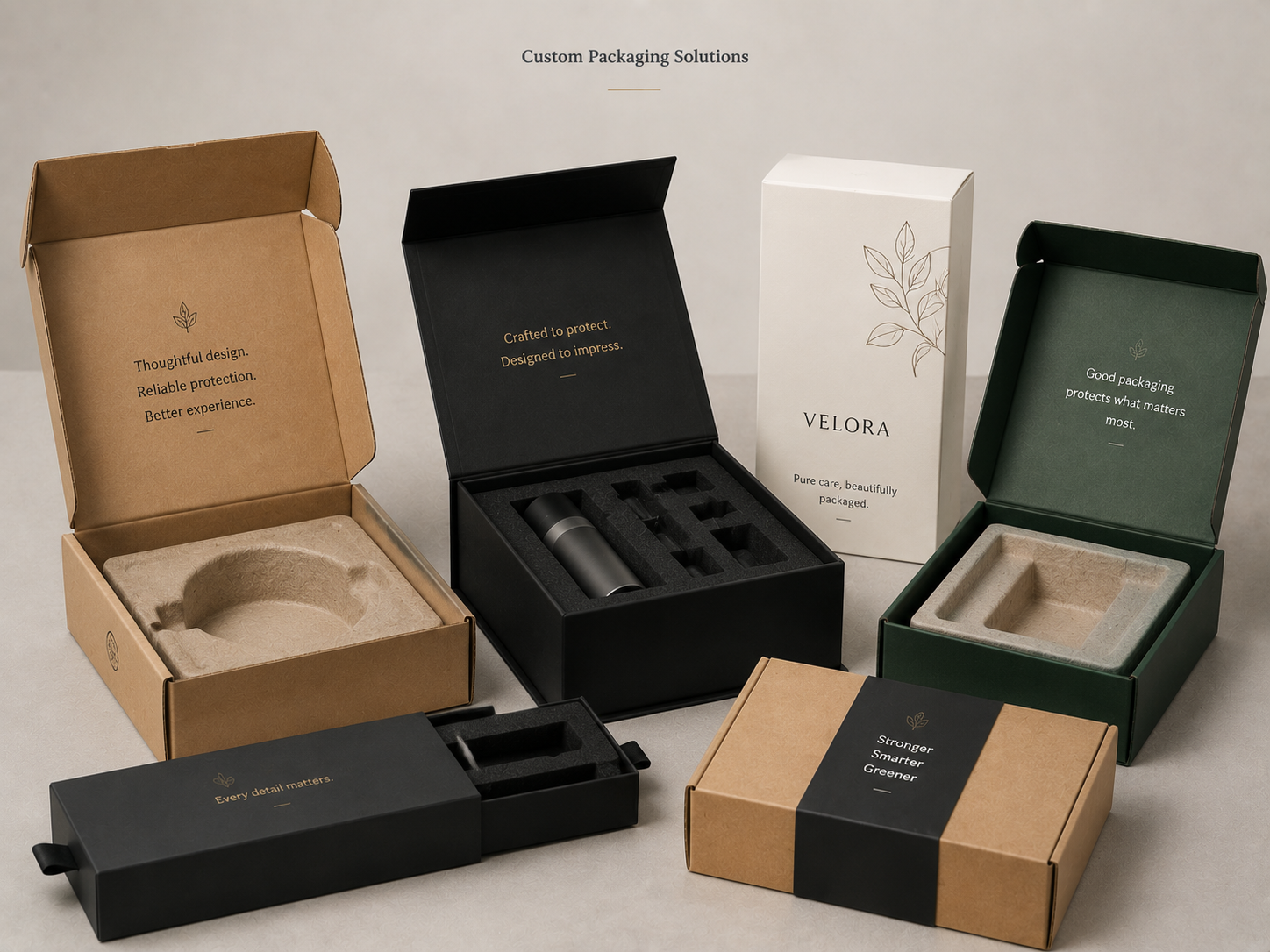
Choosing the wrong bag material often leads to higher costs, brand risk, and compliance issues. Many packaging decisions fail not because of price, but because material performance and use scenarios were not fully evaluated.
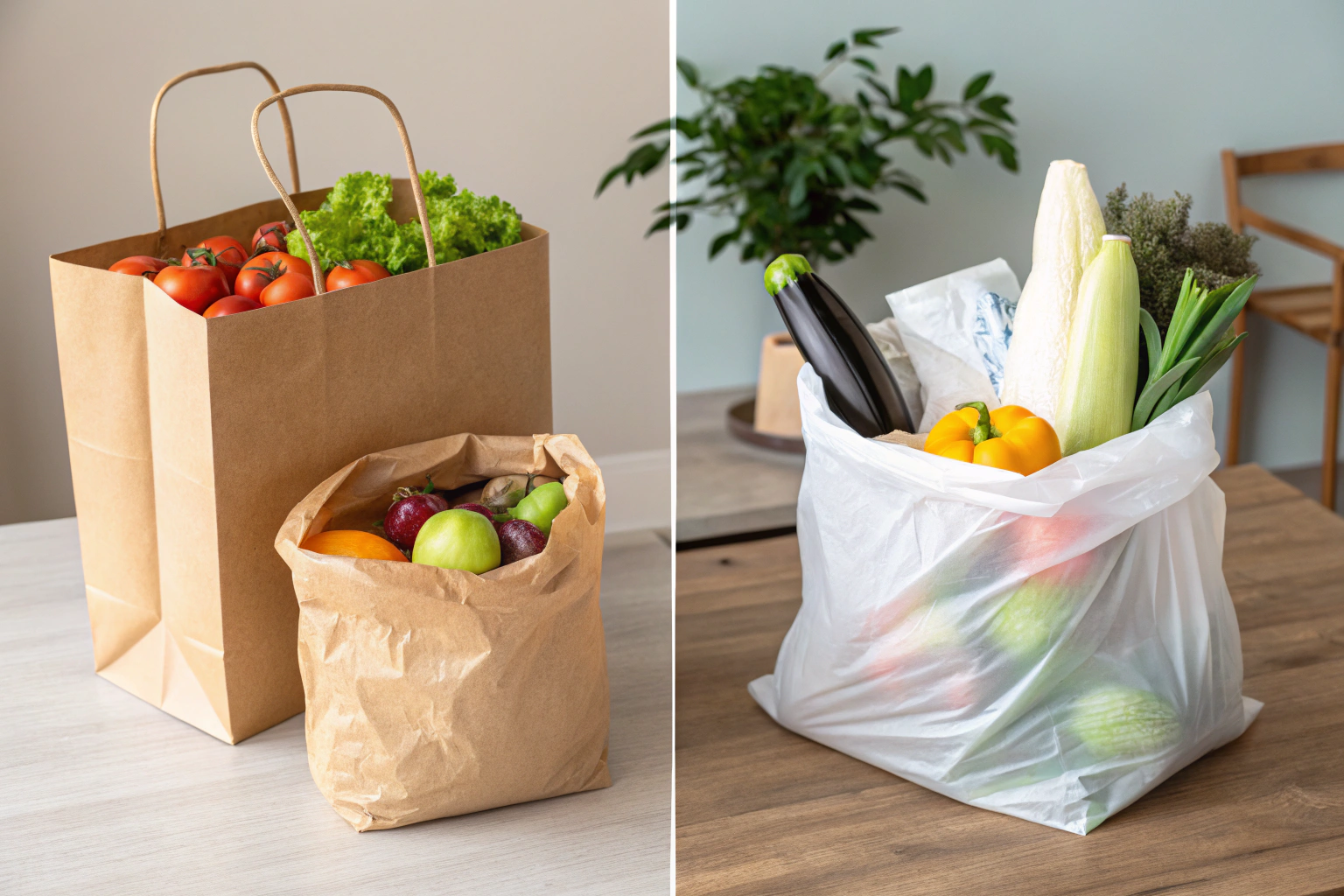
Paper bags and plastic bags each have advantages, but paper bags are generally better for brands that value sustainability, brand image, and long-term packaging consistency. The right choice depends on usage, load, and production control.
Bag selection is not a simple comparison of materials. It involves manufacturing processes, strength requirements, printing performance, and environmental expectations. The following sections explain this topic from a production and factory perspective.
What Are the Material Differences Between Paper and Plastic Bags?
Material misunderstanding often causes wrong expectations. Bags may look similar, but their behavior during use and production is very different.
Paper bags are made from kraft paper or coated paper, while plastic bags are produced from PE, PP, or biodegradable films. These base materials define strength, appearance, and recyclability.
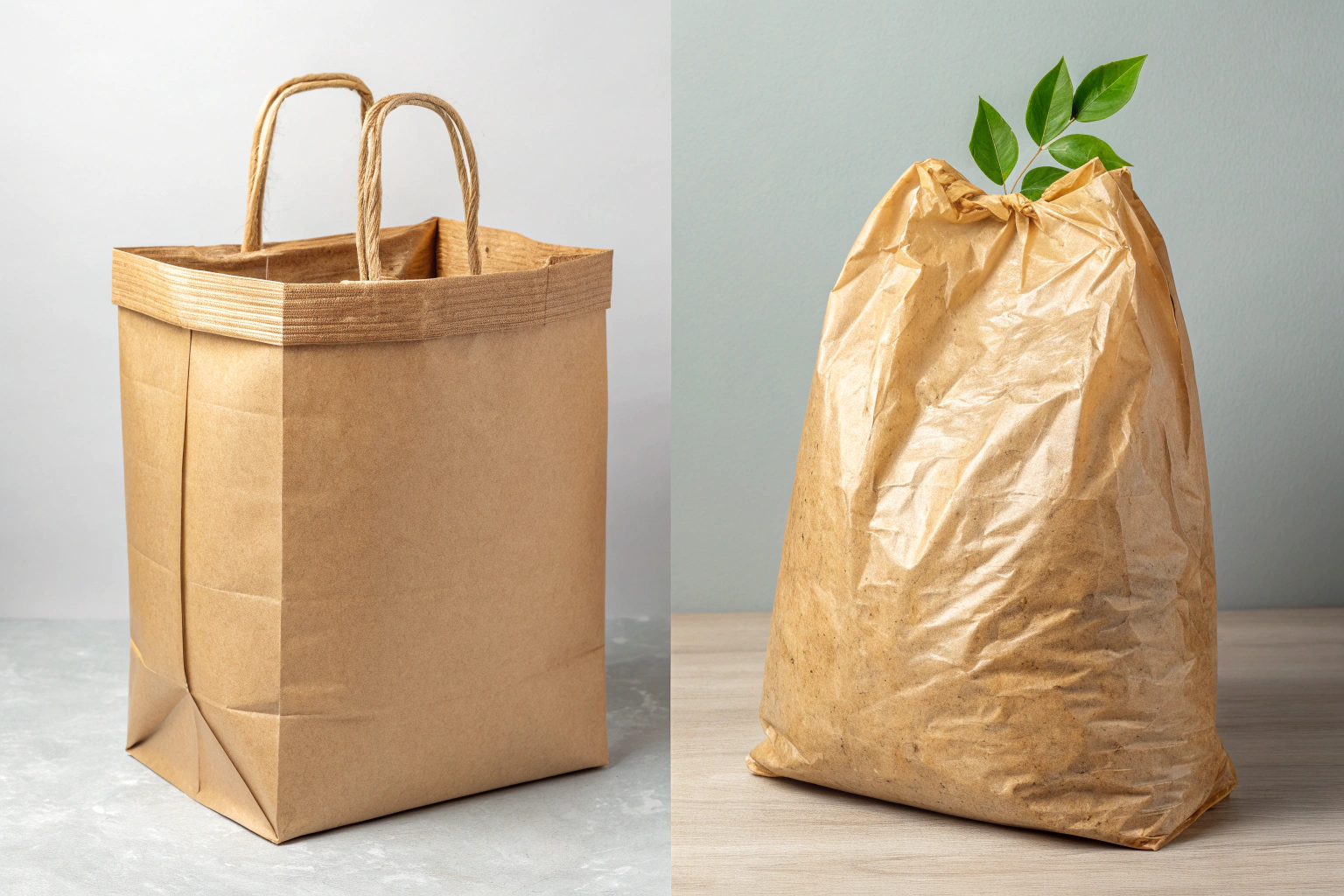
Paper bags rely on fiber structure for strength. Thickness, fiber length, and paper quality directly affect load capacity. Reinforced bottoms and twisted or flat handles improve performance. Plastic bags rely on film thickness and stretch resistance. They perform well under moisture but deform easily under heat or sharp edges.
In manufacturing, paper materials allow more stable printing and finishing. Plastic materials require strict temperature control and specialized printing methods. This difference affects consistency and defect rates during mass production.
Which Bag Performs Better in Daily Use?
Performance issues often appear after delivery, not during sampling. This leads to complaints and repacking costs.
Plastic bags resist water better, while paper bags offer better shape stability and stacking performance. Use scenarios decide which performs better.
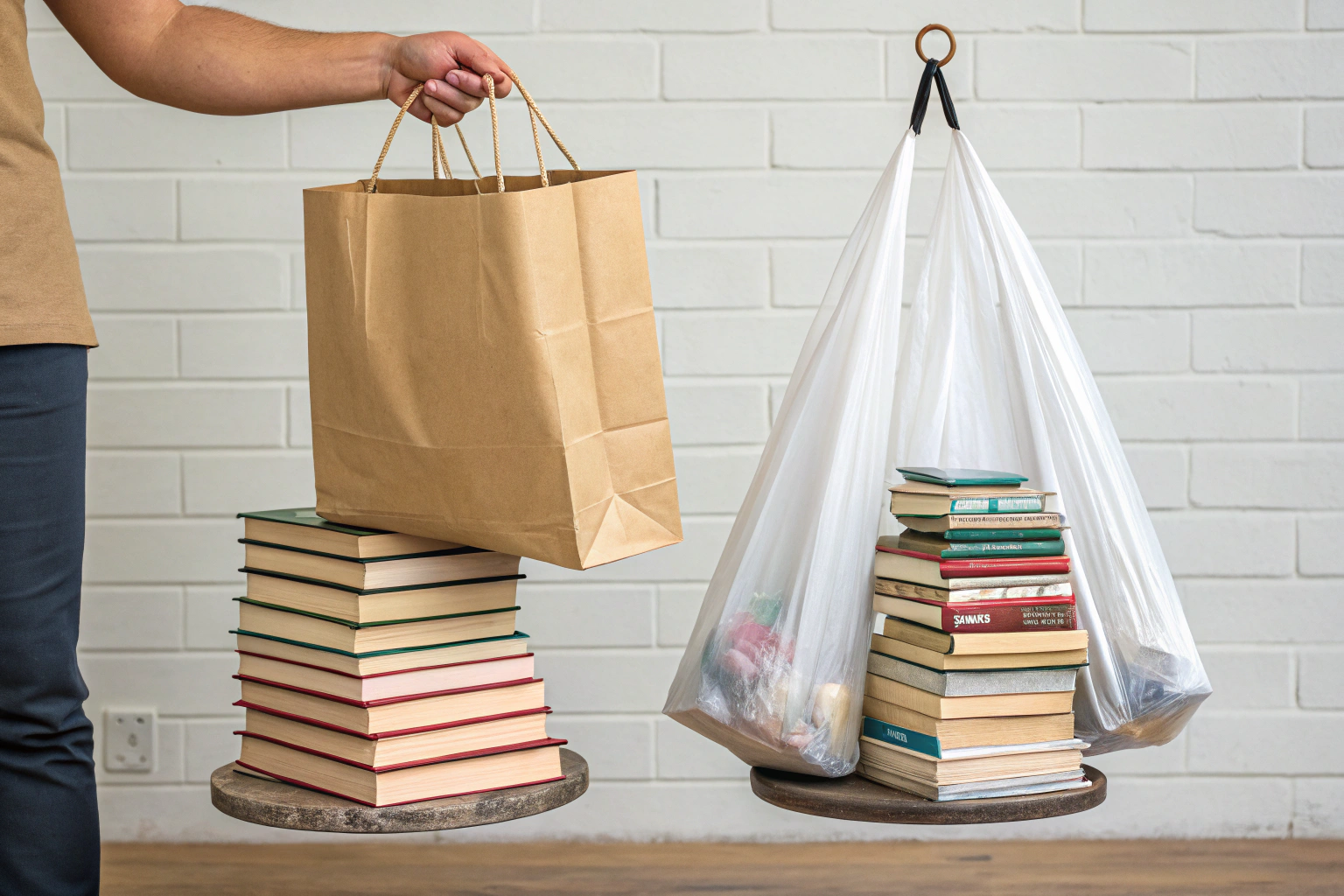
Plastic bags work well for wet or cold environments. However, they stretch under weight and lose shape easily. Paper bags maintain form, stand upright, and present products better at retail. With proper material selection, paper bags can carry heavy loads reliably.
From a production view, paper bag strength is controlled through paper GSM, lamination, and handle structure. Load testing is done in the workshop before approval. This allows predictable performance across large quantities.
How Do Printing and Branding Compare?
Poor printing quality damages brand perception immediately. This factor is often underestimated.
Paper bags provide superior printing clarity and finishing options compared to plastic bags. This makes them better for brand-focused packaging.
Paper surfaces support offset printing, spot colors, hot stamping, embossing, and UV finishes. Color control is stable and repeatable. Plastic bags rely on flexographic or gravure printing, which limits detail and color precision.
In the factory, paper bag printing follows standardized color management. Samples and bulk production stay consistent. This consistency is harder to achieve with plastic film, especially across different production batches.
How Do Manufacturing Processes Affect Cost and Quality?
Cost is not only material price. Process stability and defect rate matter more over time.
Paper bag production offers more stable quality control, while plastic bag production is more sensitive to process variation. This impacts long-term cost.
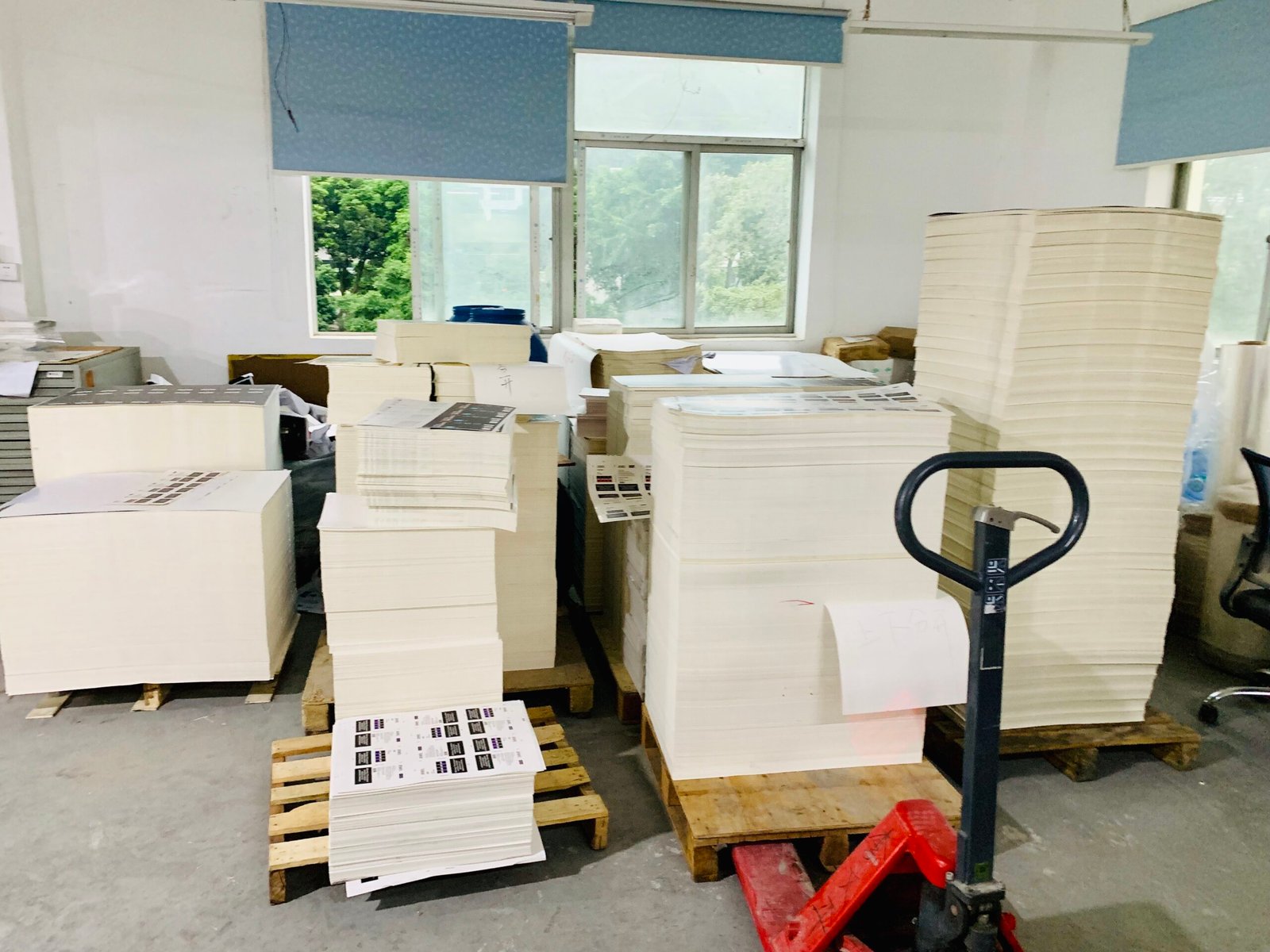
Paper bags are produced through printing, die-cutting, folding, and gluing. Each step is visible and measurable. Defects are easy to detect early. Plastic bag production depends on extrusion, sealing, and heat control. Small deviations can cause large scrap rates.
In the workshop, paper bag lines allow flexible order sizes and fast adjustments. This supports consistent delivery schedules and stable output.
Which Option Is More Sustainable in Practice?
Sustainability is no longer optional. It affects brand access to markets and retailers.
Paper bags are generally more sustainable due to renewability, recyclability, and easier certification. This makes them a safer long-term choice.
Paper bags can be produced using certified paper and recycled fibers. They degrade naturally and fit existing recycling systems. Plastic bags, even biodegradable types, face disposal challenges and regulation pressure.
From a manufacturing side, paper sourcing and certification systems are mature. Documentation and traceability are clear, which supports compliance and audits.
How Should Brands Choose Between Paper and Plastic Bags?
Wrong choices usually come from focusing on short-term price only.
Bag selection should be based on use scenario, brand positioning, and production stability rather than unit cost alone. This leads to better long-term results.
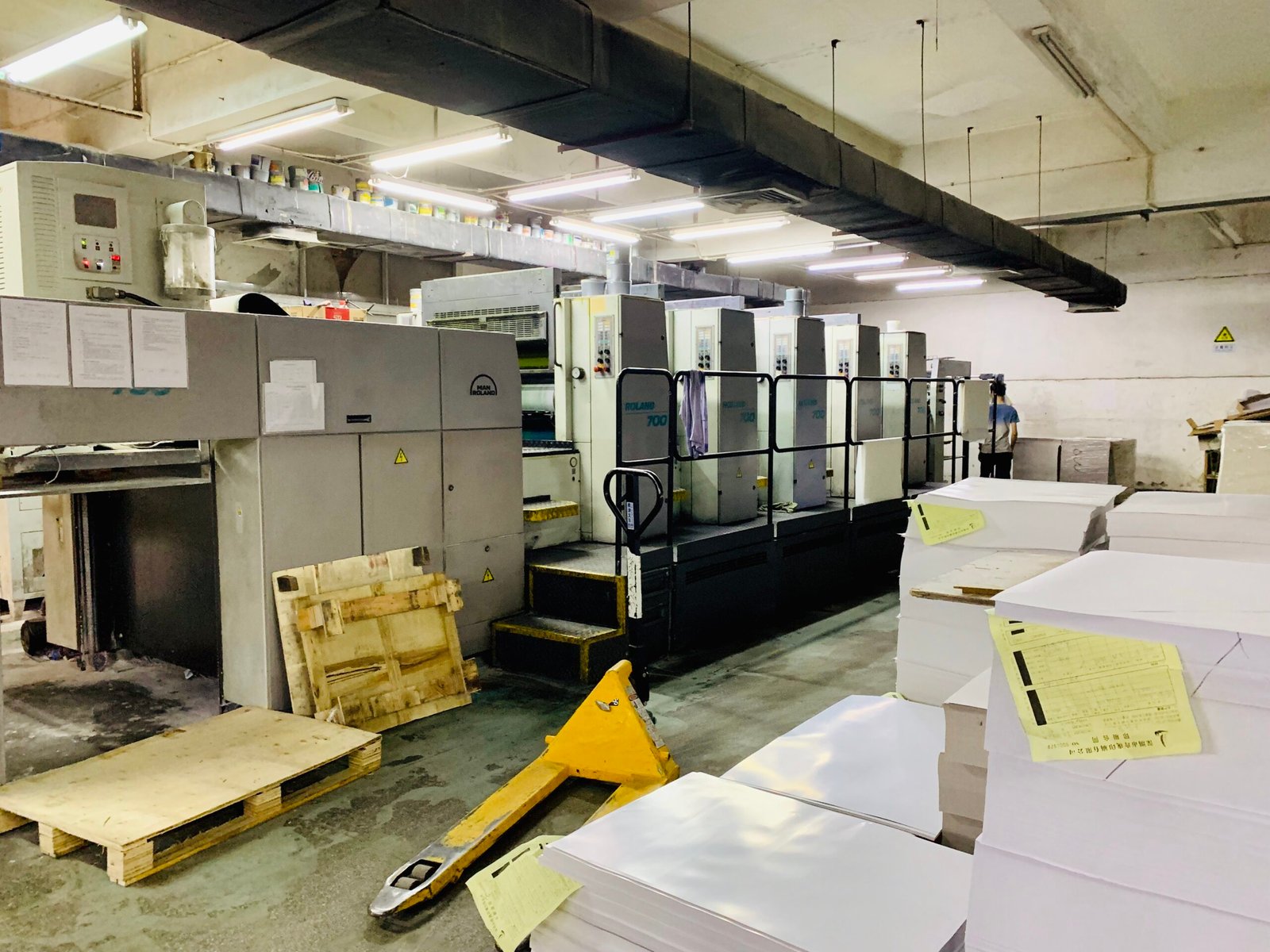
Paper bags suit retail, gifts, electronics, and cosmetics where appearance and structure matter. Plastic bags suit temporary or moisture-heavy use cases. In manufacturing, paper bags allow better control over quality, delivery, and consistency.
Factories evaluate load, usage, and printing needs before recommending materials. This approach avoids redesign and replacement later.
Conclusion
Paper and plastic bags both have their place, but from a manufacturing and long-term use perspective, paper bags provide a more balanced solution for many packaging projects. They offer stable structure, better printing results, and clearer material control during production, which helps reduce quality risks and inconsistencies between samples and mass production.
When produced with the right paper grade, reinforced structure, and controlled processes, paper bags can meet strength requirements while also supporting brand presentation and environmental expectations. This makes paper bags a practical and dependable option for packaging projects that require consistency, visual quality, and stable supply over time.