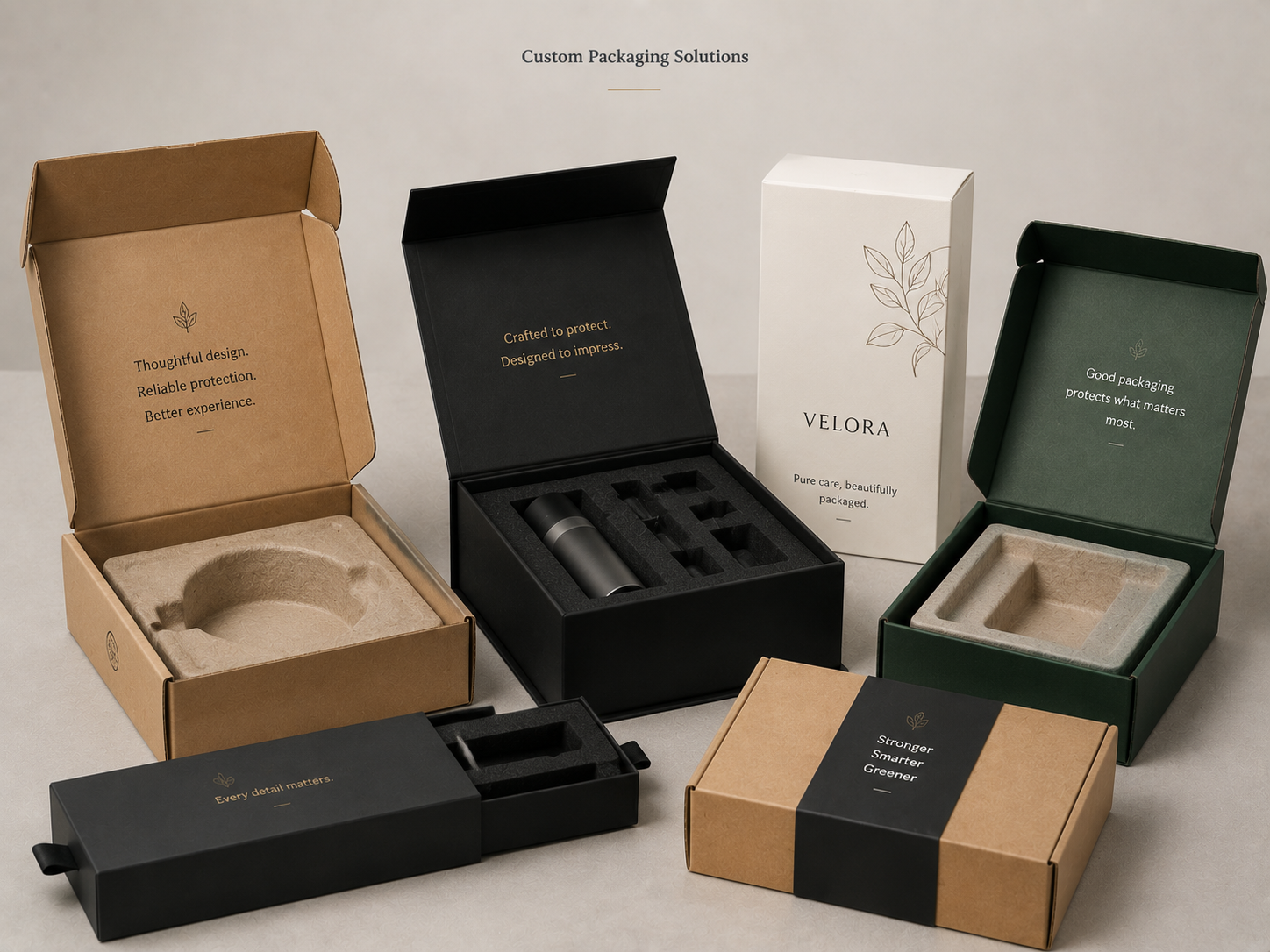
Paper bags are often avoided because they are seen as weak, expensive, or impractical. These assumptions usually come from poor material choices or incorrect production methods, not from the paper bag itself.
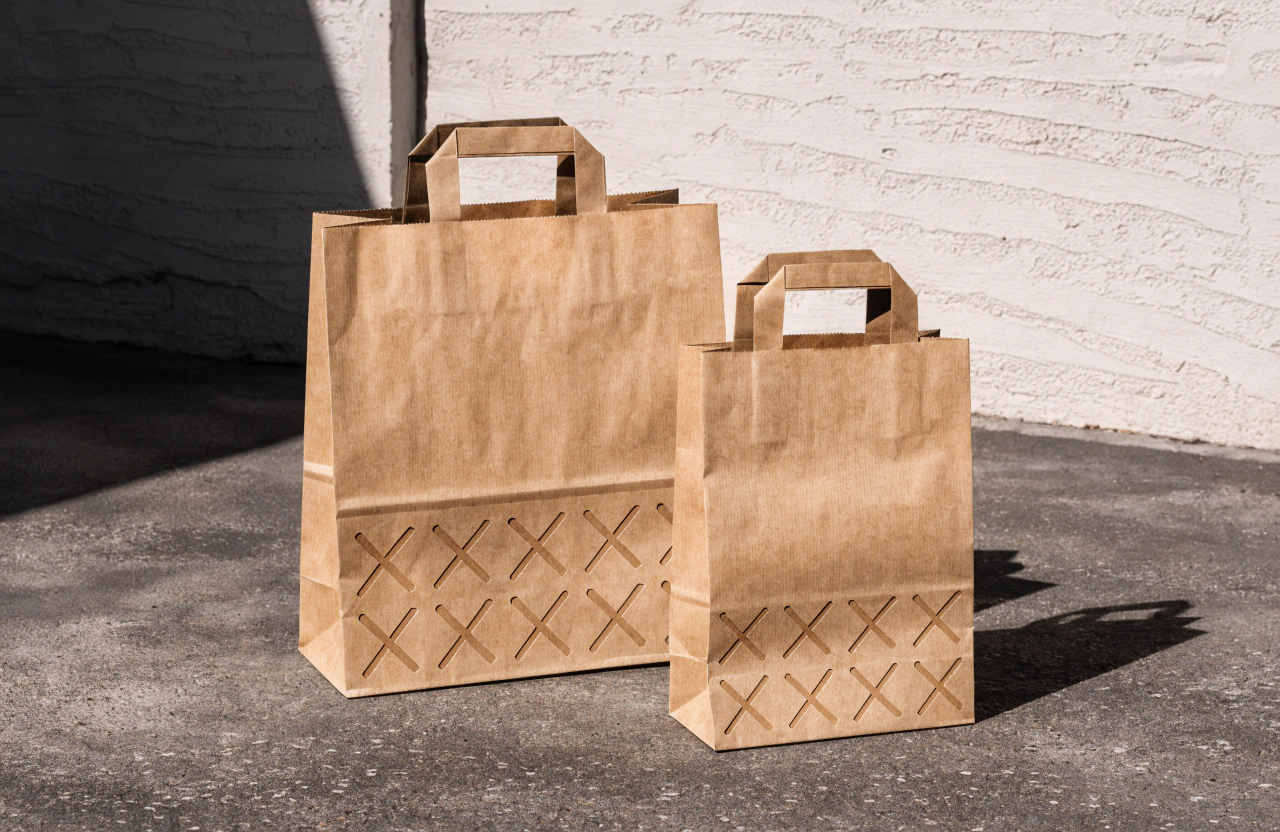
Paper bags are not used in some cases because of moisture sensitivity, cost concerns, and incorrect structural design, rather than real performance limitations. Most issues can be solved at the manufacturing level.
Paper bags are widely discussed, but not always correctly understood. When decisions are made without considering structure, paper grade, and production control, paper bags may appear unsuitable. The following sections explain the real reasons behind this choice from a manufacturing perspective.
Are Paper Bags Really Too Weak?
Strength concerns are the most common reason paper bags are rejected. Many assume paper cannot carry heavy products safely.
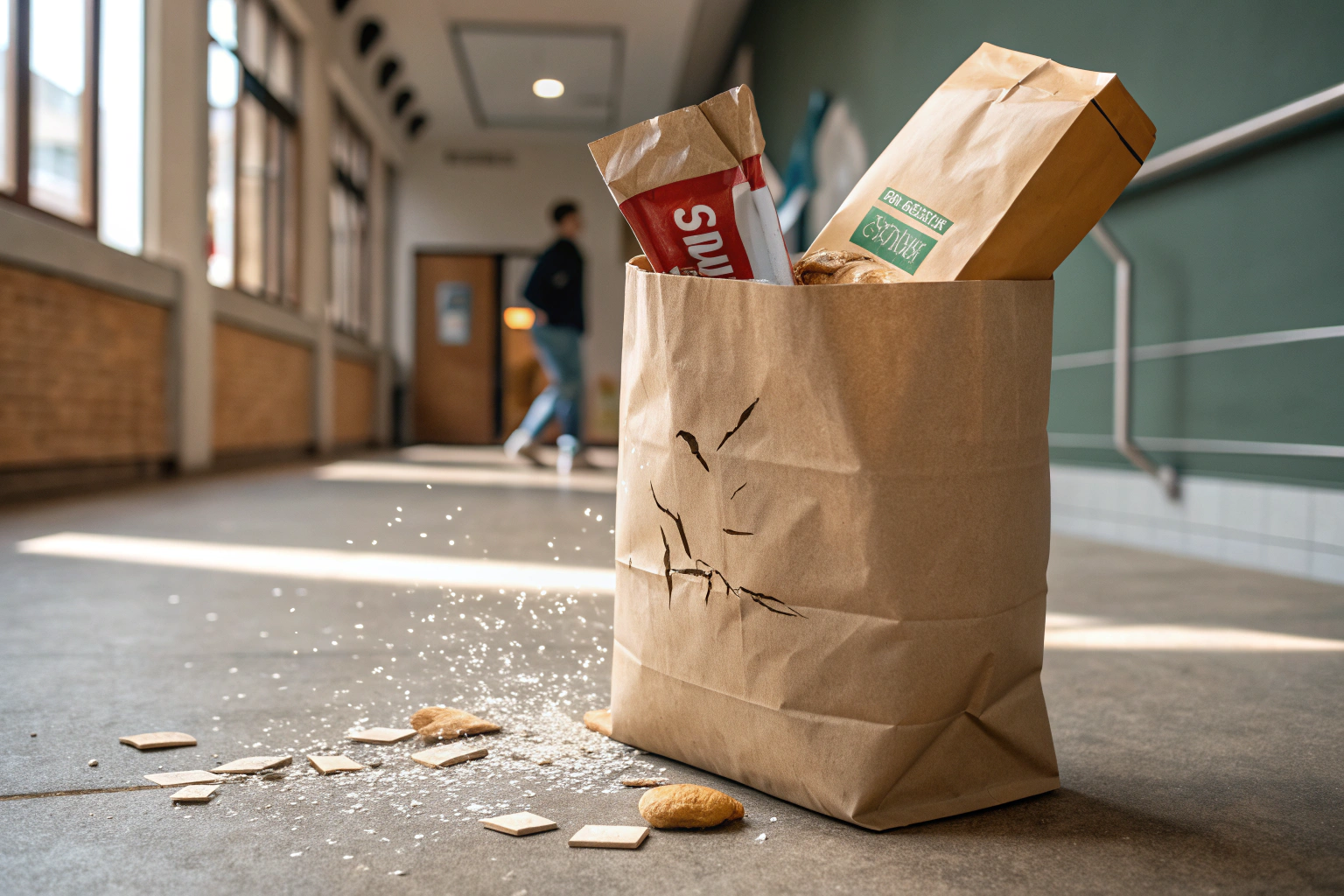
Paper bags are considered weak when low-grade paper or incorrect structure is used, not because paper lacks strength. Load performance depends on design and material control.
In production, paper bag strength is controlled through paper GSM, fiber quality, lamination, and bottom structure. Reinforced bases, folded edges, and proper handle attachment significantly increase load capacity. Twisted paper handles and flat handles are tested under weight before approval.
When strength issues occur, they usually trace back to cost-driven material reduction or skipped testing. In a controlled workshop environment, paper bags can be engineered to carry electronics, cosmetics, and retail goods reliably.
Does Moisture Limit the Use of Paper Bags?
Environmental exposure is another major concern. Paper reacts to water differently than plastic.
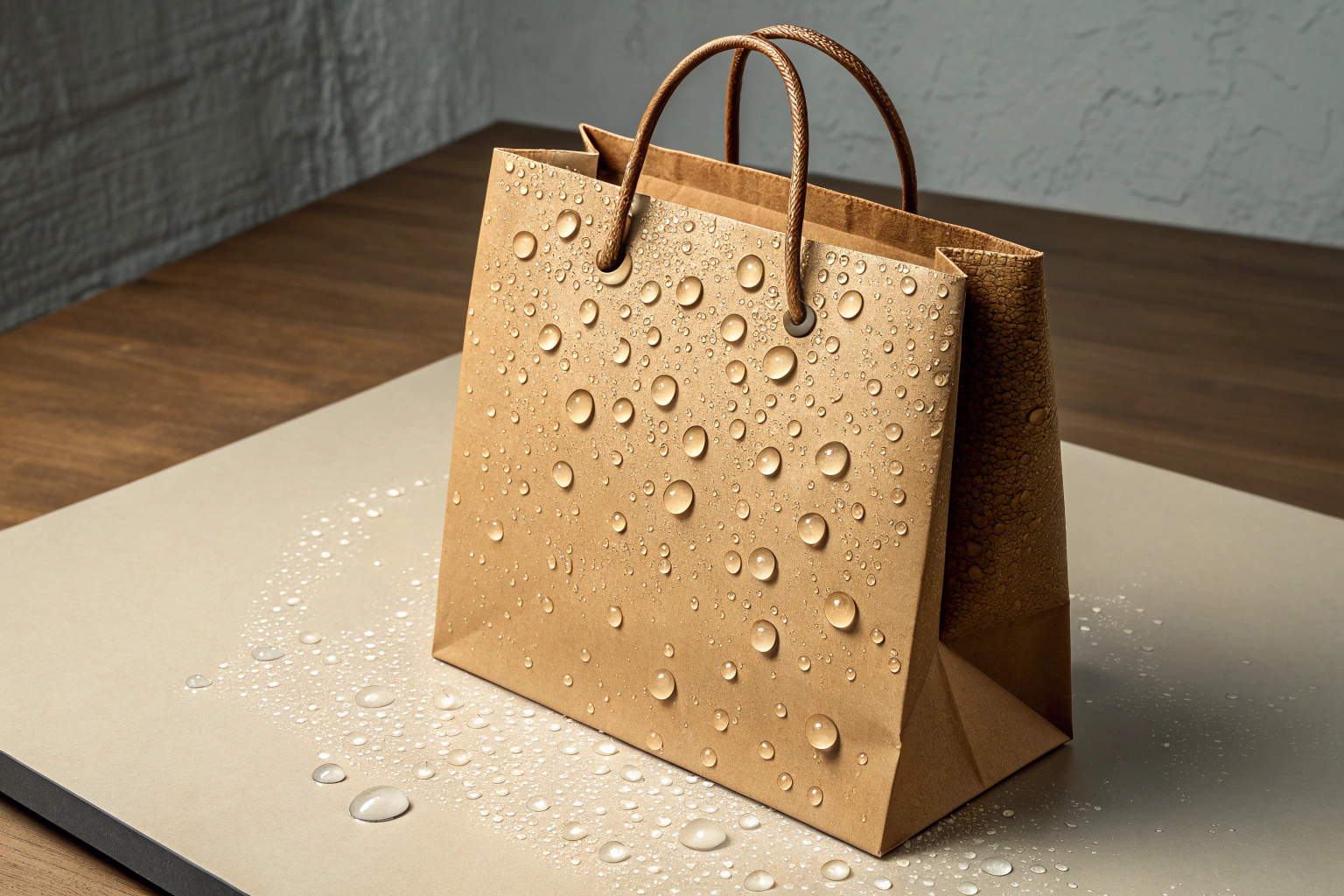
Paper bags are avoided in wet environments because untreated paper absorbs moisture and loses strength. This limitation is technical, not structural.
In manufacturing, moisture resistance is improved through lamination, water-based coatings, or treated kraft paper. These solutions protect the bag surface while maintaining recyclability when applied correctly.
Paper bags are not suitable for direct contact with liquids or frozen goods, but they perform well in normal retail and daily use. The key is matching material treatment to real usage conditions instead of assuming worst-case scenarios.
Are Paper Bags More Expensive to Produce?
Cost perception often influences material choice more than actual performance.
Paper bags are sometimes avoided because unit costs appear higher than plastic bags, especially at low volumes. This view ignores long-term value.
Paper bag cost includes paper quality, printing, structure, and manual or semi-automatic assembly. Plastic bags often look cheaper due to simple materials, but defect rates, printing limits, and regulatory pressure can increase hidden costs.
In factory production, paper bags offer better printing stability and lower visual defect risk. This reduces rework and replacement costs over time, especially for brand-facing packaging.
Do Paper Bags Limit Design Flexibility?
Some believe paper bags restrict creative or functional design.
Paper bags are avoided when design teams assume limited structure or finishing options. In reality, paper supports wide customization.
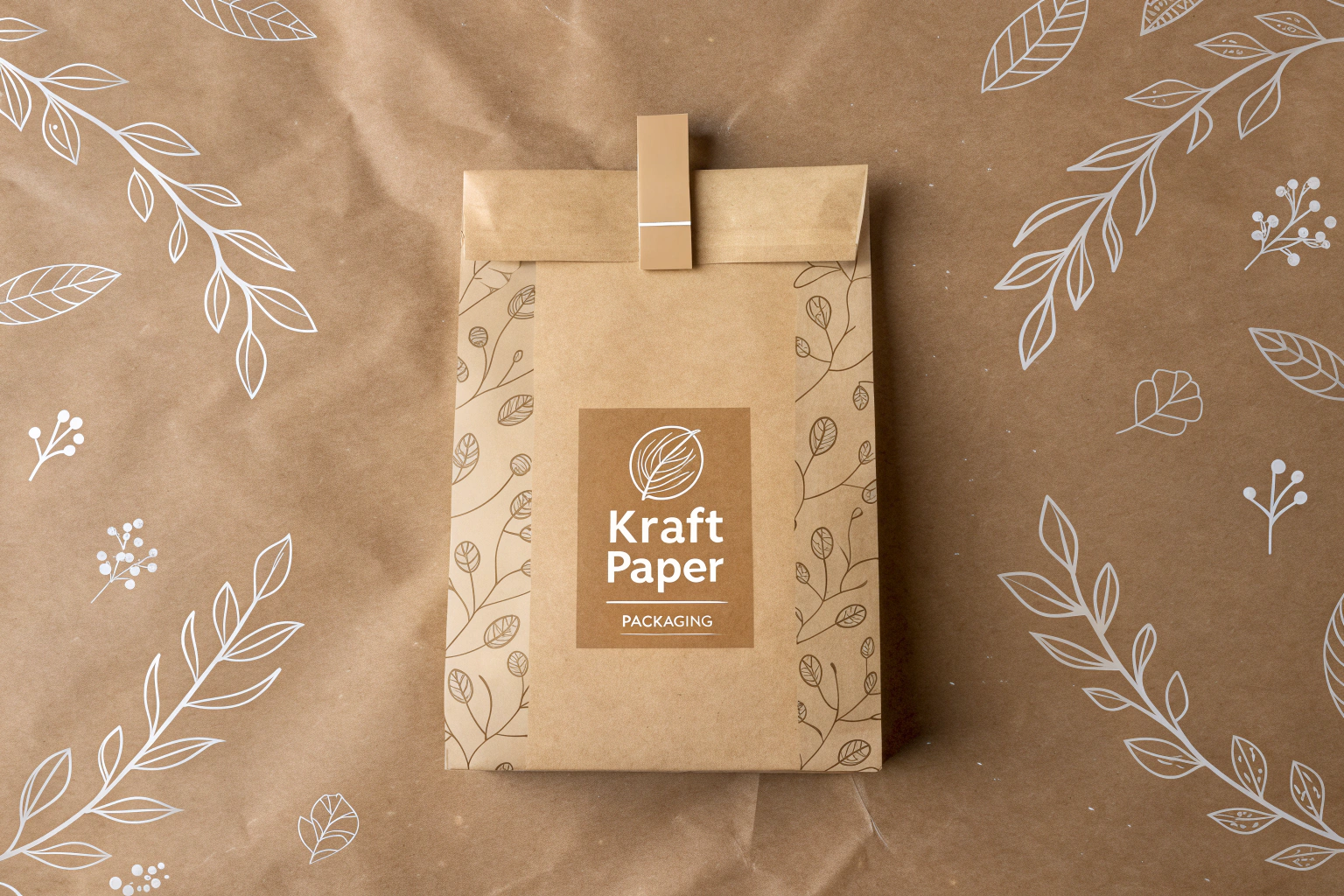
Paper bags allow flexible size control, reinforced structures, and premium finishes such as hot stamping, embossing, and spot UV. Handles, gussets, and closures can be customized based on load and presentation needs.
From a manufacturing view, paper bags are easier to prototype and adjust. Structural changes can be tested quickly with samples before mass production, reducing development risk.
Are Paper Bags Harder to Control in Mass Production?
Consistency is critical in large orders. Any instability leads to delays and complaints.
Paper bags are sometimes avoided because of concerns about production consistency, especially across large quantities. This depends on process control.
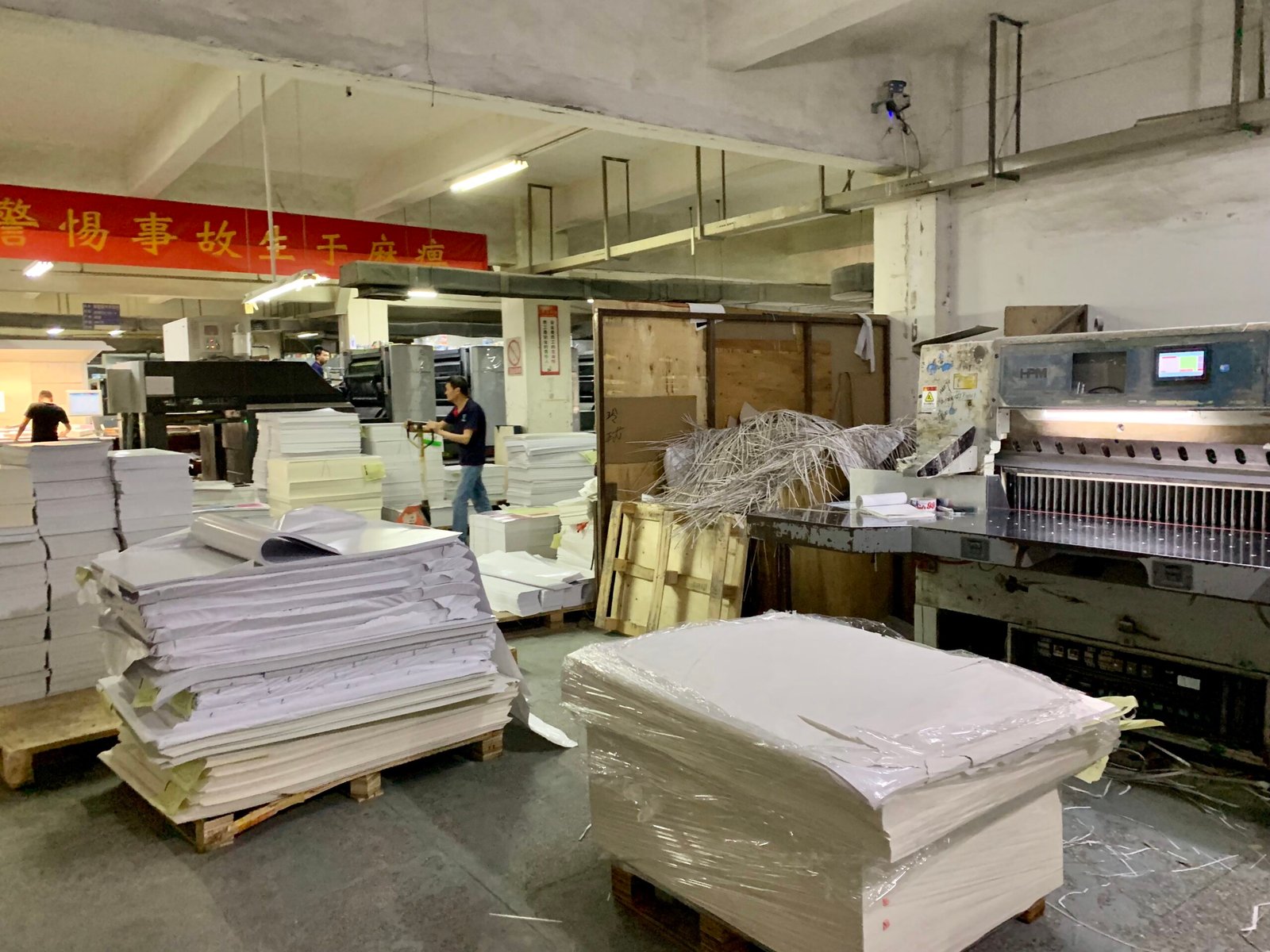
In the workshop, paper bag consistency is maintained through material conditioning, die-cut accuracy, and assembly fixtures. Quality checks focus on size, handle strength, and bonding areas.
When processes are standardized, paper bag production remains stable and predictable. Issues usually arise when production skips conditioning steps or rushes assembly without proper inspection.
When Does It Actually Make Sense Not to Use Paper Bags?
Paper bags are not universal solutions. Some use cases require other materials.
Paper bags should not be used for heavy moisture exposure, direct food liquids, or extreme outdoor storage. Correct application matters.
For temporary transport, wet environments, or low-visibility use, other materials may perform better. However, for retail, gifting, electronics, and daily consumer products, paper bags remain practical and reliable when manufactured correctly.
Factories evaluate usage scenarios before recommending materials. This avoids misuse and performance complaints later.
Conclusion
Paper bags are often avoided due to misunderstanding rather than real limitations. When low-grade materials or poor structures are used, performance problems appear quickly. However, with correct paper selection, reinforced design, and controlled production processes, paper bags deliver stable strength, consistent quality, and strong visual presentation.
From a manufacturing perspective, paper bags require proper engineering and discipline, but they reward that effort with predictable results. Choosing not to use paper bags should be based on real usage conditions, not assumptions. When applied correctly, paper bags remain a dependable and well-balanced packaging solution for many long-term projects.