Paper bags are sometimes seen as a basic packaging option, but this view ignores their real value in modern manufacturing. When designed and produced correctly, paper bags solve many problems related to branding, consistency, and environmental pressure.
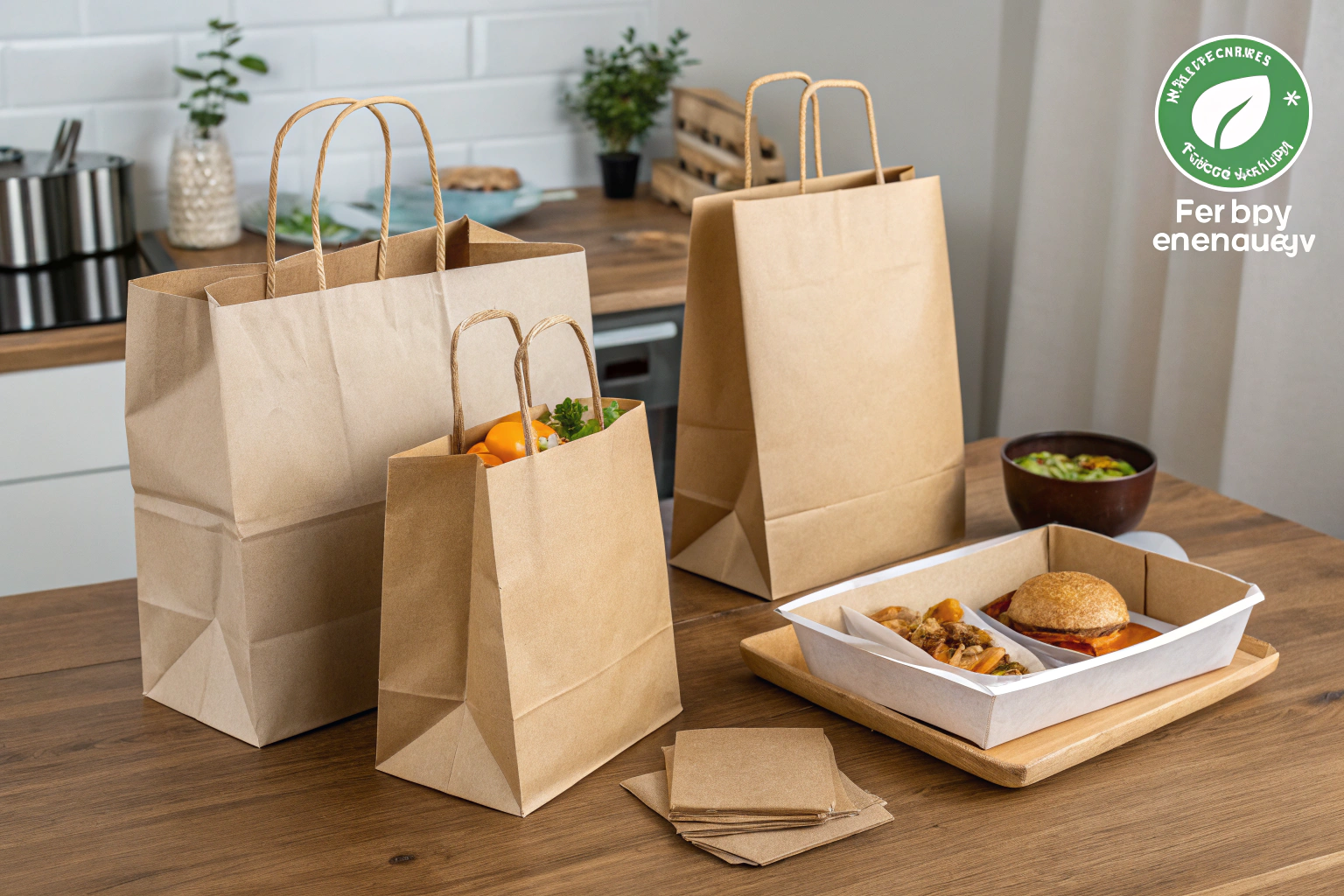
Paper bags offer clear advantages in sustainability, structure stability, printing quality, and production control. These strengths make them suitable for long-term and brand-facing packaging use.
Paper bags are not chosen only for appearance. From a factory perspective, they provide predictable performance, flexible customization, and reliable quality control. The following sections explain these advantages in detail.
Are Paper Bags More Environmentally Responsible?
Environmental concerns are often the first reason paper bags are considered. However, the advantage goes beyond surface-level perception.
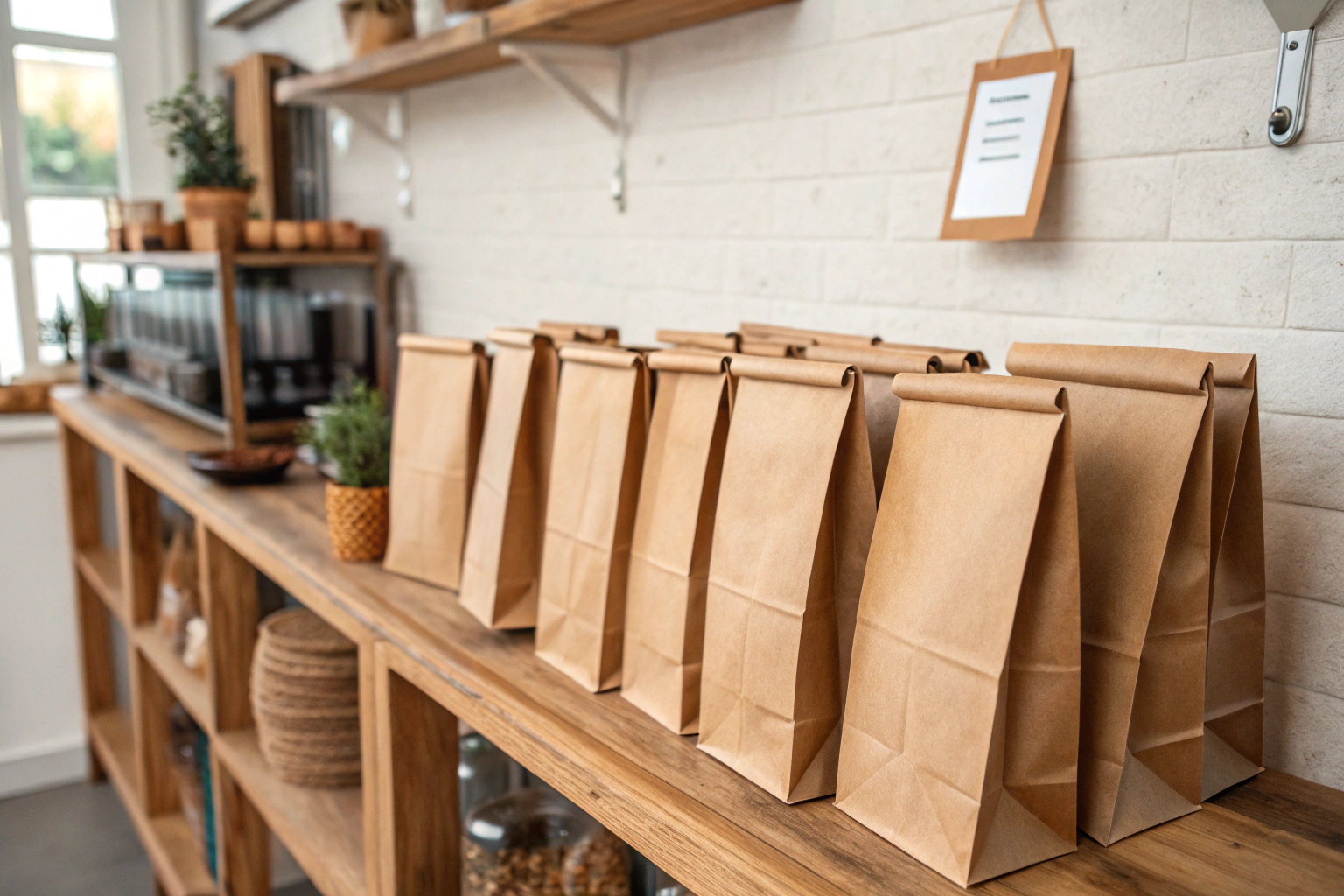
Paper bags are made from renewable fiber resources and fit well into existing recycling systems. This reduces long-term environmental risk.
Paper can be sourced from managed forests or recycled materials. After use, paper bags are easy to collect, recycle, or naturally decompose. Even when disposal is not ideal, paper does not create long-lasting pollution.
In manufacturing, paper sourcing is easier to document and control. This supports environmental audits and material traceability. Compared to plastic, paper allows clearer responsibility throughout the supply chain.
Do Paper Bags Offer Better Structural Stability?
Bag performance during use affects both product safety and user experience.
Paper bags maintain shape better and provide more predictable load performance than plastic bags. Structure matters as much as material.
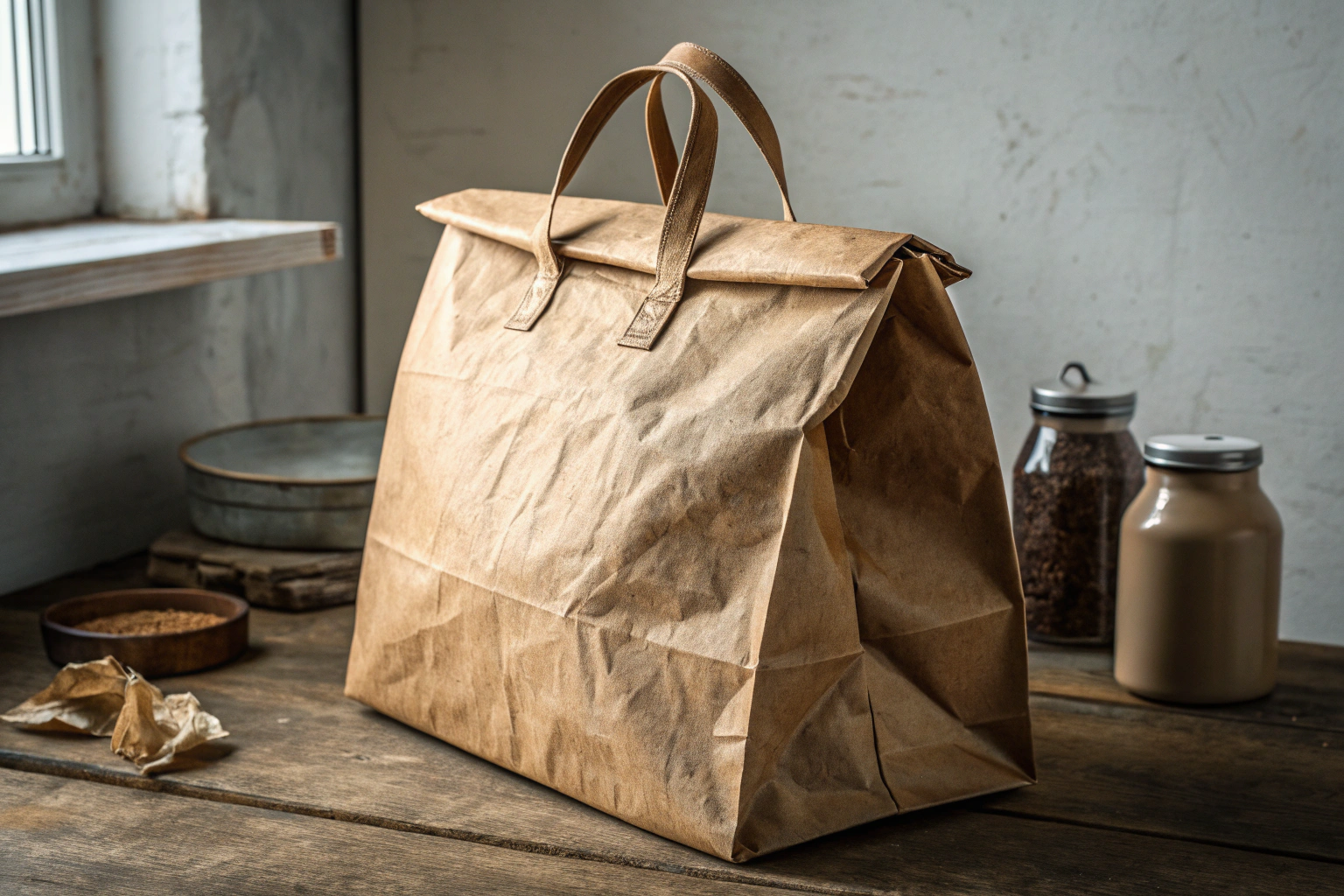
With proper paper grade, reinforced bottoms, and strong handle attachment, paper bags can carry significant weight. They stand upright, stack well, and protect contents during handling. Plastic bags stretch and deform easily, which increases failure risk.
In the workshop, paper bag strength is tested through load and handle pull tests. This allows performance to be engineered and repeated consistently across large quantities.
Why Are Paper Bags Better for Printing and Branding?
Visual presentation is a core part of packaging value.
Paper bags support high-quality printing and premium finishing options. This improves brand consistency.
Paper surfaces accept offset printing, spot colors, hot stamping, embossing, and UV finishes. Colors remain stable and details stay sharp. Plastic printing methods are more limited and harder to control.
From a production view, paper printing follows standardized color management. Samples and mass production remain consistent, which reduces complaints and rework.
Are Paper Bags Easier to Control in Production?
Production stability affects delivery time and quality reliability.
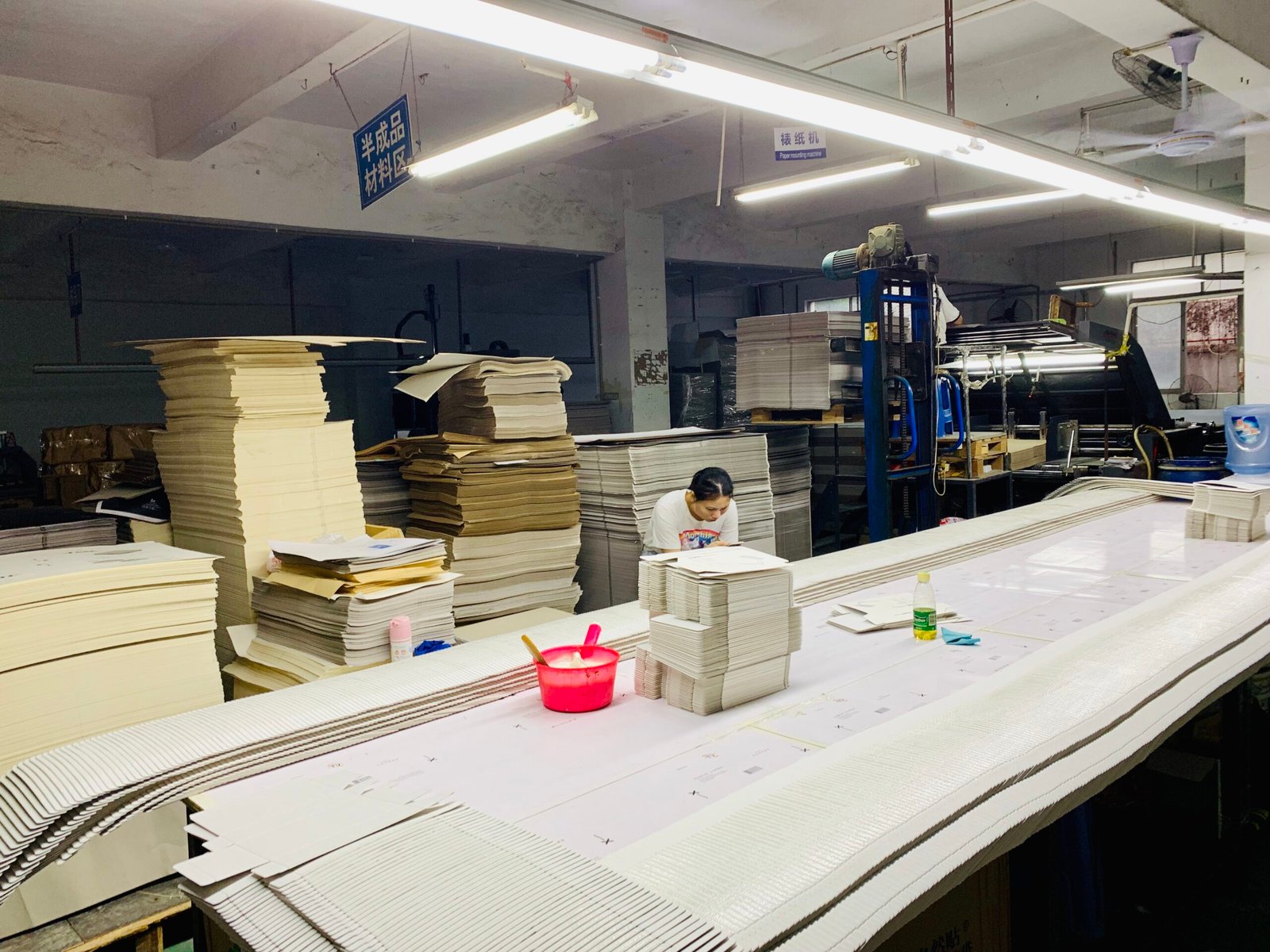
Paper bag manufacturing offers clearer process control and lower visual defect risk. This improves consistency.
Paper bags are produced through visible steps such as printing, die-cutting, folding, and gluing. Issues can be detected early. Adjustments are fast and measurable. Plastic bag production relies heavily on heat and film behavior, which increases variation.
In factory operations, paper bags allow better planning, flexible order sizes, and stable output over time.
Do Paper Bags Support Flexible Design and Customization?
Packaging often needs to adapt to different products and markets.
Paper bags allow flexible size control, structure options, and finishing customization. This supports diverse use cases.
Paper bags can be customized in size, gusset depth, handle type, and surface finish. Structural changes can be sampled quickly before mass production. This reduces development risk.
Manufacturing teams can test and refine designs efficiently, ensuring the final product meets both functional and visual requirements.
Are Paper Bags Cost-Effective in the Long Term?
Short-term unit cost does not reflect total packaging cost.
Paper bags offer better long-term value through lower defect rates and stronger brand performance. Total cost matters more.
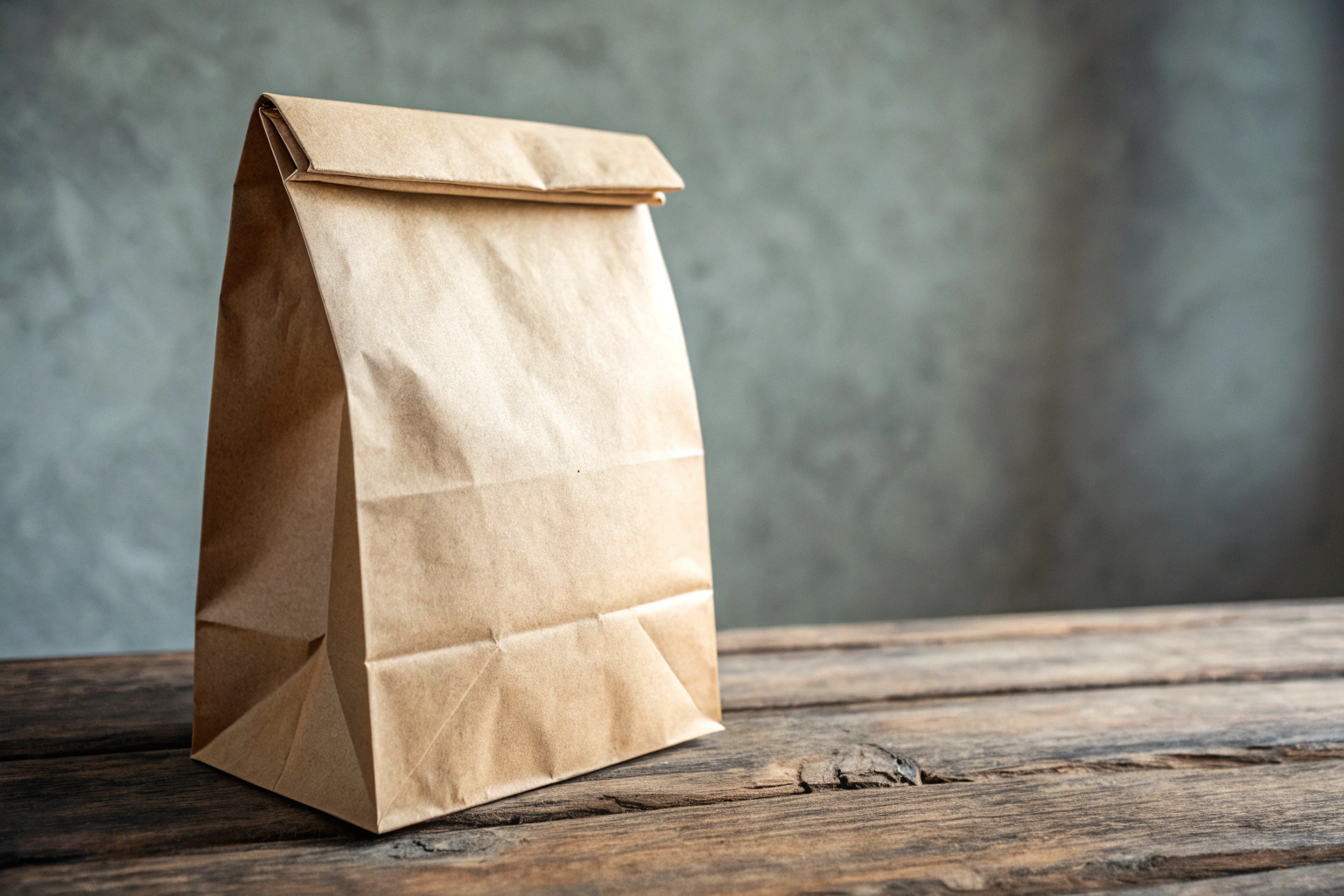
While paper bags may cost more per unit, they reduce rework, replacement, and customer complaints. Better printing and structure also increase perceived product value.
From a manufacturing perspective, stable processes and predictable quality reduce hidden costs over time.
Conclusion
Paper bags offer a balanced combination of environmental responsibility, structural reliability, and strong visual presentation. When produced with the right paper grade, reinforced structure, and controlled manufacturing processes, they perform consistently in daily use while supporting clear and stable brand presentation. Their ability to hold shape, carry weight, and maintain print quality makes them suitable for many retail and packaging applications.
From a manufacturing perspective, paper bags also provide better process transparency and quality control compared to many alternative materials. Stable sourcing, predictable production steps, and easier inspection reduce long-term risks and hidden costs. As packaging requirements continue to focus on sustainability, consistency, and reliability, paper bags remain a practical and dependable solution for projects that value long-term performance over short-term convenience.