Eco-friendly packaging is often discussed, but rarely defined in a practical way. Many packaging projects claim to be sustainable, yet fail during production, delivery, or real-world use because environmental goals were not aligned with manufacturing reality.
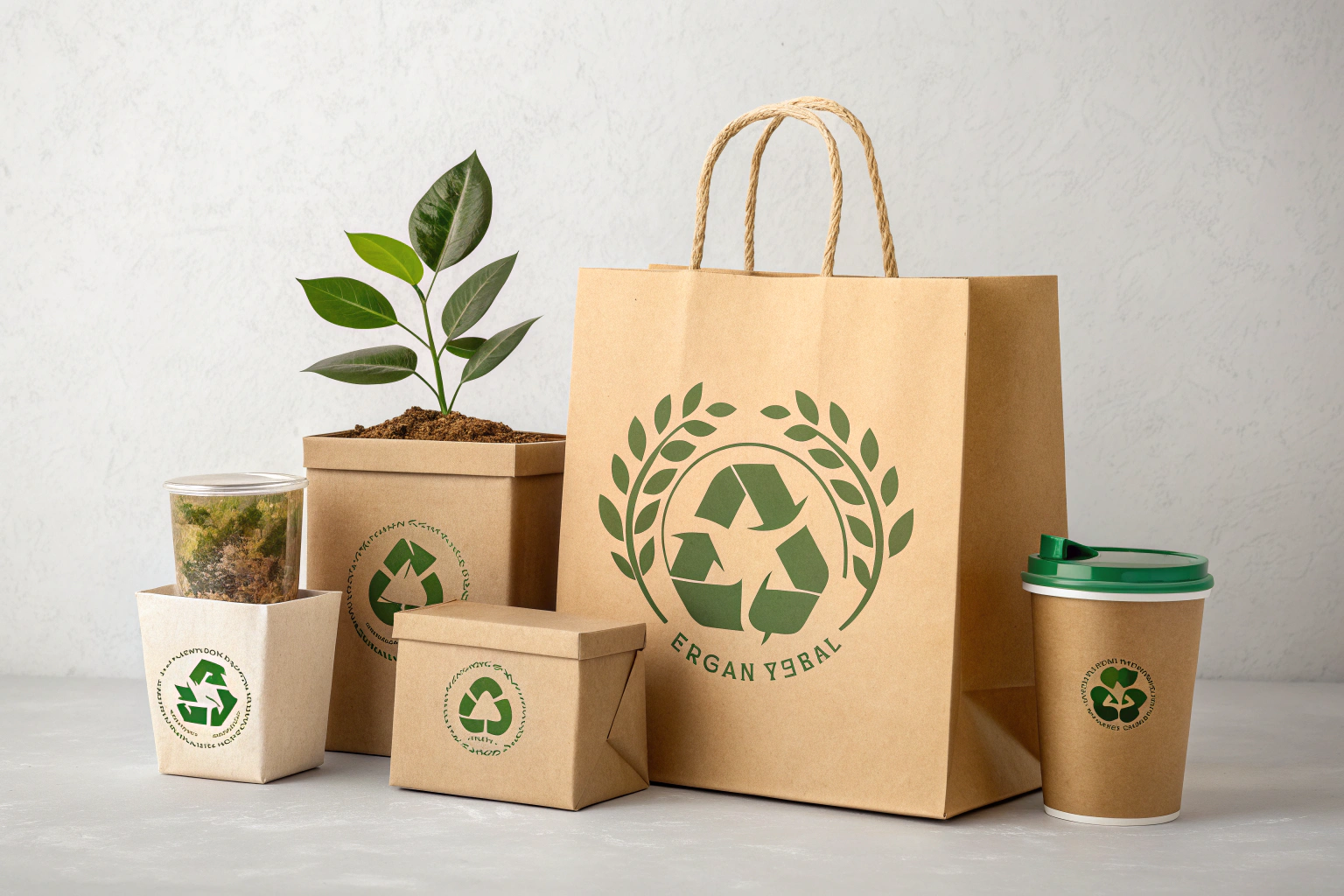
Eco-friendly packaging refers to packaging that minimizes environmental impact through responsible material sourcing, efficient manufacturing processes, and proper end-of-life handling. It is a system, not a single material choice.
From a manufacturing perspective, eco-friendly packaging must perform reliably on the production floor, remain stable during logistics, and fit into recycling or reuse systems after use. The sections below explain this concept clearly and professionally.
What Makes Packaging Eco-Friendly in Practice?
Eco-friendly packaging is often misunderstood as simply using recycled or natural materials.
Packaging becomes eco-friendly when its full lifecycle is considered, from raw material to disposal.
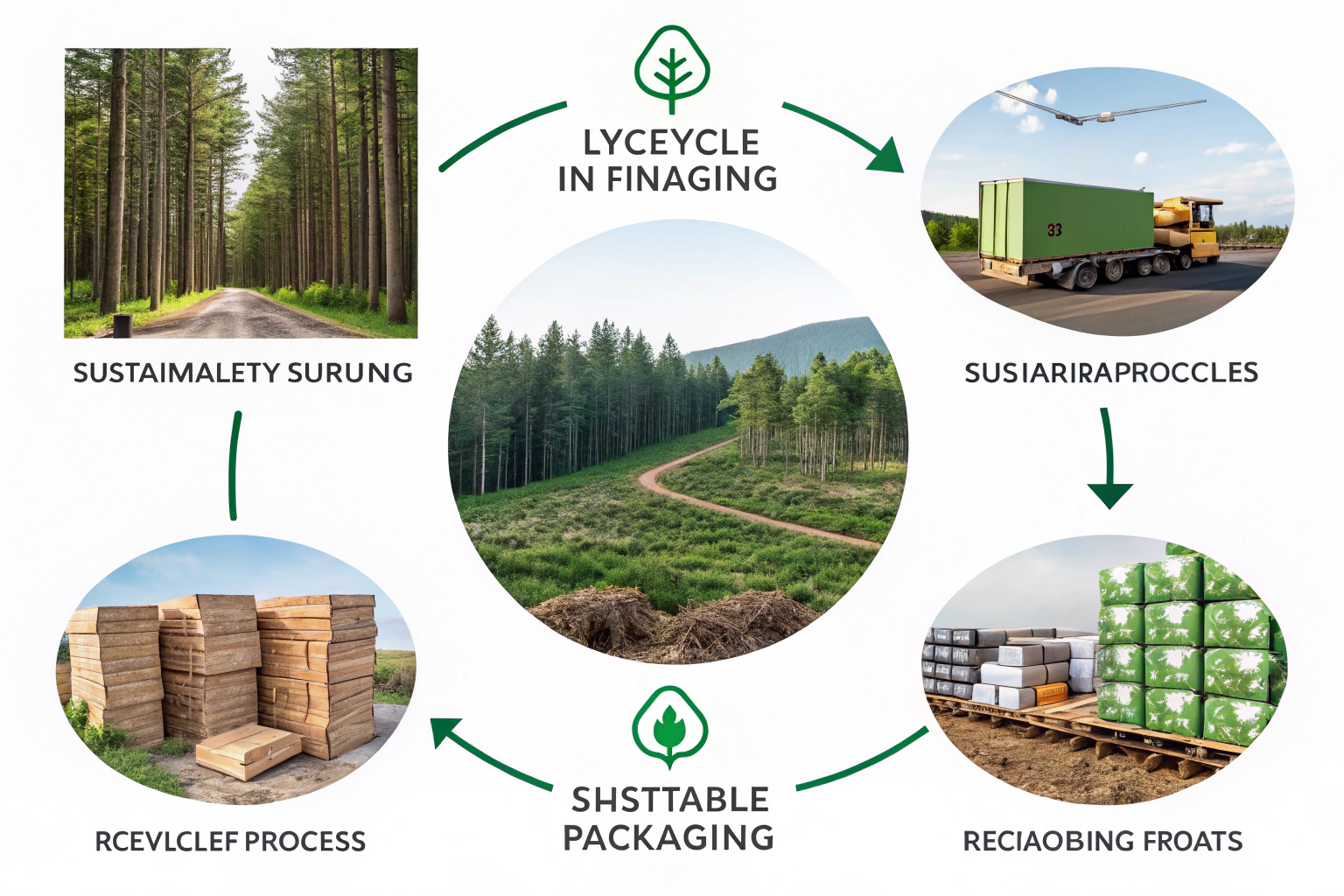
This includes renewable or recycled raw materials, controlled material usage, efficient production, and realistic recycling or reuse pathways. Packaging that looks sustainable but wastes material or fails during transport increases environmental burden instead of reducing it.
In manufacturing, lifecycle thinking guides material selection, structure design, and process planning. Each step is evaluated for waste, energy use, and repeatability to ensure environmental claims are supported by real performance.
Which Materials Are Commonly Used in Eco-Friendly Packaging?
Material choice is a foundation, but not the only factor.
Eco-friendly packaging materials commonly include paper, cardboard, molded pulp, and other fiber-based materials.
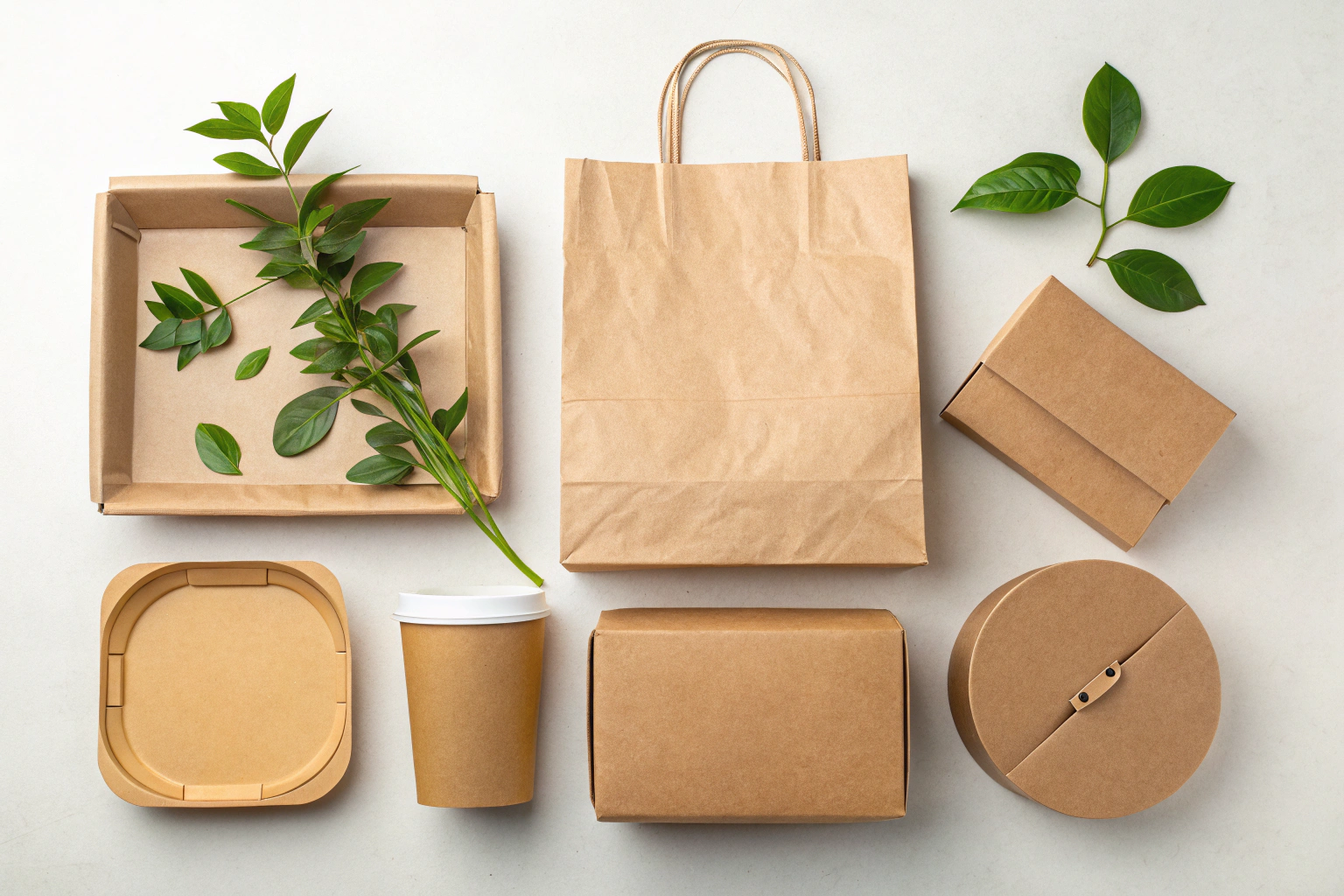
These materials are derived from renewable fiber sources and integrate well into existing recycling systems. Recycled paper and certified paper reduce pressure on virgin resources. In some cases, biodegradable coatings or water-based inks are used to maintain recyclability.
From a factory viewpoint, fiber-based materials offer better traceability and process stability. Production waste can often be recycled internally, which further reduces environmental impact.
How Does Packaging Structure Affect Sustainability?
Material alone does not define environmental performance. Structure plays a major role.
Eco-friendly packaging uses efficient structures that provide protection with minimal material usage.
Well-designed structures reduce overpackaging, eliminate unnecessary layers, and improve stacking efficiency. Strong structures reduce damage during transport, which prevents replacement shipments and additional waste.
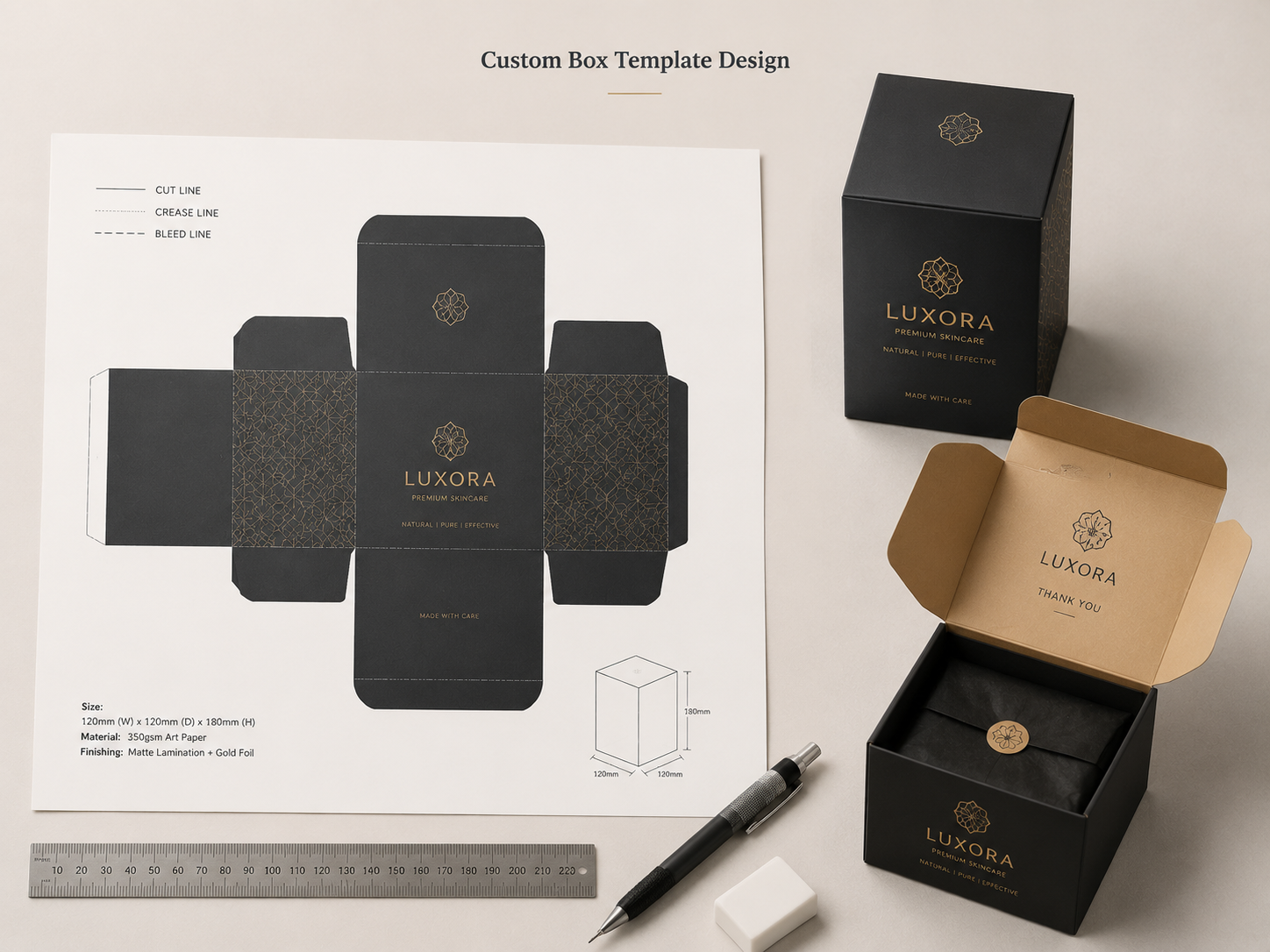
In manufacturing workshops, structure optimization is achieved through CAD design, prototyping, and testing. Compression and drop tests confirm that reduced material does not compromise performance. This balance is critical for real sustainability.
How Do Manufacturing Processes Influence Eco-Friendliness?
Sustainability is shaped inside the factory as much as by material choice.
Eco-friendly packaging relies on stable, efficient manufacturing processes that minimize waste and energy use.
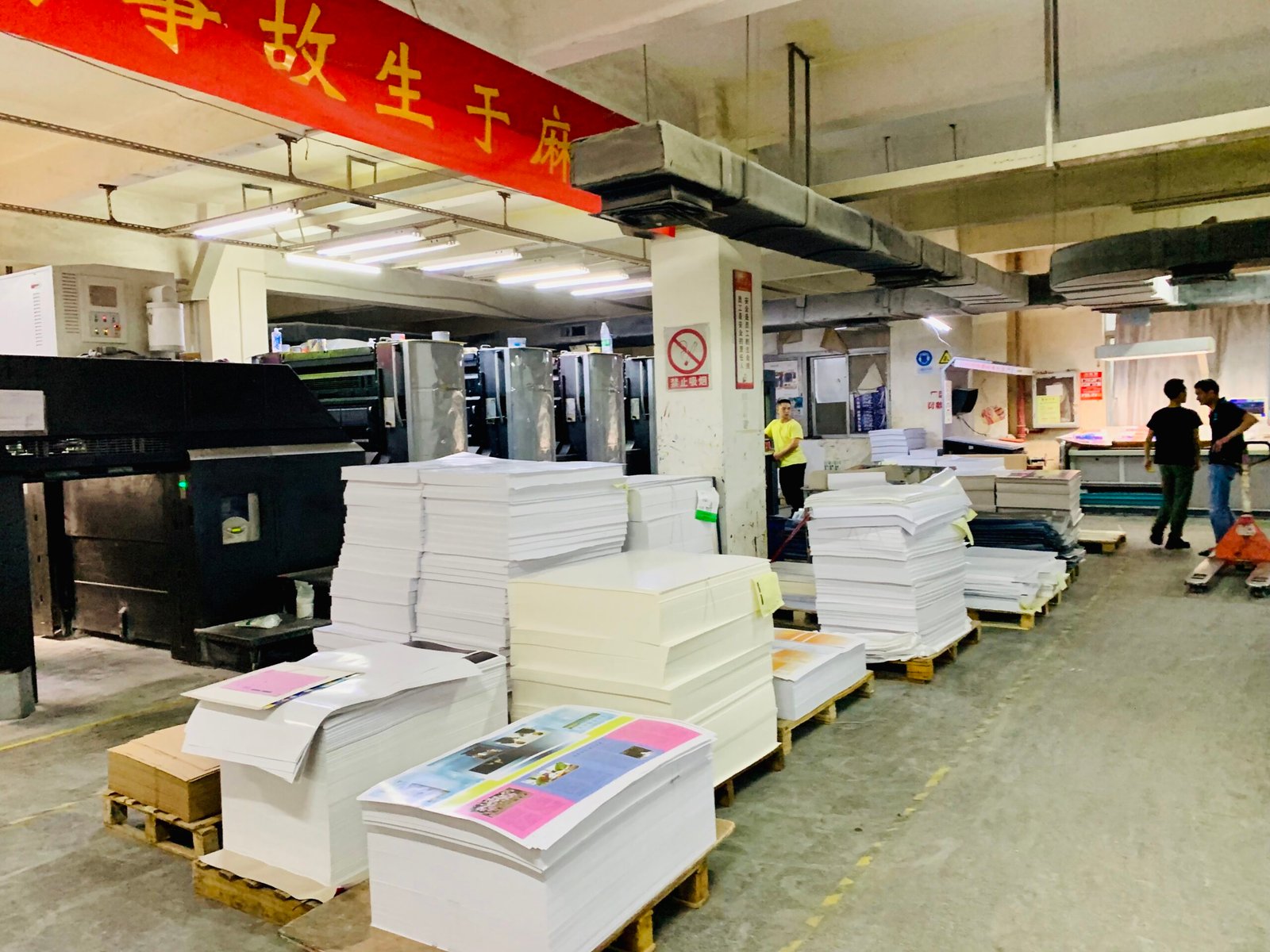
Paper packaging production involves printing, die-cutting, folding, and gluing. These steps are visible and measurable, making waste easier to control. Process optimization reduces scrap and rework.
Workshops condition materials to control humidity, calibrate machines regularly, and standardize operating procedures. These practices reduce defects and improve consistency, directly supporting environmental goals.
What Role Does Recycling and Disposal Play?
Packaging is only eco-friendly if its end-of-life is realistic.
Eco-friendly packaging is designed to be easily recycled, reused, or naturally degraded.
Paper-based packaging fits well into existing recycling systems and breaks down naturally if disposal is imperfect. Clear material composition and limited mixed materials improve recycling efficiency.
From a manufacturing perspective, avoiding unnecessary laminations or incompatible materials improves real-world recycling outcomes. Design decisions made early directly affect disposal success later.
How Is Eco-Friendly Packaging Applied in Real Industries?
Application determines whether eco-friendly packaging succeeds or fails.
Eco-friendly packaging is widely used in retail, electronics, cosmetics, and daily consumer goods where balance between protection and sustainability is required.
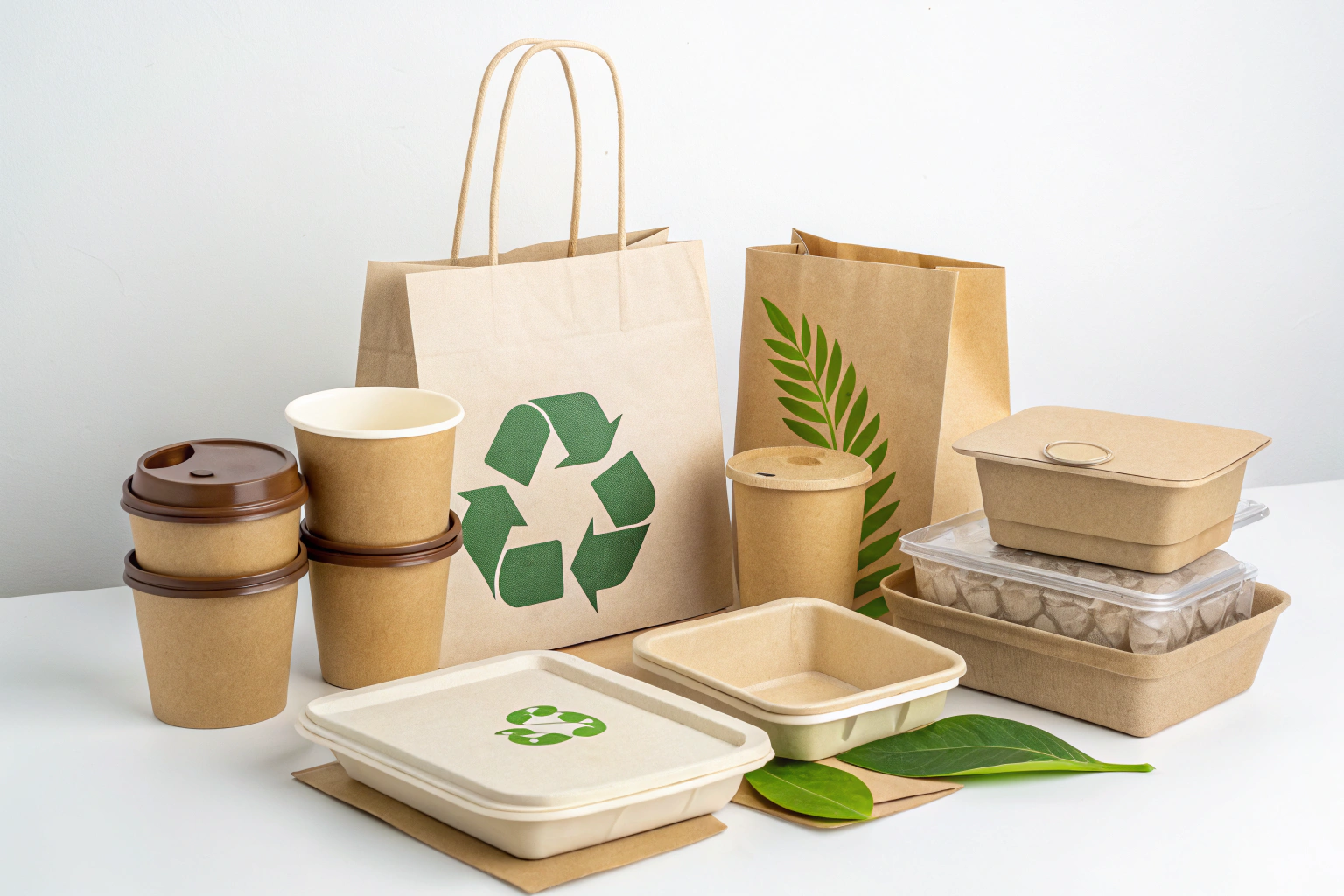
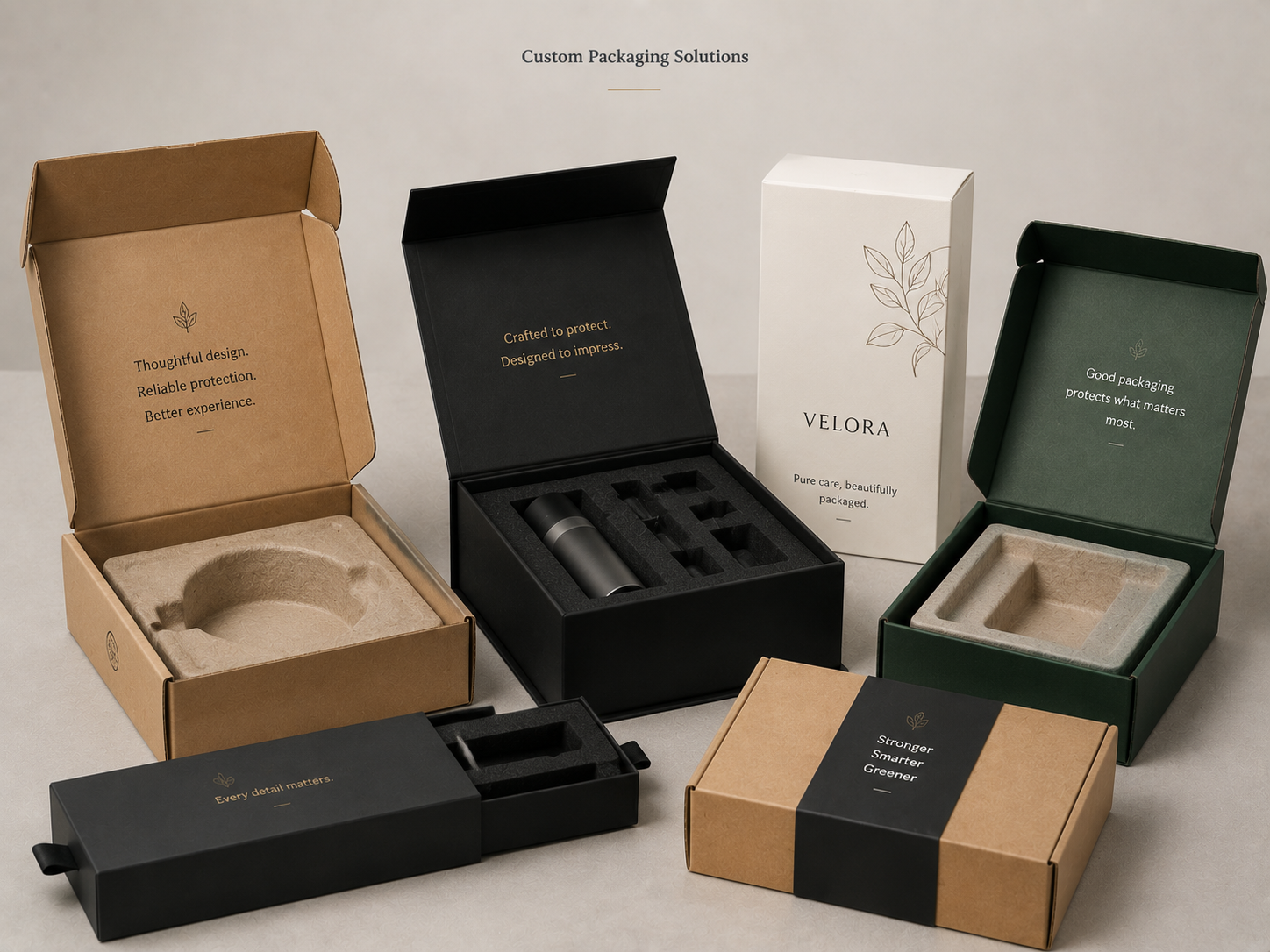
In these industries, packaging must protect products, present brands clearly, and meet environmental expectations. Paper boxes, paper bags, molded pulp trays, and recyclable inserts are commonly used.
Factories evaluate product weight, sensitivity, and logistics conditions before finalizing eco-friendly designs. This ensures that sustainability does not come at the cost of performance or reliability.
Conclusion
Eco-friendly packaging is not defined by a single material or label. It is the result of responsible material sourcing, efficient structure design, controlled manufacturing processes, and realistic recycling or reuse after use. When these elements work together, environmental impact is reduced in a measurable and practical way.
From a manufacturing perspective, true eco-friendly packaging must perform consistently on the production floor and throughout the supply chain. Poorly designed “green” packaging that fails in use creates more waste and higher environmental cost. Well-engineered paper-based packaging, optimized structures, and stable workshop processes allow sustainability goals to align with quality, efficiency, and long-term reliability.