Paper packaging is widely viewed as an environmentally friendly option, but this assumption is often accepted without examining how paper packaging is actually produced, used, and managed after disposal. When environmental claims are not connected to real manufacturing practices, packaging choices can create unexpected waste and performance issues.
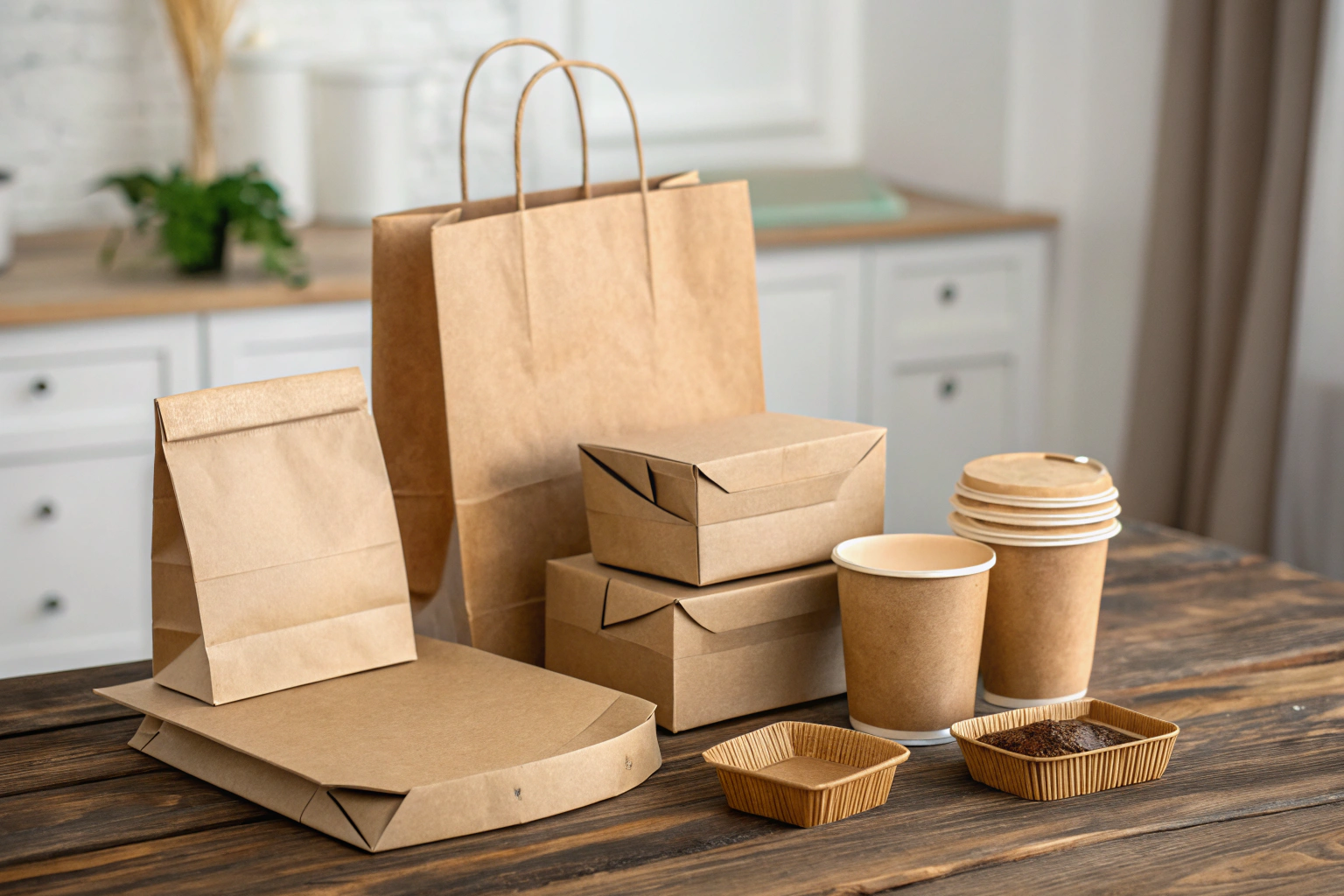
Paper packaging is considered eco-friendly when it is responsibly sourced, efficiently manufactured, correctly designed, and realistically recyclable. Its sustainability depends on execution, not on material name alone.
From a manufacturing standpoint, paper packaging performs well environmentally when material control, workshop processes, and end-of-life planning are aligned. The following sections explain this in a clear and professional way.
How Does Paper Packaging Compare Environmentally to Other Materials?
Environmental performance starts with the nature of the raw material.
Paper packaging has a lower long-term environmental burden than plastic because it is fiber-based, renewable, and biodegradable.
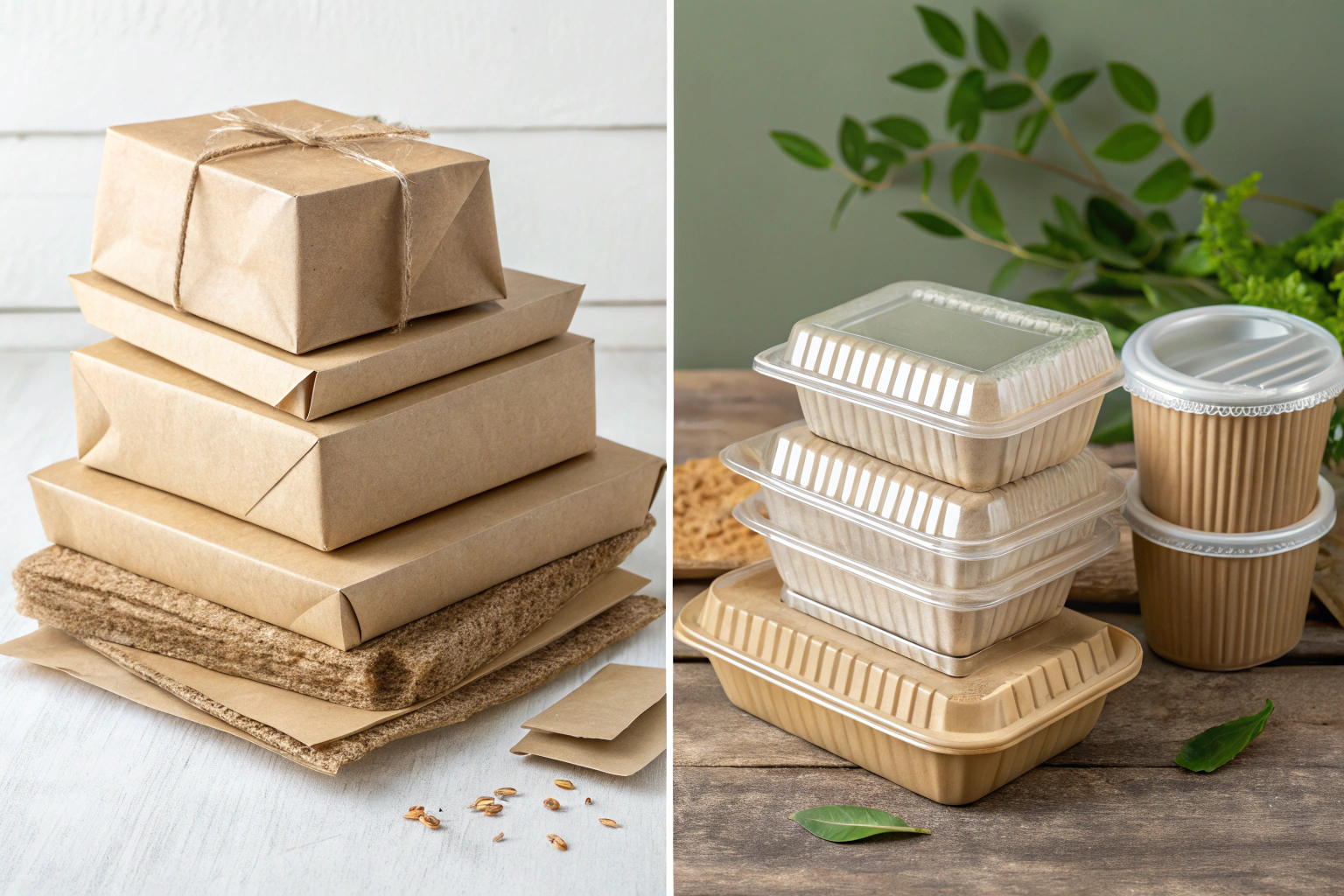
Paper is produced from wood pulp or recycled fiber, which can be replenished through managed forestry and recycling systems. Plastic relies on fossil resources and remains in the environment for long periods. Even when recycling exists, plastic recovery rates are inconsistent.
From a production perspective, fiber materials allow clearer sourcing control and environmental documentation. This makes paper packaging easier to manage responsibly throughout its lifecycle.
Does Paper Packaging Use Renewable and Recyclable Resources?
Material origin and end-of-life handling are core sustainability factors.
Paper packaging is based on renewable fiber resources and fits well into existing recycling systems.
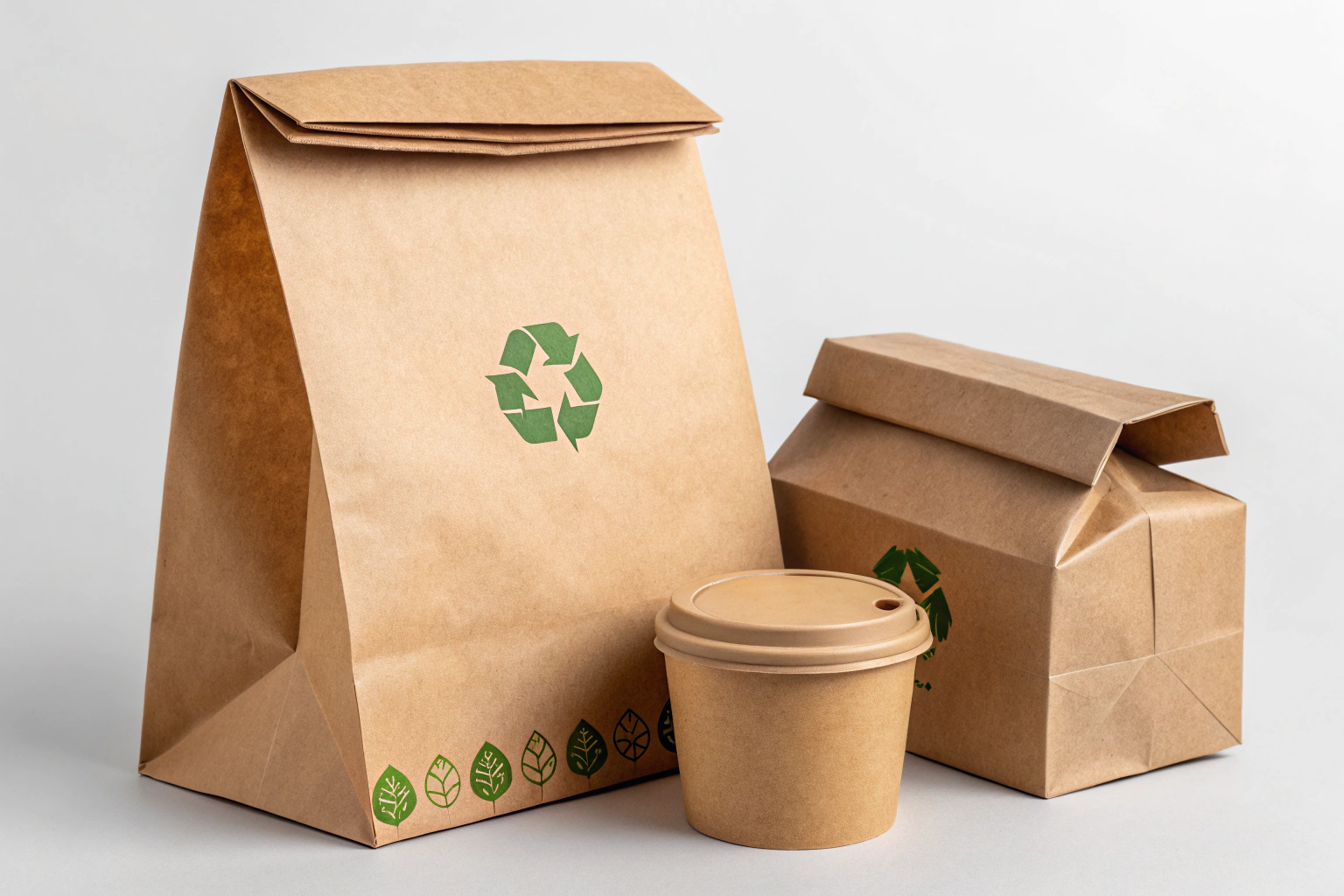
Paper fibers can be recycled multiple times before degradation. After use, paper packaging is widely accepted by recycling facilities and does not require complex separation when designed properly. If disposal is imperfect, paper decomposes naturally without creating long-term pollution.
In manufacturing, recycled paper and certified paper can be used to reduce pressure on virgin resources. Production scrap is often recycled internally, lowering overall material waste.
How Do Manufacturing Processes Affect Eco-Friendliness?
Environmental impact is strongly influenced by what happens inside the factory.
Paper packaging manufacturing allows better process visibility, waste control, and energy efficiency.
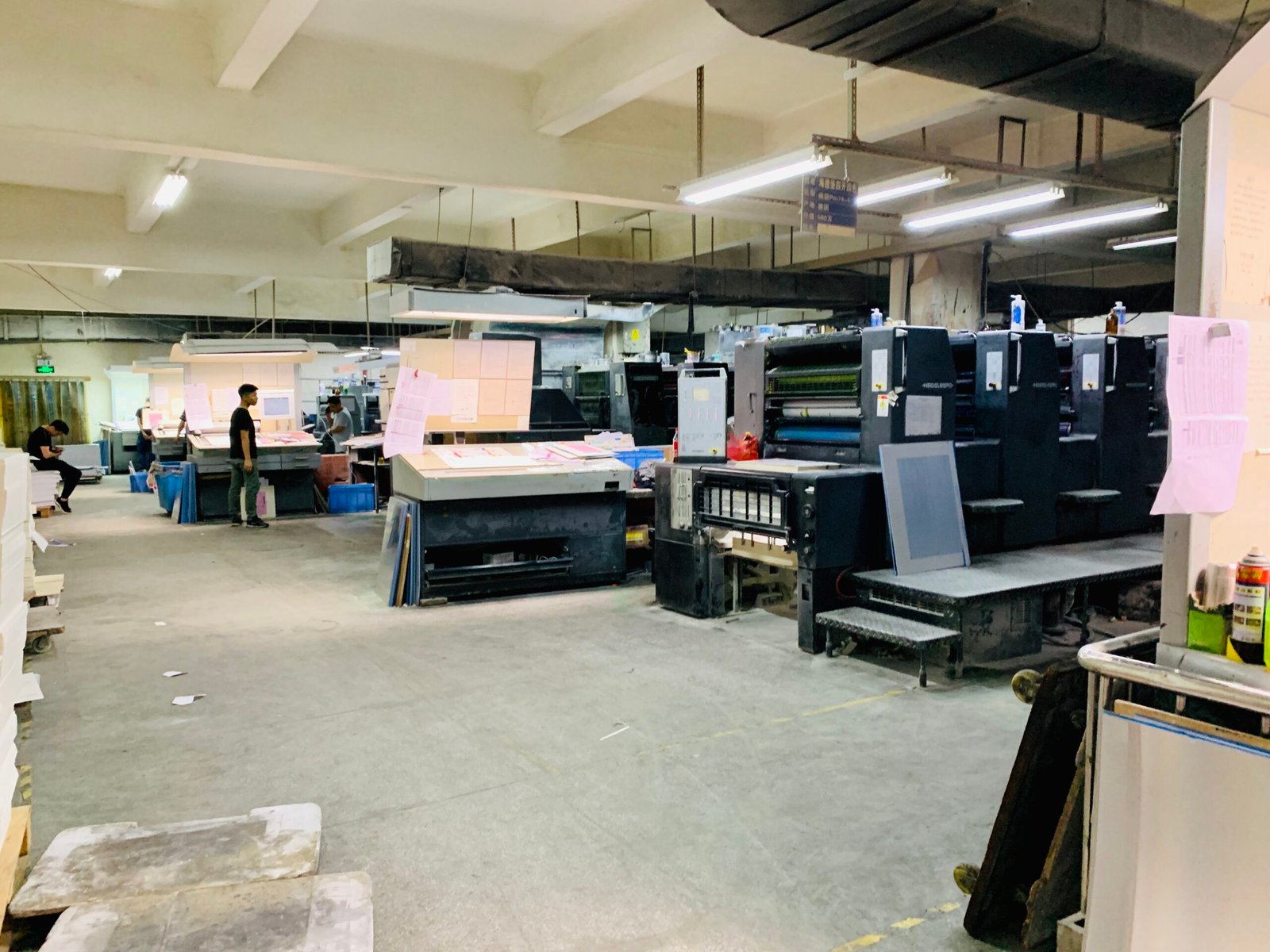
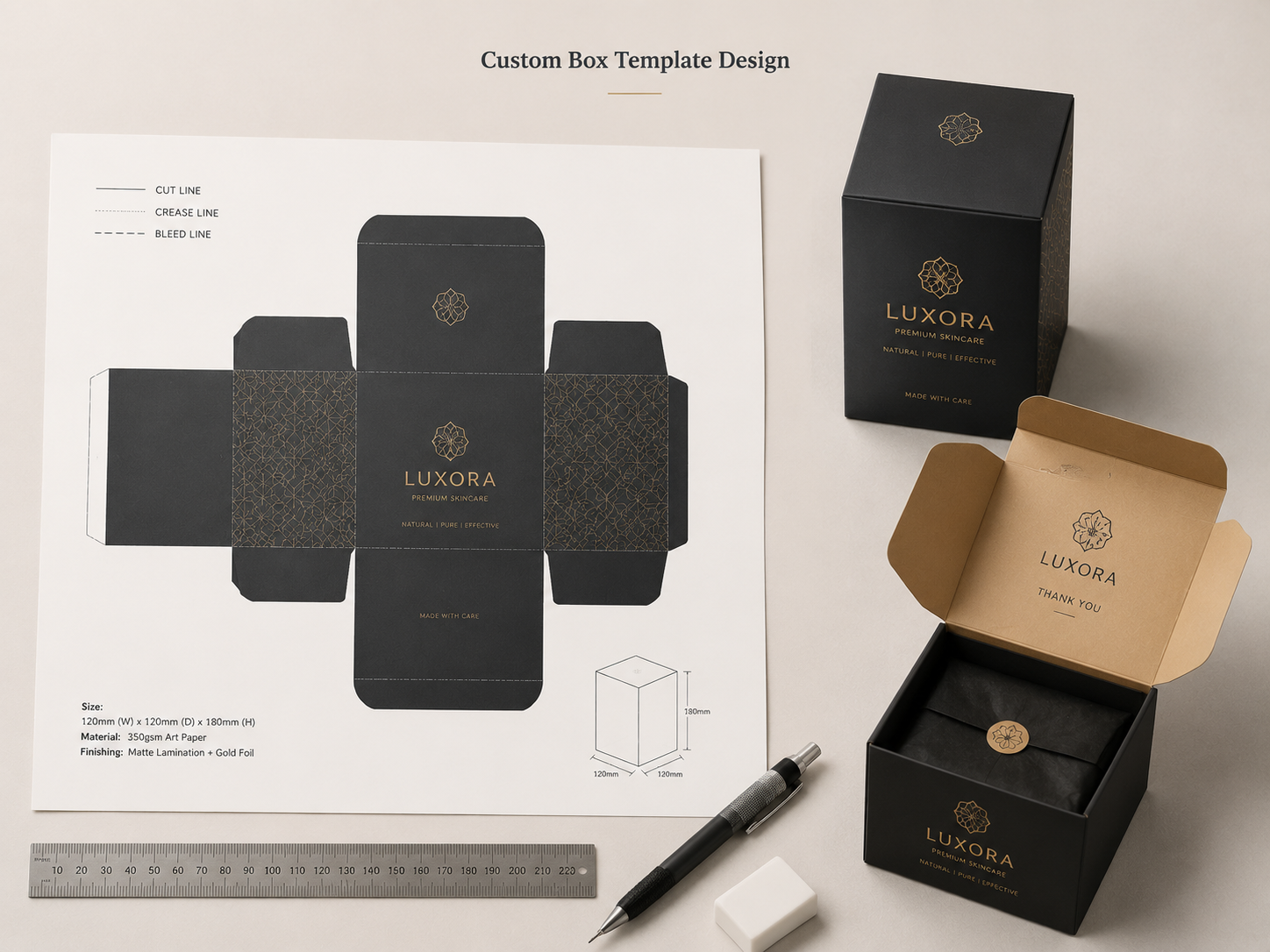
Paper packaging production involves printing, die-cutting, creasing, folding, and gluing. These steps are visible and measurable, which makes defects easier to identify early. Early detection reduces scrap and rework.
In well-managed workshops, paper materials are conditioned to control humidity, machines are calibrated regularly, and production standards are documented. These practices reduce energy waste and improve consistency, supporting real environmental performance rather than symbolic claims.
Does Paper Packaging Always Reduce Environmental Impact?
Paper packaging is not automatically eco-friendly in every situation.
Paper packaging loses its environmental advantage when overdesigned, overprinted, or misused in unsuitable conditions.
Excessive paper thickness, unnecessary layers, or complex laminations increase material use and reduce recyclability. Using paper packaging in heavy moisture or extreme outdoor environments without proper design leads to damage, replacement, and waste.
From a manufacturing view, eco-friendly results depend on correct structure design and material matching. Reducing failure and replacement is just as important as using sustainable materials.
How Does Structure Design Improve Sustainability?
Structure plays a critical role in environmental performance.
Eco-friendly paper packaging uses optimized structures to achieve strength with minimal material.

Efficient box and bag structures reduce material consumption while maintaining protection. Proper folding design, reinforced stress points, and correct flute selection improve load performance without adding excess material.
In factory development, structural optimization is verified through compression, drop, and stacking tests. This ensures that material reduction does not increase damage risk. Well-designed structures reduce both material waste and logistics-related emissions.
When Is Paper Packaging the Right Eco-Friendly Choice?
Material selection must match real use conditions.
Paper packaging is most eco-friendly for retail, electronics, cosmetics, gifting, and daily consumer goods with controlled exposure.
In these applications, paper packaging balances protection, appearance, and recyclability. It supports brand presentation while aligning with environmental expectations. For liquid products or long-term outdoor exposure, alternative materials may be more suitable.
Manufacturing evaluation focuses on product weight, handling, storage, and transport conditions before finalizing paper-based solutions. Correct application ensures that environmental benefits are realized in practice.
Conclusion
Paper packaging can be eco-friendly, but only when it is designed, produced, and applied correctly. Its renewable sourcing, recyclability, and biodegradability give it a strong environmental foundation compared to many alternative materials. When supported by controlled manufacturing processes and optimized structure design, paper packaging delivers both performance and sustainability.
However, paper packaging is not automatically a green solution. Overdesign, poor material matching, and uncontrolled production can reduce its environmental advantages. From a manufacturing perspective, true eco-friendly paper packaging is the result of responsible material selection, efficient workshop processes, realistic recycling design, and reliable performance throughout its lifecycle. When these factors are aligned, paper packaging becomes a practical and credible environmental choice rather than a marketing label.