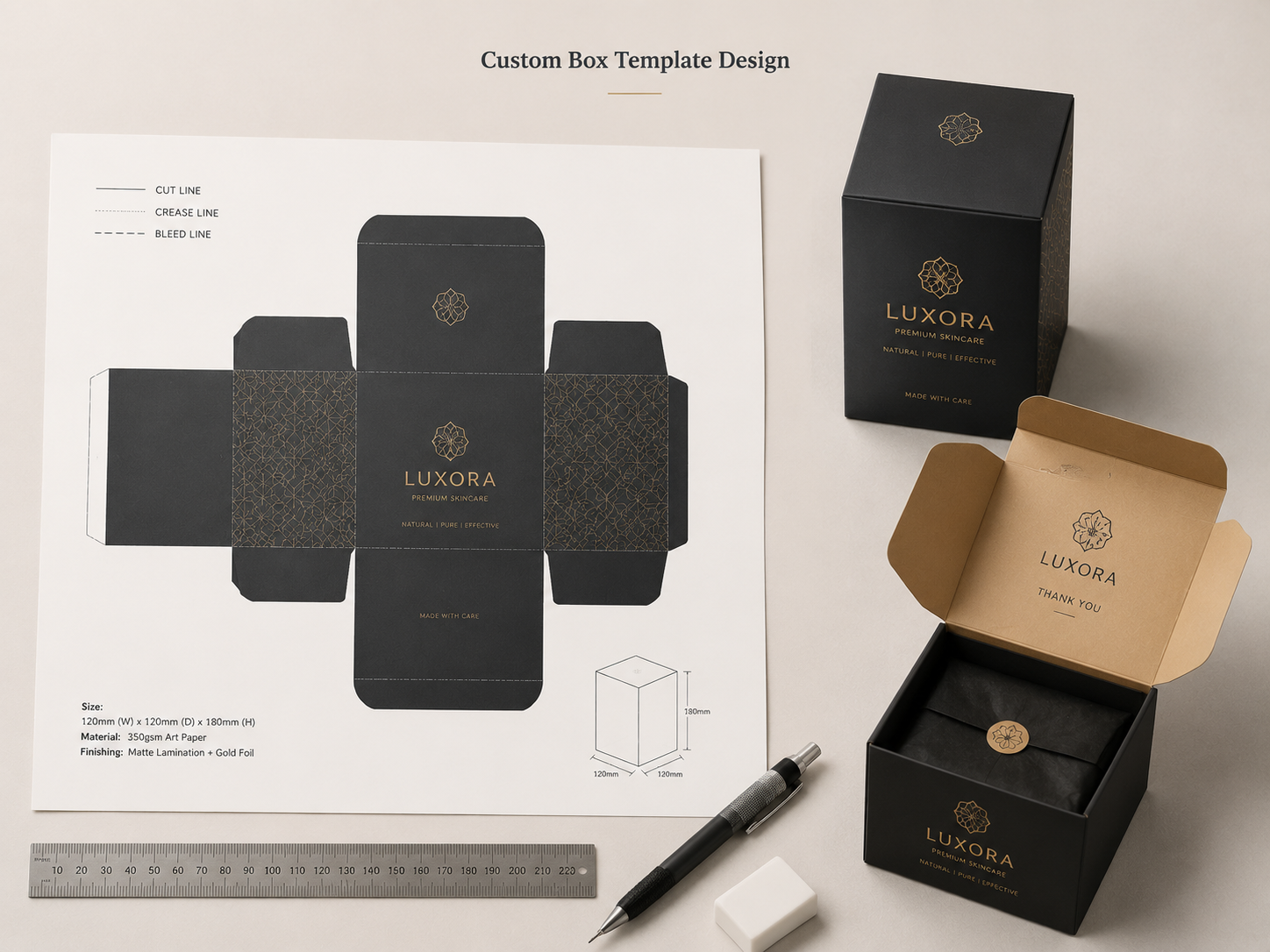
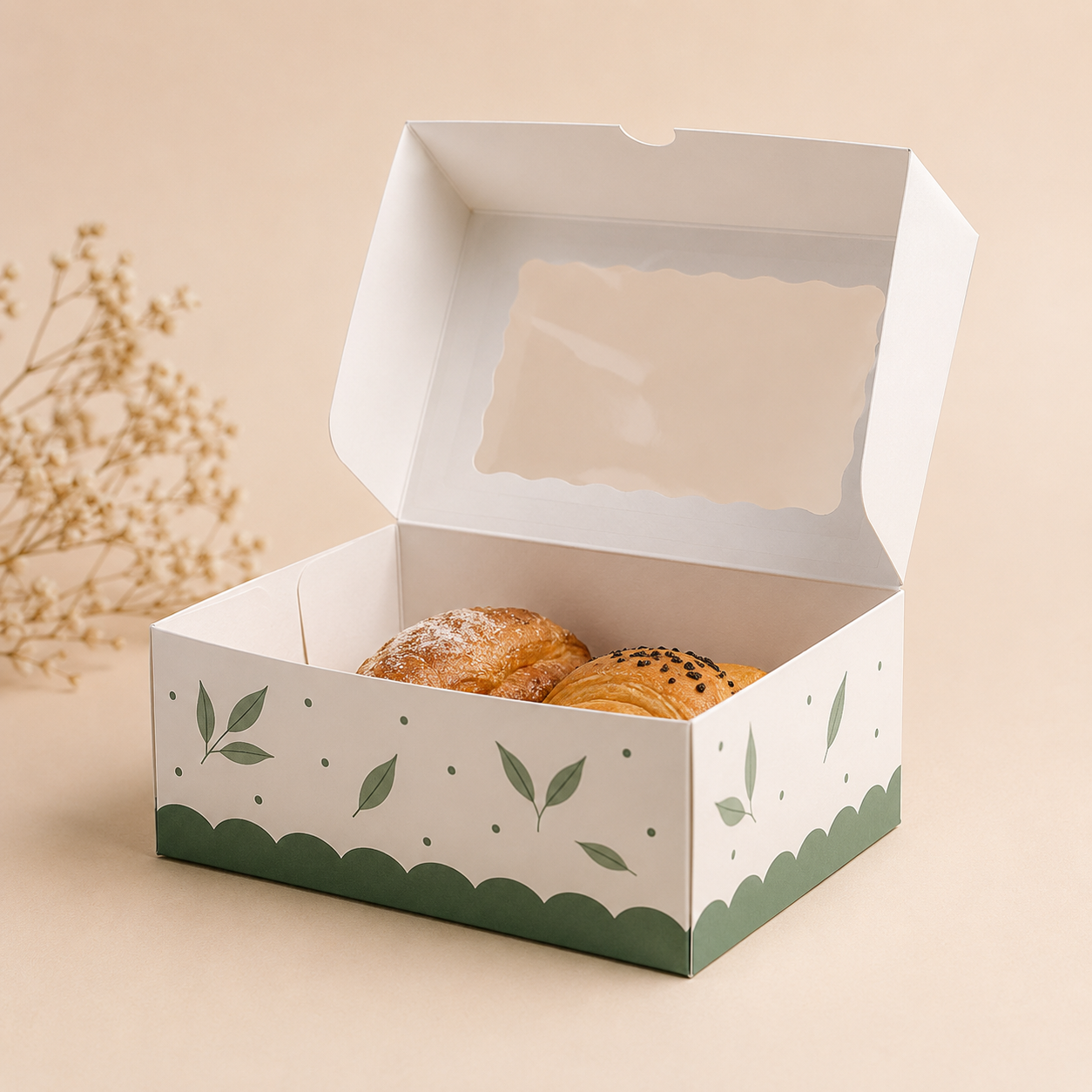
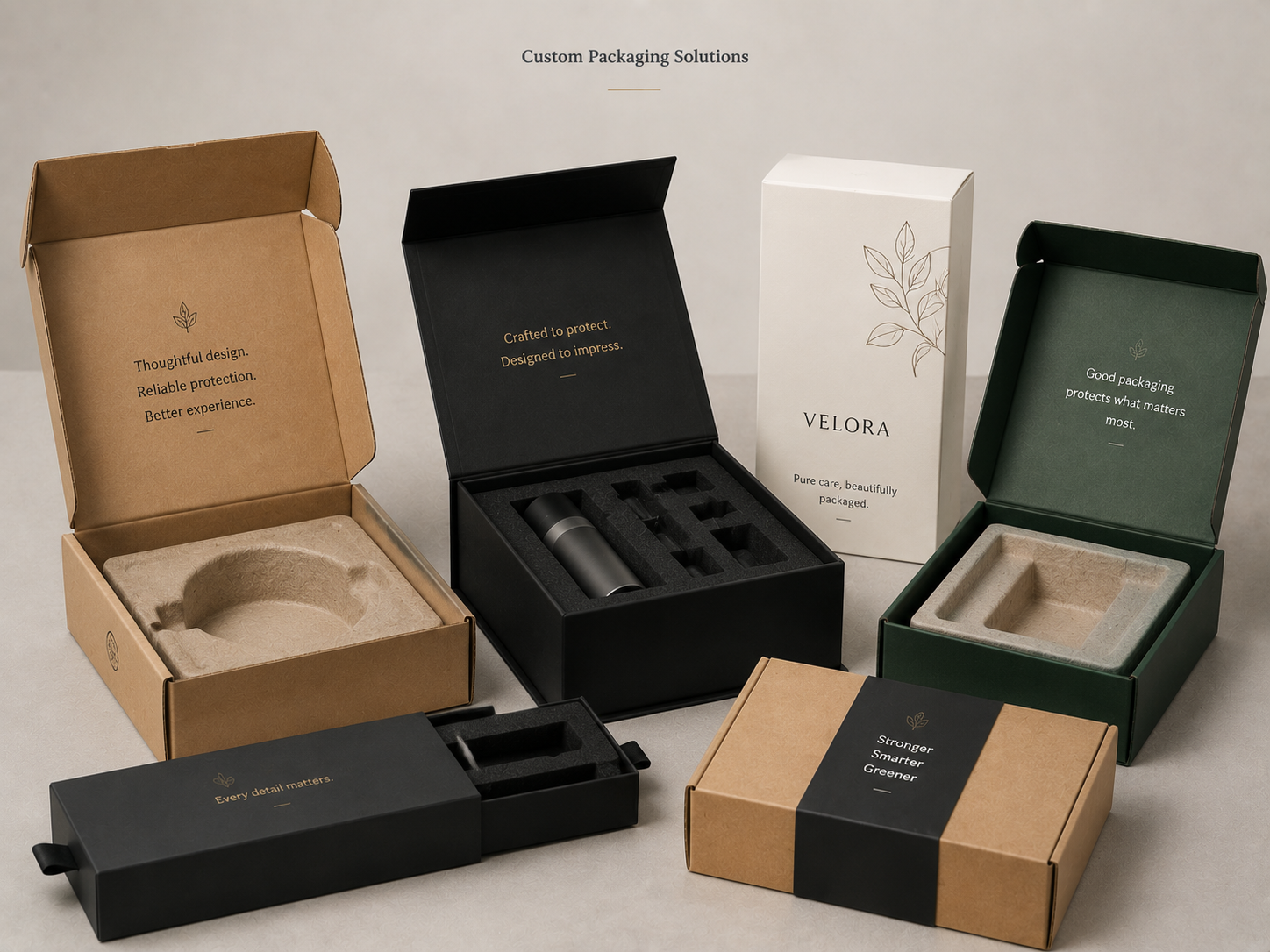
Traditional packaging was designed mainly for protection and cost control, often with little consideration for long-term environmental impact. As material waste, regulation pressure, and consumer expectations increase, many traditional solutions no longer meet modern requirements.
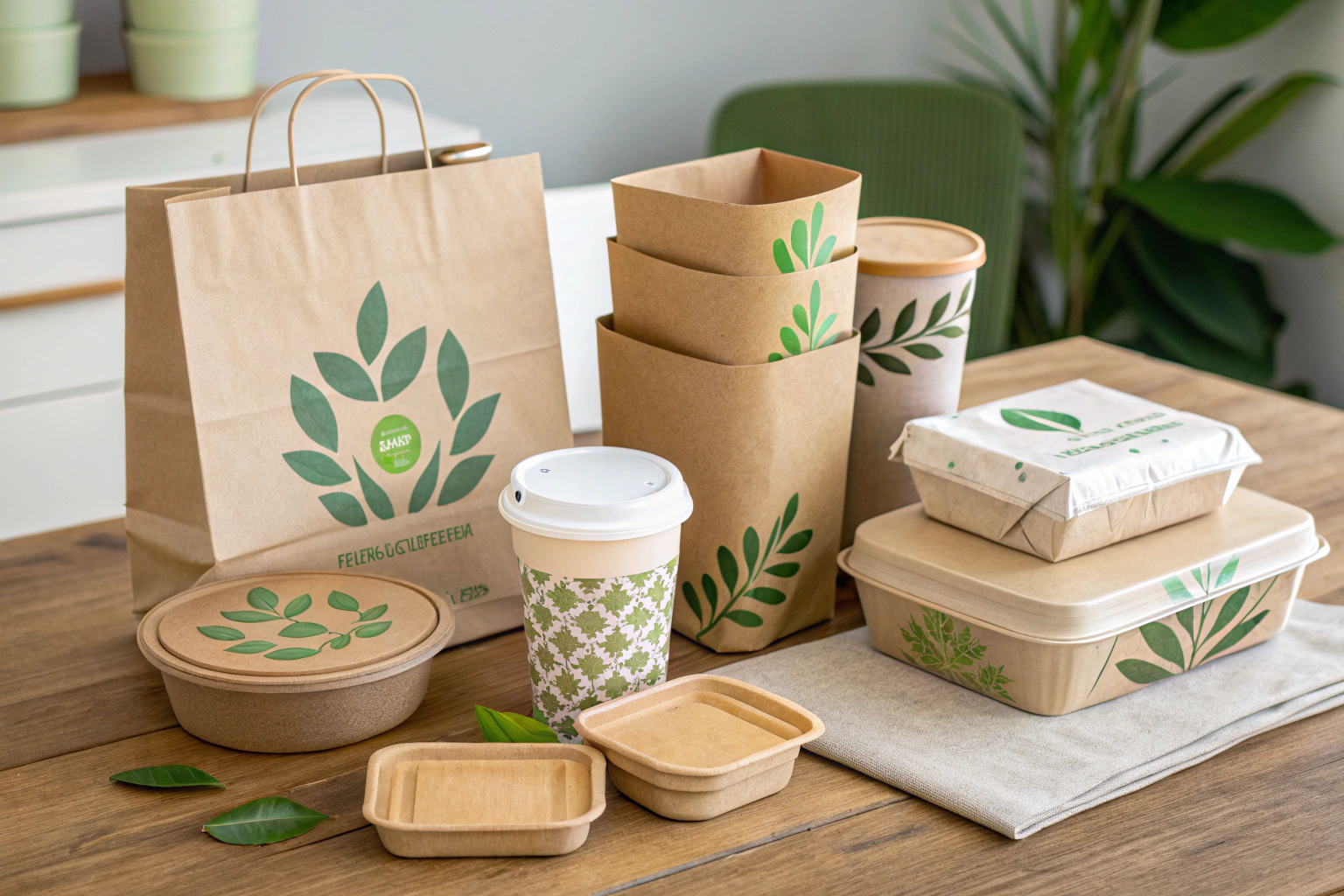
Packaging that is better for the environment than traditional packaging focuses on renewable materials, optimized structure design, efficient factory processes, and realistic recycling or reuse after use. Environmental improvement comes from system upgrades, not from a single material change.
From a manufacturing perspective, environmentally improved packaging must perform well on the production floor, remain stable during transport, and reduce waste throughout its lifecycle. The sections below explain which packaging types outperform traditional options and why.
How Does Traditional Packaging Fall Short Environmentally?
Traditional packaging often prioritizes convenience and short-term cost over sustainability.
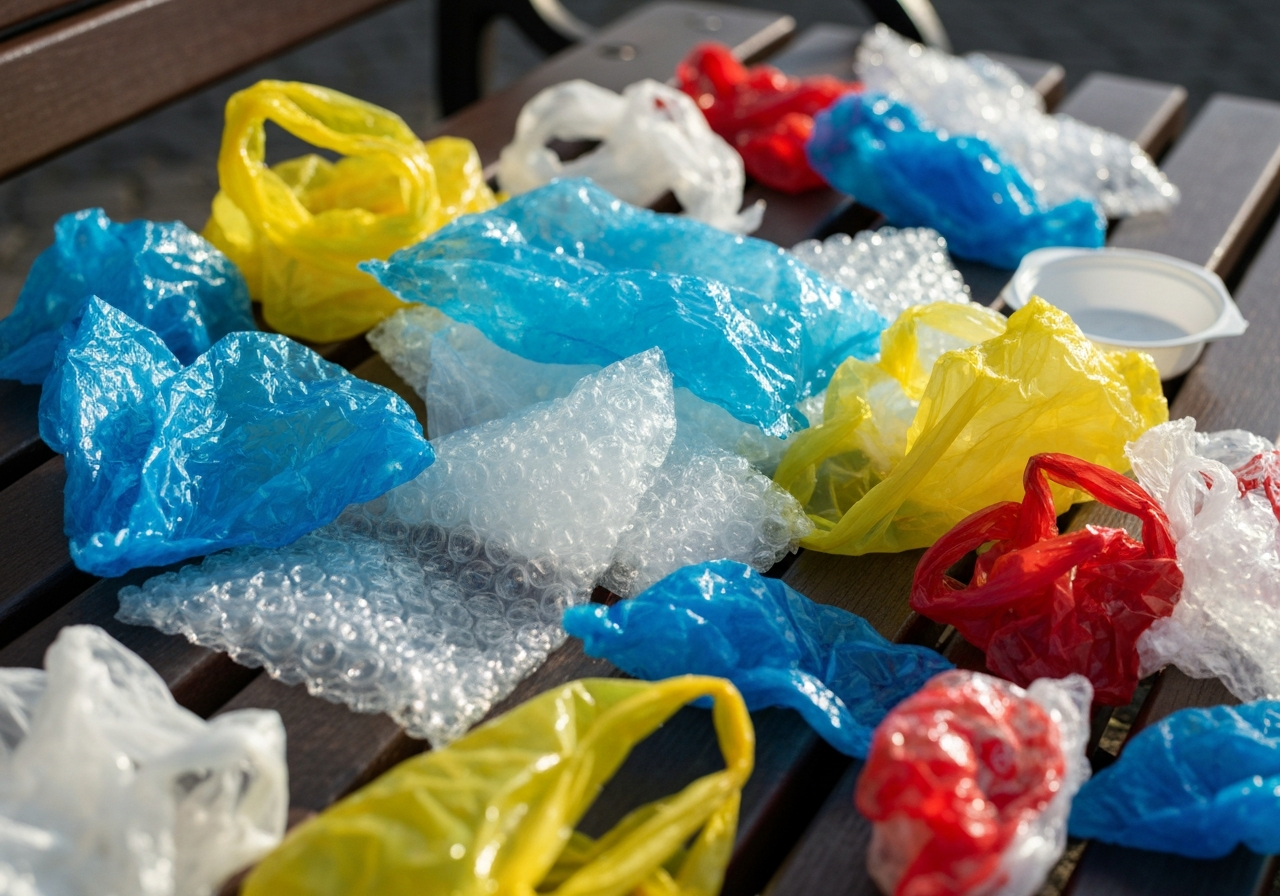
Traditional packaging relies heavily on single-use plastics, mixed materials, and overdesigned structures. These factors increase waste and reduce recyclability.
Many traditional packages use unnecessary layers, excessive plastic, or combinations of materials that are difficult to separate. While these designs may protect products, they create challenges during recycling and disposal.
In factory production, traditional packaging can also generate higher scrap rates due to complex materials and unstable processes. These inefficiencies increase environmental impact before the packaging even leaves the workshop.
Why Is Paper-Based Packaging Better Than Traditional Packaging?
Paper-based packaging is one of the most effective improvements over traditional solutions.
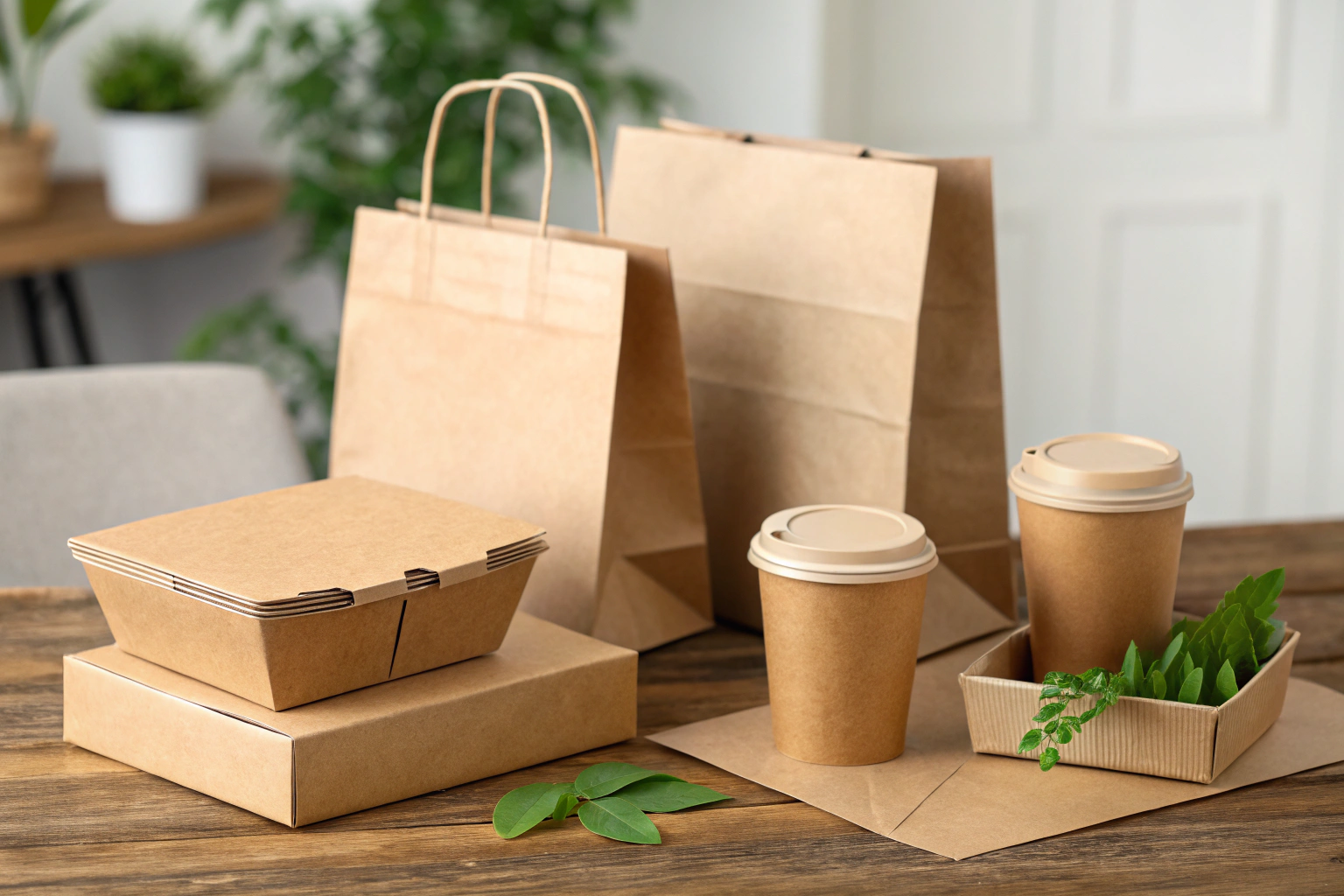
Paper packaging performs better environmentally because it uses renewable fiber resources and fits existing recycling systems.
Paper boxes, cartons, and bags are produced from renewable or recycled fibers. After use, they are widely accepted by recycling facilities and degrade naturally if disposal is imperfect. Compared to plastic-heavy traditional packaging, paper solutions create less long-term pollution.
From a manufacturing standpoint, paper packaging offers stable, visible processes such as printing, die-cutting, folding, and gluing. These steps allow early defect detection and internal recycling of production waste, reducing overall environmental burden.
How Does Molded Pulp Packaging Improve Sustainability?
Molded pulp is increasingly replacing traditional plastic inserts and trays.
Molded pulp packaging reduces environmental impact by using recycled fiber and eliminating plastic components.
Molded pulp trays provide cushioning and structure for electronics, cosmetics, and consumer goods. They replace foam and plastic inserts that are difficult to recycle. Molded pulp is fully recyclable and biodegradable.
In factory workshops, molded pulp production focuses on tooling accuracy, drying control, and dimensional stability. When processes are controlled correctly, molded pulp delivers consistent performance while supporting circular material use.
How Does Structural Optimization Reduce Environmental Impact?
Better packaging is not only about materials, but also about structure.
Optimized packaging structures reduce material usage while maintaining protection.
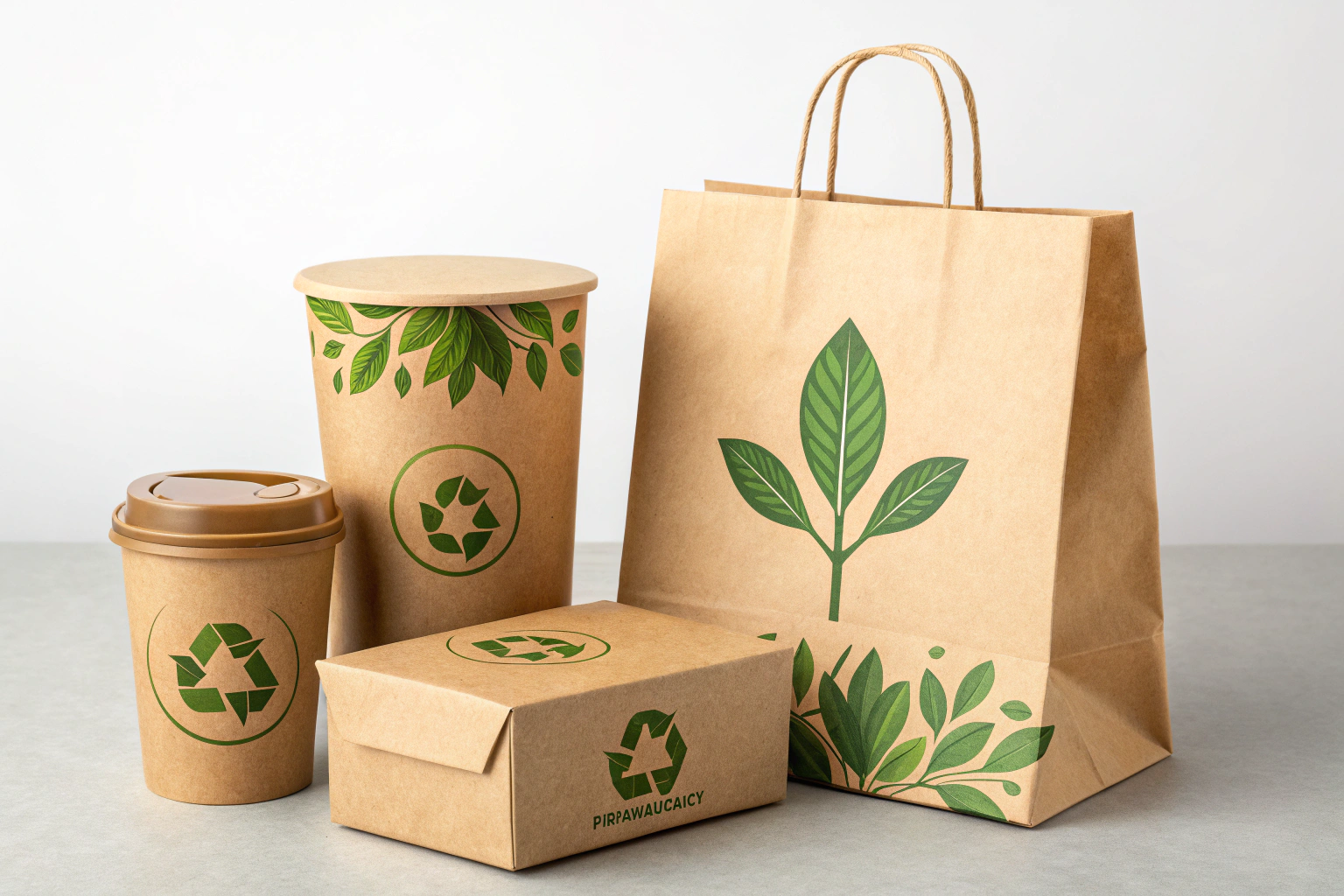
Traditional packaging often uses excess thickness or unnecessary space to compensate for weak design. Improved packaging relies on engineering principles such as reinforced stress points, efficient folding geometry, and correct material direction.
In manufacturing, structural optimization is achieved through CAD design, white samples, and performance testing. Compression and drop tests confirm that reduced material still meets protection requirements. Less material use also means lower transport emissions and reduced storage space.
How Do Factory Processes Affect Environmental Packaging Performance?
Environmental improvement depends heavily on production control inside the factory.
Packaging with efficient, stable manufacturing processes creates less waste and lower environmental risk.
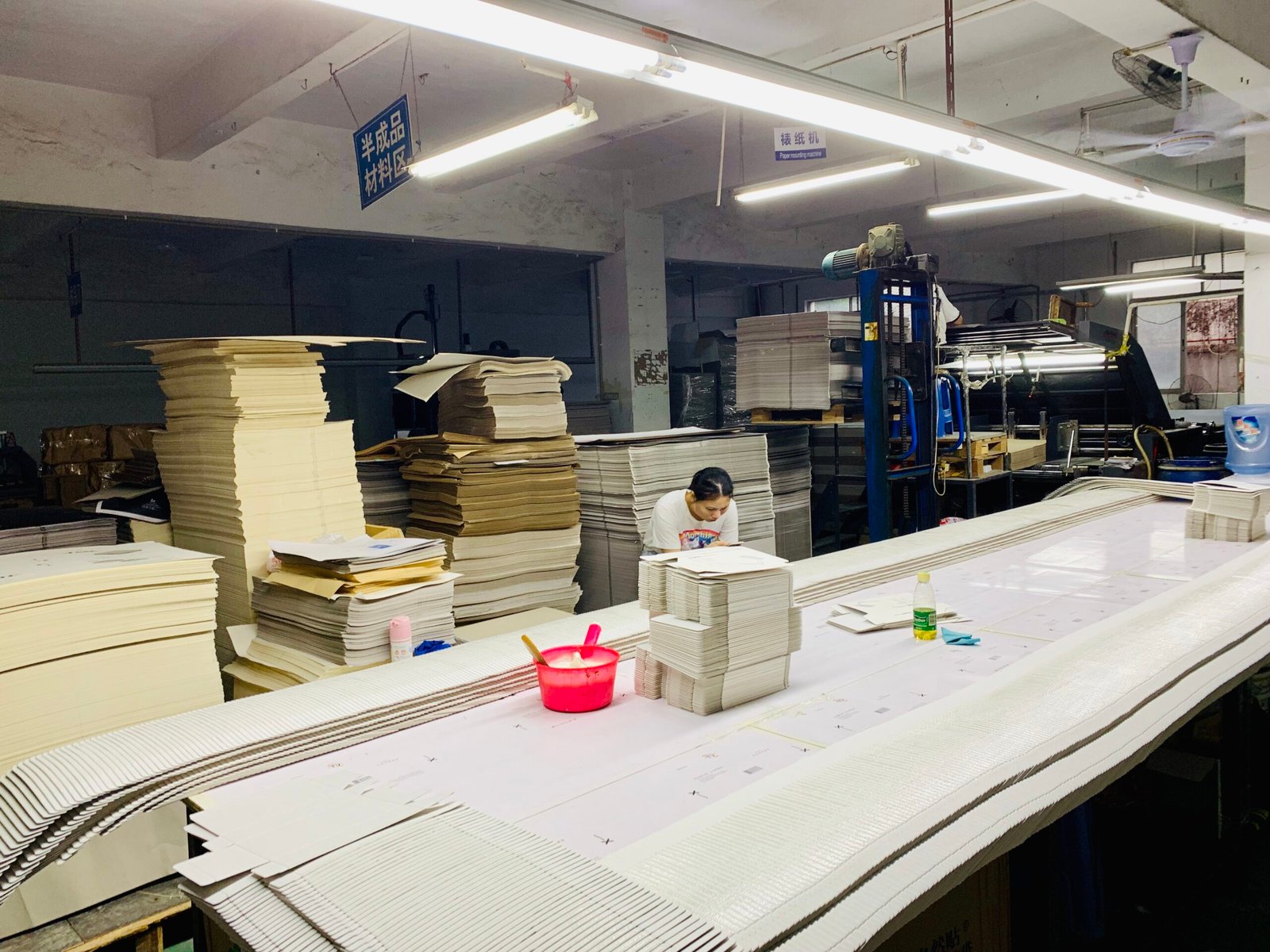
Paper and fiber-based packaging production allows clear inspection at each stage. Printing accuracy, die-cut precision, and assembly consistency can be measured and adjusted quickly. This reduces scrap and rework.
Workshops that manage humidity, calibrate machines, and standardize operating procedures achieve more consistent output. Stable production reduces material waste and energy consumption, making packaging genuinely more environmentally responsible than traditional alternatives.
When Are Alternative Materials Still Necessary?
Not all traditional packaging can be replaced in every situation.
Plastic or coated packaging may still be required for liquid products, heavy moisture exposure, or extreme environments.
In these cases, paper-based packaging without proper treatment would fail, leading to product loss and replacement. Environmental performance must be evaluated based on total impact, not material preference alone.
Manufacturing evaluation focuses on real usage conditions such as weight, exposure, storage time, and transport risk. Limiting plastic use to technically necessary scenarios is key to reducing overall environmental impact.
Conclusion
Packaging that is better for the environment than traditional packaging focuses on system-level improvement rather than surface-level changes. Paper-based packaging, recycled paperboard, and molded pulp solutions offer clear advantages by using renewable or recycled materials, fitting existing recycling systems, and reducing long-term pollution. When combined with optimized structure design, these solutions use less material while maintaining reliable protection.
From a manufacturing perspective, environmentally improved packaging also depends on stable workshop processes, efficient production control, and realistic application matching. Packaging that fails in use or creates excessive scrap is not environmentally responsible, regardless of material choice. When material selection, structural engineering, and factory process control work together, modern packaging solutions clearly outperform traditional packaging in sustainability, reliability, and long-term environmental impact.