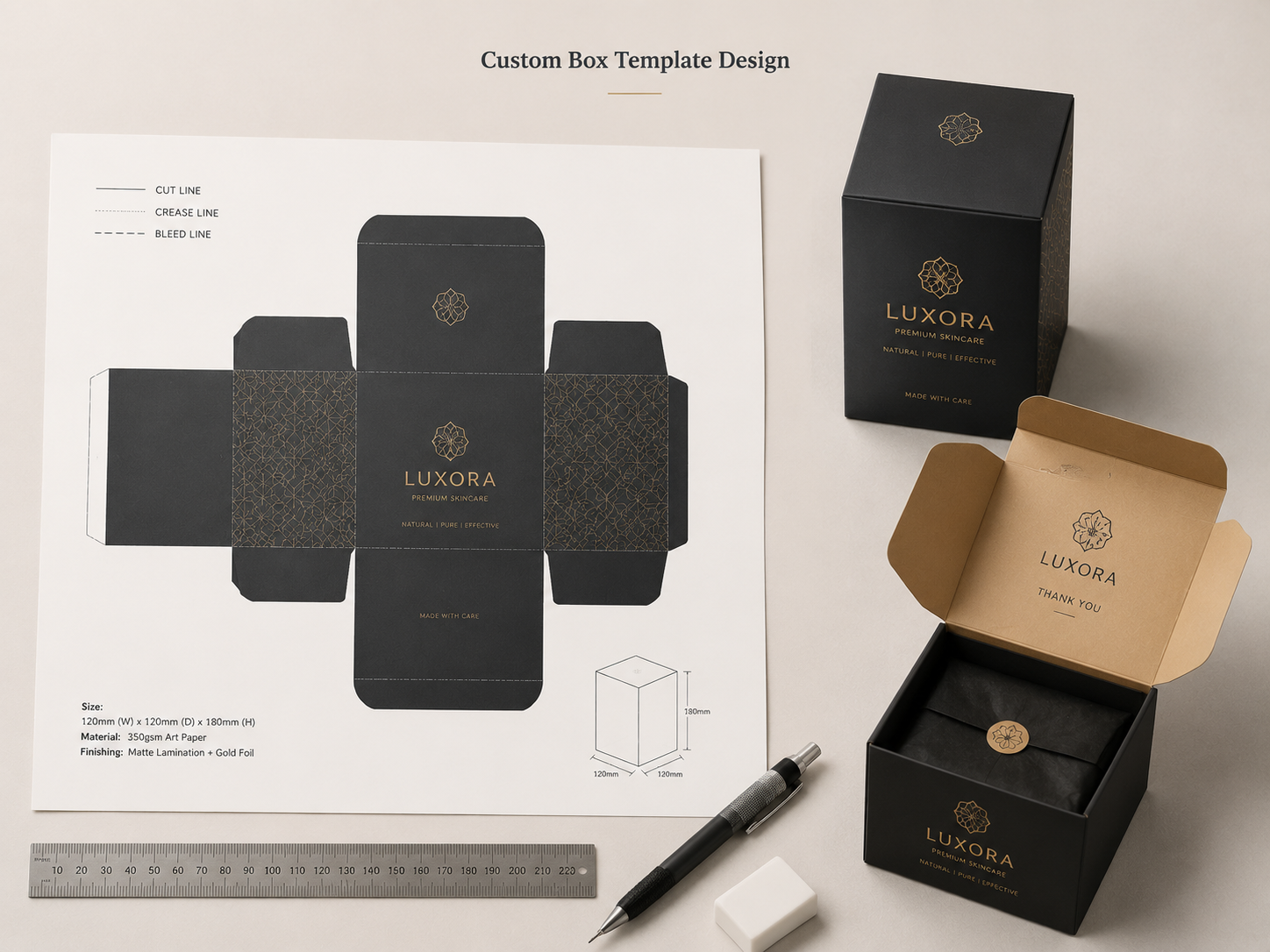
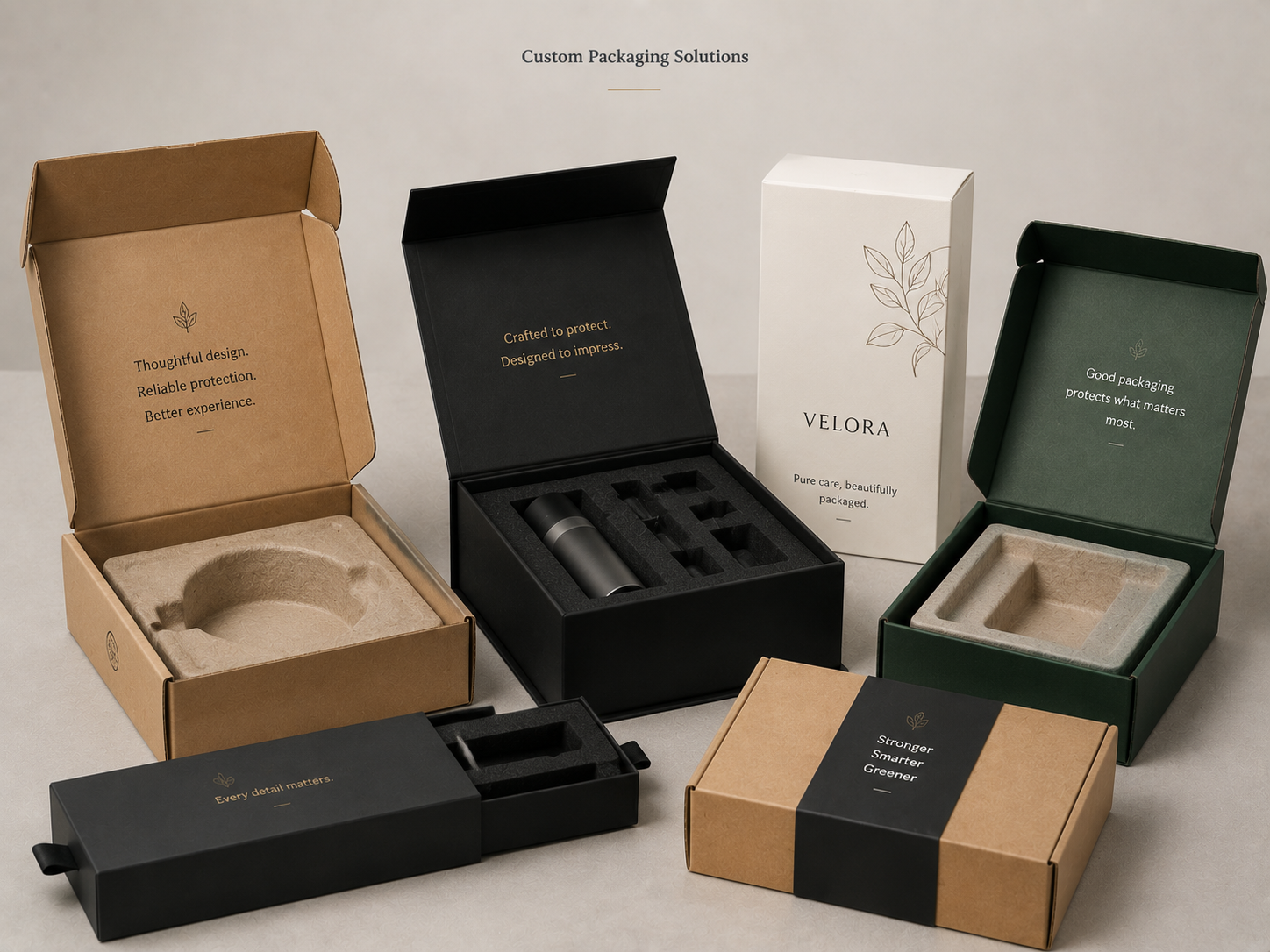
“Sustainable packaging” is often treated as a marketing label, yet in real production it is a technical and operational decision. Packaging that looks sustainable but fails in manufacturing, transport, or disposal often creates more waste than traditional solutions.
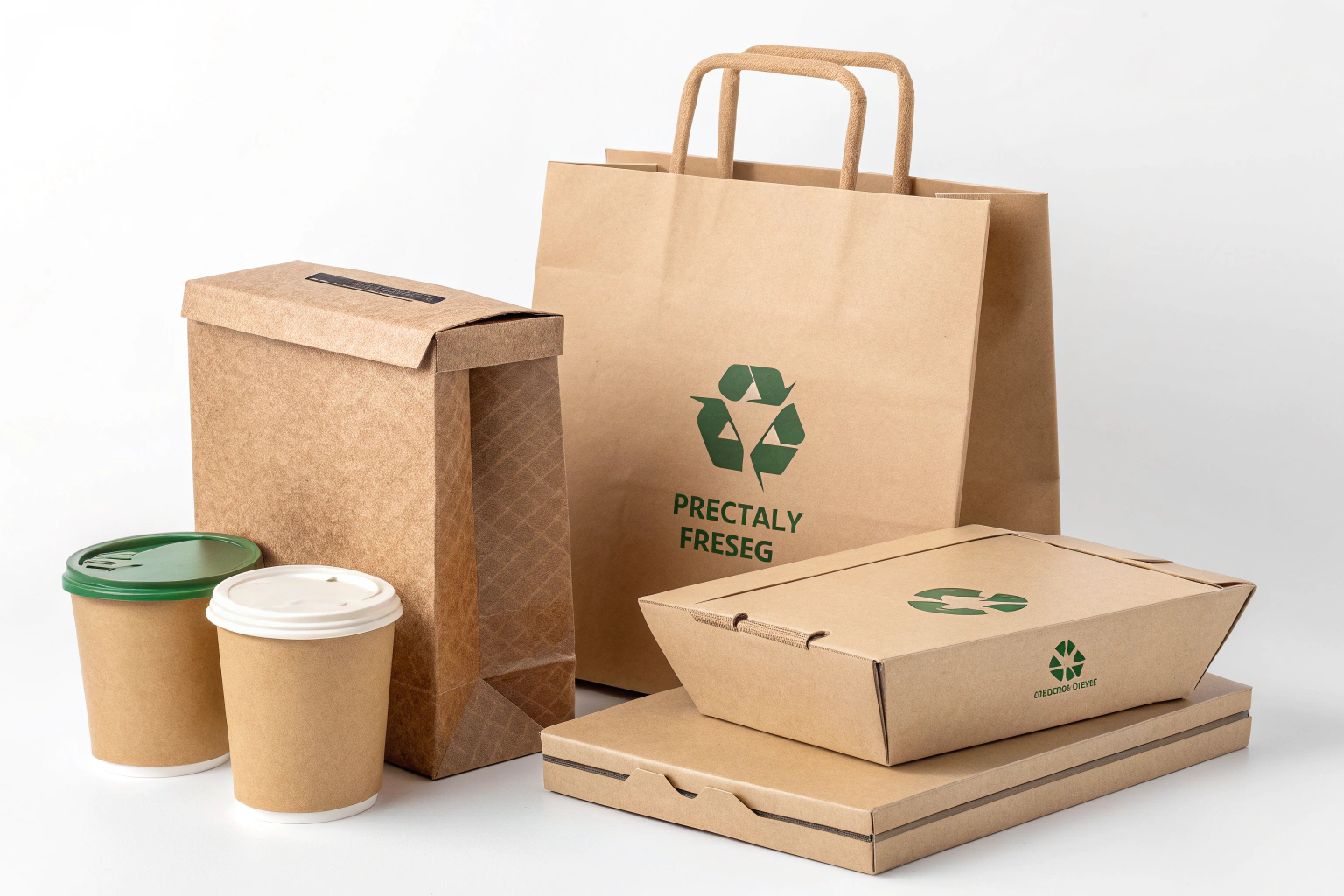
The best sustainable packaging is packaging that combines renewable or recycled materials, efficient structural design, controlled factory processes, and realistic recycling or reuse after use. Sustainability is achieved through the full system, not a single material choice.
From a manufacturing standpoint, sustainable packaging must protect products, run efficiently on production lines, and reduce environmental impact across its entire lifecycle. The sections below explain what truly defines the best sustainable packaging.
Why Material Choice Defines Sustainable Packaging
Raw material selection sets the environmental foundation of packaging.
Fiber-based materials such as paper, cardboard, and molded pulp are generally the most sustainable options.
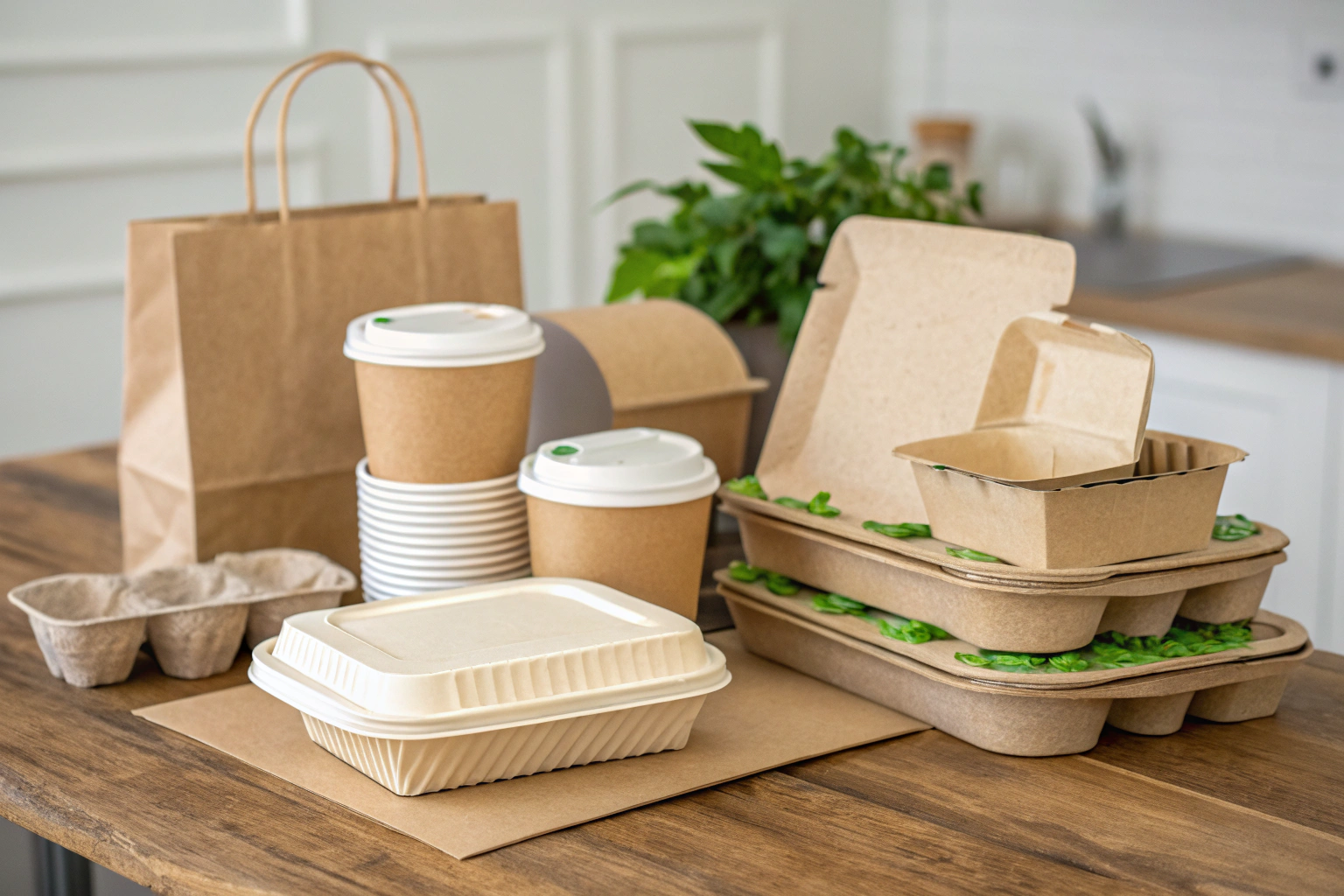
Paper and cardboard are produced from renewable fiber resources and can include high levels of recycled content. These materials integrate well into existing recycling systems and naturally degrade if disposal is imperfect. Molded pulp uses recycled fibers to replace plastic trays and foam inserts.
From a factory perspective, fiber materials allow clearer sourcing control and documentation. Production waste can often be recycled internally, reducing overall material loss and environmental burden.
How Structure Design Improves Sustainability
Sustainable packaging is not only about materials, but also about how those materials are used.
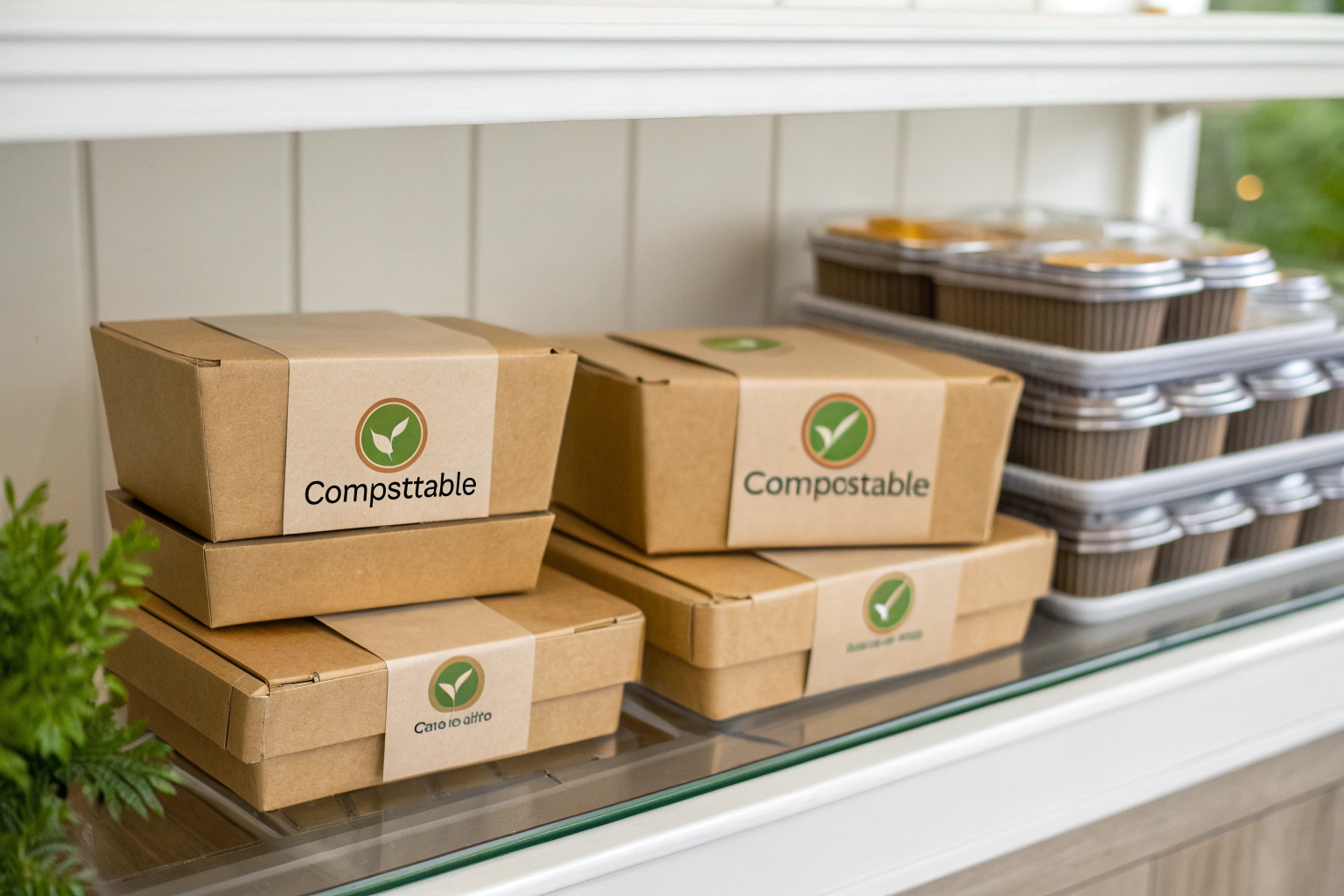
The best sustainable packaging uses optimized structures to achieve strength with less material.
Well-designed packaging avoids overpacking by using correct folding geometry, reinforced stress points, and efficient internal layouts. This reduces unnecessary thickness and empty space. Strong structure also lowers the risk of product damage, which prevents replacement shipments and added waste.
In factory development, structural efficiency is validated through compression tests, drop tests, and stacking tests. These checks ensure that material reduction does not compromise protection.
Why Paper-Based Packaging Is a Core Sustainable Solution
Paper-based packaging remains one of the most practical sustainable choices when applied correctly.
Paper boxes, cartons, and bags offer a strong balance of recyclability, performance, and production stability.
Paper packaging supports precise printing, die-cutting, folding, and assembly. These processes reduce defect rates and rework. Paper packaging also allows clear separation of materials, which improves recycling efficiency after use.
In factory workshops, paper packaging production follows visible and controllable steps. Early defect detection reduces scrap, and offcuts can often be reused or recycled, supporting real sustainability rather than symbolic claims.
How Molded Pulp and Recycled Fiber Packaging Add Value
Recycled fiber solutions play an increasing role in sustainable packaging systems.
Molded pulp and recycled paperboard packaging reduce reliance on virgin materials and replace plastic components.

Molded pulp trays and inserts are widely used for electronics, cosmetics, and consumer goods. They provide cushioning and positioning while remaining fully recyclable and biodegradable. Recycled paperboard reduces raw material extraction and energy consumption.
From a manufacturing view, molded pulp production focuses on tooling accuracy, drying control, and dimensional stability. When processes are well managed, recycled fiber packaging delivers consistent performance at scale.
How Factory Processes Determine True Sustainability
Sustainability is shaped inside the factory as much as by material choice.
The best sustainable packaging is produced through stable, efficient, and low-waste manufacturing processes.
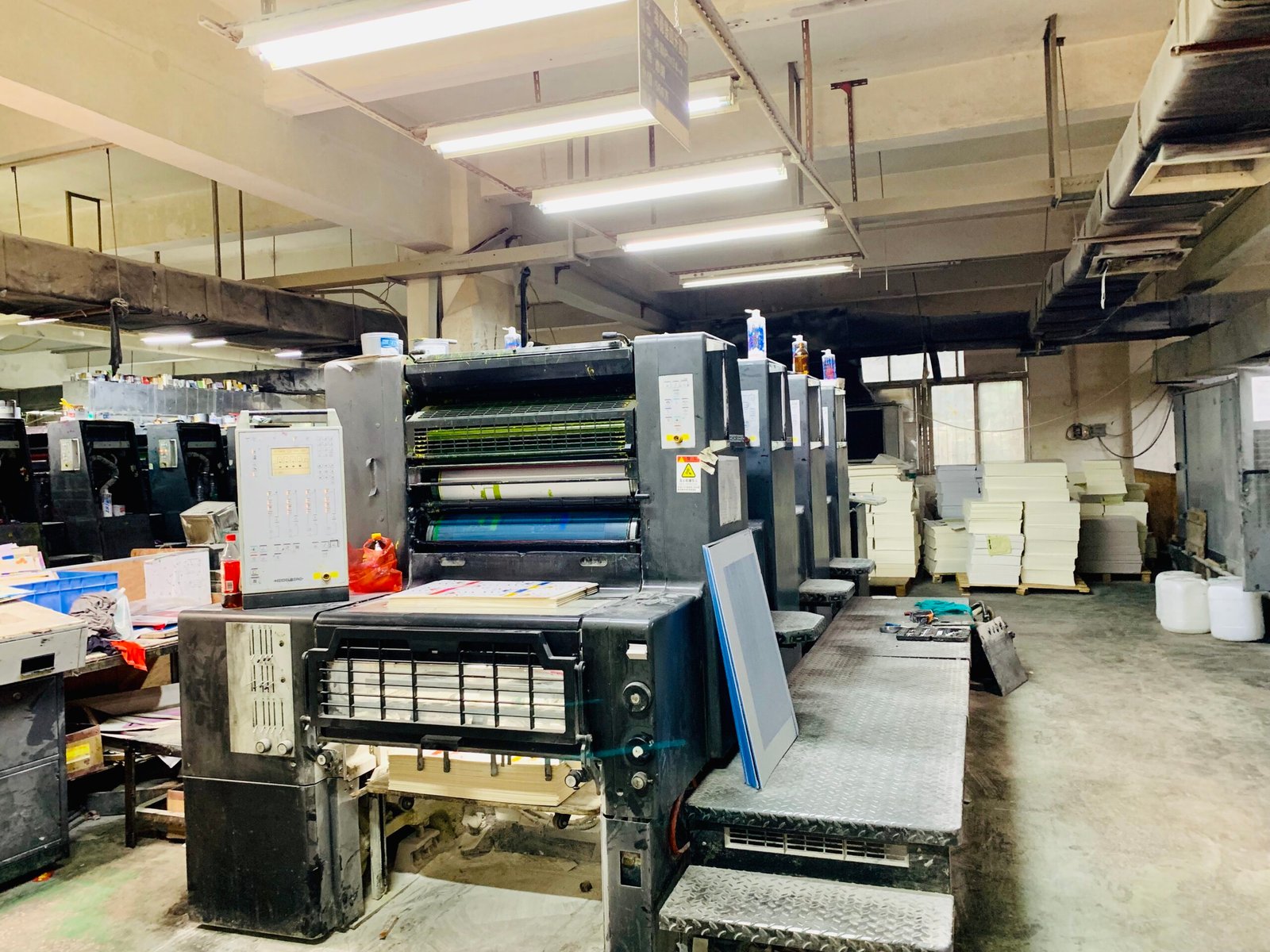
Controlled workshops manage humidity, calibrate machines, and standardize operating procedures. These practices reduce scrap, rework, and energy use. Poor process control increases waste and undermines environmental goals.
From a manufacturing standpoint, stable production is essential for sustainable packaging. Packaging that fails during production or use creates additional waste, regardless of material.
When Is Sustainable Packaging Not Paper-Based?
No single material is suitable for every application.
In cases involving liquids, heavy moisture exposure, or extreme environments, alternative materials may be necessary.
Using paper-based packaging in unsuitable conditions can lead to failure, product loss, and replacement shipments, which increase environmental impact. In these cases, limited and targeted use of coated or alternative materials may be more responsible.
Manufacturing evaluation focuses on real use conditions such as product weight, exposure, storage time, and transport risk. Correct matching prevents unnecessary waste and overengineering.
Conclusion
The best sustainable packaging is not defined by a single material or trend, but by how materials, structure design, and manufacturing processes work together. In most applications, paper-based packaging, recycled paperboard, and molded pulp solutions provide the strongest balance of renewable sourcing, recyclability, and production stability.
From a manufacturing perspective, truly sustainable packaging reduces waste inside the factory, protects products efficiently, and fits real recycling systems after use. Packaging that looks sustainable but fails in production or transport increases environmental cost rather than reducing it. When material selection, structural engineering, and workshop process control are aligned, sustainable packaging becomes practical, reliable, and measurable over the long term.