Packaging design is not a single discipline. It is a system that combines structure, materials, visual planning, and manufacturing execution. When packaging design types are not clearly understood, projects often suffer from redesign, unstable production, or unnecessary cost increases.
Packaging design can be divided into several main types based on function, structure, material, sustainability goals, and production requirements. Each type plays a specific role in ensuring packaging can be produced efficiently and perform reliably at scale.
From a manufacturing standpoint, understanding different packaging design types helps align design intent with factory capability. The following sections explain the most common types used in real production environments.
Structural Packaging Design
Structural design is the foundation of all packaging.
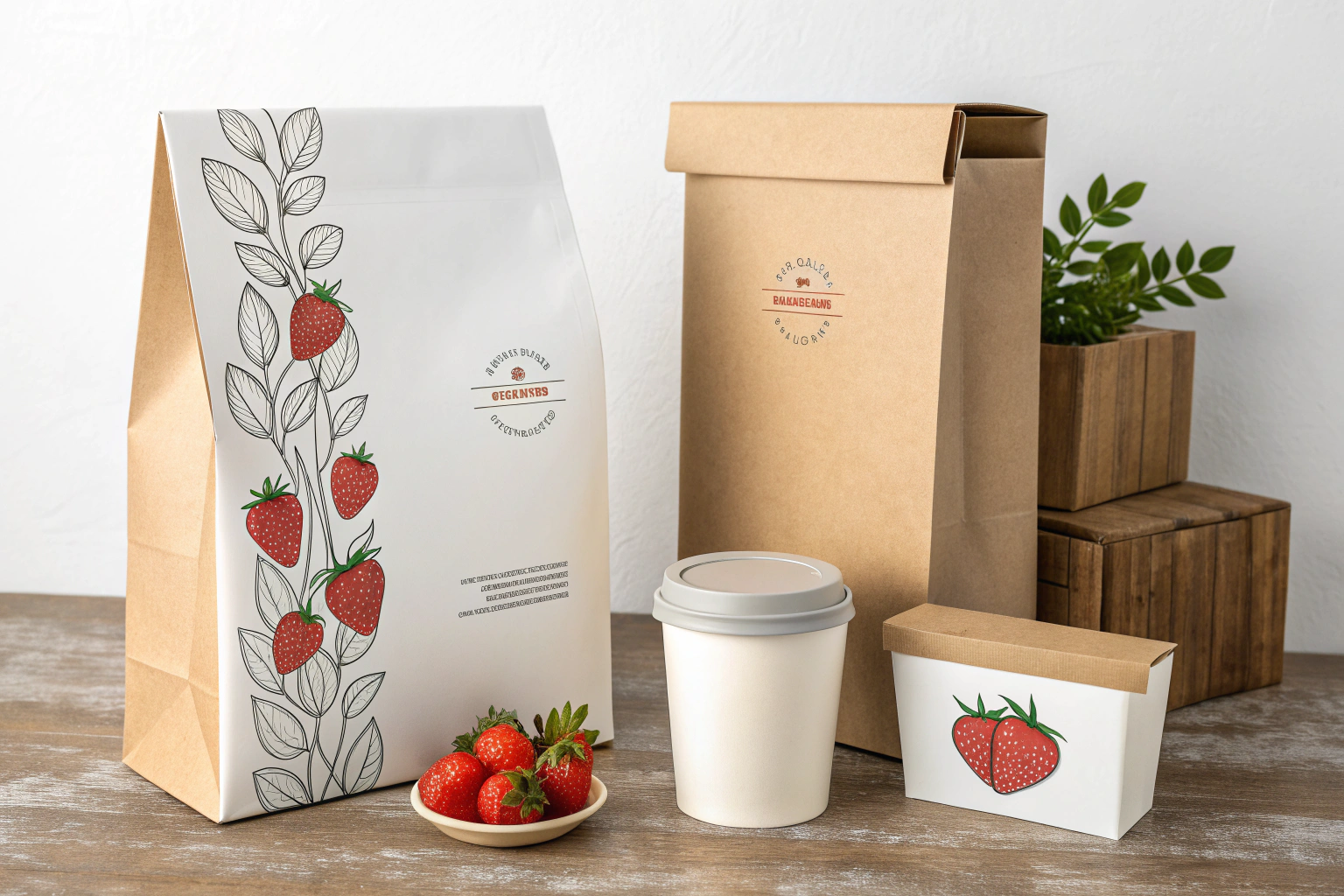
Structural packaging design focuses on shape, size, folding logic, load strength, and protection performance.
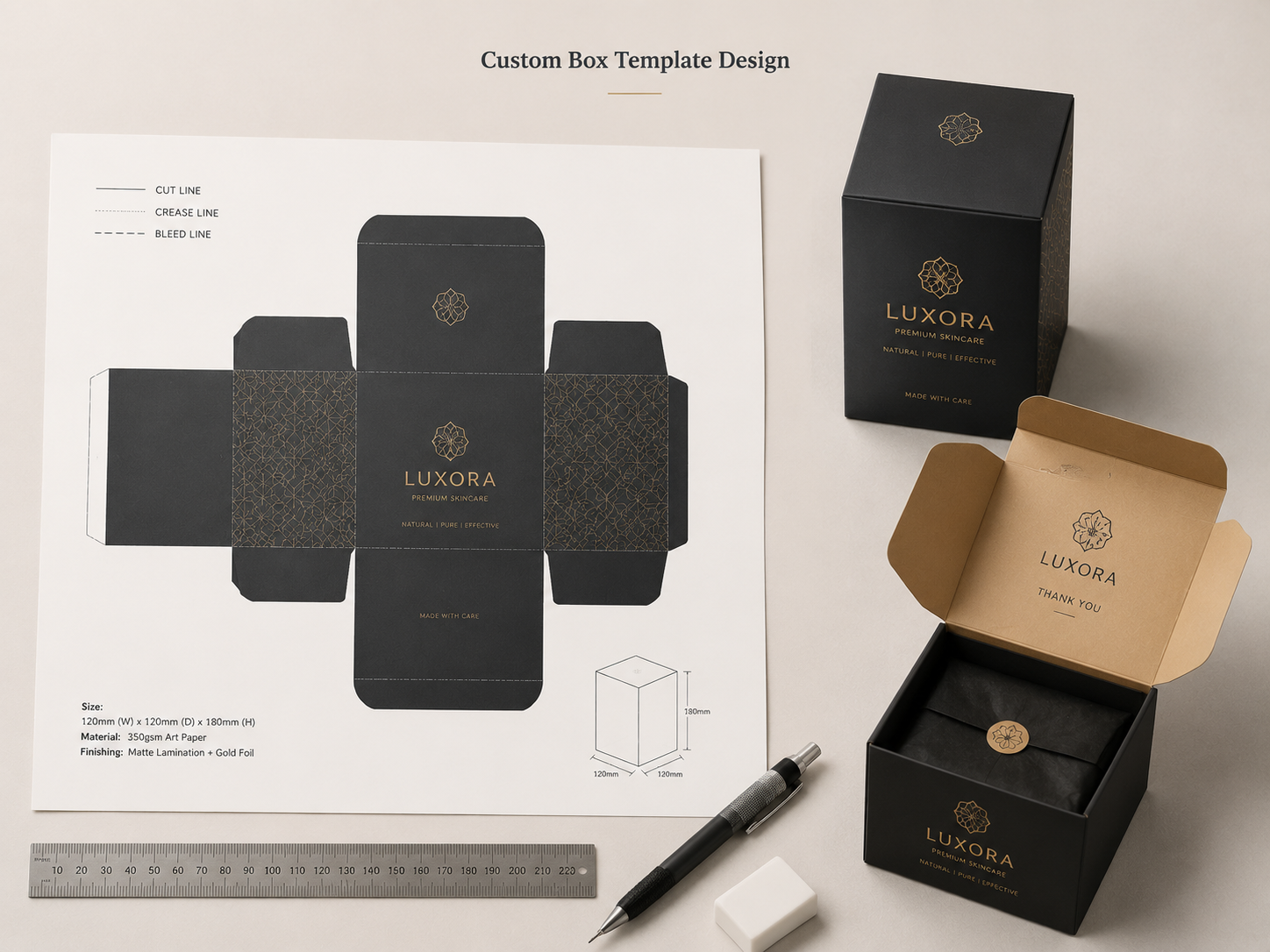
This design type defines how a box, carton, bag, or insert is constructed. It includes die-lines, folding positions, locking mechanisms, reinforcement areas, and internal supports. Structural design determines whether packaging can withstand stacking pressure, vibration, and impact during transport.
In factory workshops, structural design directly affects die-cut accuracy, folding stability, and assembly efficiency. White samples are produced to verify fit, squareness, and ease of assembly. Compression tests and drop tests are used to confirm that the structure meets protection requirements before moving into printed samples or tooling.
Graphic and Visual Packaging Design
Visual design controls how packaging communicates information and brand identity.
Graphic packaging design focuses on layout, color, typography, imagery, and surface finishing.
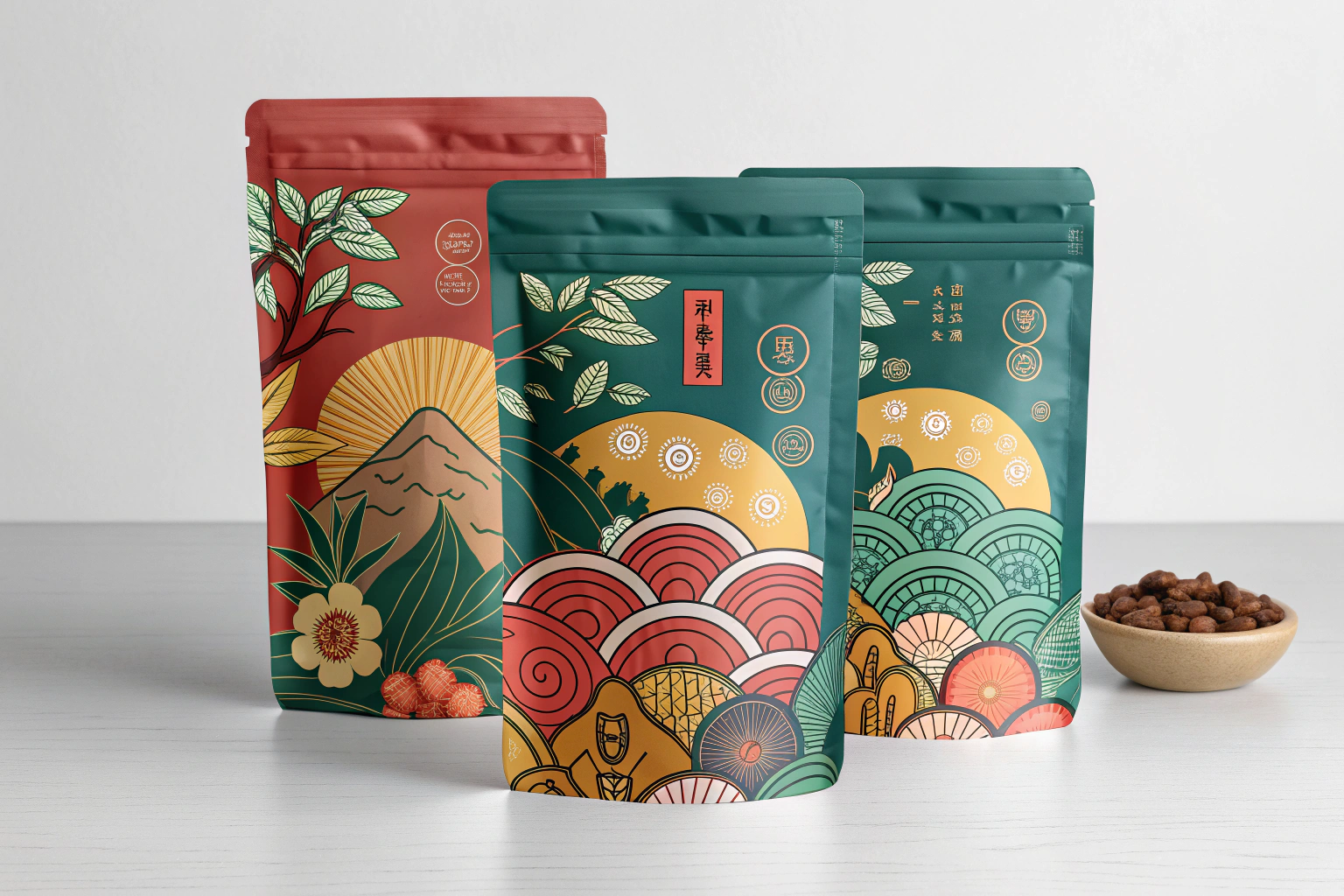
This type of design includes logo placement, product information, regulatory text, and decorative elements. It also defines printing methods such as offset printing, spot color printing, hot stamping, embossing, debossing, and UV coating.
From a manufacturing perspective, graphic design must match printing capability and material behavior. In printing workshops, press calibration, color management, and proof approval are critical steps. Designs that ignore ink limits or paper characteristics often result in color deviation, cracking, or surface defects during mass production.
Functional Packaging Design
Functional design focuses on how packaging is used in real situations.
Functional packaging design improves usability, handling, packing efficiency, and user interaction.
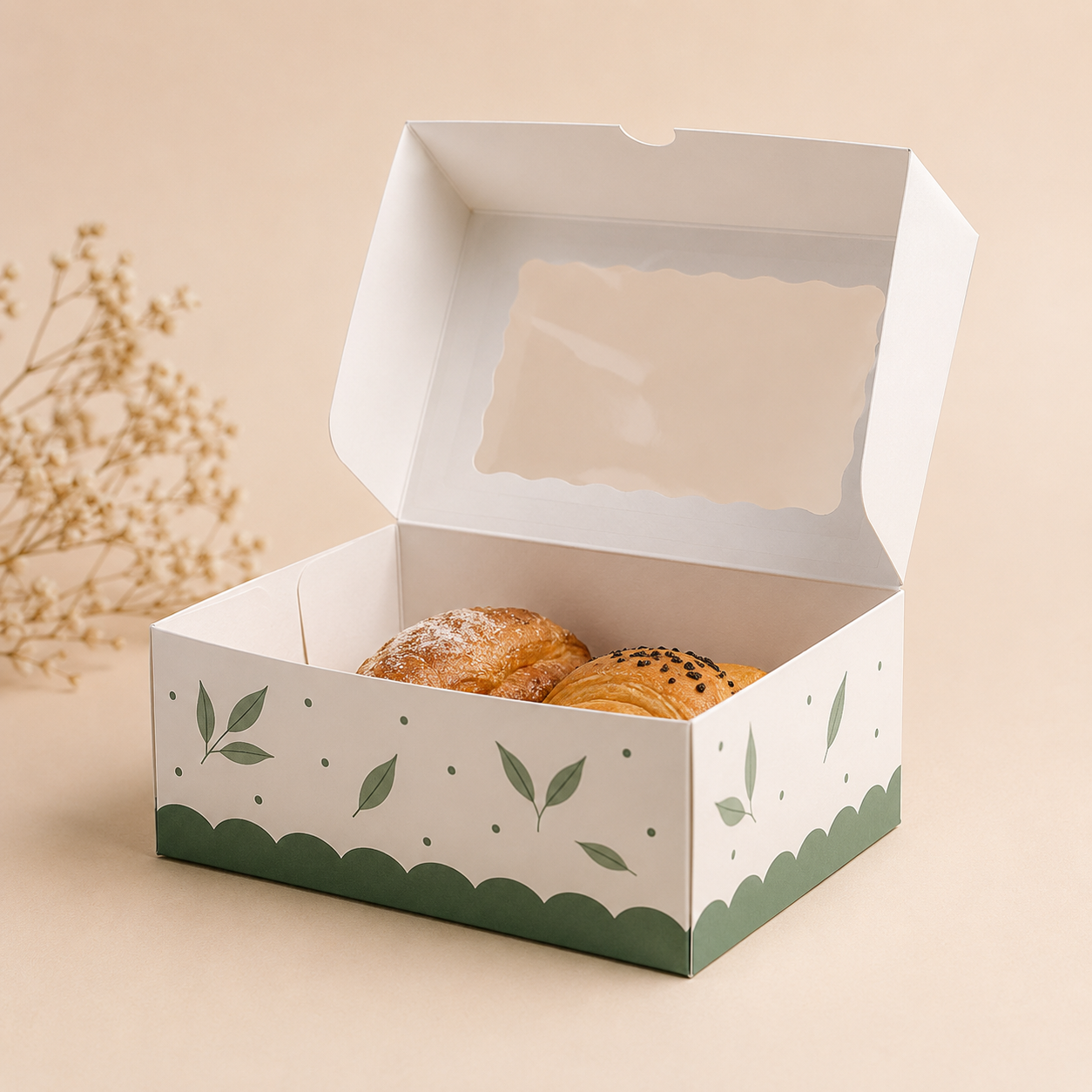
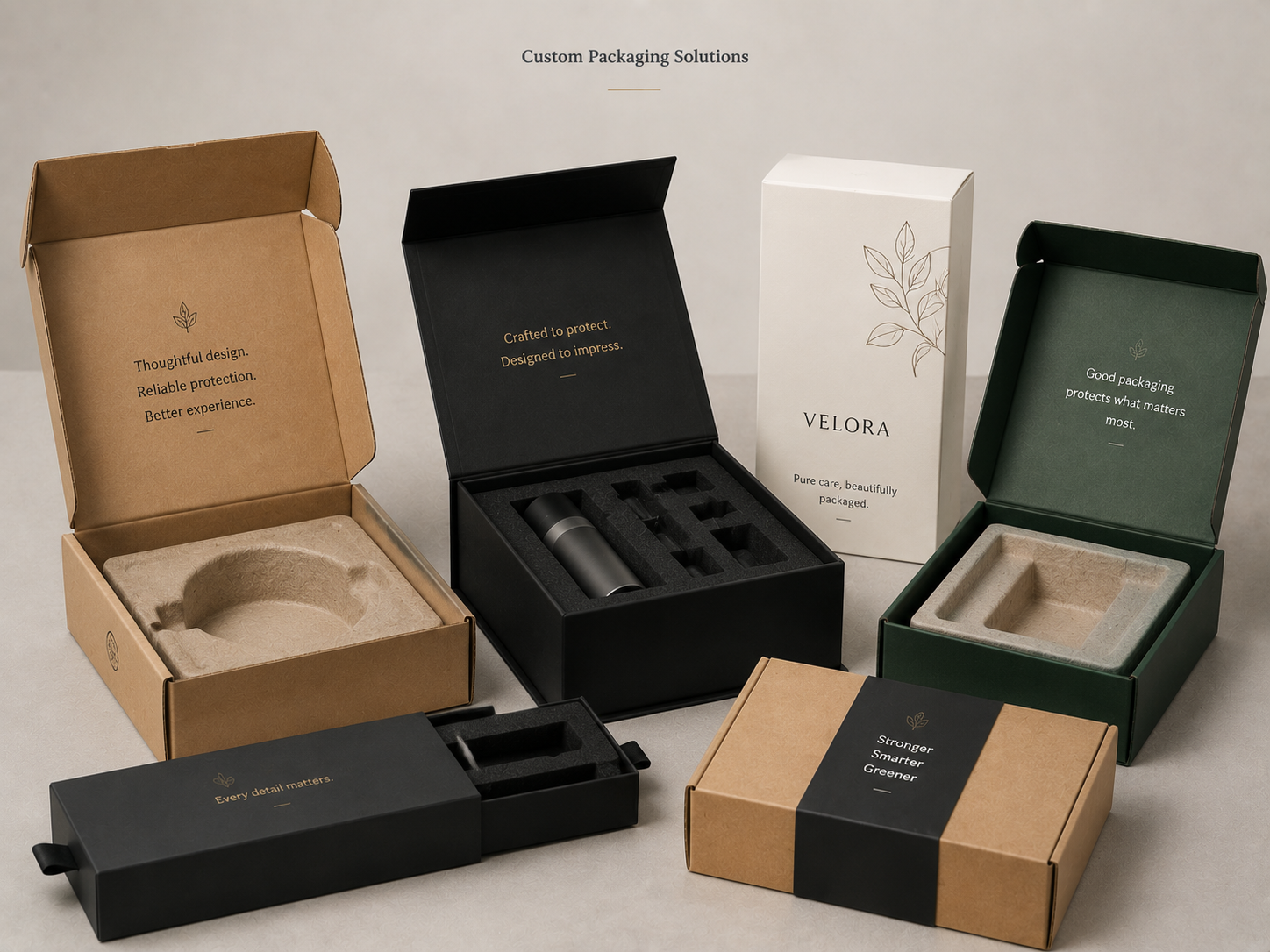
This includes easy-open structures, carry handles, resealable features, display-ready designs, and internal inserts that prevent product movement. Functional design also considers packing speed, unpacking steps, and storage convenience.
In factory workshops, functional features are evaluated for assembly complexity and defect risk. Overly complex functions increase manual steps and slow down production. Well-balanced functional design supports both user convenience and stable, repeatable manufacturing.
Material-Based Packaging Design
Some packaging projects begin with material selection rather than structure.
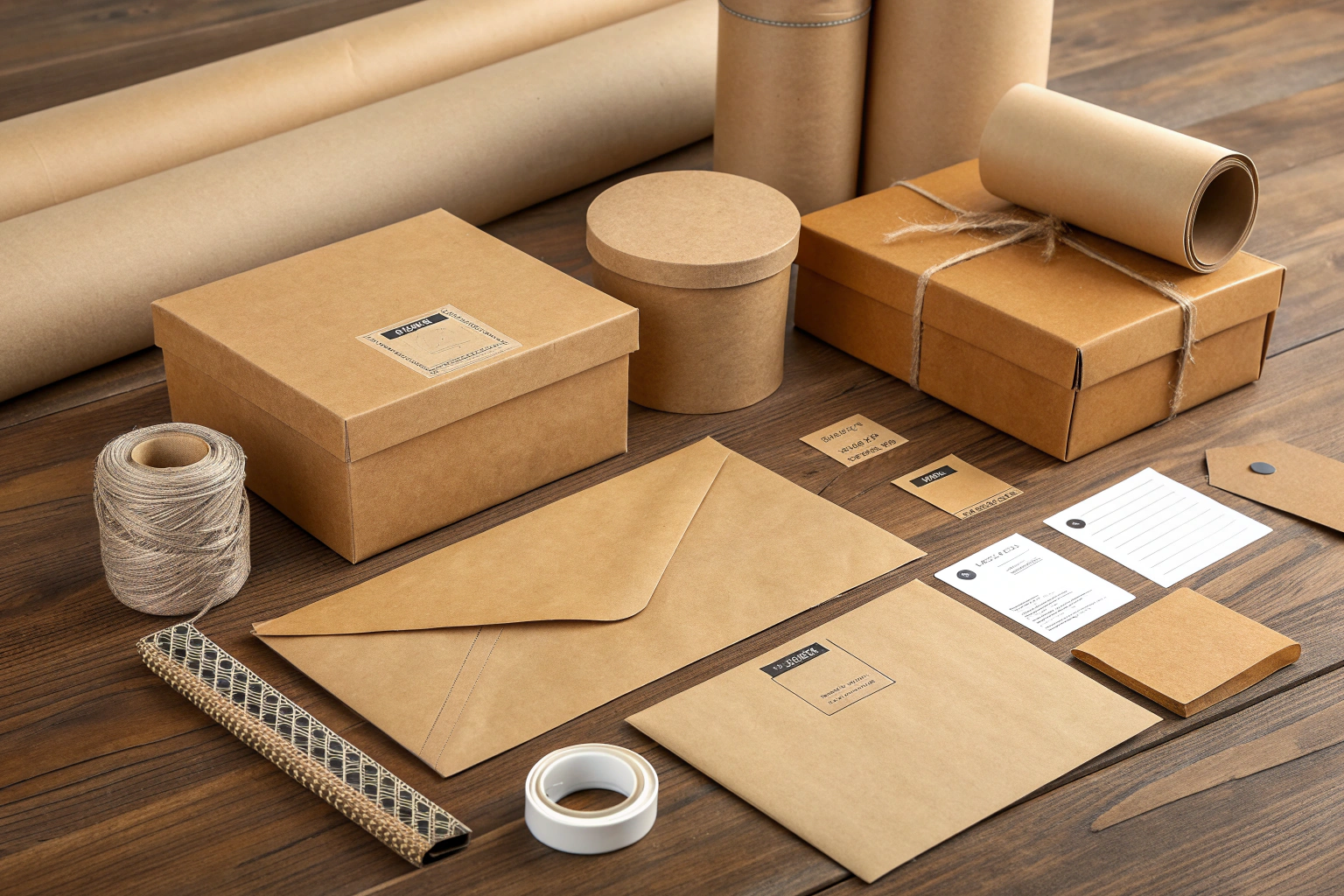
Material-based packaging design focuses on choosing materials based on strength, appearance, and process compatibility.
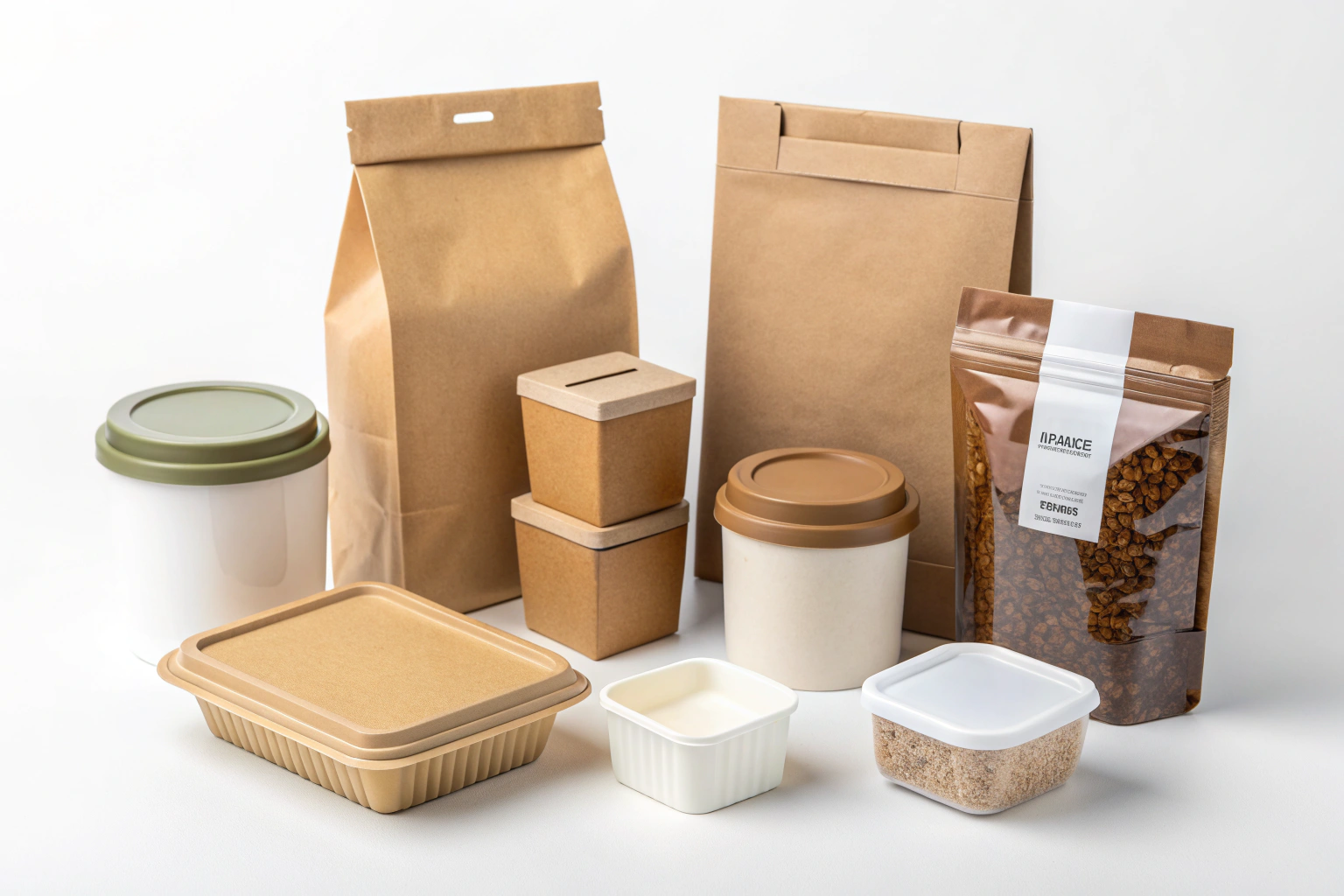
Common materials include paperboard, corrugated board, kraft paper, specialty paper, and molded pulp. Each material behaves differently during cutting, folding, printing, and gluing. Thickness, fiber direction, stiffness, and surface treatment all affect final performance.
In manufacturing, material-based design determines machine settings, glue selection, drying time, and storage conditions. Workshops test materials under real humidity and production conditions to ensure stability and consistency during long production runs.
Sustainable Packaging Design
Sustainable design is now a core packaging category rather than an optional feature.
Sustainable packaging design aims to reduce environmental impact while maintaining performance and production stability.
This type of design focuses on material reduction, recyclable structures, single-material solutions, and elimination of unnecessary layers. It often overlaps with structural and material design but adds lifecycle thinking.
From a factory standpoint, sustainable packaging must still pass strength and transport testing. Over-aggressive material reduction can lead to damage and replacement, which increases waste. Workshop testing ensures that sustainability goals do not compromise real-world performance.
Production-Oriented Packaging Design
Production-oriented design ensures that packaging works at scale, not only as a sample.
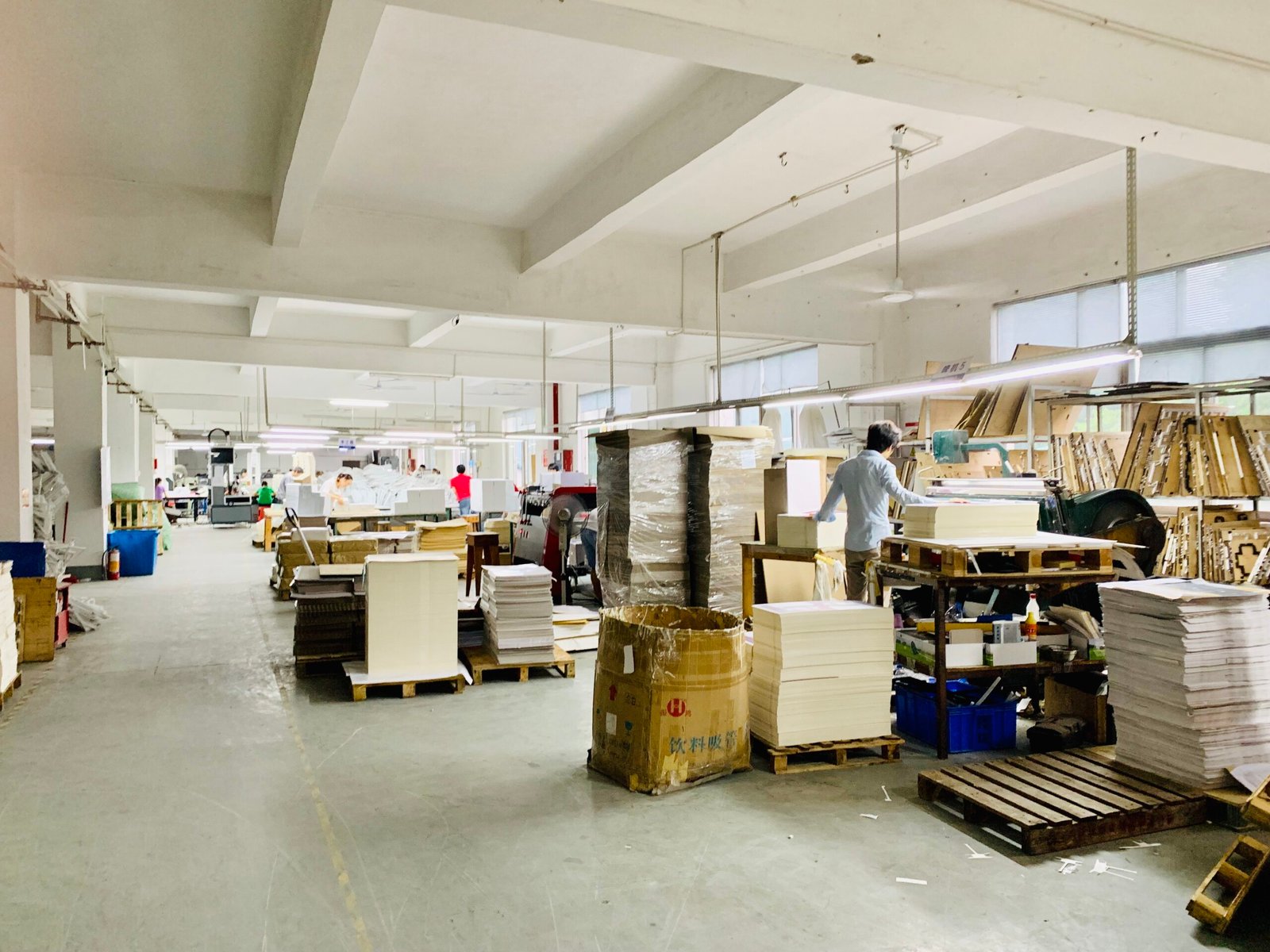
Production-oriented packaging design focuses on manufacturability, efficiency, and consistency in mass production.
This design type considers machine compatibility, assembly flow, tolerance control, glue application, quality inspection points, and output speed. Designs that look acceptable as hand-made samples may fail in automated or semi-automated production.
In factory workshops, engineers adjust die-lines, simplify folding steps, and optimize assembly sequences. Pilot production runs are used to validate that approved designs can be repeated consistently without quality variation or delays.
Conclusion
Packaging design includes multiple interconnected types, each serving a distinct purpose. Structural design ensures protection and strength. Graphic design controls visual consistency. Functional design improves usability. Material-based design defines performance behavior. Sustainable design reduces environmental impact. Production-oriented design ensures scalability and stability in mass manufacturing.
From a manufacturing perspective, successful packaging design does not rely on one design type alone. Real packaging performance comes from integrating all design types with factory processes, workshop conditions, and quality control standards. When structure, materials, visuals, sustainability goals, and production execution are aligned, packaging moves smoothly from concept to mass production. This approach reduces redesign, controls cost, improves quality consistency, and ensures packaging performs reliably throughout its entire lifecycle.