Packaging materials are often chosen too quickly, based only on cost or habit. When material selection is not aligned with structure, product needs, and factory processes, packaging problems usually appear later during production or transport.
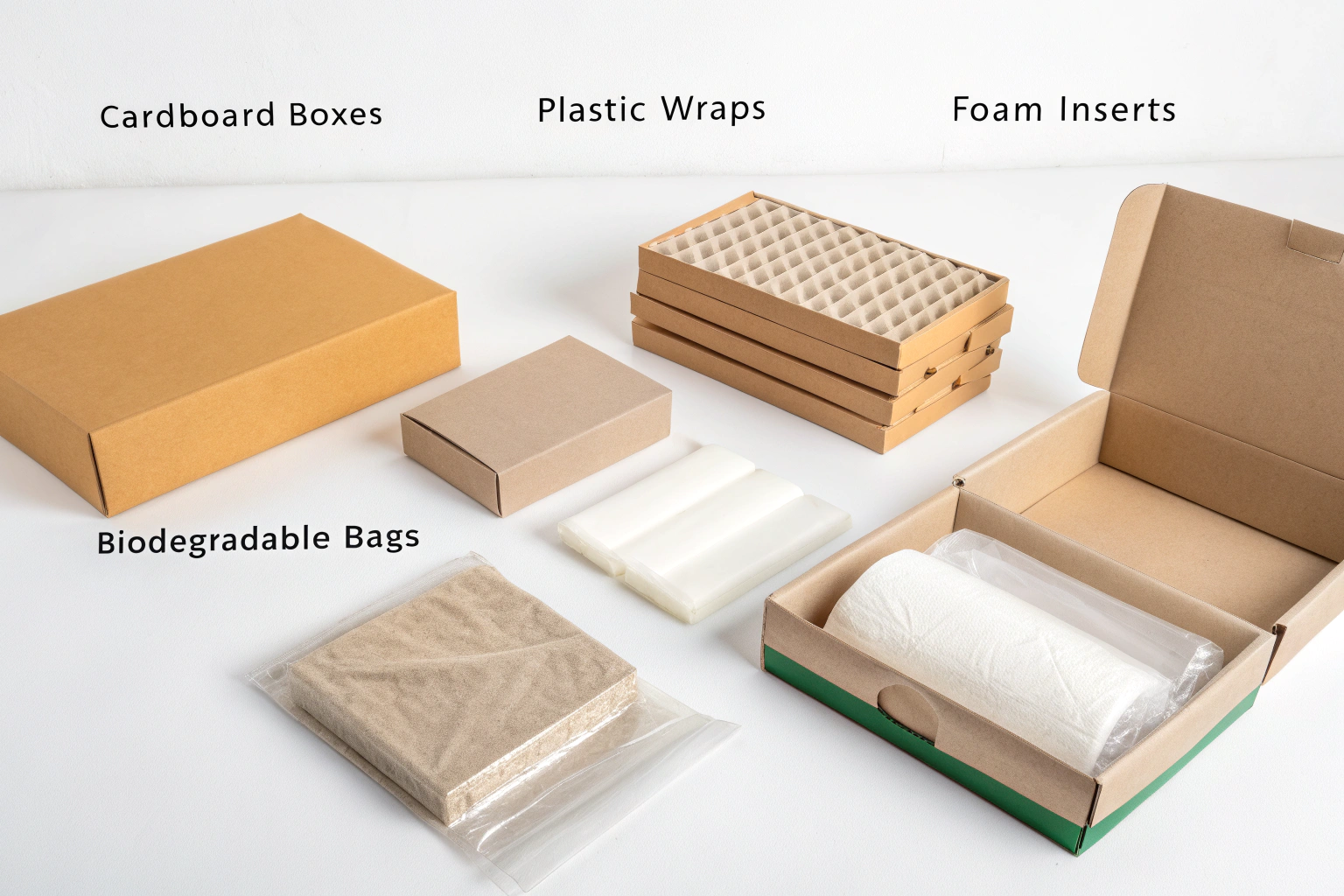
Packaging materials are selected based on protection needs, production behavior, sustainability goals, and real-use conditions. No single material fits all products, and each material has clear strengths and limits.
From a manufacturing perspective, packaging material choice directly affects strength, print quality, production stability, and long-term cost. The following sections explain the most commonly used packaging materials and how they are applied in real production.
Paperboard and Cardboard Materials
Paperboard is one of the most widely used packaging materials.
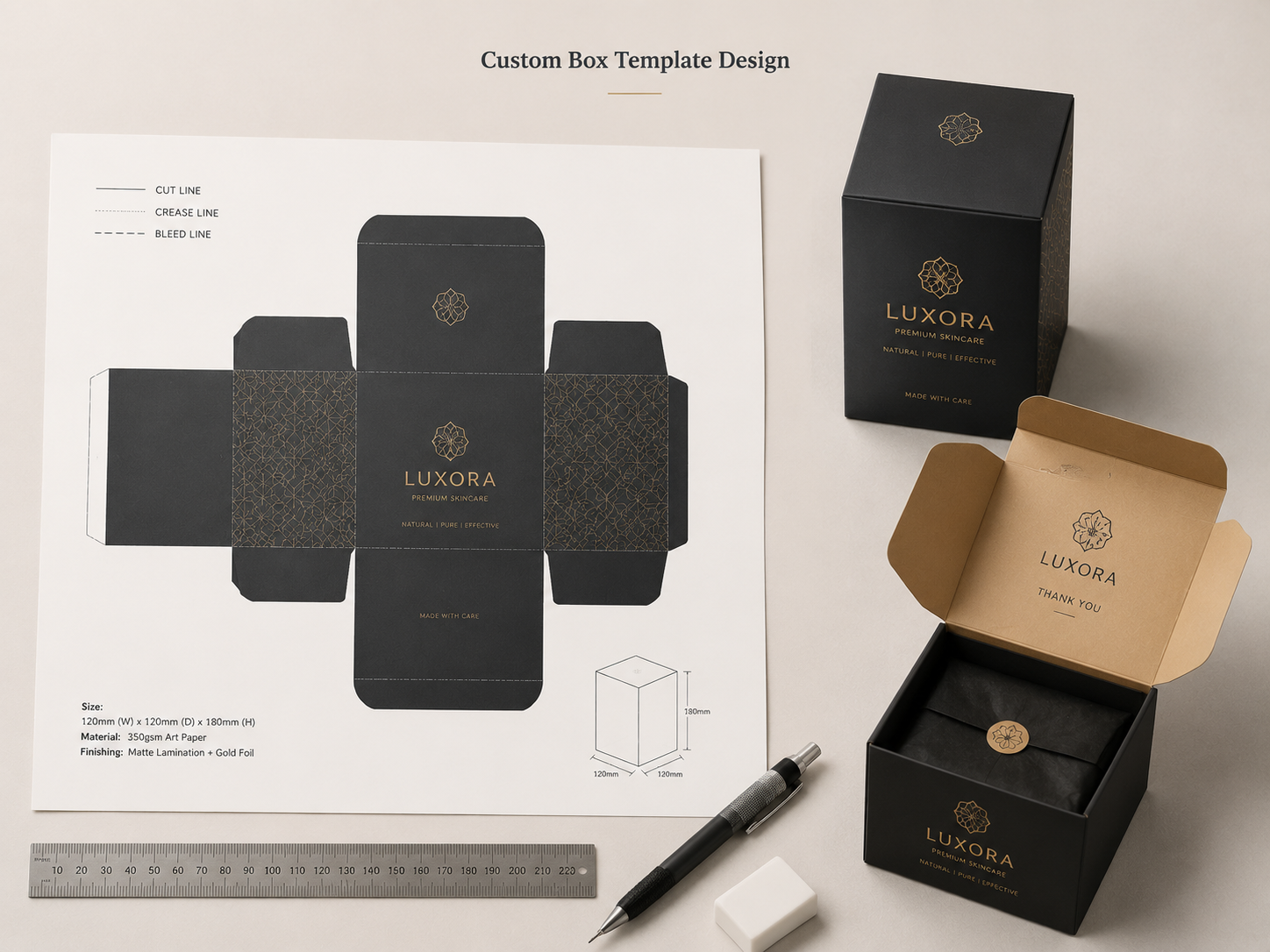
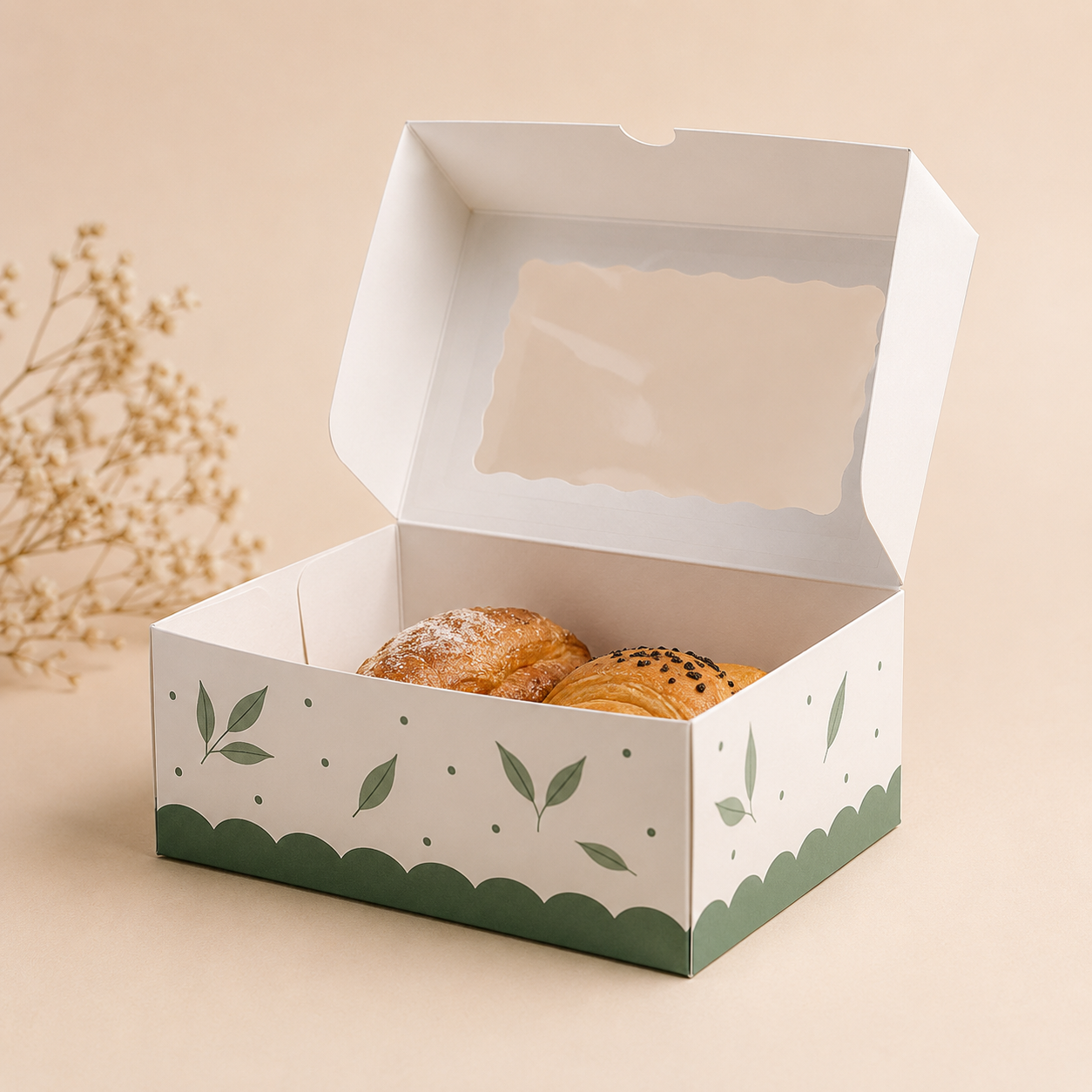
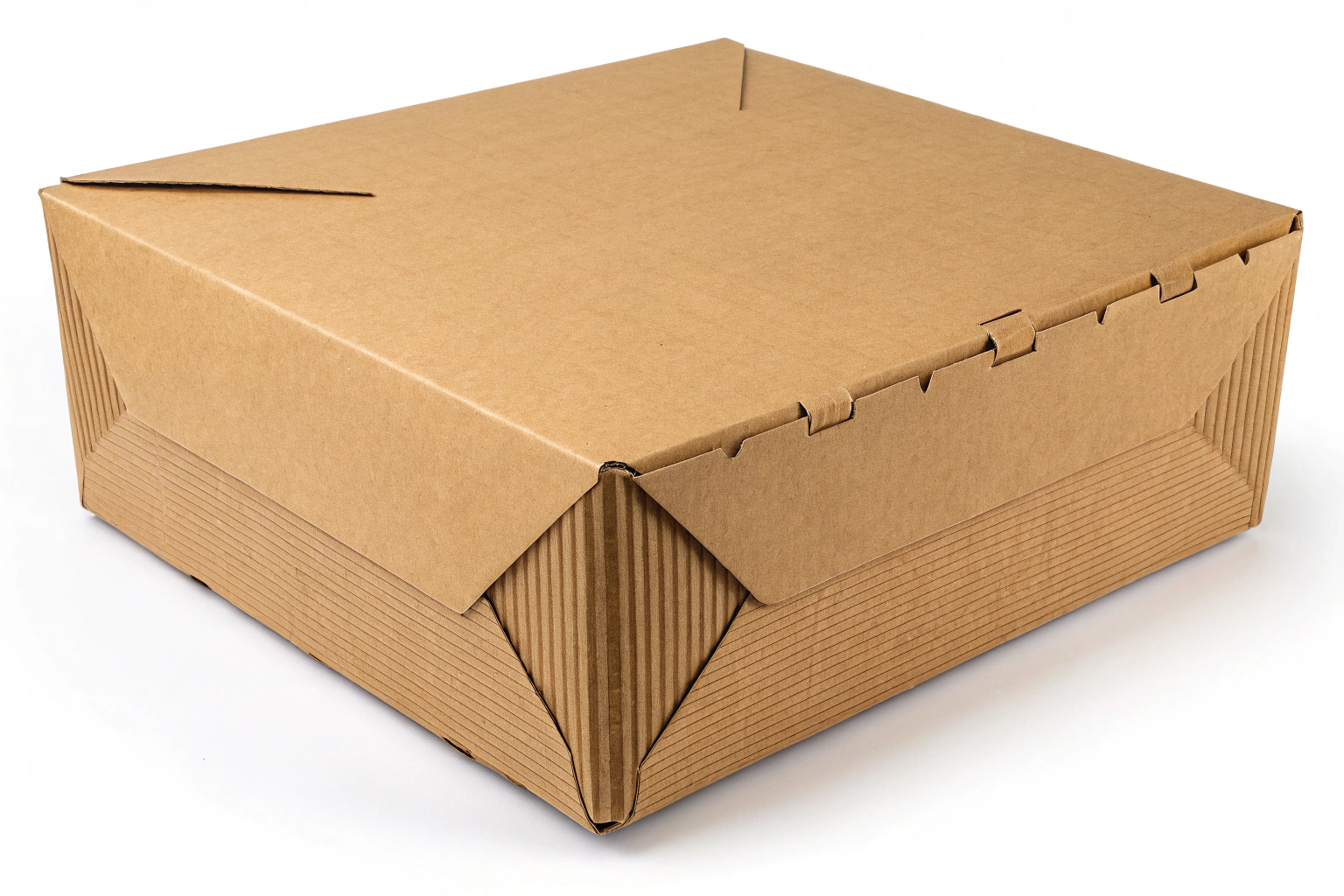
Paperboard and cardboard are commonly used for boxes, cartons, sleeves, and retail packaging.
These materials are made from wood pulp or recycled fibers. They offer good rigidity, stable printing performance, and easy cutting and folding. Folding cartons and rigid boxes rely heavily on paperboard for both structure and appearance.
In factory workshops, paperboard thickness, fiber direction, and moisture control are carefully managed. Proper material selection ensures clean folds, strong bonding, and consistent assembly during mass production. Paperboard is widely used in electronics, cosmetics, gifts, and daily consumer products.
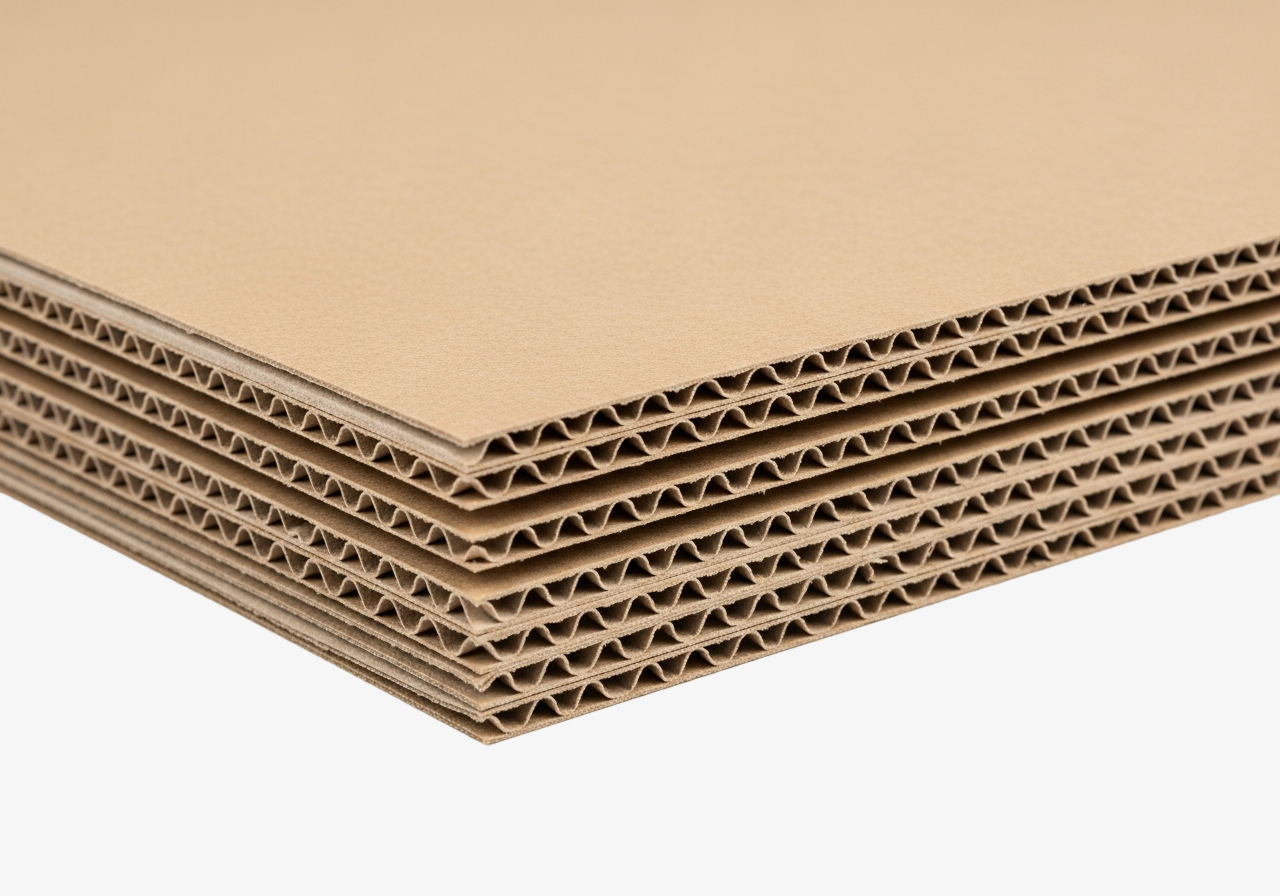
Corrugated Board Materials
Corrugated board is designed for protection and transport.
Corrugated board is used when strength, stacking resistance, and shock absorption are required.
Corrugated material consists of fluted paper sandwiched between linerboards. Different flute types provide different strength and cushioning levels. Corrugated boxes are commonly used for shipping cartons, outer packaging, and bulk transport.
In manufacturing, flute selection, board thickness, and box structure determine load performance. Compression and stacking tests are used to confirm that corrugated packaging performs reliably during storage and shipping.
Kraft Paper and Specialty Paper
Kraft paper is widely used for flexible and semi-rigid packaging.
Kraft paper is commonly used for paper bags, wrapping, and inner packaging.
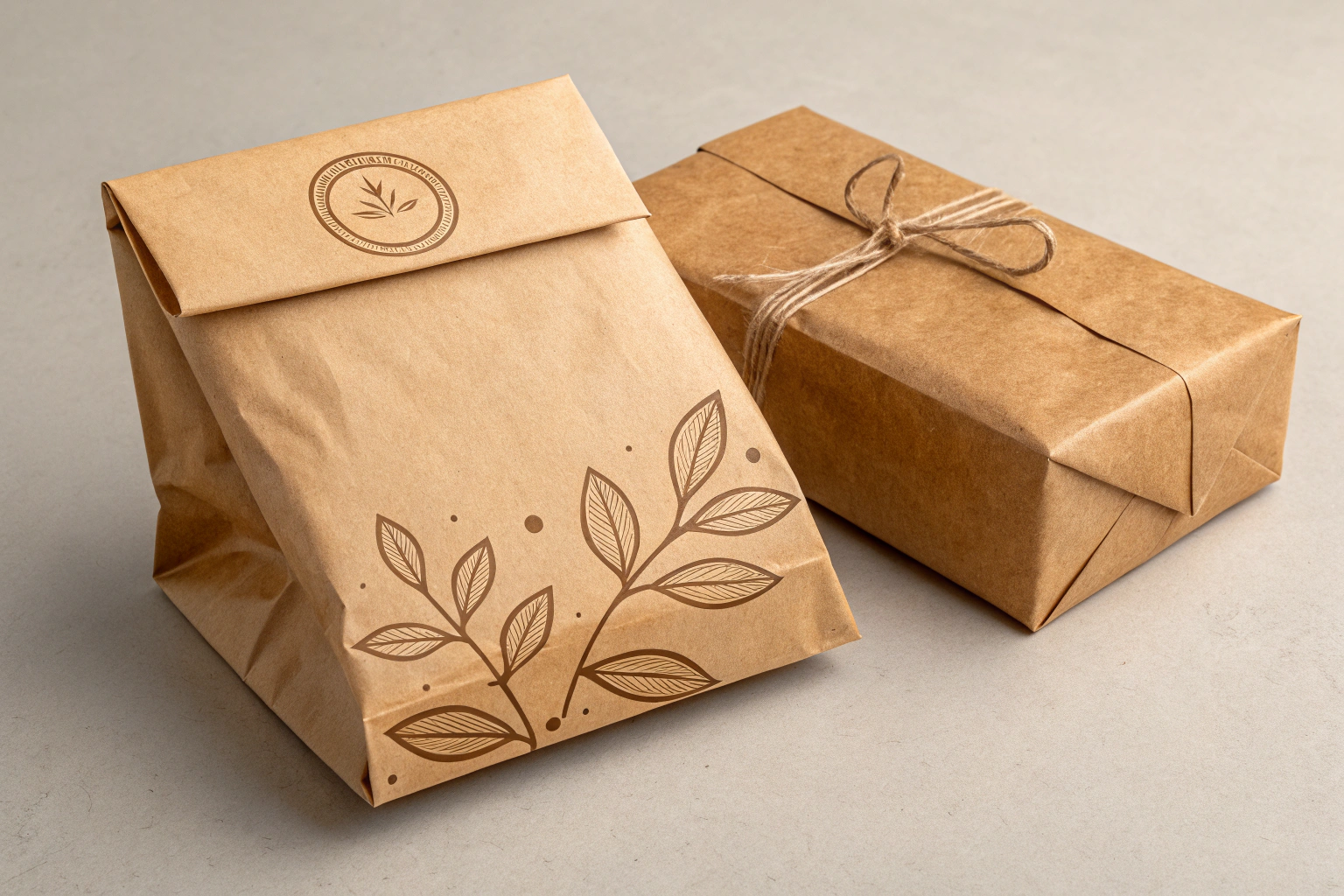
Kraft paper offers high tear resistance and a natural appearance. Specialty papers include coated paper, textured paper, and colored paper, which are often used for premium packaging.
In factory production, kraft paper strength depends on paper weight and fiber quality. Specialty papers require careful handling during printing and folding to avoid cracking or surface damage. These materials are popular in retail bags and branded packaging.
Molded Pulp and Fiber-Based Inserts
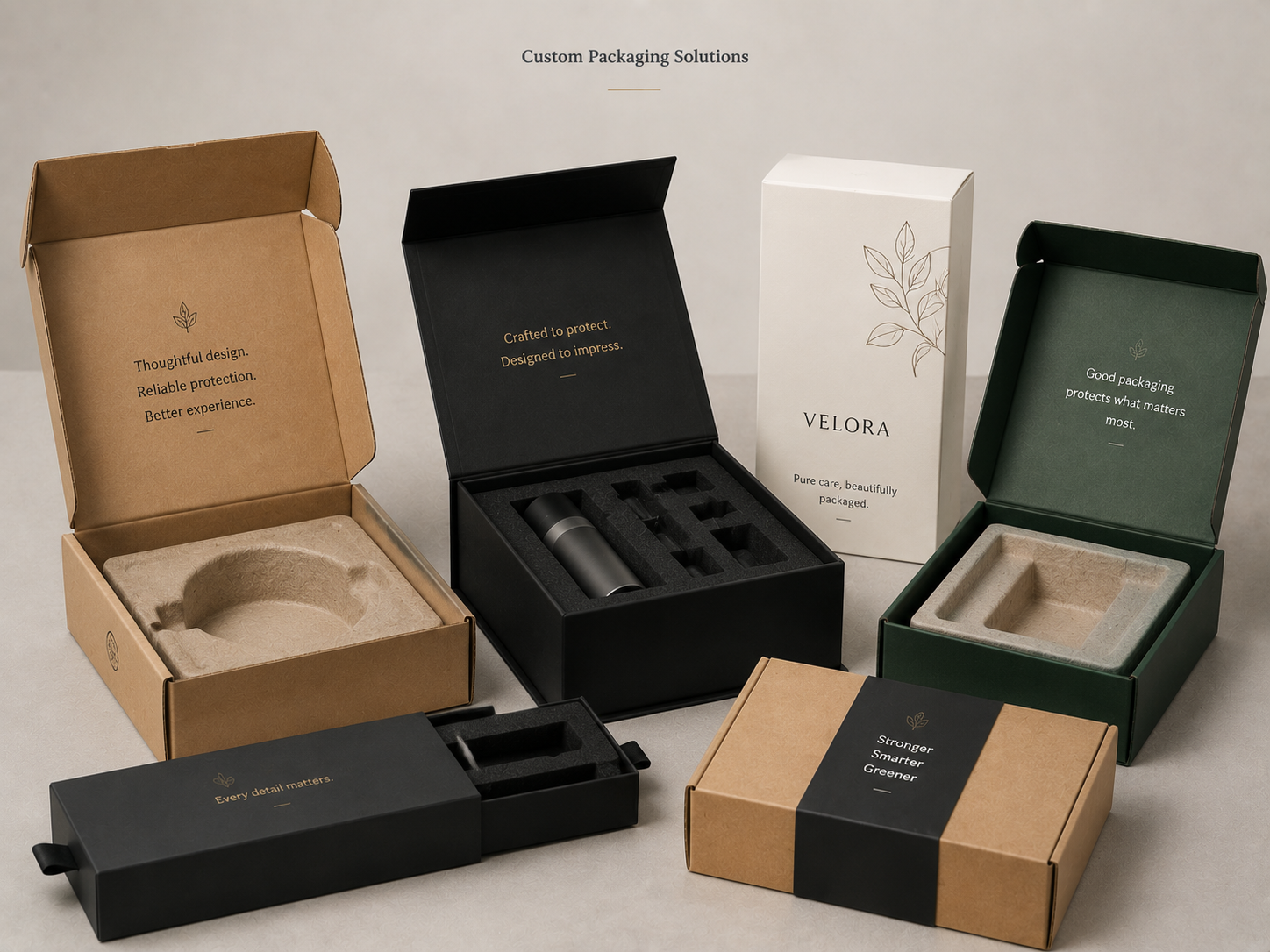
Molded pulp is used as an alternative to plastic inserts.
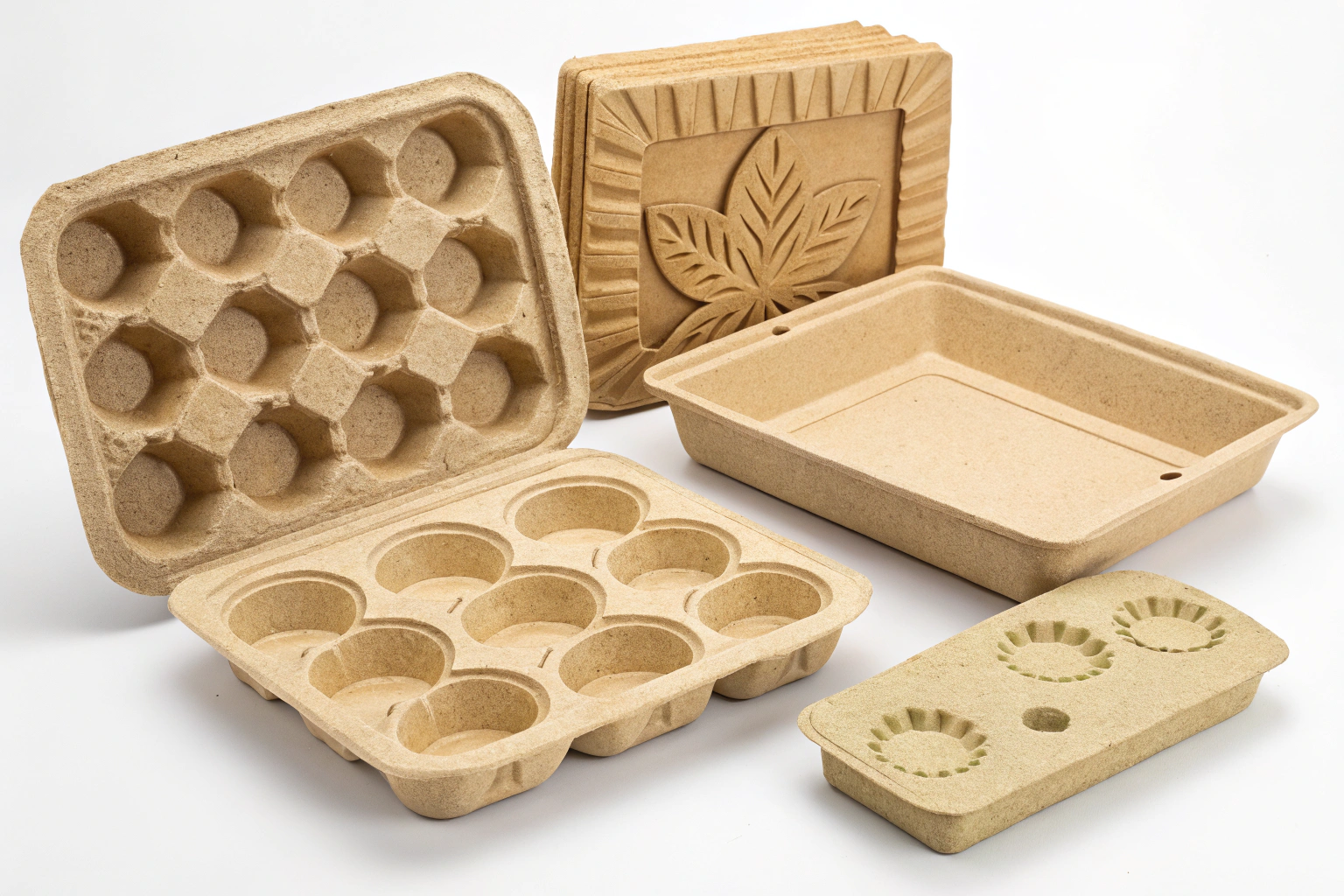
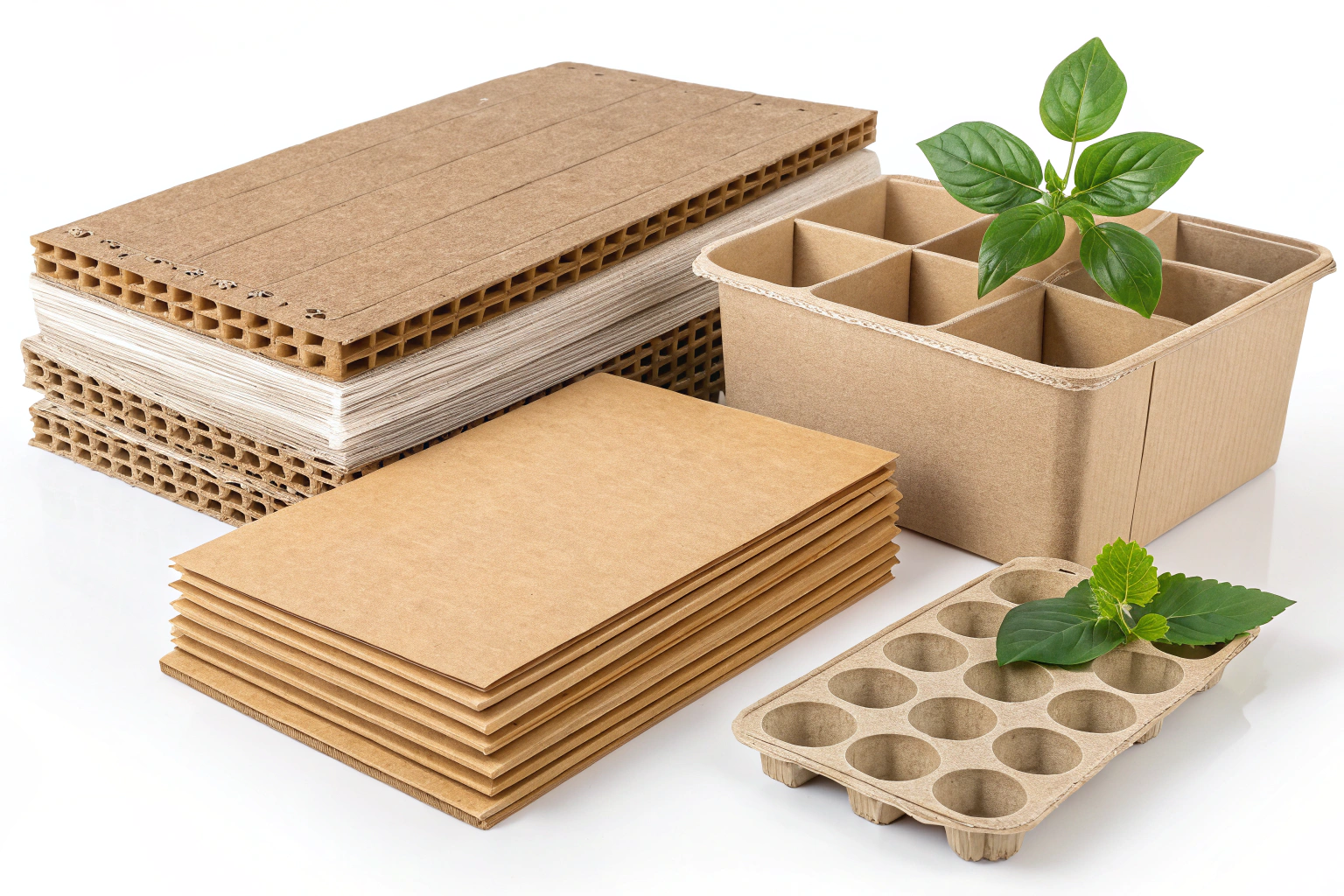
Molded pulp packaging is made from recycled paper fibers and used for cushioning and positioning.
Molded pulp trays and inserts protect products while remaining recyclable and biodegradable. They are widely used in electronics, cosmetics, and consumer goods packaging.
In factory workshops, molded pulp production focuses on tooling accuracy, drying control, and dimensional stability. When controlled correctly, molded pulp offers consistent performance and supports sustainability goals.
Plastic Materials
Plastic remains a common packaging material, especially for specific use cases.
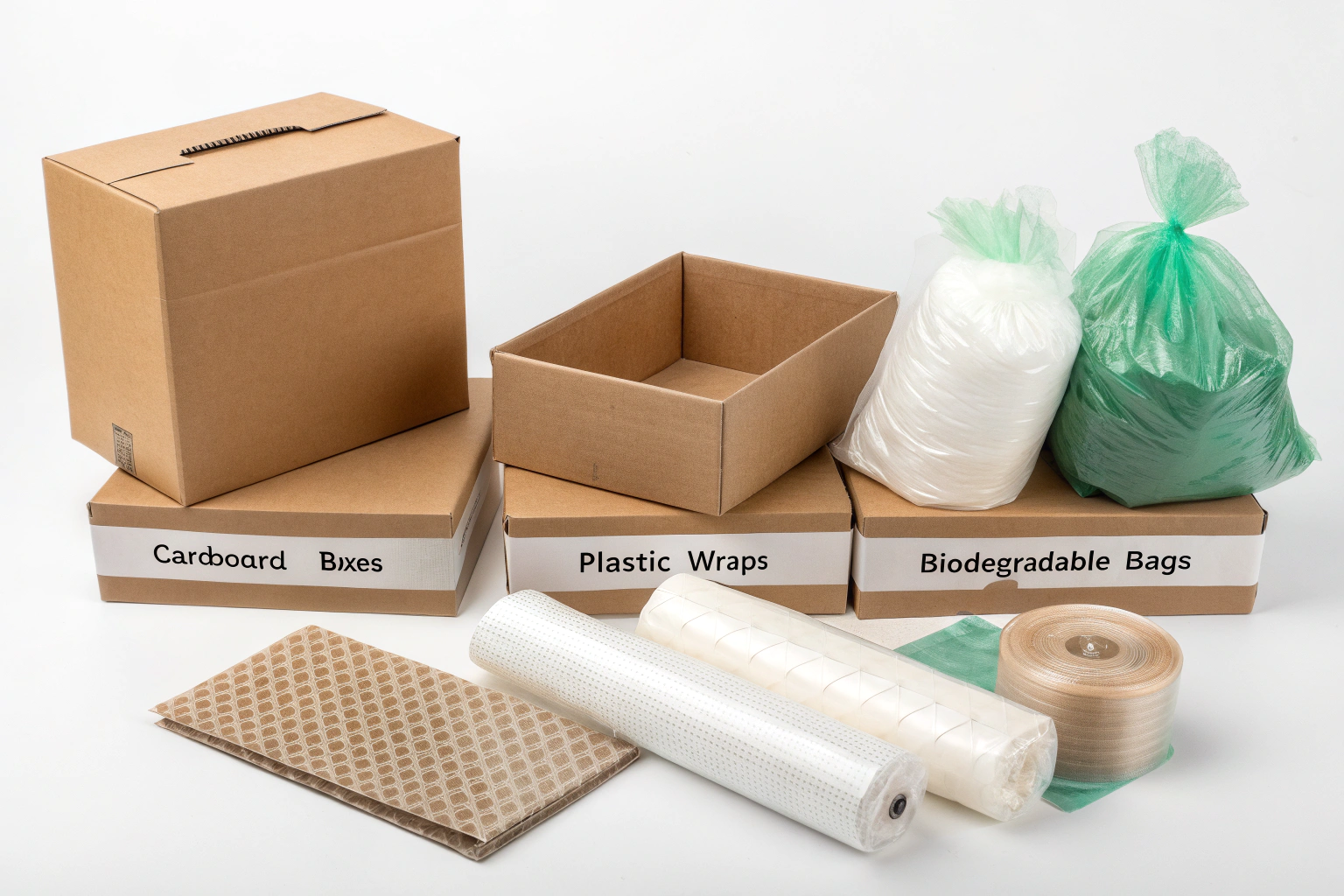
Plastic materials such as PE, PP, and PET are used for bags, films, trays, and protective packaging.
Plastic offers moisture resistance and flexibility. However, it relies on fossil-based resources and presents recycling challenges, especially for thin films.
From a manufacturing perspective, plastic packaging requires strict temperature and process control. Variations in sealing and thickness can cause defects. Plastic is usually reserved for applications where moisture resistance or sealing is essential.
Composite and Laminated Materials
Some packaging uses multiple materials combined together.
Composite packaging combines paper, plastic, or foil to achieve specific barrier or strength properties.
These materials are used for food, liquid, or long-shelf-life products. While performance is high, recyclability is often limited due to material separation difficulty.
In manufacturing, composite materials increase process complexity and waste management challenges. Their use is usually limited to cases where single-material solutions cannot meet requirements.
How Factories Choose the Right Packaging Material
Material selection is a technical decision, not a visual one.
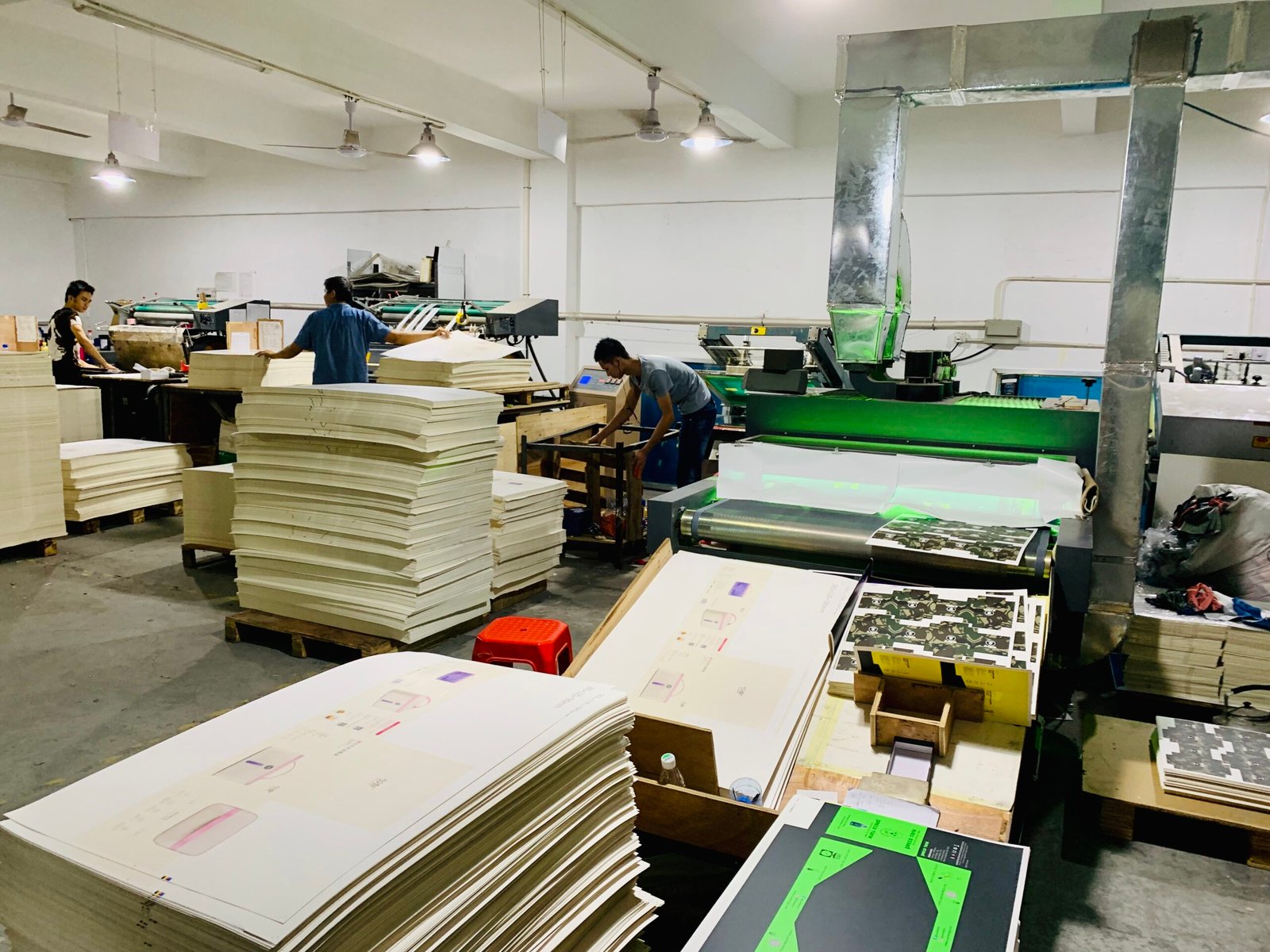
Factories select packaging materials based on product protection, structure design, production stability, and sustainability targets.
Product weight, fragility, exposure conditions, printing needs, and logistics requirements are evaluated together. Materials are tested for cutting, folding, bonding, and durability before approval.
This evaluation ensures that the selected material performs consistently from sampling to mass production.
Conclusion
Packaging materials include paperboard, corrugated board, kraft paper, molded pulp, plastic, and composite materials. Each material serves a specific purpose and performs differently during production and use. No single material is universally correct.
From a manufacturing perspective, the right packaging material is the one that matches product needs, structure design, and factory process capability. When material selection is done carefully and tested properly, packaging becomes stable, cost-effective, and reliable throughout its lifecycle.