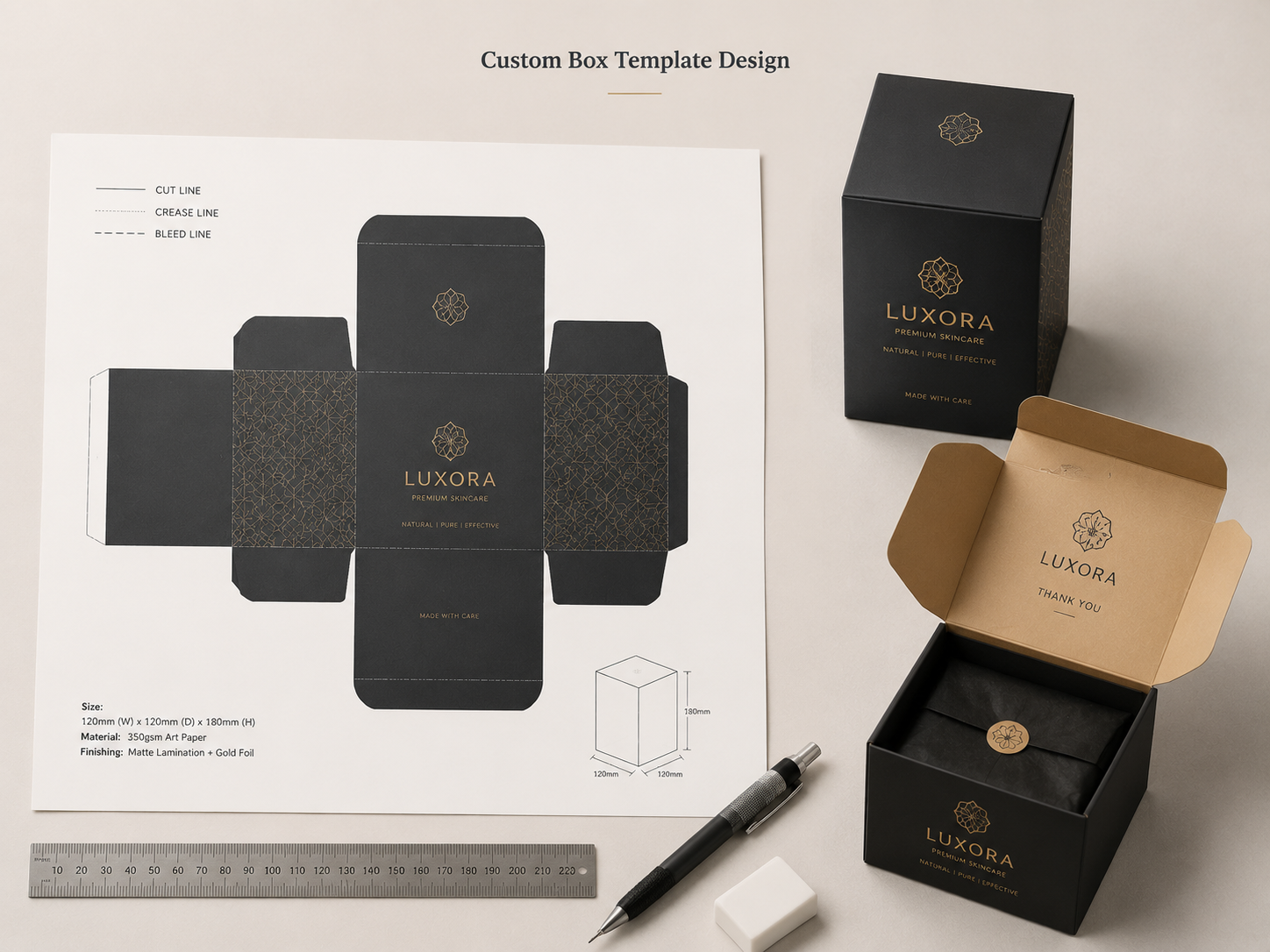
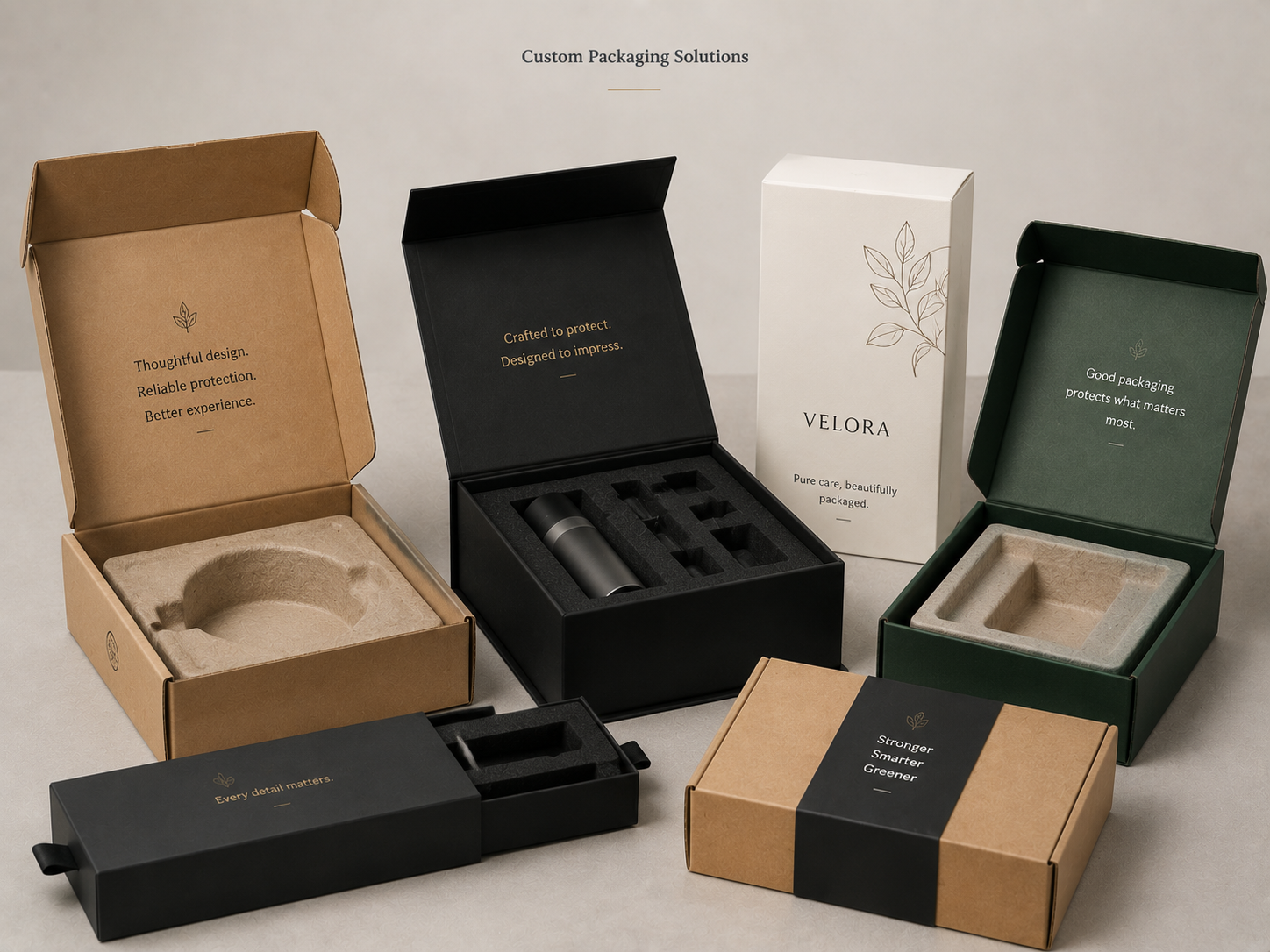
Kraft paper and builder paper are often mentioned together in packaging and construction discussions, which leads to frequent confusion. While the two materials are related, they are not always the same in definition, performance, or application.
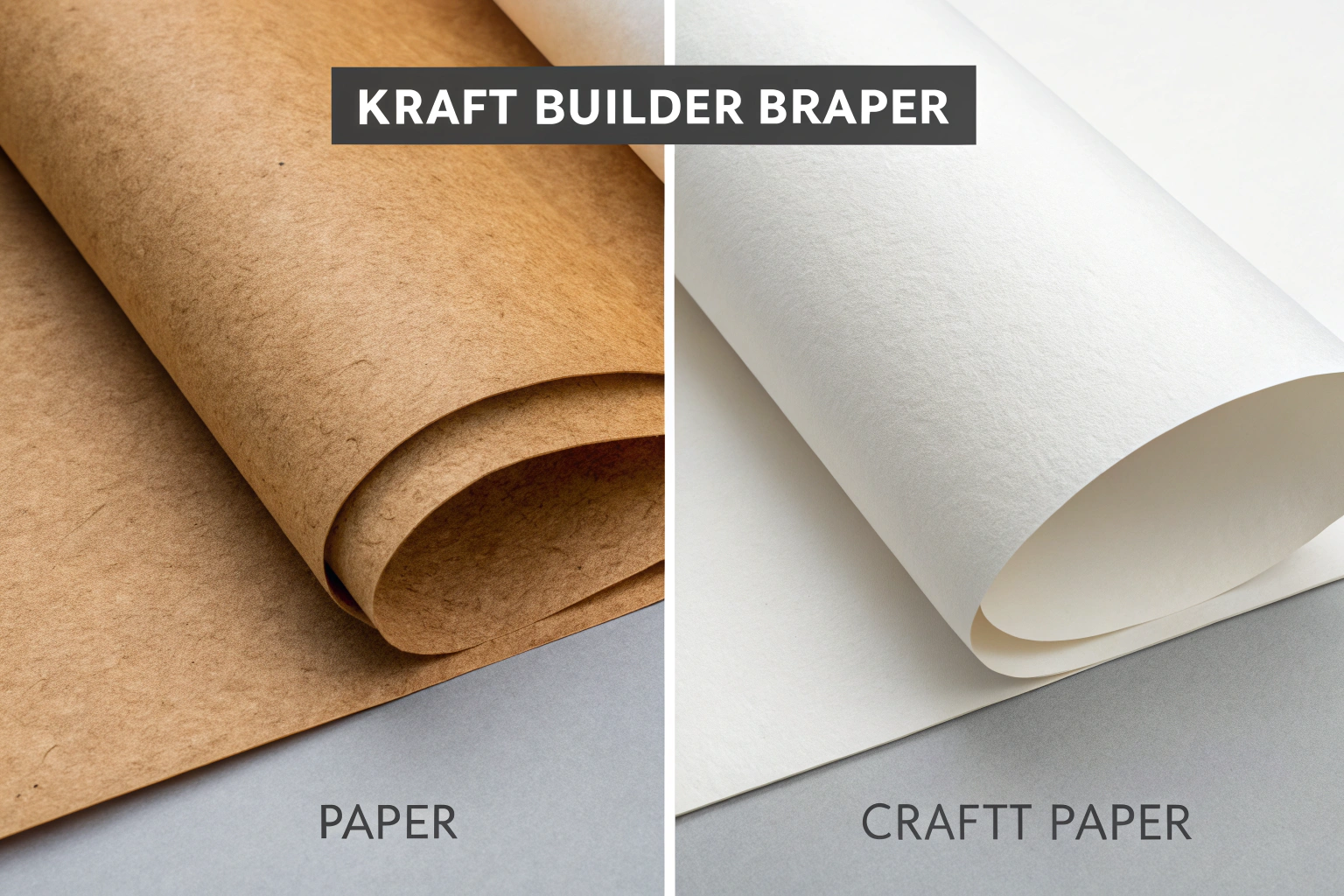
Kraft paper refers to a paper type defined by its pulping process and fiber strength, while builder paper is an application-based term commonly used in construction and industrial protection. Understanding this distinction is important for correct material selection in manufacturing.
From a manufacturing perspective, material naming affects specification, production stability, and end-use performance. The following sections clarify how kraft paper and builder paper are connected, and where they differ.
What Is Kraft Paper?
Kraft paper is a standardized industrial paper material.
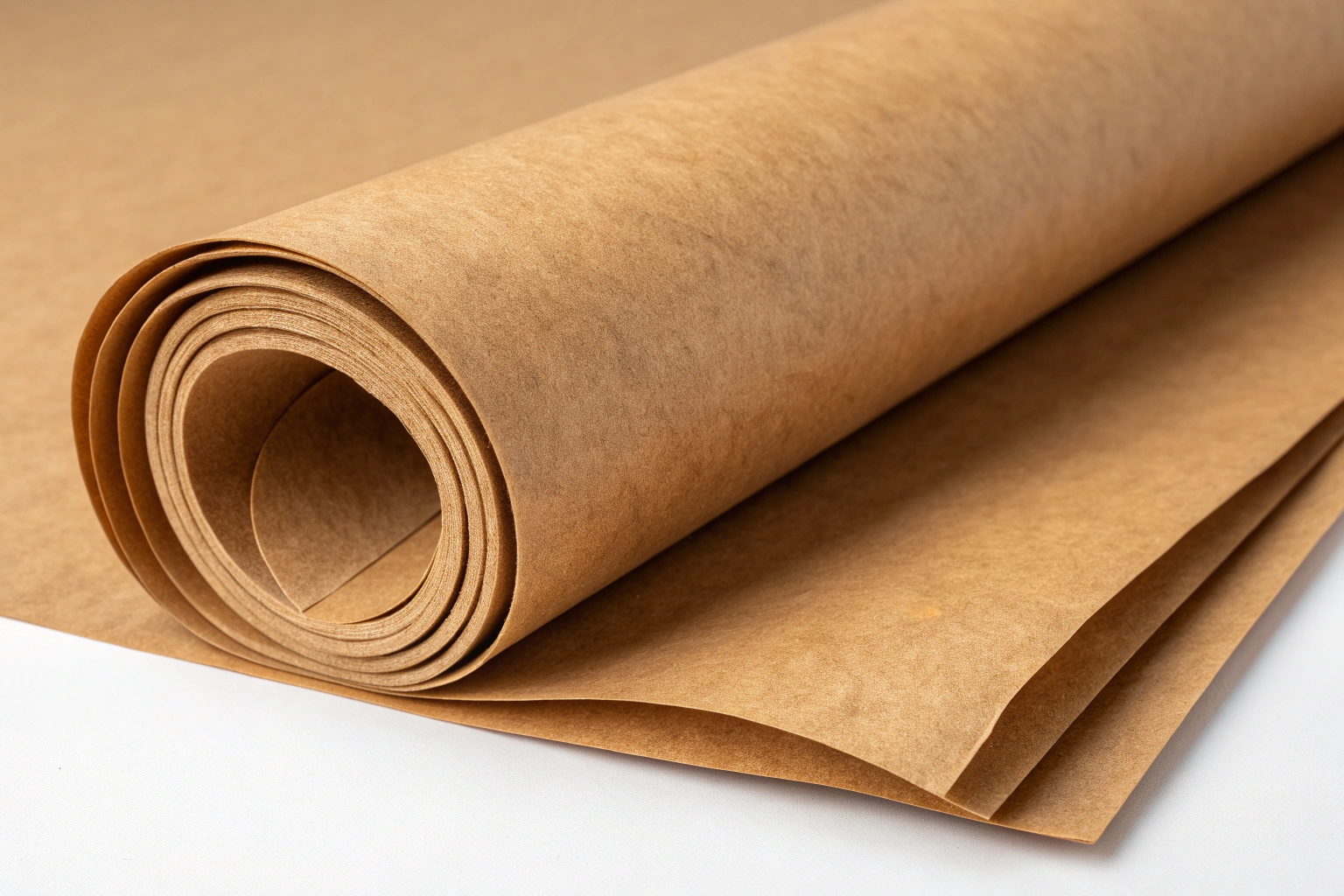
Kraft paper is produced using the kraft pulping process, which preserves long fibers and delivers high tensile and tear strength.
Kraft paper is commonly brown or natural in color, although white kraft is also available. Its key properties include durability, flexibility, and predictable performance during cutting, folding, and bonding. These qualities make it widely used in packaging, paper bags, wrapping, liners, and protective layers.
In factory workshops, kraft paper is specified by grammage, fiber composition, and moisture tolerance. Its behavior is consistent across large production volumes, which is critical for stable packaging manufacturing.
What Is Builder Paper?
Builder paper is defined by usage rather than by production method.
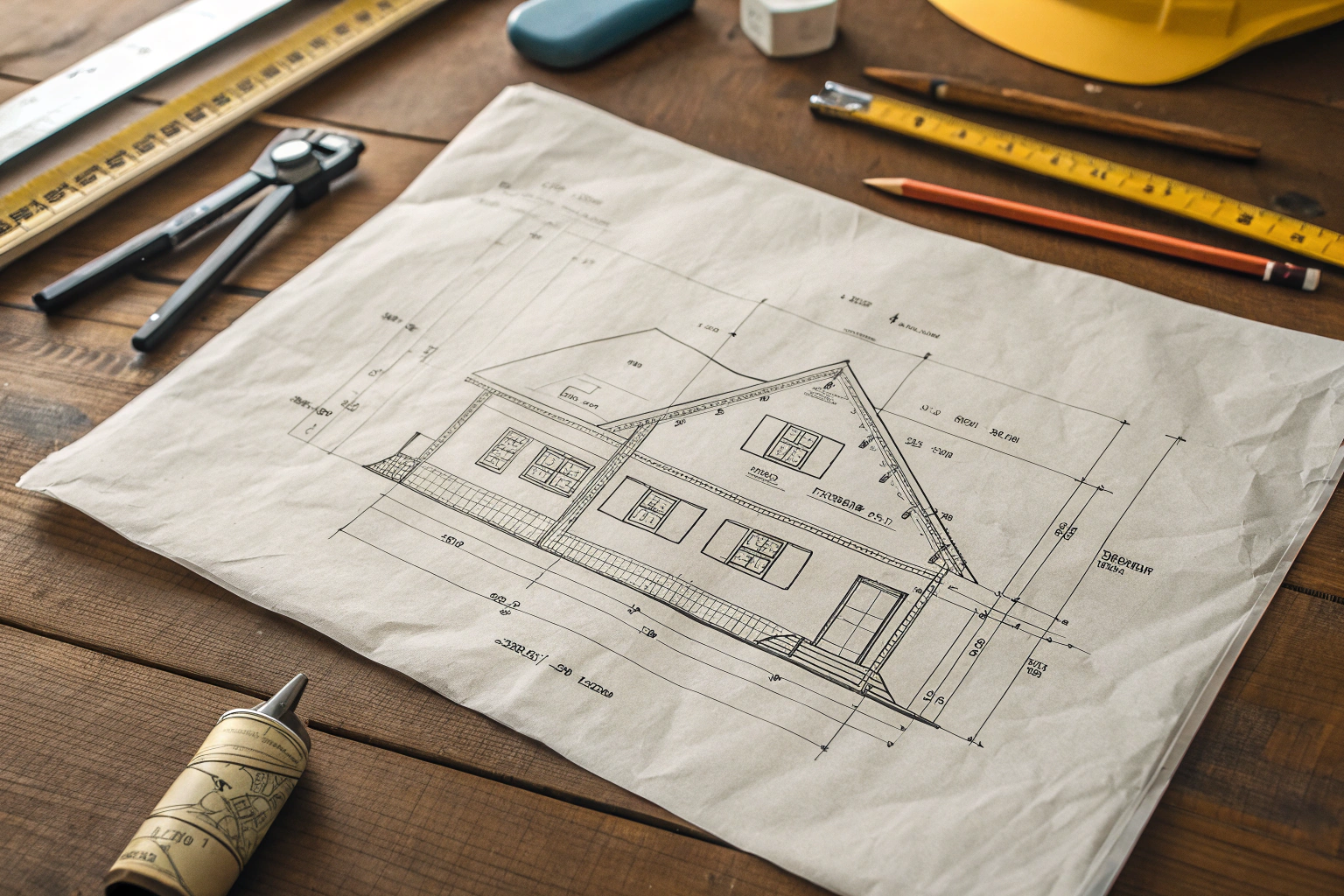
Builder paper refers to paper used for temporary protection in construction, flooring, and surface covering applications.
Builder paper is commonly laid over floors, walls, or surfaces to protect against dust, paint, and light moisture during construction. It is valued for coverage, tear resistance, and cost efficiency rather than visual quality or printing performance.
From a technical standpoint, builder paper does not always follow a strict material standard. Its thickness, fiber quality, and finish vary depending on supplier and intended construction use.
Are Kraft Paper and Builder Paper the Same Material?
The short answer is: sometimes, but not always.
Builder paper is often made from kraft paper, but not all kraft paper is builder paper.
In many cases, builder paper uses uncoated kraft paper because of its strength and durability. However, builder paper may also include lower-grade or mixed-fiber paper designed specifically for construction protection.
In packaging manufacturing, kraft paper is selected based on defined strength and process behavior. Builder paper, by contrast, is selected based on coverage and temporary protection needs, not packaging performance.
Key Differences in Performance and Specification
Although related, the two materials serve different technical purposes.
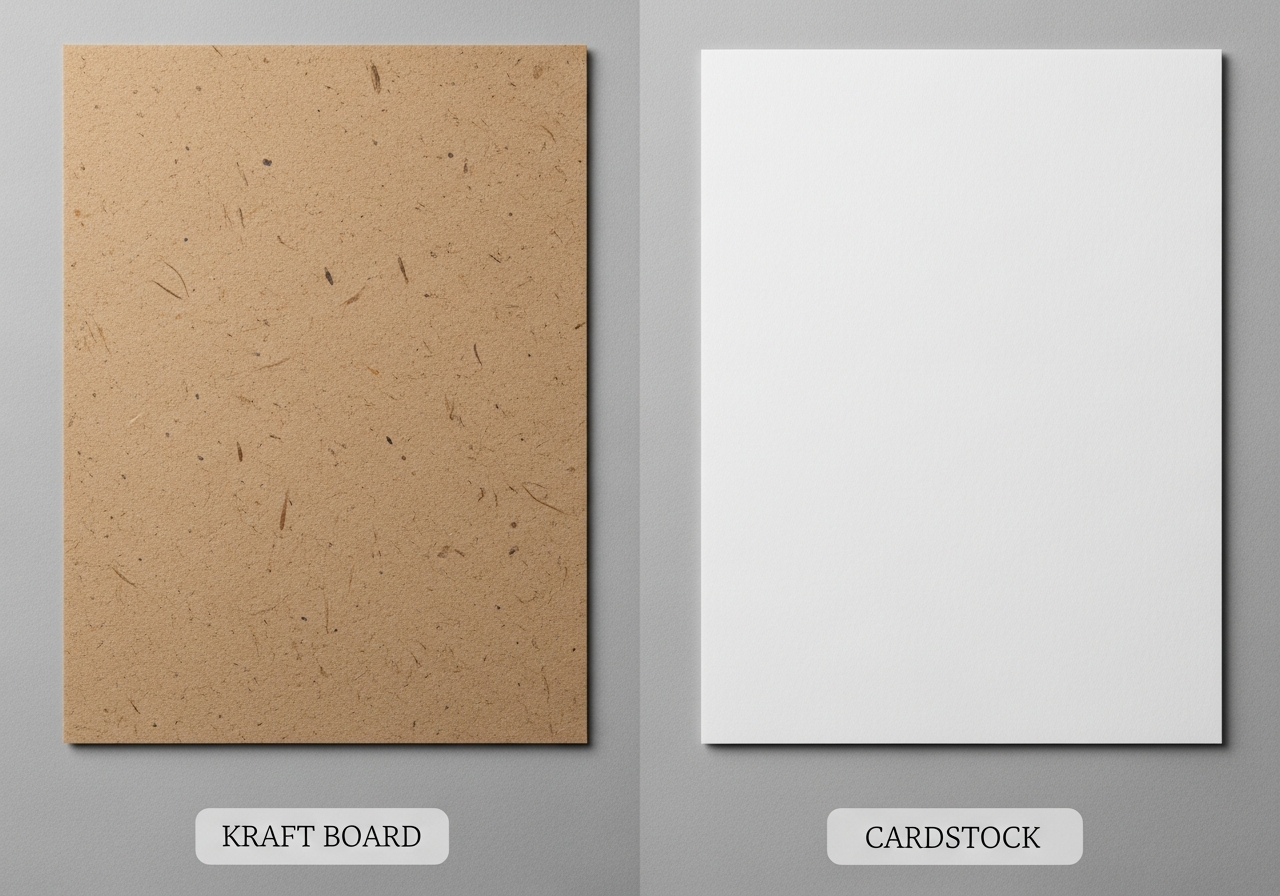
Kraft paper is defined by fiber strength and process control, while builder paper is defined by application and cost efficiency.
Kraft paper offers predictable folding, bonding, and tear resistance, which are essential for packaging lines. Builder paper may lack the consistency required for die-cutting, precise folding, or glue bonding.
From a factory perspective, using builder paper in packaging production introduces variation and increases scrap rates. Kraft paper supports repeatable production, while builder paper is designed for short-term, non-structural use.
Factory Processing Considerations
Material behavior during processing highlights the difference clearly.
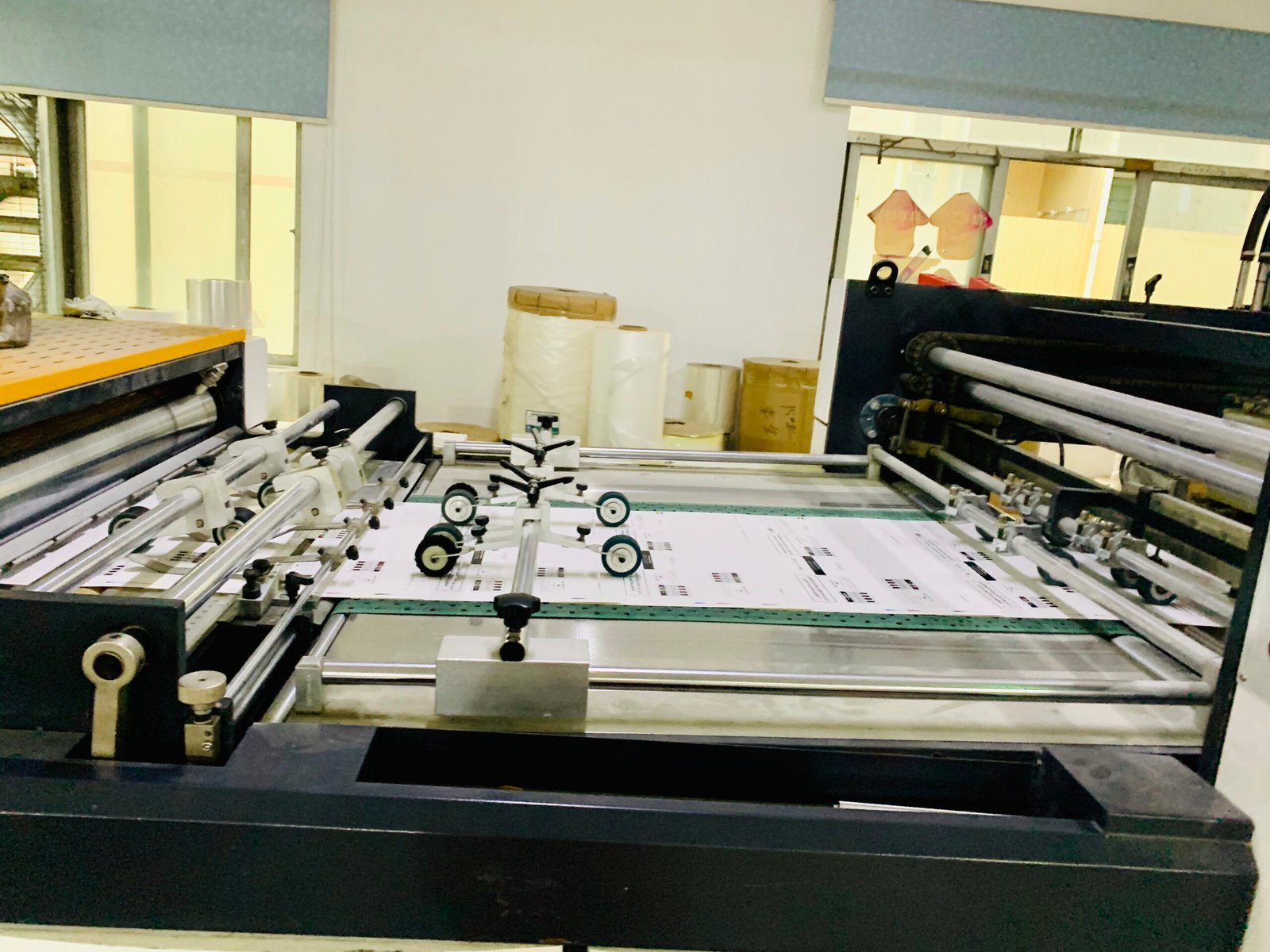
Kraft paper is suitable for industrial packaging machines, while builder paper is not designed for precision processing.
Kraft paper feeds smoothly through cutting, creasing, and folding equipment. Glue adhesion and fold memory remain stable. Builder paper may curl, tear unevenly, or absorb adhesive unpredictably due to inconsistent fiber composition.
In manufacturing workshops, material stability directly affects output speed, quality consistency, and defect rate. This is why kraft paper is specified in packaging production, while builder paper remains limited to construction protection roles.
When Each Material Should Be Used
Correct application prevents material misuse.
Kraft paper should be used for packaging, bags, wrapping, and protective inserts, while builder paper should be limited to construction and surface protection.
Using builder paper as a substitute for kraft paper in packaging leads to weak performance, unstable production, and higher waste. Using kraft paper in construction protection is possible, but often unnecessary due to higher cost and tighter specifications.
From a manufacturing standpoint, material selection should always match functional requirements and process capability.
Conclusion
Kraft paper and builder paper are related but not identical. Kraft paper is a defined industrial material produced through a specific pulping process, offering strength, consistency, and predictable behavior in packaging manufacturing. Builder paper is an application-based term used mainly for temporary protection in construction and surface covering.
From a manufacturing perspective, the distinction is critical. Kraft paper supports stable production, controlled processing, and reliable packaging performance. Builder paper does not meet these requirements and should not be treated as a packaging-grade material. Clear understanding of this difference helps prevent material misuse, production instability, and avoidable quality issues across the packaging workflow.