Kraft paper is widely used in art, yet it is often misunderstood as a low-end or temporary material. This misunderstanding causes many artists and studios to overlook its real value. In practice, kraft paper plays an important role in artistic creation because it offers control, texture, and reliability.
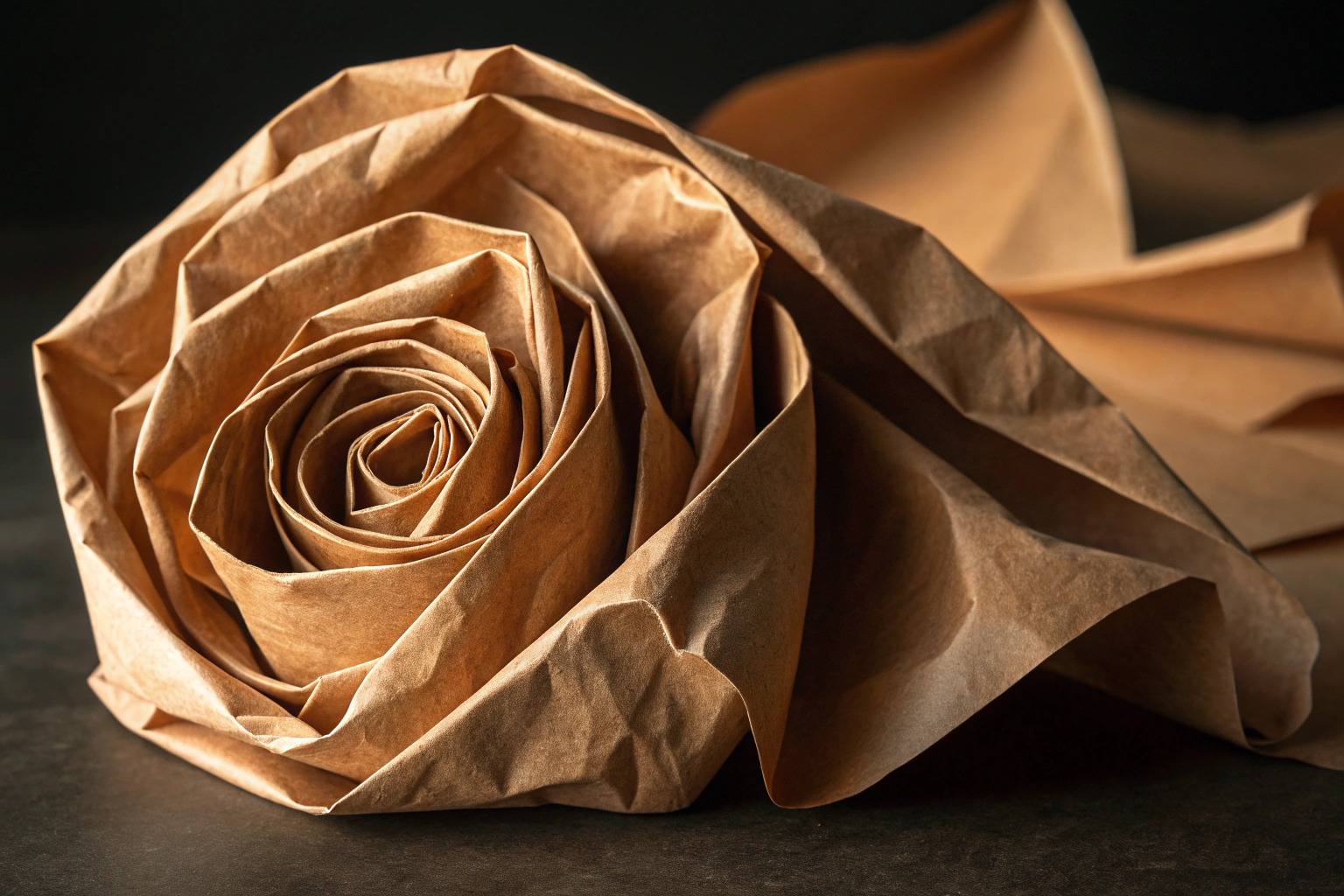
In art, kraft paper is used as a drawing surface, practice medium, layout base, and structural support because it is strong, affordable, and visually neutral. These features make it suitable for both creative exploration and production-oriented artwork.
Kraft paper is not chosen to replace fine art paper. It is chosen because it supports process, experimentation, and scale in ways that other papers often cannot.
Kraft Paper as a Drawing and Sketching Surface
One of the most common uses of kraft paper in art is drawing and sketching. Its natural brown tone creates a mid-value background that allows both light and dark marks to stand out clearly. This makes it especially useful for charcoal, pencil, ink, and white chalk.
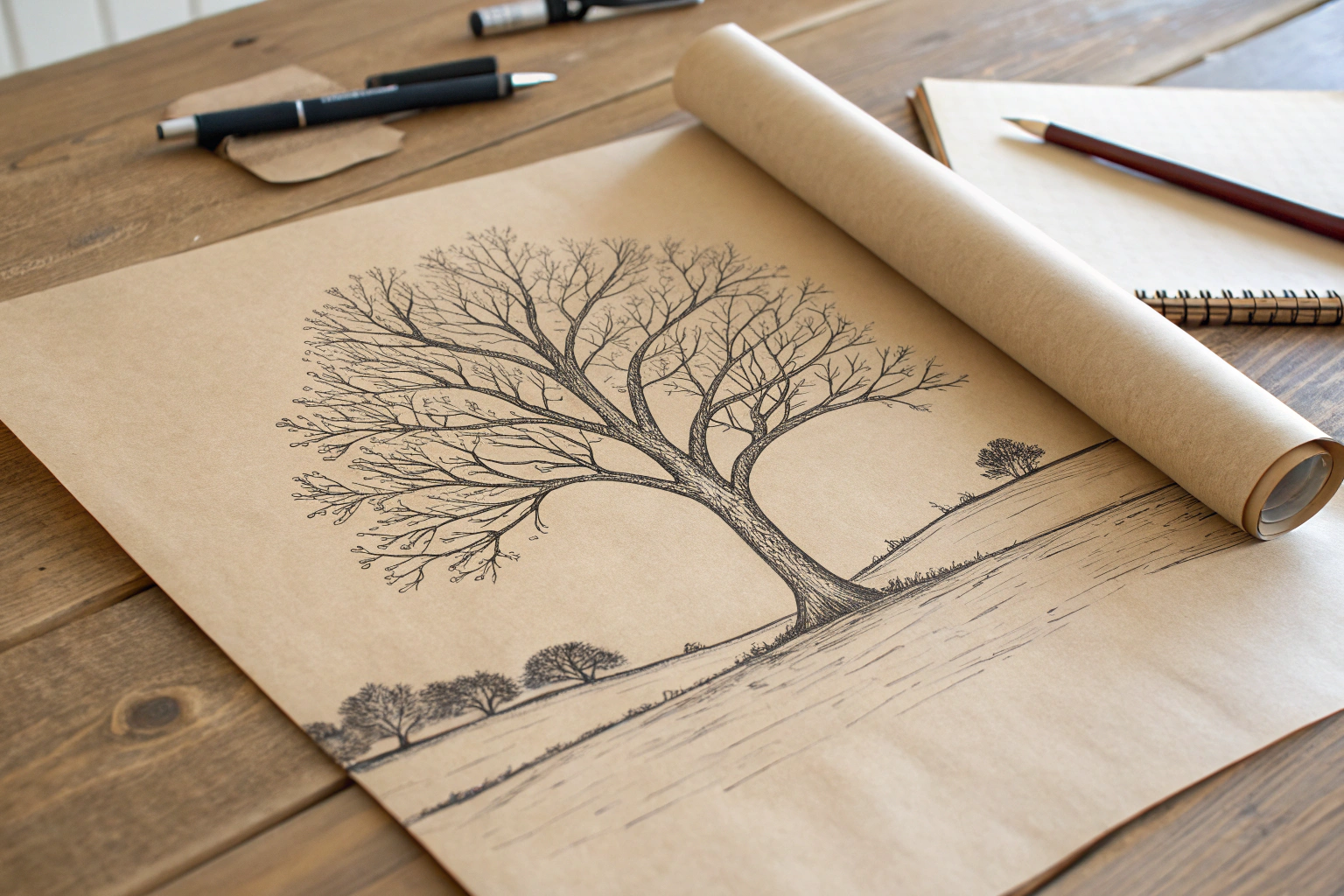
Kraft paper helps artists focus on form, shadow, and structure rather than surface perfection. The paper texture adds subtle resistance, which improves control during hand movement. Lines feel grounded and intentional instead of slippery.
Because of its affordability, kraft paper is often used for daily practice, gesture drawing, and concept sketches without fear of wasting materials.
Use of Kraft Paper in Practice and Experimentation
Artistic growth depends on repetition and experimentation. Kraft paper supports this process well because it is durable and cost-effective. Large sheets can be used freely, cut down, or taped together without concern.
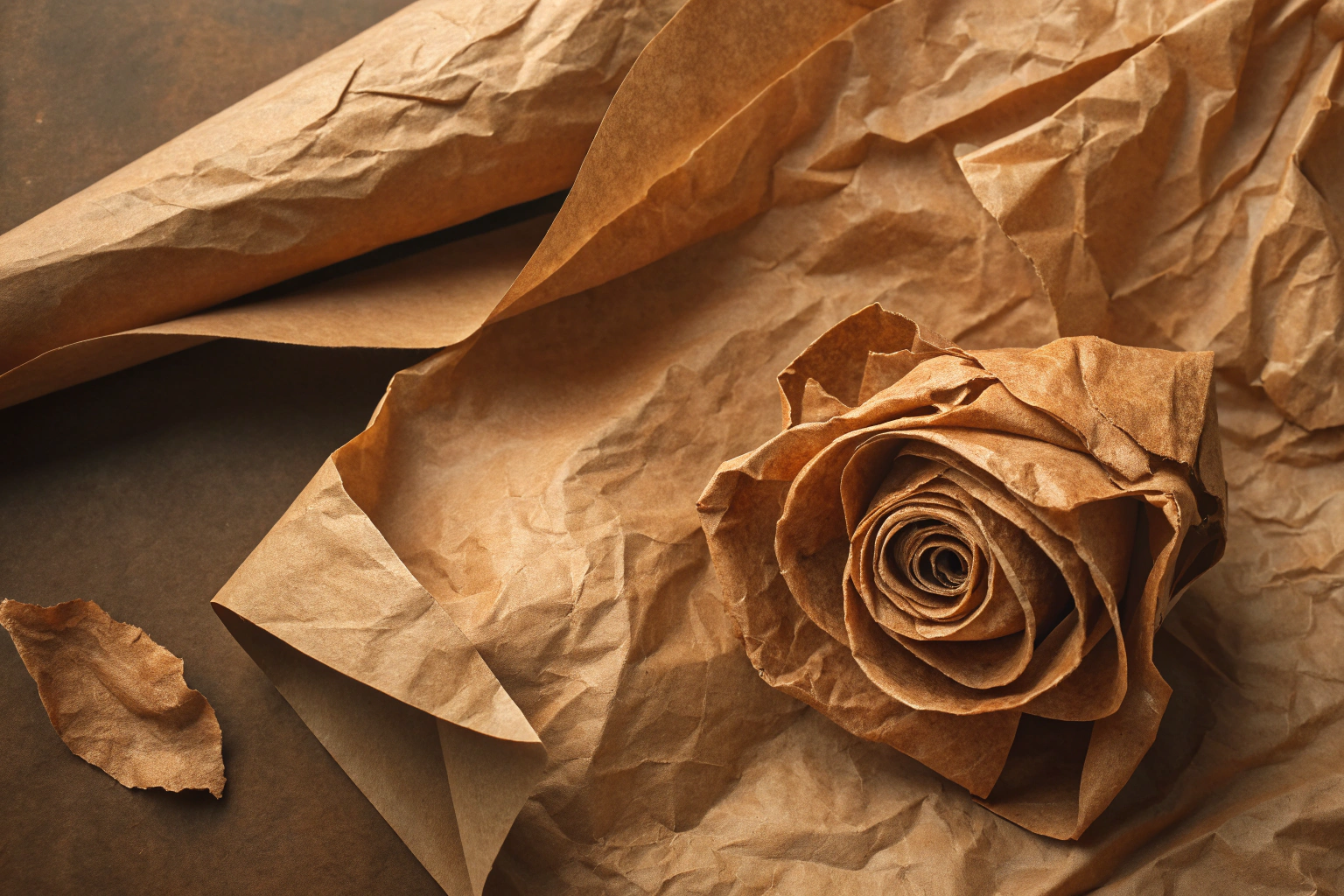
Kraft paper allows artists to test ideas quickly and discard or revise them without pressure. This freedom encourages exploration of composition, proportion, and movement. Mistakes become part of the process rather than a loss.
Many studios rely on kraft paper rolls for warm-up exercises, layout planning, and visual brainstorming.
Kraft Paper for Large-Scale and Conceptual Artwork
Kraft paper is widely used in large-scale art because it is available in wide rolls and large formats. This allows artists to work at full scale without seams or complex preparation.
For murals, installations, and concept drawings, kraft paper provides a flexible and portable base. It can be mounted temporarily, rolled for transport, or layered into multi-part compositions.
Its strength prevents tearing during handling, which is critical when artwork needs to be moved, adjusted, or installed on site.
Kraft Paper in Mixed Media and Craft-Based Art
In mixed media art, kraft paper often acts as a base layer. It bonds well with glue, paint, fabric, and other materials. Its absorbent surface accepts acrylics, inks, and washes with controlled spread.
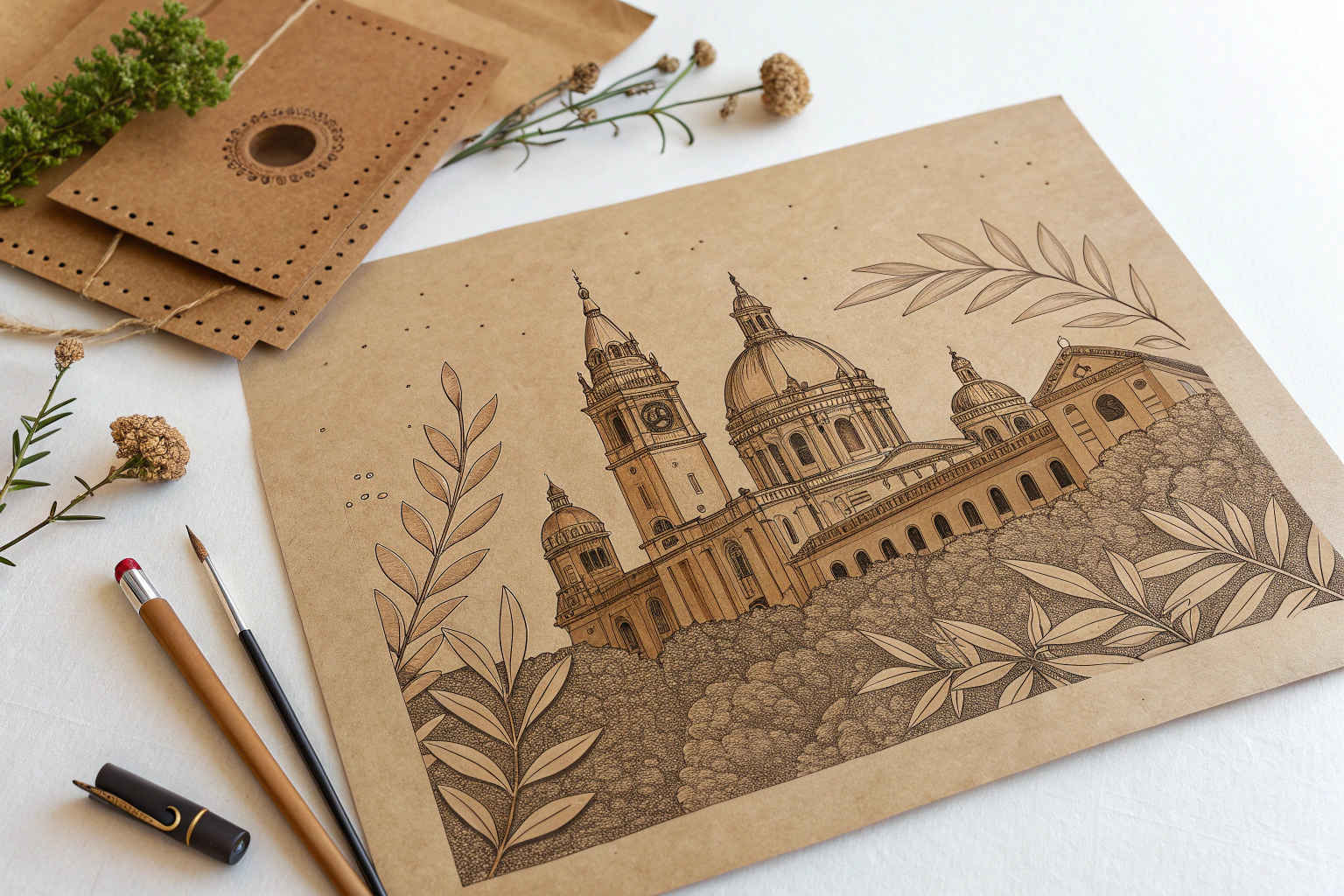
Kraft paper supports collage, printmaking tests, packaging-inspired art, and handmade objects. Its natural appearance also adds warmth and authenticity to craft-based work.
This makes kraft paper suitable for artists who combine illustration, construction, and surface treatment in one piece.
Kraft Paper as a Structural and Planning Material
Beyond finished artwork, kraft paper is often used for planning and structure. Artists use it to create templates, mockups, stencils, and layout guides. Its stiffness allows it to hold shape while still being easy to cut and modify.
Kraft paper helps translate ideas from concept to execution with accuracy. Measurements, folds, and alignment lines remain stable, which is important for repeatable designs.
This role is especially important in design-driven art, exhibitions, and production-based creative work.
Connection Between Kraft Paper, Studios, and Production Environments
Many artists work close to manufacturing or craft environments. In these spaces, materials must handle dust, handling, and frequent movement. Kraft paper performs well under these conditions.
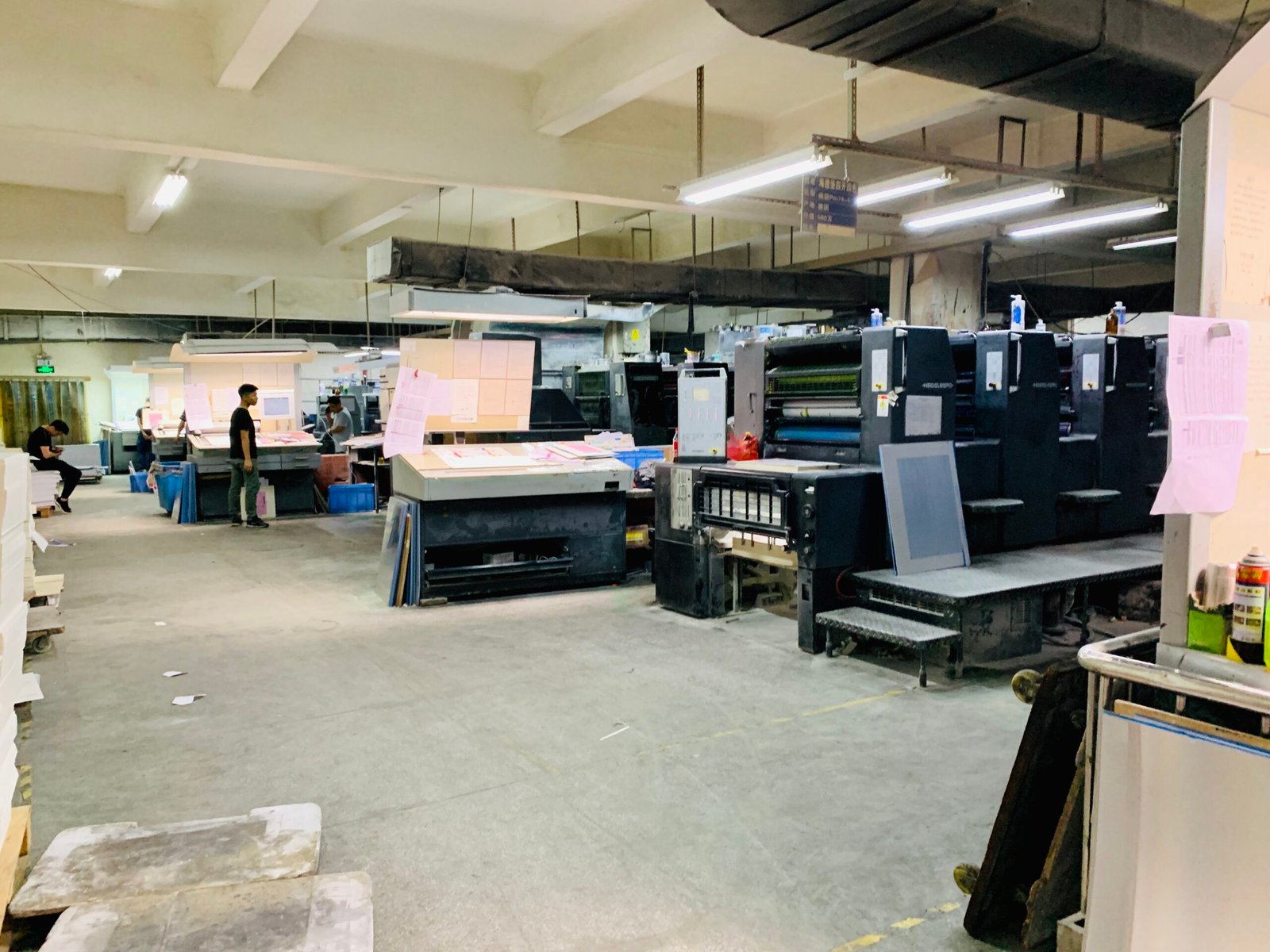
In studios and workshops, kraft paper is easy to store, cut, stack, and reuse. It resists damage better than thin white paper and stays workable over time.
This practical reliability explains why kraft paper is found not only in art studios but also in print rooms, packaging workshops, and creative factories.
Conclusion
Kraft paper plays a practical and creative role in art because it supports process rather than perfection. Its strength, texture, and neutral tone make it ideal for drawing, sketching, practice, and large-scale work. Artists use kraft paper to explore ideas freely, build confidence through repetition, and work at sizes that standard art paper does not easily support.
Beyond surface use, kraft paper functions as a planning and structural material that helps bridge concept and execution. It performs reliably in studios, workshops, and production-oriented creative environments where durability matters. At the same time, its recyclable and renewable nature aligns with responsible material choices. These combined qualities explain why kraft paper remains a trusted and widely used material in art, from early sketches to complex mixed media and installation projects.
**