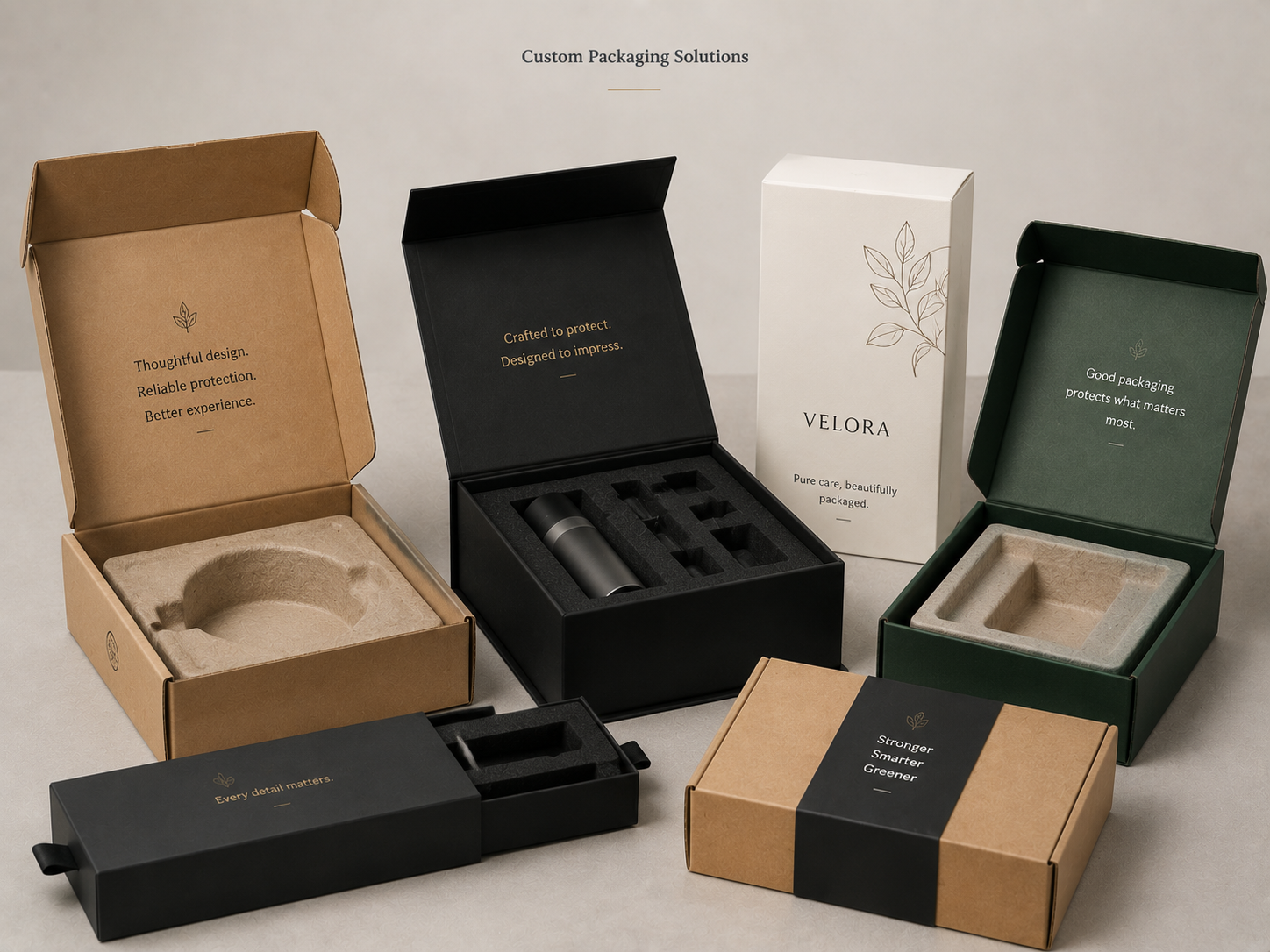
Many brands choose kraft paper because it is seen as an environmentally responsible material, but the real question often comes later. How long does it actually take to break down after use? Without a clear answer, sustainability claims become vague and hard to justify.

Kraft paper typically takes between two weeks and several months to decompose, depending on thickness, environment, and surface treatment. Compared with plastic or laminated paper, this is a relatively short and predictable timeframe.
The decomposition speed of kraft paper is closely linked to how it is made, how it is used, and what happens to it after disposal.
Why Kraft Paper Decomposes Faster Than Many Other Papers
Kraft paper is made primarily from natural wood fibers through the kraft pulping process. These fibers are organic and biodegradable. Unlike many decorative or coated papers, standard kraft paper contains fewer synthetic additives.
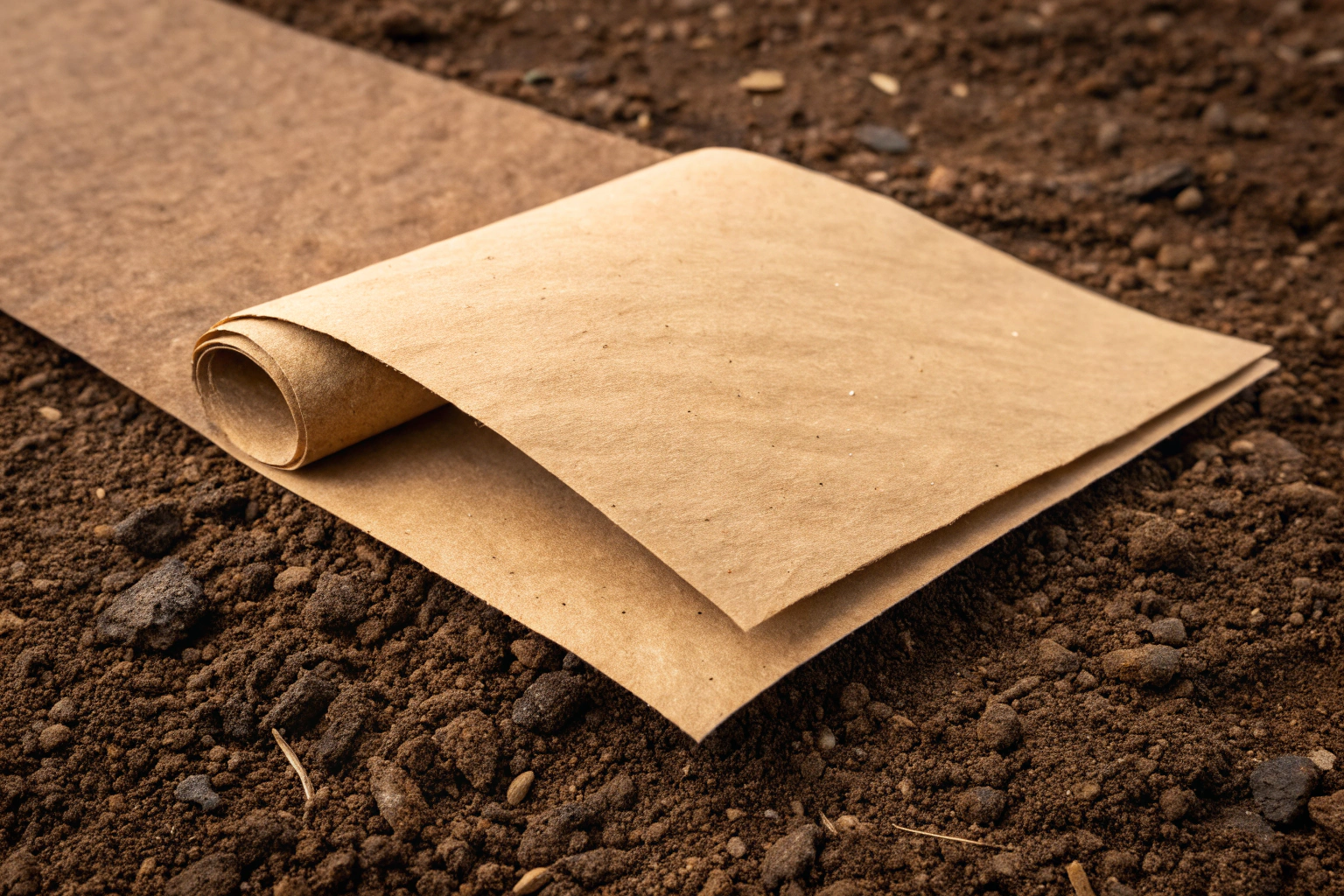
The long cellulose fibers in kraft paper break down naturally through microbial activity. When exposed to moisture, oxygen, and microorganisms, the fibers slowly return to the soil as organic matter.
Because kraft paper is usually uncoated or lightly treated, microbes can access the fibers more easily. This is one of the main reasons it decomposes faster than glossy or heavily treated paper.
Typical Decomposition Time in Natural Environments
In natural outdoor conditions such as soil or compost, kraft paper decomposes relatively quickly. Thin kraft paper used for wrapping or inner packaging may begin breaking down within weeks.
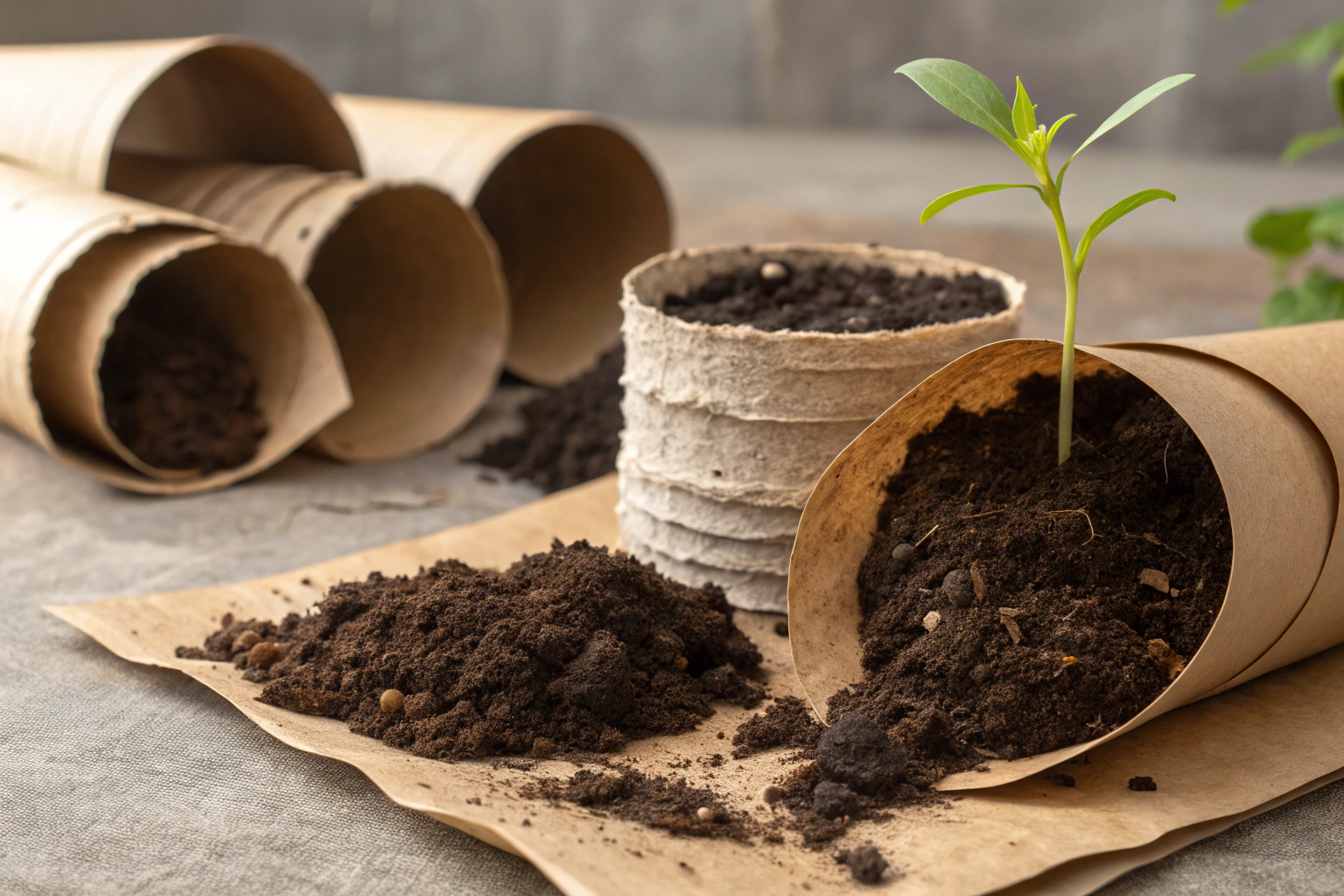
Most untreated kraft paper decomposes within one to three months in soil or compost environments. Thicker kraft paper, such as carton board or heavy-duty packaging, takes longer due to higher density and tighter fiber bonding.
Environmental factors play a major role. Warm temperatures, moisture, and active microorganisms significantly speed up decomposition. Dry or cold environments slow the process.
Decomposition Time in Industrial Composting Systems
Industrial composting facilities provide controlled conditions such as heat, humidity, and microbial activity. In these systems, kraft paper breaks down more efficiently.
In industrial composting, many kraft paper products can decompose within a few weeks. The consistent environment allows fibers to separate and degrade at a faster and more uniform rate.
However, not all kraft paper packaging is suitable for composting. Thickness, adhesives, and inks must be considered to meet composting standards.
How Coatings, Inks, and Finishing Affect Decomposition
Not all kraft paper decomposes at the same speed. Surface treatments can slow the process. Coated kraft paper, water-resistant layers, or plastic laminations act as barriers.
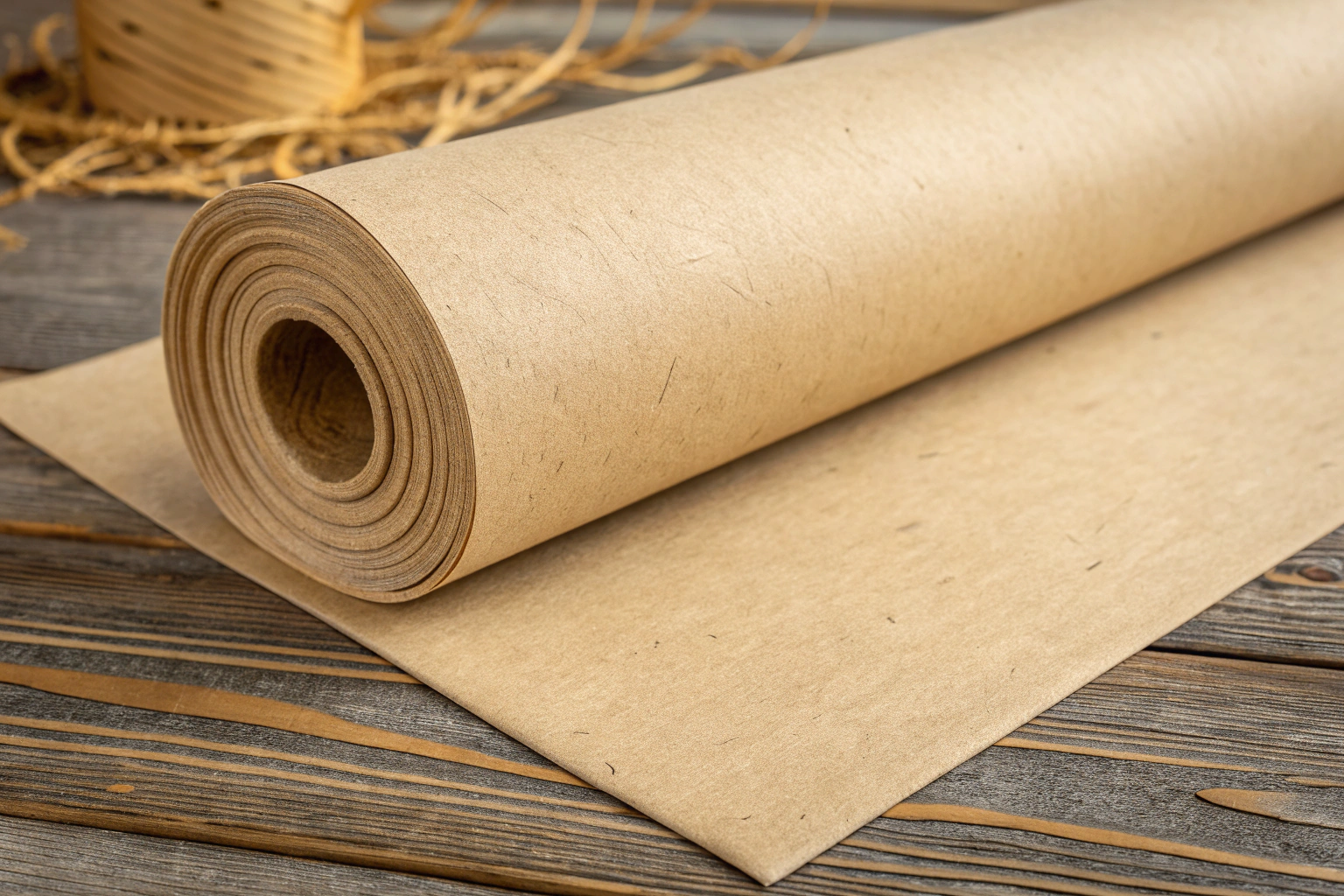
Kraft paper with heavy coatings or synthetic laminates may take much longer to decompose. In some cases, the paper fibers break down while the coating remains as residue.
Printing inks and adhesives also matter. Water-based inks and natural glues have minimal impact on decomposition, while solvent-based materials slow fiber breakdown.
Kraft Paper Compared With Other Packaging Materials
When compared with common packaging materials, kraft paper performs well in terms of decomposition time. Plastic packaging can take hundreds of years to degrade. Laminated paper often does not decompose fully at all.
Kraft paper offers a clear advantage because it breaks down naturally without leaving long-term waste. This makes it suitable for brands aiming to reduce environmental footprint.
This advantage becomes more meaningful when packaging volumes are high and disposal methods vary across regions.
The Role of Manufacturing Choices in Decomposition Speed
Decomposition does not depend only on disposal. Manufacturing decisions also matter. Fiber purity, paper density, and chemical use influence how easily kraft paper breaks down.
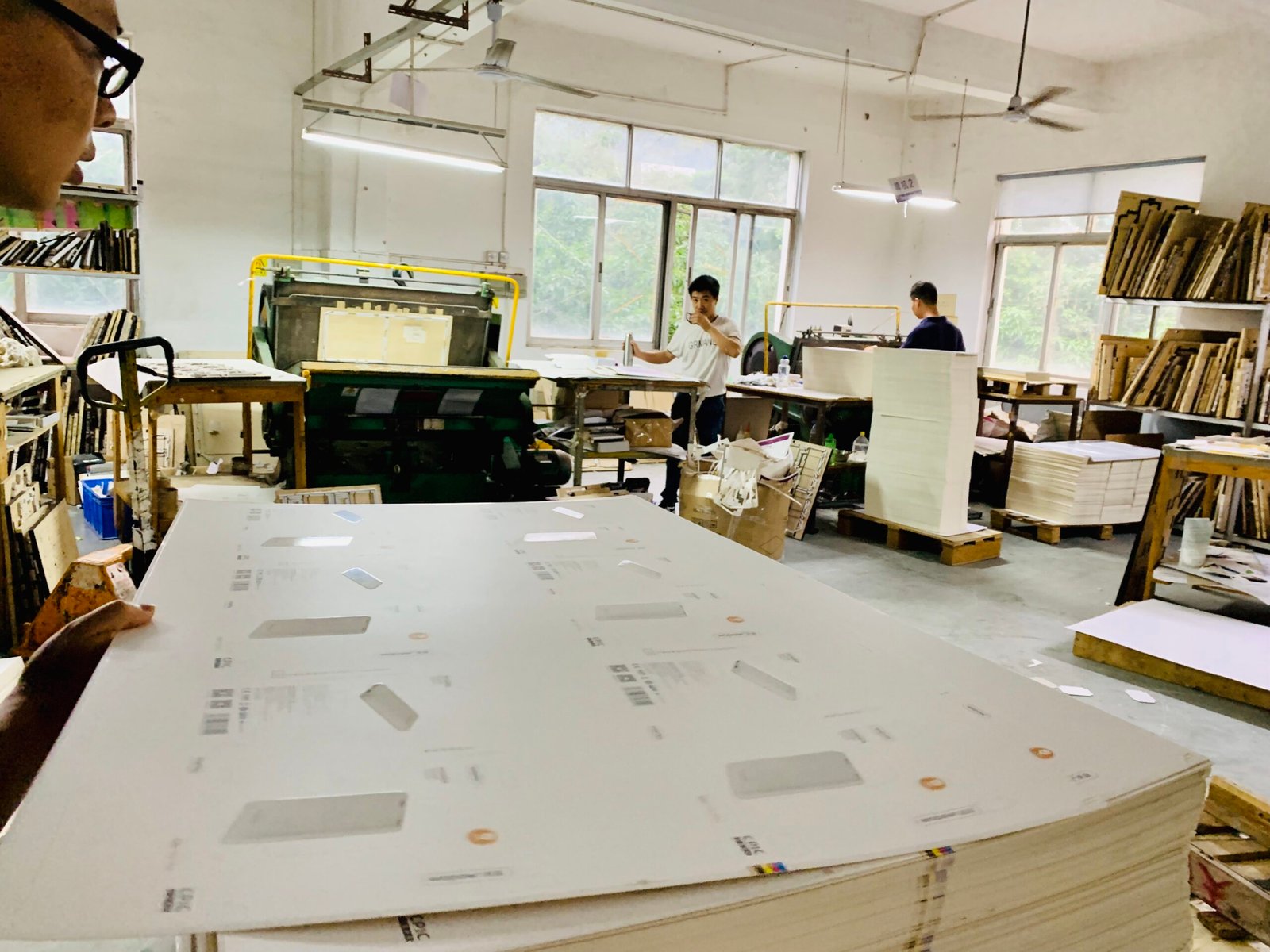
Factories that control fiber sourcing, minimize coatings, and use water-based processes produce kraft paper that decomposes more efficiently. Material inspection and process control directly affect environmental performance.
This is why packaging made from similar-looking kraft paper can behave very differently after disposal.
Conclusion
Kraft paper decomposes relatively quickly compared with many other packaging materials. In natural conditions, untreated kraft paper can break down within weeks to a few months. In composting systems, the process is even faster. Thickness, coatings, inks, and environmental conditions all influence the exact timeline.
From a packaging perspective, kraft paper offers a practical balance between performance and environmental responsibility. When produced with controlled processes and minimal surface treatments, it returns to nature without long-term impact. This predictable decomposition behavior is one of the key reasons kraft paper continues to be widely used in modern packaging systems that aim to combine protection, efficiency, and responsible material choices.