Insulation problems often appear years after construction. Walls trap moisture. Energy bills rise. Hidden damage spreads quietly behind finished surfaces.
Insulation with kraft paper should be used when moderate vapor control is needed on the warm-in-winter side of walls, ceilings, or floors, especially in dry, cold, or mixed climates.
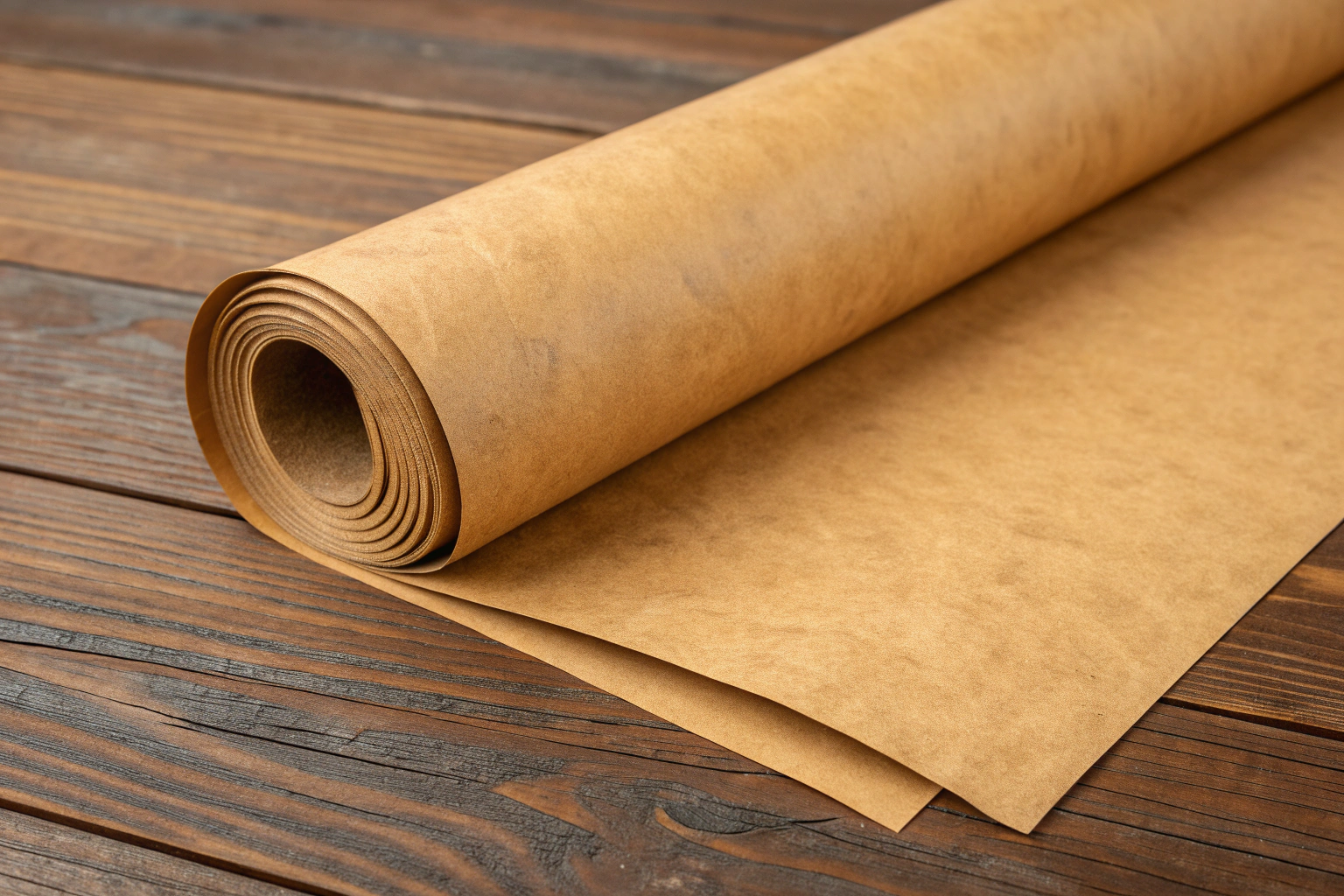
Kraft paper in insulation is not a default choice. It serves a specific purpose in moisture management. Knowing when to use it, and when to avoid it, helps prevent condensation, mold risk, and performance loss over time.
What role does kraft paper play in insulation systems?
Many insulation decisions fail because materials are expected to do the wrong job.
Kraft paper attached to insulation acts as a vapor retarder. It slows moisture movement but does not fully block it.
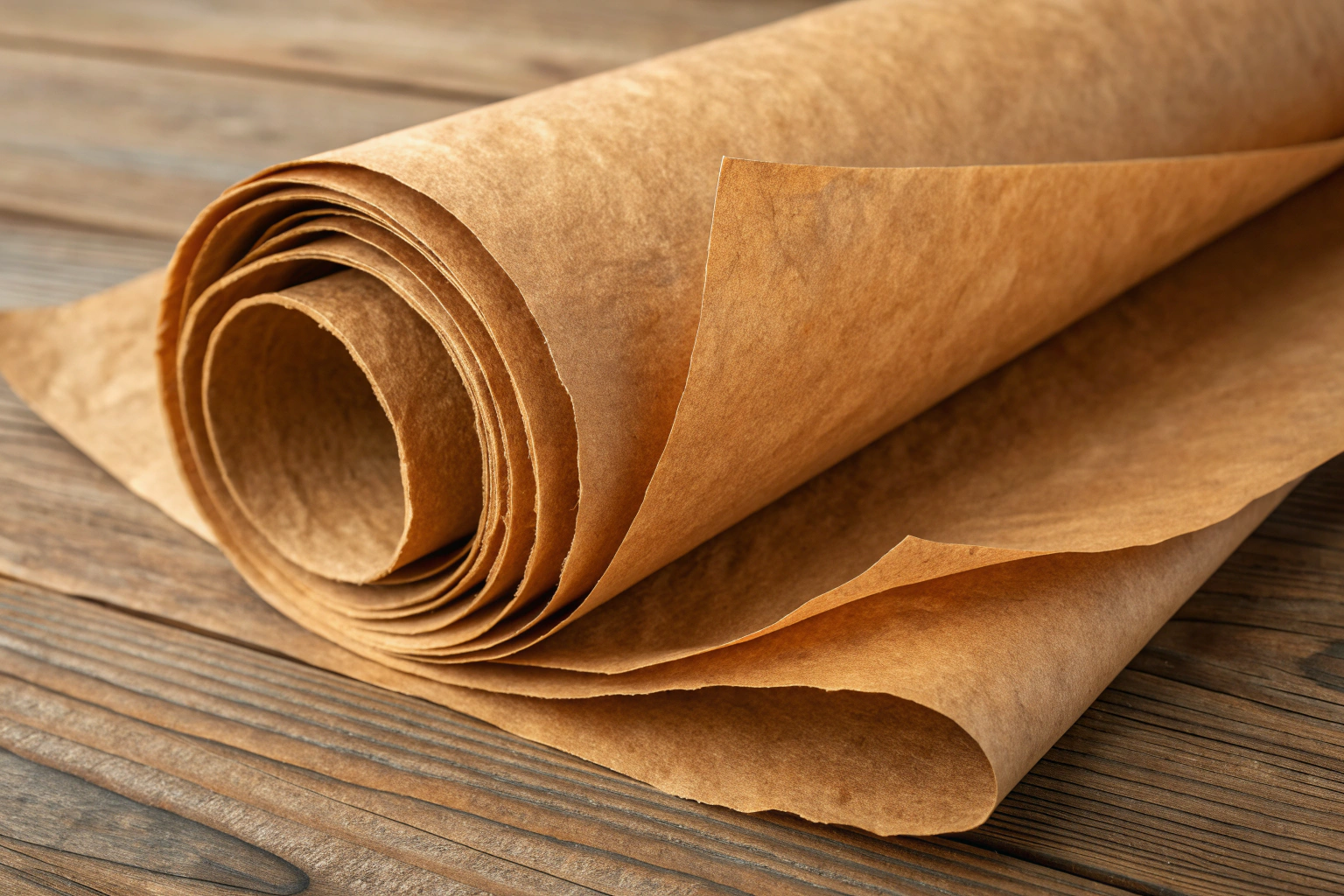
Kraft paper is usually bonded to fiberglass or mineral wool batts. The paper is treated to resist moisture diffusion while remaining semi-permeable. This allows walls to dry slowly if moisture enters the cavity.
Indoor air contains moisture, especially during heating seasons. As warm air moves toward colder exterior walls, condensation can occur inside the wall assembly. Kraft paper reduces this moisture flow before it reaches cold surfaces.
Unlike plastic sheets, kraft paper supports controlled drying. This balance makes it suitable for many residential and light commercial applications where full vapor barriers could create trapped moisture.
When is insulation with kraft paper recommended?
Correct use depends on climate, wall design, and building use.
Kraft-faced insulation is recommended in cold and mixed climates where heating dominates for much of the year.
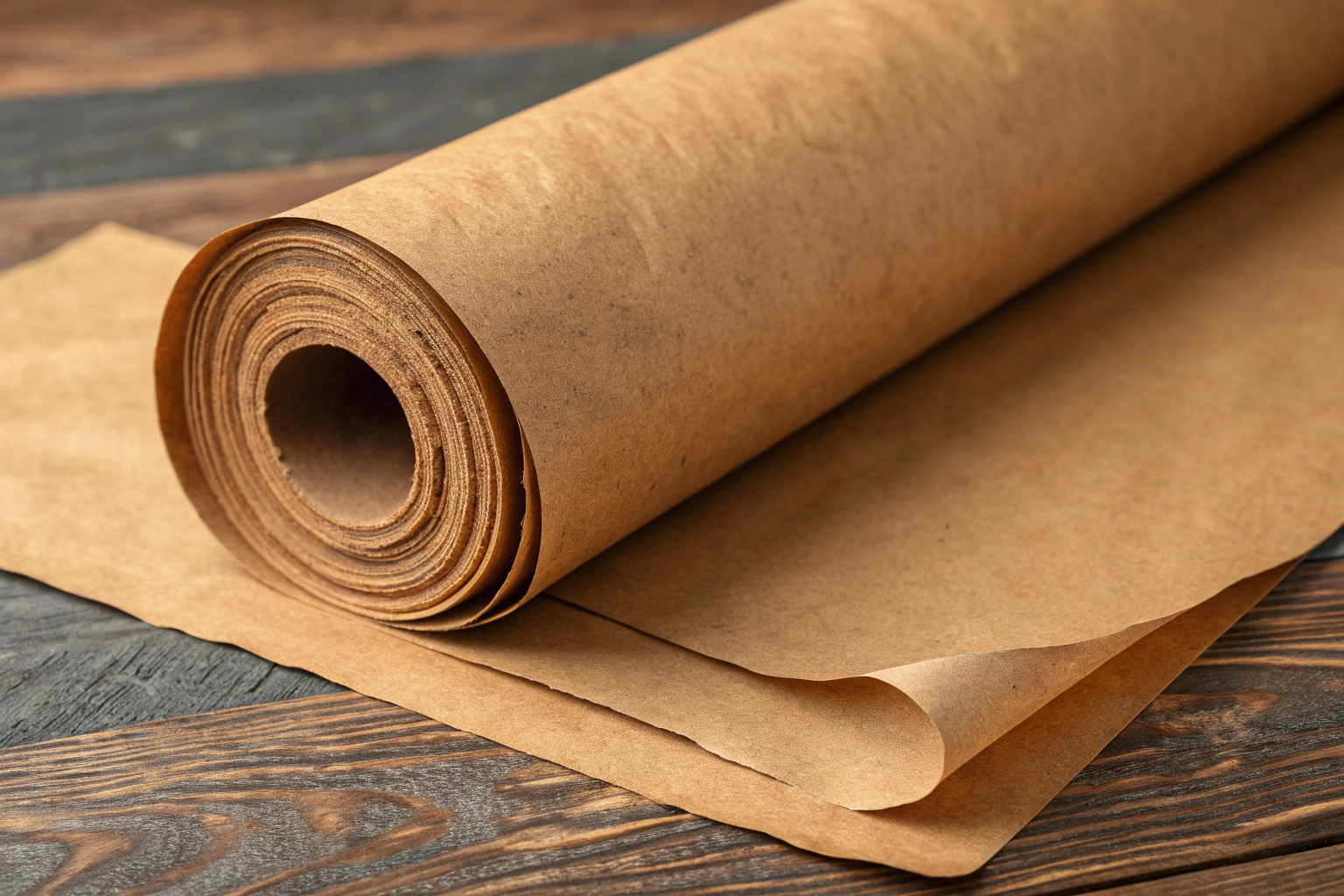
In cold climates, indoor air during winter is warmer and more humid than outdoor air. Moisture naturally moves outward through walls. Installing kraft paper on the interior side slows this movement and reduces condensation risk.
Mixed climates also benefit when seasonal heating is significant. Kraft paper provides enough vapor control without fully sealing the wall system.
This type of insulation works well in exterior walls, floors above unheated spaces, and ceilings below cold attics. It is especially common in wood-framed construction where controlled drying is important for long-term durability.
When should kraft paper insulation not be used?
Using the right material in the wrong place creates long-term risk.
Insulation with kraft paper should be avoided in high-humidity and cooling-dominated environments.
In hot and humid climates, outdoor air often carries more moisture than indoor air. Vapor movement reverses direction. Kraft paper on the interior side can trap moisture inside walls.
Areas like basements, crawl spaces, bathrooms, and laundry rooms often experience elevated humidity. Kraft-faced insulation in these spaces increases mold risk unless additional moisture control is used.
In these conditions, unfaced insulation or alternative vapor control strategies perform better. Material choice must always match environmental exposure, not habit or availability.
How building type affects the decision?
Not all buildings behave the same.
The decision to use kraft paper insulation depends on wall assembly and usage patterns.
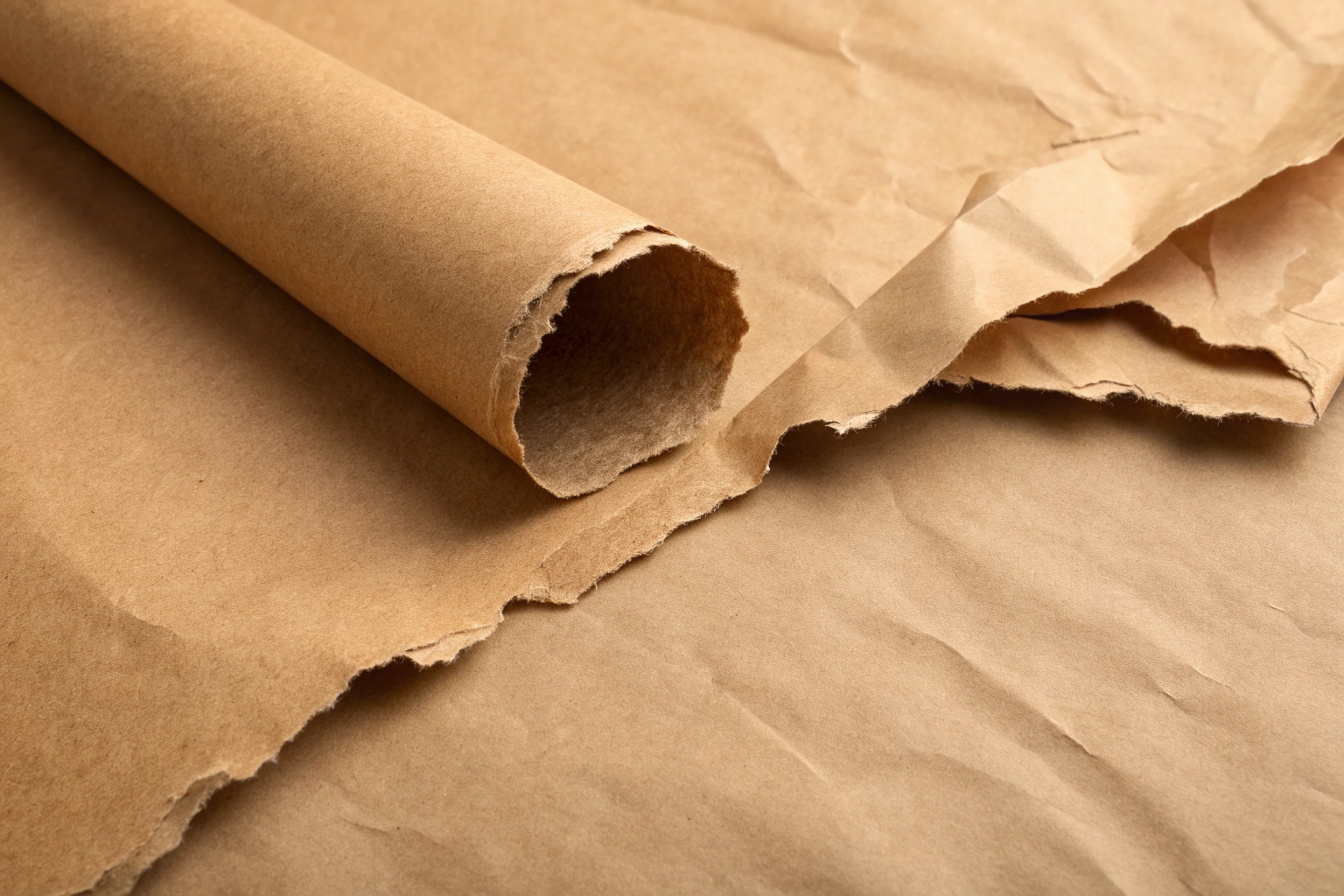
Residential buildings with wood framing and drywall interiors often benefit from kraft-faced insulation. These structures rely on layered moisture control rather than sealed assemblies.
In light commercial spaces, usage matters. Offices with stable indoor humidity may still use kraft-faced insulation. Warehouses or spaces with large temperature swings may require different solutions.
Metal buildings and concrete structures usually need more robust vapor control. Kraft paper alone is rarely sufficient in these systems and may be excluded entirely.
How codes and standards influence kraft paper use?
Installation choices are often shaped by regulations.
Local building codes often specify when vapor retarders are allowed or restricted.
Many codes classify kraft paper as a Class II vapor retarder. This means it slows vapor diffusion but still allows limited permeability.
In some regions, codes permit kraft-faced insulation only on the interior side of walls. In others, it may be restricted in certain climate zones.
Understanding local requirements prevents rework and inspection failures. Material selection should align with both performance goals and regulatory expectations.
How installation quality affects suitability?
Even correct material choices fail with poor installation.
Kraft paper insulation performs as intended only when installed correctly.
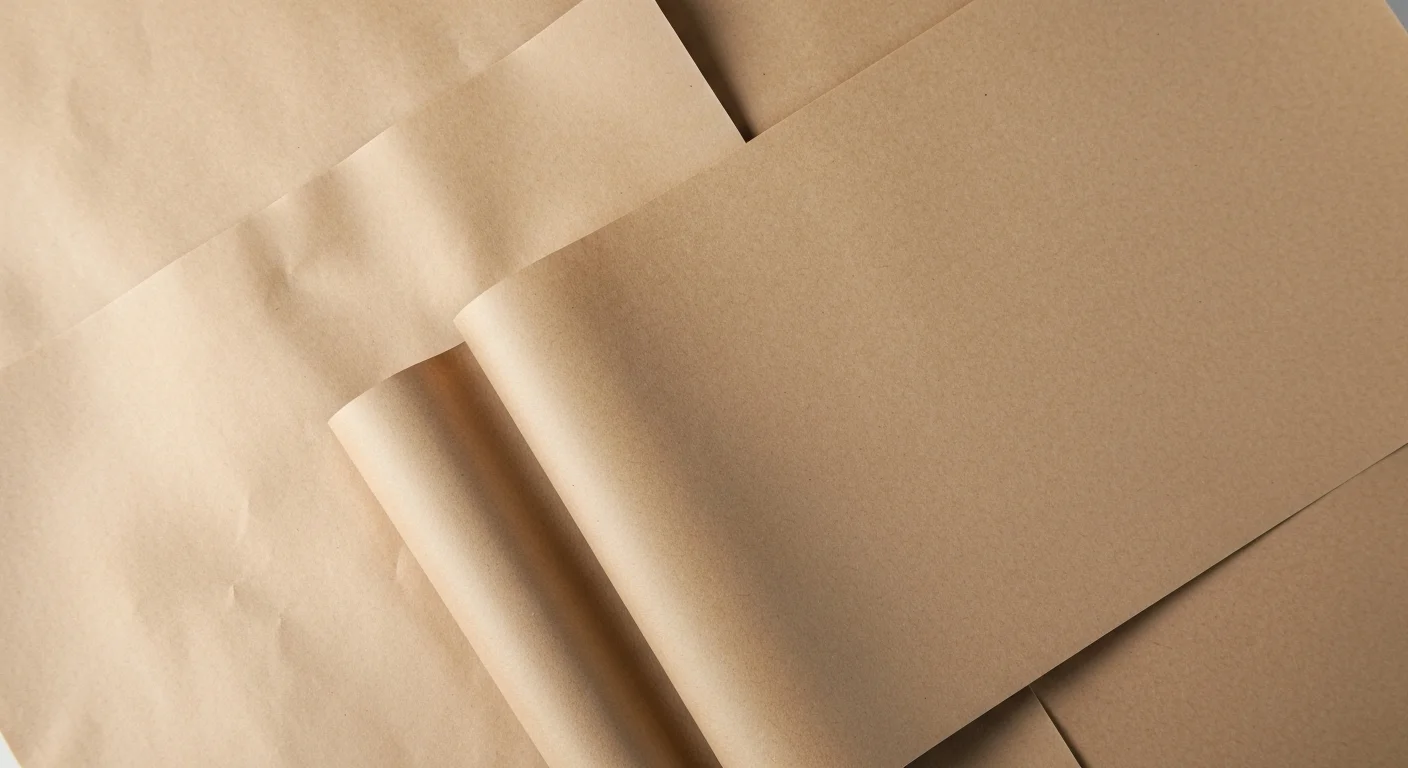
Kraft paper must face the warm-in-winter side of the assembly. Seams should be aligned neatly, and tears should be repaired.
Gaps between insulation batts reduce thermal performance and allow air leakage. Air movement carries more moisture than diffusion alone, increasing condensation risk.
Careful installation preserves the balance between vapor control and drying potential. This balance is the reason kraft paper is chosen in the first place.
Conclusion
Insulation with kraft paper should be used when moderate vapor control is needed without sealing the wall completely. It is best suited for cold and mixed climates, heating-dominated buildings, and standard wall assemblies that rely on layered moisture management.
Kraft paper is not a universal solution. It should be avoided in high-humidity spaces, hot climates, and assemblies that require full vapor barriers. Understanding vapor direction, climate behavior, and wall design is essential before selecting this material.
When used in the right conditions and installed correctly, kraft-faced insulation supports stable thermal performance and reduces condensation risk over time. It allows walls to manage moisture naturally while maintaining energy efficiency. Proper selection, code awareness, and disciplined installation turn kraft paper from a basic facing into a reliable part of a long-lasting insulation system.