A paper shopping bag often looks simple. Then poor material choice, weak handles, low print quality, or the wrong bag structure turns it into a damaged order, a cheap brand signal, and wasted packaging cost.
Custom paper shopping bags work best when bag type, paper grade, handle style, finishing, printing method, and order quantity are matched to the product, the retail position, and the real carrying needs. A well-made paper bag does more than carry goods. It supports product value, brand image, and store experience at the same time.
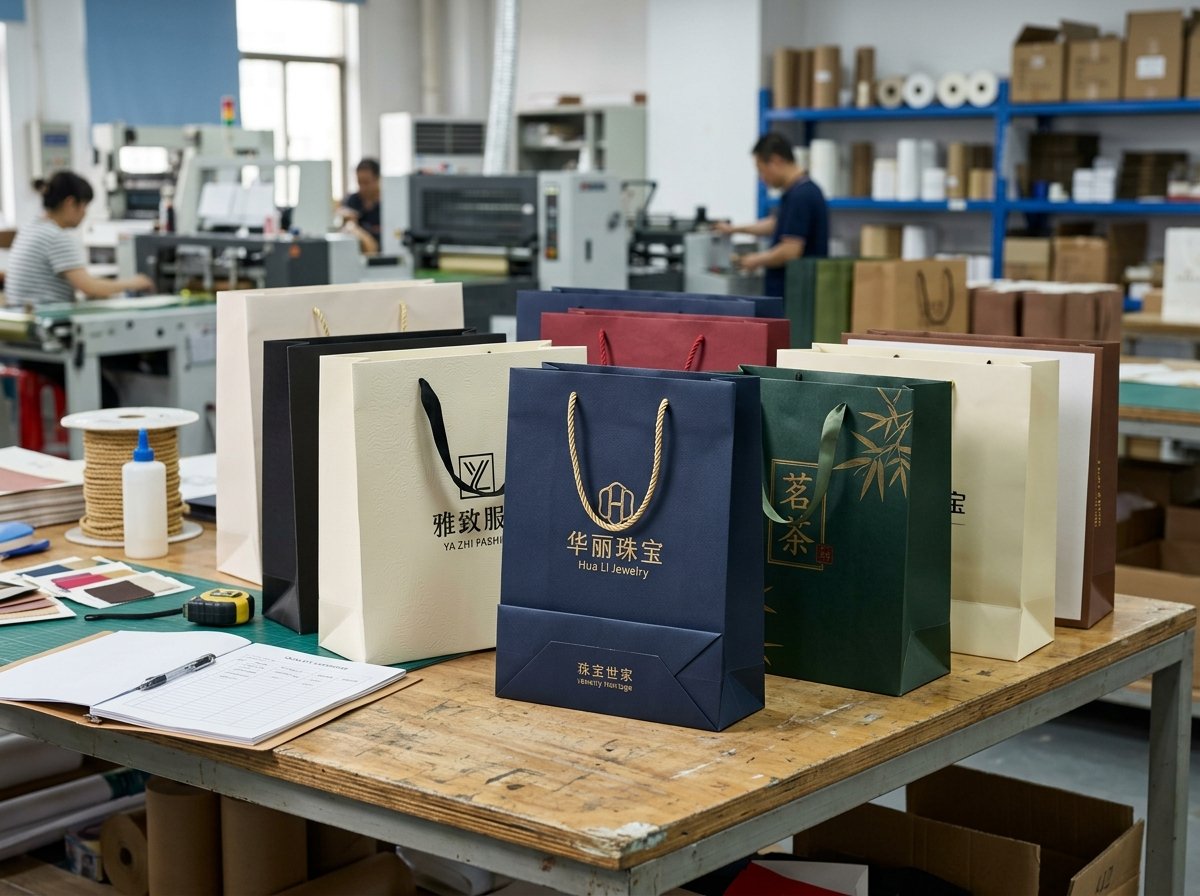
Custom paper shopping bags are widely used in fashion, cosmetics, gifts, electronics accessories, food retail, jewelry, bookstores, and many daily-use retail categories. Their role is much bigger than basic carrying. In many stores, the shopping bag becomes the last physical brand touchpoint before the customer leaves. That means the bag has to carry weight safely, look right in hand, and match the value of the product inside. Public packaging complaints across retail and shipping show the same lesson again and again. When packaging feels flimsy, looks generic, tears too easily, or does not match the product value, customer trust drops fast. The same thing happens with shopping bags. A weak bag handle, a soft bag bottom, poor print registration, or a cheap surface feel can make the whole purchase feel less premium. That is why custom paper shopping bags should be planned as part of the packaging system, not as an afterthought.
What Makes Custom Paper Shopping Bags Important in Retail Packaging?
Many retail items can be packed in simple bags. Still, a custom paper shopping bag creates a very different result from a plain carry bag.
A custom bag supports carrying, branding, presentation, and customer perception in one packaging format.
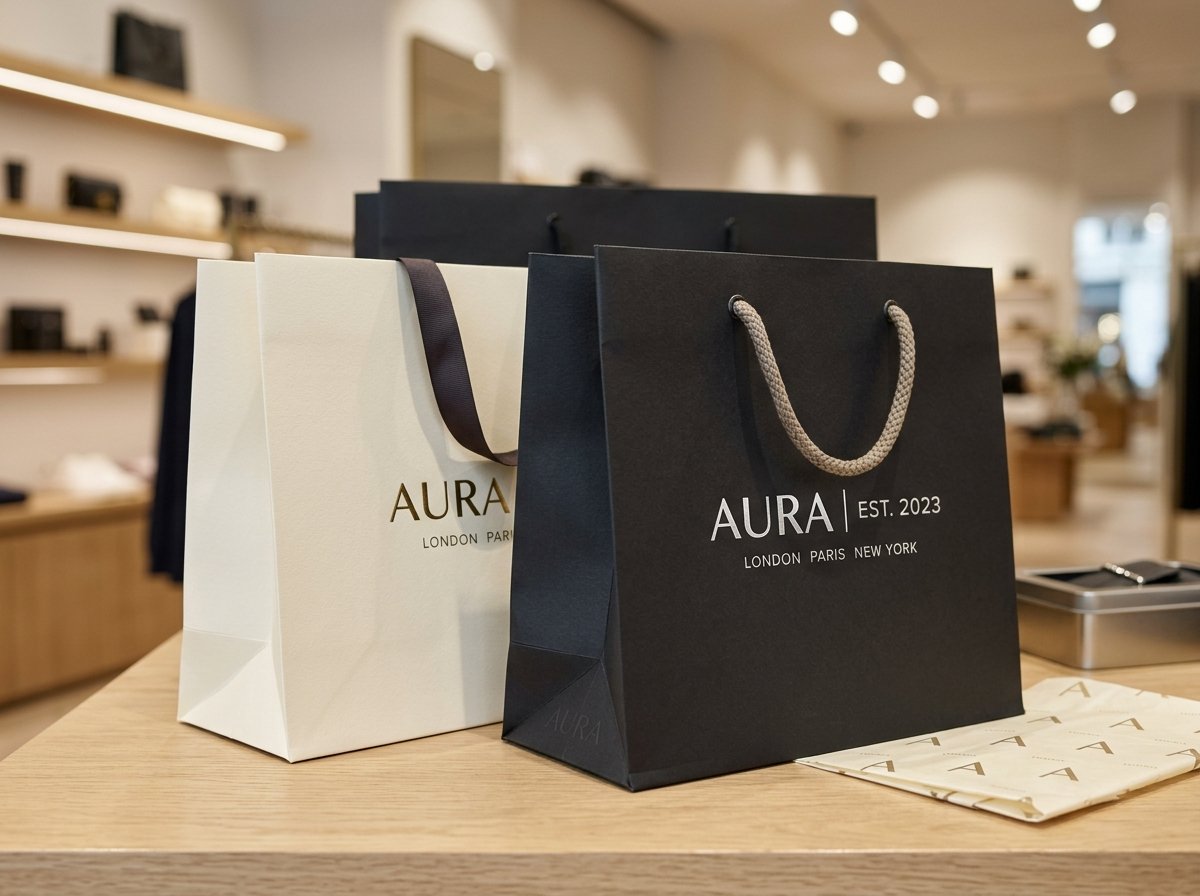
A strong shopping bag helps the product leave the store in a more complete and more branded way. It gives space for logos, colors, textures, messages, and finishing details that continue the retail experience after checkout. This matters in premium retail, gift retail, beauty, apparel, and branded electronics where presentation is part of the product value. A well-made paper bag also helps products feel more giftable and more organized. On the practical side, the bag must still perform. If the paper is too thin, the gusset is weak, or the handle attachment fails, the bag becomes a problem instead of a brand asset. In many packaging complaints, the root issue is not decoration. It is mismatch. The material was too weak, the format was wrong, or the cost was pushed down too far. The same rule applies here. A paper shopping bag must be built for the real product weight, not only for visual effect.
Types of Custom Paper Shopping Bags and Their Best Retail Use Cases?
Not all paper shopping bags work the same way. The right bag type depends on product size, product weight, store image, and how the customer will carry the purchase.
Bag structure is one of the first decisions that affects both cost and performance.
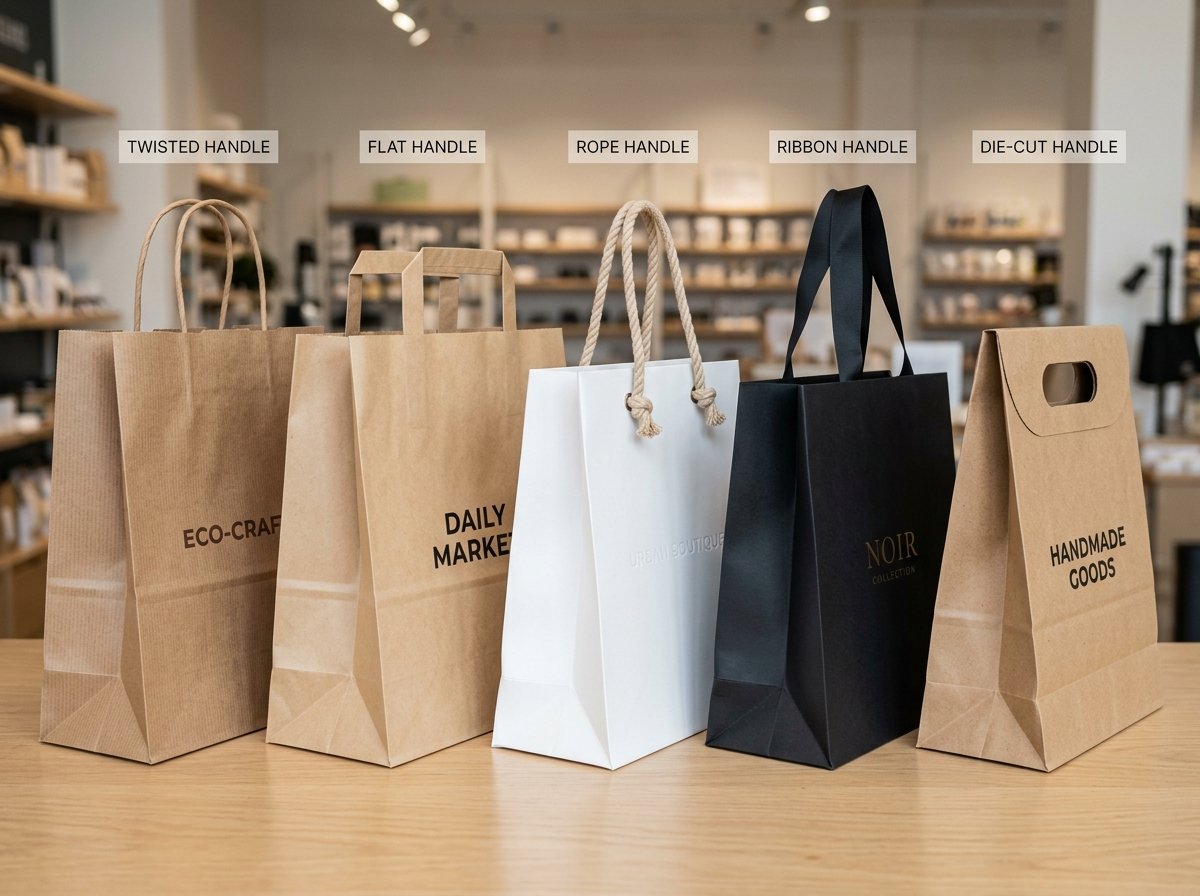
Twisted handle kraft bags are common in food retail, bookstores, takeaway, and daily retail because they are practical, cost-efficient, and easy to scale. Flat handle paper bags are often used for lighter food packs, pharmacy items, and simple retail carry use. Rope handle paper shopping bags are more common in fashion, cosmetics, jewelry, gift stores, and premium product categories because they create a stronger visual impression and better hand feel. Ribbon handle bags are used in higher-end gifting and boutique retail where the bag itself supports the premium look. Die-cut handle bags work well for small retail packs, light accessories, samples, and inner-brand packaging. Some custom bags also use reinforced folded tops and cardboard bottom inserts to improve strength and shape retention. Each bag type has its own business role. The best result comes from choosing by real use, not by trend.
| Bag Type | Main Feature | Best Retail Use Case |
|---|---|---|
| Twisted handle kraft bag | Practical and cost-effective | Food retail, bookstores, takeaway, daily goods |
| Flat handle paper bag | Simple and efficient | Pharmacy, light grocery, basic retail |
| Rope handle shopping bag | Better appearance and stronger hand feel | Fashion, cosmetics, gifts, electronics accessories |
| Ribbon handle bag | Premium visual detail | Boutique retail, gifting, seasonal promotions |
| Die-cut handle bag | Clean compact structure | Samples, accessories, lightweight retail products |
How to Choose Paper Bag Materials, Handles, and Finishes for Different Products?
A paper shopping bag can only perform well when material, handle, and finishing are matched to the product inside. A nice print cannot fix weak paper. A premium handle cannot save a badly chosen bag structure.
These three choices should always be judged together.
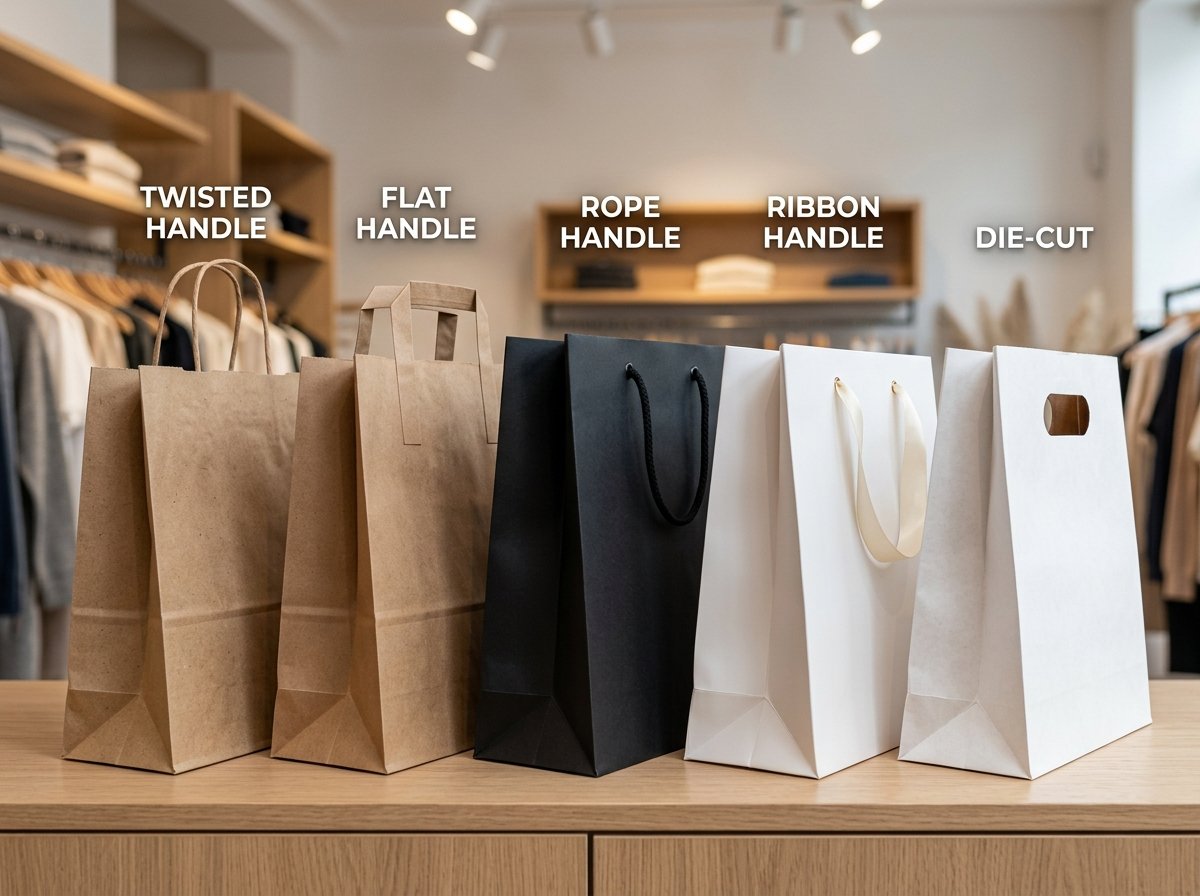
Kraft paper is widely used because it offers a good balance of strength, cost control, and a natural retail look. White card paper and coated paper options are more common when stronger color reproduction and a cleaner premium appearance are needed. Art paper laminated onto stronger board can also be used for more upscale bags where surface quality matters more. For heavier products, thicker paper and reinforced bottom board are often necessary. Handle choice matters just as much. Twisted paper handles can work well for standard retail loads, but rope handles are often preferred for premium bags and heavier products because they feel better and can support a more refined appearance. Cotton rope, PP rope, ribbon, and flat paper handles all create different cost and positioning results. Finishing choices such as matte lamination, gloss lamination, hot stamping, spot UV, embossing, and debossing can improve visual impact, but they should match the product level. A bag that looks luxurious but feels structurally weak creates the same disappointment seen in low-quality packaging complaints.
| Bag Element | What It Affects | Better Matching Logic |
|---|---|---|
| Paper material | Strength, feel, print base | Match to product weight and brand image |
| Paper thickness | Carrying ability and shape | Increase for heavier or higher-value items |
| Handle type | Comfort, strength, appearance | Choose by load and retail position |
| Surface finish | Protection and premium look | Use only where it supports the product level |
| Bottom reinforcement | Load support | Add for heavier retail purchases |
Why Does Product Category Change Paper Shopping Bag Requirements?
A bag for cosmetics does not need the same structure as a bag for books, glass bottles, or electronics accessories. Different products create different pressure on the bag.
Product category changes the bag requirement because weight, value, carrying time, and customer expectation are different.
In cosmetics and jewelry, the shopping bag often works as part of the premium brand image. Surface feel, print sharpness, and handle detail matter a lot. In bookstores and daily retail, the bag may need stronger bottom support because products are dense and heavy for their size. In food retail, grease resistance, practicality, and fast packing may matter more than high-end finishes. In fashion retail, the bag often needs to feel giftable and visually clean because customers may carry it for longer periods in public. In electronics accessories, the bag may need both a good appearance and more stiffness to support boxed items. These differences matter because one of the biggest packaging mistakes is using the same bag specification across very different product lines. That often leads to either overspending on simple items or underbuilding for heavier or more premium goods.
Cost, MOQ, and Printing Considerations for Custom Paper Shopping Bag Orders?
Many buyers compare bag prices by unit cost only. That creates problems because paper shopping bag cost depends on much more than size and quantity.
Real bag cost is shaped by structure, paper grade, handle type, finishing, printing, reinforcement, and order scale.
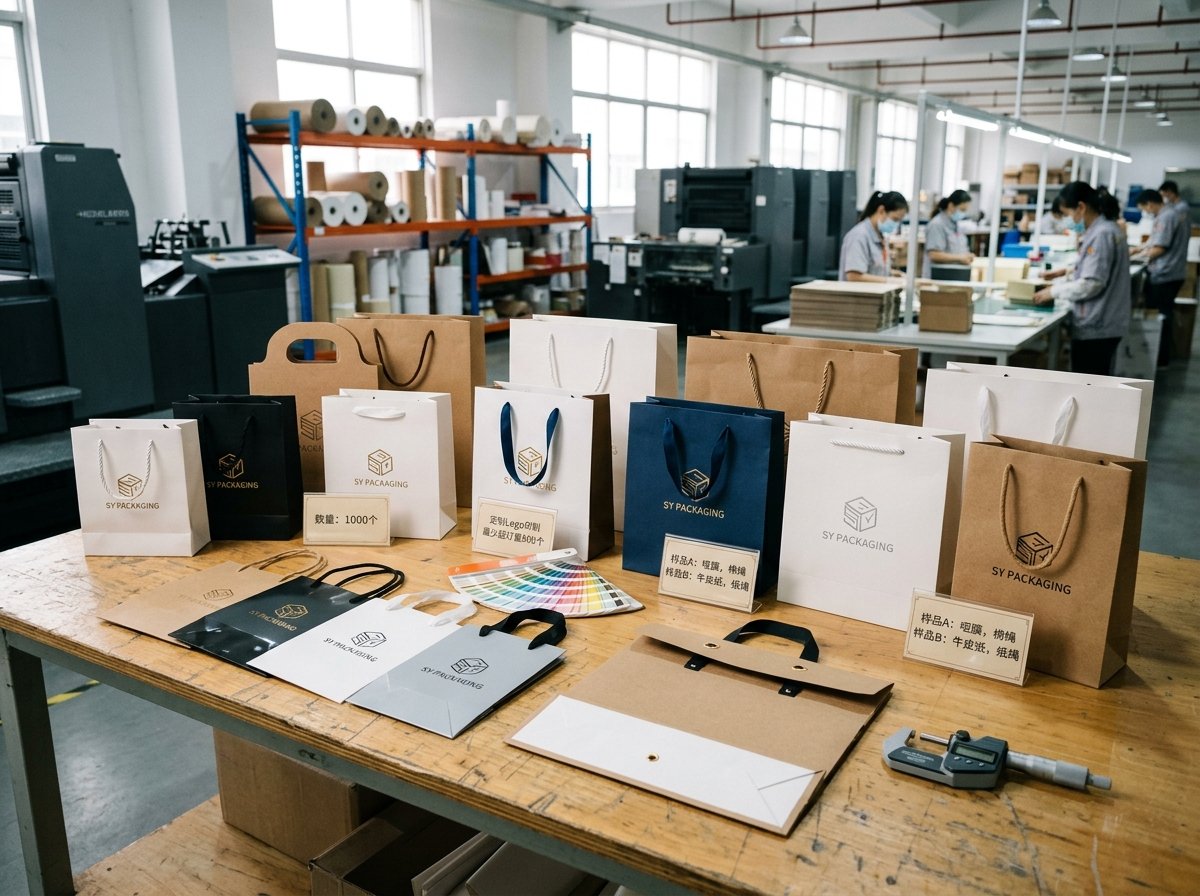
MOQ changes a lot depending on bag type and print complexity. Simple kraft bags with basic printing usually support lower and more flexible minimums. Premium rope-handle bags with lamination, foil, embossing, and custom color control usually need higher order quantities because setup cost is higher. Printing method also affects cost. Flexo or simpler printing may work well for basic kraft retail programs. Offset printing is more suitable for detailed branding, stronger color control, and more refined bag graphics. Digital printing may support short runs or sampling, but it is not always the best fit for every production scale. Cost also rises with extra details such as inner board reinforcement, luxury handles, eyelets, bottom cards, folded top edges, and special finishes. A cheap quote can become expensive later if the handles fail, the print scratches, or the bags arrive with inconsistent color and shape. That is why quotes should be compared by full specification, not by the first number on the sheet.
| Cost Driver | What It Changes | Cost Effect |
|---|---|---|
| Paper grade and thickness | Strength and feel | Higher grade usually raises cost |
| Bag size | Material use and packing efficiency | Larger bags cost more |
| Handle type | Appearance and labor | Rope and ribbon usually cost more |
| Printing method | Graphic quality and setup | Detailed printing raises cost |
| Finishing options | Shelf look and surface protection | Premium finishes add cost |
| MOQ | Unit cost efficiency | Higher MOQ usually lowers unit price |
What Printing and Finishing Choices Matter Most in Paper Shopping Bags?
A shopping bag often works like moving brand media. Once it leaves the store, it continues to show the brand in public. That makes printing and finishing important.
Still, visual effect should support structure, not replace it.
printing and finishing for paper shopping bags
Strong logo placement, controlled brand colors, clear typography, and a clean layout usually matter more than trying to add every premium effect at once. Matte lamination is common in premium retail because it creates a softer and more refined look. Gloss lamination can increase color brightness and surface protection. Foil stamping helps create contrast and stronger premium detail. Embossing and debossing can add tactile value without overloading the bag design. Spot UV is useful when the design needs focused visual emphasis. Still, printing and finishing need stable production control. Public complaints about packaging often mention wrong colors, poor print quality, sticky surfaces, and easy scratches. The same issues damage shopping bag quality as well. A shopping bag should keep its appearance through handling, stacking, and customer carry use.
Common Mistakes Buyers Make When Ordering Custom Paper Shopping Bags?
Most shopping bag failures do not happen because paper bags are a poor format. They happen because the wrong bag specification is chosen for the real job.
The most common mistakes are weak material choice, poor handle matching, overdecoration, wrong size planning, and price-first decision making.
common custom paper shopping bag mistakes
One common mistake is choosing the bag by appearance only. A clean-looking bag may still be too weak for the product weight. Another mistake is ignoring handle strength. A premium-looking ribbon or rope handle is not enough if the paper patching and attachment are weak. Wrong bag size is another issue. A bag that is too large wastes paper and looks empty. A bag that is too small creates a poor packing experience and may damage product boxes. Some buyers also overbuild the bag with too many premium finishes, which raises cost without improving real customer value. Others go too far in the opposite direction and choose paper that feels thin and cheap for high-value products. Another repeated mistake is poor cost comparison. When quotes are compared without checking paper grade, reinforcement, handle style, and print standard, the lower offer may lead to higher complaint cost later.
| Common Mistake | Likely Result | Better Direction |
|---|---|---|
| Choosing by look only | Bag fails under real load | Match structure to product weight |
| Weak handle system | Handle tear-off or carry failure | Check handle type and reinforcement |
| Wrong size | Poor fit and wasted material | Build size around actual product pack |
| Too many finishes | High cost with limited return | Use finishes with clear purpose |
| Price-only quote comparison | Hidden downgrade in quality | Compare full bag specification |
Why Do Strong Factory Controls Matter in Paper Shopping Bag Production?
A custom paper shopping bag looks simple, but consistent quality depends on many factory steps working together. If one part is weak, the whole result suffers.
Strong production control matters because bag quality depends on material, printing, handle assembly, gluing, and packing consistency.
factory control in paper shopping bags
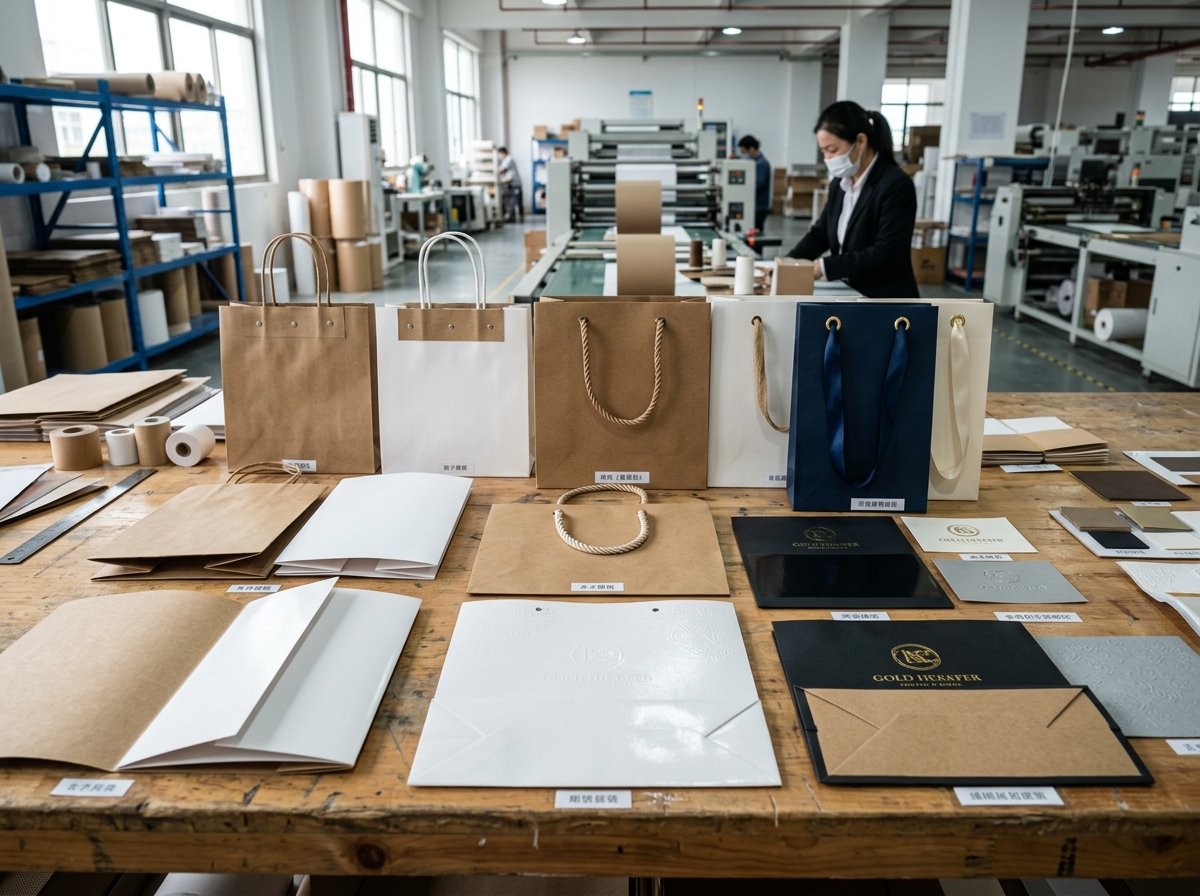
The paper grade has to stay stable. The die-cut and creasing have to stay accurate. The printing has to match approved color targets. The handle holes, rope length, patching area, and bottom glue all need to be controlled carefully. Even the final export packing matters. A well-made bag can still arrive bent, marked, or crushed if packed poorly after production. Many negative packaging experiences start with inconsistency rather than concept. One batch looks right. The next batch feels softer, prints darker, or uses weaker handles. For retail buyers, that damages brand consistency fast. Good factory control reduces these risks and helps shopping bags stay stable across repeat orders, seasonal promotions, and different product lines.
Conclusion
Custom paper shopping bags are not only carry packaging. They are part of product value, customer experience, and visible brand presentation after the sale.
The best paper shopping bag comes from practical matching. The right bag type, the right paper, the right handle, the right finish, and the right cost level all need to support the real product and the real retail position. A strong bag should feel appropriate for the product inside, carry safely in real use, and look consistent with the brand it represents. When structure, printing, and production control are handled well, custom paper shopping bags become more than a packaging accessory. They become a useful retail tool that supports image, function, and long-term customer trust at the same time.