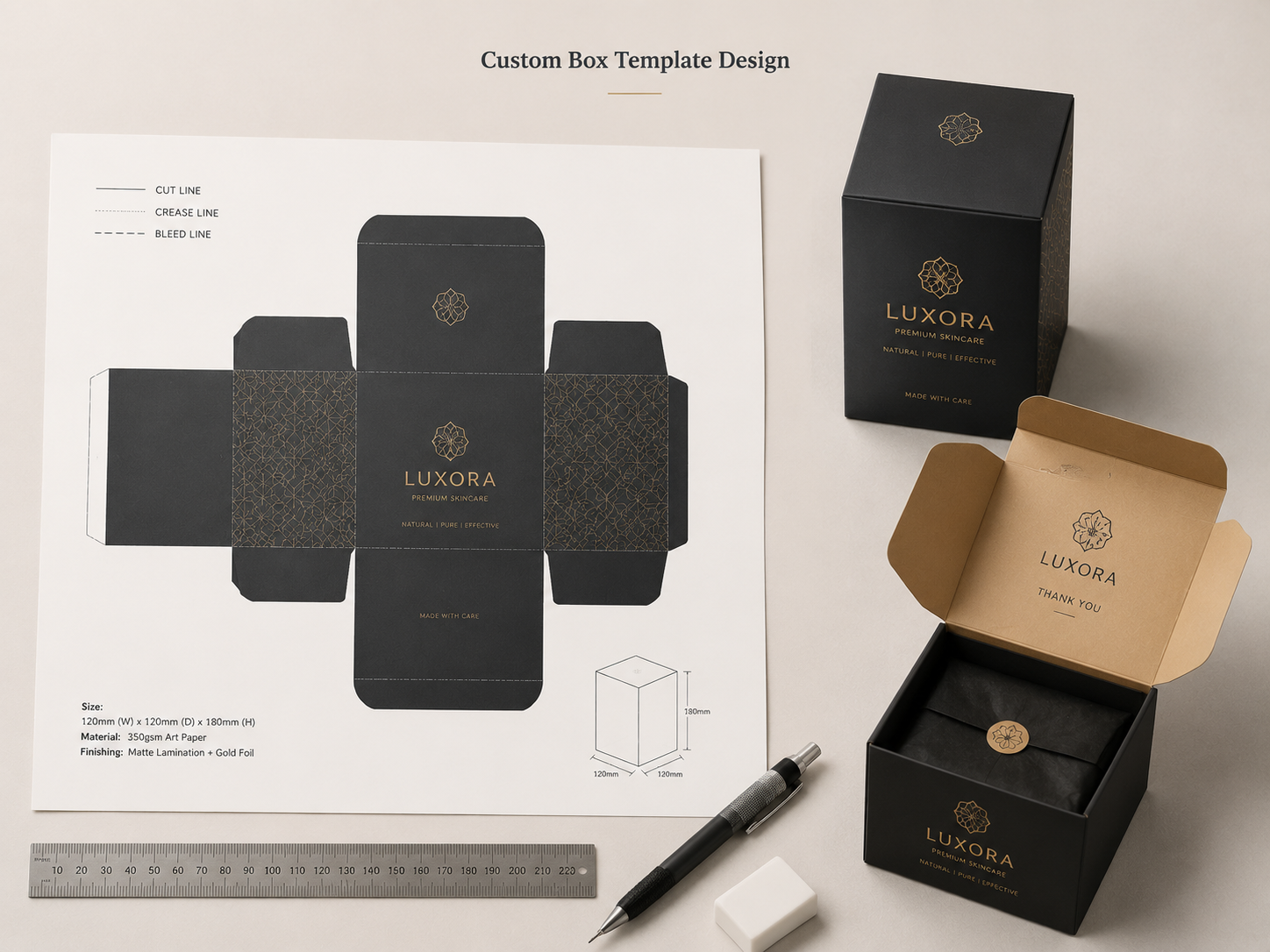
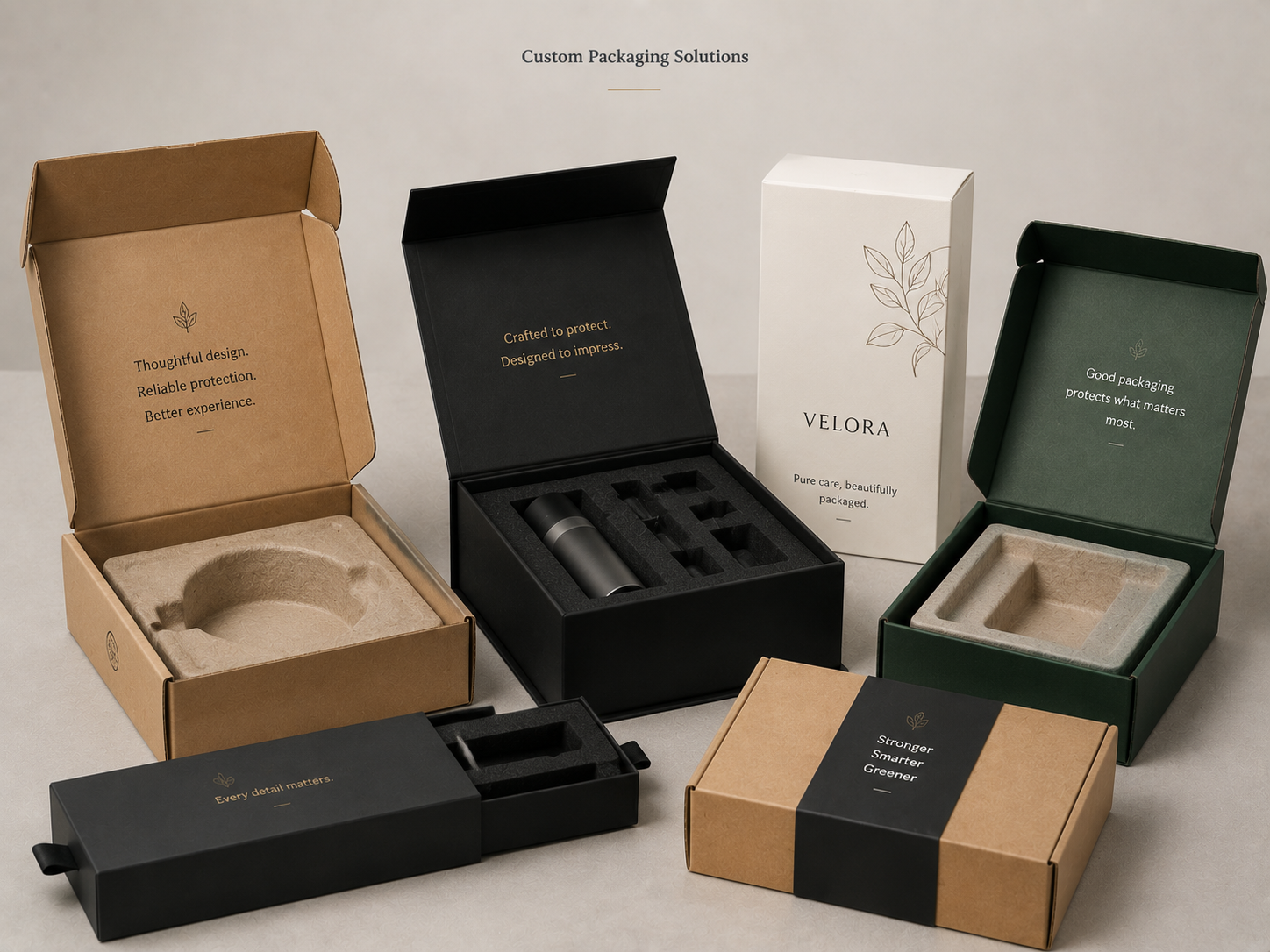
A custom paper bag can strengthen a brand or quietly damage it. The wrong size, weak handle, poor print, or cheap finish can make the whole buying experience feel less valuable.
A good custom paper bag design should balance size, structure, print quality, carrying strength, and brand presentation. The best bag is not only attractive. It must carry the product safely, look consistent with the brand, and stay practical for retail use, gifting, and transport.
Many businesses focus on color and logo first. Then problems show up later. The bag may be too small for the product, too weak at the handle, too soft at the bottom, or too plain for the price level of the goods inside. Public complaints about packaging often follow this same pattern. The material feels flimsy. The size is wrong. The packaging does not match the value of the product. A custom paper bag should be designed as a real packaging tool, not only as a printed brand surface.
Why Does Custom Paper Bag Design Matter So Much?
A paper bag does more than carry products from one place to another. It also communicates quality, protects the purchase, and shapes how the brand is remembered after checkout.
Custom paper bag design matters because it affects product fit, carrying safety, visual appeal, customer experience, and brand value. A bag that looks elegant but tears easily, bends under weight, or feels too generic can weaken the impression of even a strong product line.
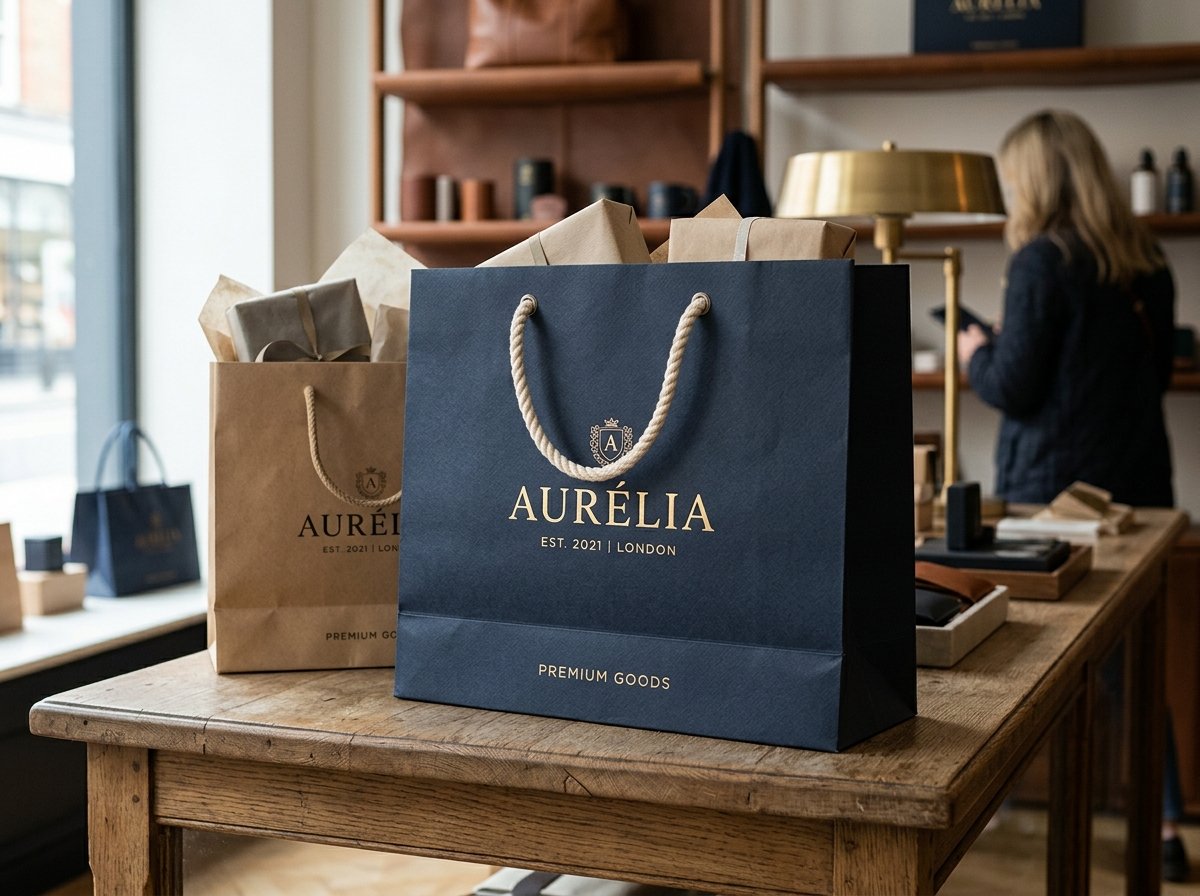
This matters even more for categories where packaging supports selling price. Cosmetics, gifts, electronics accessories, apparel, wellness products, and premium daily-use goods all rely on presentation. If the shopping bag feels weak or poorly finished, the customer notices that right away. In many cases, the bag is the last physical touchpoint before the customer leaves the store or gives the item to someone else. That makes it part of the brand experience, not an extra detail.
A well-designed paper bag should feel stable in the hand, look clean from every angle, and hold its shape well enough to support the product inside. A poorly designed bag does the opposite. It looks ordinary, feels unreliable, and can even create product damage if the base or handles fail. That is why bag design should start with function and structure first, then move into branding and finishing.
Key Design Elements for Custom Paper Bags: Size, Structure, and Branding?
Many paper bags fail because the design starts from artwork instead of actual use. A logo may be well placed, but the bag itself may still be too weak, too narrow, or too shallow for the product.
The key design elements for a custom paper bag are correct size, suitable structure, stable handle design, base reinforcement, and branding that fits the product level. These elements need to work together. A good-looking bag with the wrong proportions or weak construction is still a poor packaging choice.
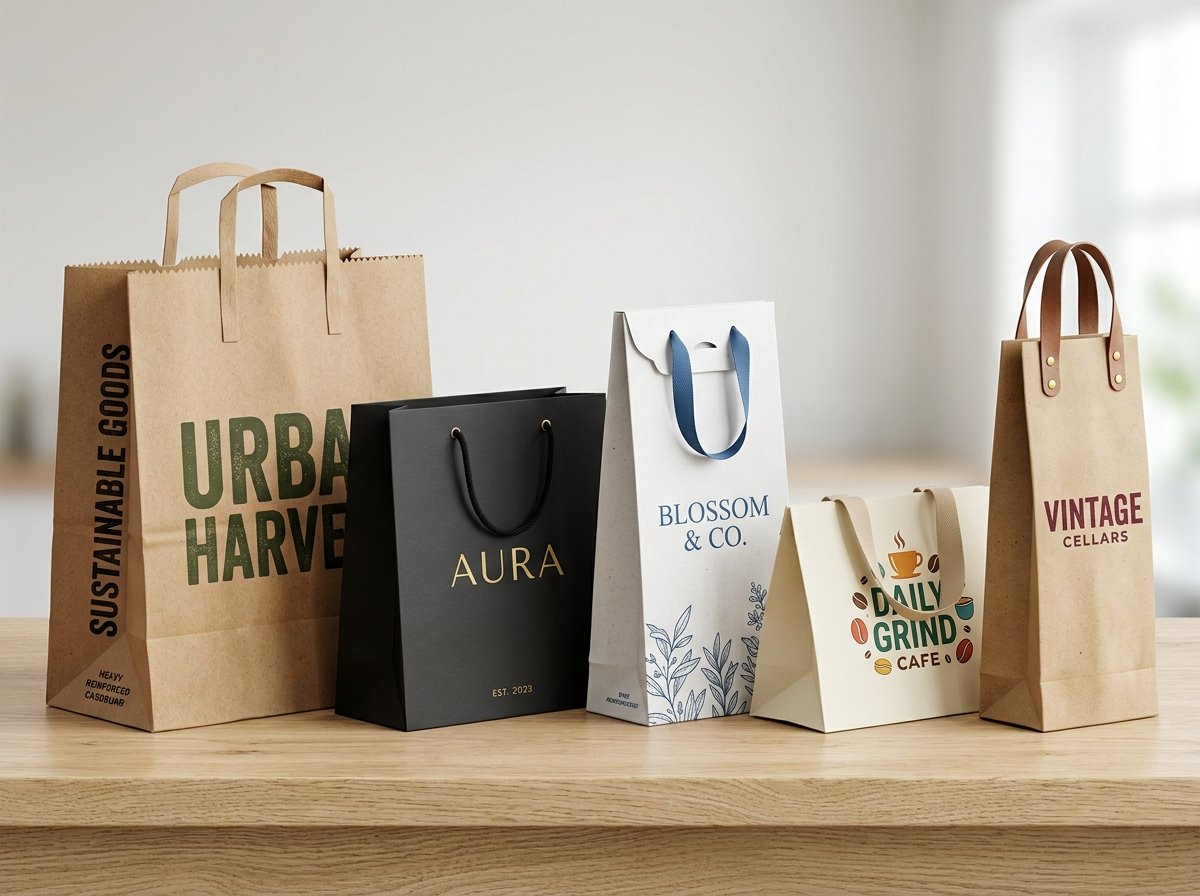
Size is the first decision. The bag should fit the product well without looking oversized or too tight. A bag that is too large feels wasteful and makes products move around. A bag that is too small creates pressure, poor presentation, and packing difficulty. This follows the same packaging logic seen in many damaged-delivery complaints. Poor fit always creates more problems than expected.
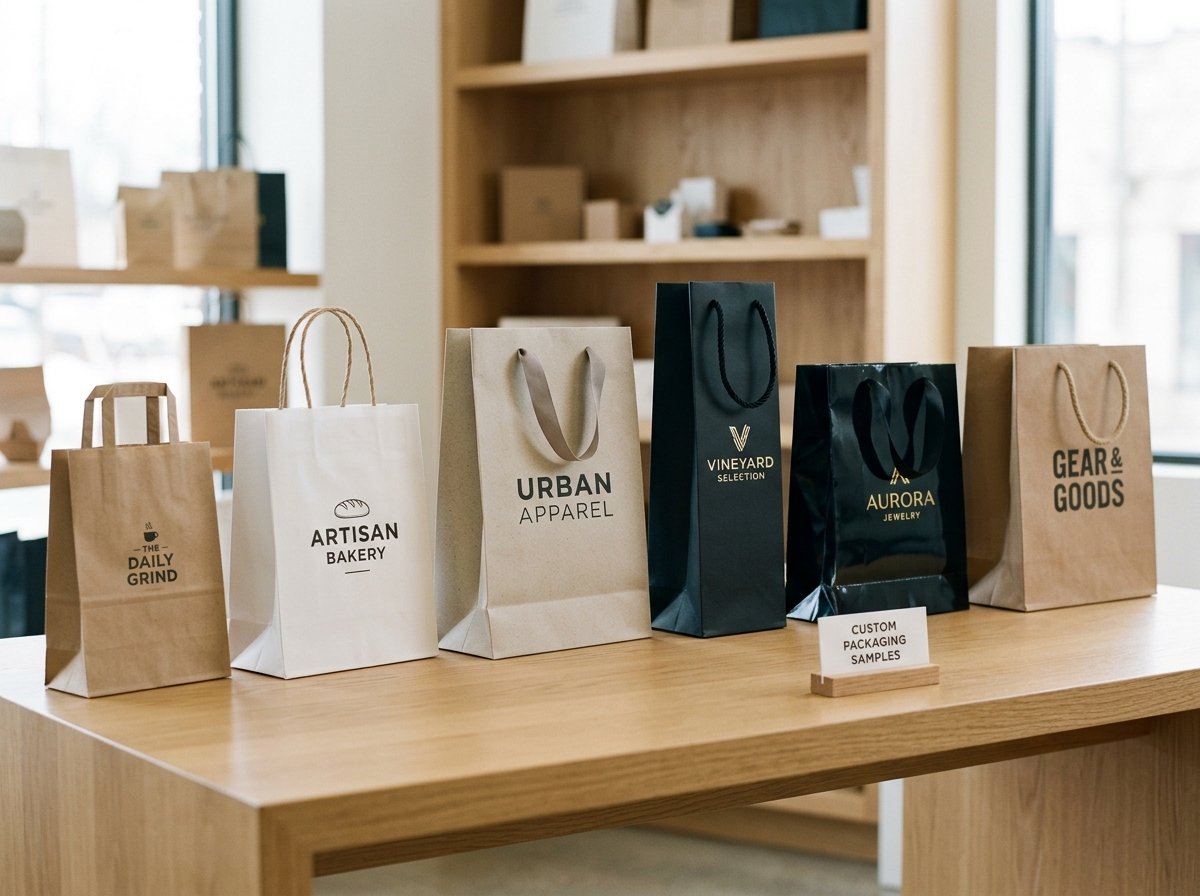
Structure is the next point. The bottom must support the product weight. The side gusset should open cleanly. The top fold needs enough stability so the bag keeps its shape. Handle choice also affects both function and brand image. Twisted paper handles work well for practical retail bags. Cotton rope handles support a more premium feel. Ribbon handles may fit gift-oriented packaging, but they must still match the bag weight and product use.
Branding should match the type of product inside. A natural kraft bag with simple black print may suit eco-focused goods well. A luxury gift bag may need a stronger paper feel, richer color, and refined finishing. The best bag design always begins with the product and sales scene, not only with style preference.
How Should Bag Size and Load Capacity Be Planned?
A bag that looks fine when empty may fail once products are placed inside. That is why size and strength should be planned together, not as separate decisions.
Bag size and load capacity should be planned based on product dimensions, total packed weight, product shape, and how the customer will carry the bag. The bag should support the full load without excessive stretching, bottom sagging, or handle stress.
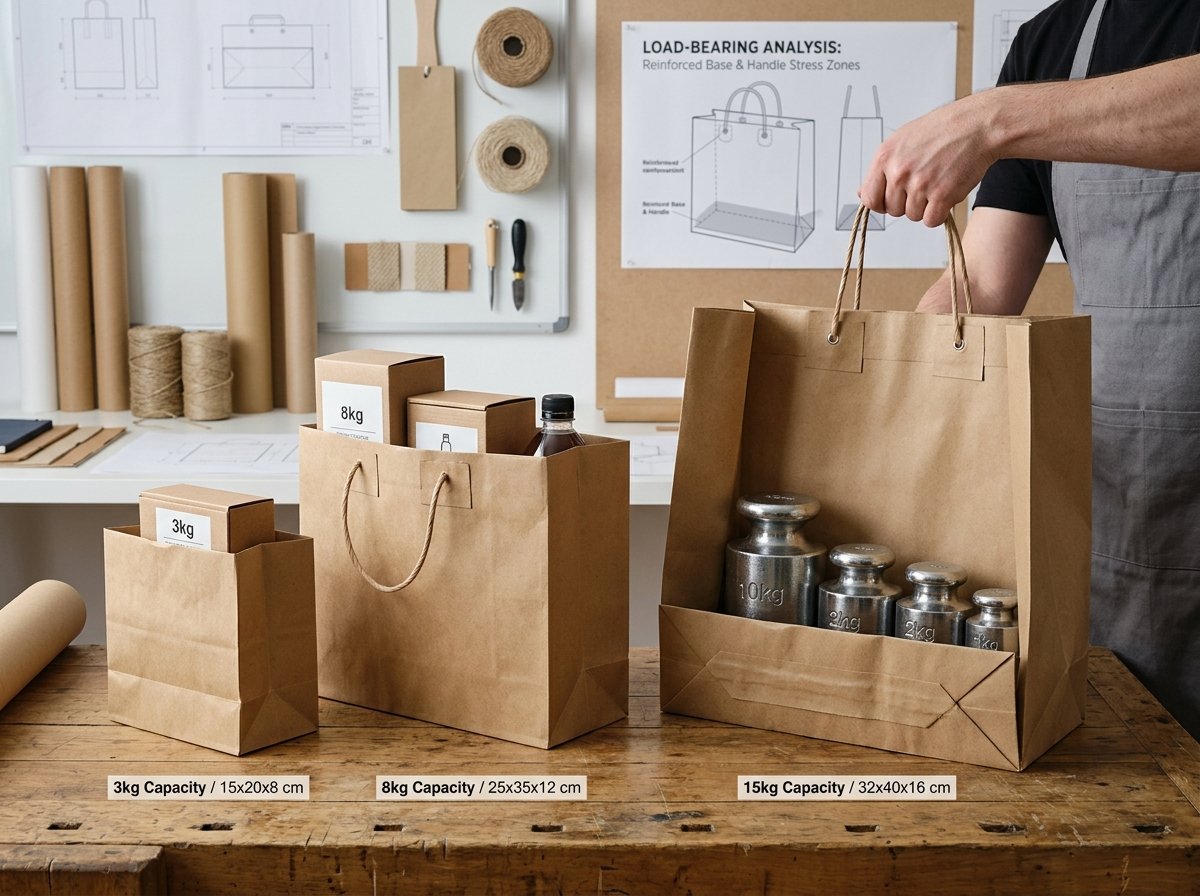
The first step is to review the product itself. Is it tall, wide, flat, boxed, fragile, or heavy? A small cosmetic product and a gift set may both fit in similar outer dimensions, but they create very different load stress. Electronics accessories, candles, bottles, skincare sets, and boxed gifts often need stronger bottom support than light apparel or printed materials.
The next step is to calculate realistic use, not ideal use. A customer may place more than one item in the bag. The bag may be carried for a longer time. It may be set down on hard surfaces. The handles may take uneven pulling force. If the bag is designed too close to the limit, it will feel weak in real use. Many complaints about packaging being flimsy or inappropriate come from this exact kind of under-planning.
A stronger bottom board, reinforced fold, or better handle fixing method can make a major difference. Good load planning protects not only the product, but also the brand image. No premium brand wants its shopping bag to feel unstable in the customer’s hand.
What Printing, Finishing, and Artwork Tips Lead to Better Paper Bag Design?
Print and finish often decide whether the bag looks ordinary or refined. Still, strong visual design is not only about adding more effects. It is about making the right effects work with the bag material and brand position.
Effective paper bag design uses clear artwork hierarchy, suitable print contrast, controlled finishing, and surface treatments that match both the brand and the bag material. Good design should stay readable, attractive, and durable in real handling conditions.
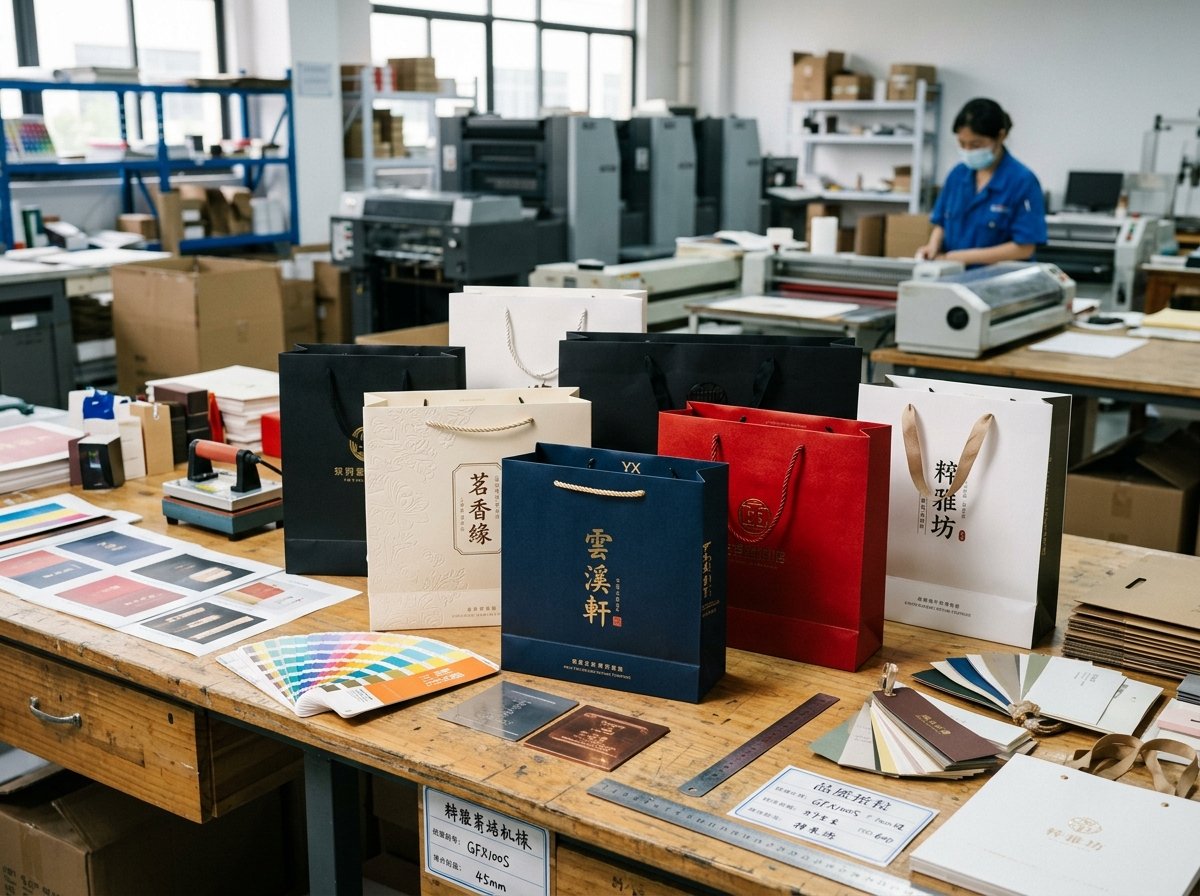
The first step is to keep artwork clear. A paper bag is seen at a distance and carried in motion, so the main logo, product category, or campaign message should be easy to identify. Overcrowded artwork often makes the bag look cheaper, not more premium. A clean layout usually gives a stronger result.
Color choice should also match the paper. On white coated paper, bright brand colors can reproduce well. On natural kraft paper, darker colors and stronger contrast usually work better. Poor contrast, weak registration, or low-opacity printing can make the bag look dull. That becomes a bigger problem when the packaging is meant to support a high-value product.
Finishing should add value, not confusion. Matte lamination can create a clean premium look. Gloss can work for stronger color impact. Hot foil stamping, embossing, spot UV, and texture effects can improve recognition, but they need to fit the brand level. If the bag uses premium print effects but the paper feels thin or the handles feel weak, the result becomes unbalanced. This is similar to many packaging complaints where the box looks expensive but feels cheap in hand. Good bag design avoids that mismatch.
How Can Artwork Be Designed to Work Well on Different Paper Bag Materials?
A design that looks strong on one material may fail on another. That is why artwork should always follow the actual bag paper, not only the screen proof.
Artwork should be adjusted for the real paper bag material, including coated paper, uncoated paper, kraft paper, and textured specialty paper. Print contrast, line thickness, coverage, and finishing all need to be adapted to the surface.
On coated paper, colors are usually cleaner and more saturated. Fine details hold better, and premium finishes can look sharper. This makes coated stock suitable for cosmetic bags, premium gift bags, and luxury retail use. On uncoated paper, the visual style often feels softer and more natural, but fine detail and deep solid colors may behave differently.
Kraft paper creates another set of design rules. The natural brown base affects all colors printed on top. Dark inks, black, deep green, navy, and white usually work better than pale tones. Minimal layouts often look stronger on kraft than complicated graphics. Since many businesses now prefer a more natural and recyclable look, kraft bags are popular, but the artwork must respect the material rather than fight against it.
Textured specialty papers can also add value, but they need careful print planning. If the surface texture is too strong for the chosen design, small text and delicate lines may lose clarity. The best paper bag artwork is always designed with the real substrate in mind from the beginning.
How to Balance Cost, Function, and Brand Image in Custom Bag Design?
Many businesses want a bag that looks premium, carries well, and stays affordable. The problem starts when one goal is pushed too far and weakens the others.
The best custom bag design balances cost, carrying function, and brand image by putting budget into the parts that affect real use and customer perception most. Material strength, handle quality, size fit, and print clarity usually matter more than adding too many decorative effects.
A low-cost bag becomes expensive when it fails in use. If the handle tears, the bottom softens, or the bag looks too cheap for the product, the packaging has already hurt the brand. On the other hand, over-designed bags can also create waste. Too many surface treatments, too much board weight, or unnecessary structure may raise cost without improving customer experience in a meaningful way.
The smarter approach is to build from function upward. First, confirm size, product weight, and carrying method. Then choose the paper grade and handle type that fit the actual use. After that, add branding and finishing based on the product level. This method keeps the design practical and makes the premium elements feel credible.
This balance is especially important for brands that want customers to feel both quality and responsibility. A well-made bag with strong print and a clean structure often leaves a better impression than an overloaded bag that looks expensive but performs poorly. Good design makes the customer feel that the brand pays attention to detail without wasting materials or weakening function.
What Common Mistakes Happen in Custom Paper Bag Design?
Most bag failures do not come from rare technical issues. They come from basic choices that were made too quickly or based only on appearance.
The most common custom paper bag mistakes are choosing paper that is too weak, selecting the wrong size, using poor handle attachment, overcrowding the artwork, and creating a bag style that does not match the product value.
A weak bag is the most obvious mistake. The paper may crease too easily, the bottom may lose shape, or the handles may pull out under normal carrying weight. This creates the same negative impression seen in packaging complaints about flimsy boxes and weak transport packaging. The customer does not separate the bag from the brand. The failure becomes part of the brand experience.
Wrong sizing is another repeated issue. Bags that are too large look inefficient and reduce presentation quality. Bags that are too tight create friction during packing and can damage boxed products or tissue presentation. Poor artwork choices also hurt results. Logos may be too small. Contrast may be too weak. Finishing may be too heavy for the paper quality.
There is also the value mismatch problem. A premium product in a plain weak bag looks under-supported. A simple low-cost product in an overbuilt luxury bag can feel wasteful or insincere. The best design avoids both extremes.
What Should Buyers Ask Suppliers Before Finalizing a Custom Paper Bag?
A paper bag project becomes more reliable when the important questions are answered early. This helps prevent weak structures, poor print results, and disappointing finished bags.
Before finalizing a custom paper bag, buyers should ask suppliers about paper grade, handle type, bottom reinforcement, load capacity, print method, finishing durability, sample testing, and packing method. These questions help make sure the bag is ready for real use, not only for presentation.
The first question should be about function. What paper weight is recommended for the product load? What handle type fits that load best? Is extra bottom board needed? These questions affect the real carrying experience. They should be answered before artwork is approved.
The next question should focus on appearance and consistency. Buyers should confirm how the chosen paper affects print color, whether special finishes are suitable for that material, and how the final production will match the approved sample. This is especially important for coated bags, kraft bags, and premium retail bags where color and finish strongly affect the final look.
It is also wise to ask about packing and shipping. Even a well-made bag can arrive damaged if it is poorly packed in transit. Creased tops, scratched surfaces, and bent handles can make the finished product look lower quality before it even reaches the store. A strong supplier should support both manufacturing quality and delivery protection.
Why Does the Best Custom Paper Bag Design Usually Start with Factory Planning?
A paper bag performs well when structure, material, print, and production method are designed together. That is difficult to achieve when the project is built around graphics alone.
The best custom paper bag design usually starts with factory planning because bag performance depends on how paper choice, handle fixing, structural folds, print method, and finishing all work together in production. Good results come from design that is practical to make, strong to carry, and consistent in large quantities.
This matters because many bag problems do not appear in flat artwork files. They appear later during folding, gluing, handle attachment, stacking, and transport. A factory that understands bag construction can improve the result by adjusting fold lines, top reinforcement, bottom board, or handle fixing points before mass production begins.
Factory planning also helps create better material and cost options. A standard paper version and a stronger premium version may both be possible. A natural kraft version and a coated luxury version may both suit different product lines. This helps businesses choose the right balance for each use case instead of forcing one bag style to fit every project.
The most effective custom paper bags usually come from this kind of structured planning. The bag feels right in the hand, supports the product correctly, and strengthens the brand without adding unnecessary risk.
Conclusion
A custom paper bag should do more than carry a purchase. It should support the product, reflect the brand, and perform reliably in real use. The best design comes from getting the basics right first: size, structure, paper choice, handle strength, print clarity, and material fit.
When those parts are planned well, the bag becomes a strong part of the packaging system instead of a weak final detail. That is what turns a simple paper bag into a better brand tool, a better customer experience, and a more dependable packaging solution.