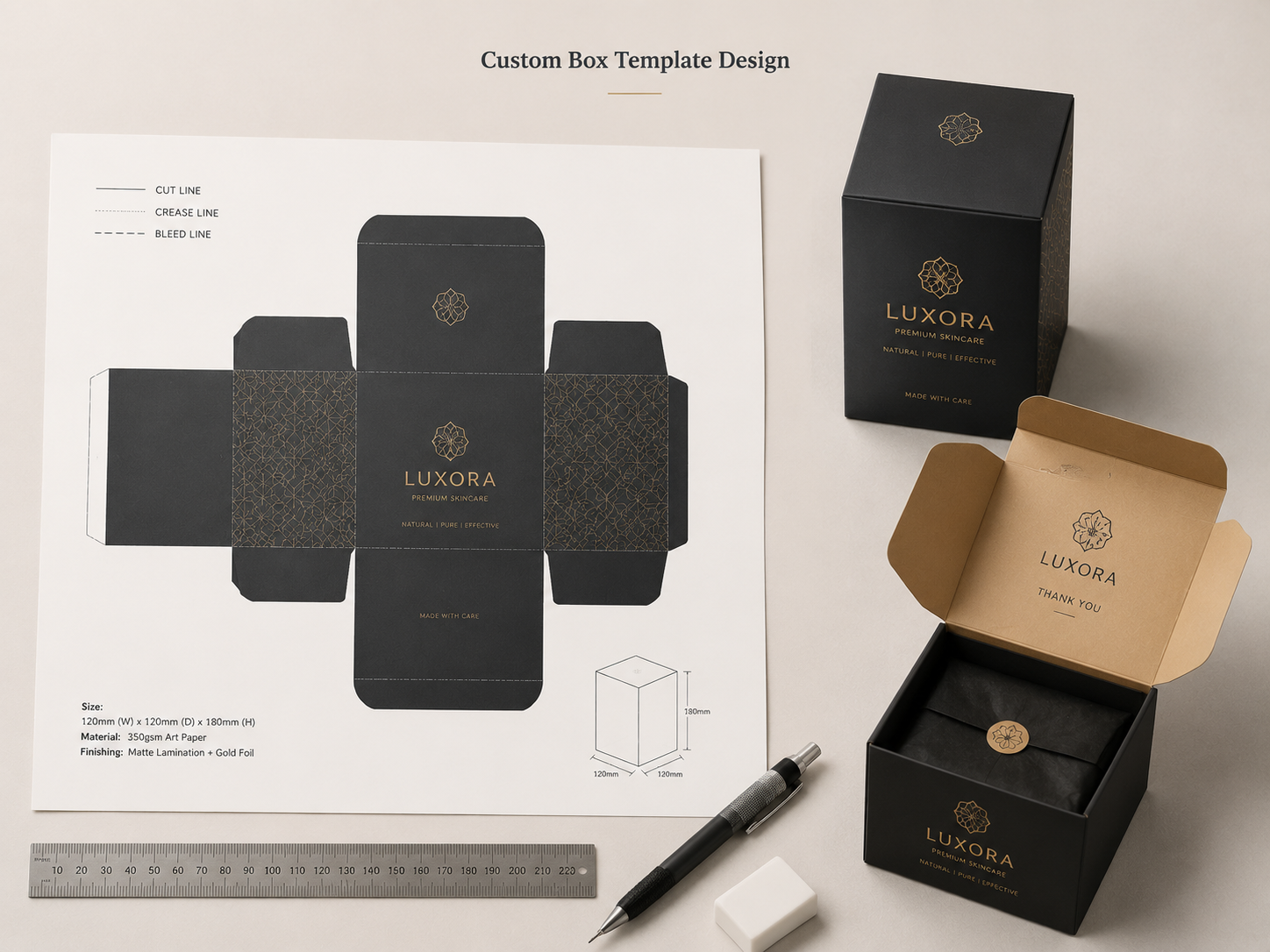
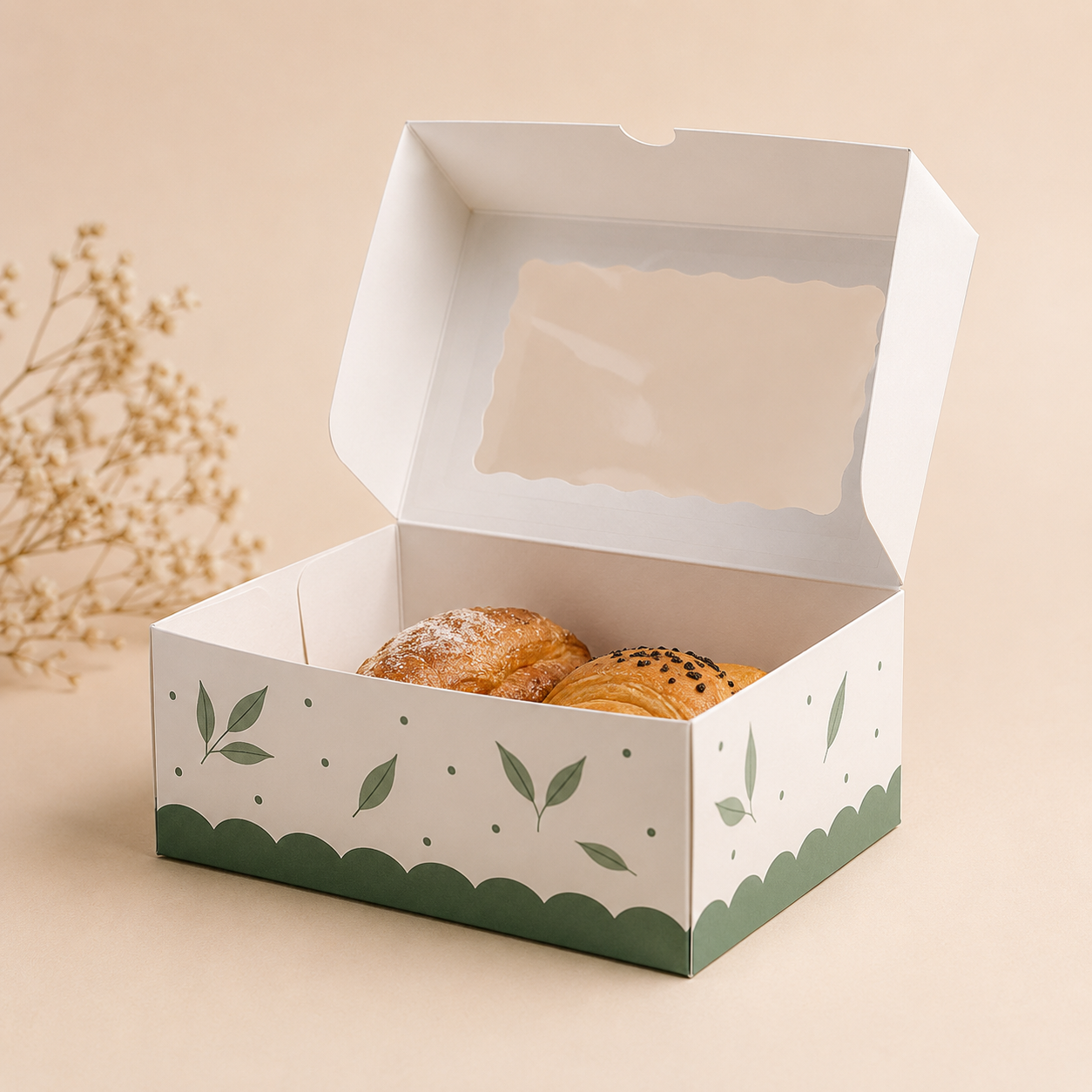
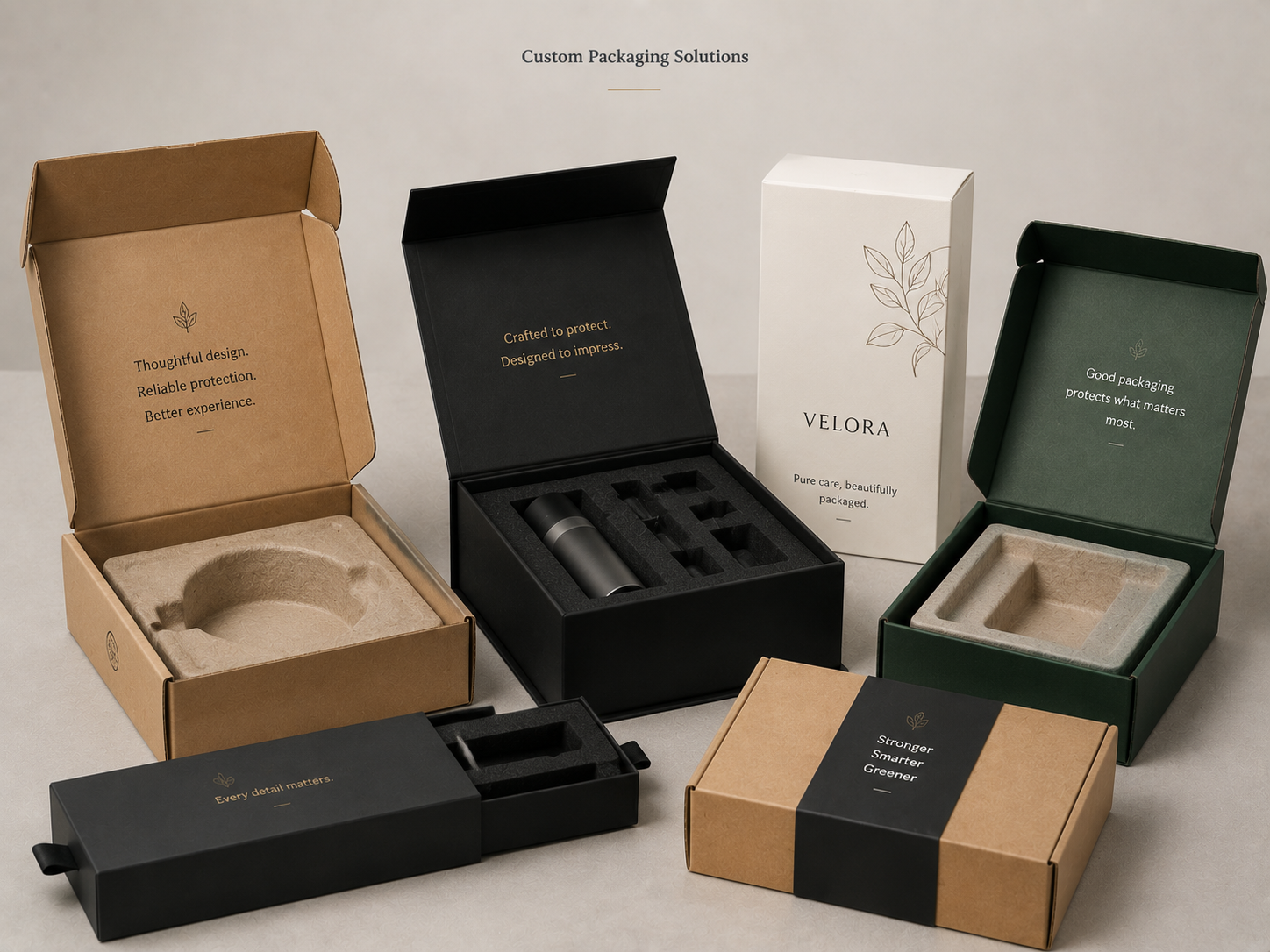
In today’s highly competitive market, packaging is much more than a protective layer for products. It serves as a powerful branding tool that influences purchasing decisions, enhances product presentation, and helps businesses stand out on crowded retail shelves. High-quality packaging not only attracts attention but also communicates professionalism, reliability, and brand value to customers.
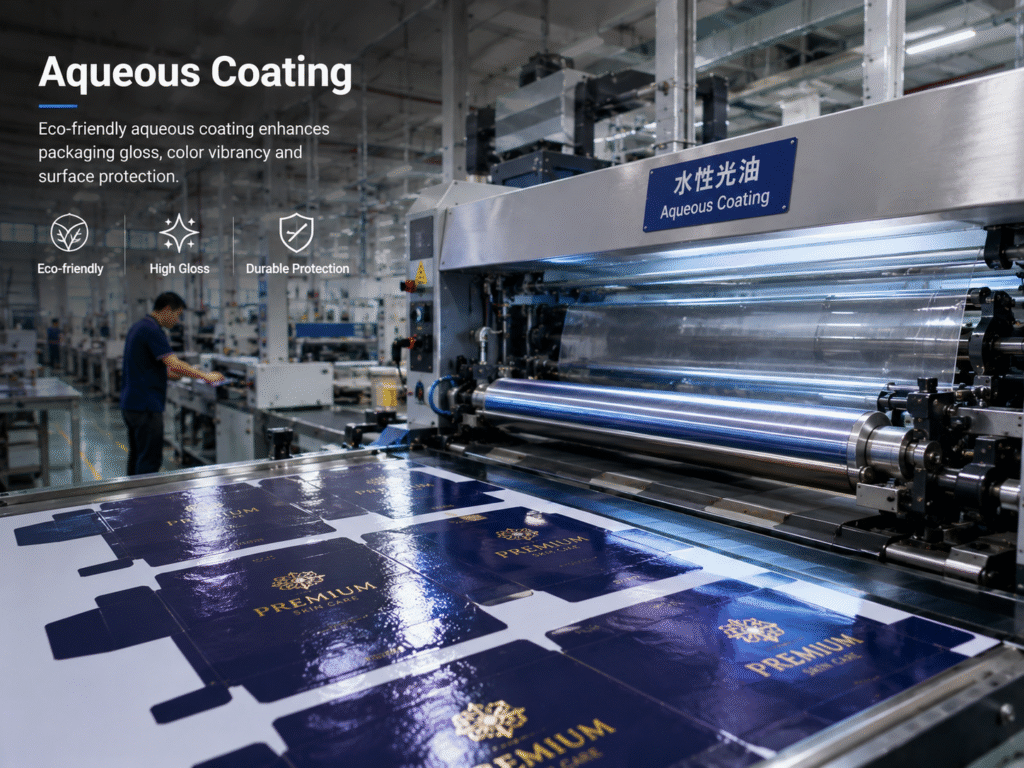
To achieve a premium appearance and improve durability, many manufacturers apply specialized finishing techniques to printed packaging materials. These coatings can enhance visual appeal, protect printed surfaces from scratches and fingerprints, and extend the lifespan of packaging during transportation, storage, and everyday handling. Choosing the right finishing solution is therefore an important part of the packaging design and production process.
Among the various finishing options available today, aqueous coating (AQ coating) has become one of the most widely used solutions in the printing and packaging industry. Known for its excellent print protection, environmentally friendly properties, cost-effectiveness, and versatility, aqueous coating is commonly applied to packaging boxes, brochures, catalogs, manuals, and other printed materials. In this guide, we will explore what aqueous coating is, how it works, its key benefits, and why it remains a preferred choice for modern packaging applications.
Types of Aqueous Coatings Used in Printing and Packaging
One of the key advantages of aqueous coating (AQ coating) is its versatility. Different coating finishes can be applied to achieve specific visual effects, tactile experiences, and functional benefits depending on the packaging requirements. Whether the goal is to enhance product presentation, improve durability, or create a premium brand image, there is an aqueous coating option suitable for almost every printing and packaging application.
Gloss Aqueous Coating
Gloss aqueous coating is one of the most commonly used finishes in commercial printing and packaging. It provides a smooth surface with a subtle shine that enhances color vibrancy and improves the overall appearance of printed materials.
Key benefits include:
- Improved color brightness and contrast
- Enhanced visual appeal
- Added protection against fingerprints and scuffs
- Faster production compared to film lamination
While gloss AQ coating offers an attractive finish, it produces a softer shine than UV coating or gloss lamination, making it ideal for brands seeking a professional yet understated look.
Matte Aqueous Coating
Matte aqueous coating delivers a sophisticated, non-reflective finish that creates a modern and premium appearance. It minimizes glare while maintaining strong color consistency and readability.
Advantages include:
- Elegant and premium presentation
- Reduced light reflection
- Improved readability of printed text
- Strong color depth and image clarity
Matte finishes are frequently used for luxury packaging, cosmetic boxes, high-end brochures, and premium marketing materials where a refined aesthetic is desired.
Satin Aqueous Coating
Satin aqueous coating offers a balanced finish between gloss and matte. It provides a soft sheen without excessive reflection, making it a popular choice for brands looking to combine visual appeal with practical durability.
Benefits include:
- Moderate shine and smooth appearance
- Excellent scuff and abrasion resistance
- Professional and versatile finish
- Suitable for both retail and corporate packaging
Satin coatings are widely used for product packaging, catalogs, presentation folders, and promotional materials.
Soft-Touch Aqueous Coating
Soft-touch aqueous coating creates a unique velvety texture that enhances the tactile experience of packaging. In addition to its visual appeal, this coating helps products feel more premium and luxurious when handled by consumers.
Key features include:
- Smooth, velvet-like surface
- Luxury packaging appearance
- Enhanced customer experience
- Premium brand positioning
Soft-touch coatings are particularly popular in industries such as:
- Cosmetics
- Electronics
- Jewelry
- Luxury retail packaging
As brands increasingly focus on customer experience, soft-touch finishes have become a preferred option for premium packaging solutions.
Pencil-Receptive Aqueous Coating
Pencil-receptive aqueous coating is specifically formulated to allow writing with pencils, pens, markers, and certain printing methods without smudging or loss of legibility.
Common applications include:
- Educational materials
- Workbooks
- Packaging requiring manual marking
- Product labels
- Business forms
This specialized coating provides surface protection while maintaining excellent writability, making it highly functional for interactive printed materials.
Dry-Erase Aqueous Coating
Dry-erase aqueous coating transforms printed surfaces into reusable writing areas that can be repeatedly written on and wiped clean. It offers a practical and cost-effective alternative to traditional laminates in certain applications.
Benefits include:
- Reusable writing surface
- High-gloss appearance
- Cost-effective solution
- Easy maintenance and cleaning
Typical applications include:
- Educational charts
- Training materials
- Presentation boards
- Calendars
- Interactive marketing materials
For businesses seeking both functionality and visual appeal, dry-erase coatings provide an innovative packaging and printing solution.
Tip: When selecting an aqueous coating, consider both visual appearance and functional requirements. Gloss coatings enhance color vibrancy, matte coatings create a premium look, while specialty coatings such as soft-touch and dry-erase add unique value to packaging and printed products.
How Does the Aqueous Coating Process Work?
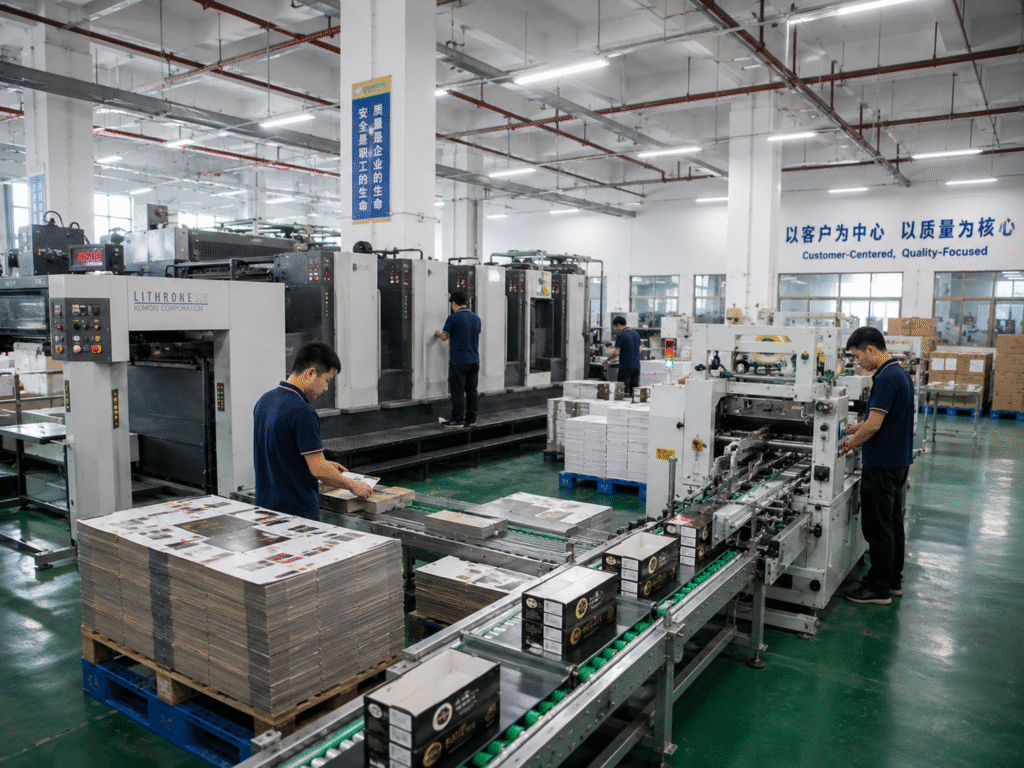
The aqueous coating process is an essential finishing technique used in the printing and packaging industry to enhance the appearance, durability, and performance of printed materials. By applying a water-based protective layer to the surface of printed sheets, manufacturers can improve print quality while providing additional resistance against scratches, fingerprints, scuff marks, and everyday wear.
One of the major advantages of aqueous coating is its efficiency. The coating is typically applied inline during the printing process, allowing production to remain fast, cost-effective, and environmentally friendly compared to some alternative finishing methods.
Step 1: Coating Application
During production, the aqueous coating is applied directly onto the printed sheet using specialized coating equipment integrated into the printing press. The coating is evenly distributed across the entire printed surface, creating a consistent protective layer that enhances both visual appearance and durability.
Unlike spot coatings that target specific design elements, standard AQ coating is generally applied as a full-sheet coating, ensuring uniform protection across the entire packaging or printed material.
Common applications include:
- Folding cartons
- Product packaging boxes
- Brochures
- Catalogs
- Manuals
- Marketing materials
- Book covers
Step 2: Rapid Drying Process
After the coating is applied, the printed sheet passes through a controlled hot-air drying system. This drying stage quickly evaporates the water content within the coating, allowing the surface to cure efficiently without affecting print quality.
The rapid drying process offers several benefits:
- Faster production turnaround
- Reduced risk of smudging
- Improved handling efficiency
- Enhanced production consistency
Because aqueous coatings dry quickly, they are particularly suitable for high-volume commercial printing and packaging operations.
Step 3: Finishing and Post-Production
Once fully dried, the coated sheets move to the finishing stage where they may undergo additional processes such as:
- Die-cutting
- Folding
- Gluing
- Binding
- Packaging assembly
The protective coating helps maintain print integrity throughout these post-production processes by reducing surface damage and preserving the appearance of the printed design.
Tip: Aqueous coating is typically applied inline during printing, making it one of the most efficient and cost-effective finishing solutions for commercial packaging and printed products.
Why Paper Selection Matters for Aqueous Coating
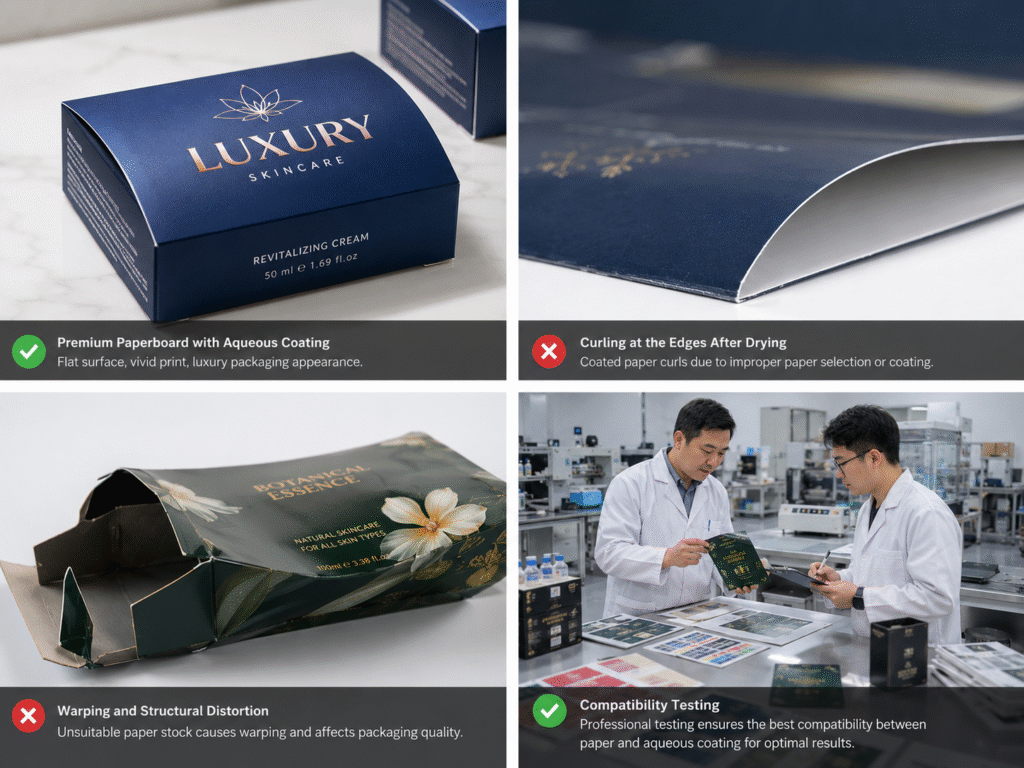
While the coating itself plays a critical role, the choice of paper stock is equally important for achieving optimal results. The wrong paper weight or substrate can lead to issues such as:
- Curling
- Warping
- Wrinkling
- Surface distortion
- Reduced print quality
Selecting the appropriate paper weight, paperboard thickness, and substrate type helps ensure that the finished product maintains its structural integrity throughout the coating and drying process.
For premium packaging applications, manufacturers often conduct compatibility testing between the coating and paper stock to ensure the best possible appearance and performance.
Best Practices for High-Quality Results
To maximize the effectiveness of aqueous coating, packaging manufacturers typically follow these practices:
- Use compatible paper and paperboard materials
- Ensure proper drying conditions
- Apply consistent coating thickness
- Maintain accurate press calibration
- Conduct quality inspections throughout production
By combining the right coating formulation with suitable substrates and professional production controls, aqueous coating can significantly enhance both the visual appeal and durability of printed packaging products.
This efficient process is one of the reasons why aqueous coating remains one of the most widely used finishing solutions in modern printing and packaging manufacturing, offering an excellent balance of protection, aesthetics, sustainability, and production efficiency.
Advantages of Aqueous Coating
As one of the most widely used finishing solutions in the printing and packaging industry, aqueous coating (AQ coating) offers an excellent balance of visual enhancement, surface protection, environmental sustainability, and cost efficiency. Its versatility makes it suitable for a wide range of printed materials, including packaging boxes, brochures, catalogs, product manuals, marketing materials, and commercial print applications.
The growing demand for environmentally responsible packaging solutions has further increased the popularity of aqueous coating among manufacturers and brand owners worldwide.
Environmentally Friendly and Sustainable
One of the biggest advantages of aqueous coating is its eco-friendly composition. Because it is water-based, AQ coating contains significantly lower levels of volatile organic compounds (VOCs) compared to many solvent-based finishing options.
Environmental benefits include:
- Low VOC emissions
- Non-toxic formulation
- Minimal environmental impact
- Reduced hazardous waste generation
- Easy recyclability of coated paper products
Additionally, the cleaning process for aqueous coating equipment typically requires fewer aggressive chemicals, helping reduce the overall environmental footprint of the printing operation.
As sustainability becomes a key consideration for modern packaging brands, aqueous coating continues to be a preferred finishing solution for environmentally conscious businesses.
Excellent Print Protection and Durability
AQ coating provides a protective barrier that helps preserve the appearance and quality of printed materials throughout handling, transportation, and storage.
Key protective benefits include:
- Resistance to fingerprints
- Improved scuff resistance
- Protection against surface scratches
- Reduced ink rub-off
- Enhanced product presentation
By sealing the printed surface, aqueous coating helps maintain color vibrancy and extends the lifespan of packaging and printed materials.
This makes it particularly valuable for retail packaging, where products may experience frequent handling before reaching consumers.
Versatility Across Printing Applications
Another major advantage of aqueous coating is its compatibility with a wide variety of printing and packaging applications.
AQ coating can be used on:
- Folding cartons
- Product packaging boxes
- Brochures
- Catalogs
- Book covers
- Product manuals
- Marketing materials
Unlike some finishing methods that limit post-printing functionality, aqueous-coated surfaces often remain suitable for writing, stamping, and additional printing processes, depending on the specific coating formulation used.
This flexibility allows manufacturers to create customized packaging solutions while maintaining production efficiency.
Tip: Aqueous coating is one of the most versatile finishing options available, offering excellent compatibility with a wide range of packaging materials and commercial printing applications.
Are There Any Limitations to Aqueous Coating?
While aqueous coating provides numerous benefits, it is important to understand its limitations when selecting the best finishing option for a packaging project.
Potential considerations include:
- Lower chemical resistance compared to UV coating
- Reduced solvent resistance compared to thermal lamination
- Less extreme gloss than high-gloss UV coatings
- May not be suitable for certain specialty packaging requirements
For applications requiring maximum chemical resistance, waterproof performance, or ultra-high-gloss finishes, alternative solutions such as UV coating or film lamination may sometimes be more appropriate.
However, for the majority of commercial printing and packaging projects, aqueous coating offers an excellent combination of sustainability, protection, appearance, and cost-effectiveness.
Tip: For most packaging applications, aqueous coating provides the best balance of environmental sustainability, print protection, visual appeal, and production cost efficiency.
As a result, aqueous coating remains one of the most popular print finishing options in modern packaging manufacturing, helping brands improve packaging durability, enhance shelf appeal, and support sustainable production goals without significantly increasing production costs.
Conclusion
Aqueous coating has become one of the most widely used finishing solutions in the modern printing and packaging industry due to its excellent balance of sustainability, durability, visual enhancement, and cost-effectiveness. Whether applied to custom packaging boxes, product cartons, brochures, catalogs, or marketing materials, AQ coating helps improve print quality while providing reliable surface protection against everyday handling and wear.
Compared with many alternative finishing methods, aqueous coating for packaging offers significant advantages, including environmentally friendly production, fast drying times, strong print protection, and compatibility with a wide range of packaging materials. Its ability to enhance appearance while supporting efficient manufacturing processes makes it a preferred choice for businesses seeking both performance and sustainability.
For brands looking to create high-quality packaging that stands out on retail shelves, selecting the right coating is just as important as choosing the right design and printing method. Working with an experienced packaging manufacturer can help ensure that the most suitable coating solution is selected based on your product requirements, branding goals, and budget.
As a professional custom packaging manufacturer, we specialize in providing innovative packaging solutions, premium printing services, and advanced finishing options tailored to various industries. Whether you need custom printed packaging, luxury product boxes, retail packaging, or eco-friendly packaging solutions, our team can help you achieve exceptional results that enhance both product protection and brand presentation.