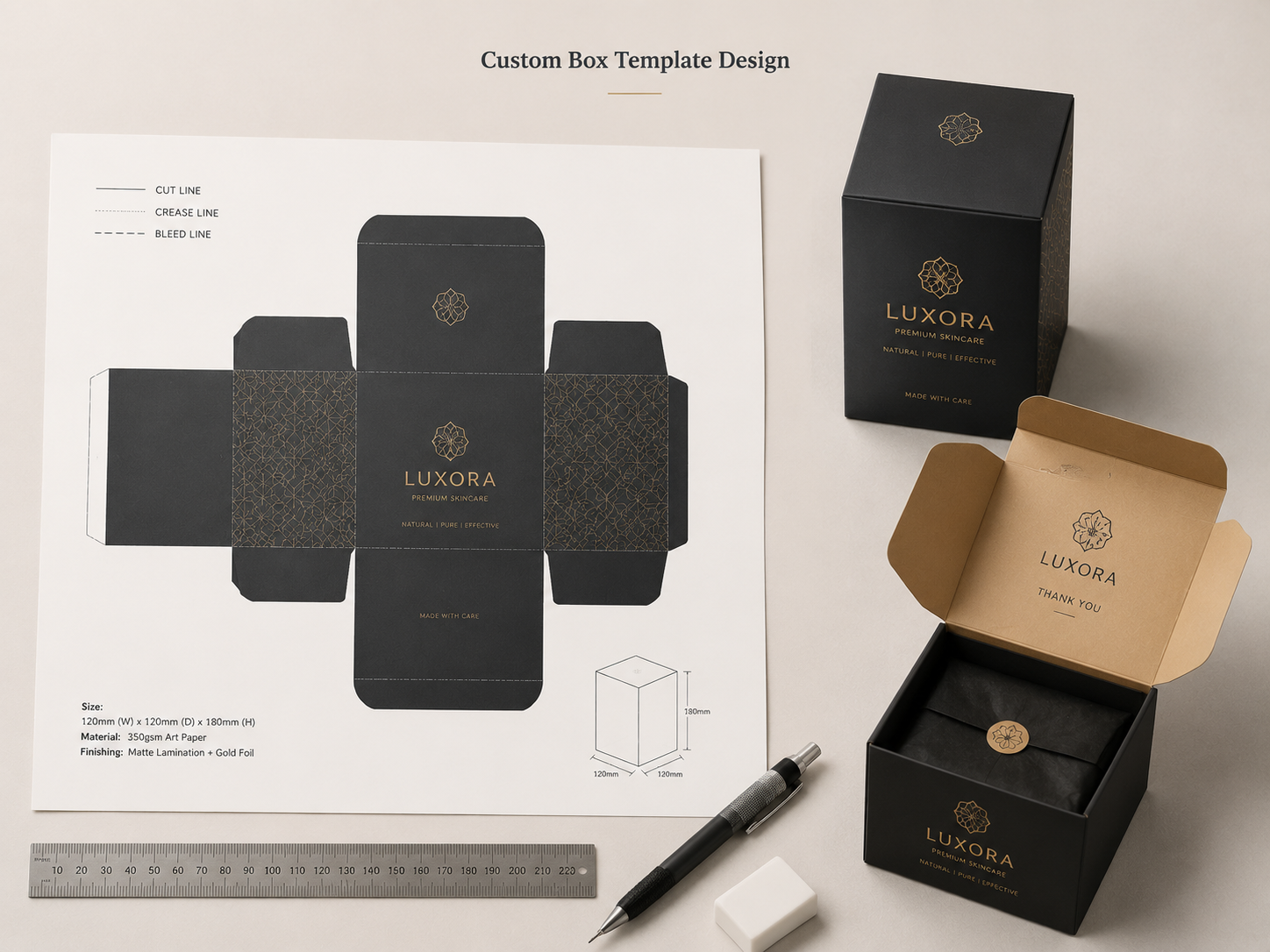
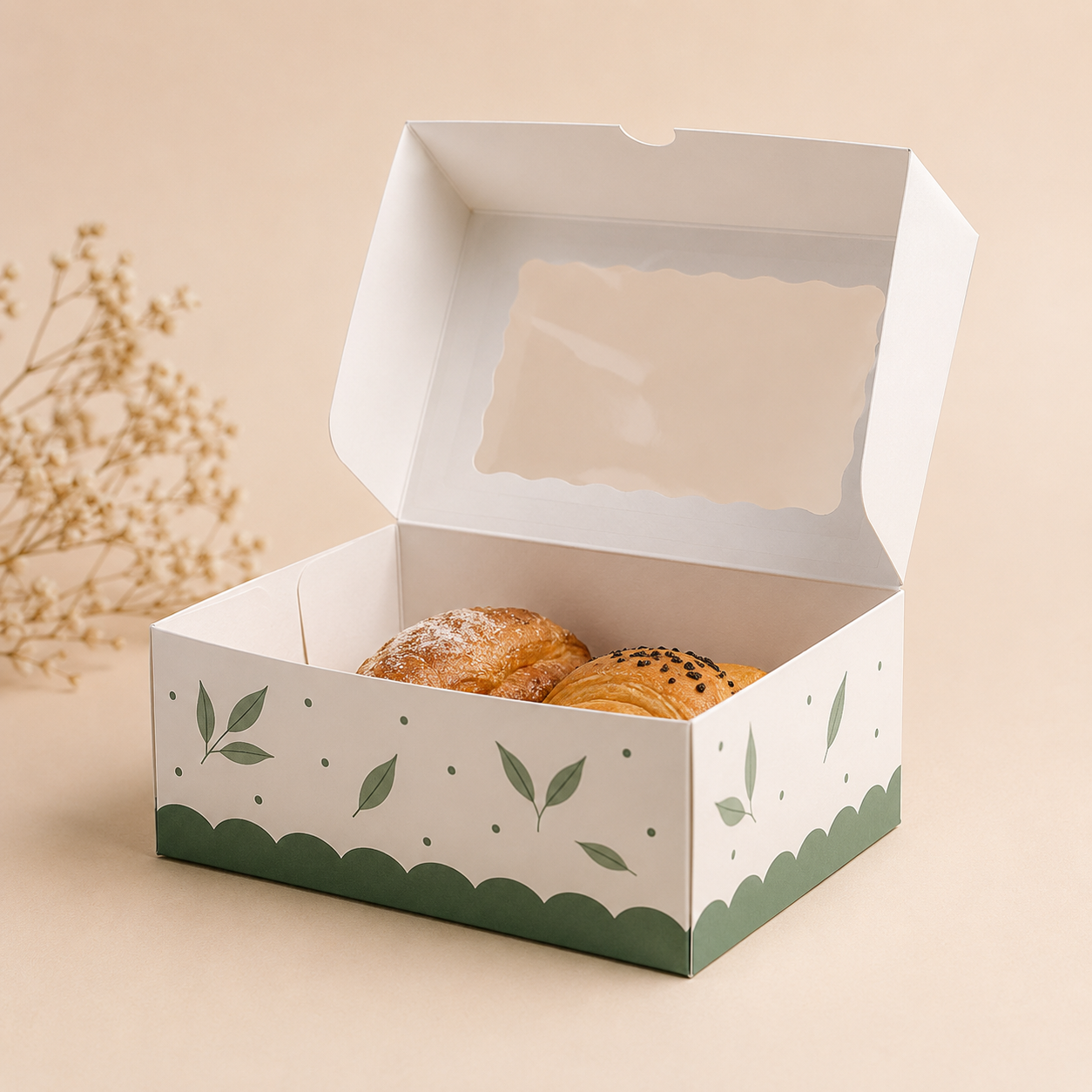
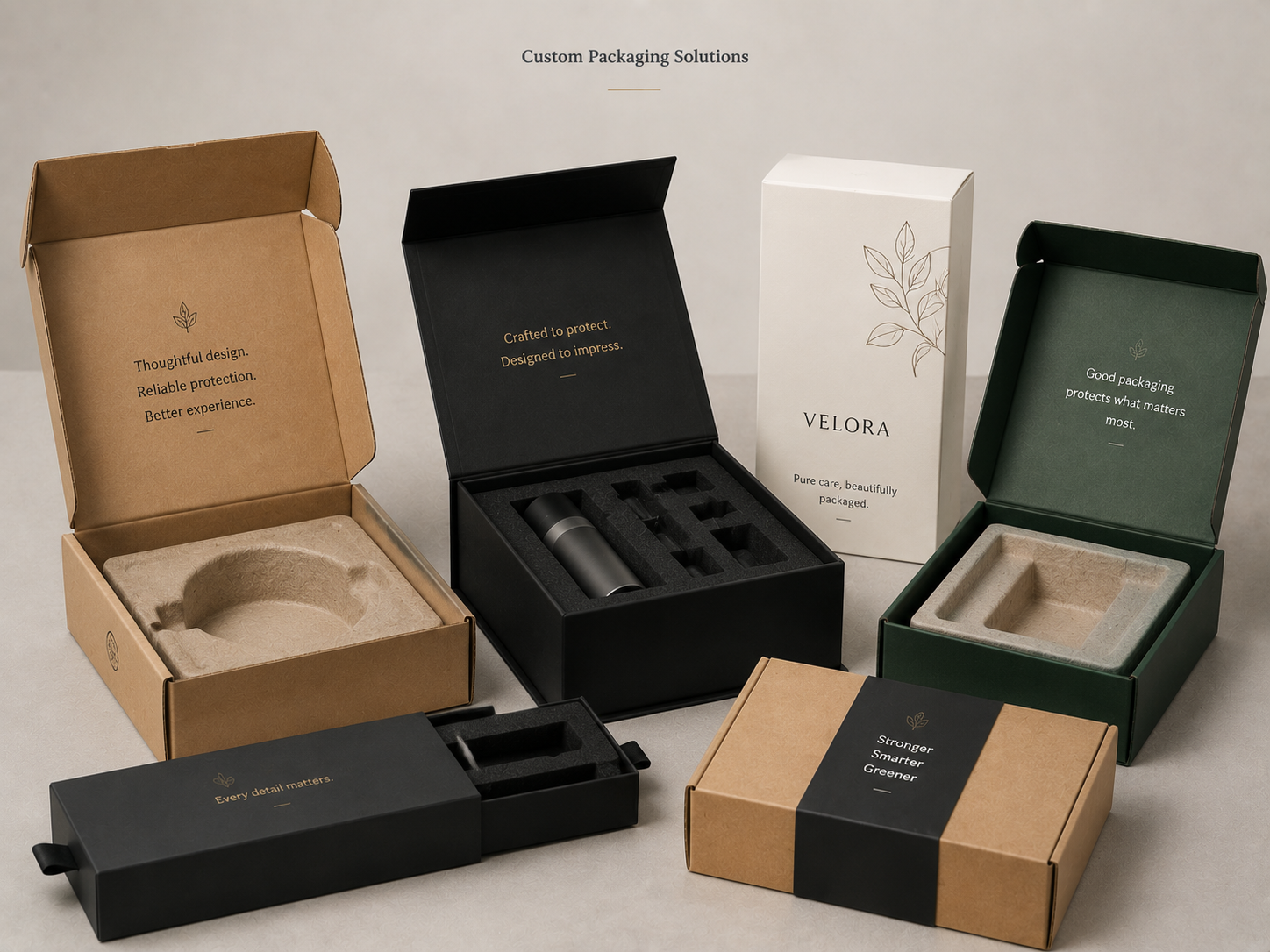
Many brands use paper bags every day, but few understand how these bags are created or why material choices matter. Poor-quality paper bags can affect brand image, customer experience, and environmental goals.
Paper bags come from renewable paper materials that go through processes including pulp production, paper manufacturing, printing, cutting, folding, and finishing to become practical packaging solutions for retail, gifts, and branded products.
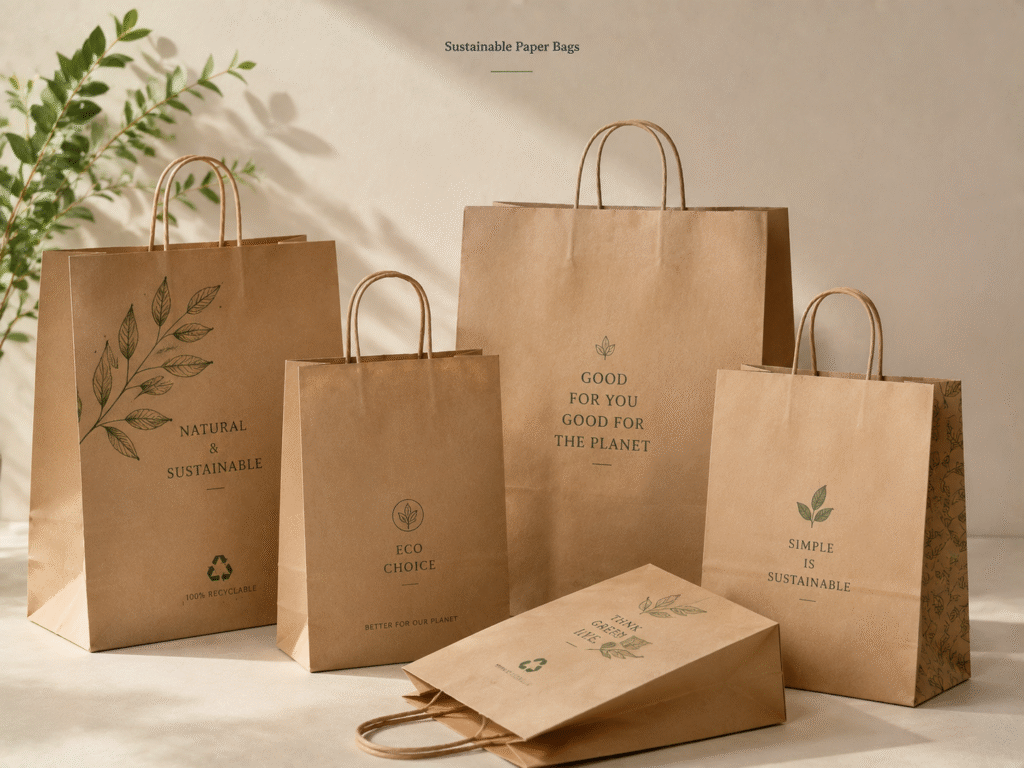
Paper bags have become an important packaging choice for many industries, including retail, cosmetics, fashion, food, gifts, and luxury products. They are not only used for carrying products. They also represent brand identity and environmental responsibility. Understanding where paper bags come from helps brands make better decisions about materials, design, production quality, and sustainability when developing custom packaging solutions.
What Are Paper Bags Made From?
Paper bags are mainly made from paper materials produced from natural fibers. The most common source is wood, which is processed into paper pulp before becoming paper sheets.
Different types of paper create different bag qualities. A premium retail brand may require thick specialty paper, while a food brand may need stronger kraft paper with better durability.
The material selection affects the bag’s strength, appearance, printing quality, and environmental performance.
What Materials Are Commonly Used for Paper Bags?
| Material | Features | Common Applications |
|---|---|---|
| Kraft paper | Strong and natural appearance | Shopping bags, food packaging |
| Coated paper | Smooth surface and excellent printing | Luxury retail bags |
| FSC certified paper | Responsible sourcing | Sustainable brands |
| Recycled paper | Lower environmental impact | Eco-friendly packaging |
| Specialty paper | Premium texture and appearance | Luxury products |
Paper bag production usually starts with selecting suitable paper based on the product requirements. Weight, size, carrying capacity, and brand positioning all influence the material decision.
For brands, choosing the right paper material is not only about cost. It also affects how customers view the product. A strong and well-designed paper bag can improve the overall shopping experience.
How Are Paper Bags Manufactured?
Paper bag production involves several important steps. Each stage influences the final quality, appearance, and durability of the bag.
A professional packaging factory controls each process carefully to ensure that the final product meets brand expectations.
Main Steps of Paper Bag Production
| Production Stage | Purpose |
|---|---|
| Paper selection | Determines strength and appearance |
| Printing | Adds brand graphics and information |
| Cutting | Creates correct bag shapes |
| Folding | Forms the bag structure |
| Gluing or stitching | Improves durability |
| Handle installation | Completes the carrying function |
The process begins with large paper sheets or paper rolls. The paper is printed with brand designs, logos, and product information. After printing, machines cut the paper into specific shapes based on the bag structure.
The folded sections are then glued or reinforced to create the final bag form. Handles are added according to customer requirements, including paper handles, cotton ropes, ribbon handles, or other customized options.
Every production stage requires accurate control. Small mistakes in printing, cutting, or assembly can affect the final appearance.
Where Did Paper Bags First Appear?
Paper bags have a long history connected with the development of modern packaging. The early versions were created to provide a more convenient alternative to traditional packaging methods.
As retail markets developed, businesses needed packaging that could carry products while also supporting branding.
The evolution of paper bags reflects changes in customer needs and environmental awareness.
How Have Paper Bags Developed Over Time?
| Period | Development |
|---|---|
| Early stage | Basic paper containers for carrying goods |
| Industrial period | Machine production improved efficiency |
| Modern stage | Custom printing and branding became common |
| Current trend | Sustainable materials and premium designs |
Today, paper bags are no longer simple carrying tools. They have become important marketing materials.
Many luxury and retail brands use customized paper bags because customers carry them in public spaces. This creates additional brand exposure and helps improve recognition.
Why Do Brands Choose Paper Bags Instead of Plastic Bags?
Paper bags have gained popularity because many brands and customers are looking for more sustainable packaging choices.
Environmental awareness has changed packaging decisions across many industries. Brands now consider not only appearance and cost but also material impact.
Benefits of Paper Bags Compared With Plastic Bags
| Feature | Paper Bags | Plastic Bags |
|---|---|---|
| Material source | Renewable paper resources | Fossil-based materials |
| Brand printing | Excellent surface quality | Different printing limitations |
| Recycling potential | Widely accepted | Depends on material type |
| Premium appearance | Strong | Usually lower |
Paper bags provide a natural and premium feeling that works well with many brand styles. Kraft paper creates an organic image, while coated paper allows high-quality printing and luxury finishing.
Many international brands also choose FSC certified paper because it supports responsible forest management and sustainable sourcing.
A professional packaging manufacturer can help brands select paper materials that match their environmental goals and product requirements.
How Do Custom Paper Bags Improve Brand Image?
Custom paper bags are an important part of brand communication. Customers often see the bag after purchasing a product, which means it becomes a moving advertisement.
A well-designed paper bag can improve brand recognition and create a stronger connection with customers.
Customization Options for Paper Bags
| Custom Feature | Brand Benefit |
|---|---|
| Logo printing | Improves brand visibility |
| Custom colors | Creates consistent identity |
| Special handles | Adds premium feeling |
| Foil stamping | Creates luxury appearance |
| Embossing | Highlights brand details |
Luxury brands often use advanced finishing techniques to make paper bags more attractive. Gold foil logos, textured paper, and custom handles can create a premium shopping experience.
For retail brands, packaging consistency is important. The paper bag should match other packaging elements such as boxes, labels, and product presentation.
A professional packaging factory can provide complete customization from paper selection to final production.
What Paper Bag Types Are Commonly Used by Different Industries?
Different industries have different packaging requirements. The structure, material, and design of paper bags need to match product characteristics.
Common Paper Bag Applications
| Industry | Paper Bag Usage |
|---|---|
| Fashion | Retail shopping bags |
| Cosmetics | Beauty product packaging |
| Jewelry | Premium gift bags |
| Food | Takeaway and gift packaging |
| Gifts | Seasonal and promotional packaging |
Fashion brands often use large paper bags with strong handles because customers carry clothing products. Cosmetic brands may choose smaller premium bags with luxury printing.
Gift companies frequently customize paper bags for holidays and special events. These bags need attractive designs that create emotional value.
The right paper bag solution depends on product weight, customer expectations, and brand positioning.
How Do Sustainable Paper Bags Support Modern Brands?
Sustainability has become an important factor in packaging decisions. Many brands want packaging that reflects environmental responsibility while maintaining professional appearance.
Paper bags can support sustainable goals through responsible material selection and efficient production methods.
Sustainable Paper Bag Solutions
| Solution | Environmental Benefit |
|---|---|
| FSC certified paper | Supports responsible sourcing |
| Recycled paper | Reduces resource consumption |
| Water-based printing | Reduces environmental impact |
| Lightweight design | Reduces material usage |
Sustainable packaging does not mean reducing quality. Modern production technology allows brands to create strong, attractive, and environmentally responsible paper bags.
A professional factory can help brands compare different paper options and develop solutions that meet both design expectations and sustainability requirements.
What Should Brands Consider When Choosing a Paper Bag Manufacturer?
Choosing the right paper bag manufacturer affects product quality, delivery reliability, and brand image.
A suitable supplier should understand materials, printing, structure design, and production control.
Important Supplier Evaluation Factors
| Factor | Importance |
|---|---|
| Material knowledge | Helps select suitable paper options |
| Printing ability | Ensures high-quality appearance |
| Sample development | Confirms design expectations |
| Production capacity | Supports different order sizes |
| Quality control | Maintains consistent results |
Many brands do not choose suppliers only based on price. They focus on quality stability, communication efficiency, and long-term cooperation ability.
A professional packaging factory should provide support throughout the entire process, including design suggestions, material recommendations, sample production, and final inspection.
Reliable manufacturing helps brands create paper bags that improve customer experience and strengthen brand value.
Conclusion
Paper bags have developed from simple carrying solutions into important branding tools. Their journey from natural paper materials to customized packaging products shows how packaging continues to evolve with market needs.
For modern brands, choosing the right paper bag solution requires attention to materials, structure, printing quality, sustainability, and production reliability. A professional packaging factory with experience in custom paper bags can help brands create packaging that matches their image and customer expectations.
Whether used for fashion retail, cosmetics, gifts, food, or luxury products, well-designed paper bags provide more than convenience. They help brands communicate quality, support environmental goals, and create memorable experiences every time customers carry them.