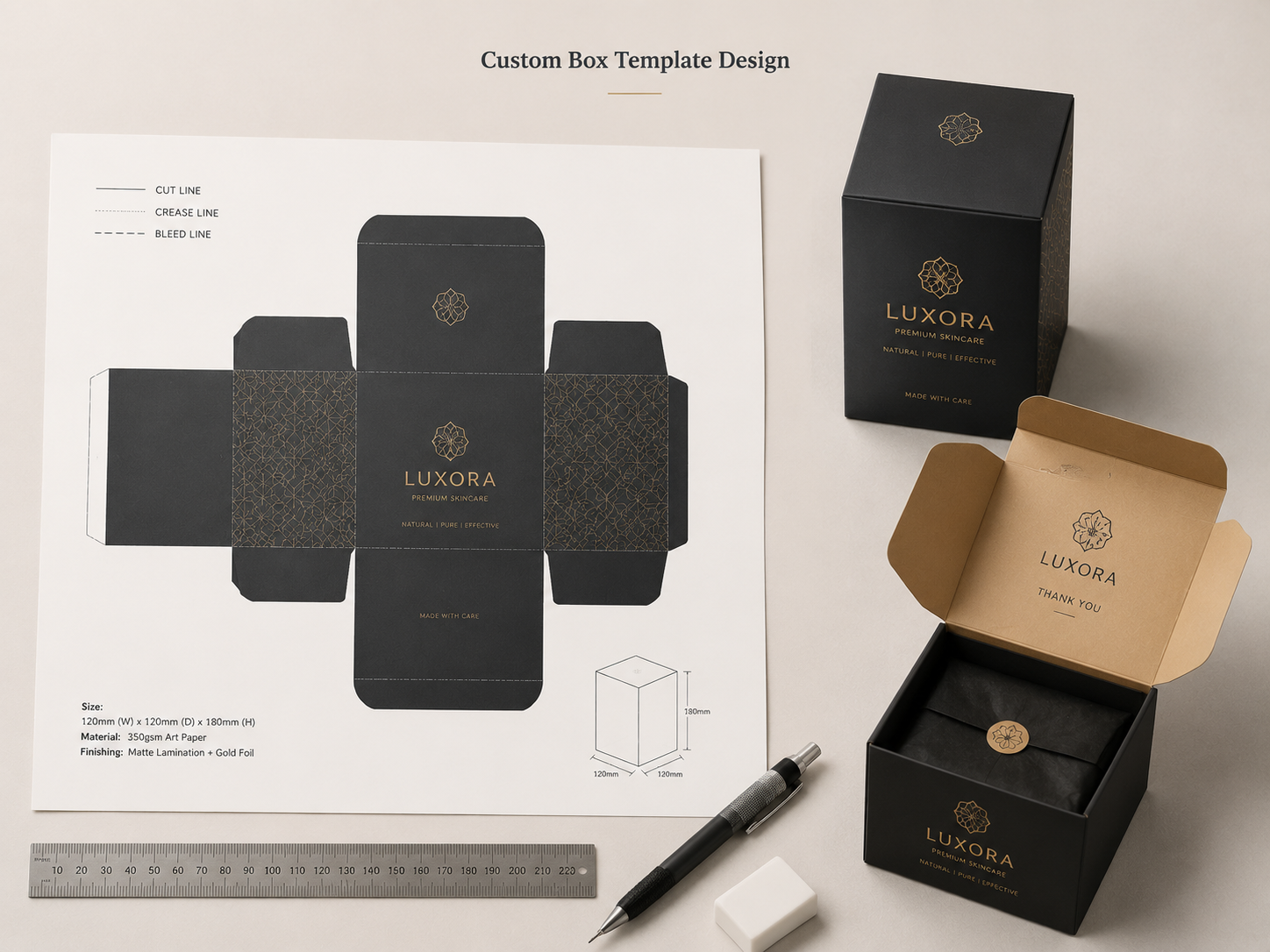
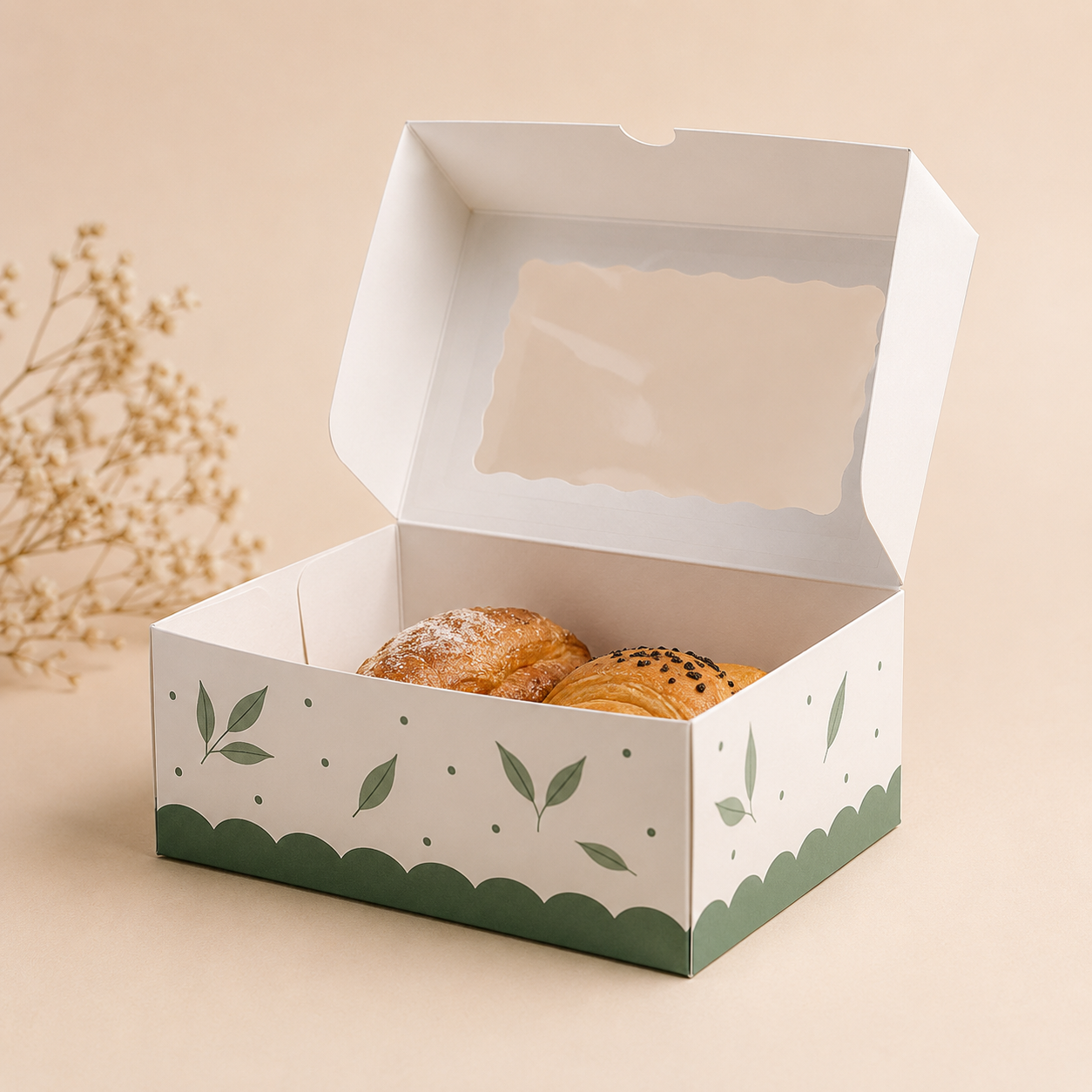
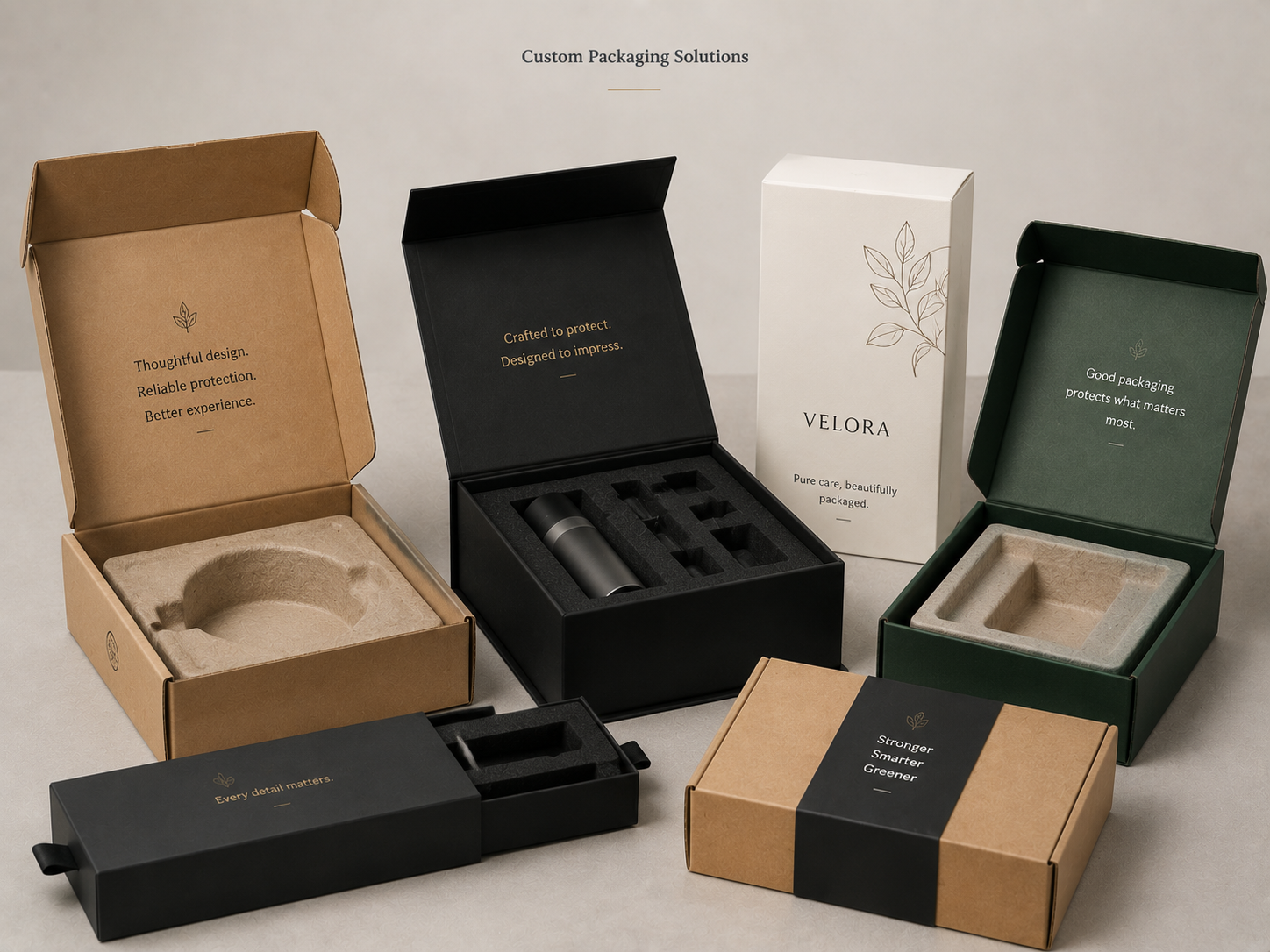
Many brands use cardboard packaging every day but do not fully understand how cardboard quality affects product protection, printing results, and brand presentation. Choosing the wrong cardboard material can lead to packaging problems, higher costs, and poor customer experiences.
Cardboard is a paper-based material made from compressed paper fibers. It is widely used for packaging because it offers strength, flexibility, printability, and customization options for different industries and product applications.
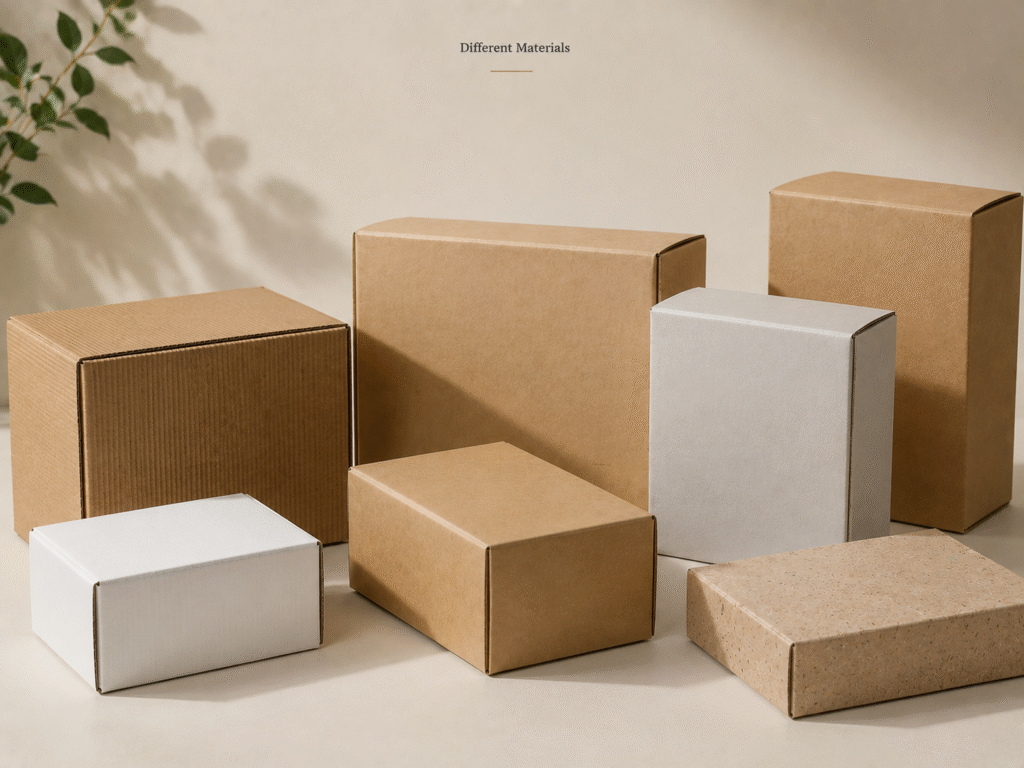
Cardboard is one of the most important materials in the packaging industry. It is used for product boxes, shipping cartons, gift packaging, display packaging, paper inserts, and many other applications. Different types of cardboard provide different levels of strength, appearance, and sustainability. For brands developing custom packaging, understanding cardboard materials helps make better decisions about product protection, design quality, and production efficiency.
What Is Cardboard and How Is It Made?
Cardboard is a thick paper-based material created by combining multiple layers of paper fibers. Compared with regular paper, cardboard is stronger, more rigid, and better suited for packaging applications.
The production process starts with raw paper materials. These materials are processed into pulp, formed into sheets, dried, and compressed to create different cardboard grades.
The final cardboard quality depends on factors such as fiber type, thickness, number of layers, and manufacturing process.
How Is Cardboard Produced?
| Production Stage | Purpose |
|---|---|
| Raw material preparation | Creates paper fiber materials |
| Pulp processing | Breaks materials into usable fibers |
| Sheet formation | Creates paper layers |
| Drying and pressing | Improves strength and thickness |
| Surface treatment | Improves printing performance |
Cardboard manufacturing can use both virgin paper fibers and recycled materials. Many brands now choose recycled cardboard or FSC certified cardboard because sustainability has become an important packaging requirement.
For custom packaging projects, cardboard selection should consider product weight, protection needs, printing requirements, and brand positioning.
A professional packaging factory evaluates these factors before recommending suitable cardboard solutions.
What Are the Main Types of Cardboard Used for Packaging?
Not all cardboard materials are the same. Different packaging applications require different cardboard structures.
Choosing the correct cardboard type affects the final appearance, durability, and production performance.
Common Cardboard Types
| Cardboard Type | Features | Common Uses |
|---|---|---|
| Corrugated cardboard | Strong and impact-resistant | Shipping boxes |
| Folding box board | Lightweight and printable | Retail packaging |
| Greyboard | Thick and rigid | Luxury rigid boxes |
| Kraft cardboard | Natural and durable | Eco-friendly packaging |
| White cardboard | Smooth printing surface | Premium packaging |
Corrugated cardboard is commonly used for transportation packaging because its layered structure provides excellent protection.
Greyboard is often selected for luxury rigid boxes because it creates a strong and premium feeling. It is widely used for jewelry boxes, watch boxes, cosmetic packaging, and gift boxes.
Folding box board is popular for retail products because it offers good printing performance and efficient production.
The right cardboard type depends on the product purpose. A premium cosmetic brand may require a different cardboard solution compared with an electronics company shipping products internationally.
Why Is Cardboard Important for Product Packaging?
Packaging has two main functions: protecting products and communicating brand value. Cardboard plays an important role in both areas.
Strong cardboard helps prevent product damage during transportation. At the same time, a high-quality surface allows brands to create attractive designs through printing and finishing techniques.
What Benefits Does Cardboard Provide?
| Benefit | Packaging Value |
|---|---|
| Strong structure | Protects products |
| Printable surface | Supports brand design |
| Flexible customization | Matches different industries |
| Lightweight nature | Reduces transportation costs |
| Recyclability | Supports sustainability goals |
For brands, packaging quality directly affects customer perception. A damaged or weak box can create a negative impression even when the product itself is excellent.
Cardboard provides a balance between protection, appearance, and cost efficiency. This is why it remains one of the most widely used packaging materials worldwide.
A professional packaging supplier can help brands select cardboard materials that match product requirements and market expectations.
How Does Cardboard Quality Affect Custom Packaging Design?
Cardboard quality has a direct impact on packaging design possibilities. The thickness, surface texture, and strength determine what structures and finishing techniques can be used.
Premium packaging requires cardboard that can support detailed printing and advanced finishing.
Cardboard Factors That Influence Packaging Design
| Factor | Design Impact |
|---|---|
| Thickness | Determines box strength |
| Surface smoothness | Affects printing quality |
| Rigidity | Supports premium structures |
| Fiber quality | Influences durability |
For example, luxury rigid boxes require strong cardboard because the structure needs to maintain shape over time. Weak cardboard can cause deformation and reduce the premium feeling.
Packaging designers also consider cardboard performance when developing custom structures. A box needs to be attractive but also practical for manufacturing and transportation.
A professional factory with packaging development experience can recommend cardboard options that achieve the right balance between design, function, and production efficiency.
How Are Cardboard Boxes Customized for Different Industries?
Different industries have different packaging requirements. Cardboard packaging can be customized through structure design, printing, materials, and finishing options.
Industries Using Cardboard Packaging
| Industry | Common Applications |
|---|---|
| Consumer electronics | Product boxes and inserts |
| Cosmetics | Gift boxes and retail packaging |
| Jewelry | Luxury rigid boxes |
| Food | Product cartons and gift packaging |
| Gifts | Seasonal and promotional boxes |
Consumer electronics brands often require cardboard packaging with strong protection and organized internal structures.
Cosmetic and jewelry brands usually focus more on premium appearance, requiring specialty papers, elegant printing, and refined finishing.
Gift brands often need flexible designs for seasonal campaigns, including Christmas packaging and customized gift sets.
Cardboard is suitable for many industries because it can be adapted to different product requirements.
What Printing and Finishing Options Work Best on Cardboard?
One major advantage of cardboard packaging is its excellent printing ability. Brands can use different techniques to create attractive and memorable packaging designs.
Popular Cardboard Packaging Finishing Options
| Technique | Effect |
|---|---|
| Offset printing | Provides high-quality graphics |
| Foil stamping | Creates premium details |
| Embossing | Adds three-dimensional effects |
| Spot UV | Highlights specific areas |
| Matte coating | Creates elegant appearance |
| Texture paper wrapping | Improves premium feeling |
Printing quality is especially important for brands because packaging represents the company image.
Luxury products often use foil stamping and embossing to create a high-end appearance. Retail products may focus on bright colors and clear product information.
A professional packaging manufacturer should provide sample testing before mass production. This helps brands confirm color accuracy, structure quality, and finishing effects.
Is Cardboard an Environmentally Friendly Packaging Material?
Sustainability has become an important consideration for many brands. Cardboard is widely used in sustainable packaging because it can be recycled and produced from renewable paper resources.
However, environmental performance depends on material selection and production methods.
Sustainable Cardboard Options
| Solution | Environmental Advantage |
|---|---|
| FSC certified cardboard | Supports responsible forestry |
| Recycled cardboard | Reduces resource consumption |
| Recyclable structures | Supports waste reduction |
| Efficient designs | Minimizes material usage |
Many international brands now request FSC certification when developing packaging. This certification helps demonstrate responsible material sourcing.
Sustainable cardboard packaging does not mean lower quality. Brands can still achieve premium appearance through advanced printing, structural design, and finishing techniques.
A professional packaging factory can provide different cardboard solutions based on sustainability goals, product requirements, and market expectations.
How Should Brands Choose the Right Cardboard Packaging Supplier?
Choosing the right supplier is an important step because packaging quality affects product presentation and customer experience.
A reliable cardboard packaging manufacturer should provide material knowledge, customization ability, quality control, and stable production.
Important Supplier Evaluation Factors
| Evaluation Area | Importance |
|---|---|
| Material expertise | Helps select suitable cardboard |
| Design capability | Supports custom packaging development |
| Sample quality | Confirms expected results |
| Production control | Maintains consistent quality |
| Certification support | Meets environmental requirements |
Many brands do not select suppliers only based on price. They focus on long-term reliability, communication efficiency, and production capability.
A professional packaging factory should support the complete process from concept development to final production. This includes material recommendations, structure design, sample approval, printing control, and quality inspection.
Conclusion
Cardboard is one of the most important packaging materials because it combines strength, flexibility, printing ability, and sustainability. From retail boxes and gift packaging to luxury rigid boxes and shipping solutions, cardboard supports a wide range of product applications.
For brands, selecting the right cardboard material is an important decision that influences packaging quality, customer experience, and environmental performance. The best packaging solution requires careful consideration of structure, thickness, printing requirements, and sustainability goals.
A professional packaging factory with experience in custom cardboard packaging can help brands develop solutions that match their products and market positioning. With the right cardboard selection and manufacturing support, packaging can provide more than protection. It can strengthen brand identity, improve product value, and create better customer experiences.