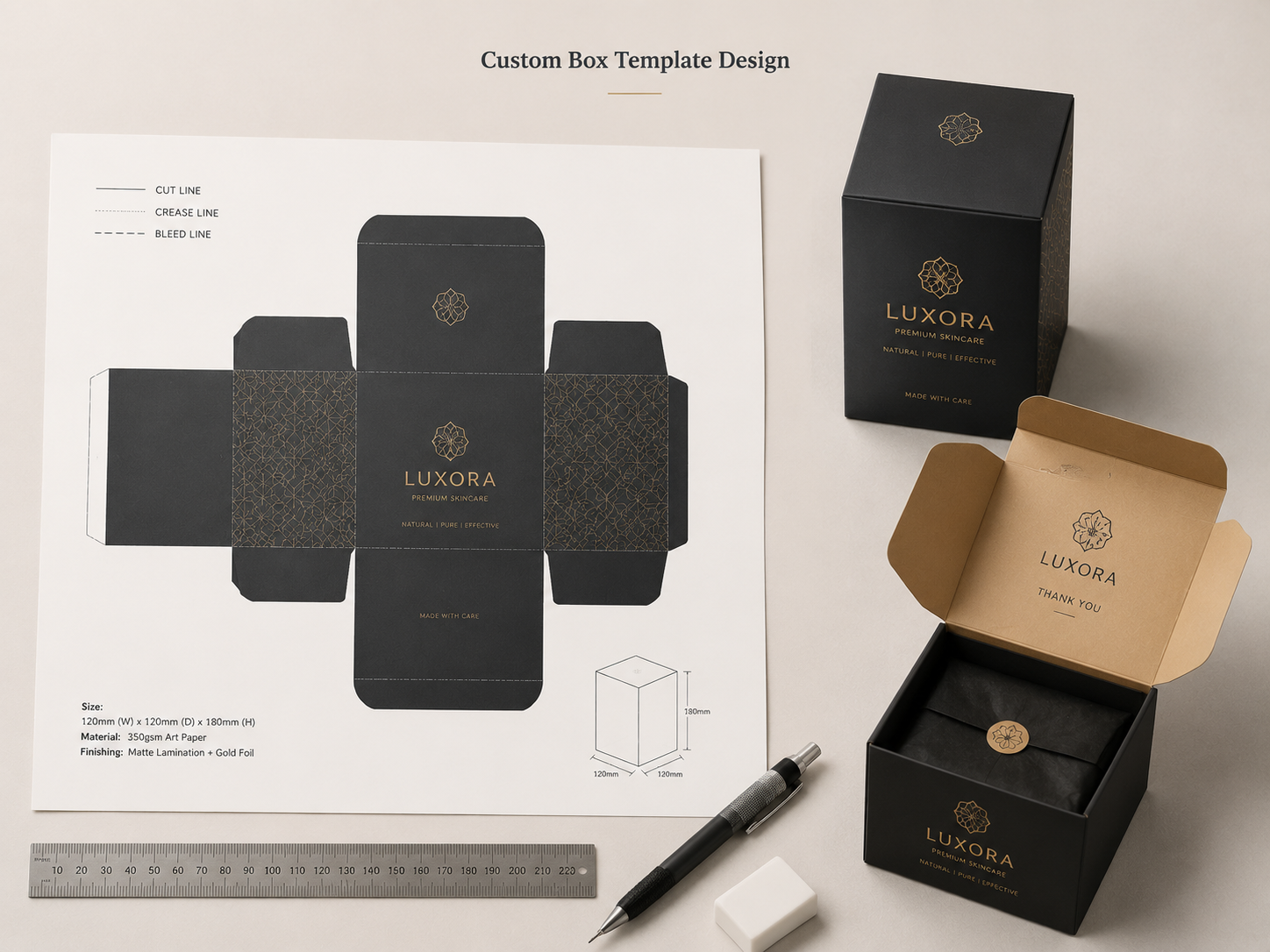
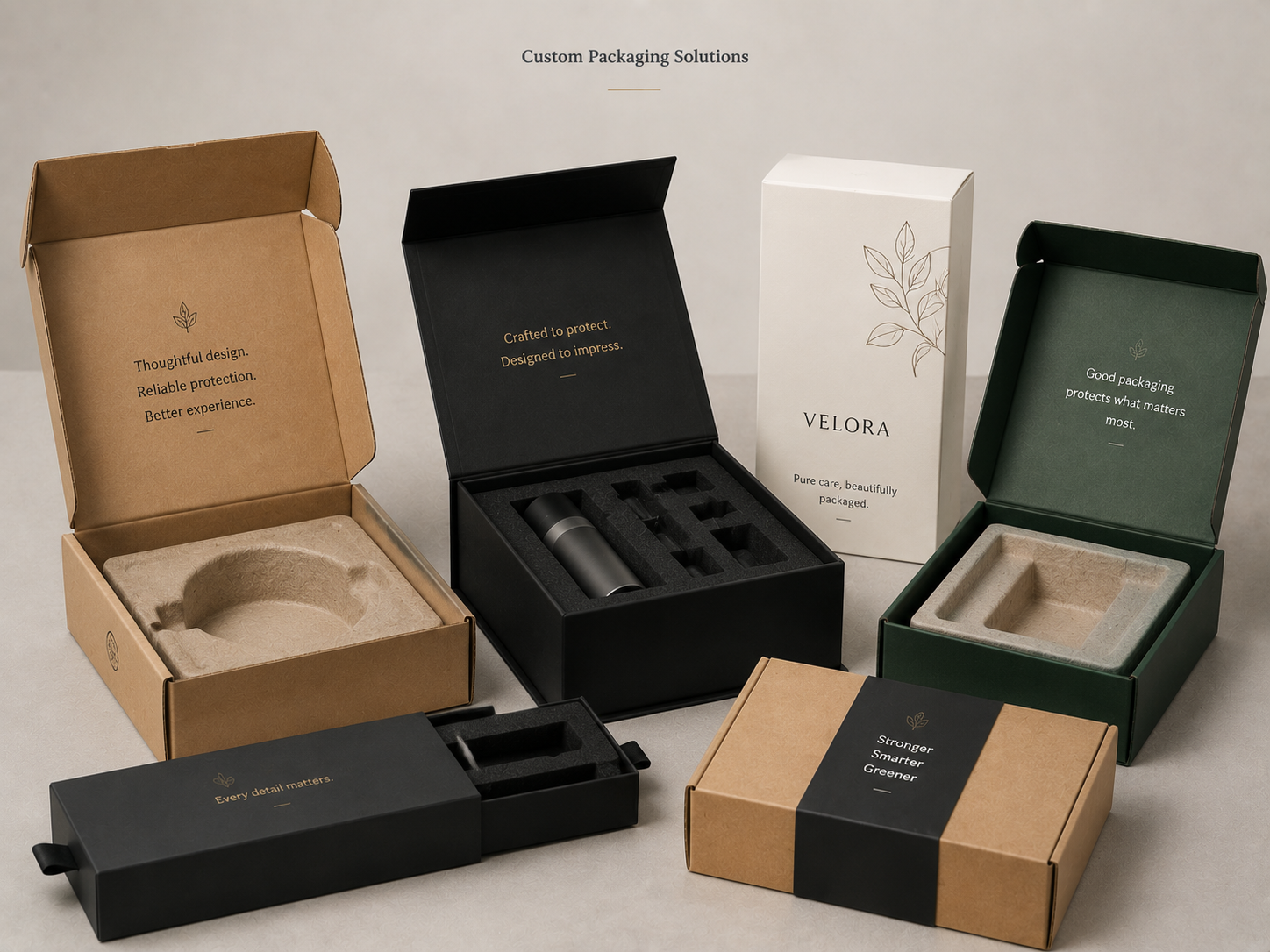
Many brands focus on packaging design and appearance but overlook one important step: packaging testing. Without proper testing, packaging problems can appear during transportation, storage, or customer use, creating unnecessary costs and damaging brand reputation.
Packaging testing helps brands confirm product protection, material performance, structural strength, and production consistency before products reach the market.
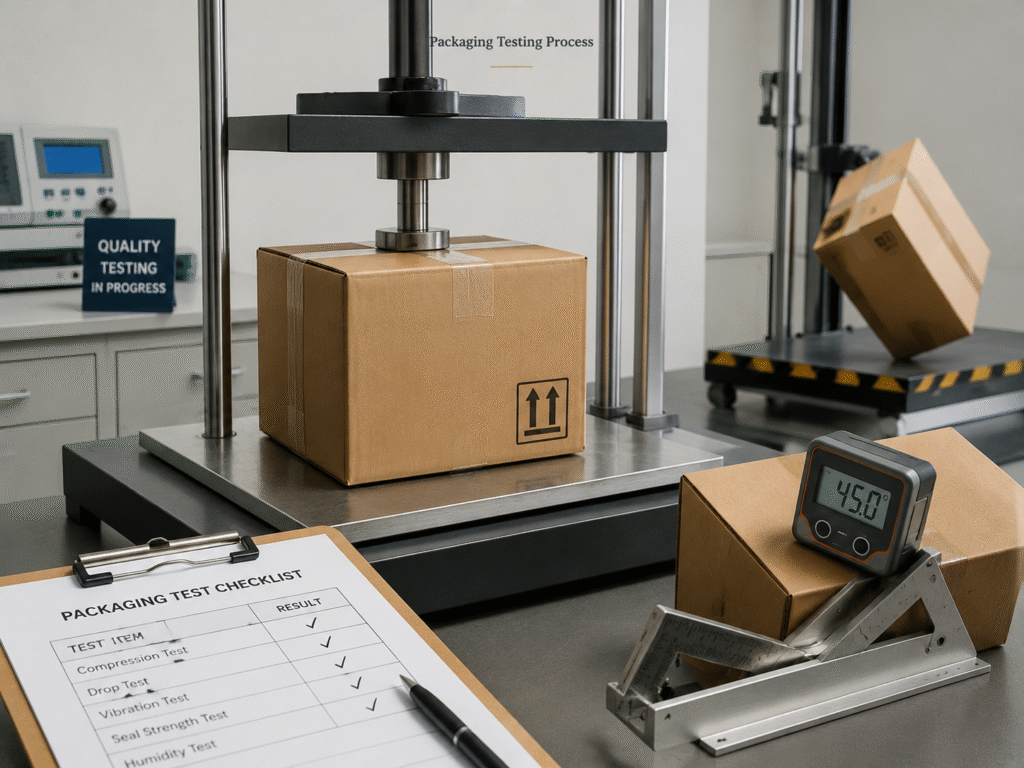
Packaging quality directly affects customer experience and brand performance. A damaged box, incorrect size, poor printing, or weak structure can create negative impressions even when the product itself is excellent. For industries such as consumer electronics, cosmetics, jewelry, gifts, and retail products, packaging testing is an important part of product development. A professional packaging factory uses testing methods to reduce production risks, improve reliability, and ensure that packaging meets brand expectations.
What Is Packaging Testing and Why Is It Important?
Packaging testing is the process of evaluating whether packaging materials and structures meet quality, protection, and performance requirements. It helps brands understand whether packaging can handle real-world conditions before mass production and delivery.
Packaging is exposed to many challenges during its lifecycle. Products may experience pressure during stacking, vibration during transportation, humidity changes during storage, or repeated handling during retail operations.
Without testing, small packaging problems can become major business issues.
What Problems Can Packaging Testing Prevent?
| Testing Purpose | Brand Benefit |
|---|---|
| Structural testing | Prevents box damage |
| Material testing | Confirms durability |
| Printing inspection | Maintains brand appearance |
| Size verification | Ensures product compatibility |
| Transportation testing | Reduces delivery risks |
For brands, packaging testing is not only a quality control process. It is also a way to protect customer satisfaction and maintain brand reputation.
A professional packaging manufacturer usually performs testing during different stages, including prototype development, sample approval, and mass production inspection.
Why Does Packaging Quality Affect Brand Reputation?
Packaging is often the first physical interaction between customers and products. A damaged or low-quality package can influence how customers judge the brand.
Customers may not see the manufacturing process behind a product, but they immediately notice packaging problems.
How Can Poor Packaging Affect Brands?
| Packaging Issue | Business Impact |
|---|---|
| Broken structure | Creates customer complaints |
| Color difference | Reduces brand consistency |
| Poor finishing | Lowers premium feeling |
| Incorrect size | Causes product fitting problems |
| Weak protection | Increases damage risk |
For premium industries such as jewelry, watches, cosmetics, and gifts, packaging quality is especially important. Customers expect the package to match the product value.
A luxury product inside a damaged or poorly produced box can reduce customer confidence.
Packaging testing helps brands avoid these situations by identifying potential problems before products are shipped.
What Types of Packaging Tests Are Commonly Used?
Different packaging products require different testing methods. The testing process depends on the packaging structure, material type, product weight, and usage environment.
A professional packaging factory selects suitable tests based on product requirements.
Common Packaging Testing Methods
| Test Type | Purpose |
|---|---|
| Compression test | Checks resistance to pressure |
| Drop test | Evaluates impact protection |
| Vibration test | Simulates transportation conditions |
| Color inspection | Checks printing consistency |
| Dimension test | Confirms accurate size |
| Opening test | Evaluates customer experience |
For rigid boxes, structural strength and appearance testing are especially important. The box should maintain its shape while providing a premium feeling.
For shipping cartons, compression and transportation tests are more important because the packaging needs to survive handling during logistics.
Different packaging applications require different quality standards.
How Does Material Testing Improve Packaging Reliability?
Material quality directly affects packaging performance. The wrong material choice can create problems such as weak structure, poor printing results, or reduced durability.
Material testing helps brands confirm whether paper, board, coating, and other components meet project requirements.
Important Material Testing Areas
| Material Factor | Why It Matters |
|---|---|
| Thickness | Affects strength and durability |
| Surface quality | Influences printing results |
| Moisture resistance | Improves storage performance |
| Fiber quality | Determines structure stability |
For example, luxury rigid boxes require strong greyboard and high-quality wrapping paper. Weak materials can cause deformation and reduce the premium appearance.
Sustainable packaging also requires careful material evaluation. FSC certified paper and recycled materials need proper selection to ensure they still meet quality expectations.
A professional packaging supplier should provide material recommendations based on product requirements instead of using the same solution for every project.
How Does Structural Testing Improve Packaging Performance?
Packaging structure determines how well a box protects products and how customers interact with it.
A beautiful design is not enough. The structure must also work during production, transportation, and daily use.
Structural Testing Considerations
| Area | Purpose |
|---|---|
| Box strength | Ensures durability |
| Folding accuracy | Maintains correct shape |
| Closure performance | Improves user experience |
| Insert fitting | Protects products |
For products such as electronics, perfume, jewelry, and watches, internal structure is extremely important. Custom inserts help prevent movement and reduce damage.
Structural testing also helps manufacturers identify production challenges. A design that looks attractive on paper may need adjustments before large-scale manufacturing.
A packaging factory with strong engineering capability can help brands improve designs before production begins.
Why Is Printing and Appearance Testing Important?
Packaging appearance represents the brand directly. Customers often judge product quality through colors, logos, and finishing details.
Printing and appearance testing ensures that the final packaging matches approved designs.
Appearance Testing Includes
| Inspection Area | Purpose |
|---|---|
| Color accuracy | Maintains brand consistency |
| Logo position | Ensures correct presentation |
| Surface quality | Prevents visual defects |
| Finishing effects | Confirms premium appearance |
For luxury packaging, small details matter. A slight color difference, incorrect foil position, or uneven embossing can affect the final customer impression.
Professional packaging manufacturers use quality control processes to compare samples with mass production results.
This is especially important for international brands that require consistent packaging across different markets.
How Does Packaging Testing Support Sustainable Packaging Goals?
Sustainability is becoming an important factor in packaging decisions. However, sustainable packaging still needs to provide reliable performance.
Testing helps brands ensure that environmentally friendly materials can meet product protection requirements.
Sustainable Packaging Testing Focus
| Area | Purpose |
|---|---|
| Material strength | Confirms durability |
| Recyclability | Supports environmental goals |
| Material efficiency | Reduces waste |
| Production control | Maintains quality |
Using FSC certified paper or recycled materials does not mean reducing packaging performance. Proper testing helps brands create sustainable packaging without sacrificing quality.
Efficient packaging design can also reduce unnecessary material usage and improve transportation efficiency.
A professional packaging factory can help brands balance sustainability, appearance, and functionality.
What Should Brands Check Before Choosing a Packaging Manufacturer?
Packaging testing capability is an important factor when selecting a manufacturing partner. A supplier should have experience with quality control and understand different industry requirements.
Important Supplier Evaluation Factors
| Factor | Importance |
|---|---|
| Testing process | Ensures reliable quality |
| Production experience | Reduces manufacturing risks |
| Sample approval system | Confirms expectations |
| Quality inspection | Maintains consistency |
| Material knowledge | Supports better decisions |
Many brands do not choose packaging suppliers only based on price. They focus on quality stability, communication efficiency, and problem-solving ability.
A professional packaging factory should support brands from initial design to final production. This includes material selection, prototype development, testing, manufacturing, and inspection.
Reliable quality control helps brands reduce risks and create better customer experiences.
How Does Packaging Testing Help Brands Reduce Business Risks?
Packaging problems can create many hidden costs. These include product damage, customer complaints, delayed launches, and additional replacement expenses.
Testing helps identify possible problems before they affect the market.
Business Benefits of Packaging Testing
| Benefit | Result |
|---|---|
| Fewer defects | Reduces customer complaints |
| Better protection | Lowers product damage |
| Stable production | Improves delivery reliability |
| Consistent quality | Strengthens brand image |
For brands launching new products, packaging testing is especially valuable. It provides confidence that packaging can support the product throughout the sales process.
A strong testing system allows brands to focus on marketing and growth instead of solving avoidable packaging problems.
Conclusion
Packaging testing is an essential step for brands that want to maintain quality, protect products, and build customer trust. Packaging is not only about appearance. It must perform reliably during transportation, storage, retail display, and customer use.
The right testing process helps brands confirm material quality, structural strength, printing accuracy, and production consistency before products enter the market. A professional packaging factory with strong quality control systems, material expertise, testing experience, and stable manufacturing capability can help brands reduce risks and create packaging solutions that meet market expectations.
High-quality packaging supports more than product protection. It strengthens brand reputation, improves customer experience, and creates long-term value for businesses.