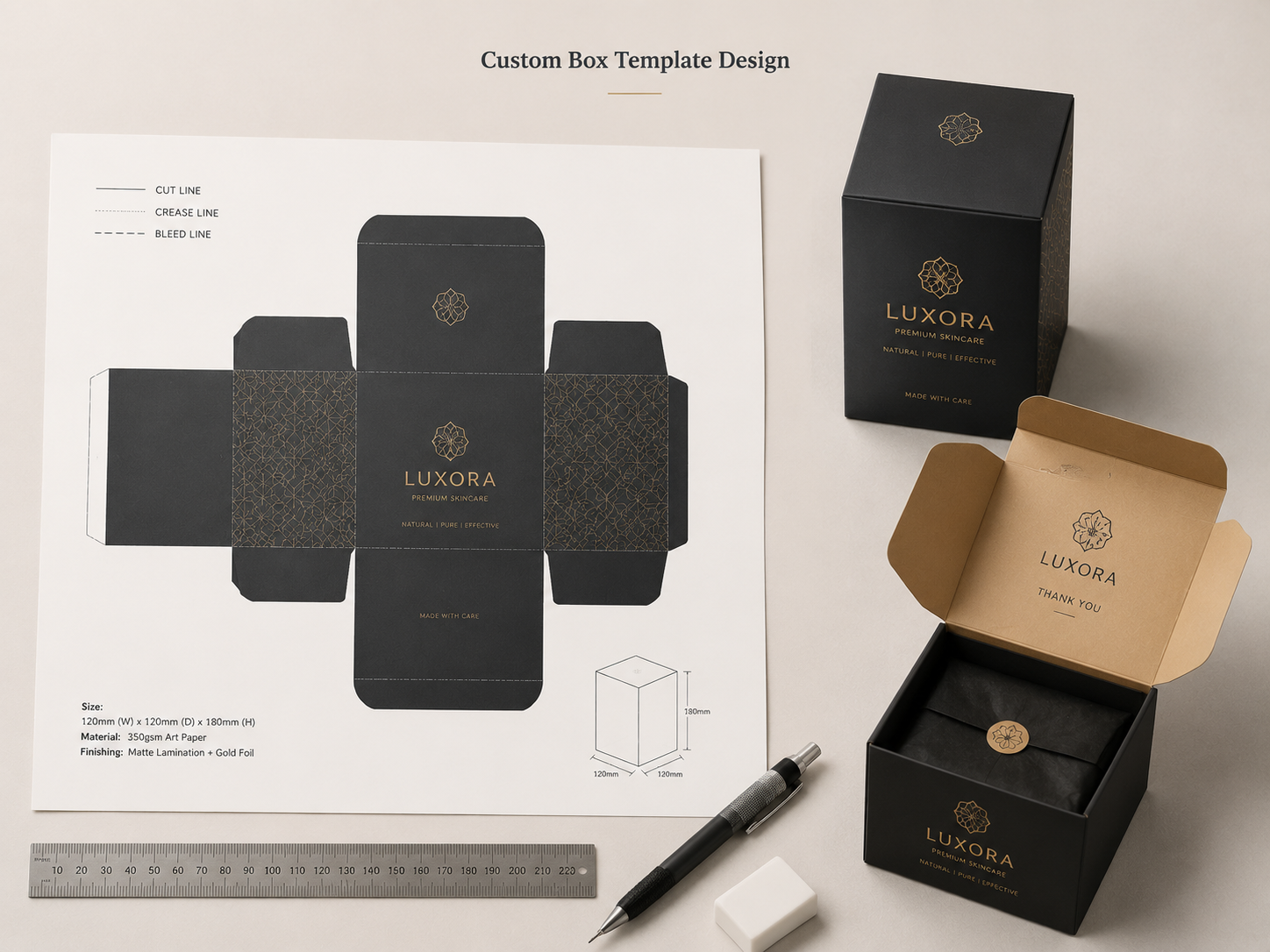
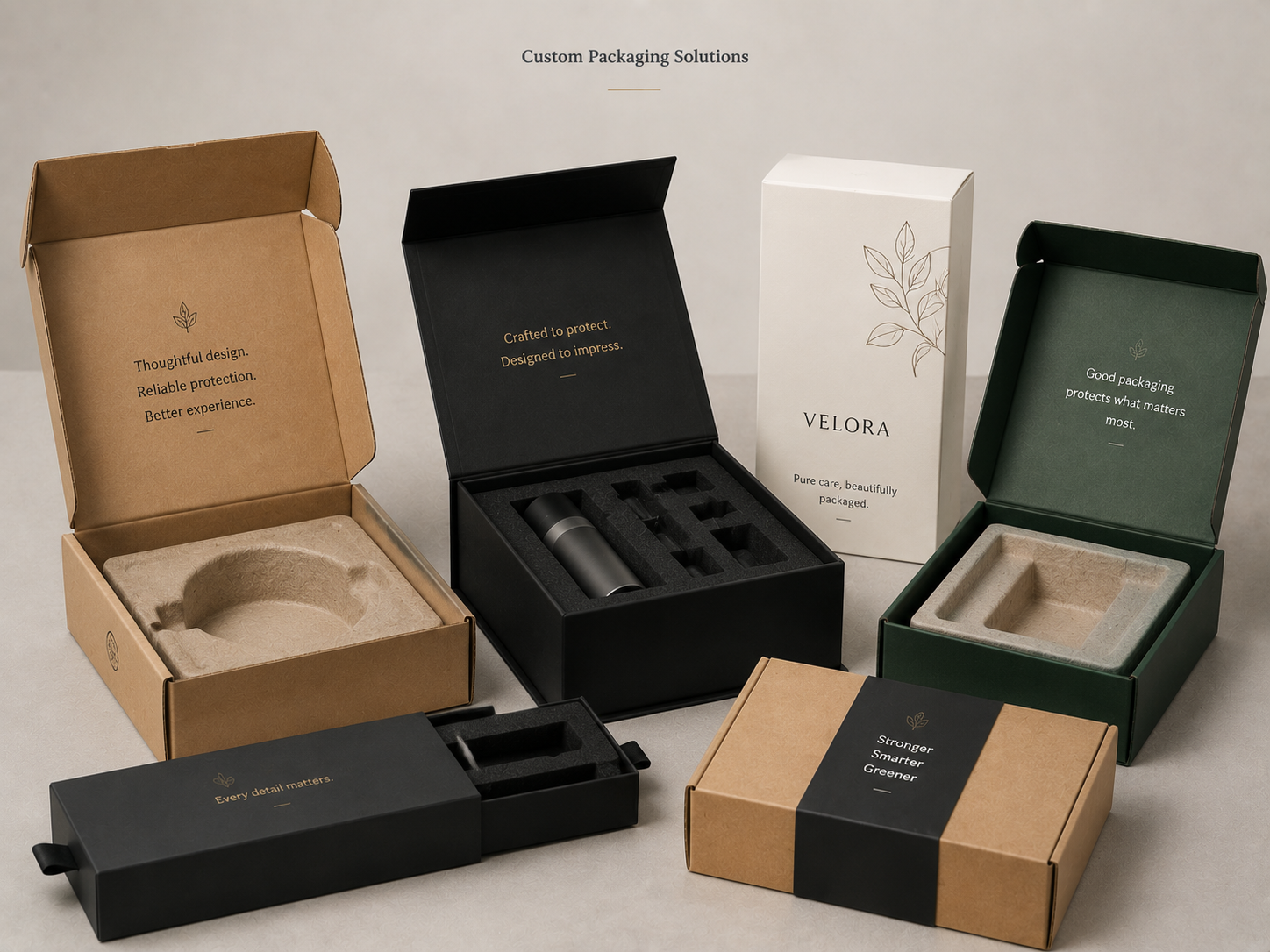
People often say that first impressions matter, and this is especially true when it comes to product packaging. While customers ultimately value the product inside the box, the packaging itself plays a critical role in shaping how they perceive your brand from the very beginning.
Premium packaging does more than simply protect products during storage and transportation. It enhances product presentation, creates a memorable unboxing experience, and communicates the quality and value behind your brand. On the other hand, low-quality packaging can negatively impact customer perception, even before they discover the product inside.
For brands looking to establish a premium image, rigid boxes have become a preferred packaging solution due to their durability, elegant appearance, and superior structural strength. Made from high-quality materials, rigid boxes provide excellent protection for valuable products while helping businesses create a refined and professional brand experience.
In this comprehensive guide, we will explore the different types of rigid box materials, their thickness options, GSM specifications, and how to choose the right material for your custom packaging needs. Before we begin, let’s first understand what a rigid box is and why it is widely used for premium packaging applications.
Let’s get started.
What Is a Rigid Box?
A rigid box, also known as a setup box, is a premium packaging solution made from thick paperboard, chipboard, or rigid stock materials to provide exceptional strength and durability. Unlike traditional folding cartons, rigid boxes are designed with a fixed structure that maintains their shape and offers superior protection against pressure, impact, and deformation.
Known for their luxurious appearance and solid construction, rigid boxes are widely used for high-end products such as luxury goods, electronics, cosmetics, jewelry, watches, and gift packaging. Their sturdy design not only protects valuable products but also enhances the overall unboxing experience and creates a premium brand impression.
To learn more about rigid boxes, explore our detailed guide on “What Is a Rigid Box?” for a deeper understanding of their features, applications, and benefits.
Which Materials Are Used for Rigid Boxes?
Rigid boxes are manufactured using high-quality rigid stock materials that combine structural strength with excellent customization possibilities. These materials typically consist of a thick cardboard or chipboard core wrapped with specialty paper or decorative materials.
The inner core provides the strong and durable structure needed to protect products, while the outer wrapping paper creates a smooth surface for custom printing, branding elements, textures, and premium finishes. This combination allows brands to achieve both functionality and an attractive appearance.
With various material options, thicknesses, and finishing techniques available, rigid box materials can be customized to meet different product requirements and brand expectations.
Now that we understand the basic materials used in rigid box production, let’s explore the different types of rigid box materials and their unique characteristics.
Common Rigid Box Materials
When producing high-quality rigid boxes, selecting the right materials is essential to achieving the perfect balance of durability, appearance, and functionality. A rigid box is typically made up of several components, including the structural base material, outer wrapping paper, and interior inserts. Each material plays an important role in determining the box’s strength, visual appeal, and overall packaging experience.
The materials used for rigid boxes also influence how customers perceive a brand. Premium materials can enhance product presentation, communicate quality, and create a memorable unboxing experience that strengthens brand value.
Rigid box materials are generally divided into two main categories:
- Base Materials: Provide the structure, strength, and durability of the box.
- Specialty Wrapping Materials: Create the exterior appearance and support custom printing, textures, and premium finishes.
Below are the most commonly used materials for custom rigid boxes.
Types of Base Materials Used for Rigid Boxes
Thick Cardboard
Thick cardboard is a durable structural material commonly used as the foundation of rigid boxes. Made from multiple compressed layers, it provides excellent rigidity and stability, allowing the box to maintain its shape during handling, storage, and transportation.
Generally available from around 300gsm and above, thicker cardboard options such as 1000gsm–1200gsm are often selected for premium packaging applications that require enhanced strength and protection.
This material is widely used for luxury gift boxes, electronics packaging, high-end product packaging, and other applications where durability and a premium appearance are essential.
Kraft Chipboard
Kraft chipboard is manufactured from natural kraft paper fibers, offering a strong yet lightweight solution for rigid box production. Its natural brown color and organic texture create an environmentally friendly appearance that appeals to brands focused on sustainability.
With excellent durability and a distinctive natural look, kraft chipboard is commonly used for eco-friendly packaging, handmade products, gift boxes, and retail packaging that requires both functionality and a unique visual identity.
Duplex Chipboard
Duplex chipboard is a rigid box material featuring a smooth white-coated surface on one side and a grey or brown backing layer. The coated surface provides an excellent base for high-quality printing, allowing brands to achieve vibrant colors, detailed graphics, and professional branding effects.
It combines structural strength with an attractive printable surface, making it suitable for custom rigid boxes, retail packaging, and presentation boxes that require both durability and strong visual appeal.
Grey Chipboard
Grey chipboard is one of the most commonly used materials for rigid box manufacturing due to its excellent thickness, stiffness, and durability. Made from compressed recycled paper fibers, it provides a strong internal structure while maintaining cost efficiency.
Available in different thicknesses and GSM options, grey chipboard is widely used for premium packaging applications, including cosmetics, jewelry, electronics, watches, and luxury gift boxes.
Now that we have covered the main structural materials, let’s explore the specialty wrapping papers used to create the outer finish of rigid boxes.
Types of Wrapping Materials for Rigid Boxes
Art Paper
Art paper is one of the most popular wrapping materials for rigid boxes because of its smooth surface and excellent printing performance. It allows brands to achieve sharp graphics, vibrant colors, and premium visual effects.
Art paper works well with finishing techniques such as foil stamping, embossing, debossing, spot UV, and lamination. It is widely used for cosmetics, perfumes, electronics, jewelry, and luxury gift packaging where a polished and professional appearance is required.
Kraft Paper
Kraft paper gives rigid boxes a natural and eco-friendly appearance. Its unique texture and earthy tone create a simple yet premium look that is ideal for brands focusing on sustainability and responsible packaging.
It is commonly used for organic products, handmade goods, candles, specialty foods, and environmentally conscious retail packaging. Kraft paper also supports custom printing and decorative finishes while preserving its natural character.
Textured Paper
Textured paper adds a unique tactile experience to rigid packaging through different patterns and surface finishes. It enhances the premium feel of the box and creates a more engaging customer experience without relying on excessive printing.
Luxury brands often choose textured paper for jewelry boxes, perfume packaging, invitation boxes, corporate gifts, and high-end presentation packaging where appearance and touch are equally important.
Metallic Paper
Metallic paper features a reflective surface that creates a luxurious and eye-catching packaging effect. Its shimmering finish adds elegance, depth, and premium appeal, helping products stand out in competitive retail environments.
It is commonly used for cosmetics, perfumes, premium beverages, holiday gift boxes, and limited-edition packaging. Metallic paper can also be combined with embossing, foil stamping, and spot UV finishes to create a more distinctive presentation.
SBS Paper
Solid Bleached Sulfate (SBS) paper is a premium paperboard material known for its bright white surface, smooth texture, and excellent printability. It delivers crisp graphics, accurate colors, and a clean professional appearance.
SBS paper is commonly used for cosmetics, skincare products, pharmaceuticals, luxury food packaging, and premium presentation boxes. It supports advanced printing techniques and decorative finishes to create high-end packaging designs.
CCNB Paper
Clay Coated News Back (CCNB) paper is a cost-effective wrapping material with a coated printable surface and a recycled grey backing layer. It provides reliable printing quality while helping businesses control packaging costs.
CCNB paper is suitable for promotional packaging, consumer products, accessories, and everyday retail packaging where brands need an attractive appearance with an economical solution.
Difference Between Duplex Chipboard and Grey Chipboard
Duplex chipboard and grey chipboard are two of the most commonly used structural materials for rigid box manufacturing. Although both materials provide strength and stability, they differ in surface appearance, composition, printing capability, and application.
Grey chipboard is typically chosen for applications that require maximum rigidity and durability, making it a preferred option for luxury and premium rigid packaging. Duplex chipboard offers a smoother coated surface, making it a better choice for projects where high-quality printing and visual presentation are key priorities.
Understanding the differences between these materials allows brands to select the most suitable option based on product protection requirements, packaging design goals, and budget considerations.