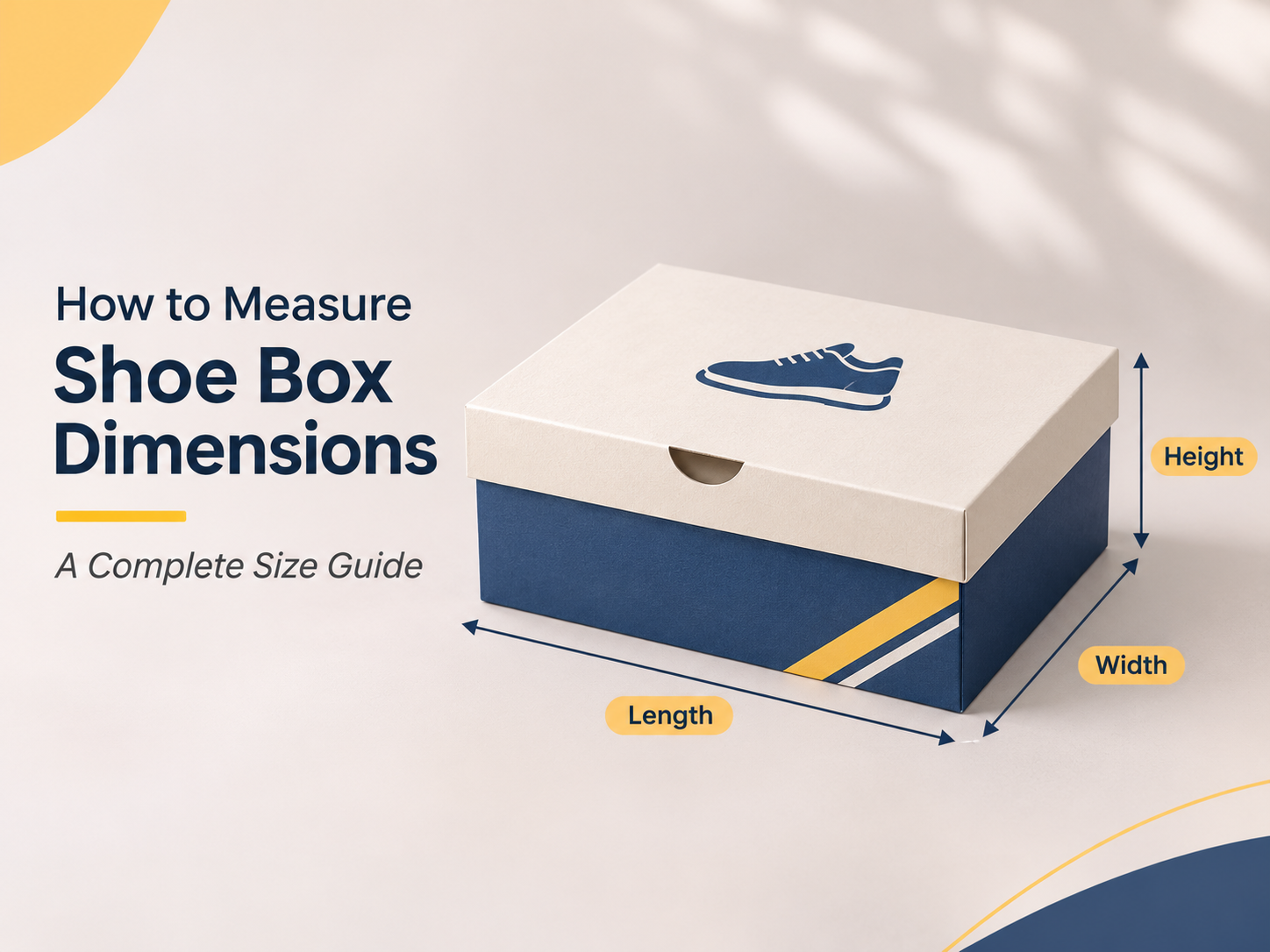
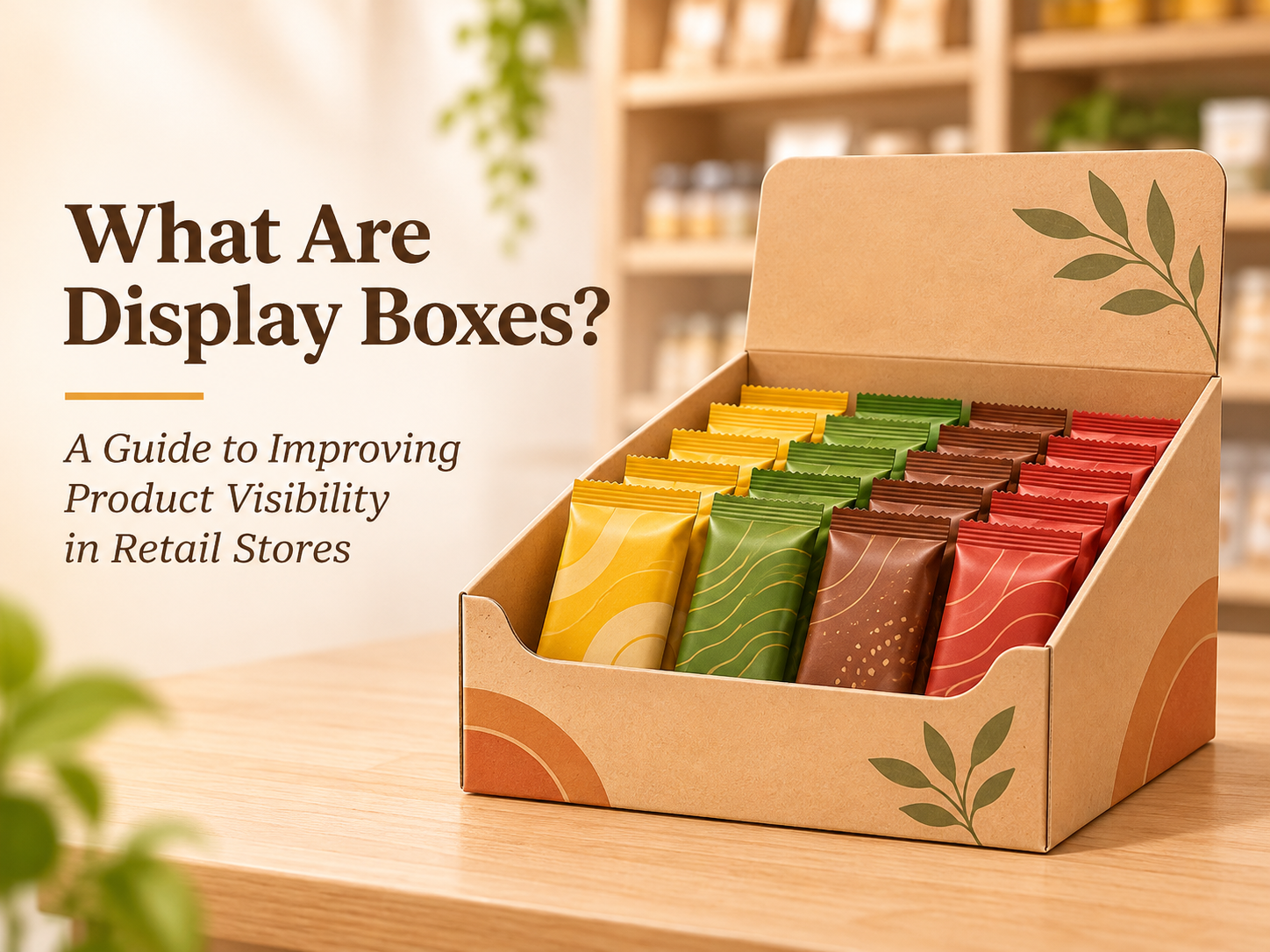
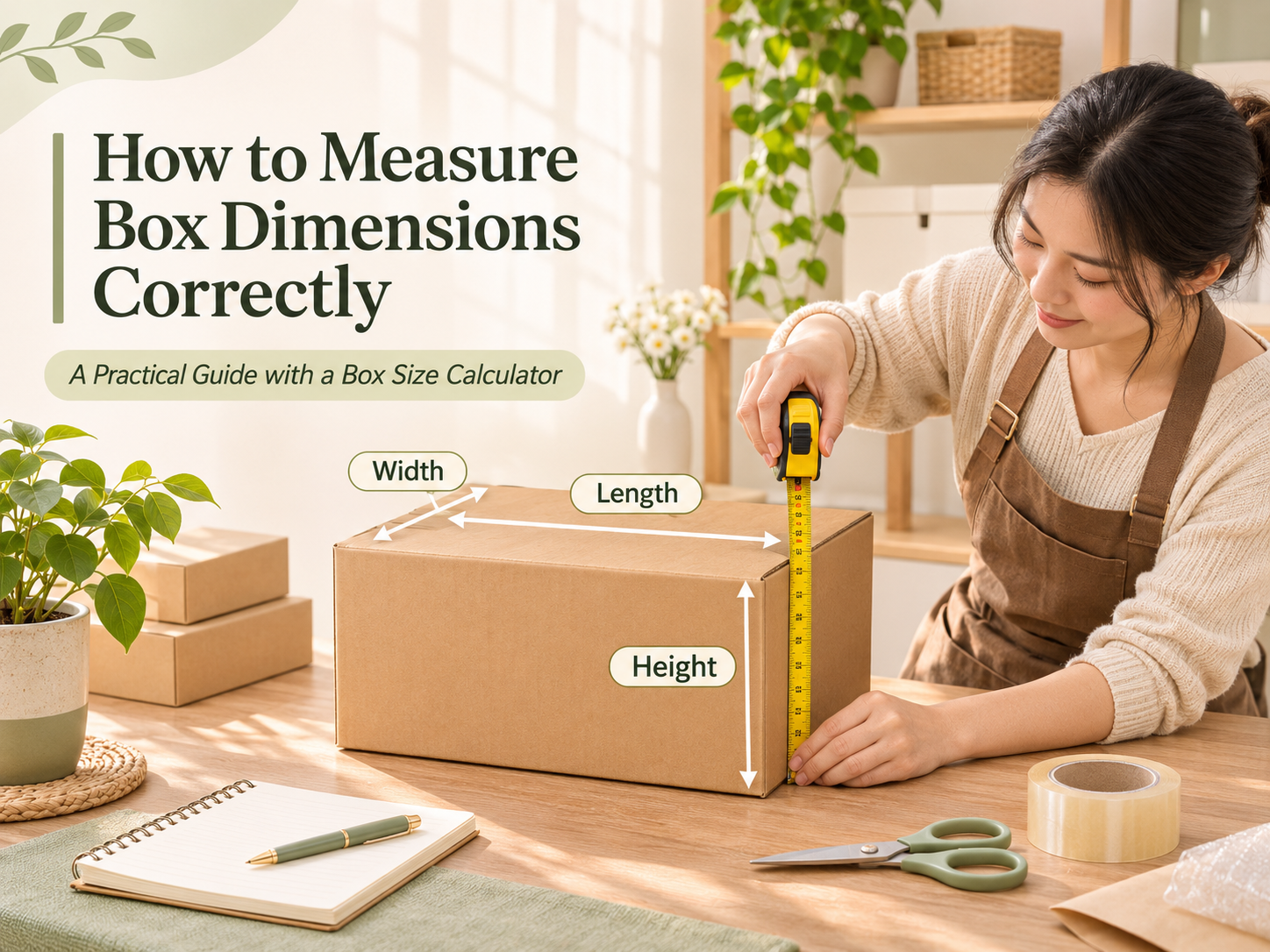
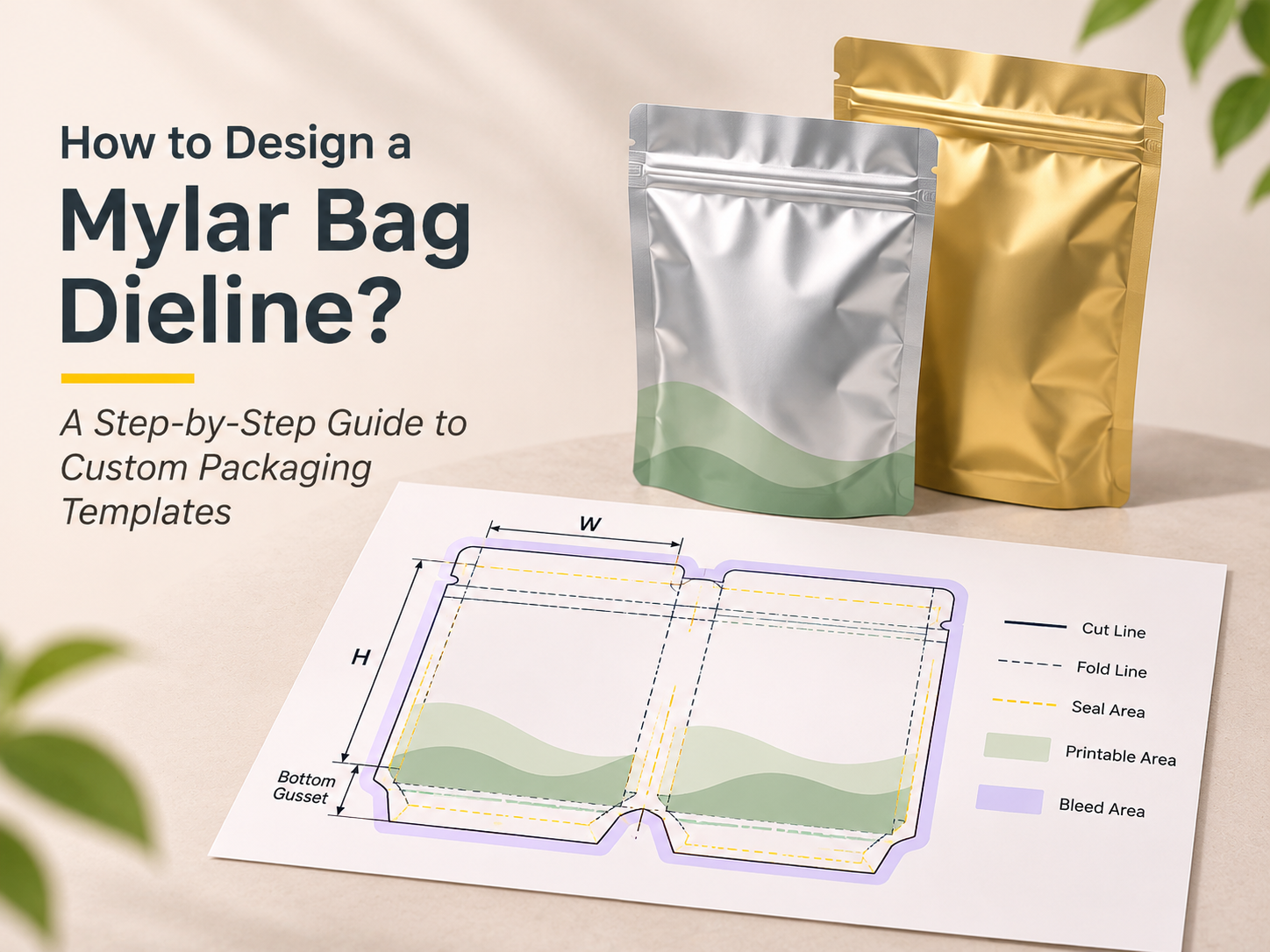
A retail carton, a parcel shipper, and a wrapped gift box are often described with the same word: cardboard. Each uses paper-based materials, but the constructions serve different purposes. A printed carton provides a defined shape and space for product information. A corrugated shipper supports handling and transport. A rigid presentation box gives a gift set a substantial structure and a particular opening experience.

For a business ordering packaging, that distinction matters. “Cardboard box, 350 gsm” gives a supplier a partial description. The board grade, dimensions, surface, closure, and packing requirements determine whether the finished box works.
Cardboard is a broad commercial term for relatively stiff paper-based materials. A production specification should identify the actual material family and grade. From there, the box can be designed around product protection, printing, packing speed, and distribution.
This guide explains how the main types differ, where they are used, and how to choose a construction for custom packaging.
What Is Cardboard Made Of?
The structural component is mainly cellulose fiber, usually obtained from wood pulp, recovered paper, or a combination. Manufacturers form fibers into sheets and develop the required properties through the fiber selection, ply construction, processing, and surface treatment.
Fresh fibers are produced from wood through pulping. Recovered paper is processed to release reusable fibers and remove contaminants appropriate to the intended grade. A material can combine different fiber sources in different layers. Surface coatings, sizing agents, fillers, and adhesives can also form part of the finished construction.
Brown and white surfaces reveal only part of that composition. A white printing face can sit over a gray recycled core. A brown grade can use fresh fiber, recovered fiber, or a specified combination. Ask for the material specification and supporting content declaration when fiber origin matters to the project.
Paperboard commonly uses several plies to balance stiffness, strength, and surface quality. Mineral pigment coatings can improve whiteness and smoothness for printing. The composition and surface need to suit the package being made. Holmen overview of paperboard
The Main Types of Cardboard Packaging
Three material families provide a useful starting point for most packaging briefs.
| Material family | Construction | Typical applications | Main approval questions |
|---|---|---|---|
| Folding-carton paperboard | A relatively dense sheet, often built from several fiber plies | Product cartons, sleeves, small retail boxes | Print quality, stiffness, creasing, and closure |
| Corrugated board | Fluted paper medium bonded to flat liners | Shippers, mailers, display trays, protective forms | Board grade, flute construction, fit, and transport performance |
| Solid board for rigid boxes | A substantial core, usually wrapped or lined | Gift boxes, fitted presentation packs, lid-and-base boxes | Assembly quality, wrap, lid fit, and product access |
Folding-Carton Paperboard
Paperboard can be printed, die-cut, creased, and glued into a compact retail carton. It suits many products already contained in a bottle, bag, tube, or primary pack. The outer carton organizes the presentation, carries information, and provides protection from routine contact.
Common grade names include SBB or SBS, FBB, SUB, and WLC. Solid bleached board is often called SBS in U.S. usage. Folding boxboard uses a layered construction developed for carton applications. White lined chipboard incorporates recovered fiber in its structure. Grade names and regional abbreviations should be checked against the mill’s actual specification. Holmen paperboard classifications
Choose the grade alongside the carton geometry. A wide unsupported panel, a narrow sleeve, and a carton carrying several products place different demands on the board. The folding paper boxes page provides a relevant starting point for discussing retail carton structures.
Corrugated Board
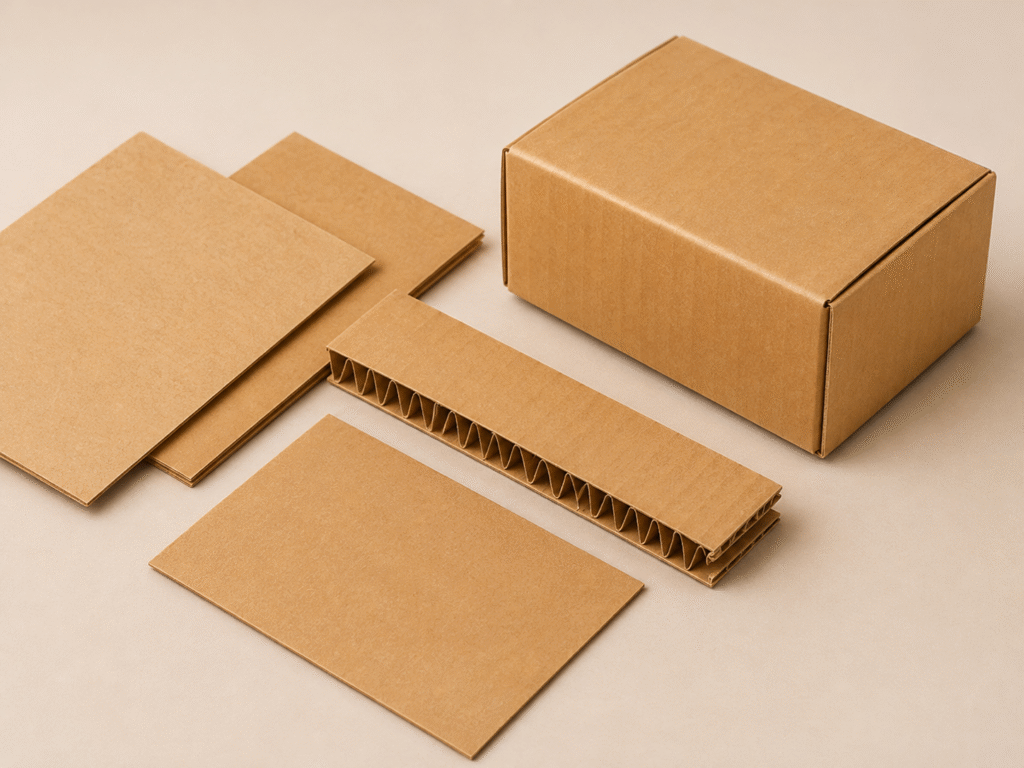
Corrugated board separates its flat liners with a shaped paper medium. A single-wall construction has one fluted medium between two liners. Double-wall board has two media and three liners. Triple-wall board has three media and four liners. Single-face material has one medium bonded to one liner and can be used in protective wraps or forms.
Flute designations such as B, C, and E identify corrugation profiles. Exact characteristics vary between manufacturers, and the liners and medium also affect performance. Specify the complete board grade instead of using the flute letter as the entire material description. Fibre Box Association guide to corrugated
For a parcel, evaluate the outer box and internal support together. A stronger wall may still leave a fragile product free to strike the corners. Pads, cells, dividers, and fitted supports help control product movement. Review suitable constructions through the custom mailer boxes page.
Solid Board and Rigid Boxes
Rigid presentation boxes often use a solid-board core wrapped with printed or specialty paper. Designs include separate lids and bases, hinged cases, and drawers. The core, wrap, liner, adhesive, and insert contribute to the assembled result.
This construction can provide clean edges and a substantial presentation. It also requires attention to lid clearance, corner wrapping, and product removal. A close-fitting insert may need a finger notch or pull ribbon so customers can lift the item comfortably.
Consider storage as part of the choice. Setup boxes supplied assembled occupy considerable space compared with flat cartons. Folding rigid constructions can offer another option, with different assembly requirements. Compare examples on the custom rigid boxes page.
How Cardboard Becomes a Finished Box
At the mill, a fiber suspension is formed into a web, drained, pressed, and dried. Multiple plies and surface treatments can be used to produce the specified board. The resulting sheets or reels then enter the appropriate packaging process.
A corrugator forms the fluted medium using heated, grooved rolls and bonds it to liner papers. The combined board is cut into sheets. Converting operations can include printing, slotting, die-cutting, folding, gluing, taping, or stitching. Some steps are integrated in one machine, while others are performed separately. FEFCO production process
A folding-carton converter works from a dieline showing panel positions, cuts, creases, and tabs. Printing and finishing are coordinated with the cutting and folding sequence. Rigid-box assembly adds core preparation, wrapping, and fitting of separate parts.
These processes explain why replacing one board with another can affect the whole job. A different caliper can change crease settings and fit. A different surface can change print appearance or adhesive bonding. Approve a substitute against the finished packaging requirements.
Why Businesses Choose Cardboard
Protection Can Be Designed Around the Product
Paper-based packaging offers several ways to support and separate products. A master case can contain rows of retail cartons. A mailer can include a folded locator. A gift box can hold a set in a fitted tray.

Give each component a defined job. For a glass candle, identify the support points, vulnerable edges, and movement allowed during transport. For apparel, cleanliness, snag prevention, and a repeatable fold may be more important. Packed weight alone does not describe those needs.
Test a complete pack under conditions relevant to its route. Include the actual product, protection, closure, and case arrangement where they affect the result. An attractive empty sample establishes little about transit performance.
Printing and Structure Can Be Developed Together
A carton gives a brand space for product identification, instructions, and graphics. Its opening and panel arrangement determine what the customer sees and how information is read.
A sleeve can expose an existing container. A display cutout can reveal part of the product. A lid can introduce the contents in a particular order. Review those features with the artwork and loaded sample.
Use the intended substrate for visual approval when color or texture matters. White-coated board and brown uncoated board produce different results from the same artwork. Large dark panels also deserve handling checks because surface marking can be especially visible.
Flat Supply Can Simplify Storage
Many cartons and corrugated cases are supplied flat or collapsed and erected near the packing operation. That can reduce the space occupied before use.
Account for labor and equipment. A self-locking design may reduce taping but require more folding steps. A glued carton may open quickly yet need a specific loading method. Trial the process with representative operators or equipment and record common errors.
For businesses with varied products, a limited family of outer sizes can simplify inventory. Inserts can adapt one box to several items, provided each approved combination meets its protection and packing requirements.
Custom Sizing Can Reduce Unnecessary Space
Size affects board use, filler, case packing, shelf fit, and distribution. Start with the maximum packed product dimensions and add the protection and loading clearance required.
Identify internal and external limits separately. An internal cavity controls fit, while the closed exterior controls the shelf or master case. Folded sidewalls, flaps, and inserts can reduce usable space locally.
A slightly larger box can improve loading reliability. A smaller construction can reduce empty space. Compare the complete packed arrangements and their actual costs before selecting one.
Material Properties Worth Specifying
Grammage, measured in g/m² or gsm, describes mass per unit area. Caliper describes thickness. Bending stiffness describes resistance to bending under specified conditions. Two grades can share a grammage and behave differently because their structure and composition differ.
For carton approval, compare the actual grade, caliper, stiffness, and surface. For corrugated packaging, establish the board construction and relevant strength requirements. A board test helps characterize the material. A box-level test also reflects the dimensions, joints, cutouts, and assembly.
Creasing deserves separate attention. Tool geometry and settings need to suit the paperboard so the material folds at a controlled location. Poor folds can crack the printed surface, spring open, or create inconsistent closures. Inspect assembled samples, particularly where dark graphics cross a crease. Holmen guide to creasing and folding
Moisture conditions also affect handling and performance. Store material according to supplier instructions and compare samples under consistent conditions. If the product travels through cold storage or experiences condensation, describe that exposure before the material is selected.
Printing, Finishes, and Barrier Requirements
Direct flexographic printing is widely used for corrugated packaging, and digital production provides another route. Offset printing is often considered for detailed folding-carton graphics or for a printed facing later bonded to corrugated material. Request quotations against the intended process and substrate. FEFCO printing and converting overview
Finishes should serve a defined purpose. An overprint coating may protect graphics and adjust sheen. Lamination adds a separate bonded layer. Foil and embossing introduce tooling and registration requirements. Check their combined appearance and durability on a representative sample.
Preserve functional areas in the finishing plan. Glue joints need a reliable bond, batch codes need suitable print receptivity, and labels need adhesion. Test writable panels with the intended pen. A finish approved for visual appearance can behave differently at those operations.
For moisture-sensitive products, define the required barrier. Water splashes, grease contact, and water-vapor transmission are different exposures. Specialist coating systems can provide particular barrier properties on suitable paper constructions. Ask for data covering the specified material and conditions. Michelman barrier coatings
For food packaging, identify which components contact the food, the food type, contact time, temperature, and destination market. Request documentation for the complete intended construction. FDA explains how intended use and migration form part of food-contact assessment. The carton around a sealed bag and a tray holding unpackaged food require different evaluations. FDA food-contact material information
Environmental Claims and Recycling
Evaluate sourcing, recycled content, and end-of-life performance as separate requirements. Each needs evidence relevant to the claim.

FSC distinguishes FSC 100%, FSC Mix, and FSC Recycled labels. Confirm the applicable supply-chain and labeling arrangements when an FSC claim is part of the artwork. Record the supplier’s material declaration if a particular recycled-content percentage matters. FSC label meanings
Recycling depends on the finished package and the collection system available to the customer. Consider coatings, films, inserts, fittings, and contamination. AF&PA and the Fibre Box Association publish test protocols for assessing repulpability and recyclability of treated corrugated materials in the OCC stream. Request evidence for the proposed construction where a treatment changes recovery performance. AF&PA coated and treated corrugated recycling standard
A removable insert or fitting may help customers separate materials. Keep disposal instructions specific to the intended market. Quantified environmental comparisons also need a defined scope covering the material, distribution, product protection, and end-of-life assumptions being assessed.
Compare Total Packaging Cost
The quoted box price is only part of the budget. Include inserts, tooling, printing setup, packing labor, storage, freight, and losses from damaged or incorrectly packed products.
Consider an illustrative packing trial. A revised closure saves 6 seconds per order across 24,000 orders, removing 40 labor hours. At an assumed $20 per hour, the modeled labor saving is $800. A price increase of $0.02 per box costs $480 across the same quantity. The modeled difference is $320 before other costs. Use measured packing times and actual labor rates when making the purchasing decision.
Material savings also need qualification. A blank measuring 0.08 m² at 350 g/m² contains 28 g of board. At 320 g/m², it contains 25.6 g. Across 50,000 units, the difference is 120 kg of board retained in the blanks. Production waste and other components require separate accounting. Approve the lighter grade only after checking the required stiffness, folding, appearance, and protection.
Sheet layout can affect economics as much as grammage. A small panel adjustment may allow another blank on a production sheet. Tell the converter which dimensions can vary and which control product or shelf fit. Compare alternatives using the same quantity and acceptance requirements.
Choosing a Construction for Your Product
| Packaging project | Construction to evaluate | Sample checks |
|---|---|---|
| Sealed skincare bottle | Printed folding carton, with a locator if required | Loading, flap clearance, closure, and surface marking |
| Glass candle sold online | Corrugated shipper with designed supports | Product movement, contact points, closure, and transit performance |
| Jewelry gift set | Wrapped rigid box with a fitted insert | Presentation, lid fit, removal access, and corner quality |
| Subscription assortment | Mailer with adaptable dividers | Approved product combinations, packing time, and delivery protection |
| Retail display tray | Board and structure suited to the loaded layout | Stability, panel deflection, replenishment, and visible graphics |
Use the sample in the order an operator will pack it. Include labels, caps, protective bags, and accessories fitted at that stage. Check both loading and customer removal. A tight insert may retain the product well but need a pull tab to make access practical.
Retain the approved drawing and material reference. For repeat orders, review changes in board, insert, closure, or finish against the original acceptance criteria. Similar appearance and equal GSM provide only part of that comparison.
Working With a Custom Packaging Manufacturer
Set Acceptance Criteria Before Production
Describe the result the finished pack must achieve. A carton intended for a retail display may need a maximum closed height, a defined front-panel appearance, and a closure that can be reopened. An e-commerce pack may also need a test covering the intended transport route. Identify the product and packing configuration used for each check.
Separate a fit problem from a material or assembly defect when reviewing samples. A cap catching a dust flap may require a geometry adjustment. A glue joint opening may involve adhesive selection, the coated surface, or process settings. Record where the failure occurs and retain the sample so the supplier can investigate it.
Agree on how appearance will be inspected. Use consistent lighting, an approved print reference, and an assembled sample. Check the crease lines, corners, joints, and areas that touch neighboring packs. If a dark surface shows rub marks, document the contact conditions and decide which marking is acceptable for the product’s selling environment.
Keep these decisions with the purchase specification. A clear approval record helps the production and inspection teams assess the same features. It also provides a basis for evaluating material substitutions or later changes to the product.
Provide product dimensions and weight, preferred box style, quantity, artwork, packing orientation, and distribution conditions. Add any insert, finish, contact, sourcing, or fixed exterior requirements. Review available substrates on Packboxprint’s packaging materials page.
When assessing a custom packaging manufacturer, ask for the proposed material specification and a drawing identifying critical dimensions. Establish which checks the sample must pass before production approval.
A brief could specify a minimum clear entry for the product tray and a maximum closed height for a shelf fixture. Verify each at the relevant location on a loaded sample. A digital mockup helps review layout, while the physical sample establishes fit and assembly behavior.
For a Packboxprint project, send an existing sample or annotated drawing if available and identify what needs improvement. Use the custom packaging inquiry page to discuss the construction, material options, and sample requirements.
Frequently Asked Questions
What is cardboard in simple terms?
Cardboard is a broad name for stiff paper-based materials. Packaging examples include folding-carton paperboard, corrugated board, and solid board used in wrapped rigid boxes. Specify the construction when ordering.
Is cardboard the same as corrugated board?
Corrugated board is one construction within the broader commercial use of cardboard. It contains fluted medium bonded to liners. A folding carton uses a different sheet structure.
Which type is best for shipping?
Evaluate a corrugated construction and support system against the product and distribution route. Packed weight, fragility, stacking, handling, and exposure determine the requirements. Test the complete pack.
Is thicker cardboard always stronger?
Thickness contributes to some properties, but fiber, construction, direction, and box geometry also matter. Compare relevant material and finished-package performance using agreed methods.
What GSM should a business choose?
Choose the grade alongside dimensions, caliper, stiffness, surface, and converting requirements. Ask the supplier to propose a material based on the product and intended use, then review a representative sample.
Can cardboard packaging resist water?
Suitable treatments can provide resistance to defined exposures. Specify splashes, condensation, grease, or water vapor along with time and temperature. Request performance evidence for the finished construction.
Is cardboard recyclable?
Many paper-based packages have established recovery routes. Acceptance depends on the complete construction, condition, and local system. Assess coatings and attached components before making a claim.
Can recycled cardboard be used for food packaging?
Suitability depends on the material, contact arrangement, product, and conditions of use. Obtain documentation covering the specified construction and destination market.
How can I reduce custom box costs?
Compare dimensions, sheet yield, material grade, assembly time, inserts, storage, and distribution. Validate changes against the same product-protection and appearance requirements.
What does Packboxprint need for a quotation?
Provide product size and weight, box style, quantity, artwork, inserts, finishes, and packing requirements. Identify fixed dimensions and supply a sample or drawing where available.