A records box can fit every sheet inside and still be unsuitable for the storage room. The lid may exceed the shelf depth, folder tabs may catch beneath the rim, or a long box may become too heavy when filled with dense paper.
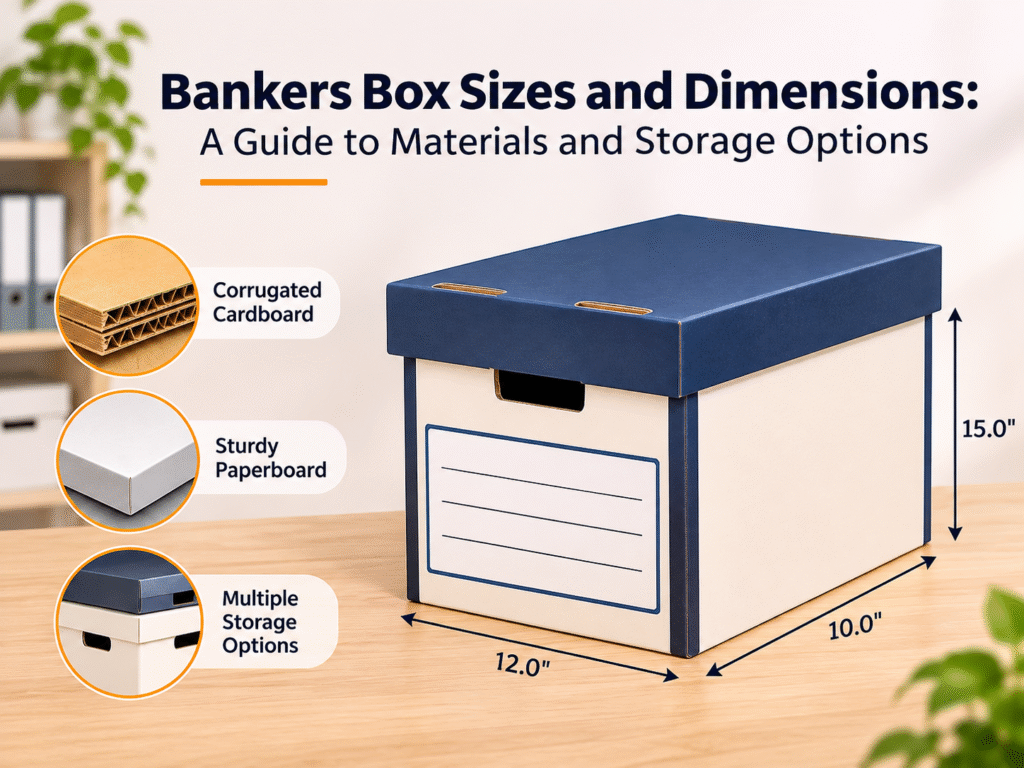
The useful specification connects the contents, box, and storage system. Establish the largest folder or binder, the way files will stand, the required filing length, and the closed exterior available on the shelf. Then select the construction and verify the loaded sample.
Bankers Box® is a registered trademark of Fellowes, Inc. Its product ranges provide familiar reference formats for records storage. This guide also covers the dimensions and material requirements buyers need when briefing a custom records-storage box. Fellowes box selection guide
For a custom packaging project, specify the required function and construction alongside the measurements rather than using a brand name as the complete manufacturing brief.
What Is a Records-Storage Box?
A records-storage box organizes and supports documents, folders, or other office materials. Common features include a removable or attached lid, hand openings, reinforced panels, and writable identification areas.
The contents and access pattern determine which features matter. Inactive files accessed occasionally need a different arrangement from records retrieved every day. A lift-off lid provides direct access from above, while a drawer system can avoid removing the box above it each time files are needed.
Fellowes’ selection guide distinguishes closure, strength, size, and assembly options. Use those as separate purchasing decisions. A particular footprint does not establish the board construction, usable load, or frequency of handling the box will tolerate. Fellowes storage-box selection guide
How to Read Bankers Box Dimensions
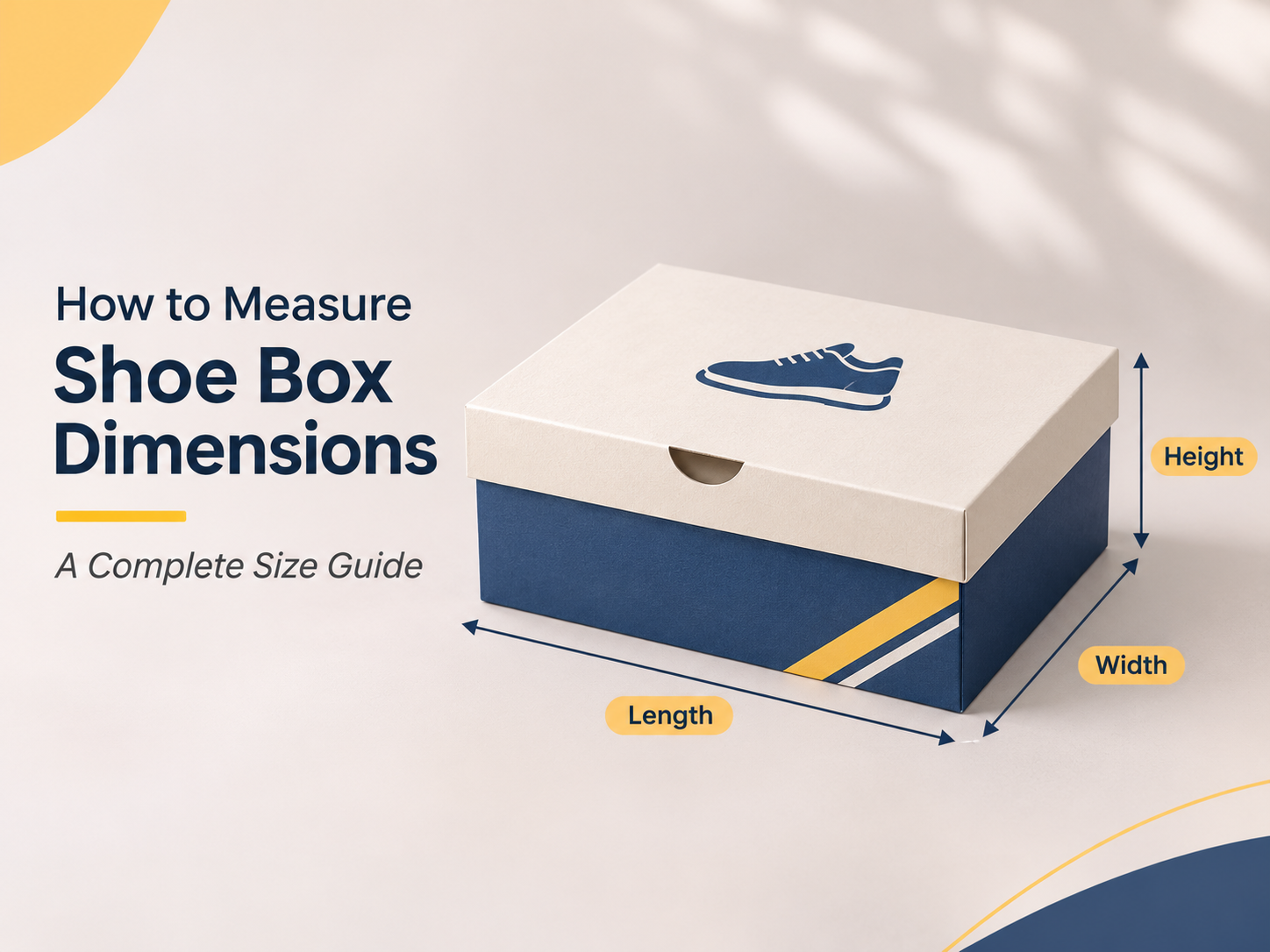
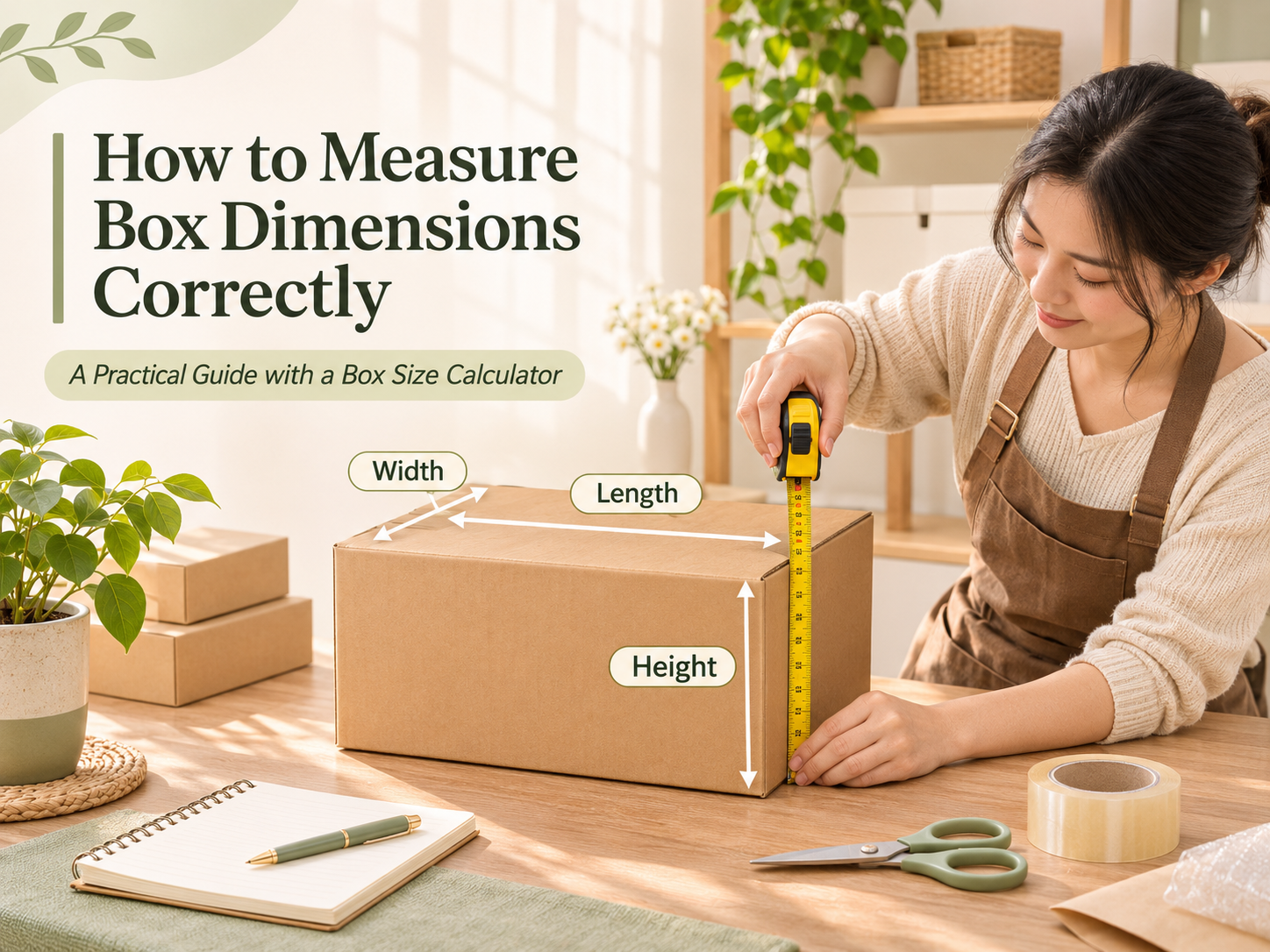
Storage catalogs often use width × depth × height (W × D × H). Other drawings use length × width × height. Keep the labels when moving measurements between documents.
In this guide, width is the left-to-right dimension across the selected front, depth runs from front to back, and height runs from base to top. A compact cavity might therefore be written W 12 × D 15 × H 10 inches, internal.
| Dimension | What it controls | What to verify |
|---|---|---|
| Internal width | Space across the folder faces or chosen contents | Folder edges, rails, and inward folds |
| Internal depth | Filing length or the second footprint axis | Filled folders, dividers, and retrieval clearance |
| Usable internal height | Space from the support surface to the closed lid | Tabs, binder covers, and closure intrusion |
| Closed exterior | Total occupied size | Lid overhang, shelf fit, and adjacent boxes |
Show the file orientation in a sketch. A combination letter/legal box can accommodate files in different orientations, and that arrangement determines which axis provides the filing length.
For hanging folders, specify the actual folder and any support rail. Rod ends, hooks, and tab positions can extend beyond the document sheet. A cavity large enough for loose paper may still be unsuitable for that assembly.
Reference Sizes and Metric Conversions
Fellowes’ selection material identifies compact letter/legal, longer letter, and wider legal footprints. Exact dimensions, height, and exterior vary by model. The table below uses those familiar footprints with an illustrative 10-inch internal height to compare layouts. It is not a current SKU specification.
| Reference layout | Internal W × D × H | Exact metric equivalent |
|---|---|---|
| Compact letter/legal footprint | 12 × 15 × 10 in | 304.8 × 381 × 254 mm |
| Longer letter footprint | 12 × 24 × 10 in | 304.8 × 609.6 × 254 mm |
| Longer legal footprint | 15 × 24 × 10 in | 381 × 609.6 × 254 mm |
Confirm the product code and current internal and external dimensions when ordering branded stock. For custom manufacturing, use the target dimensions on the approved structural drawing. Fellowes reference footprints
One inch equals exactly 25.4 mm. A 15-inch measurement is 381 mm, or 38.1 cm. A 24-inch measurement is 609.6 mm, or 60.96 cm. Keep a governing unit to avoid repeated rounding between the quote, drawing, and inspection sheet.
Is a Standard Records Box One Cubic Foot?
A 12 × 15 × 10-inch cavity has a geometric volume of 1,800 cubic inches. Since one cubic foot is 1,728 cubic inches, that equals approximately 1.04 ft³, or 29.5 liters.
The figure describes the rectangular cavity. Folder tabs, rails, spacers, and working clearance affect usable filing capacity. It also differs from the exterior space occupied on a shelf.
Match the Box to Paper, Folders, and Binders
U.S. letter paper measures 8.5 × 11 inches, and legal paper measures 8.5 × 14 inches. A4 paper measures 210 × 297 mm. Folders, sleeves, and binders usually extend beyond the sheets they protect, so use their finished measurements for the fit check.
Measure a representative group of filled folders. Include tabs, thick fasteners, dividers, and expanded covers. Stand them as intended and leave enough room to remove one without forcing the neighboring files.
Binders require their own layout. The cover, rings, spine, and contents create a different envelope from loose sheets. Trial upright and flat arrangements where appropriate, considering access and support. An “18-inch box” label gives insufficient information without the other axes and measurement basis.
For an underfilled upright box, use a suitable support or spacer so folders remain supported. The National Archives recommends appropriately sized housings, avoiding overfilling, and using spacer boards where needed. National Archives storage guidance
Internal Size and Closed Exterior Are Different
A box with a 12 × 15 × 10-inch cavity needs material around that space. Folded walls, reinforced hand openings, bottom panels, and the lid add to its exterior.
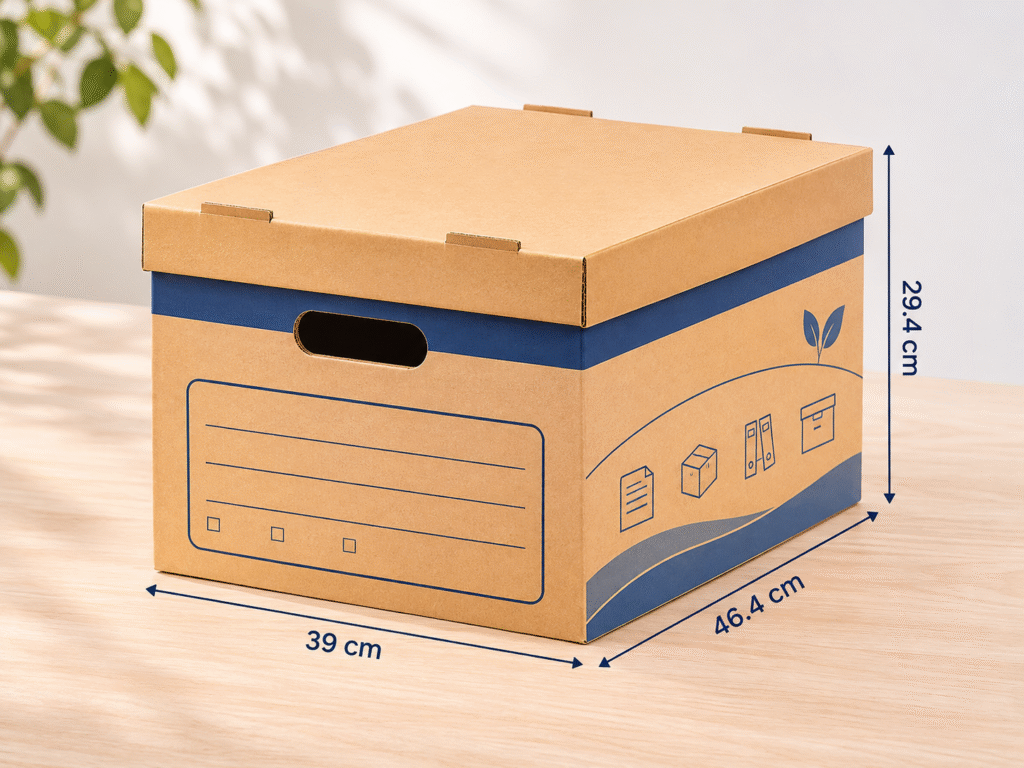
Adding twice the board thickness gives only a simplified estimate for a single-layer wall. Records boxes can have several overlapping panels in selected areas. The lid can also extend beyond the base. Use the actual drawing or measure an assembled sample for shelf planning.
For example, an illustrative box with a closed exterior 13 inches wide will allow three boxes across a shelf with 40 inches of usable width, occupying 39 inches. Four boxes require 52 inches. Using a 12-inch interior width in that calculation would overstate the available shelf capacity.
Check shelf depth and the opening above the box as well. A box can fit below the next shelf but leave insufficient room to lift its lid. Decide whether staff will open it in place or remove it before accessing files.
Materials: Specify Construction Before Appearance
Corrugated Board
Corrugated board combines liner papers with a fluted medium. Single-wall board contains one medium between two liners, while double-wall board contains two media and three liners. Fiber grades and flute construction affect performance. Fibre Box Association corrugated guide
Records boxes can also fold multiple panels into the ends, base, or sides. A description such as “double bottom” may refer to overlapping panels in the assembled design. Distinguish that from double-wall corrugated material when specifying the construction.
Kraft and White-Faced Liners
Kraft can describe a paper grade or a brown appearance in a sales description. Cardboard is a broader material term. These descriptions do not form a simple small-to-large strength ranking.
Compare the actual liner and medium specification, complete board, and assembled box. A white-faced board may be chosen for identification graphics. A brown board may suit another visual brief. Neither color establishes a carrying limit or preservation quality.
Review potential substrates on the packaging materials page, then agree the grade and performance requirements for the proposed structure.
Solid Board and Specialty Constructions
Some document cases and presentation-storage formats use solid board rather than a corrugated case structure. The material can be selected around panel size, access, finish, and the intended contents.
For a custom lid-and-base concept, the foldable lid and base boxes page provides a starting point for discussing structures. Confirm whether a proposed design meets the records load, handling, and preservation requirements before approval.
Carrying Load and Stacking Strength Are Separate Requirements
A stacking-strength figure describes a particular resistance to load applied above the box under the relevant conditions. It must not be read as the amount of documents that can be carried inside by the hand openings.

The official Bankers Box lift-off-lid range separates duty levels, access frequency, and stacking options. When selecting stock, obtain the instructions for the exact product. For a custom box, specify the intended gross content load, handling frequency, and storage arrangement separately. Bankers Box lift-off-lid range
Compression testing can assess an assembled container under a defined loading method. ASTM D642 describes such testing for containers, components, and unit loads. The test setup and conditioning need to reflect the question being asked. ASTM D642 compression testing
As a simple load illustration, the lowest box in a five-box stack carries the gross mass of four boxes above it. At 14 kg per box, that is 56 kg of superimposed mass. This arithmetic does not establish an acceptable stack. Duration, alignment, moisture, handling damage, and the storage system must also be evaluated.
Hand openings need their own check. The cutout, nearby folds, panel overlap, and contents affect how the box behaves when moved. Apply the workplace’s handling procedures and assess the actual loaded package.
Estimate Capacity From Representative Files
There is no dependable universal conversion from one box to a fixed number of documents. Sheet thickness, folder expansion, fasteners, sleeves, and retrieval space all change capacity.
For an illustrative filing row, 50 folders averaging 6 mm thick occupy 300 mm. The same number averaging 8 mm occupy 400 mm. A 381 mm filing span can accommodate the first occupied length with room left for supports and access, while the second exceeds it.
Measure a real group rather than relying on a compressed single-folder reading. Include space needed to identify and remove files. If the row is incomplete, support it without forcing the remaining folders to lean.
Weight needs a separate calculation. An A4 sheet at 80 g/m² weighs approximately 4.99 g, calculated from 0.210 × 0.297 m² × 80 g/m². A group of 2,500 sheets therefore weighs approximately 12.47 kg before folders, fasteners, and the box.
Weigh a representative filled unit to confirm the planning estimate. Capacity and the workplace’s acceptable handling load may lead to different fill limits. Mark the approved fill instruction in the packing procedure rather than treating available space as a requirement to fill the box completely.
Ordinary Office Storage and Long-Term Preservation
A general office box can provide organization and physical containment. Long-term preservation requires material and environmental decisions beyond the box’s appearance or recycled content.
The Library of Congress advises buyers to look for specific housing-material properties rather than relying on the word “archival.” For appropriate paper-based housings, acid-free and lignin-free characteristics are important selection points. Obtain the actual material data for the records concerned. Library of Congress housing guidance
The National Archives recommends containers that support originals without bending, appropriate board or folder stock, and additional considerations for photographs. Specialized collections can require a housing system matched to the medium. National Archives family-archive storage guidance
Specify the preservation requirement at the start of a custom project. A stronger corrugated construction does not automatically establish the chemical suitability of its liners, adhesive, printing, or interior surfaces.
Environment and Moisture
Paper-based boxes require suitable storage conditions. Keep records away from likely leaks and damp areas, and use an appropriate shelf arrangement. The National Archives advises keeping collections off the floor and away from water hazards. National Archives storage environment guidance
A printed finish or brown kraft surface does not establish waterproof performance. If water exposure is part of the expected route, define it and consider the complete protective system with the records manager or preservation specialist.
Custom Features That Improve Day-to-Day Use
Lid and Opening
A removable lid provides access to the whole filing row. An attached lid keeps components together. A locking feature can help retain the closure during the defined handling operation.
Check the overlap and clearance with the box fully loaded. Folder tabs should not support the lid or catch when it is removed. Include the space needed to lift the lid in shelf planning.
Handles and Assembly
Position hand openings relative to the load and assembled reinforcement. Inspect the bottom-locking sequence and make sure operators can confirm it is fully engaged before loading records.
Time assembly using the proposed material and instructions. A design with fewer steps can improve consistency, but its loaded bottom and corners still need verification.
Identification and Tracking
Provide writable panels or suitable label areas for box ID, department, contents reference, and storage location. Align the information with the records-management system, including any retention-review fields required by that system.
Keep sensitive details within the organization’s information controls. A barcode or QR code should be tested on the printed surface at the chosen size and location.
Use the packaging design services page to discuss the layout, structural drawing, and label areas. Approve the functional fields alongside the graphics.
Shelf Planning and Repeat-Order Compatibility
Measure the usable shelf opening between uprights. Account for lid overhang, access space, and the actual closed exterior. Confirm the shelf’s rated load and the intended arrangement through the responsible storage-system procedures.
For illustration, a shelf holding three boxes at 14 kg gross each carries 42 kg from those boxes. Add other contents before comparing the planned loading with the shelf specification.
Record the approved exterior footprint for replenishment orders. Two boxes with the same nominal internal size can have different lid or wall arrangements. A replacement may therefore fit the records but disrupt shelf spacing.
Mixing lids and bases from different designs can also create poor seating. Identify interchangeable parts on the specification if that compatibility is required.
Sample Approval and Cost Comparison
Load a representative sample with the intended folders, dividers, and contents. Check entry, file removal, lid seating, base support, and hand openings. Repeat the relevant actions according to the planned use.
Record failures by location. A tab catching the lid is a fit issue. A bottom opening during movement may involve assembly or construction. A bowed wall can reflect overfilling or an unsuitable design. Retain the sample and packed-layout information for investigation.
Compare total operating cost, including boxes, lids, tooling, labels, assembly, storage, and replacement. An illustrative saving of 15 seconds per assembly across 4,000 boxes equals approximately 16.7 labor hours. At an assumed $18 per hour, that models $300 before other costs.
Use timed trials and actual rates for a purchasing decision. A cheaper box that requires repeated repairs or makes retrieval difficult may have a different total cost from its unit price.
When Custom Dimensions Make Sense
A familiar stock footprint can simplify replacement, shelving, and purchasing. Custom dimensions become useful when the contents or storage system create a specific constraint. Examples include an oversized folder, a binder with projecting rings, a fixed-depth shelf, or a document set that needs a defined arrangement.
Measure that constraint before changing the whole box. If the folder tabs are the only interference, a height or lid adjustment may be sufficient. If a long filing row becomes too heavy, a shorter depth may provide a more workable division of records. Confirm the revised contents and gross weight rather than assuming the smaller box resolves every handling issue.
Consider retrieval as well as storage density. A tightly fitted shelf arrangement can leave too little space to grip the handles or remove the lid. Trial the proposed box in the actual location with representative contents, including any label holders or nearby obstructions.
For a mixed records collection, a limited family of sizes may be easier to manage than one custom design for every department. Record which contents and filing orientation each size supports. That lets future buyers reorder against an approved application instead of interpreting an old size description.
Briefing Packboxprint for a Custom Records Box
Provide the contents and their orientation, maximum folder or binder envelope, target internal dimensions, and fixed exterior limits. Add the loaded weight, closure, handles, access frequency, quantity, and any preservation-material requirements.
When evaluating a custom packaging manufacturer, request the proposed material specification, dimensioned drawing, and a representative assembled sample. Ask the supplier to confirm which production options meet the records-storage brief.
A useful inquiry might read:
Custom lift-off-lid records box for the supplied folder sample. Target cavity W 305 × D 381 × H 254 mm, subject to fit approval. Please confirm the closed exterior, handle and bottom construction, material specification, and relevant loaded-use checks. Preservation requirements and label fields are attached.
Send the information through the custom packaging inquiry page. Retain the approved grade, drawing revision, assembly instructions, and sample results for repeat orders.
Frequently Asked Questions
What are standard Bankers Box dimensions?
A familiar compact reference is an internal 12 × 15 × 10 inches in W × D × H order. Actual branded models and exterior measurements vary. Confirm the current product code and specification.
What is 15 × 12 × 10 inches in millimeters?
In the same axis order, it is 381 × 304.8 × 254 mm. Label the axes and internal or external basis when ordering.
Are internal and external box dimensions interchangeable?
They describe different spaces. Internal dimensions establish content fit, while the closed exterior controls shelves, transport, and adjacent boxes.
Will a letter/legal box hold A4 files?
It may, depending on the folder, tabs, orientation, and usable cavity. Measure the complete filled folder rather than checking only the A4 sheet.
How many sheets fit in a records box?
Capacity varies with sheet thickness, folders, fasteners, and working clearance. Measure and weigh a representative file group, then confirm the proposed fill in a sample.
Does stacking strength equal carrying capacity?
No. The stacking rating concerns the load applied above the box under stated conditions. Content load, handles, and movement need separate requirements.
Are ordinary records boxes archival?
The description alone is insufficient. Long-term preservation needs appropriate material properties and storage conditions for the records involved.
Are corrugated records boxes waterproof?
Water resistance must be established for a specified construction and exposure. Ordinary corrugated packaging should not be assumed to protect records from flooding or leaks.
Can custom boxes include logos and file labels?
Yes, subject to the proposed material and printing process. Approve writable areas, tracking codes, and any preservation constraints with the finished sample.
What should I provide for a custom records-box quote?
Provide filled-folder samples, internal targets, exterior limits, loaded weight, quantity, access requirements, and any preservation specifications. Ask for a dimensioned drawing and a representative sample before approval.