Corrugated boxes are designed for protection and efficiency, but moisture exposure remains one of the biggest threats to their performance. Many packaging failures happen not because of poor design, but because moisture behavior was underestimated. Understanding how corrugated boxes react to water is essential for stable packaging results.
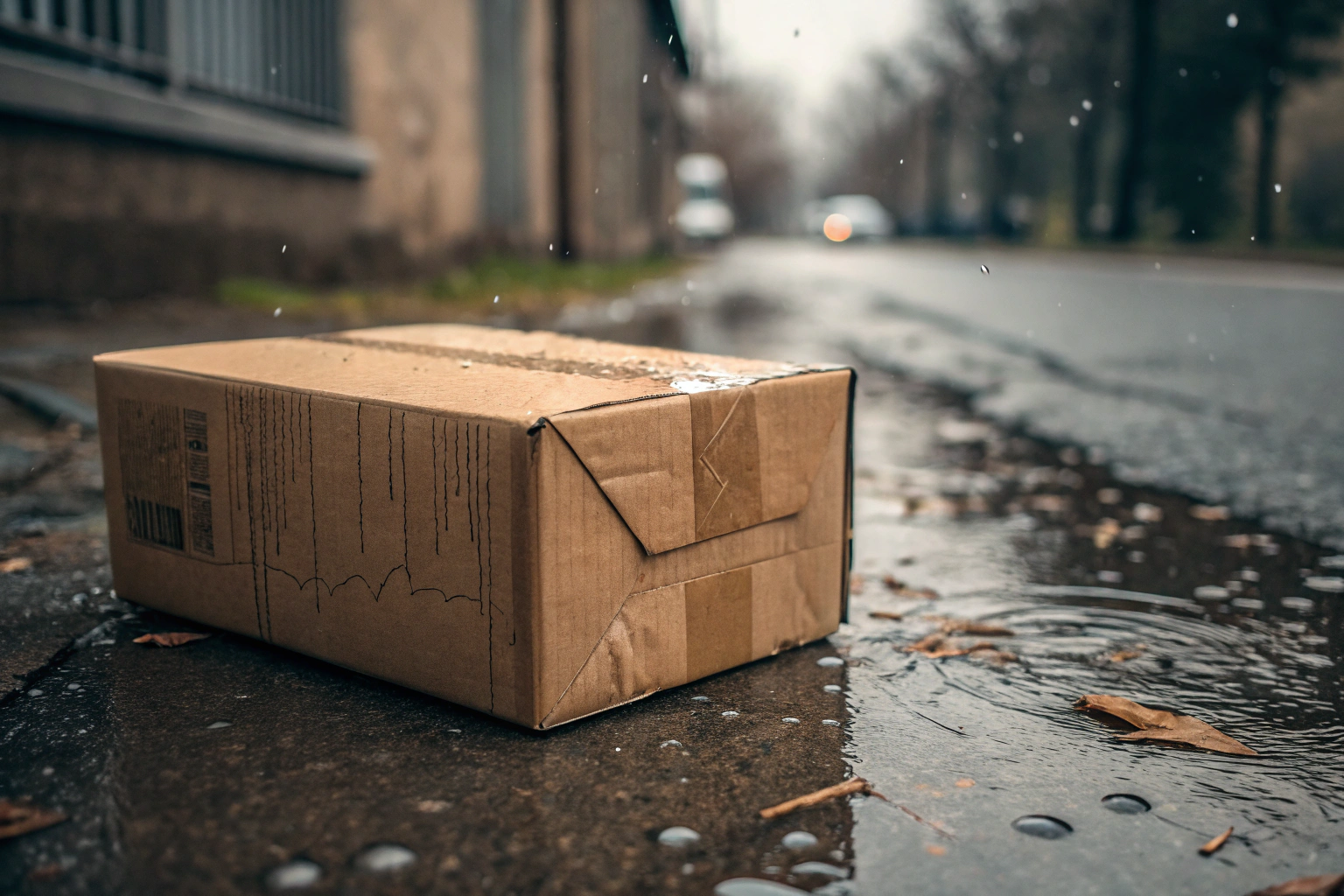
Corrugated boxes can be exposed to limited moisture, but they are not designed for wet conditions or prolonged humidity. Once water enters the paper fibers, structural strength drops quickly.
Moisture control must be considered as part of the overall packaging system, not as an afterthought.
How Corrugated Boxes React to Moisture
Corrugated boxes are made from paper fibers, which naturally absorb water from the surrounding environment. When moisture enters the fibers, they swell and lose rigidity. This directly affects compression strength, stacking performance, and box shape.
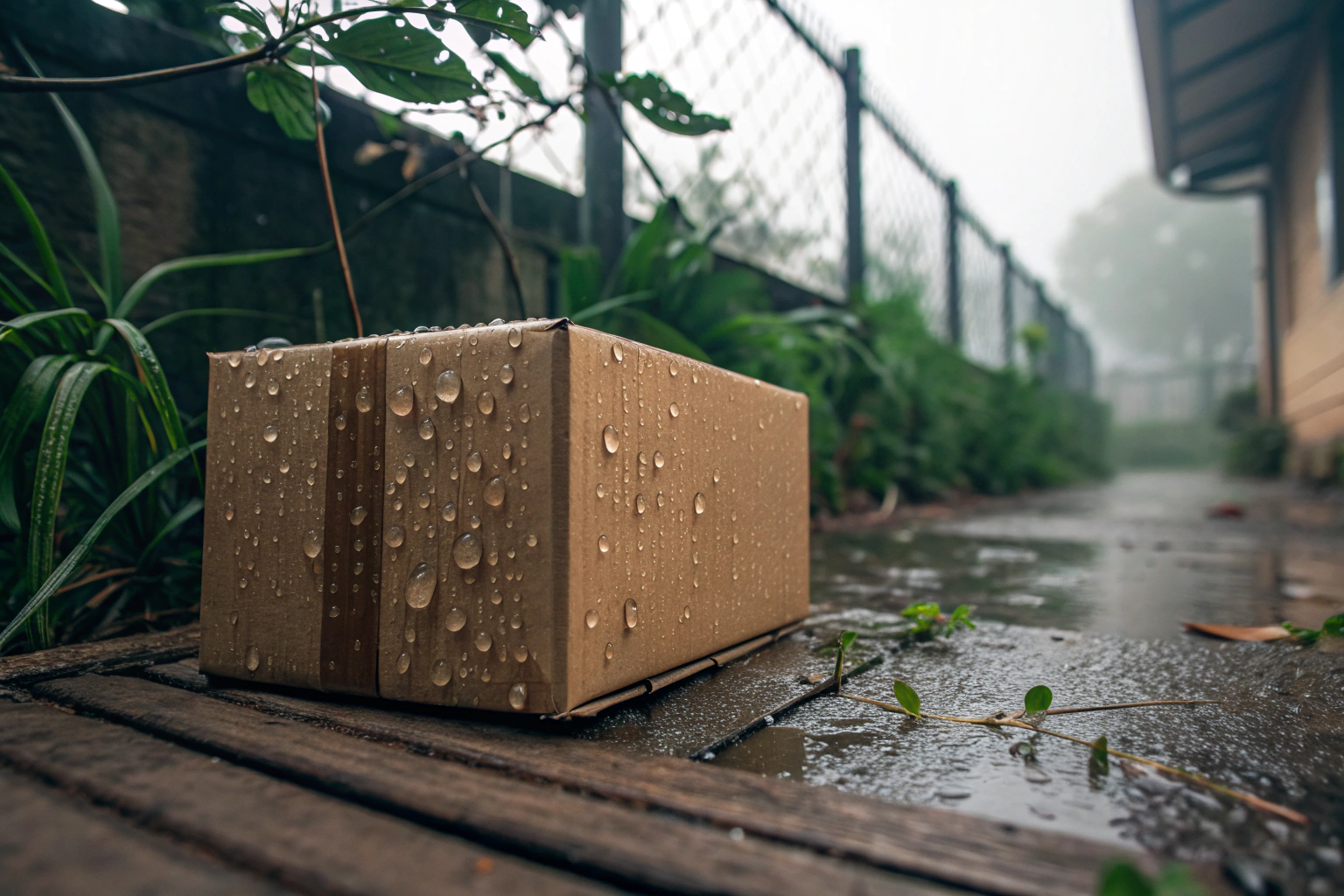
Strength loss begins as soon as moisture absorption starts. Even after drying, paper fibers do not fully recover their original strength. Boxes that look dry on the surface may already be structurally weakened.
This behavior explains why moisture is one of the main causes of box collapse during storage and transport.
Humidity Exposure vs Direct Water Contact
Not all moisture exposure is the same. Corrugated boxes react differently to high humidity and direct water contact.
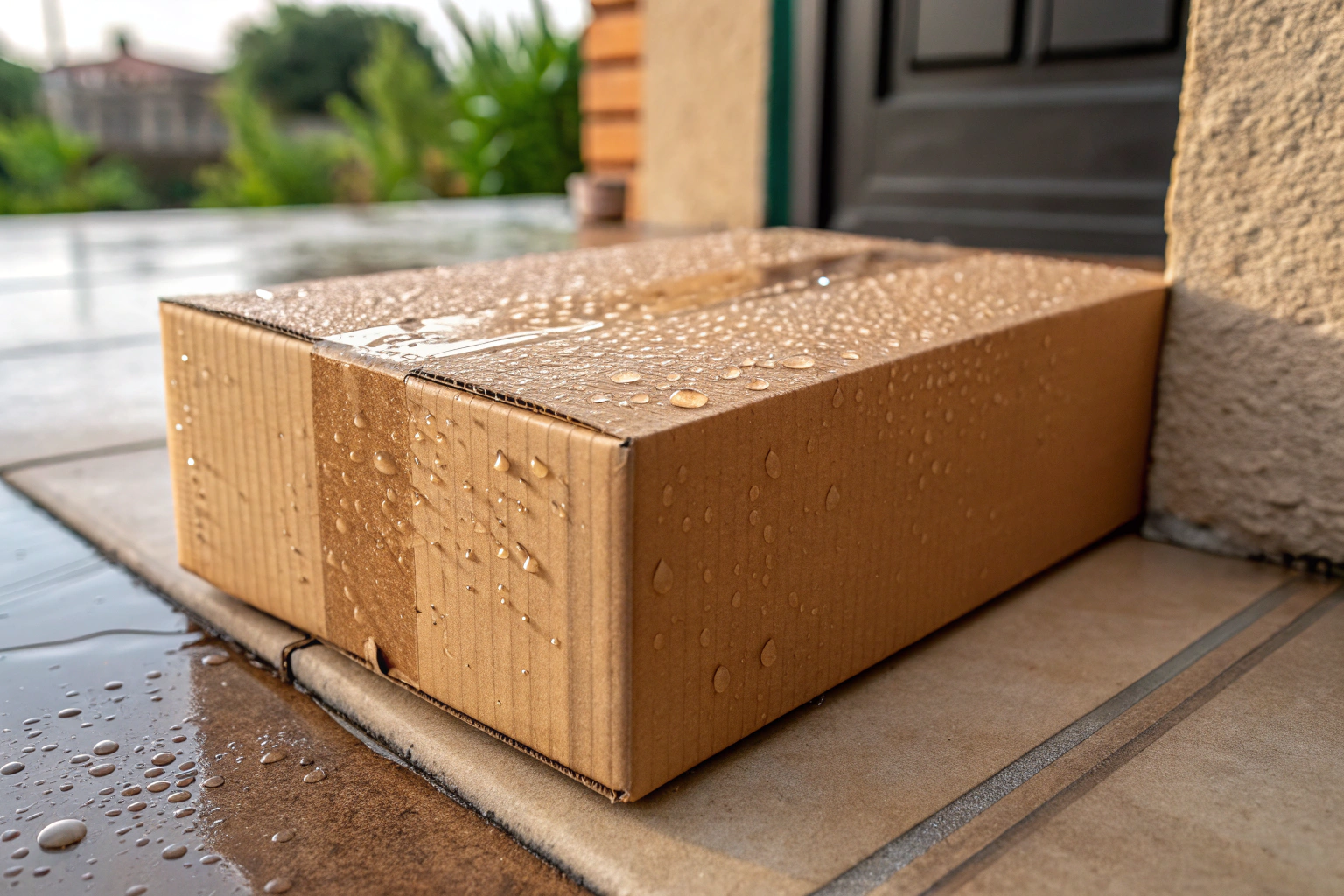
High humidity causes gradual softening and deformation over time. Direct water contact, such as rain, spills, or condensation drops, causes rapid strength loss and possible collapse. The speed and severity of damage increase sharply with direct contact.
Packaging design must be based on the worst expected condition, not average indoor environments.
Are Corrugated Boxes Waterproof by Design?
Standard corrugated boxes are not waterproof. Paper-based materials do not create a natural barrier against water penetration.
Some corrugated boxes are moisture-resistant, but this does not mean waterproof. Moisture-resistant treatments slow down absorption but do not stop it completely. Extended exposure will still lead to strength reduction.
True waterproof performance requires plastic materials or heavy laminations, which changes recyclability, cost, and processing methods.
Moisture Control During Factory Production
Moisture behavior is strongly influenced during manufacturing. In the factory workshop, corrugated board is formed using heat and water-based adhesives. If temperature, humidity, and drying time are not controlled, excess moisture remains inside the board.
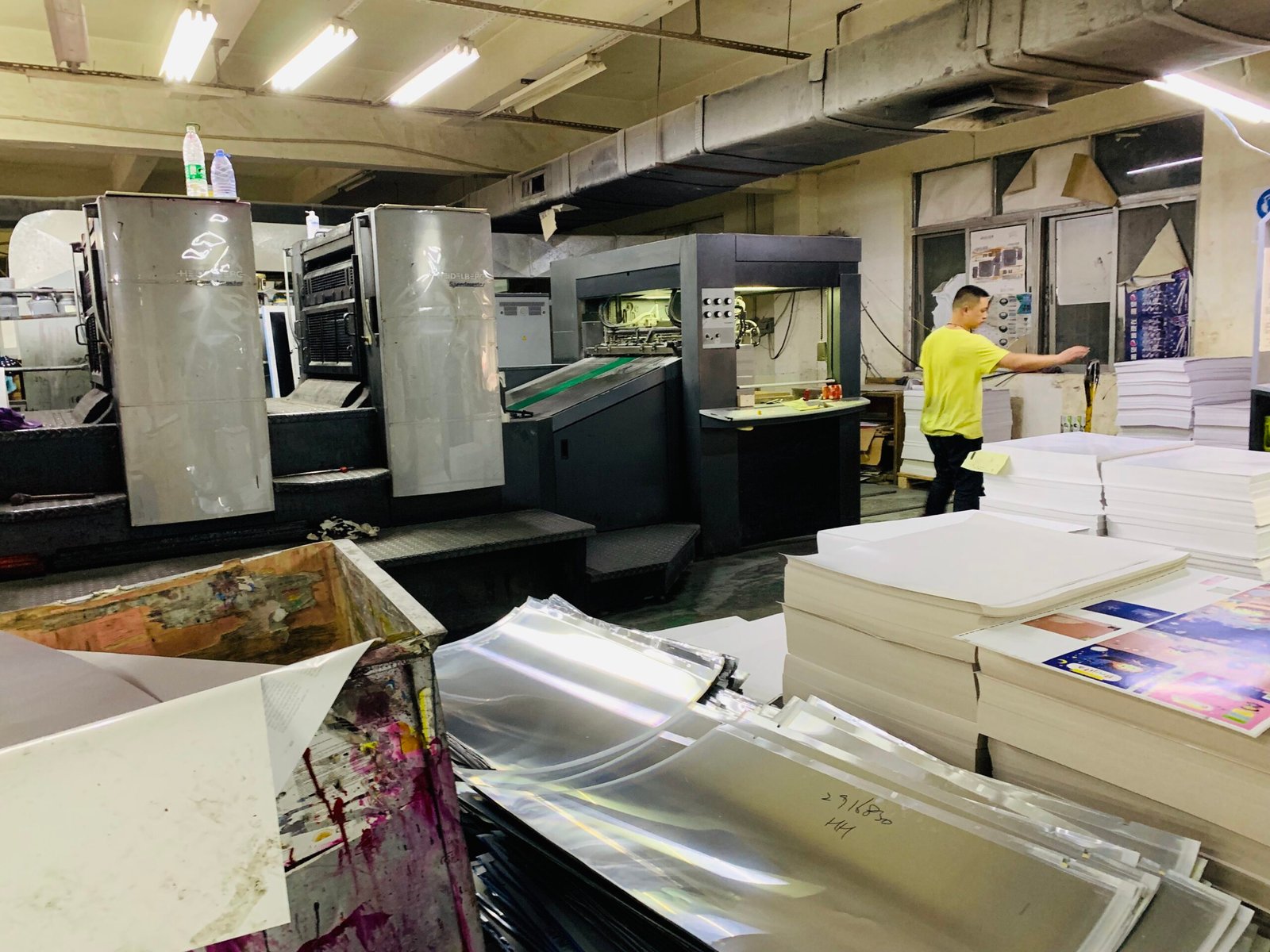
Balanced moisture control during corrugating is critical. Too much moisture causes warping and weak bonding. Too little moisture makes paper brittle and prone to cracking during die-cutting and folding.
Stable workshop conditions and controlled adhesive application ensure boxes leave production with predictable moisture levels and strength.
Storage Conditions Inside Warehouses
After production, moisture control continues in storage. Corrugated boxes easily absorb moisture from the surrounding air if warehouse conditions are not managed.
Boxes stored on floors or near walls absorb moisture faster. Poor ventilation and high humidity accelerate strength loss even before shipment begins.
Proper palletization, airflow, and dry storage environments are essential to preserve box performance.
Transportation and Shipping Moisture Risks
Transportation exposes corrugated boxes to changing climates. Temperature differences during long-distance shipping often cause condensation, especially in sea freight containers.
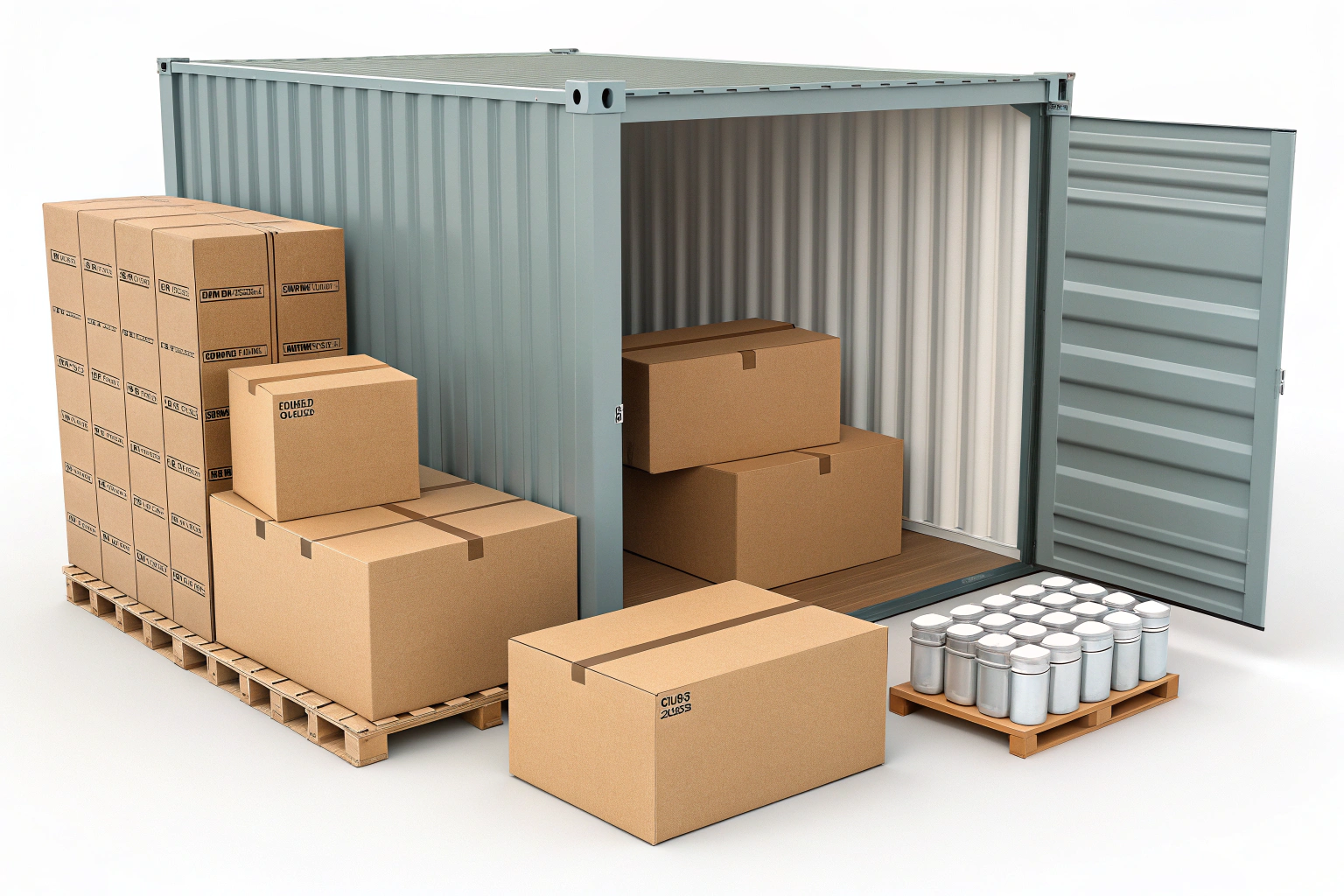
Condensation creates hidden moisture damage over time. Boxes may arrive intact but fail during unloading or stacking due to internal fiber weakening.
Moisture barriers, container liners, and desiccants are commonly used to reduce this risk.
Conclusion
Corrugated boxes can tolerate limited moisture exposure, but they are not designed to get wet. Moisture weakens paper fibers, reduces compression strength, and increases the risk of deformation or collapse. High humidity causes gradual damage, while direct water contact leads to rapid failure. These limits must be clearly understood when selecting and designing corrugated packaging.
From a manufacturing perspective, moisture performance starts with raw paper selection and continues through controlled factory production, workshop environment management, and adhesive process control. After production, correct storage and transportation practices are just as important. When corrugated boxes are produced and handled with moisture risk in mind, they deliver stable protection and predictable performance across complex supply chains. When moisture risk is ignored, even well-designed boxes can fail. This is why moisture awareness remains a core technical requirement in professional corrugated packaging manufacturing.