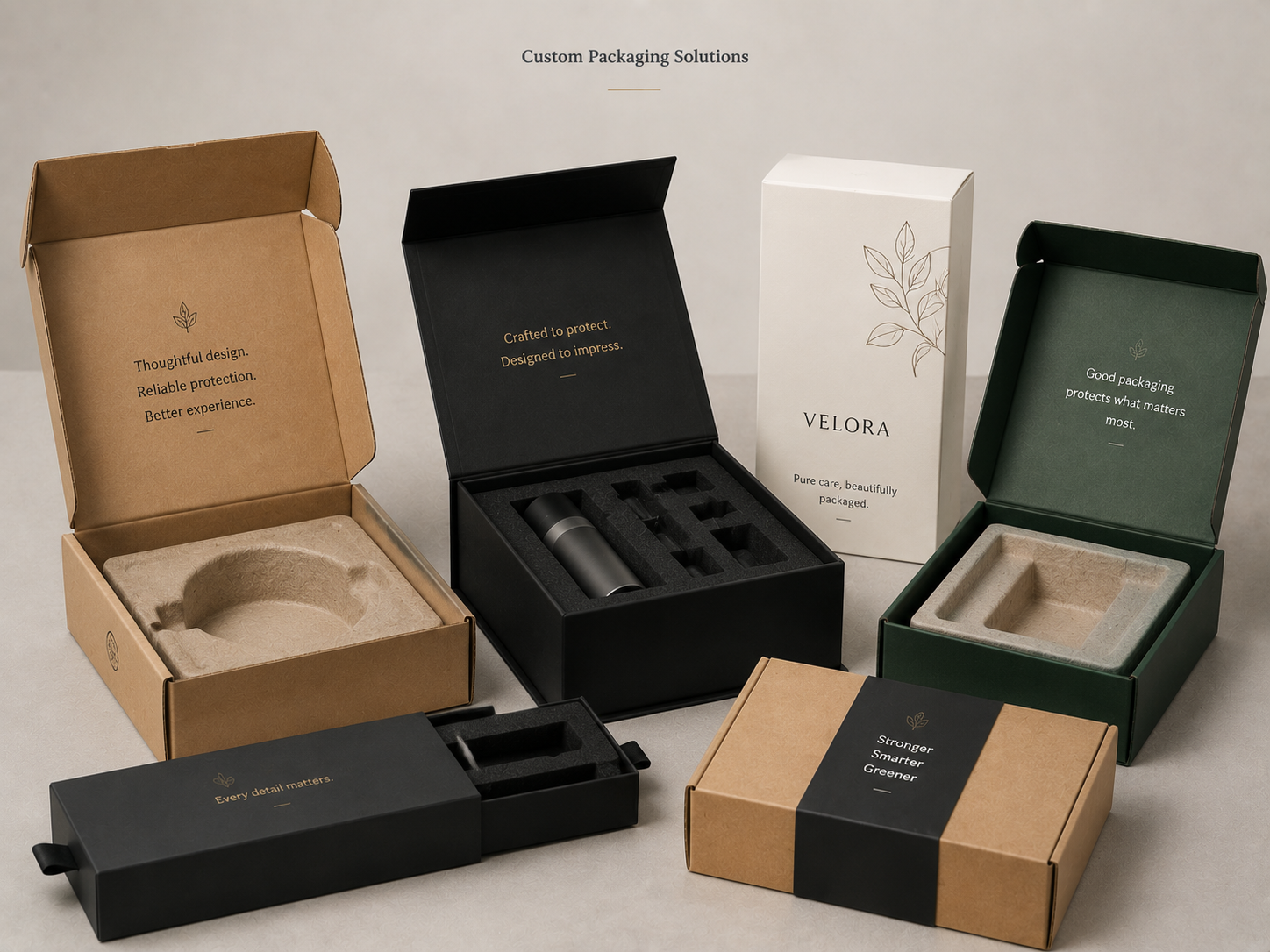
“Zero waste packaging” is often promoted as an ideal goal, yet in real manufacturing environments it is difficult to achieve without trade-offs. Many packaging concepts look waste-free on paper but generate hidden waste during production or fail during use.
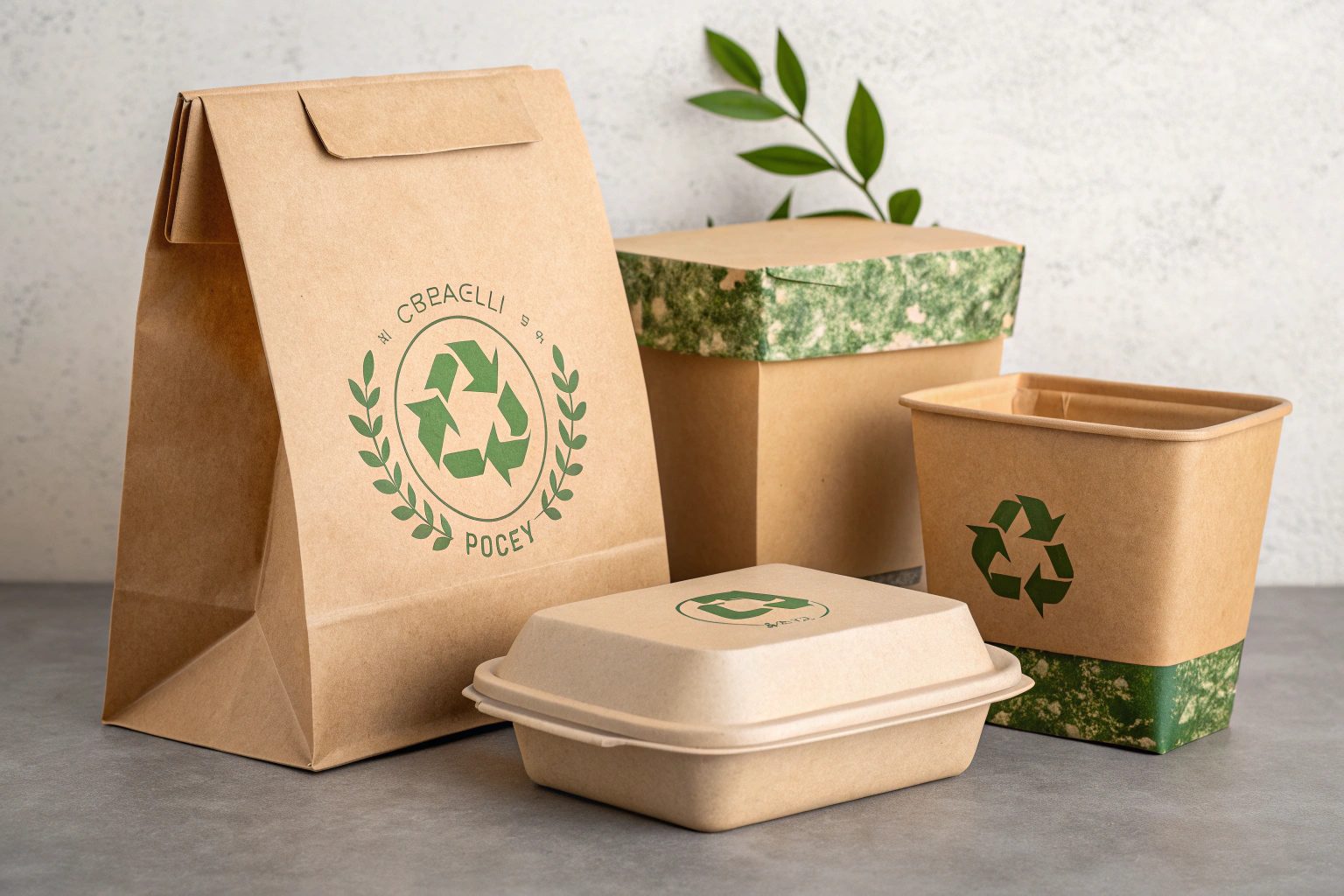
Packaging cannot be absolutely zero waste, but it can be designed to minimize waste across materials, manufacturing, use, and end-of-life. Zero waste is a direction, not a fixed result.
From a manufacturing perspective, waste is created at multiple stages, including material sourcing, factory production, logistics, and disposal. Understanding these stages helps clarify what zero waste really means in practice.
Why Is True Zero Waste Packaging So Hard to Achieve?
Zero waste sounds simple, but real packaging systems are complex.
Packaging involves unavoidable material loss during production, handling, and transport. This makes absolute zero waste unrealistic.
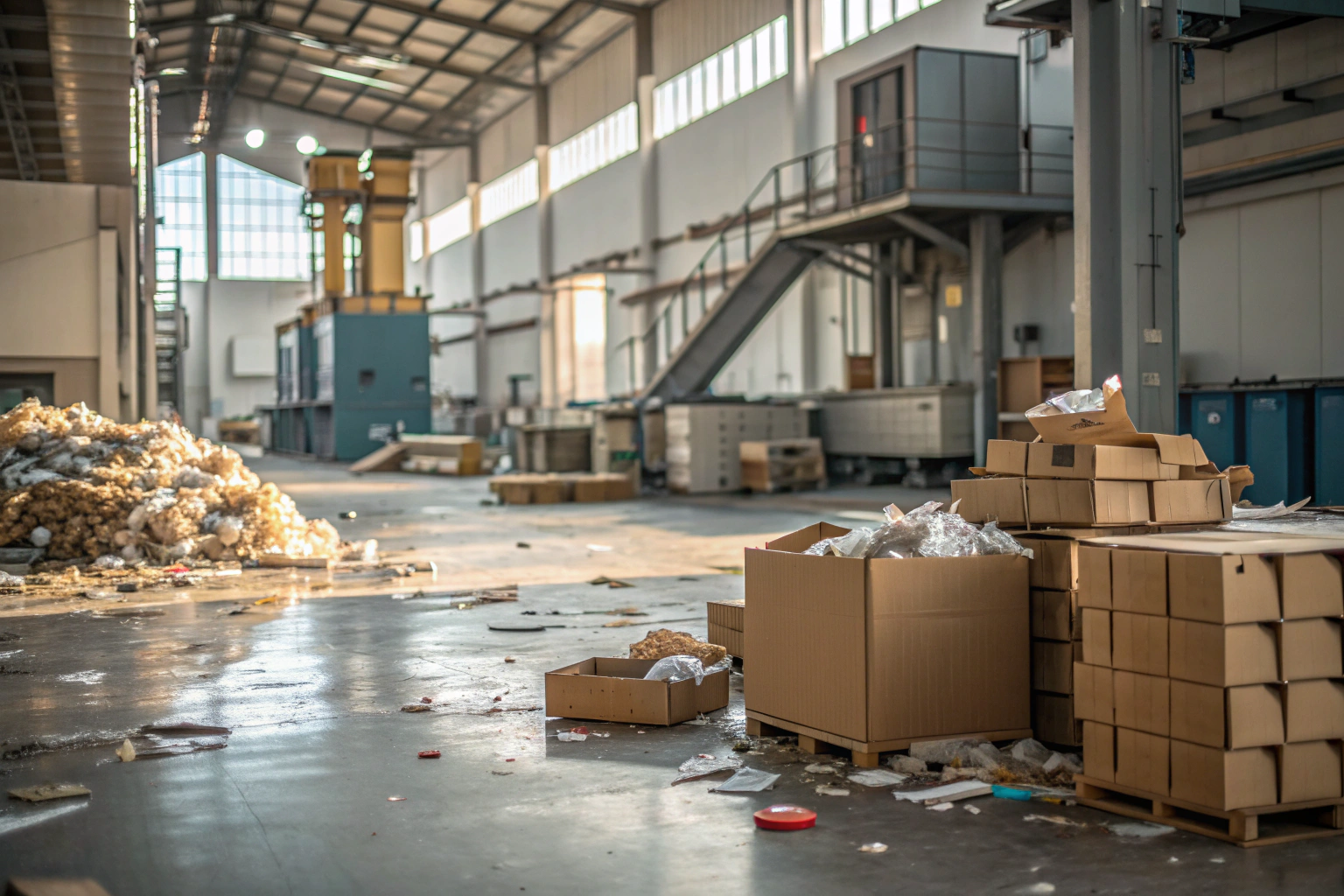
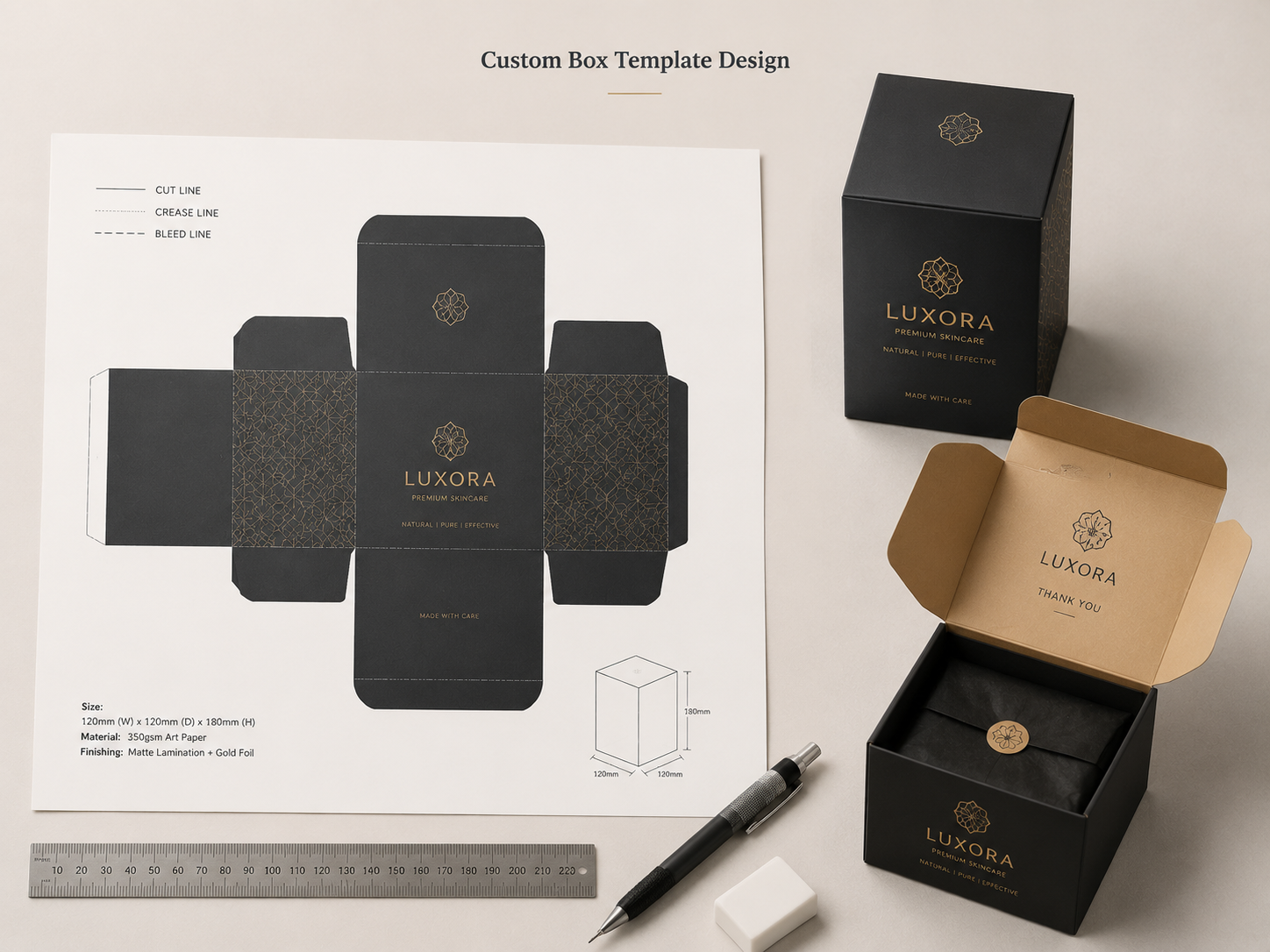
During printing, die-cutting, and forming, offcuts and trim waste are generated. Even with optimized layouts, some material loss is unavoidable. In logistics, damaged packaging creates additional waste through replacement.
In factory workshops, waste reduction focuses on control rather than elimination. The goal is to reduce scrap rates, reuse offcuts, and recycle unavoidable waste internally. This approach delivers measurable improvement even if zero waste is not fully reached.
What Does “Zero Waste” Mean in Practical Packaging Terms?
In manufacturing, zero waste is defined differently than in marketing.
Practical zero waste packaging means minimizing virgin material use and ensuring all remaining waste can be reused or recycled.
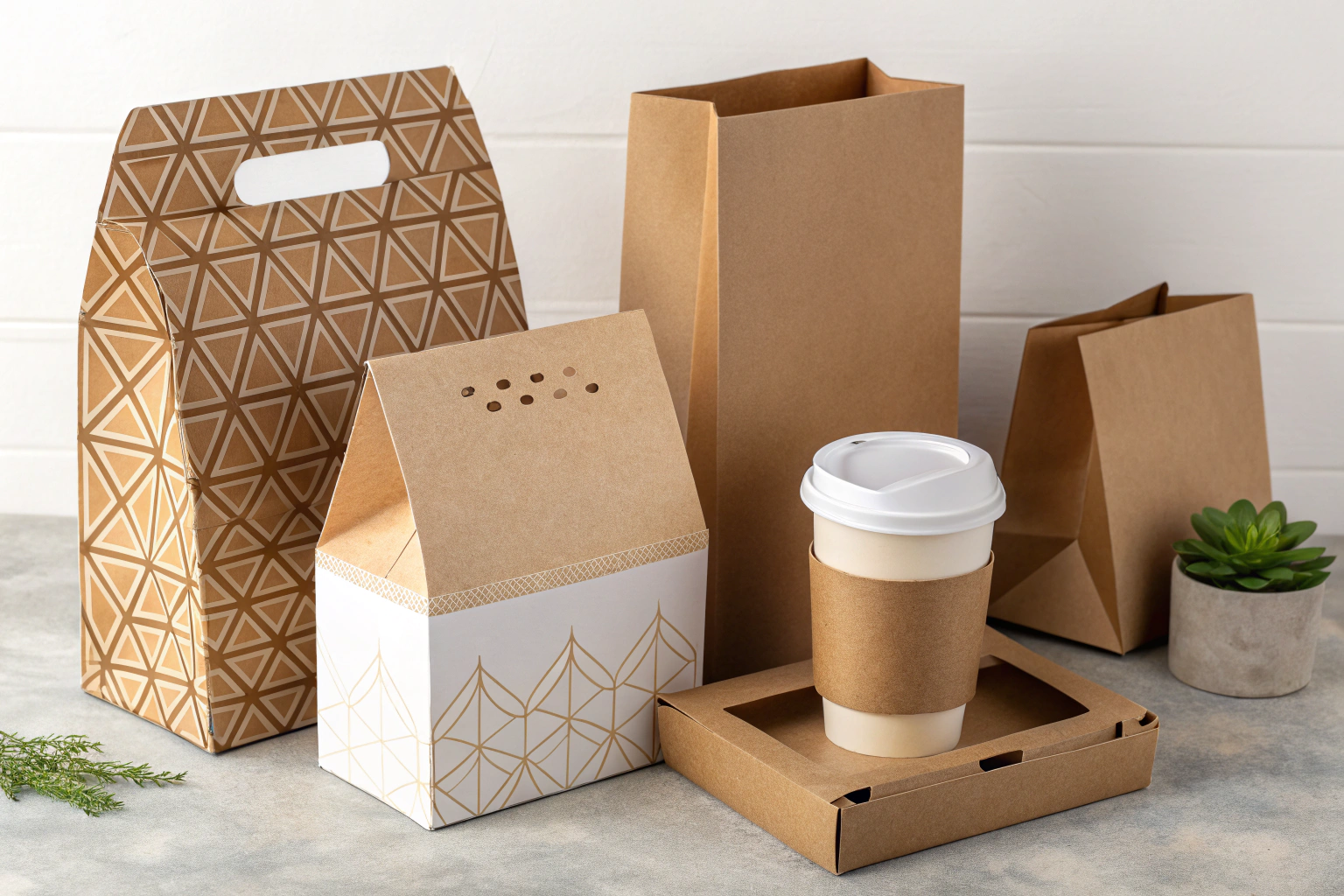
This includes using recycled or renewable materials, designing structures that use less material, and avoiding mixed materials that cannot be separated. Packaging may still create waste, but that waste is designed to re-enter material cycles.
Factories measure waste through yield rates and recovery rates. High-yield production with recyclable scrap is considered far more sustainable than low-yield production with complex materials, even if both claim to be “green.”
How Do Materials Affect Zero Waste Packaging Goals?
Material choice strongly influences waste outcomes.
Fiber-based materials support near-zero waste systems better than plastic-based materials.
Paper, cardboard, and molded pulp are easier to recycle and reuse within production. Offcuts can often be baled and returned to paper mills. Molded pulp uses recycled fibers and produces minimal unusable waste.
Plastic packaging generates waste that is harder to recycle consistently, especially thin films or mixed laminations. From a manufacturing standpoint, fiber materials allow higher recovery rates and simpler waste management.
How Does Factory Process Control Reduce Waste?
Waste reduction begins on the production floor.
Stable and controlled manufacturing processes significantly reduce material waste.
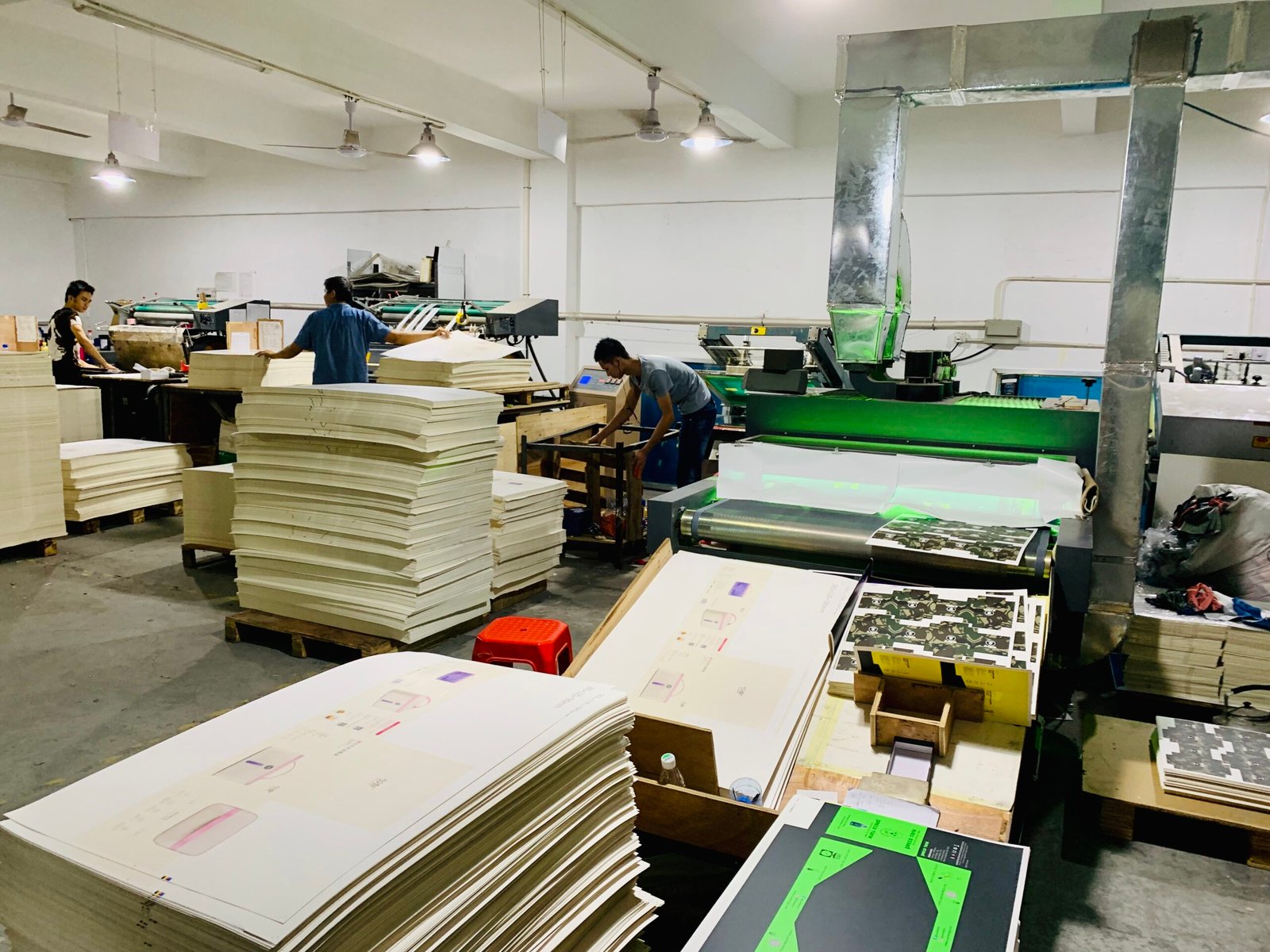
In paper packaging workshops, waste is reduced through precise die-cutting, optimized nesting layouts, and standardized operating procedures. Machines are calibrated to avoid miscuts, and humidity is controlled to prevent warping and rework.
Quality control teams monitor first-article samples and in-process checks to catch issues early. This prevents large-scale scrap. While waste is not eliminated, it is reduced to predictable and manageable levels.
Can Packaging Be Designed to Produce Less Waste After Use?
End-of-life design is as important as factory efficiency.
Packaging designed for recycling or reuse reduces post-use waste even if production waste exists.
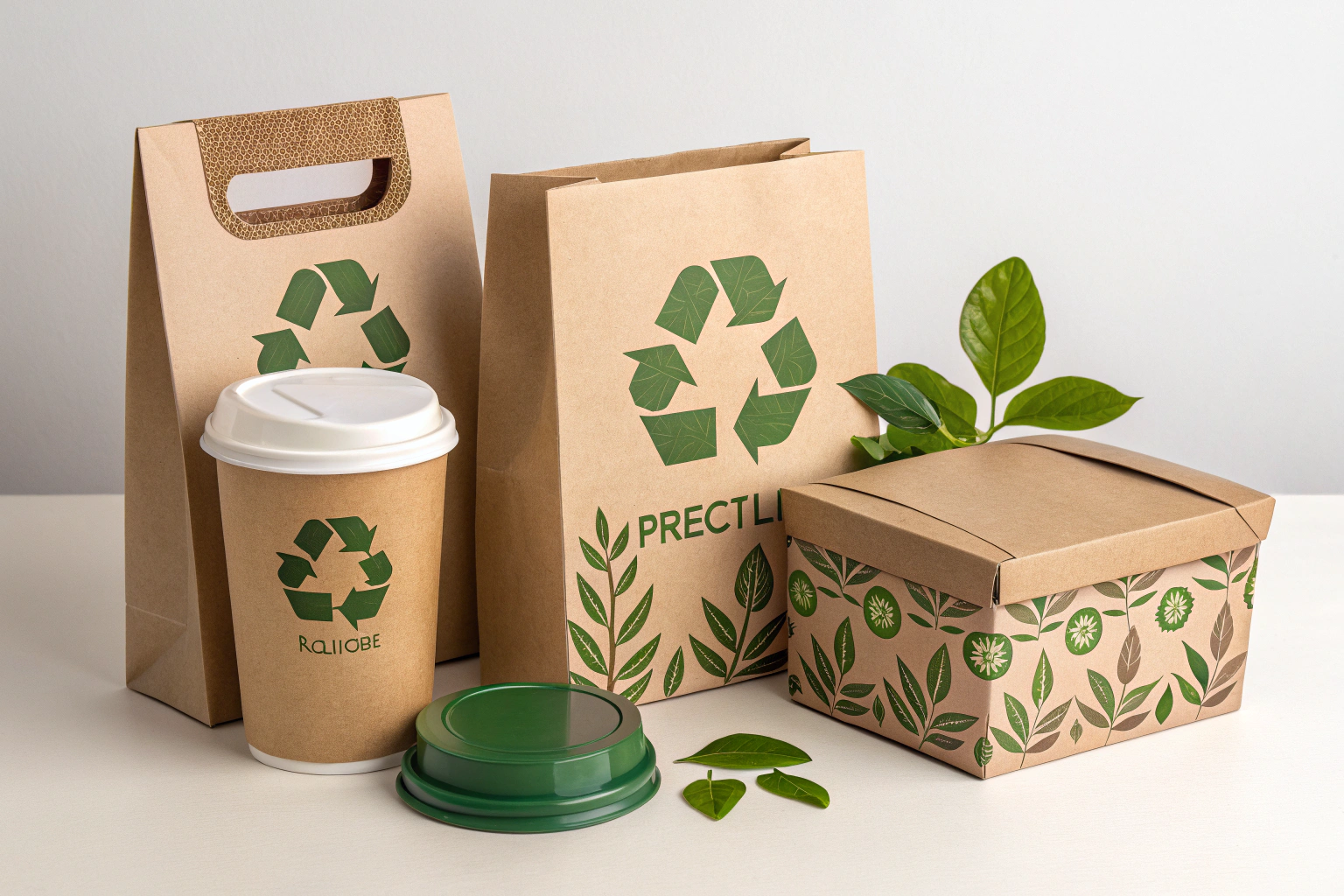
Single-material paper packaging, minimal coatings, and simple structures improve recycling efficiency. Reusable packaging reduces the number of units required over time. Molded pulp and paperboard naturally degrade when disposal systems fail.
From a manufacturing perspective, designing for end-of-life means limiting unnecessary laminations, inks, and adhesives. Early design decisions directly affect real recycling outcomes.
Is Zero Waste Packaging a Realistic Goal or a Direction?
Zero waste works best as a guiding principle rather than a strict claim.
Zero waste packaging is a direction for continuous improvement, not a final state.
Factories that aim for zero waste focus on improving material yield, increasing recycled content, reducing defects, and designing recyclable structures. Each improvement lowers environmental impact, even if some waste remains.
Packaging systems that claim absolute zero waste often ignore hidden waste in production or logistics. Manufacturing-based evaluation provides a more honest and measurable approach.
Conclusion
Packaging cannot be truly zero waste in an absolute sense, because material loss occurs at multiple stages of production, handling, and transport. However, packaging can be designed to be low waste, highly recyclable, and efficient across its entire lifecycle. From a manufacturing perspective, the most responsible approach is not to chase perfect claims, but to reduce waste systematically and measurably.
By selecting fiber-based materials, optimizing structure design, controlling factory processes, and designing for recycling or reuse, packaging can move very close to zero waste in practical terms. When waste is minimized, recovered, and reintegrated into material cycles, packaging achieves the real goal of sustainability: reducing environmental impact while maintaining reliable performance and production stability.