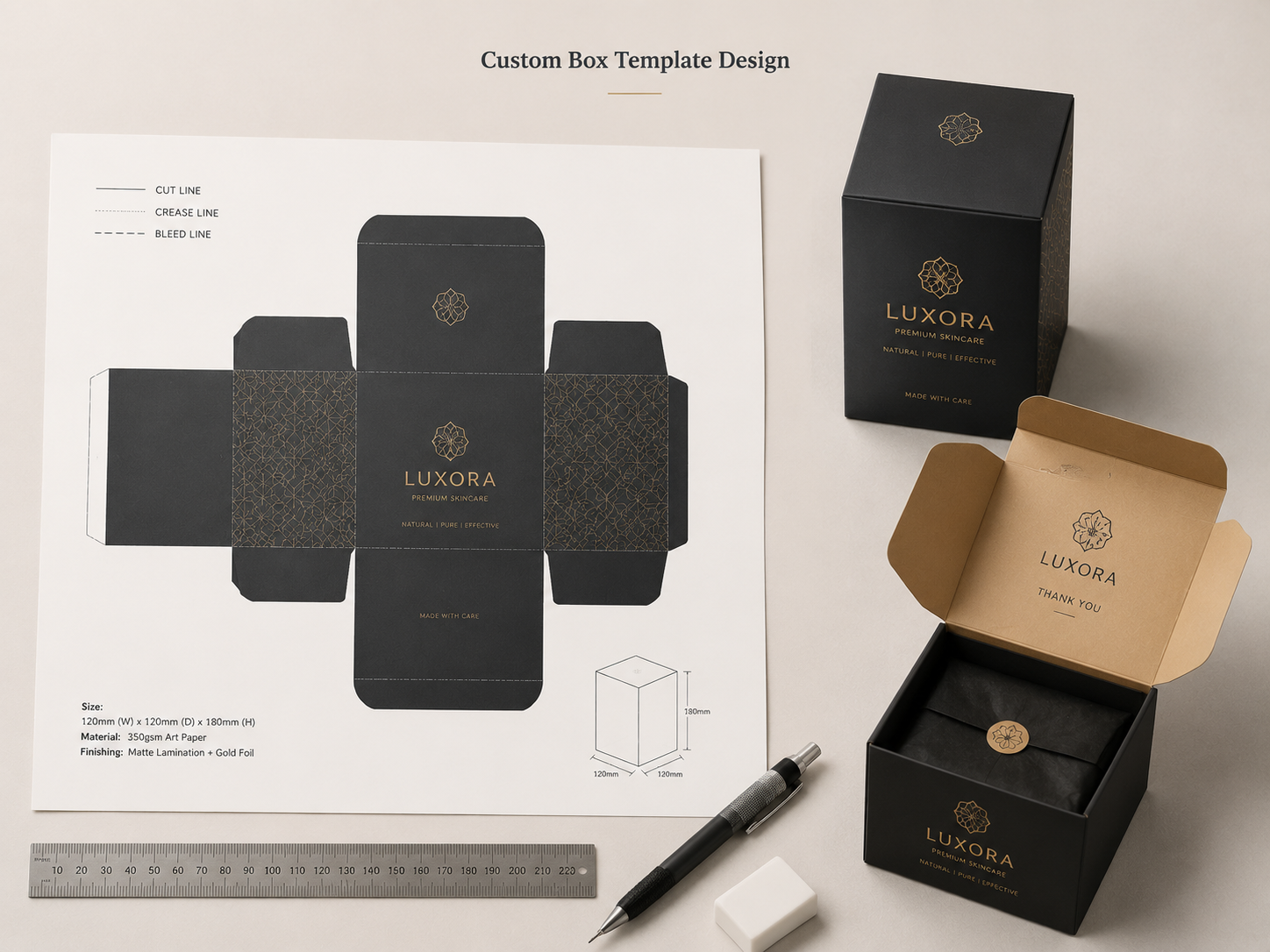
Corrugated plastic is widely used for signage, packaging, protection sheets, and reusable boxes. Because it looks similar to corrugated cardboard, it is often assumed that it can be cut the same way. In practice, the cutting method matters a lot for edge quality, safety, and efficiency.
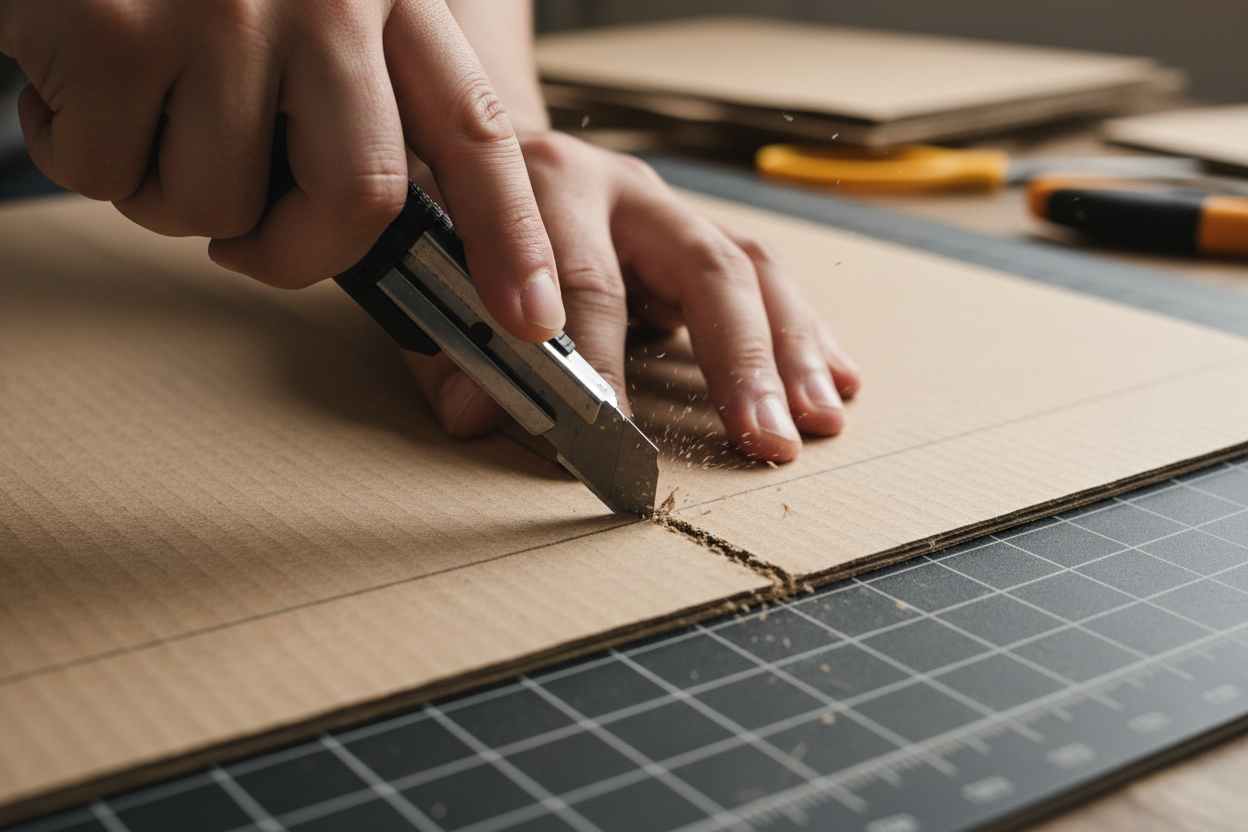
Corrugated plastic can be cut with a utility knife, but only when the correct technique, blade condition, and support method are used. Improper cutting leads to rough edges, slipping blades, and damaged flutes.
Corrugated plastic behaves very differently from paper-based materials, and cutting methods must reflect that difference.
Understand the Structure of Corrugated Plastic
Corrugated plastic, often made from polypropylene, consists of two flat plastic sheets connected by internal flutes. These flutes provide rigidity while keeping weight low.
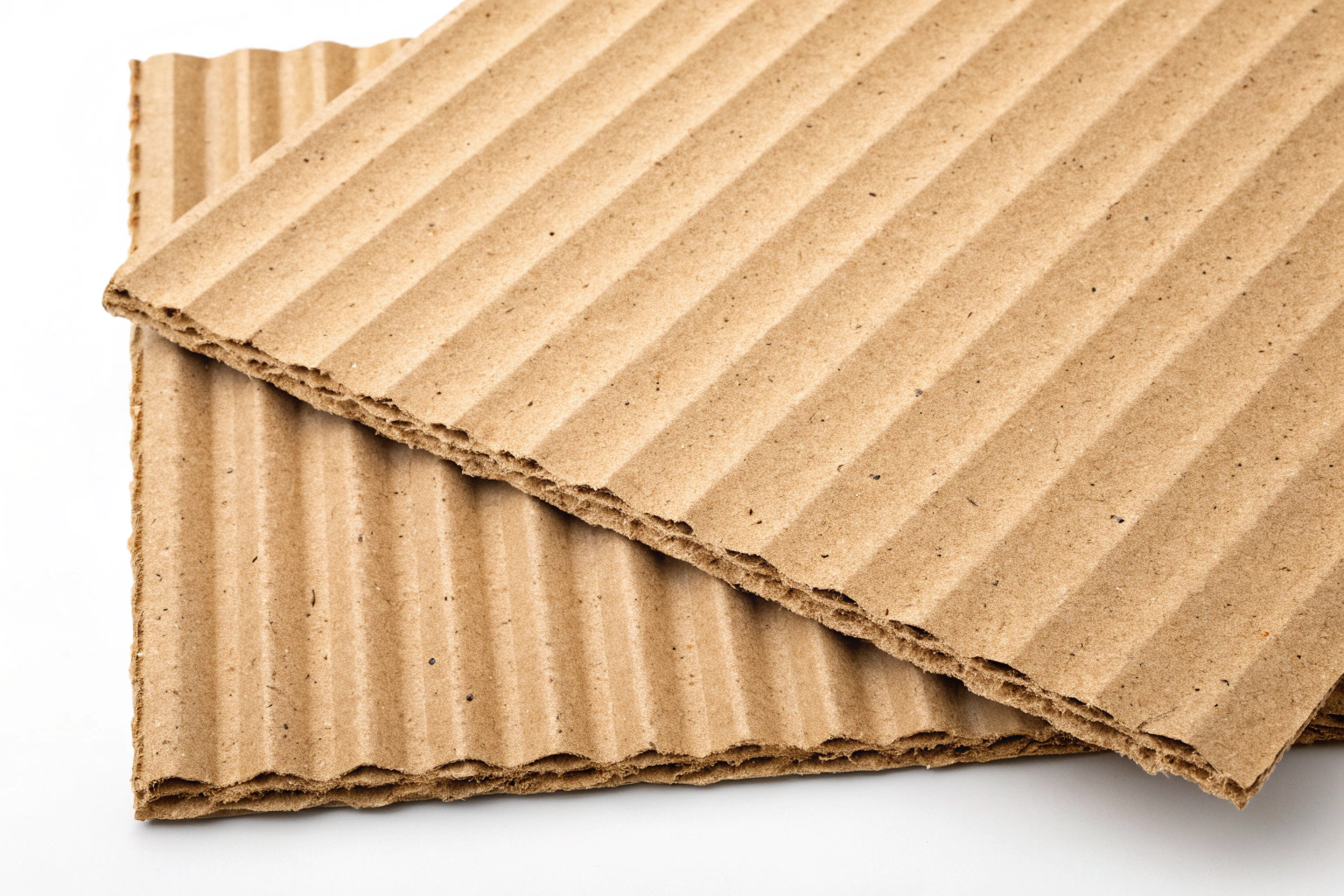
Unlike cardboard, corrugated plastic does not absorb blade pressure. The material resists compression and tends to flex or slide if not supported correctly.
Because the material is slick and tough, cutting relies more on slicing technique than force.
When a Utility Knife Works Well
A utility knife works best on thin corrugated plastic sheets, typically used for signs, dividers, or light packaging. Straight cuts along the flute direction are the easiest.
Sharp blades can slice cleanly through the top skin and internal flutes with controlled passes. Light pressure and patience are essential.
Multiple shallow passes are safer and cleaner than trying to cut through the sheet in one motion.
Blade Choice and Sharpness Matter
Corrugated plastic dulls blades faster than cardboard. A blade that feels sharp on paper may still tear plastic instead of cutting it.
Fresh, high-quality blades reduce slipping and edge tearing. Blades should be replaced more frequently when working with plastic materials.
In factory sample rooms, blades are often changed after only a short cutting cycle to maintain consistency.
Cutting Direction and Support Technique
Cutting direction has a major impact on results. Cutting parallel to the flutes requires less resistance and produces smoother edges.
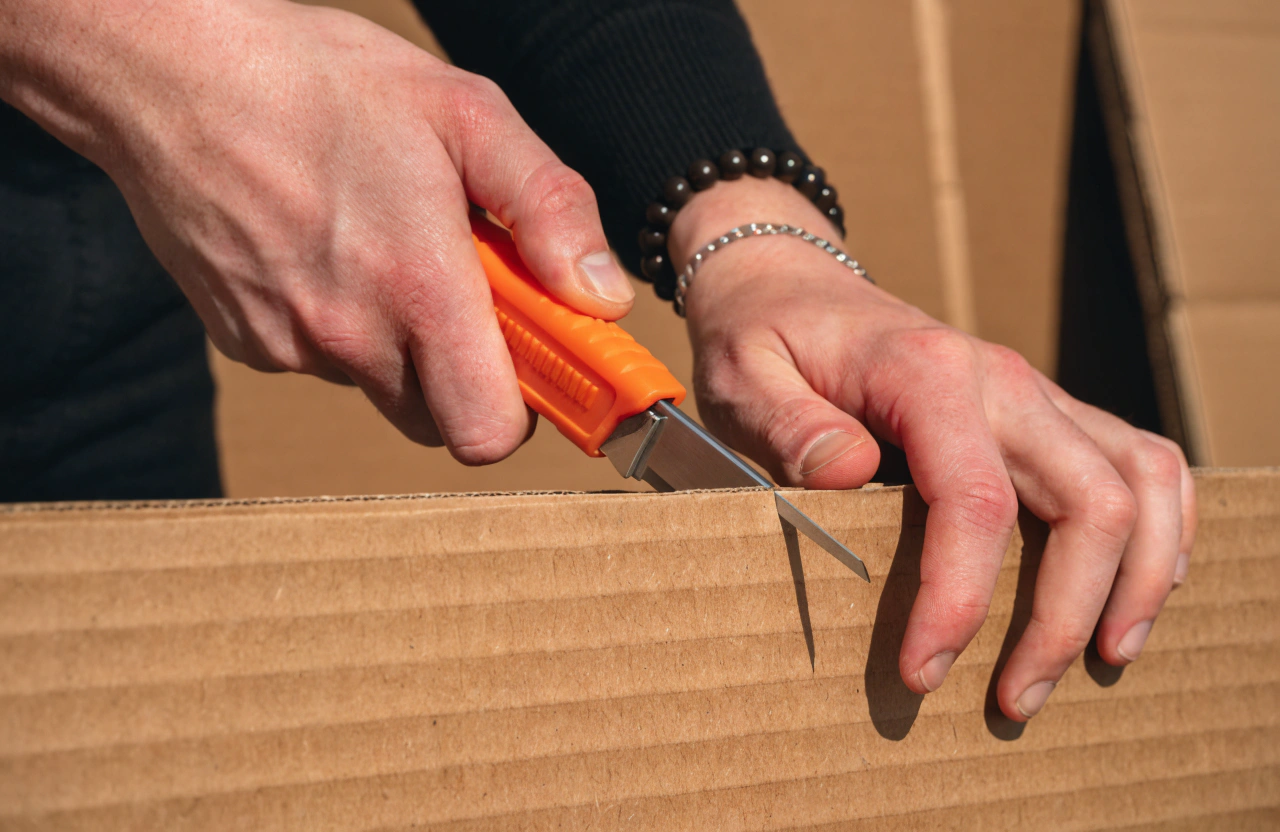
Cutting across the flutes is possible but requires firmer support and more controlled passes. Without support, the sheet flexes and the blade skips.
A flat cutting mat or sacrificial board underneath prevents bending and improves safety.
Factory and Workshop Cutting Methods
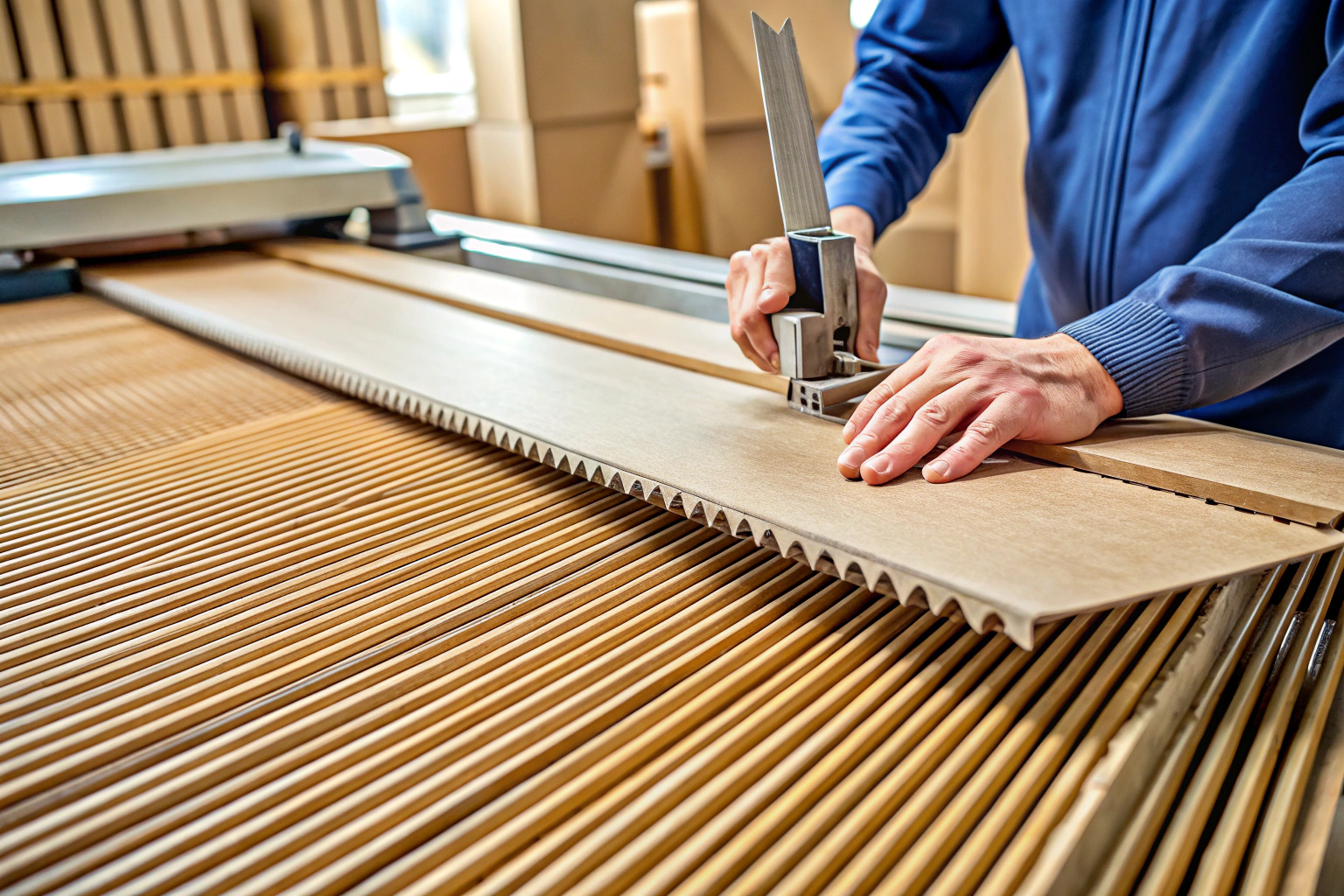
In manufacturing workshops, corrugated plastic is often cut using flatbed cutters, CNC plotters, or die-cutting machines. These methods ensure repeatable accuracy and clean edges.
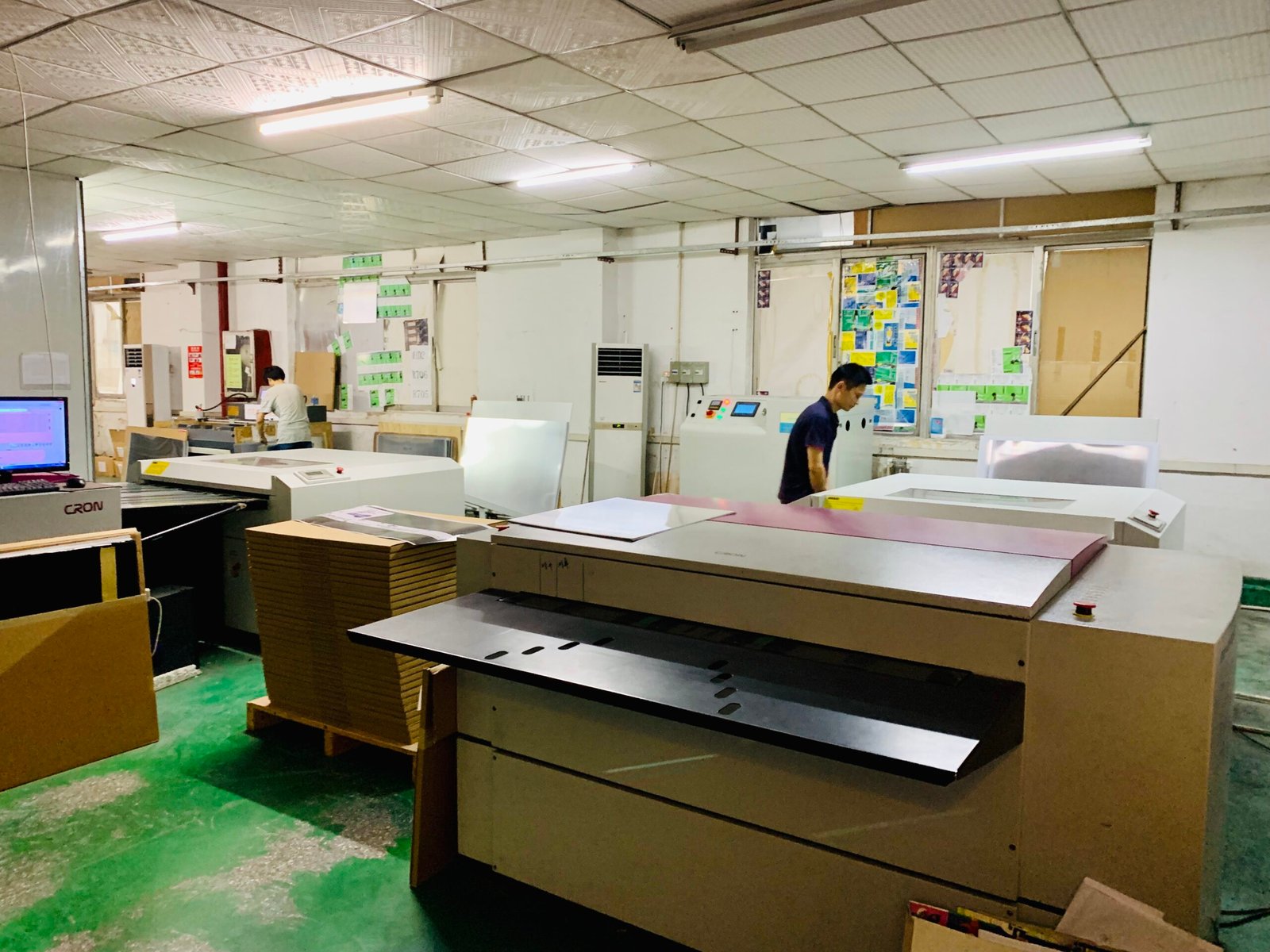
Utility knives are mainly used for sampling, short runs, or on-site adjustments. Production cutting relies on controlled machines to avoid operator fatigue and material waste.
Even in factories, manual cutting still follows the same rules of blade sharpness and pressure control.
Common Mistakes to Avoid
Several common errors lead to poor results or safety risks. Applying too much force causes slipping. Using dull blades leads to jagged edges. Cutting without support increases flexing and loss of control.
Another frequent mistake is trying to snap corrugated plastic like cardboard. Plastic does not fracture cleanly and often tears unpredictably.
Avoiding these mistakes improves both cut quality and operator safety.
Conclusion
Corrugated plastic can be cut with a utility knife, but success depends on technique rather than strength. Sharp blades, multiple light passes, proper support, and correct cutting direction are essential for clean and safe results. Compared with cardboard, corrugated plastic resists compression and requires more controlled slicing to prevent slipping and edge damage.
From a manufacturing perspective, utility knives are suitable for samples, prototypes, and small adjustments. For consistent production, machine cutting methods provide better accuracy and efficiency. Understanding the behavior of corrugated plastic and adapting the cutting process accordingly ensures clean edges, reduced waste, and safer handling across both workshop and field applications.