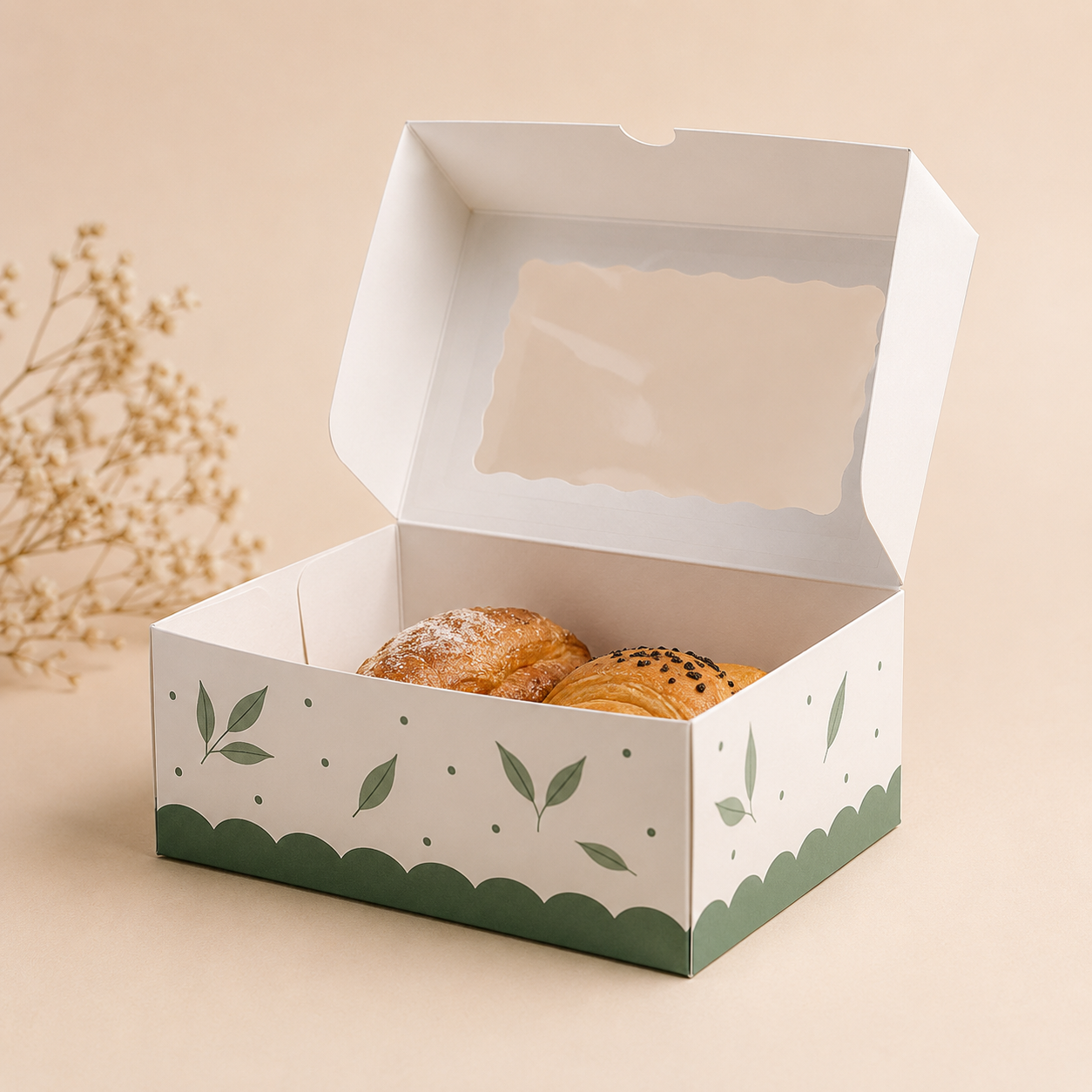
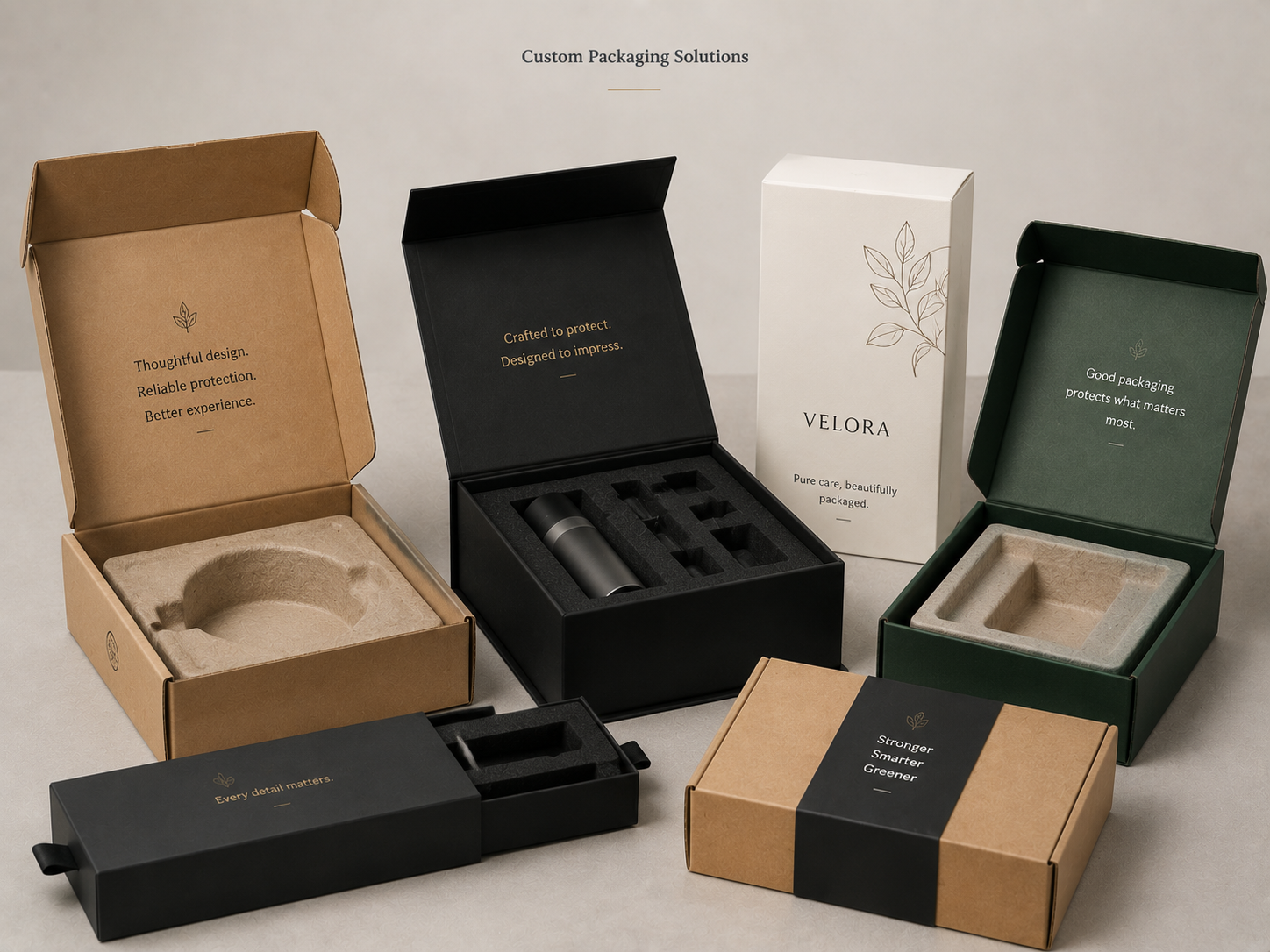
Packing failures often come from material mismatch. Products tear through paper, surfaces get scratched, or protection feels unreliable. These issues usually appear when the real packing performance of kraft paper is not fully understood.
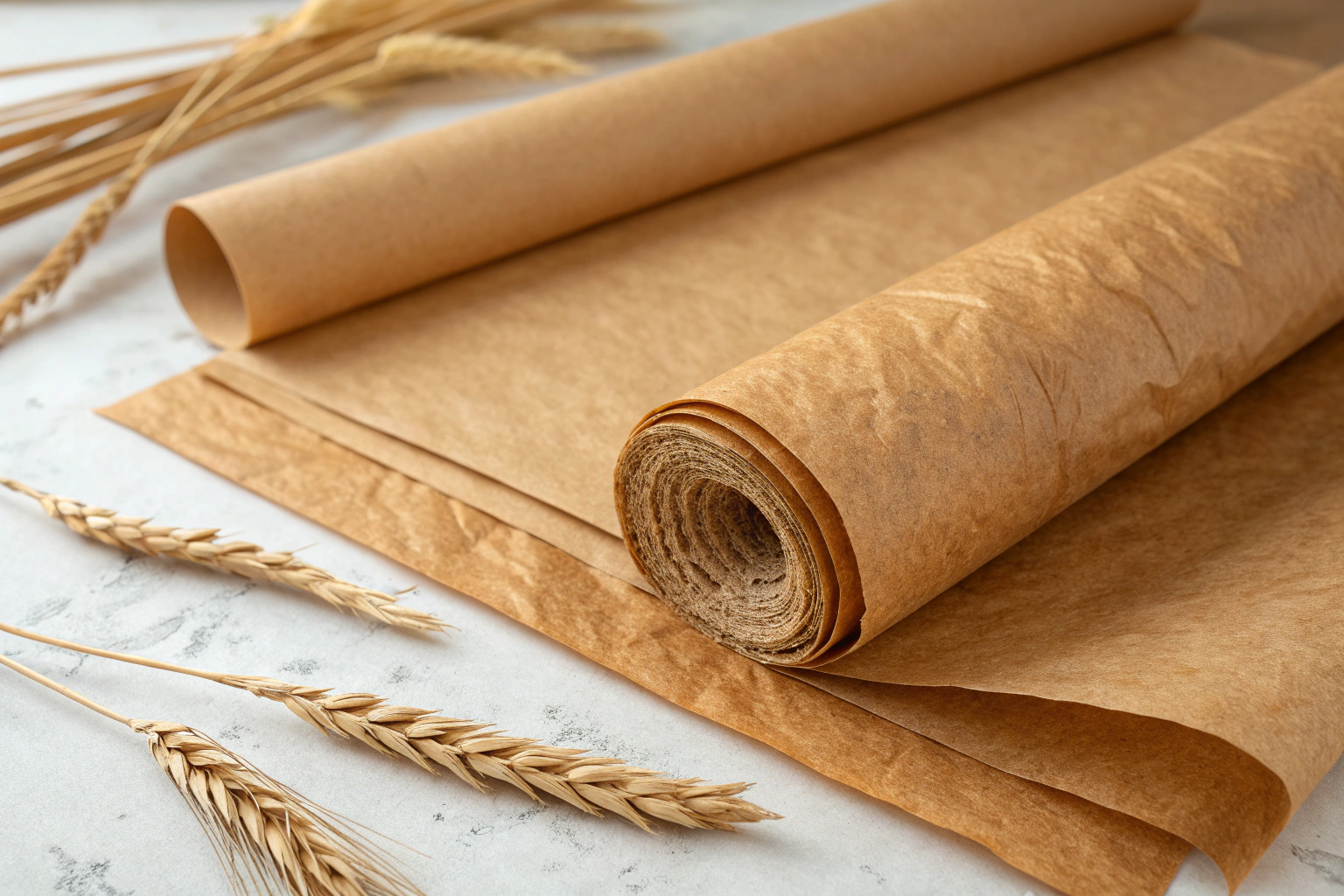
Kraft paper can be used for packing when flexibility, tear resistance, and light to medium protection are required. Its suitability depends on product weight, surface sensitivity, and packing method.
Kraft paper has been used in packing applications for decades. Its performance comes from fiber strength and controlled manufacturing rather than thickness alone.
Why Kraft Paper Is Commonly Used for Packing?
Kraft paper is widely used in packing because of its basic mechanical properties.

Kraft paper provides good tear resistance, flexibility, and surface protection for many packing needs.
Long wood fibers give kraft paper high tensile strength. This allows it to wrap, fold, and cushion products without breaking easily. The paper conforms to product shapes and reduces direct contact between items.
In factory packing areas, kraft paper is used for wrapping individual products, lining cartons, and separating layers. It performs well where shock is limited and where structure is provided by an outer box. Its reliability makes it a standard packing material across many industries.
What Types of Packing Are Suitable for Kraft Paper?
Kraft paper is not universal. Its use depends on packing conditions.

Kraft paper is suitable for light to medium packing, surface protection, and void filling.
It is commonly used to wrap electronics accessories, metal parts, glassware with secondary support, and finished goods with smooth surfaces. It is also used as interleaving paper between stacked items.
For void fill, crumpled kraft paper absorbs movement inside cartons. This reduces product shifting during transport. For inner packing, kraft paper works best when combined with corrugated boxes or rigid outer packaging that provides compression strength.
When Is Kraft Paper Not Enough for Packing?
Understanding limitations is as important as knowing advantages.
Kraft paper alone is not suitable for heavy loads, sharp edges, or high-impact transport.
Heavy products can tear through kraft paper under pressure. Sharp corners can puncture the paper. Long-distance transport with stacking pressure requires materials with structural strength.
In these cases, kraft paper is used only as an inner layer. Corrugated board, molded fiber, or foam inserts provide the main protection. Kraft paper supports surface protection but should not be relied on as the primary load-bearing material.
How Does Kraft Paper Perform in Factory Packing Lines?
Packing performance depends on machine compatibility and material stability.
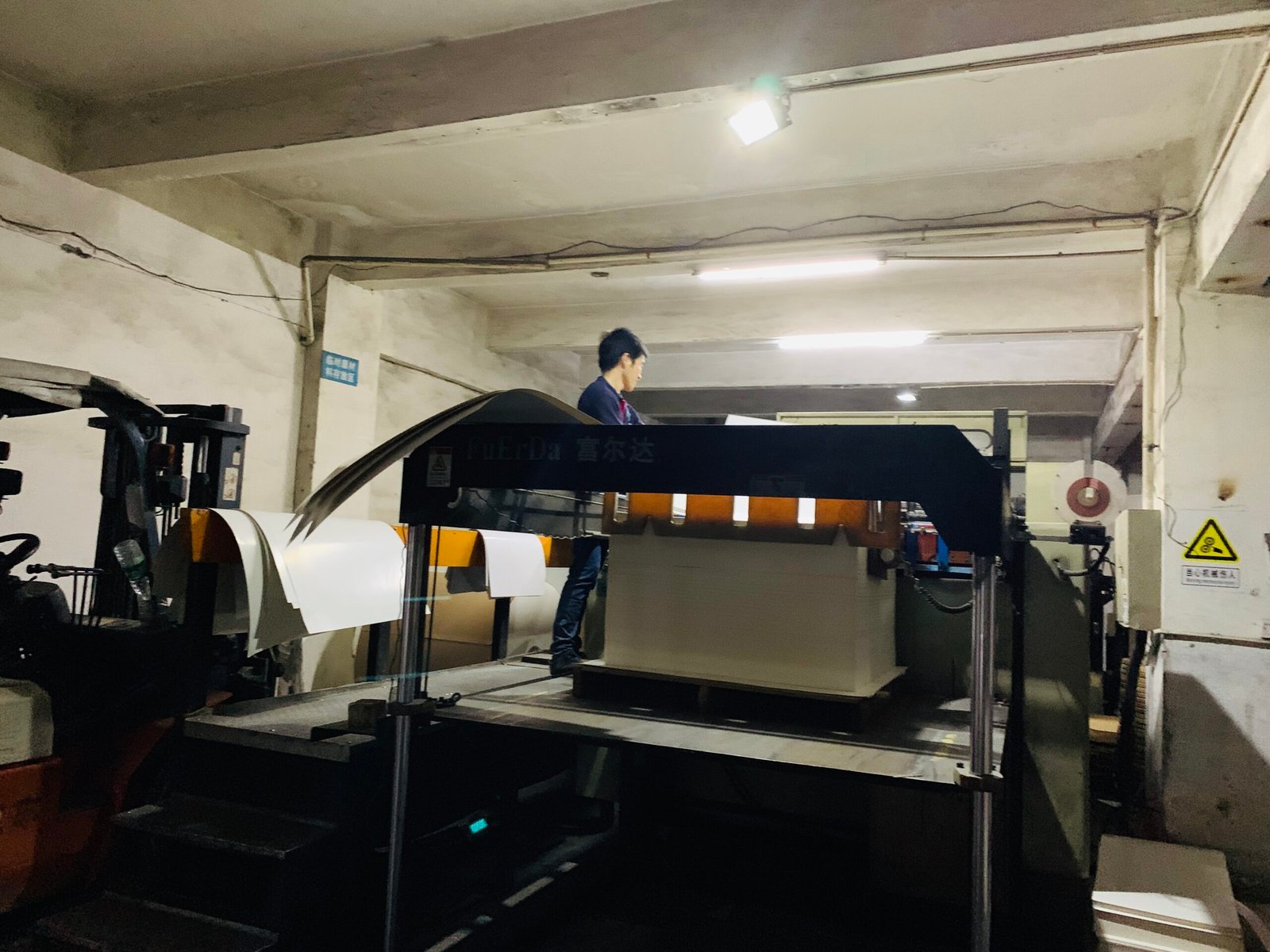
Kraft paper runs smoothly on manual and automated packing lines due to its strength and flexibility.
In factory workshops, kraft paper handles tension well. It resists tearing during pulling and folding. This reduces downtime and material waste. Rolls and sheets can be fed into packing stations without complex setup.
Moisture control is critical. Paper that is too dry becomes brittle. Paper that is too moist loses stiffness. Professional manufacturers control moisture content during production to ensure stable packing performance across different environments.
How Does Kraft Paper Compare With Other Packing Materials?
Material comparison helps clarify where kraft paper fits.
Kraft paper offers better recyclability and flexibility than plastic, but less cushioning than corrugated or molded fiber.
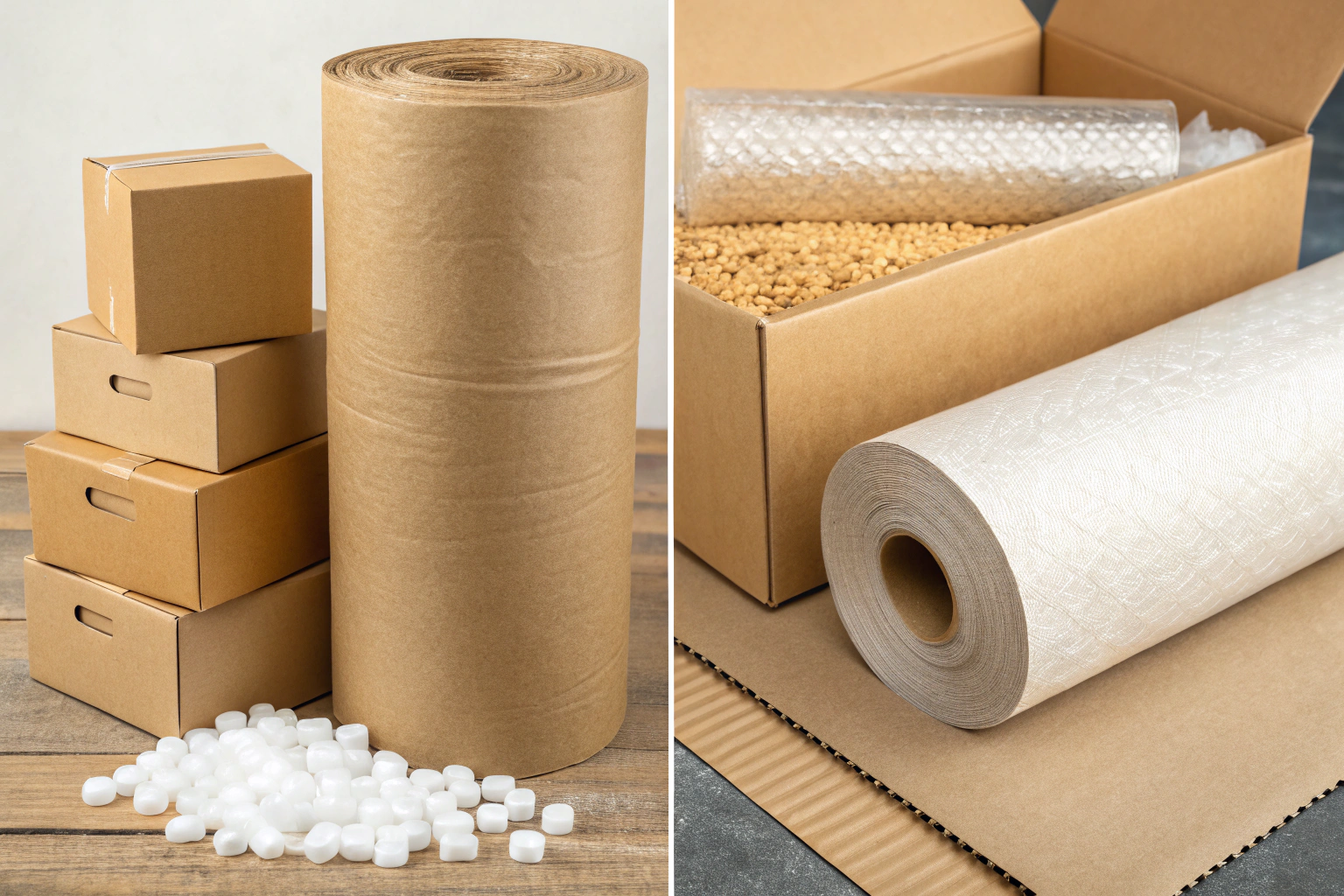
Compared to plastic film, kraft paper is easier to recycle and has a more natural appearance. Compared to bubble wrap, it offers less shock absorption but avoids mixed-material waste.
In manufacturing planning, kraft paper is often selected to replace plastic for wrapping and void fill where impact risk is low. It balances protection, sustainability, and cost when used correctly within a complete packing system.
How Does Manufacturing Quality Affect Packing Performance?
Packing success depends on paper quality, not just paper type.
High-quality kraft paper with stable fiber composition delivers consistent packing performance.
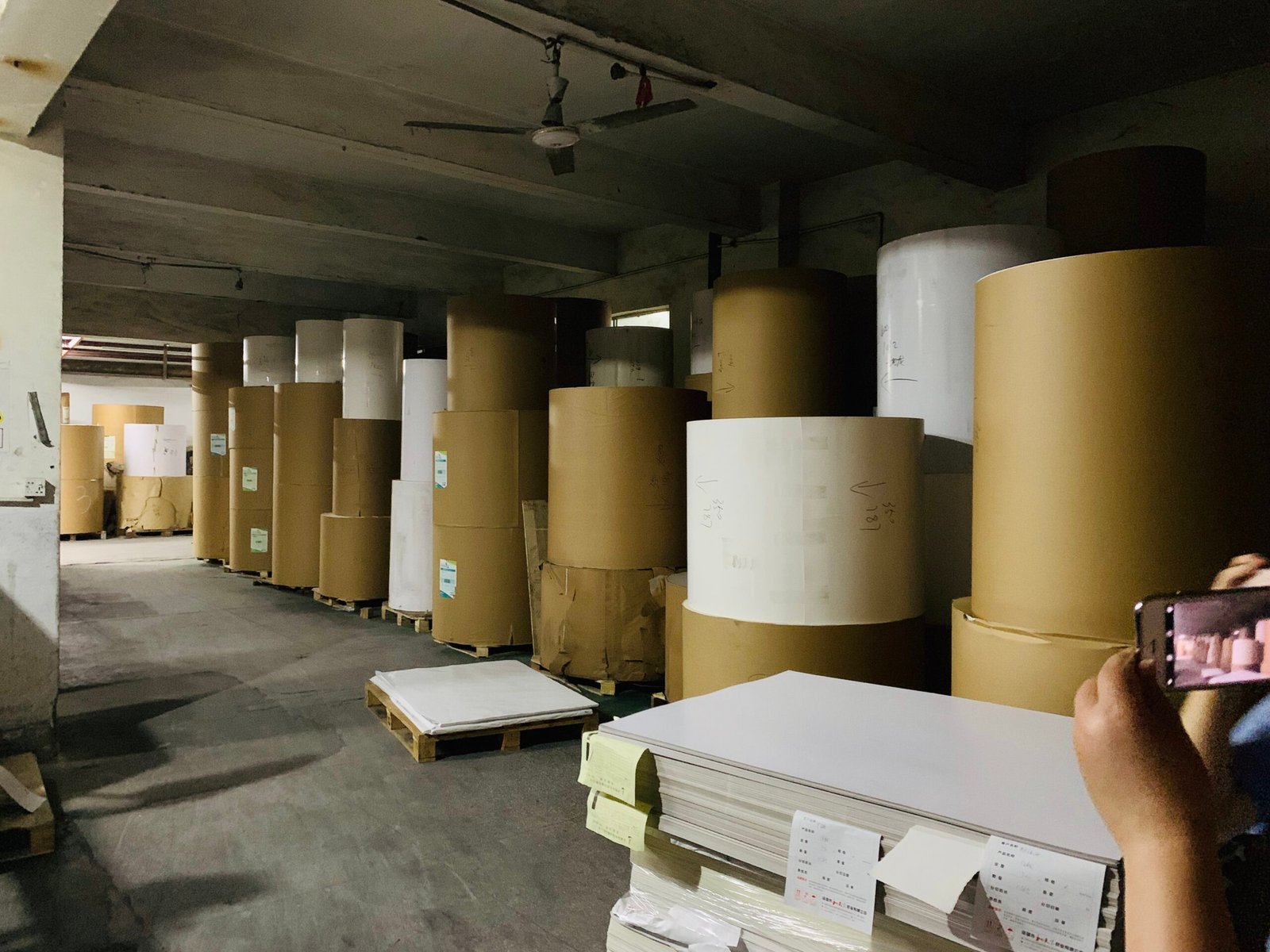
In production workshops, fiber selection, refining level, and drying control determine paper strength and flexibility. Poor-quality paper leads to tearing and dust generation during packing.
Manufacturers test tensile strength, tear resistance, and moisture stability before delivery. Consistent production ensures kraft paper behaves the same on packing lines day after day. This stability is critical for efficient factory packing operations.
Conclusion
Kraft paper can be used for packing when applied within its performance range. It offers strong tear resistance, flexibility, and reliable surface protection for light to medium packing needs. It performs well as wrapping material, interleaving paper, and void fill inside outer packaging.
However, kraft paper is not a structural material. It does not replace corrugated board or rigid protection for heavy loads or high-impact transport. Its best performance comes when used as part of a complete packing system, supported by outer cartons and proper design.
From a manufacturing perspective, packing success depends on correct material selection and stable paper quality. Well-produced kraft paper runs smoothly on packing lines, reduces waste, and supports efficient operations. When matched correctly to product weight, shape, and transport conditions, kraft paper remains a practical and dependable packing material across many industries.