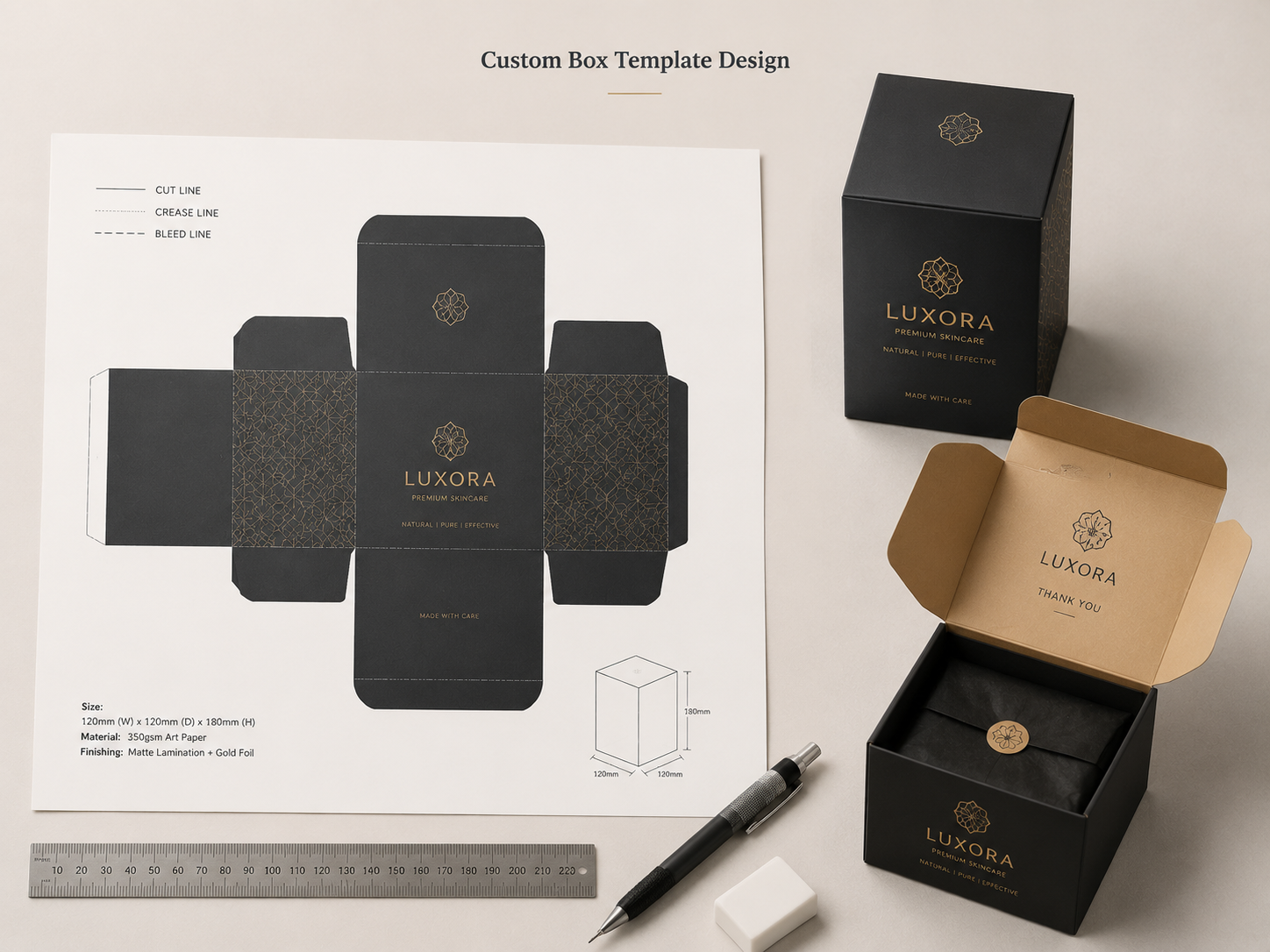
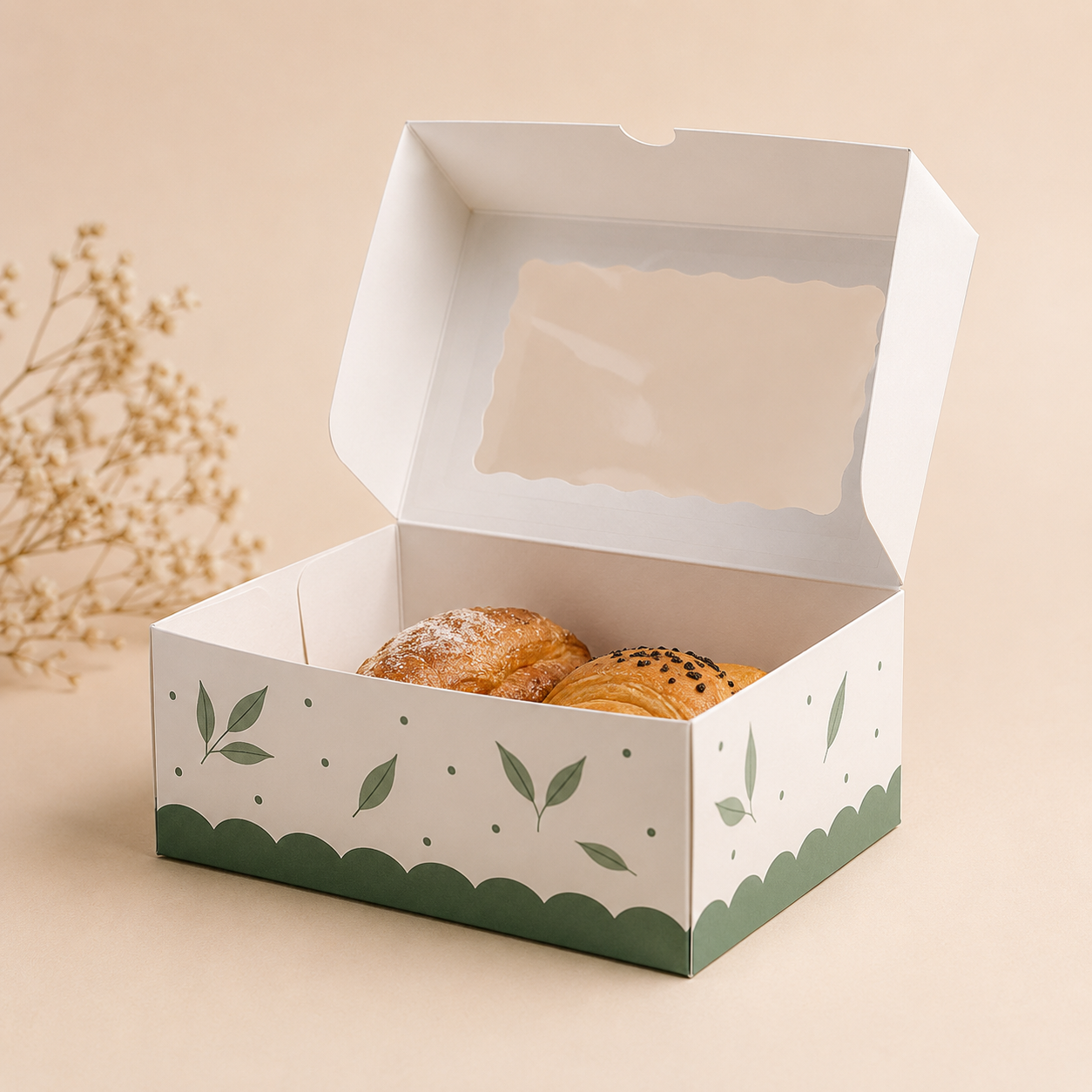
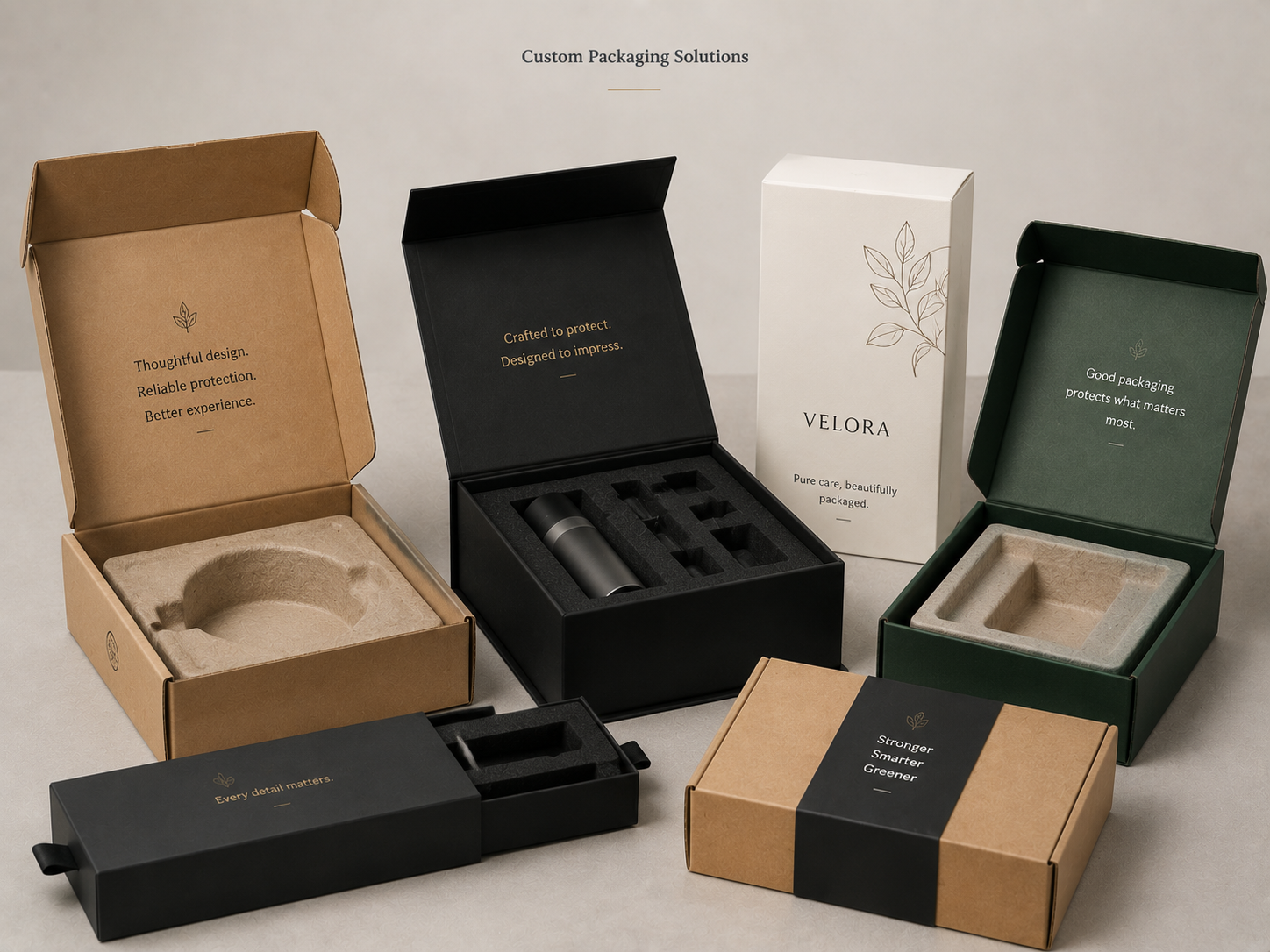
Choosing between custom boxes and kraft boxes often looks simple at first. In reality, the wrong choice can raise cost, weaken brand impact, and create damage or waste during shipping.
Custom boxes work best when branding, print quality, product fit, and premium presentation matter. Kraft boxes work best when simplicity, lower decoration cost, fast sourcing, and a natural eco look matter most. The right option depends on product value, sales channel, shipping risk, and how much brand visibility the packaging needs to carry.
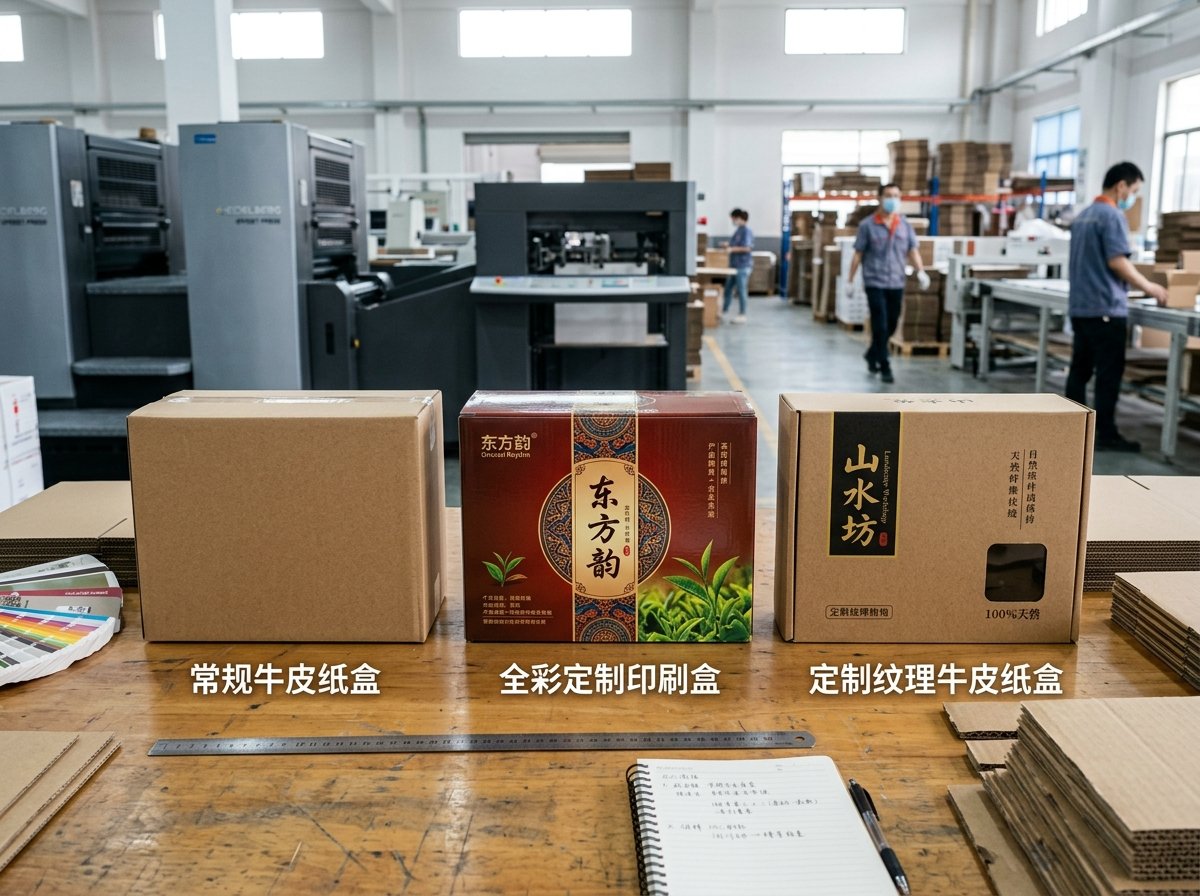
Many buyers compare kraft and custom packaging by unit price alone. That is where mistakes start. A lower box price can still lead to higher total cost if the packaging looks generic, fits poorly, damages the product, or fails to support the selling price. A better decision comes from comparing cost, branding, structure, and use case together.
What Is the Real Difference Between Kraft Boxes and Fully Custom Printed Boxes?
At the basic level, kraft boxes usually use brown kraft paper or kraft-lined board with a simple and natural look. Fully custom printed boxes are built around tailored size, full artwork, branded color, structure, finish, and sometimes inserts. One is usually more standard and direct. The other is usually more controlled and brand-led.
Kraft boxes are usually chosen for simplicity, earthy style, and cost control. Fully custom printed boxes are chosen for stronger brand identity, better shelf impact, and a packaging experience that feels more specific to the product.
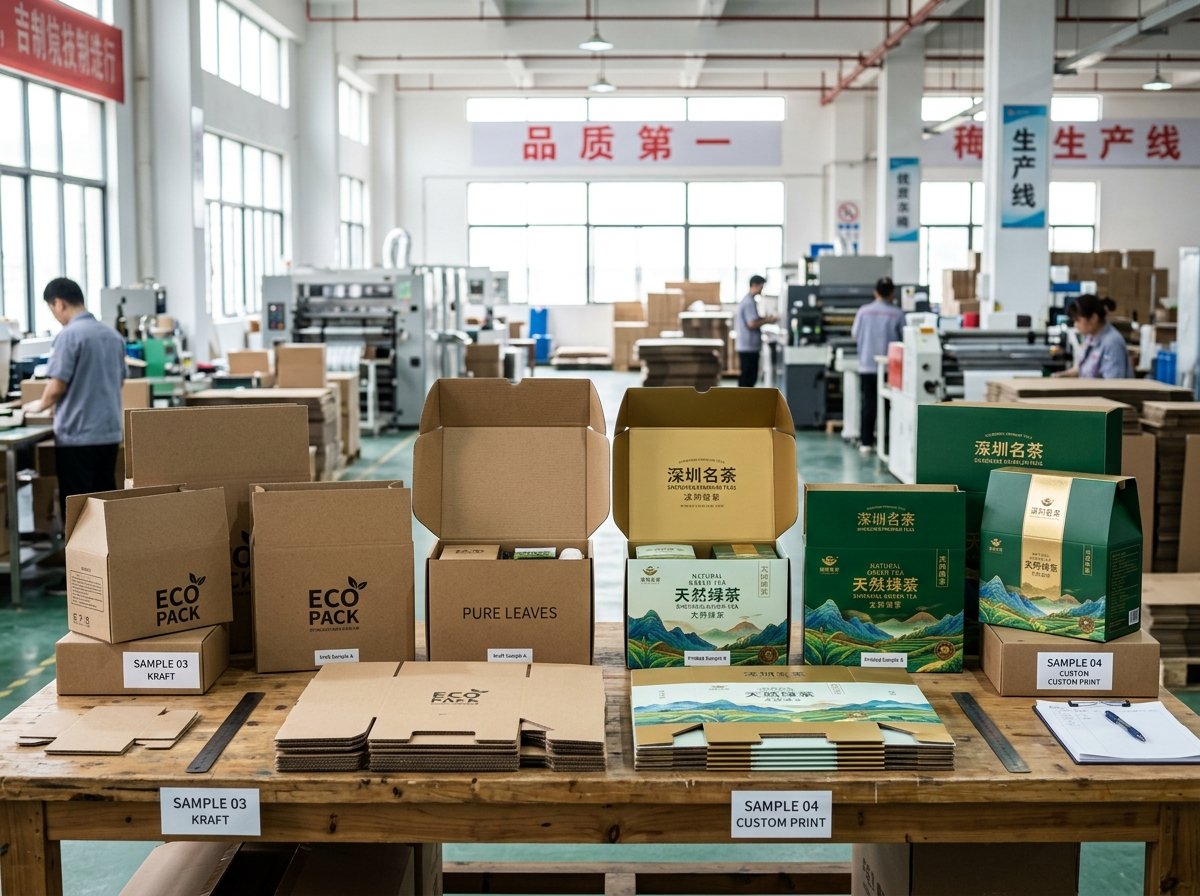
This difference matters because customer complaints about packaging often come from a mismatch between the product and the box. A high-value item in a weak or generic box can feel cheap. A fragile item in an underbuilt structure can arrive crushed. A premium brand in a plain stock carton can lose part of its price justification before the product is even opened.
For that reason, the real question is not which box is better in general. The real question is which box is better for the job.
| Packaging option | Main strength | Main weakness | Best fit |
|---|---|---|---|
| Stock kraft box | Simple, natural, cost-aware | Limited branding and differentiation | Basic retail, shipping, eco-style packaging |
| Fully custom printed box | Strong branding and tailored fit | Higher setup and production cost | Premium retail, gifting, launches, branded e-commerce |
| Custom kraft box | Eco look plus tailored design | Can cost more than stock kraft | Brands needing both natural feel and clear identity |
How Do Kraft Boxes and Custom Boxes Compare on Cost?
Cost is usually the first point buyers look at, but it should not be the last. Stock kraft packaging often starts lower because it uses simpler material presentation, fewer print steps, and more standard sizing. Fully custom boxes usually cost more because of artwork setup, custom die lines, print control, finishing, and tighter production requirements.
Stock kraft boxes usually have a lower starting cost. Fully custom printed boxes usually carry higher upfront cost, but they can create more value through better branding, better fit, and better product perception.
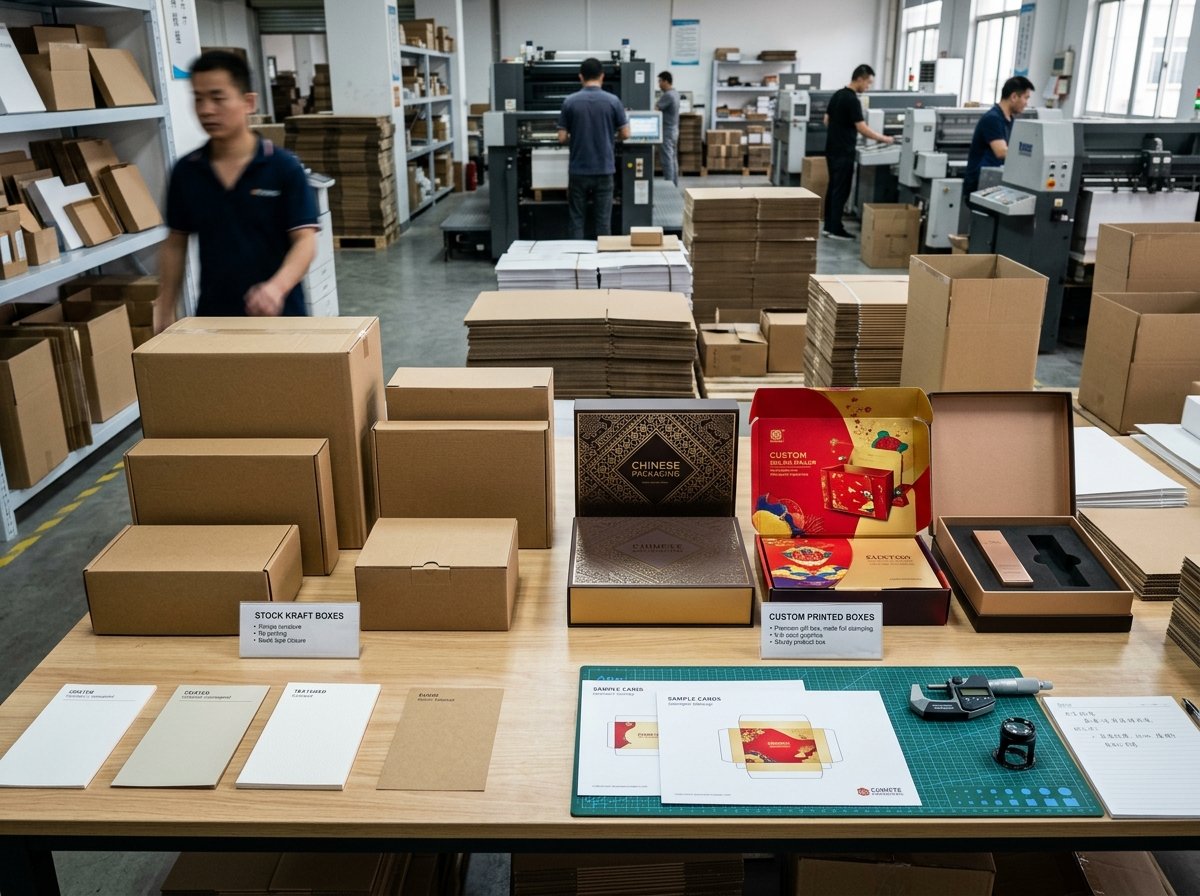
Still, the lowest quote does not always mean the best value. Many packaging issues in public reviews come from going too light on structure, using the wrong size, or choosing packaging that looks too generic for the product category. That often leads to returns, poor reviews, or the feeling that the item is overpriced for what arrives.
A stock kraft box may work well for soaps, candles, simple food packaging, mail-order kits, and products where the natural material look supports the brand. A fully custom printed box may be the smarter choice for cosmetics, electronics accessories, gift sets, and products that need a stronger retail look or a more polished unboxing moment.
| Cost factor | Stock kraft box | Fully custom printed box |
|---|---|---|
| Tooling/setup | Usually lower | Usually higher |
| Printing cost | Minimal or limited | Higher due to artwork and color control |
| MOQ sensitivity | Often more flexible | Often more sensitive |
| Unit branding value | Lower | Higher |
| Premium selling support | Moderate | Strong |
The better cost question is this: what is the packaging expected to do after it leaves the factory?
Which Option Is Better for Branding and Shelf Impact?
Branding is where custom boxes usually win very clearly. Full printing, spot color, foil, embossing, UV, inside print, and structural design all help a box feel owned by the brand. Stock kraft packaging usually gives a cleaner and more understated look, but it rarely delivers the same visual control unless it is also custom printed or custom sized.
Fully custom printed boxes are usually better for branding because they give more control over color, message, structure, and finish. Kraft boxes are better when the brand wants a simple, natural, and low-process image.
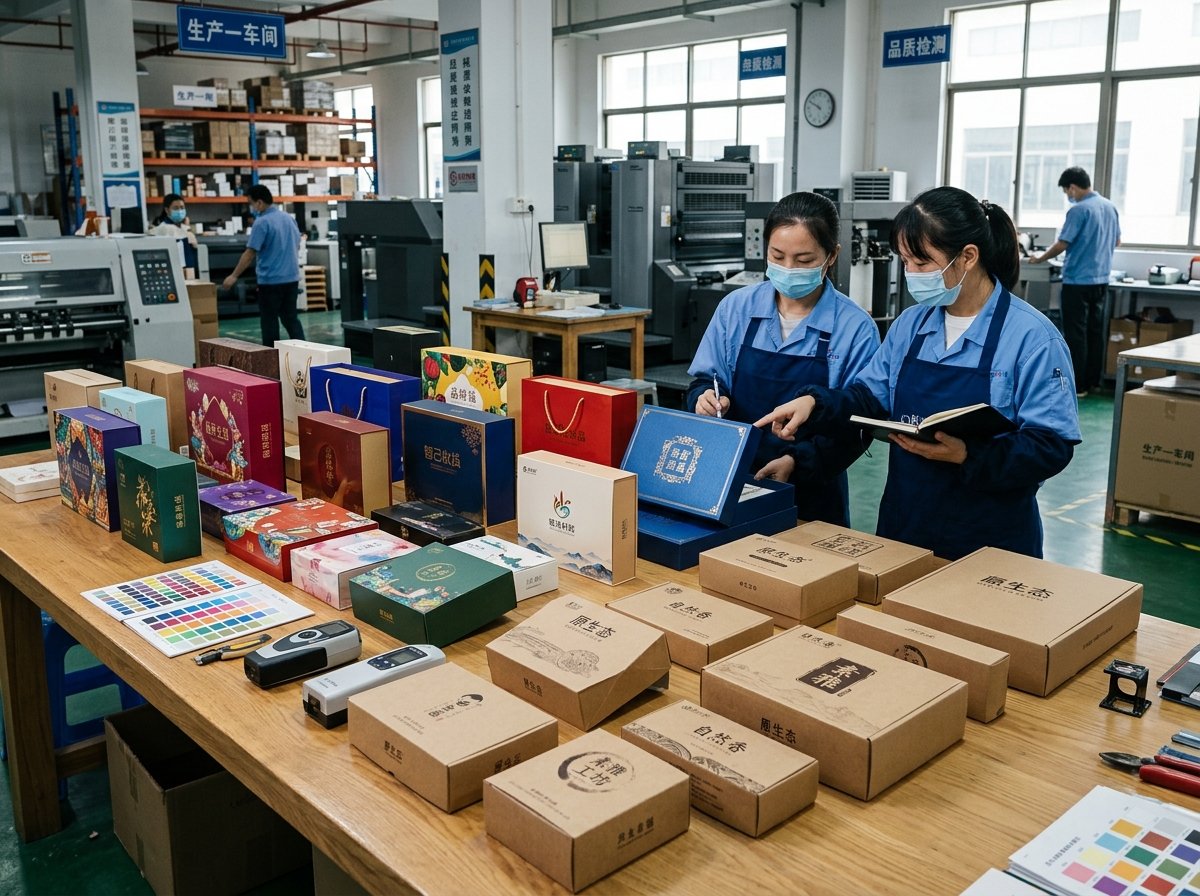
This matters because buyers often judge quality from the package before they judge the product. Many public complaints about packaging are not only about damage. They are also about boxes looking flimsy, cheap, poorly aligned, badly printed, or inconsistent with the advertised image. That gap hurts trust fast.
In categories like beauty, consumer electronics, and gift packaging, the box often carries part of the brand promise. A plain kraft box may look honest and eco-friendly, but it may not carry enough premium value for a serum set, a high-end charger, or a launch campaign gift. In those cases, custom packaging helps justify the product position.
| Branding need | Better choice | Reason |
|---|---|---|
| Natural, handmade feel | Kraft box | Matches low-process, eco-style image |
| Premium gift presentation | Custom box | Stronger finish and visual depth |
| Retail shelf competition | Custom box | Better color and brand visibility |
| Minimalist eco branding | Kraft or custom kraft | Simple look with sustainability signal |
What Use Cases Fit Kraft Boxes Best?
Kraft boxes work best when the product and brand already fit a simpler look. They are often used for organic goods, handmade items, bakery packaging, subscription kits, low-ink e-commerce packs, and brands that want a raw material story. They are also useful when packaging needs to move fast and does not require heavy decoration.
Kraft boxes are best for products that benefit from a natural look, moderate protection, simple messaging, and lower decoration complexity.
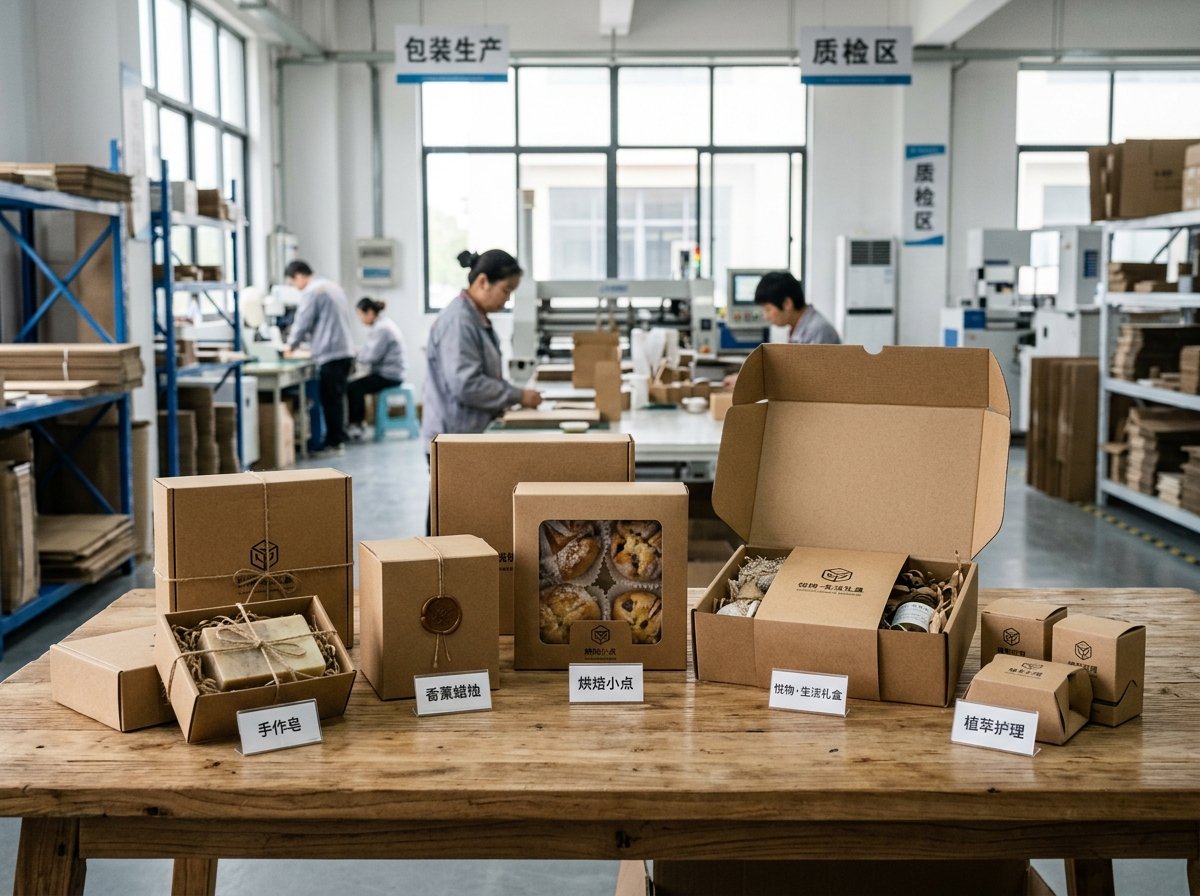
Still, kraft should not be confused with weak. Many complaints in the packaging market come from boxes that are too thin, poorly sized, or not built for shipping. A kraft box still needs the right board grade, the right box style, and the right fit. If a fragile or high-value item goes into a thin stock kraft box without insert support or an outer shipping carton, the result can be corner crush, burst seams, or a cheap first impression.
This is why the strongest kraft programs are usually the ones that still control structure well. Material appearance is only one part of packaging performance.
| Good kraft use case | Why it works |
|---|---|
| Handmade soaps or candles | Natural look fits product story |
| Bakery or dry food packaging | Clean and simple visual style |
| Subscription starter kits | Functional and cost-aware |
| Eco-positioned lifestyle goods | Supports sustainability message |
When Are Fully Custom Printed Boxes the Better Choice?
Fully custom printed boxes are the better choice when packaging needs to do more than contain the product. They are useful when the box must communicate brand position, increase shelf appeal, improve gifting value, support launches, or help the product feel more complete and more premium.
Fully custom printed boxes are usually the better choice for high-value products, retail display, gift packaging, and branded e-commerce where the box has to sell as well as protect.
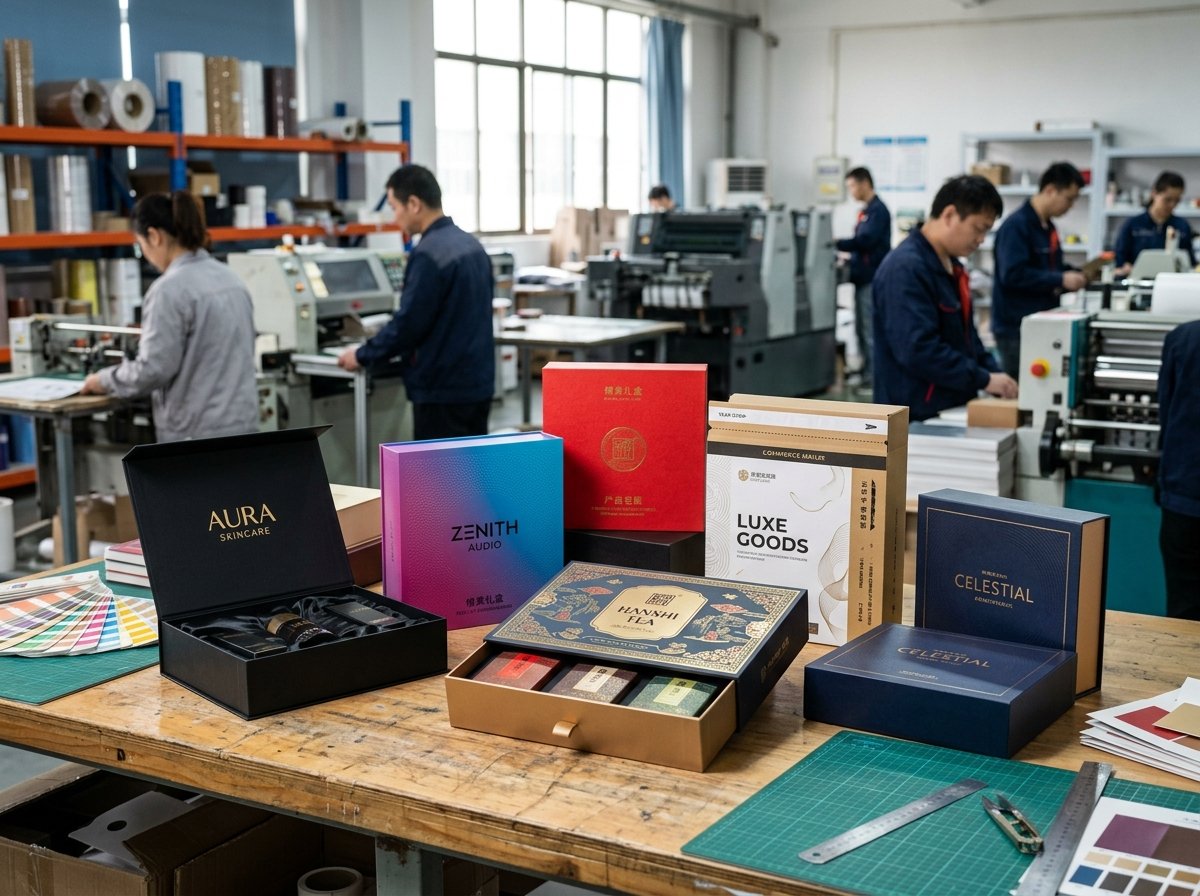
This is especially true in product categories where packaging directly affects perceived value. In cosmetics, personal care, premium accessories, and electronics packaging, plain packaging can make the product feel less refined. Public comments across many channels show the same pattern: when the product looks expensive but the box looks weak or generic, disappointment rises fast.
Custom boxes also help with practical performance. A tailored die line, insert, partition, or fit can reduce movement, improve assembly, and avoid the common problem of the product floating inside the box. That lowers damage risk and creates a cleaner opening experience.
| Good custom box use case | Why it works |
|---|---|
| Cosmetics and skincare | Strong visual identity and gift value |
| Consumer electronics accessories | Better fit, better print, stronger premium feel |
| Trade show and launch kits | Brand impact matters |
| High-value gift sets | Presentation and protection both matter |
How Should Buyers Compare Stock Kraft Packaging and Custom Box Solutions?
The best comparison is not kraft versus custom as a style debate. It is a buying decision based on function. A buyer should compare packaging by product value, shipping route, required print impact, MOQ, sustainability goal, and expected customer experience.
The right way to compare kraft and custom packaging is to look at structure, board grade, size fit, print requirement, shipping risk, and brand goal together.
how to compare kraft and custom packaging options
A common mistake is to compare one stock box quote against one custom box quote without checking what is missing. The stock option may not include inserts, exact sizing, or stronger board. The custom option may include better protection, better fit, and stronger branding. In that case, the higher price is not only buying decoration. It may be buying better performance too.
This kind of comparison is useful:
| Comparison point | Stock kraft packaging | Custom box solution |
|---|---|---|
| Box size fit | Standard sizes | Tailored to product |
| Branding control | Limited | High |
| Insert options | Often basic | Fully customizable |
| Premium feel | Moderate | Strong |
| Speed to launch | Faster if stock ready | Depends on development |
| Flexibility for product range | Limited by stock sizes | Better for multi-SKU control |
A quote should be checked against the product goal, not only the budget line.
What Buyer Considerations Matter Most Before Making the Final Choice?
Before choosing between kraft and custom packaging, the most important buyer considerations are product value, target market, shipping conditions, print expectations, and how much the packaging needs to support the sale. These points matter more than trends.
The final choice should be based on what the packaging must achieve: protect the product, support the price point, match the brand image, and arrive in good condition through the real delivery channel.
buyer considerations kraft vs custom packaging
There are also two practical checks that matter a lot. First, ask whether the box is a sales box, a shipping box, or both. Many packaging failures happen because one box is forced to do all three jobs without enough strength. Second, ask whether the packaging level matches the product value. A premium item in a thin plain box often creates the same negative reaction found in many market complaints: it feels underbuilt, underbranded, and not worth the price.
A careful buyer usually reviews these points before moving ahead:
| Buyer consideration | Why it matters |
|---|---|
| Product fragility | Affects board grade and insert need |
| Selling channel | Retail, e-commerce, gifting, and wholesale all differ |
| Brand position | Determines how much print and finish are needed |
| Sustainability target | May favor kraft or FSC-based solutions |
| MOQ and budget | Affects whether stock or custom is more efficient |
| Delivery distance | Changes protection requirement |
Can Kraft and Custom Packaging Be Combined?
The decision does not always have to be one or the other. Many strong packaging programs combine both. A brand may use kraft material as the base and still add custom print, stamping, labels, sleeves, inserts, or custom structure. That creates a middle path between generic stock packaging and fully high-decoration packaging.
Custom kraft packaging is often the best middle option for brands that want a natural look, stronger identity, and more control without moving into a heavily decorated box style.
This is useful for brands that want sustainability language but still need packaging that does not feel ordinary. It is also useful for buyers who want more packaging value without jumping straight into the highest decoration cost.
A well-built kraft-based custom box can still feel refined if the structure is right, the print is clean, and the fit is precise. Good packaging rarely depends on one visual trick. It depends on balance.
Conclusion
Kraft boxes are right for simple, natural, and cost-aware packaging. Custom boxes are right when branding, product value, and presentation need stronger support.