Many buyers assume kraft paper is strong enough to handle any environment. This misunderstanding often leads to damaged packaging, collapsed boxes, and product complaints during shipping.
Yes, kraft paper does get wet, and when it absorbs moisture, its strength and structural performance decrease significantly if no protection is applied.
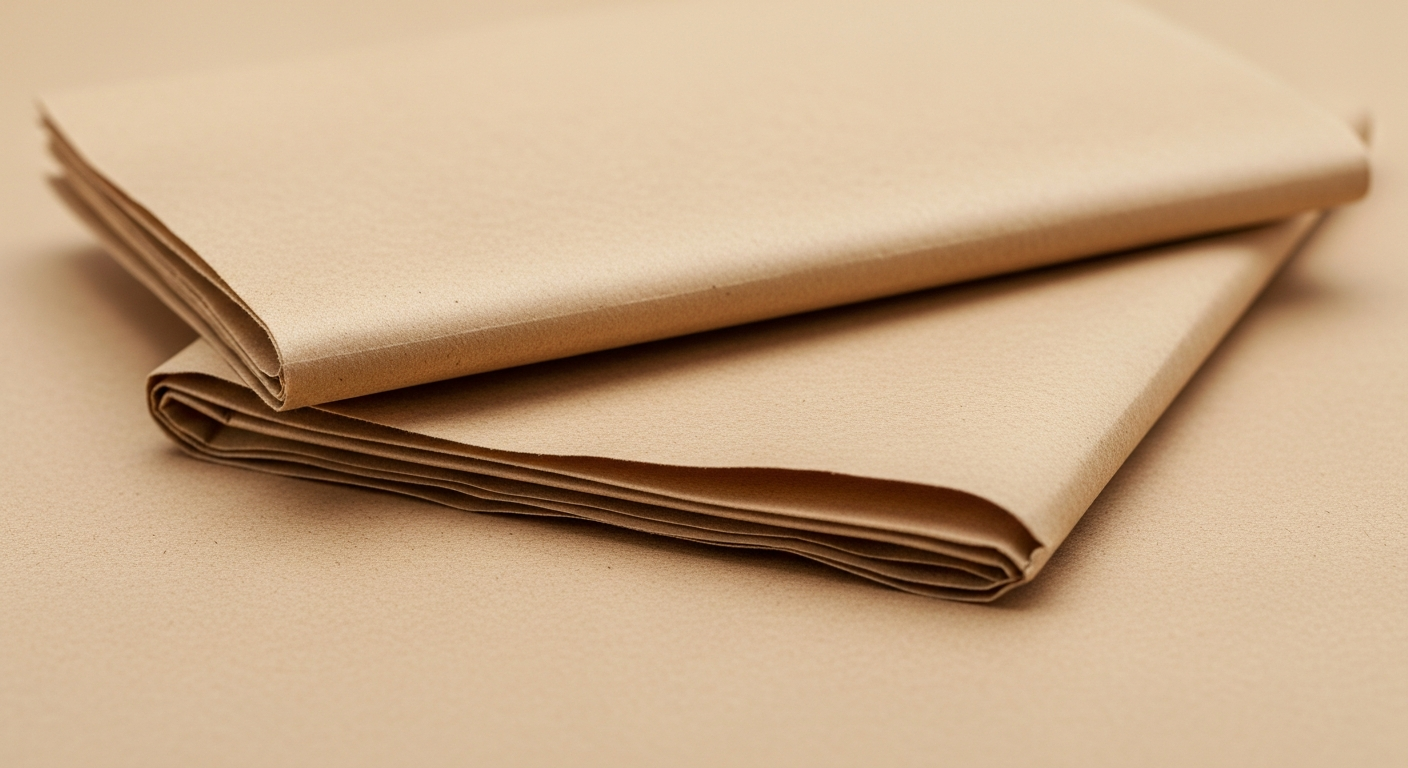
I have seen this issue many times in real orders. The box looks perfect when it leaves the factory, but it fails after sea shipping or warehouse storage. Moisture is usually the reason.
Why Does Kraft Paper Absorb Water?
Some buyers believe kraft paper is naturally water-resistant. This is not correct.
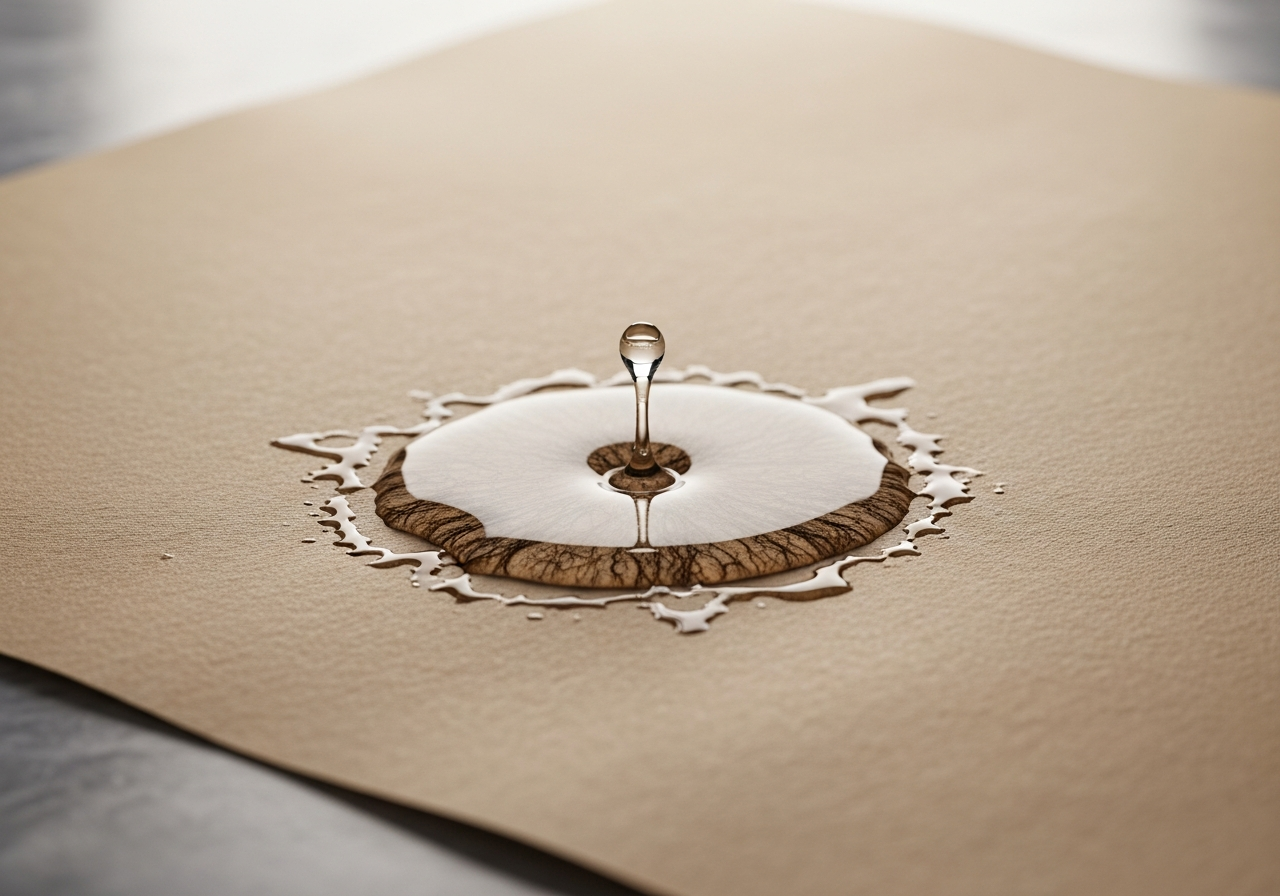
Kraft paper absorbs water because it is made from natural wood fibers, which are hydrophilic and attract moisture.
From a material point of view, cellulose fibers act like tiny sponges. When humidity rises, the fibers pull moisture from the air. When exposed to direct water, absorption happens even faster.
Material reasons kraft paper gets wet
| Reason | Effect |
|---|---|
| Natural wood fibers | Absorb moisture |
| Porous structure | Allows water penetration |
| Paper-based bonding | Weakens when wet |
In our factory, we always remind clients that kraft paper strength is tested in dry conditions. Once moisture enters, performance changes.
What Happens to Kraft Paper When It Gets Wet?
Many buyers think wet kraft paper only looks bad. The real problem is strength loss.
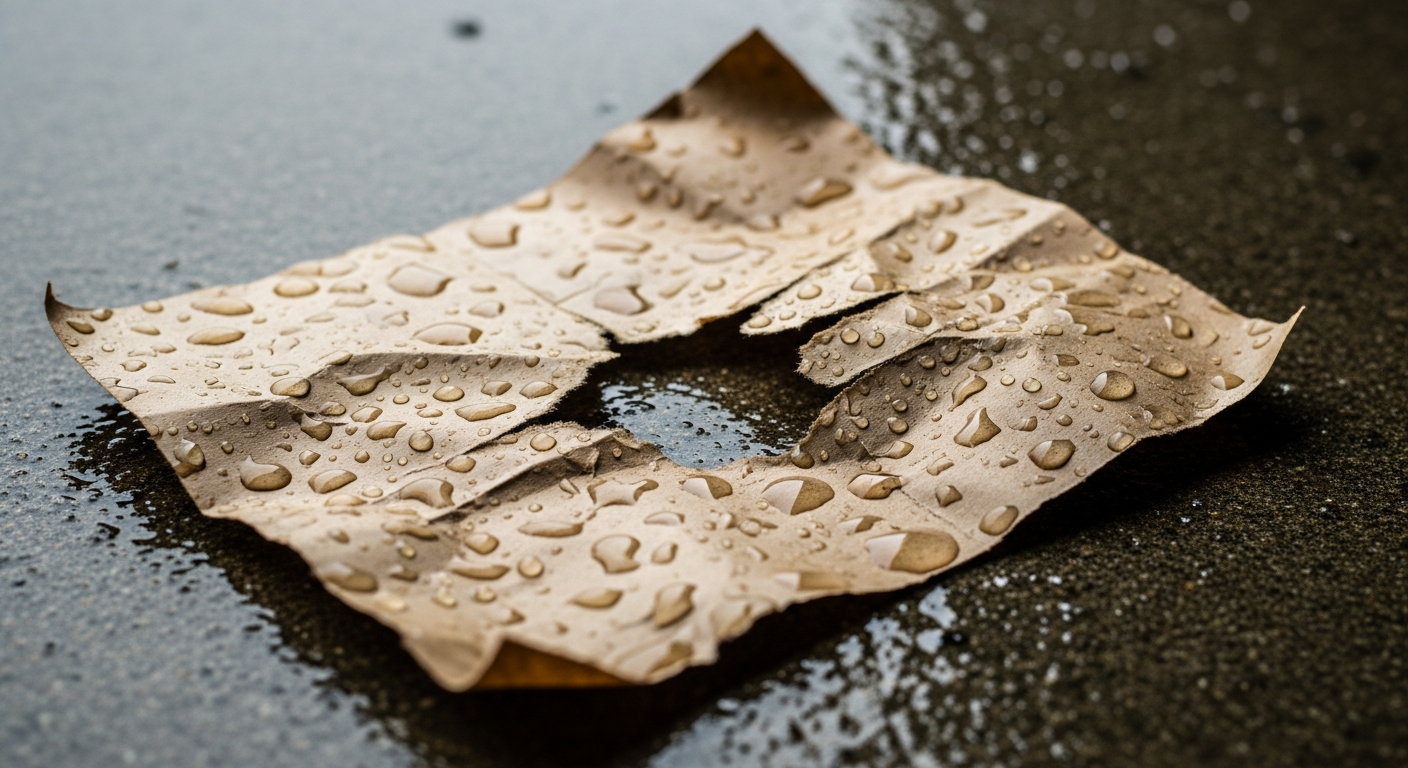
When kraft paper gets wet, it loses stiffness, tear resistance, and load-bearing capacity.
From lab testing and real shipping feedback, moisture can reduce box strength dramatically.
Effects of moisture on kraft paper
| Moisture Impact | Result |
|---|---|
| Fiber swelling | Paper softens |
| Bond weakening | Delamination risk |
| Loss of rigidity | Box collapse |
| Ink bleeding | Poor appearance |
This is why corrugated boxes fail more often in humid ports or rainy unloading conditions, even when paper quality is high.
How Fast Does Kraft Paper Lose Strength When Wet?
Some buyers ask how long kraft paper can survive moisture. The answer is: not long.
Kraft paper can begin losing strength within hours when exposed to high humidity or direct water contact.
From experience, damage speed depends on exposure level.
Moisture exposure timeline
| Condition | Typical Result |
|---|---|
| High humidity | Gradual softening |
| Condensation | Local weakening |
| Direct water | Rapid failure |
| Prolonged wet storage | Severe deformation |
In sea freight, condensation inside containers is a common hidden risk. This is why moisture control is part of packaging design, not an afterthought.
Is Kraft Paper Water-Resistant at All?
This is a common and important question.
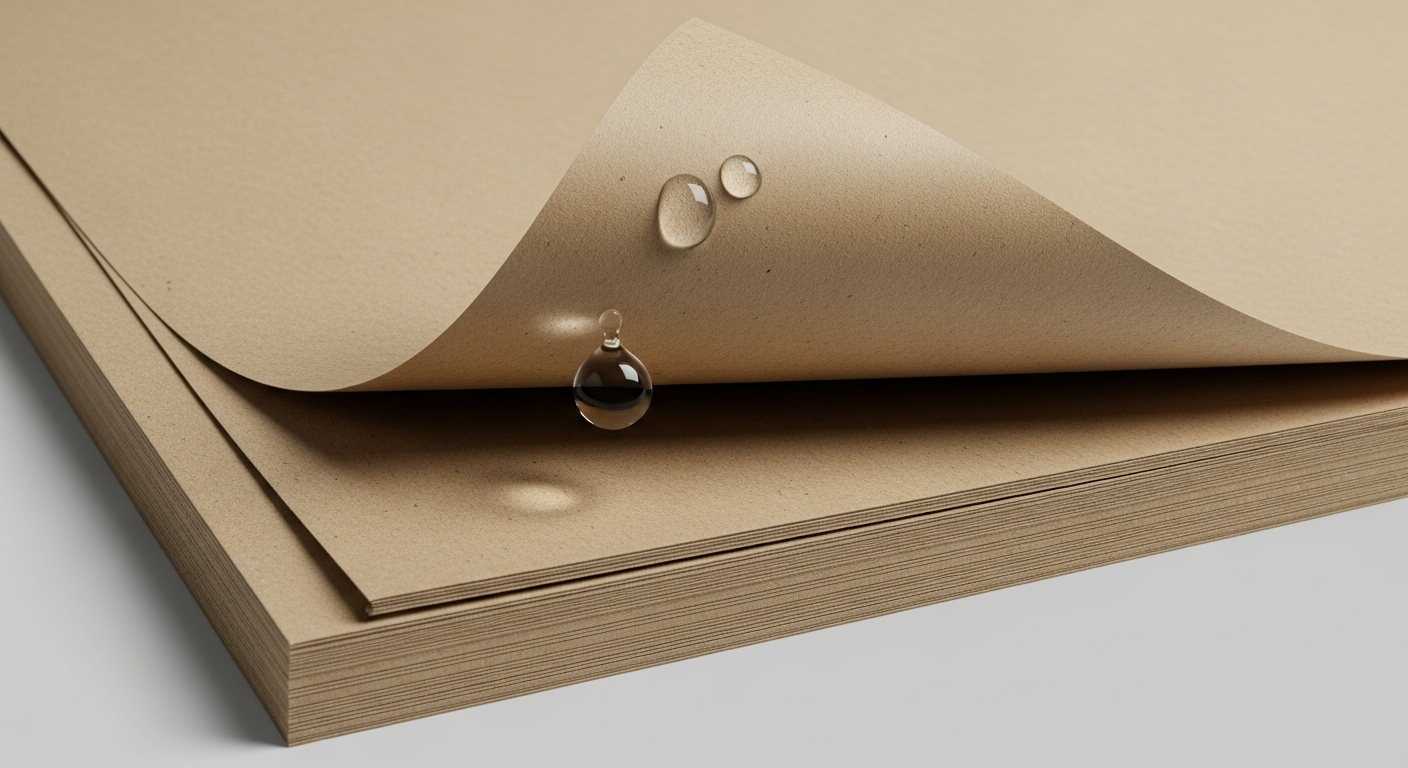
Standard kraft paper is not water-resistant unless treated with coatings, laminations, or additives.
Uncoated kraft paper offers no real barrier against water. Any resistance comes only from thickness, not material chemistry.
Ways kraft paper can resist moisture
| Method | Effect |
|---|---|
| PE or PLA lamination | Strong water barrier |
| Water-based coating | Light moisture resistance |
| Wax coating | Temporary protection |
| Inner liner | Reduced exposure |
In our factory, we often suggest moisture solutions based on shipping route and storage time. Over-protection increases cost. Under-protection increases risk.
Does Wet Kraft Paper Always Mean the Box Fails?
Not every wet box collapses immediately, but risk increases fast.
Once kraft paper absorbs moisture, its original strength cannot be fully restored after drying.
Fibers deform when wet. When they dry, they do not return to original structure. This creates permanent weakness.
Long-term risks after drying
| Issue | Result |
|---|---|
| Fiber fatigue | Lower load capacity |
| Warping | Poor stacking |
| Edge softening | Collapse risk |
From a factory quality view, any box exposed to significant moisture should not be reused for shipping.
How Do We Protect Kraft Paper Packaging from Moisture?
Kraft paper works well when used correctly.
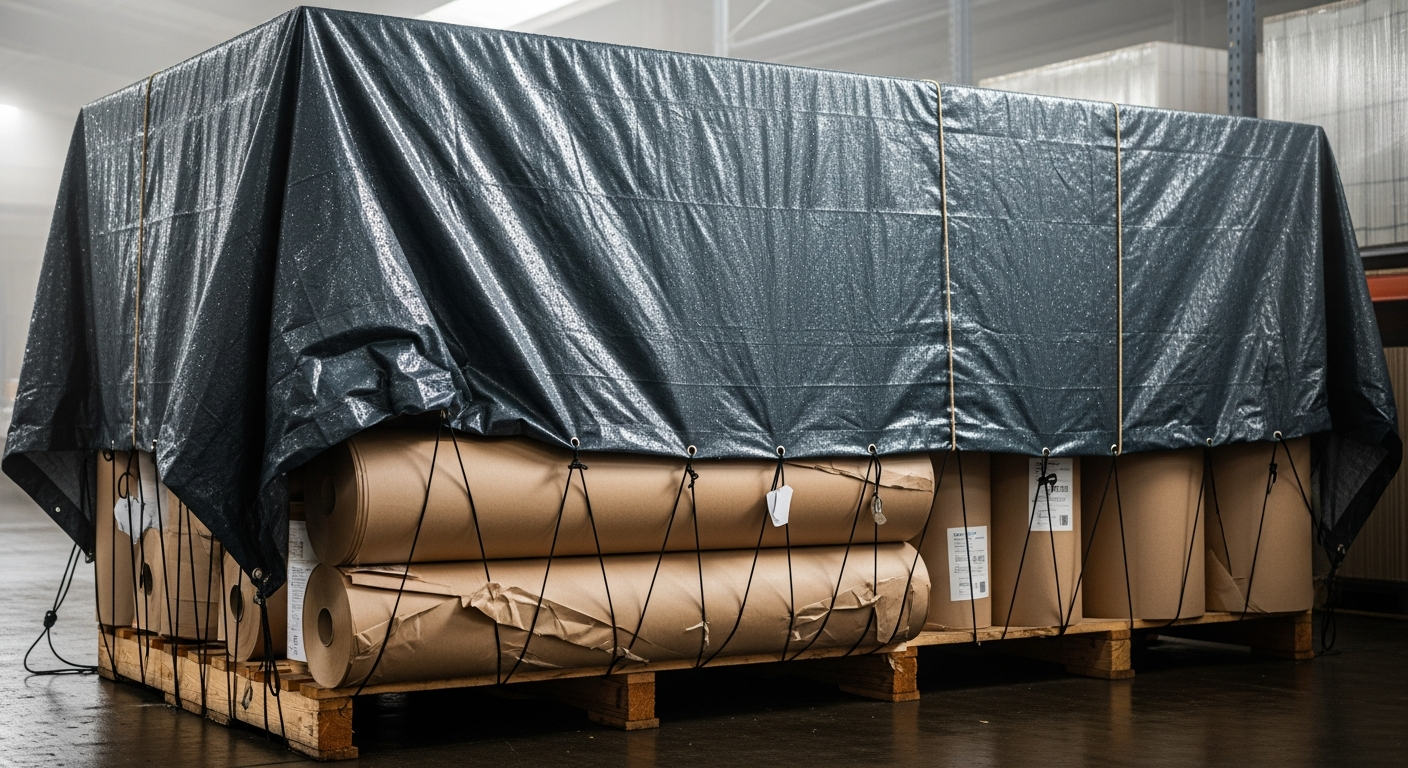
Moisture risk can be reduced through material selection, structural design, and factory-level protection methods.
In our manufacturing process, we evaluate moisture risk before recommending solutions.
Our moisture protection approach
- Analyze shipping route and climate
- Select suitable kraft grade and GSM
- Add coatings or liners if needed
- Use desiccants for sea shipping
For export cartons, we often combine strong kraft liners with container moisture control. This balance reduces failures without unnecessary cost.
When Should Kraft Paper Not Be Used?
Kraft paper is not suitable for every environment.
Kraft paper should be avoided in direct water exposure, outdoor storage, or long-term high-humidity conditions without protection.
High-risk use cases
| Scenario | Risk Level |
|---|---|
| Outdoor storage | Very high |
| Cold chain | Condensation |
| Wet logistics | Severe damage |
| Open-air transport | Unstable |
In these cases, we recommend alternative materials or reinforced solutions. Using kraft paper in the wrong environment leads to avoidable loss.
Why Do Brands Still Choose Kraft Paper Despite Moisture Risk?
If kraft paper gets wet so easily, why is it still popular?
Brands choose kraft paper because its strength, sustainability, cost efficiency, and versatility outweigh moisture risks when properly managed.
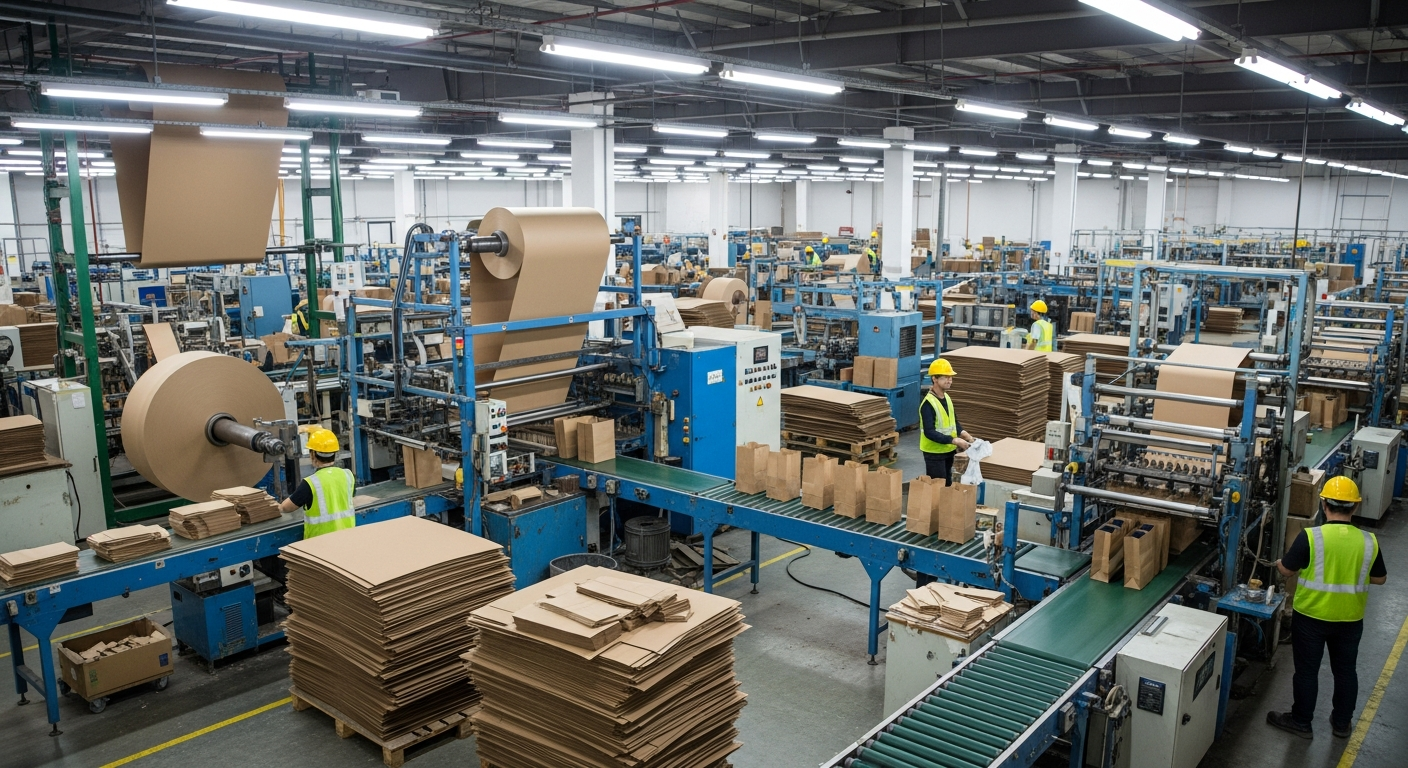
From real projects, moisture risk is manageable with good design.
Why kraft paper remains popular
| Reason | Value |
|---|---|
| High strength when dry | Reliable protection |
| Recyclability | Compliance friendly |
| Natural appearance | Brand trust |
| Cost efficiency | Scalable supply |
As a factory, our role is to help brands enjoy these benefits without suffering moisture-related failures.
Conclusion
kraft paper does get wet, and moisture significantly reduces its strength and performance. Kraft paper is not waterproof by nature, and ignoring this fact leads to packaging failure.
As a manufacturer, I help buyers design kraft paper packaging with real environments in mind. When moisture risk is understood and controlled, kraft paper remains one of the most reliable and sustainable packaging materials available.